Hakone in 1 or 2 days: which option to choose
Hakone is about 85 minutes from Shinjuku on the Odakyu Romancecar, or 35 minutes from Tokyo to Odawara by shinkansen, then 15 minutes by train to Hakone-Yumoto. Being this close tempts many travellers into a day trip. It works, but you spend most of the day on transport and miss what makes Hakone special: the hot springs.
Our advice:
- In one day: leave Shinjuku around 7:30am, do the full loop (train, cable car, ropeway, boat), and return by bus and Romancecar in the evening. No museum, no onsen, or a quick bath in Hakone-Yumoto before leaving.
- In two days (the right option): day 1, the mountain railway up, the Open-Air Museum, a night in a ryokan in Gora, Miyanoshita or Sengokuhara. Day 2, cable car, Owakudani ropeway, Lake Ashi cruise, Hakone Shrine, then back to Tokyo or on to Kyoto by shinkansen from Odawara.
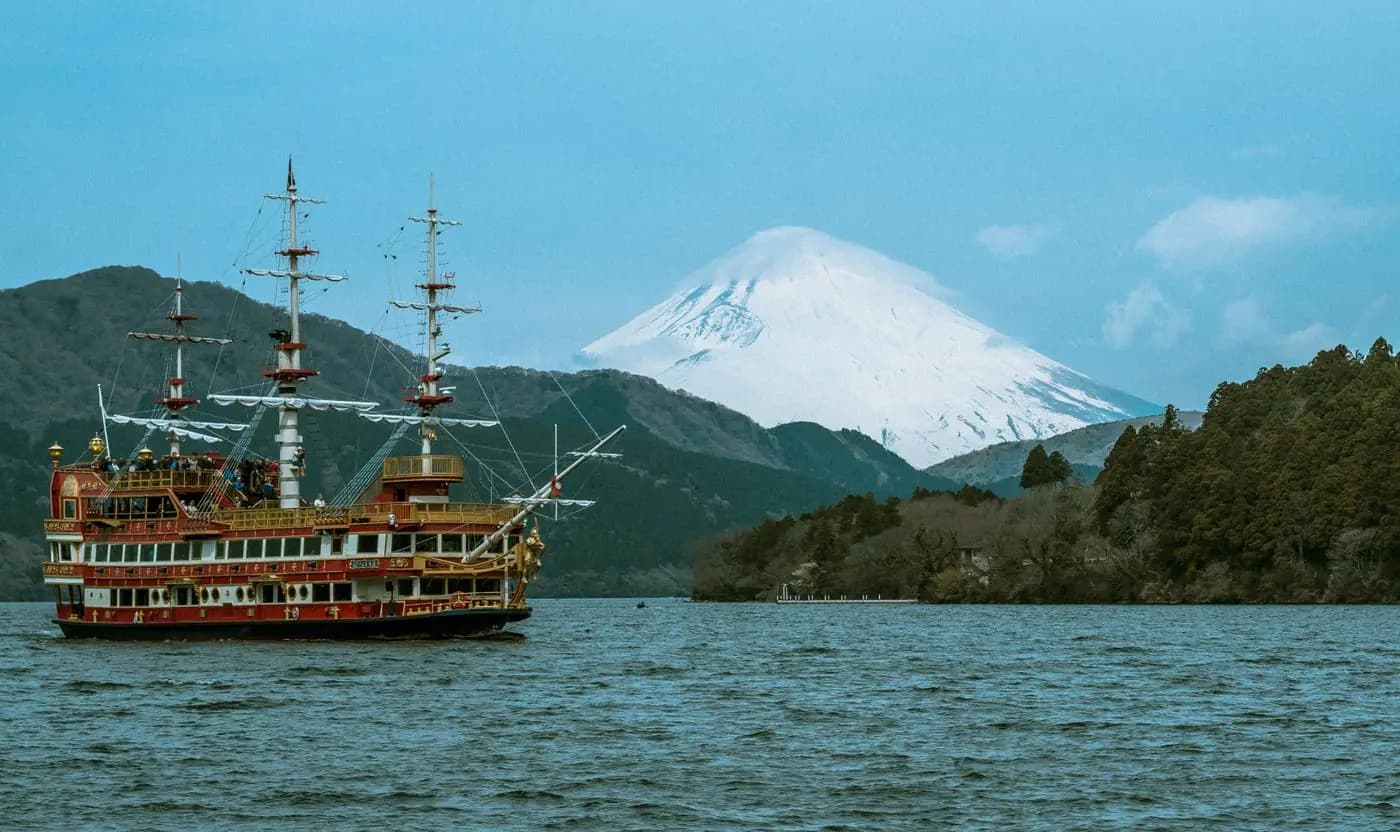
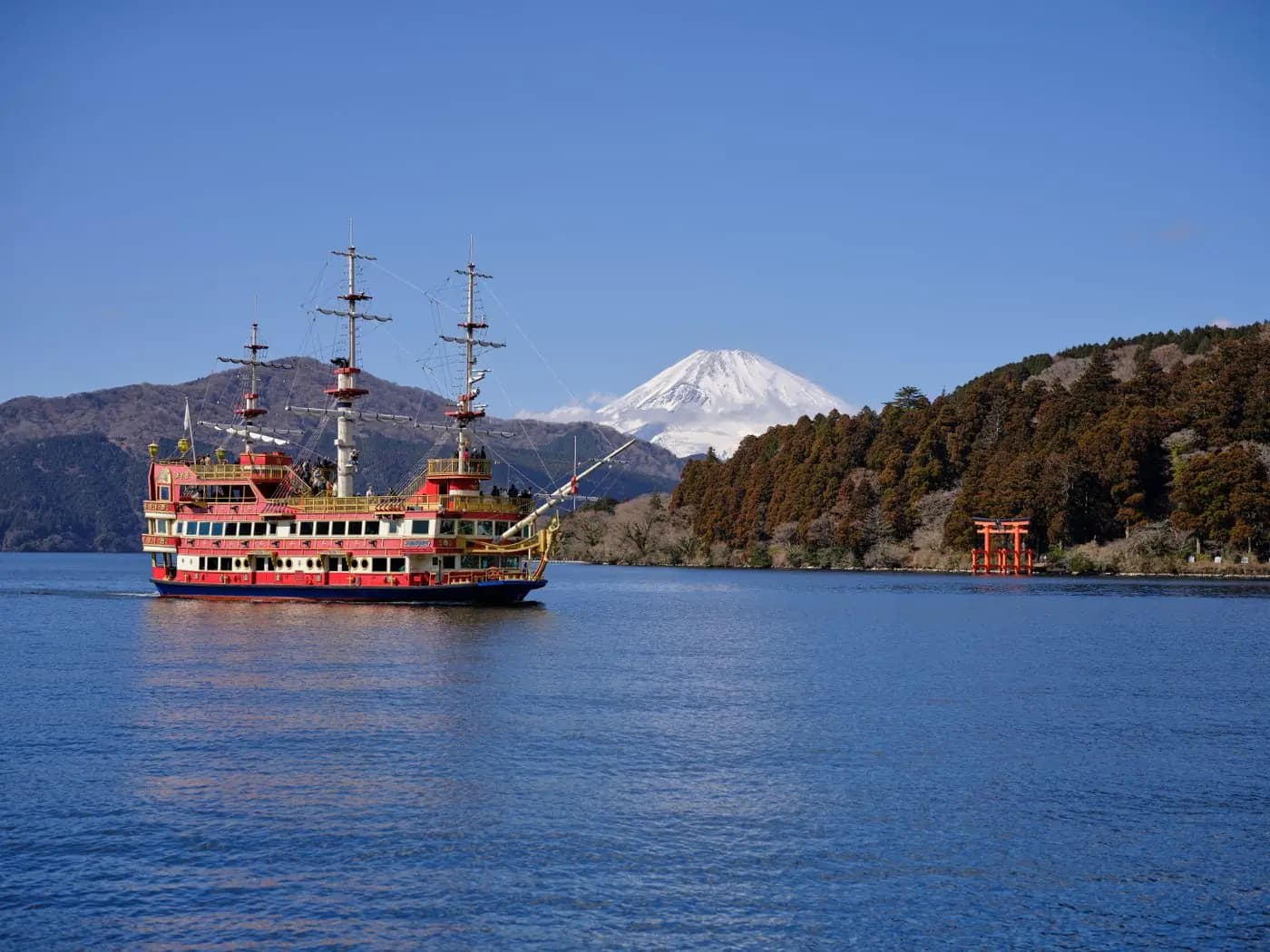
Hakone is very busy at weekends, during Golden Week and in November (autumn leaves). On weekdays outside Japanese holidays, queues at the ropeway and the pier are much shorter. For views of Mount Fuji, winter mornings (December to February) are by far the clearest; in summer it is often hidden in cloud.
The Hakone loop step by step: Tozan railway, cable car, ropeway and Lake Ashi
The Hakone Round Course strings together five types of transport. In the most common direction (from Hakone-Yumoto):
- Hakone Tozan mountain railway (Hakone-Yumoto → Gora, about 40 minutes). The train zigzags up the slope using three switchbacks: it stops, the driver changes ends and it heads off the other way. In June, hydrangeas line the track.
- Cable car (Gora → Sounzan, about 10 minutes). Mostly standing room; stand on the downhill side for the view.
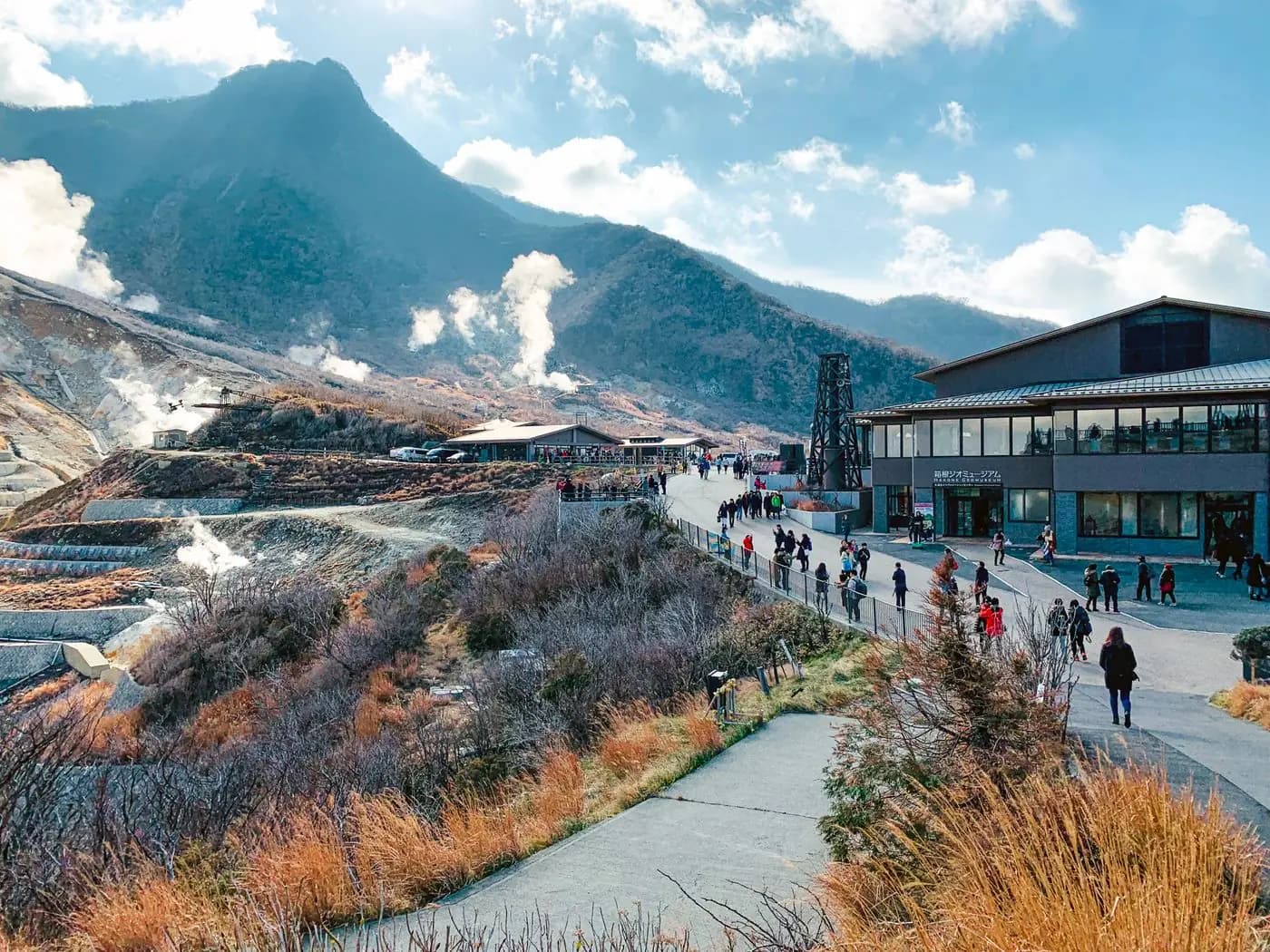
- Hakone Ropeway (Sounzan → Owakudani → Togendai, about thirty minutes including the change at Owakudani). Gliding over the Owakudani fumaroles, with Fuji opposite on a clear day, is the highlight of the day.
- Lake Ashi cruise (Togendai → Hakone-machi or Moto-Hakone, 25 to 40 minutes) aboard the famous "pirate ships". The upper deck is special class (supplement); the main deck is perfectly fine.
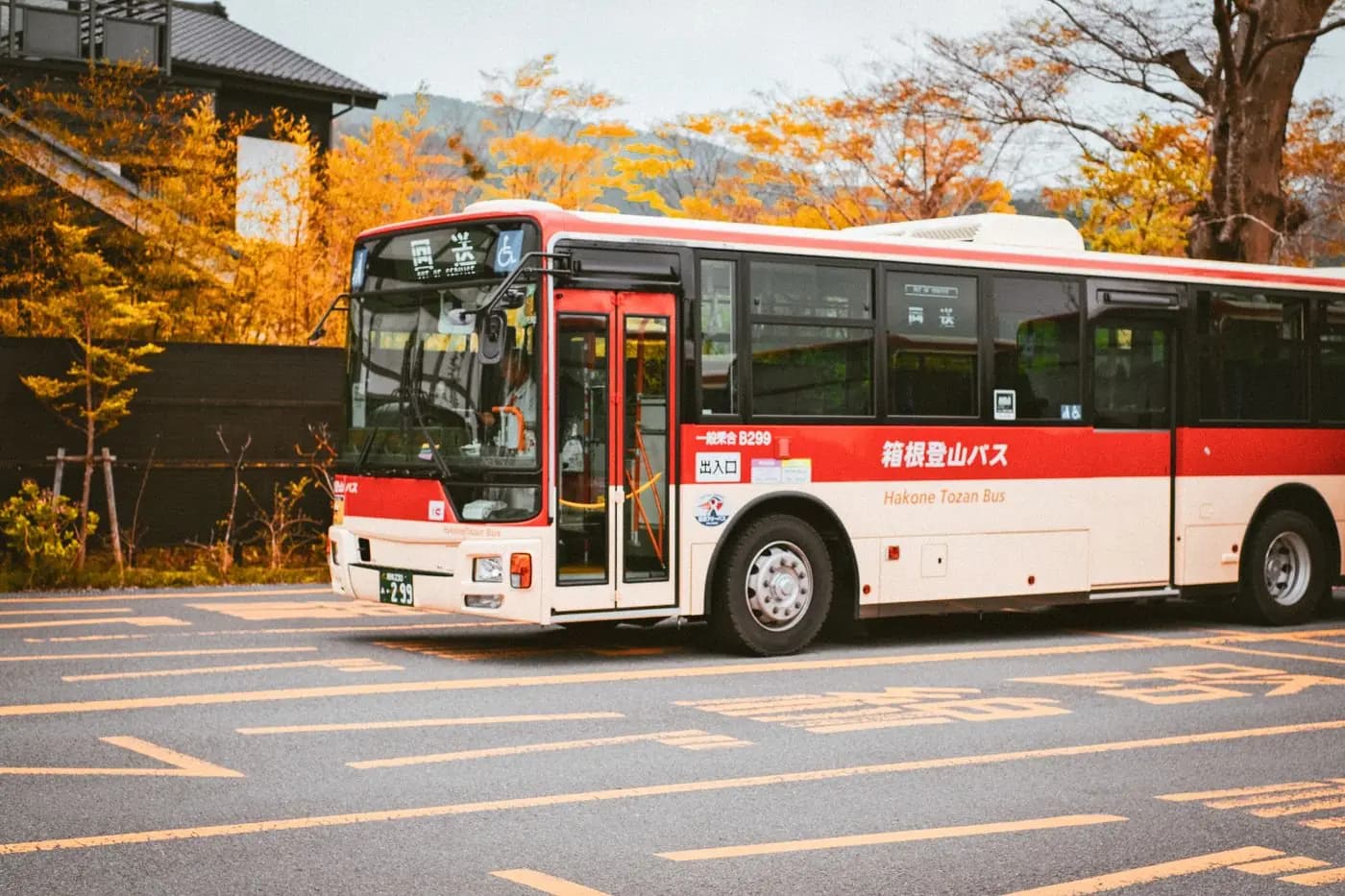
- Bus from Moto-Hakone to Hakone-Yumoto or Odawara (40 to 60 minutes depending on traffic, much longer on Sunday afternoons).
Owakudani deserves an hour's stop: it is a volcanic valley formed by an eruption some 3,000 years ago, where the famous black eggs boiled in sulphurous water are sold (the shell turns black from iron and sulphur). Legend says each egg adds seven years to your life. People with asthma or heart conditions should be careful with volcanic gases; access may be restricted depending on the alert level.
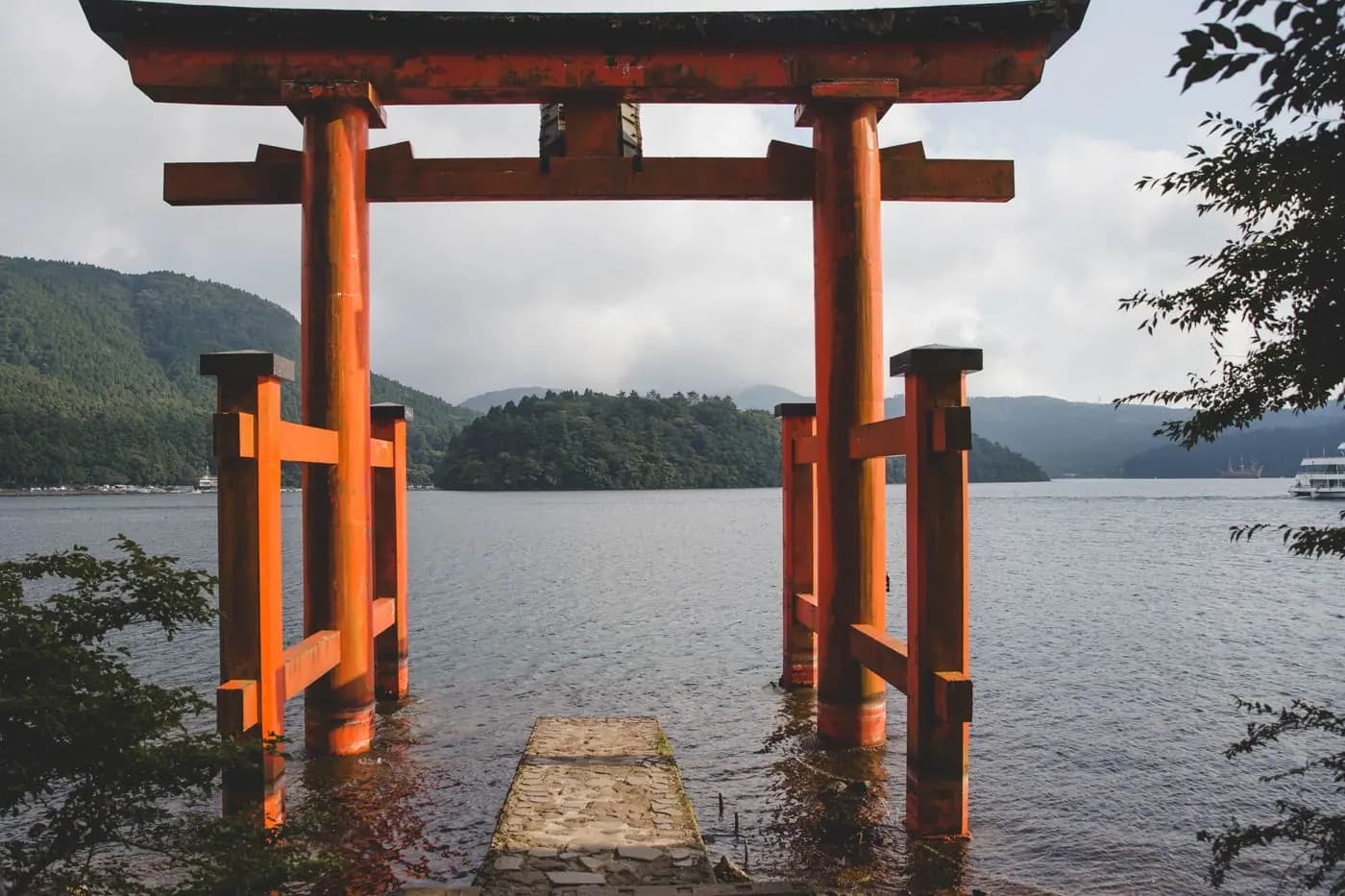
At Moto-Hakone, Hakone Shrine and its torii standing in the lake draw a long queue for photos: early morning or late afternoon, the wait is far shorter.
Check the ropeway status before setting off: during scheduled maintenance some sections are replaced by buses, and the official Hakone Navi site shows the real-time status of every line.
Is the Hakone Freepass worth it? 2026 prices and alternatives
Odakyu's Hakone Freepass is the ticket almost everyone buys. What it covers:
- unlimited rides on 8 means of transport in the area: the Hakone Tozan railway, cable car, ropeway, Lake Ashi boats, Hakone Tozan buses and Odakyu Hakone Highway buses, among others;
- from Shinjuku, one round trip between Shinjuku and Odawara on the Odakyu Line;
- discounts at around 70 facilities (museums, onsen, restaurants).
Adult prices for 2026 (official Odakyu site):
- From Shinjuku: ¥7,100 for 2 days, ¥7,500 for 3 days.
- From Odawara (Hakone area only): ¥6,000 for 2 days, ¥6,400 for 3 days.
- Children: ¥1,600 from Shinjuku, ¥1,500 from Odawara (2 days).
- Romancecar: ¥1,200 supplement per trip between Shinjuku and Hakone-Yumoto, reserved seats.
Is it worth it? As soon as you do the full loop with the ropeway and the boat, yes, even on a single day. But if you only go up to Gora for a ryokan night and come back the same way the next day, single tickets often work out cheaper.
Travellers arriving by shinkansen from Tokyo or Kyoto take the Odawara version and buy their shinkansen separately. The Japan Rail Pass does not cover the Odakyu Line, the mountain railway or the ropeway.
The Hakone Open-Air Museum and other museums
The Hakone Open-Air Museum, two minutes from Chokoku-no-Mori Station on the Tozan line, shows around 120 modern and contemporary sculptures on some 7 hectares facing the mountains. You will come across Henry Moore, Rodin, Niki de Saint Phalle and a Picasso Pavilion with several hundred works. Children climb inside the stained-glass "Symphonic Sculpture" tower and the giant knitted net, and a hot-spring foot bath offers a break mid-visit.
Practical information (official site):
- Hours: 9am–5pm all year, last entry 30 minutes before closing.
- Fees: ¥2,000 on the day, ¥1,800 online; ¥1,800 per person for groups of 15 or more.
- Time needed: 1 h 30 to 2 hours. Most of the museum is outdoors: bring an umbrella.
Other well-known museums, mostly in Sengokuhara: the Pola Museum of Art, a glass building in the middle of the forest with a fine Impressionist collection; the Lalique Museum; and the Hakone Museum of Art in Gora, for Japanese ceramics and its moss garden, superb in November.
Onsen and ryokan in Hakone: where to stay and how to bathe
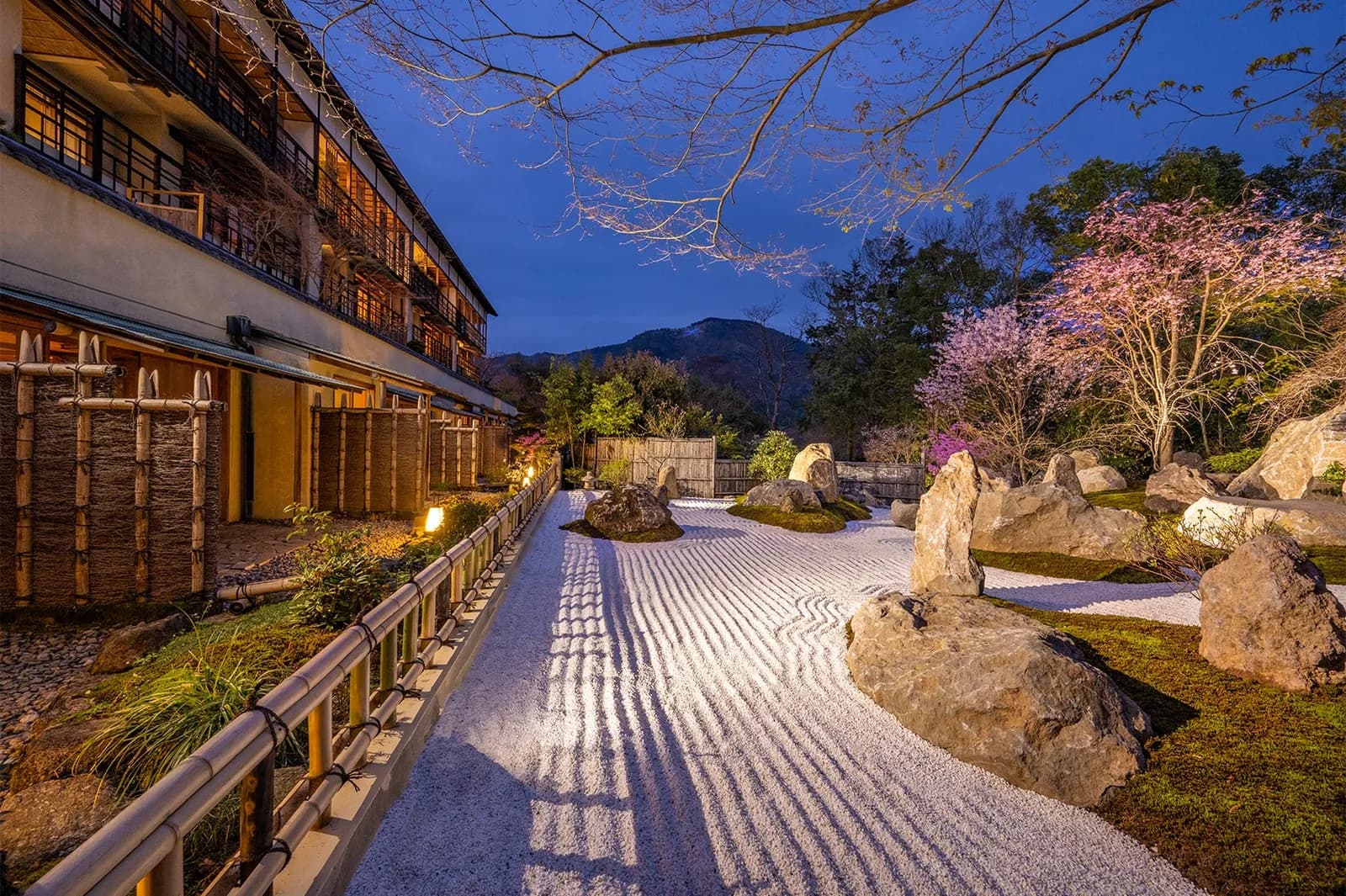
Hakone has around twenty different hot springs, with waters of varied composition. The main areas to stay:
- Hakone-Yumoto, at the foot of the mountains: the most convenient for a late arrival or early departure, with many day-use baths, but more urban.
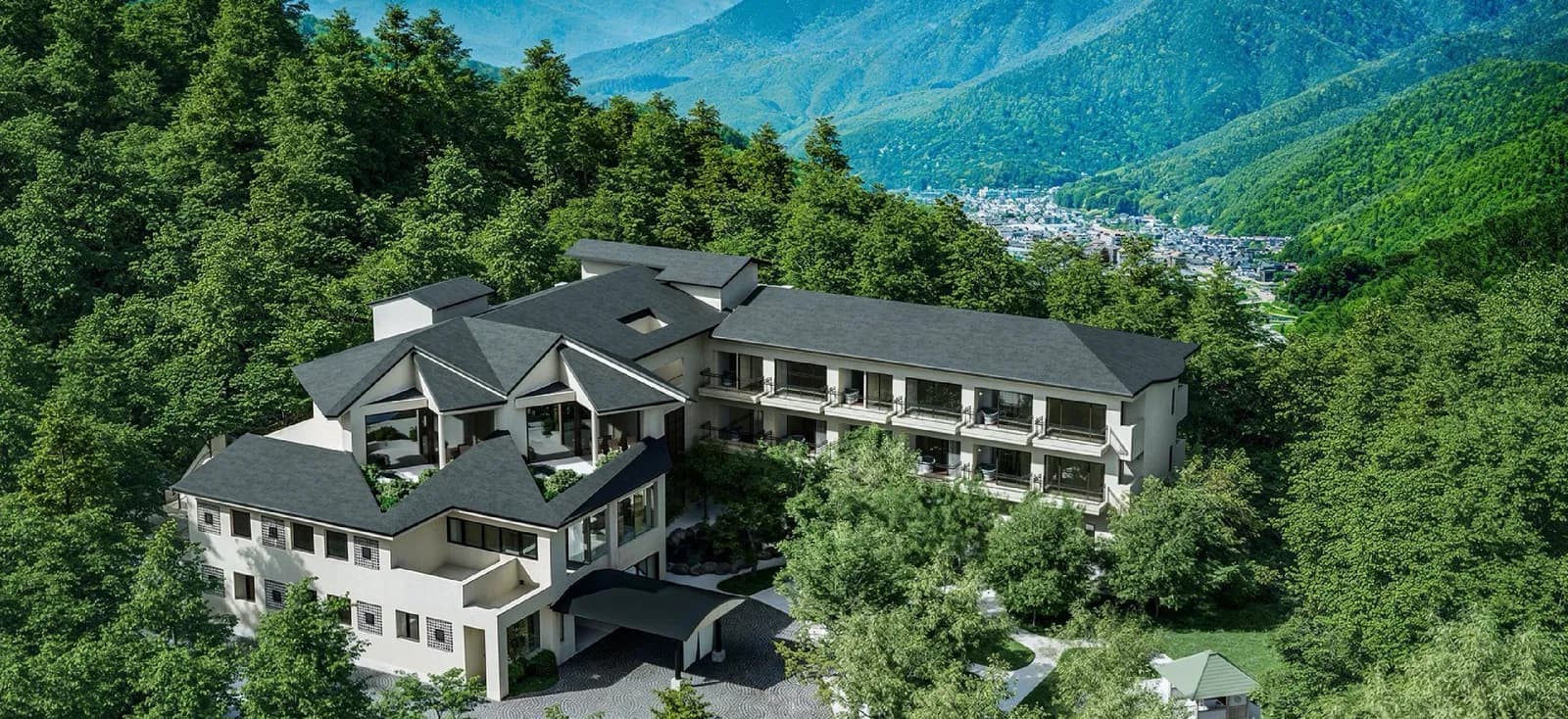
- Miyanoshita, clinging to the valley side, with some historic early-20th-century hotels and characterful ryokan.
- Gora, at the top of the mountain railway: many high-end ryokan, close to the Open-Air Museum and the cable car.
- Sengokuhara, a quieter plateau to the north, with fields of susuki (Japanese pampas grass) turning gold in October, and its museums.
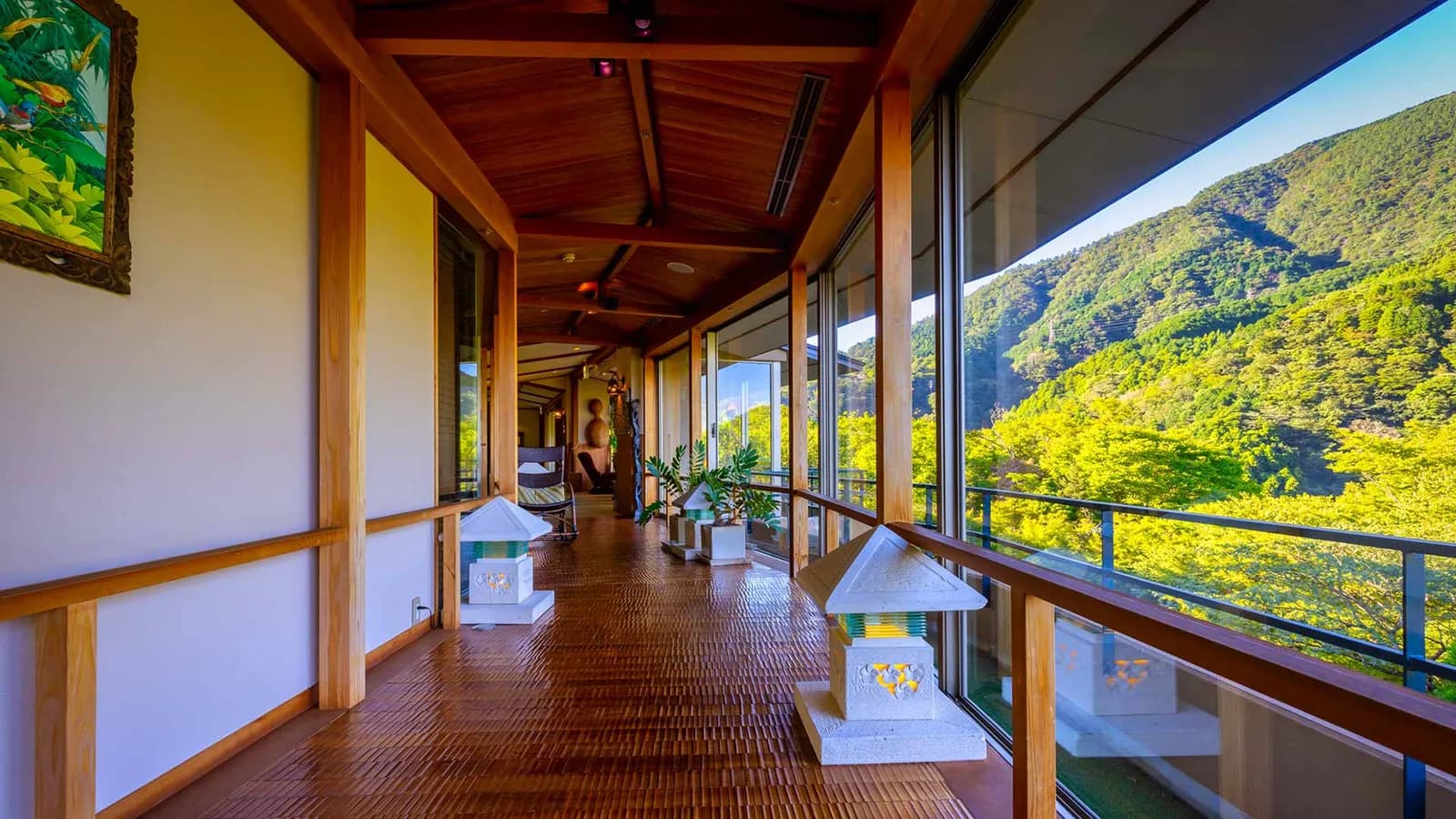
A night in a ryokan usually includes a multi-course kaiseki dinner served in your room or a private dining room, a Japanese breakfast, a yukata and use of the baths. Many offer rooms with a private open-air bath (rotenburo), ideal for those who do not want to bathe naked with others. Prices rise sharply on Saturdays and the night before public holidays.
Bathing rules to know before you go in:
- wash and rinse thoroughly, seated at the showers, before getting into the bath;
- go in naked; the small towel stays out of the water (on your head or the edge);
- no swimming, no putting your head under, keep your voice down;
- tattoos: many places still refuse them in shared baths. Rooms with private baths and bookable private baths (kashikiri) solve the problem.
For a bath without staying overnight, several large establishments in Hakone-Yumoto and Sengokuhara sell day passes.
Luggage, access and pitfalls to avoid in Hakone
Luggage. This is Hakone's main trap. The mountain railway, cable car, ropeway and boat are often packed and poorly suited to large suitcases. Two solutions:
- Odakyu's baggage service at Hakone-Yumoto Station, which delivers suitcases to your lodging within the Hakone area (drop off in the morning, delivered in the afternoon);
- takkyubin from your Tokyo hotel to your post-Hakone hotel (in Kyoto, for example), keeping a small bag for the ryokan night.
Getting there. From Tokyo, the direct Romancecar from Shinjuku to Hakone-Yumoto is the most comfortable (about 85 minutes, reserved seats). The shinkansen to Odawara (35 minutes from Tokyo, about 2 hours from Kyoto) is faster if you are coming from Tokyo Station or the Kansai. Direct buses also link Shinjuku with Hakone, handy for going straight to Lake Ashi or Sengokuhara.
Common pitfalls:
- doing the full loop on a Sunday afternoon: the bus back can take over an hour in traffic;
- forgetting the times of the last ropeway and last boat, which stop in the late afternoon (earlier in winter);
- counting on Fuji views in July–August;
- arriving at the ryokan after 6pm without warning: the kaiseki dinner is served at a set time.
Hakone with a group: seminars, incentives and a ryokan night
Less than two hours from Tokyo, Hakone is one of the most requested group outings for companies: a day of meetings in Tokyo, then a night in a ryokan with onsen and dinner. A few principles to make it work:
- Coach rather than the public-transport loop. With 30 people, the mountain railway and ropeway at peak times become an ordeal. Keep one or two iconic legs (the ropeway over Owakudani, the boat on the lake) and let a private coach do the rest, luggage included.
- Charter the boat. Lake Ashi boats can be chartered for a group, with the option of drinks on board; it is often the best moment of the day.
- Choose lodging by group size. The boutique ryokan of Gora and Miyanoshita often have 15 to 40 rooms: ideal for a leadership team, too small for 80 people. Large groups stay in resort hotels on Lake Ashi or in Sengokuhara, with banquet rooms, or split between two neighbouring ryokan.
- Prepare the bath. A simple briefing on bath etiquette, the tattoo question and booking private baths avoids awkward moments. Rooms with a private rotenburo are valuable for guests who prefer not to use shared baths.
- Museum and group rates. The Open-Air Museum gives group rates from 15 people and has coach parking by reservation (¥2,000).
- Timing. Avoid Saturdays (high rates, packed roads); weekdays in April–May, June (hydrangeas) and October–November are ideal.
SHINOGI DMC organises Tokyo – Hakone programmes for company groups, with private transport, chartered boats, selected ryokan and on-site activities.
Frequently asked questions
How much is the Hakone Freepass in 2026?
¥7,100 for 2 days from Shinjuku (¥7,500 for 3 days) and ¥6,000 from Odawara (¥6,400 for 3 days), adult prices. The Romancecar costs ¥1,200 extra per trip.
How long does the Hakone loop take?
A full day, about 6 to 8 hours with stops at Owakudani and Hakone Shrine. With the Open-Air Museum, it is better spread over two days.
Is the Japan Rail Pass valid in Hakone?
Only for the shinkansen as far as Odawara. The Odakyu Line, Hakone Tozan railway, cable car, ropeway and boats are not covered.
Can you use an onsen in Hakone with tattoos?
Many shared baths still refuse them. Ryokan rooms with private baths and bookable private baths (kashikiri) are the simplest solution.
When can you see Mount Fuji from Hakone?
Mostly on winter mornings, from December to February, when the air is dry. In summer Fuji is usually hidden by cloud.
Is Hakone suitable for a company seminar?
Yes: less than two hours from Tokyo, with ryokan for small committees and hotels with banquet rooms for large groups. SHINOGI DMC can arrange transport, a chartered boat and lodging.
Rédaction SHINOGI DMC · Updated