Japan fall foliage 2026: when do the leaves turn red?
In 2026, Japan's koyo (autumn colours) peaks in mid-October in the mountains (Kamikochi, Oku-Nikko), in late October to early November in Nikko and the higher parts of Hakone, then from late November to early December in Kyoto and Tokyo. Weathernews' second forecast, published on 8 October 2026, puts the peak around 23 October in Nikko (Irohazaka road) and around 24 November in Arashiyama, Kyoto, slightly later than average because of a warm autumn.
The colour front moves from north to south and from the peaks down to the plains, the reverse of the cherry blossom in spring. A few markers for planning a trip:
- Late September to early October: Hokkaido (Daisetsuzan), high plateaus of the Japanese Alps.
- Mid-October: Kamikochi (forecast around 13 October in 2026), Oku-Nikko, Tohoku lakes.
- Late October to early November: Lake Chuzenji and Irohazaka in Nikko, Towada, Onuma.
- November: Hakone, Kanazawa (Kenrokuen around 22 November), Miyajima (around 19 November), Kyoto at the end of the month.
- Late November to early December: Kyoto (maples), Tokyo (yellow ginkgos and maples), Osaka.
A detail that avoids disappointment: in any one city, the peak lasts about two weeks, and not all trees turn at once. In Kyoto, the gardens of Takao, at higher altitude, redden about ten days before the city centre.
For all seasons, our article on the best time to visit Japan compares the months; the one on cherry blossoms is the spring counterpart to this guide.
2026 foliage forecasts and average dates: how to read the map
Two kinds of data circulate, and it helps to tell them apart.
Japan Meteorological Agency (JMA) averages. For decades the JMA has observed reference trees, including the maple (iroha-momiji), at its stations. The "koyo day" is the day when most of the sample tree's leaves have changed colour. The 1991–2020 averages put that day around 28 November in Tokyo and 5 December in Kyoto. It is a good long-term marker, but it describes one specific tree, not a whole city.
Private weather companies' forecasts. Weathernews, the Japan Weather Association (tenki.jp) and others publish site-by-site forecast maps from September to November, updated every two or three weeks. For 2026, Weathernews announced on 8 October:
- Kamikochi: around 13 October.
- Nikko, Irohazaka road: around 23 October.
- Lake Towada: around 27 October.
- Miyajima: around 19 November.
- Kenrokuen (Kanazawa): around 22 November.
- Arashiyama (Kyoto): around 24 November.
The company notes that a warm autumn is delaying colour at sites that usually peak after late October, and that low sunshine in September could dull colours in some regions. A new forecast was due in late October.
How to use them: set the dates of an independent trip with the averages, refine two or three weeks ahead with the forecasts, and keep a week's margin. For a group whose dates are fixed six months ahead, choose a destination with a wide window rather than one garden on one date.
Kyoto autumn leaves in November: Tofuku-ji, Kiyomizu-dera, Eikando, Arashiyama
Kyoto has the country's greatest density of maple gardens, and the biggest crowds. The places worth the trip, with the 2026 rules published by the temples:
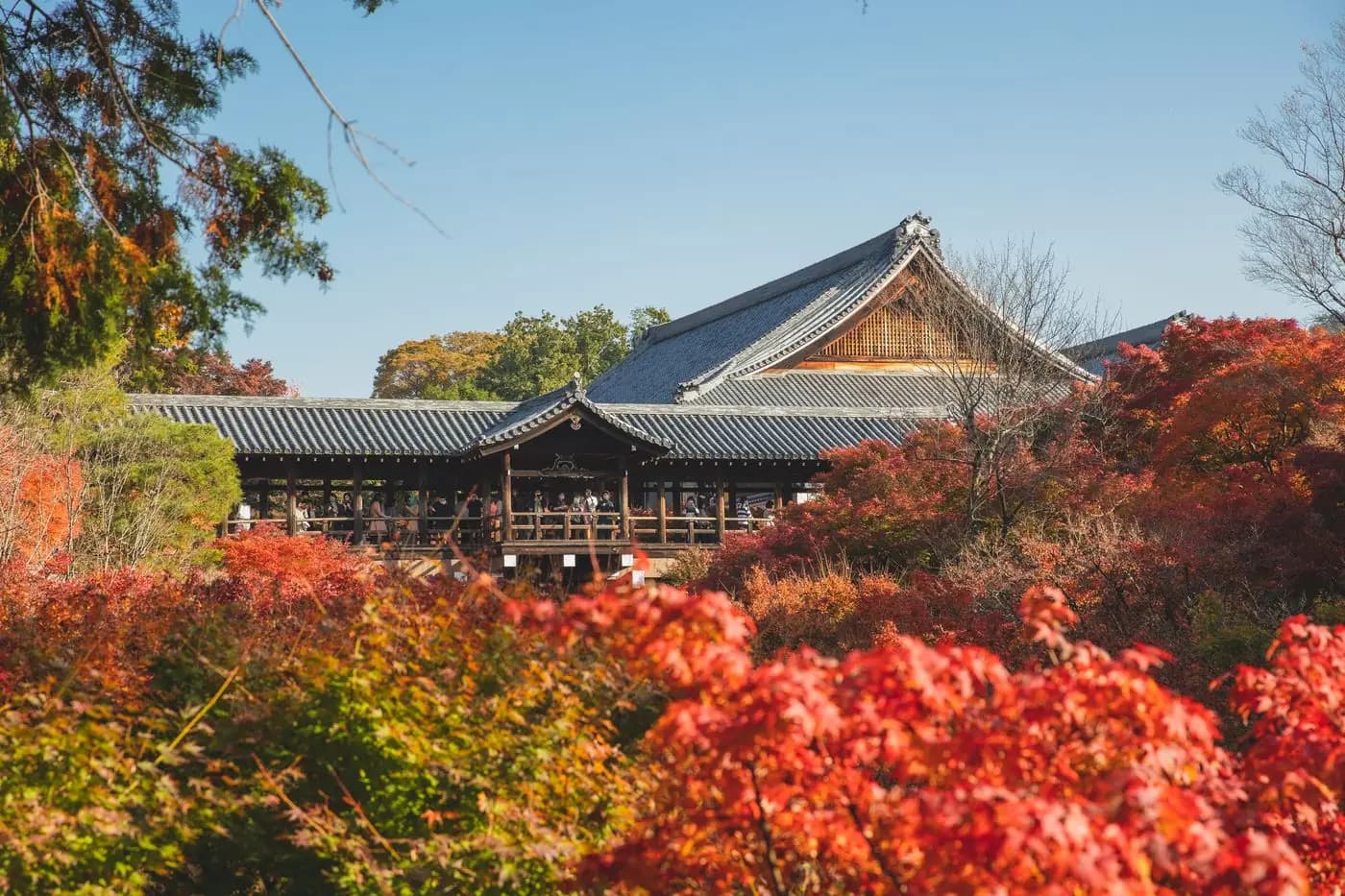
- Tofuku-ji. The covered Tsutenkyo bridge overlooks a valley filled with maples. In 2026 the autumn season runs from 14 November to 6 December: the bridge opens from 8:30 am, entry is ¥1,000 (instead of ¥600), with no group rate and no combined ticket with the Hojo garden (¥600 from 1 November 2026). The temple warns that photography may be refused on the Tsutenkyo and Gaunkyo bridges at peak times, and tripods are banned. Arriving at opening time makes all the difference.
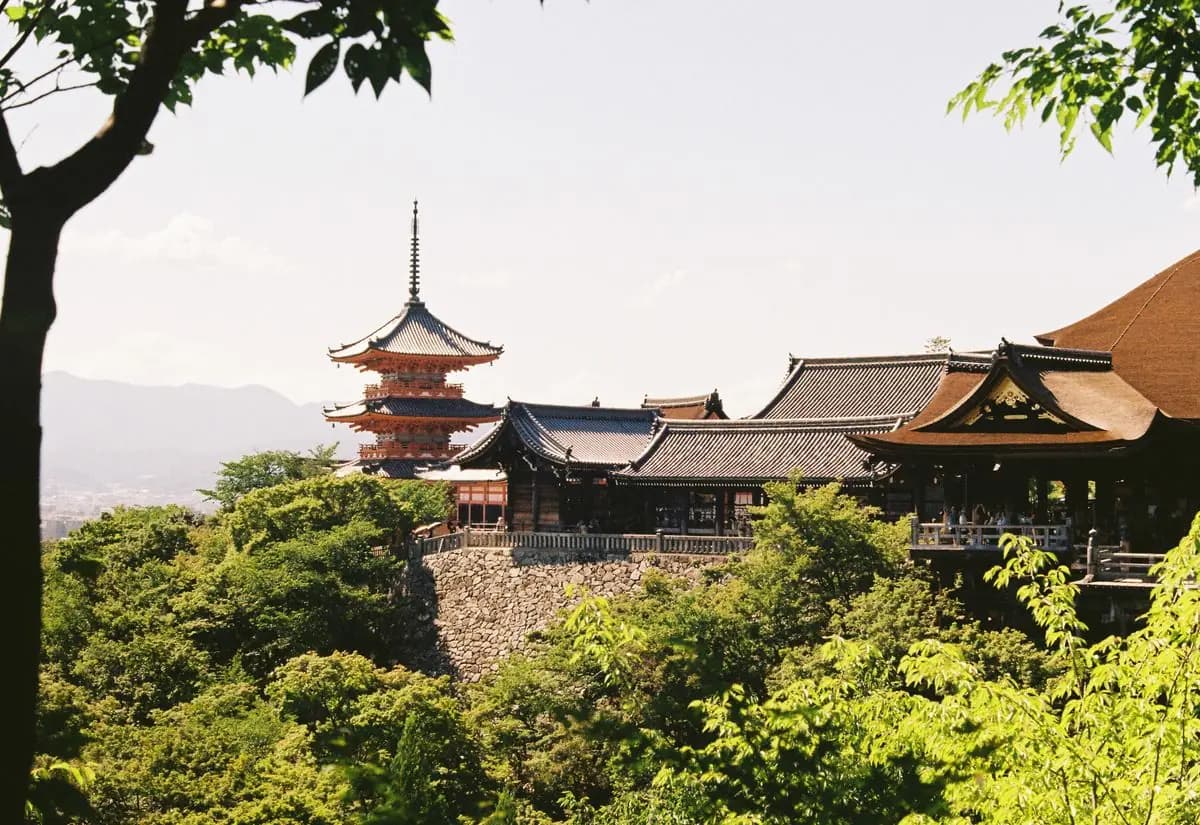
- Kiyomizu-dera. Autumn night visits from 21 to 30 November 2026, with opening extended to 9:30 pm (last entry 9 pm). The rest of the month it closes at 6 pm. Adult entry ¥500, cash only.
- Eikando (Zenrin-ji). Nicknamed "the maple temple", it traditionally opens in the evening with illuminations from mid-November to early December. 2026 dates and fees are posted on the temple's website as the season approaches; in 2025, illuminations ran from 11 November to 10 December.
- Arashiyama. Mount Arashi, the Togetsukyo bridge and the Tenryu-ji gardens make a striking whole, forecast to peak around 24 November in 2026. Huge weekend crowds: come before 8 am.
- Takao and Ohara. 40 to 60 minutes from the centre, cooler and about a week earlier. Jingo-ji in Takao, Sanzen-in in Ohara: fewer coaches, mountain paths, a more rural feel.
To link these sites, our 2-day Kyoto itinerary splits the city by district, a logic that works in autumn too.
Where to see autumn leaves in Tokyo: Jingu Gaien ginkgos, Rikugien, Mount Takao
Tokyo lacks Kyoto's reputation, but its autumn is lovely, and later: the JMA koyo average falls around 28 November. Tokyo's speciality is its ginkgos, which turn bright yellow.
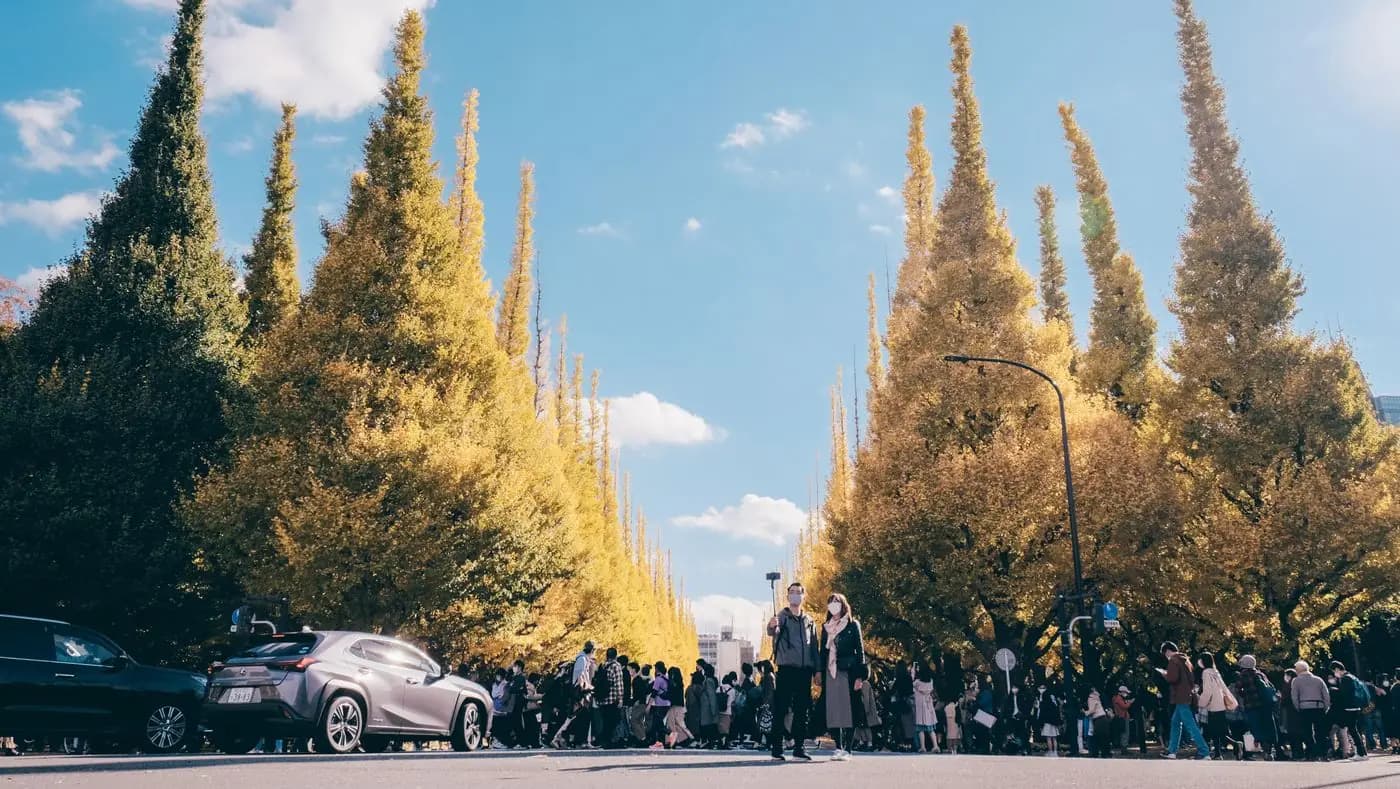
- Jingu Gaien ginkgo avenue. An avenue lined with four rows of ginkgos, near the National Stadium. The yellow usually peaks from late November to early December; a ginkgo festival with food stalls is usually held around then. Go on a weekday, early in the morning, when the light is low.
- Rikugien. An Edo-period strolling garden in Komagome, with a pond, artificial hills and maples. Night openings with illuminations usually run from late November to early December, with tickets. Handy for a small group at the end of the day.
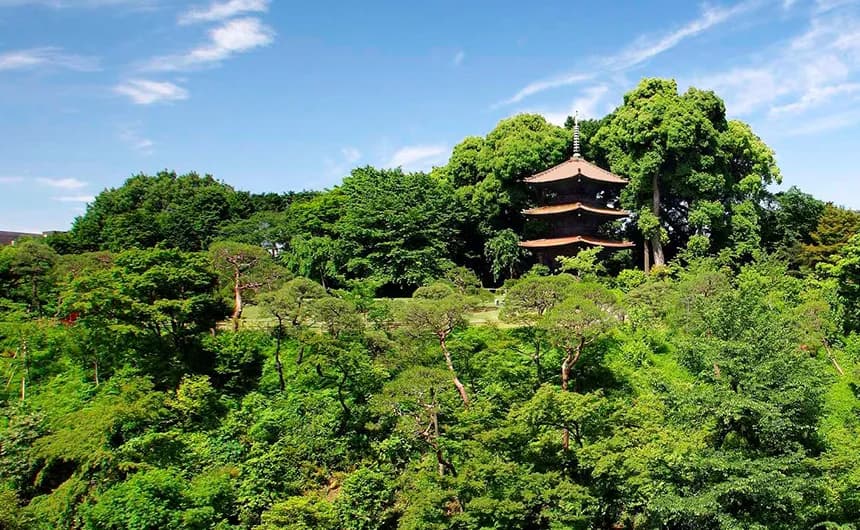
- Hotel Chinzanso gardens and Koishikawa Korakuen. Two central maple gardens, the first part of a hotel, the second public.
- Mount Takao. 50 minutes from Shinjuku on the Keio line. Maples around Yakuo-in temple, usually peaking in mid to late November, an easy hike with a cable car. Very busy at weekends: go on a weekday.
- Showa Kinen Park in Tachikawa: a long ginkgo avenue and a Japanese garden, with more space for a group.
Tokyo's advantage for a seminar: you can slot an hour of autumn leaves between two meetings, with no transfer or booking, which is impossible in Kyoto at peak season. Our 3-day Tokyo guide helps place these gardens in a programme.
Nikko and Hakone: autumn colours two hours from Tokyo
To see whole mountainsides in colour, you need to leave the cities. Two destinations suit a day trip or a night from Tokyo.
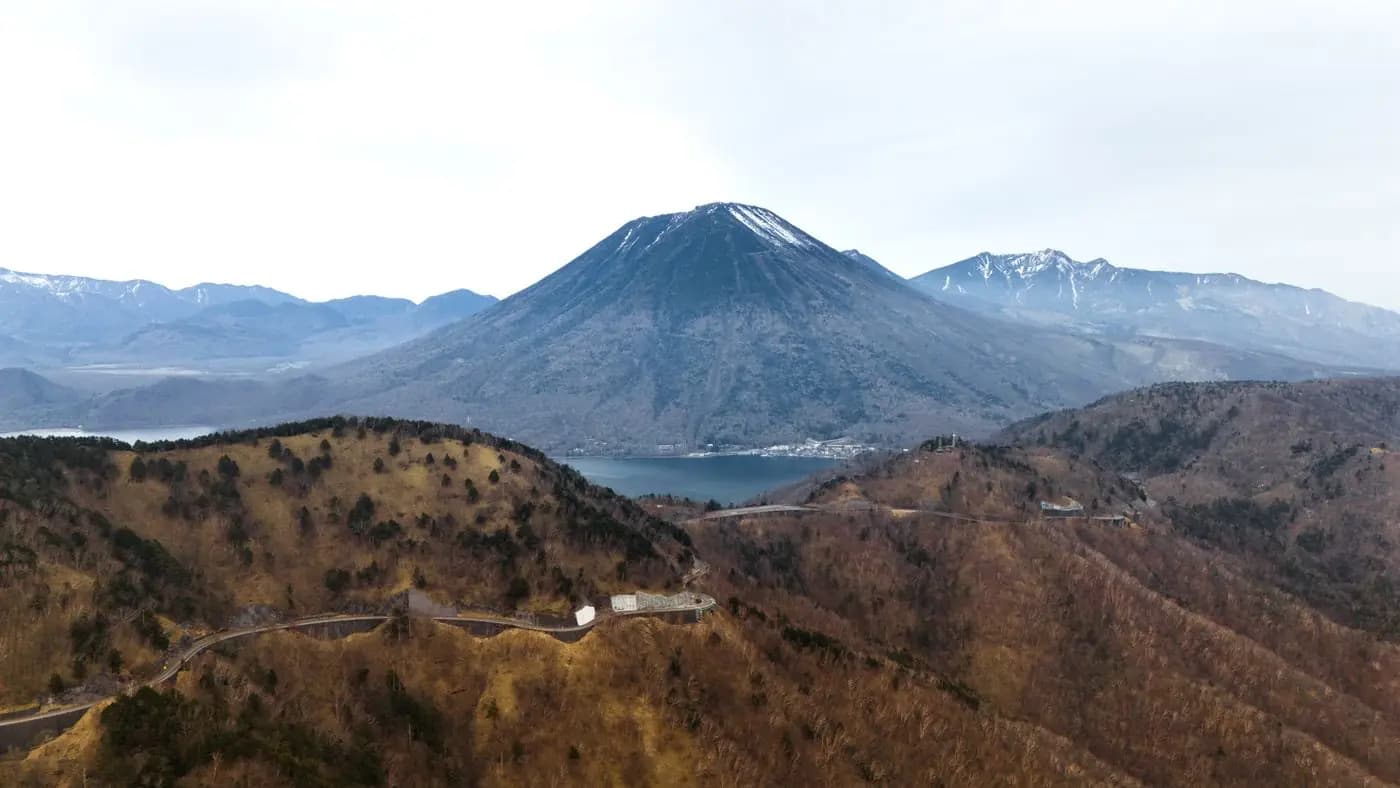
Nikko. The large range of altitude spreads the season over nearly two months. The Oku-Nikko plateaus (Senjogahara, Yudaki) turn from late September; Lake Chuzenji, the hairpin Irohazaka road and Kegon Falls peak from mid-October to early November (Irohazaka forecast around 23 October in 2026); the lower town around the Toshogu shrines takes over until mid-November. The downside is traffic. On peak weekends, the climb up Irohazaka can take hours. Go on a weekday, reach Lake Chuzenji before 8 am, or leave the car and take the bus.
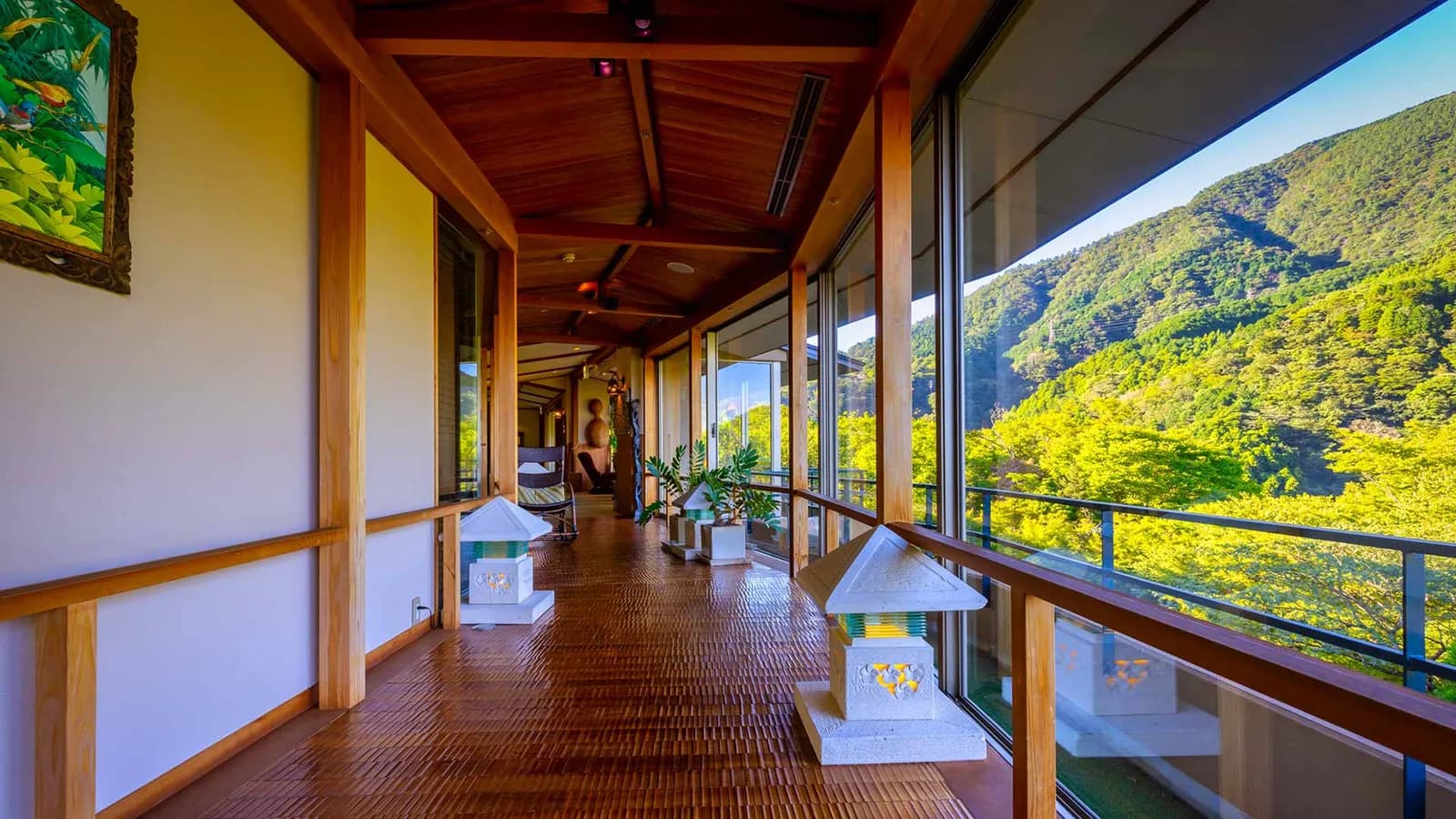
Hakone. Less spectacular than Nikko for pure foliage, but easy to combine with a ryokan, an onsen and a view of Mount Fuji. The season usually runs from early to late November depending on altitude: Sengokuhara and the Owakudani pass first, then Lake Ashi, and finally the low valleys of Yumoto and Tonosawa. Gora Park and the museum gardens offer fine maples without a climb.
For a group, Hakone has suitable hotels and simple logistics (Romancecar from Shinjuku, private coach), whereas Nikko demands very early starts to beat the jammed road. Our articles on day trips from Tokyo and on Hakone cover access and ryokans.
Japan fall foliage 2027: planning next year's autumn trip
No forecast exists yet for 2027: weather companies publish their first maps in September of the year in question. Only averages and recent trends can be relied on.
What we do know:
- JMA averages remain the baseline: late November in Tokyo and early December in Kyoto for the sample tree, which corresponds to a visible peak in city gardens from the third week of November to the first week of December.
- The trend in recent years is towards warmer autumns and later colours in the lowlands, with one- to two-week variations from year to year.
- Night visits and special openings (Kiyomizu-dera, Eikando, Tofuku-ji, Rikugien) return every year, but their exact dates are only announced a few weeks to a few months ahead. Never build a programme around an illumination date that has not been published.
For an independent trip in 2027, aim for 20 November to 5 December for Kyoto and Tokyo, and the second half of October for Nikko and the Japanese Alps. Book Kyoto hotels as early as possible: in November, rates climb and good rooms go early.
For a group, think in terms of a window of destinations rather than a date: a Tokyo–Hakone–Kyoto programme from 15 to 25 November stands a strong chance of finding colour at one stop at least, whatever the year's shift.
Seeing autumn leaves with a group: booking at peak without the crush
Kyoto's koyo peak is one of the busiest times of the year, on a par with cherry blossom season. For a group, what works:
- Book early. Kyoto hotels 6 to 9 months ahead for the second half of November; private restaurants and kaiseki rooms 3 to 4 months ahead; coaches and guides as soon as the programme is confirmed.
- Play with timing. Temple opening times (8:30 am at Tofuku-ji in season) or night visits. Between 10 am and 3 pm at weekends, Tofuku-ji, Eikando and Arashiyama are saturated.
- Split up. Sub-groups of 15 to 20, each with a guide, and staggered visit orders so that everyone does not reach the same bridge at once.
- Plan coach logistics. In autumn, Kyoto city and some temples set up specific coach drop-off areas; Tofuku-ji publishes its own parking instructions. Coaches cannot go everywhere: plan for walking.
- Choose less exposed places: gardens of smaller temples, imperial villas by reservation, or a private opening outside public hours when a temple offers one. Tofuku-ji, for example, has opened bookable early-morning and evening slots in recent seasons.
- Keep a plan B in Tokyo or Hakone if the year runs late, and never promise participants "red leaves on 18 November".
SHINOGI DMC builds autumn programmes for seminars and incentives in Japan, taking into account forecasts, special openings and each site's access constraints.
Frequently asked questions
When is the best time to see fall foliage in Japan in 2026?
Mid-October in the mountains (Kamikochi around 13 October), late October in Nikko (Irohazaka around 23 October), then late November to early December in Kyoto (Arashiyama around 24 November) and Tokyo, according to Weathernews' 8 October 2026 forecast.
When do the leaves turn in Kyoto?
Usually from mid-November to early December, peaking in late November. The JMA 1991–2020 average koyo day for Kyoto is 5 December. Takao and Ohara run about a week ahead of the centre.
How much is entry to Tofuku-ji in autumn?
From 14 November to 6 December 2026, the Tsutenkyo bridge and Kaisando cost ¥1,000 per adult (¥600 the rest of the year), with no group rate or combined ticket. Opening from 8:30 am during this period.
Where can you see autumn leaves in Tokyo?
The Jingu Gaien ginkgo avenue, Rikugien and Koishikawa Korakuen gardens, Mount Takao and Showa Kinen Park. Usually peaking from late November to early December in the city, a little earlier on Mount Takao.
When are the autumn colours in Nikko?
From late September (Oku-Nikko) to mid-November (lower town). Lake Chuzenji and the Irohazaka road peak from mid-October to early November; in 2026, Irohazaka was forecast to peak around 23 October.
Can the 2027 foliage be predicted yet?
Not yet: the first forecasts come out in September 2027. Use the averages (late November to early December in Kyoto and Tokyo, second half of October in Nikko) and keep a one- to two-week margin.
Rédaction SHINOGI DMC · Updated
Sources
- Tofuku-ji — Horaires et tarifs, saison d'automne 2026 (site officiel)
- Tofuku-ji — Actualités (tarifs au 1er novembre 2026, consignes d'automne)
- Kiyomizu-dera — Horaires 2026 et visites nocturnes (site officiel)
- Eikando (Zenrin-ji) — Site officiel
- Japan Meteorological Agency — Observations phénologiques (sakura, kaede)
- Travel Voice — Prévision Weathernews du koyo 2026 (2e édition, 8 octobre 2026)
- GO TOKYO (Office du tourisme de Tokyo) — Rikugien, ouvertures nocturnes