Why team building in Japan is different
Japanese culture values group harmony, precision and respect for each person's role. These values give team activities a natural meaning: learning a demanding craft together, cooperating to meet a challenge, observing how a Japanese team works.
- Activities with a story, not just a game
- Masters and artisans who pass on real skills
- A debrief that connects the experience to business priorities
Our formats by city
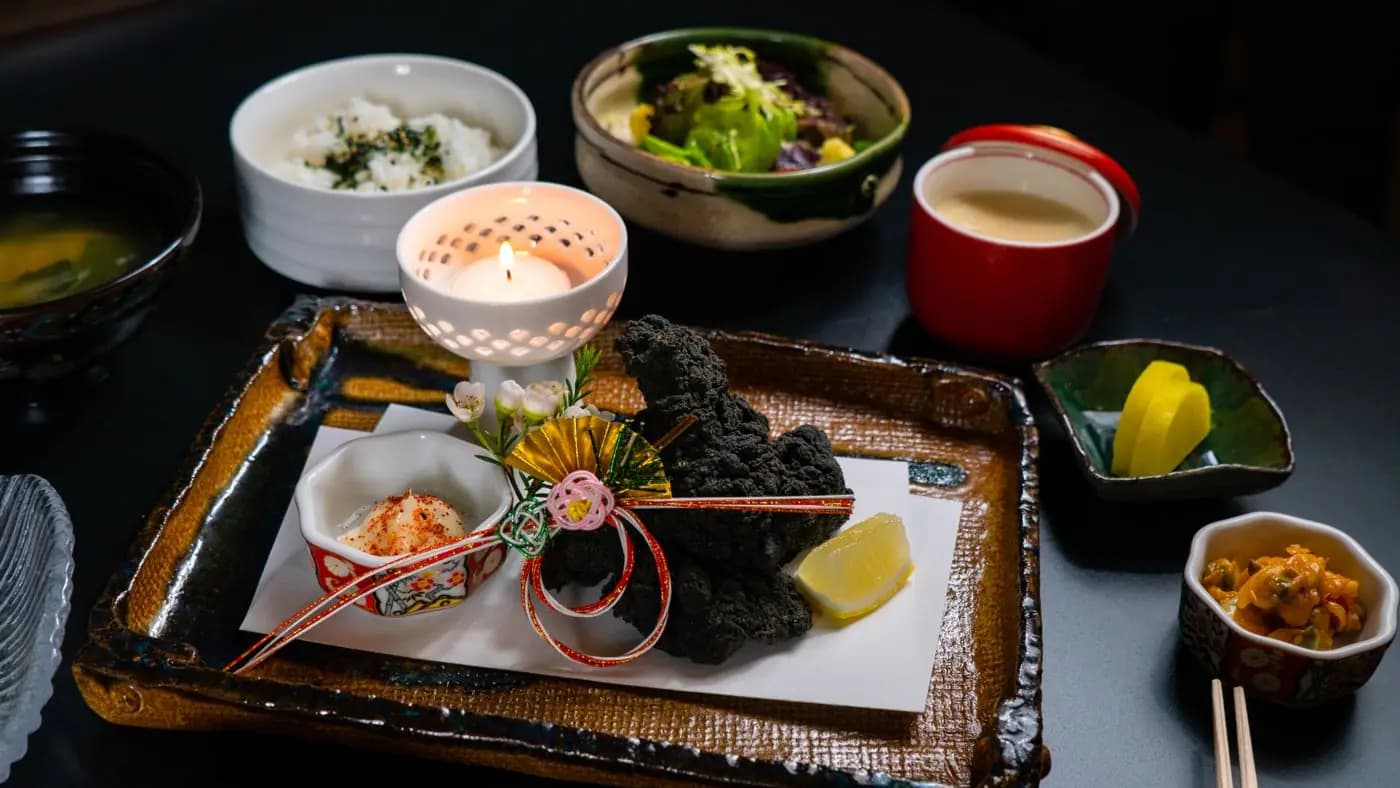
- Tokyo: urban rally between Shibuya and Ginza, sushi and washoku workshop, taiko session, sumo stable visit, Tokyo Bay cruise.
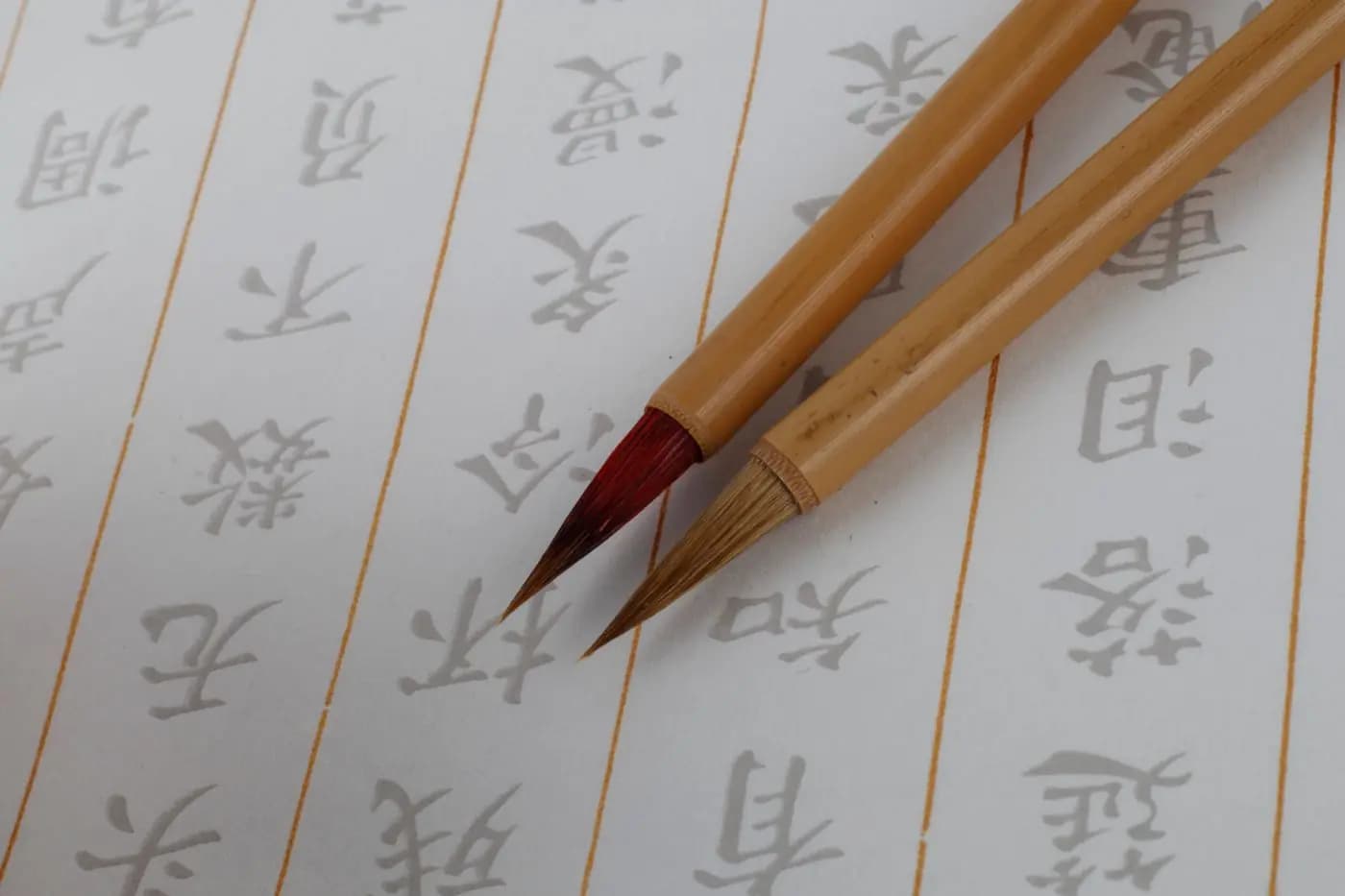
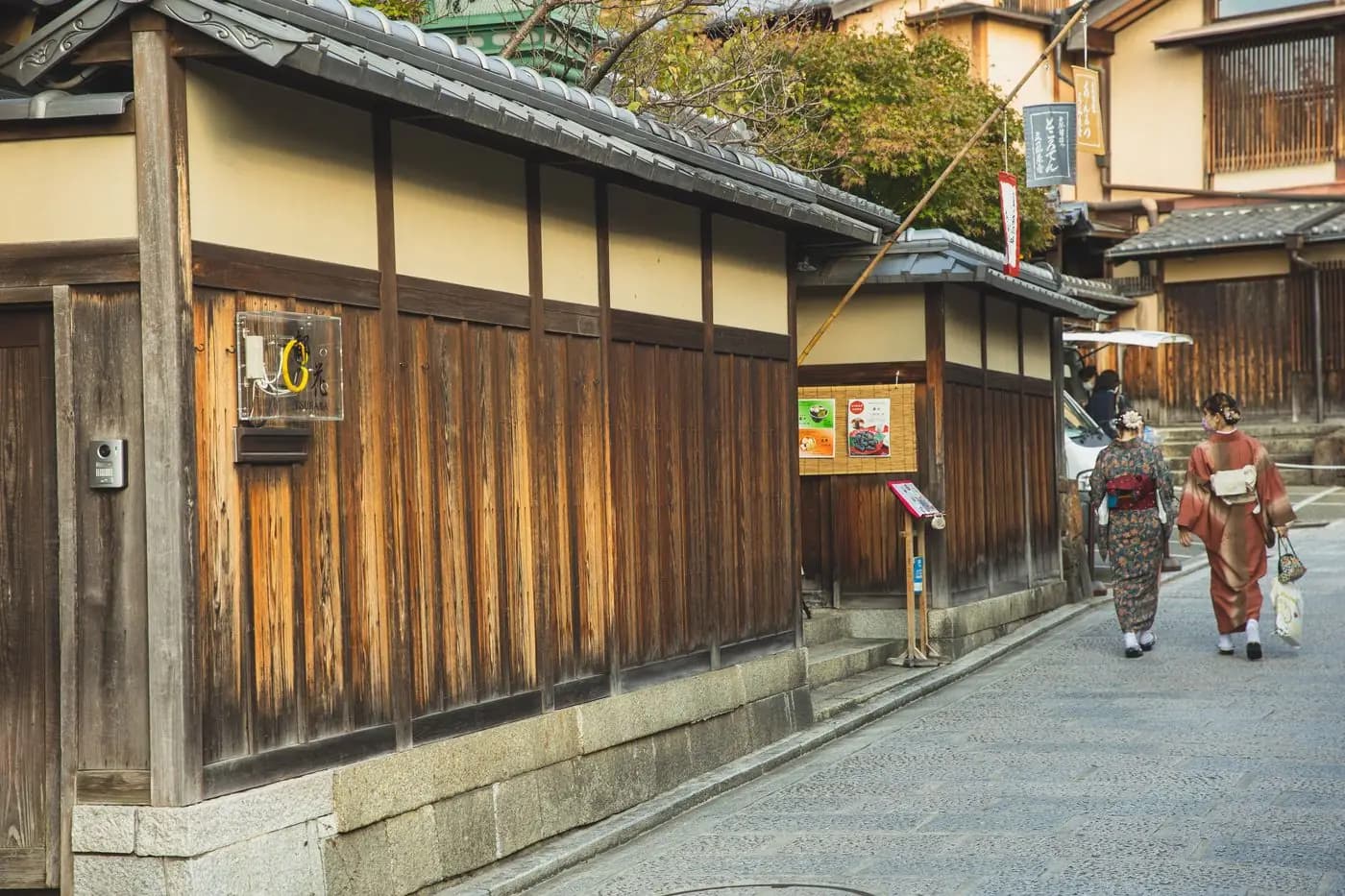
- Kyoto: treasure hunt through the lanes of Gion and Higashiyama, tea ceremony, calligraphy, leadership workshop around a Zen garden.
- Osaka: street food tour in Dotonbori and Shinsekai, team cooking challenge.
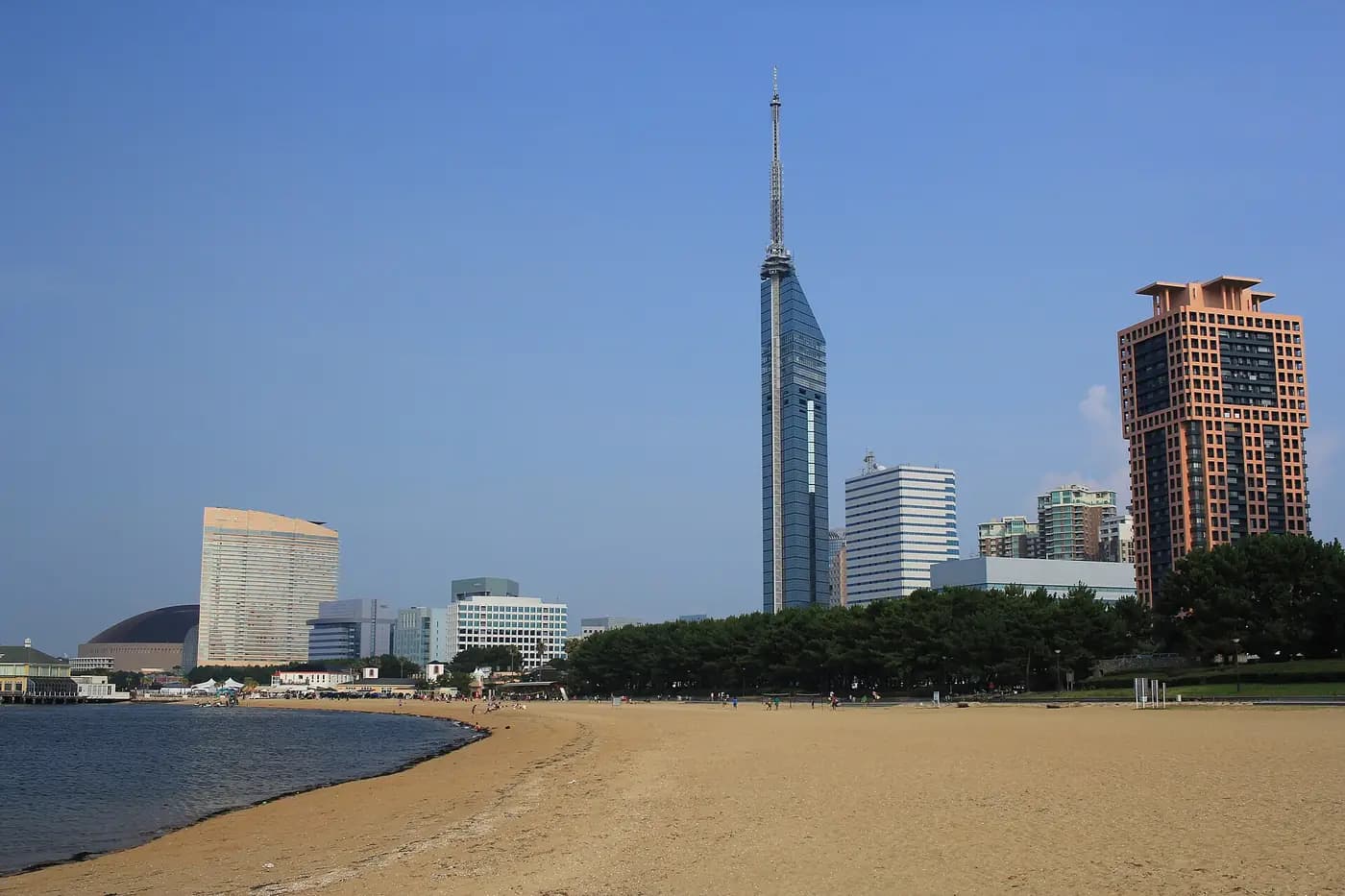
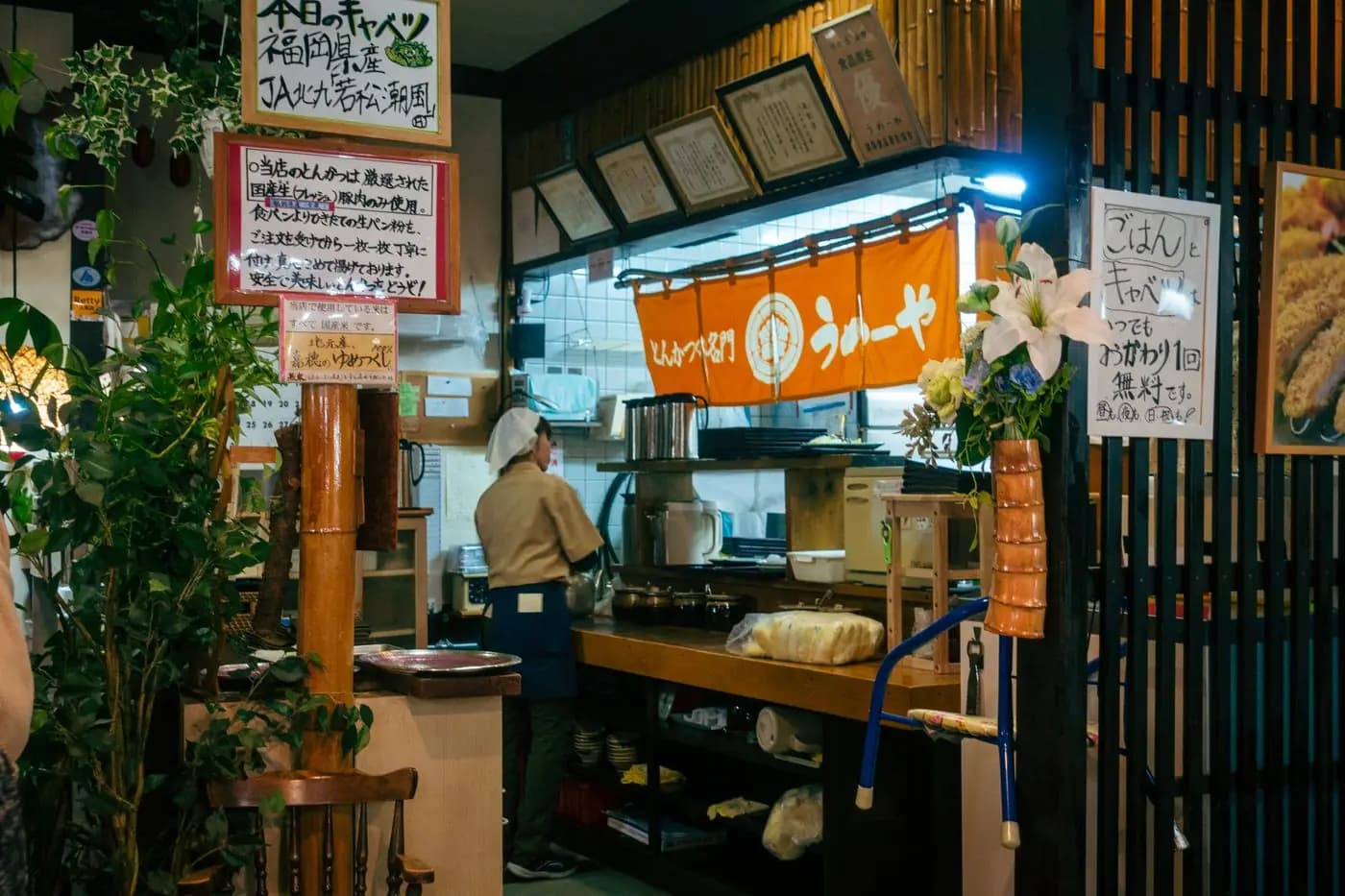
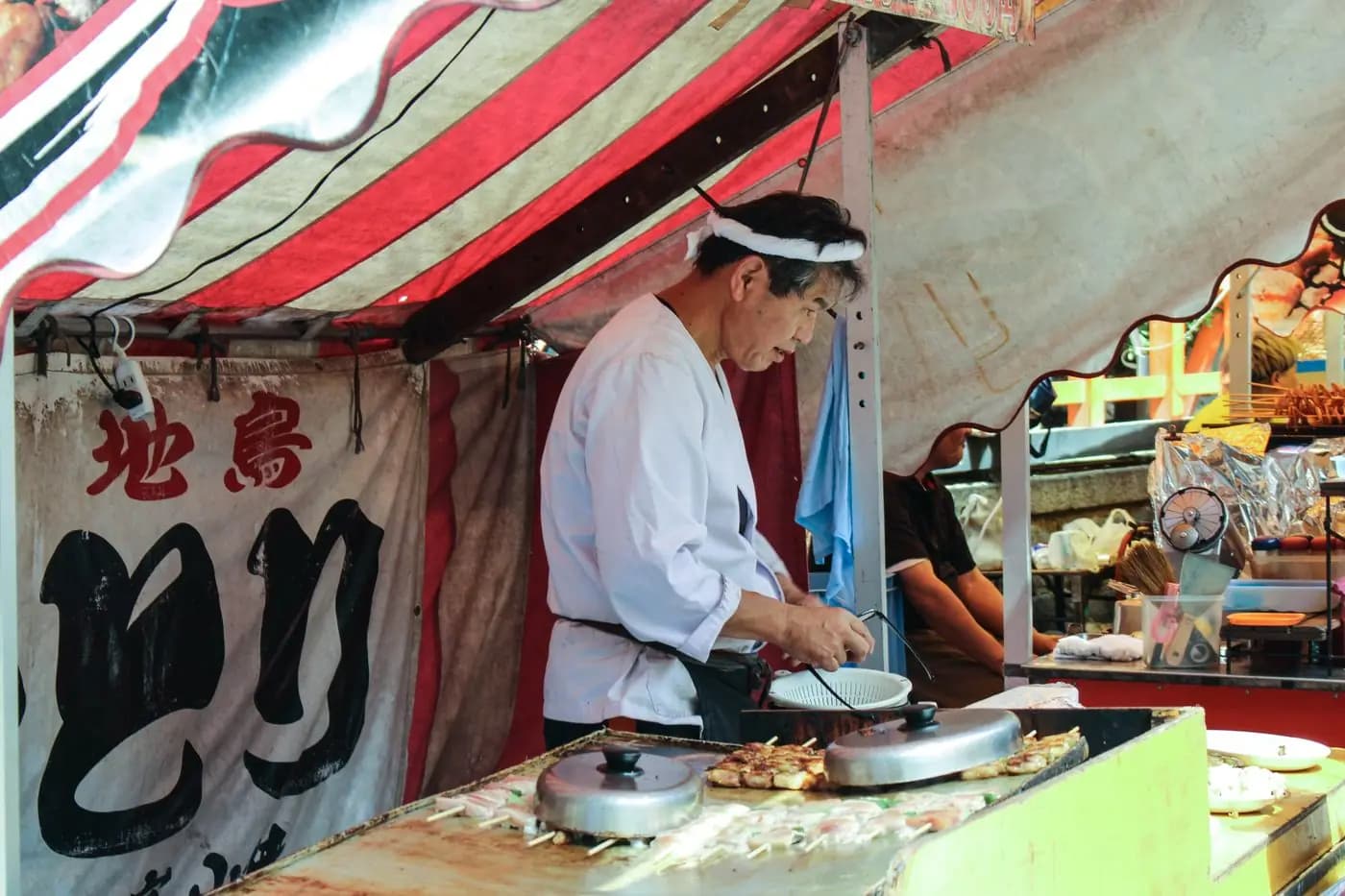
- Fukuoka: yatai challenge around the food stalls of Nakasu and Tenjin.
- Okinawa: beach games and a dragon boat race inspired by traditional haarii races.
Choosing the right format for your objectives
- Cohesion and energy: taiko, dragon boats, urban rally. Ideal to open a seminar.
- Creativity and cooperation: sushi workshop, cooking challenge, treasure hunt.
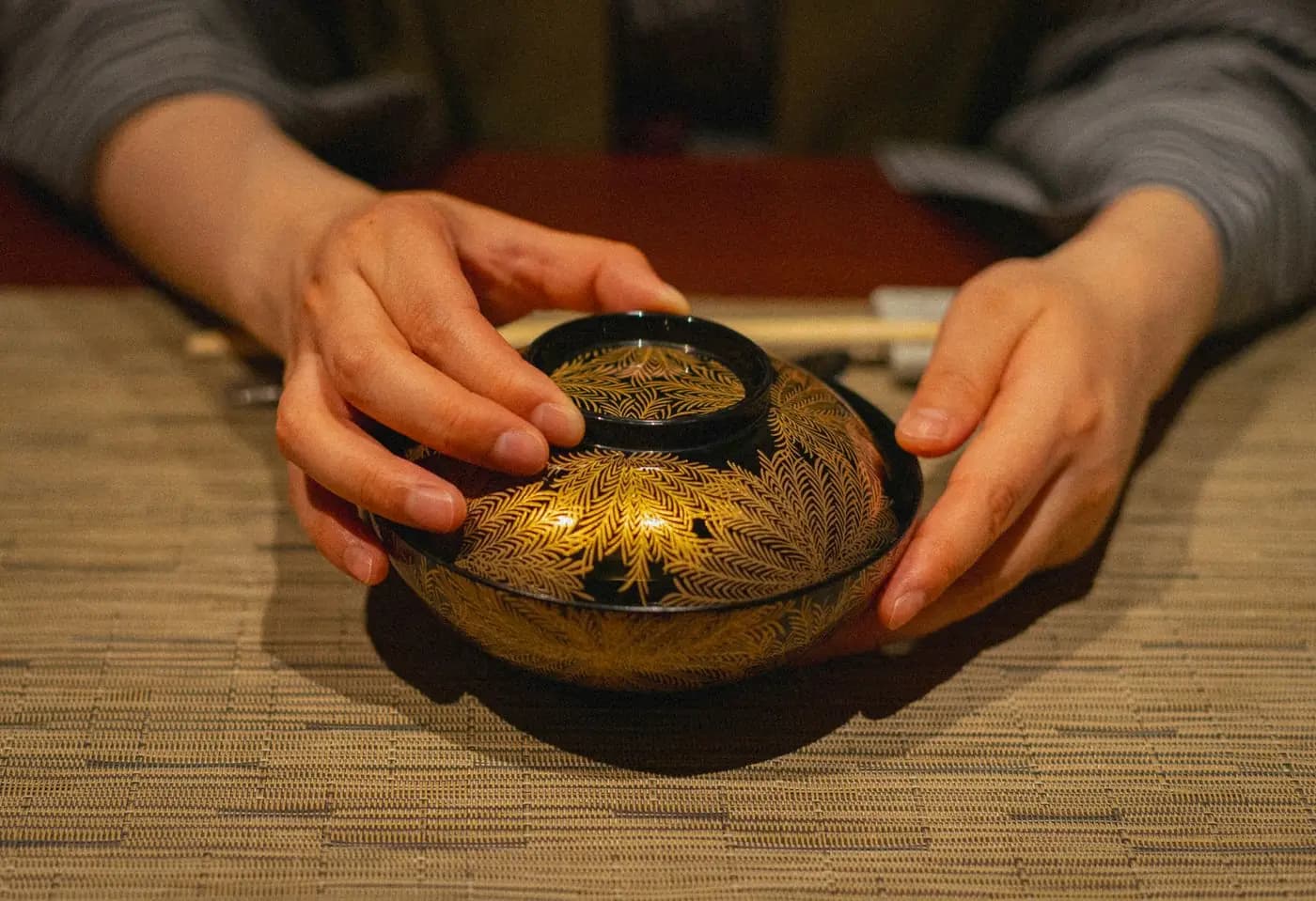
- Leadership and reflection: Zen garden, tea ceremony, calligraphy, in small groups.
- Discovery and networking: food tour, yatai challenge, izakaya evening.
We recommend 2.5 to 3 hours for a city activity and a half day for outdoor formats, including transfers.
Organization and practical constraints
In Japan, traditional workshops often have limited capacity per session. For large groups, we split participants into rotations or simultaneous workshops at several nearby venues.
- Street activities follow local rules: no blocking gatherings, discretion in residential areas and temples
- Cooking workshops account for declared allergies and diets
- Outdoor activities have an indoor alternative, especially during the rainy and typhoon seasons
- Hosting is provided in English, French or Japanese, with translated instructions
Fitting team building into your program
Team building works best as part of a coherent day: plenary in the morning, activity in the afternoon, dinner nearby in the evening to limit transfers. We build the sequence around real travel times, taking Tokyo's rush hours into account.
A facilitated debrief at the end of the activity helps the team draw concrete lessons.