Destinations
MICE destinations in Japan
Tokyo for business and innovation, Kyoto for leadership teams, Osaka for conventions and food, Fukuoka for agility, Okinawa for incentives: five destinations we operate every day.
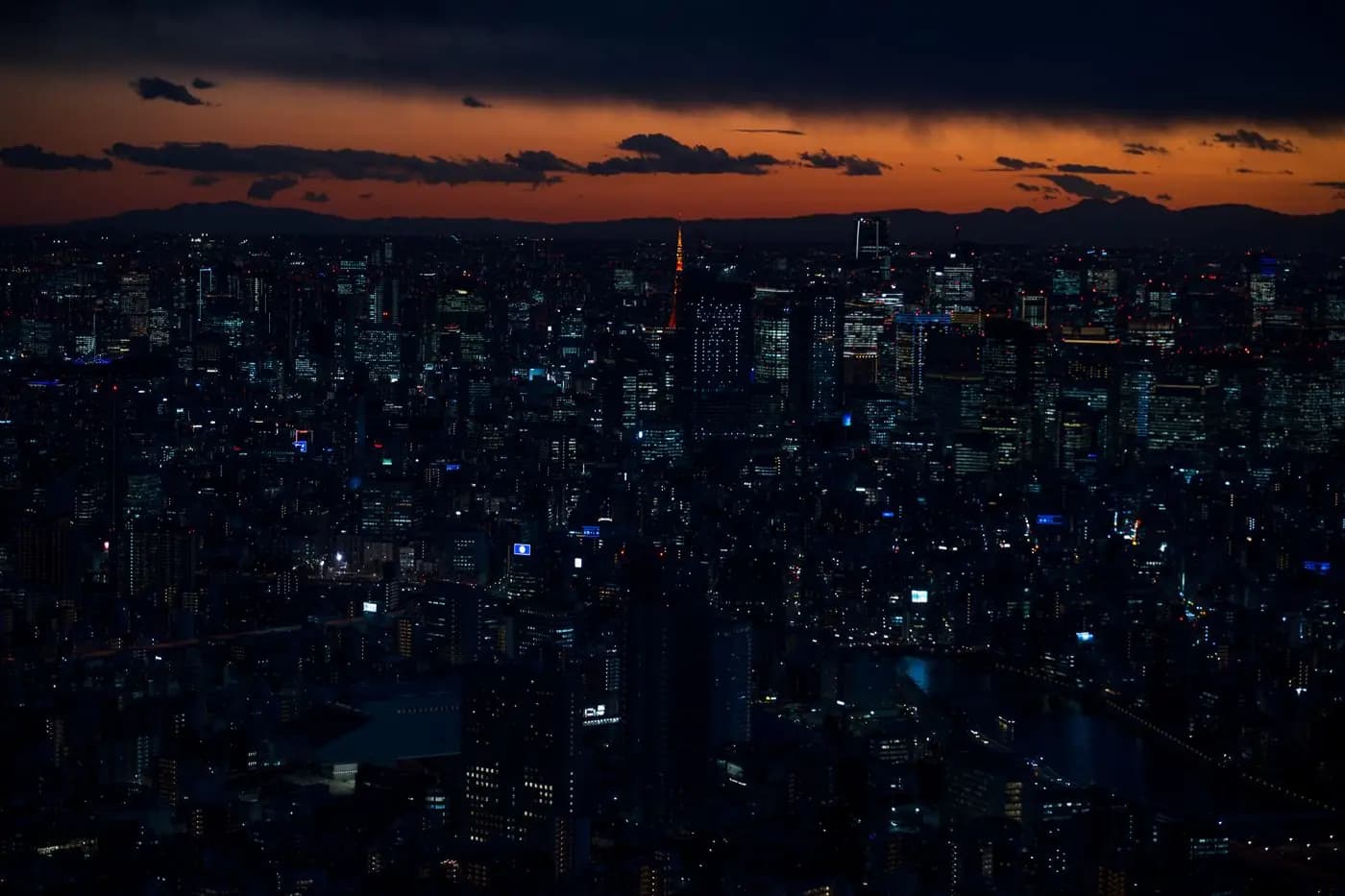
Tokyo
Japan's business capital, built for innovation and signature evenings
Japan's economic capital, where headquarters, conference hotels and spectacular evenings sit within a handful of perfectly connected districts.
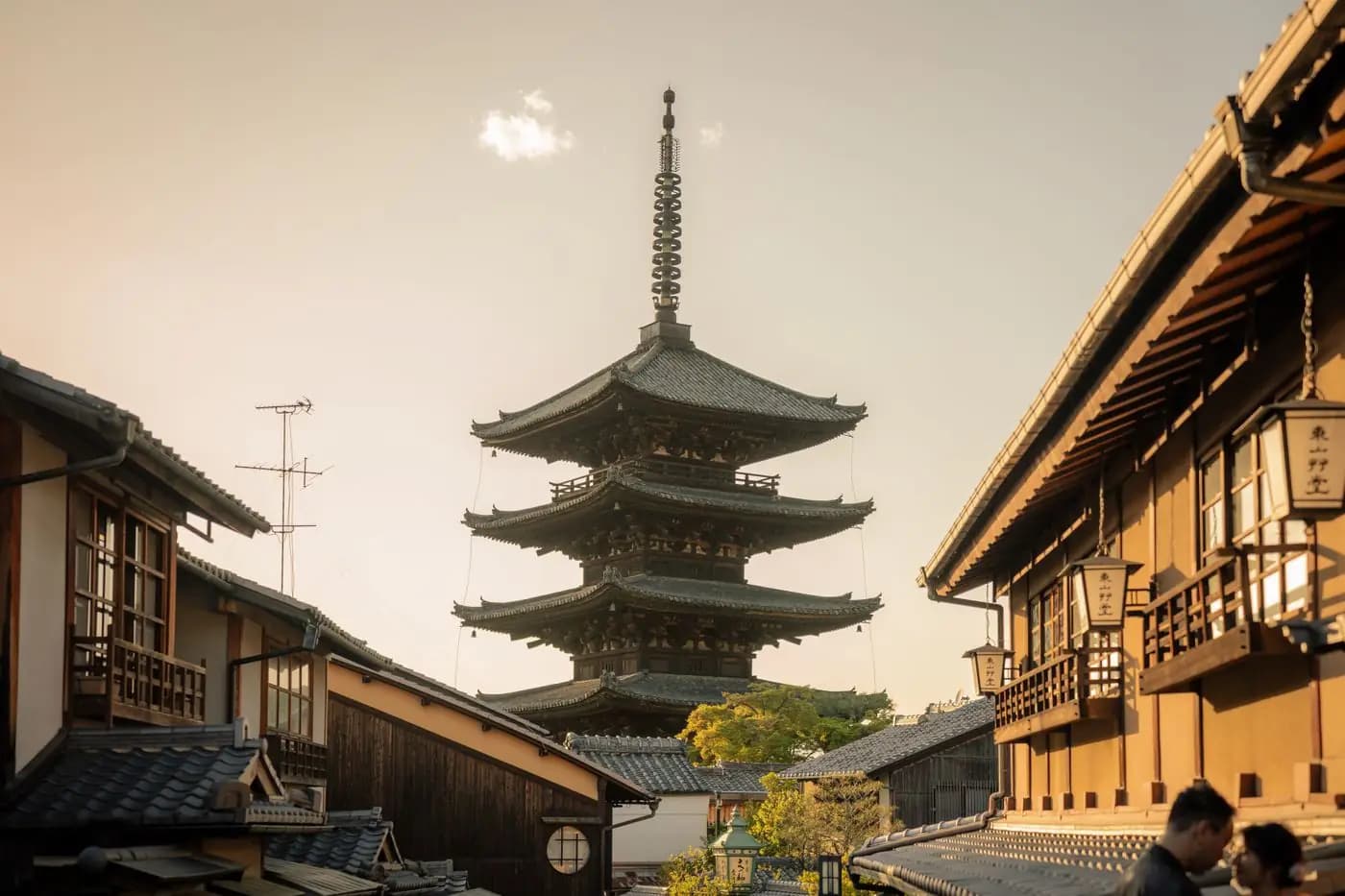
Kyoto
Culture, refinement and strategic retreats
The former imperial capital, ideal for executive committees, strategic retreats and exceptional cultural incentives.
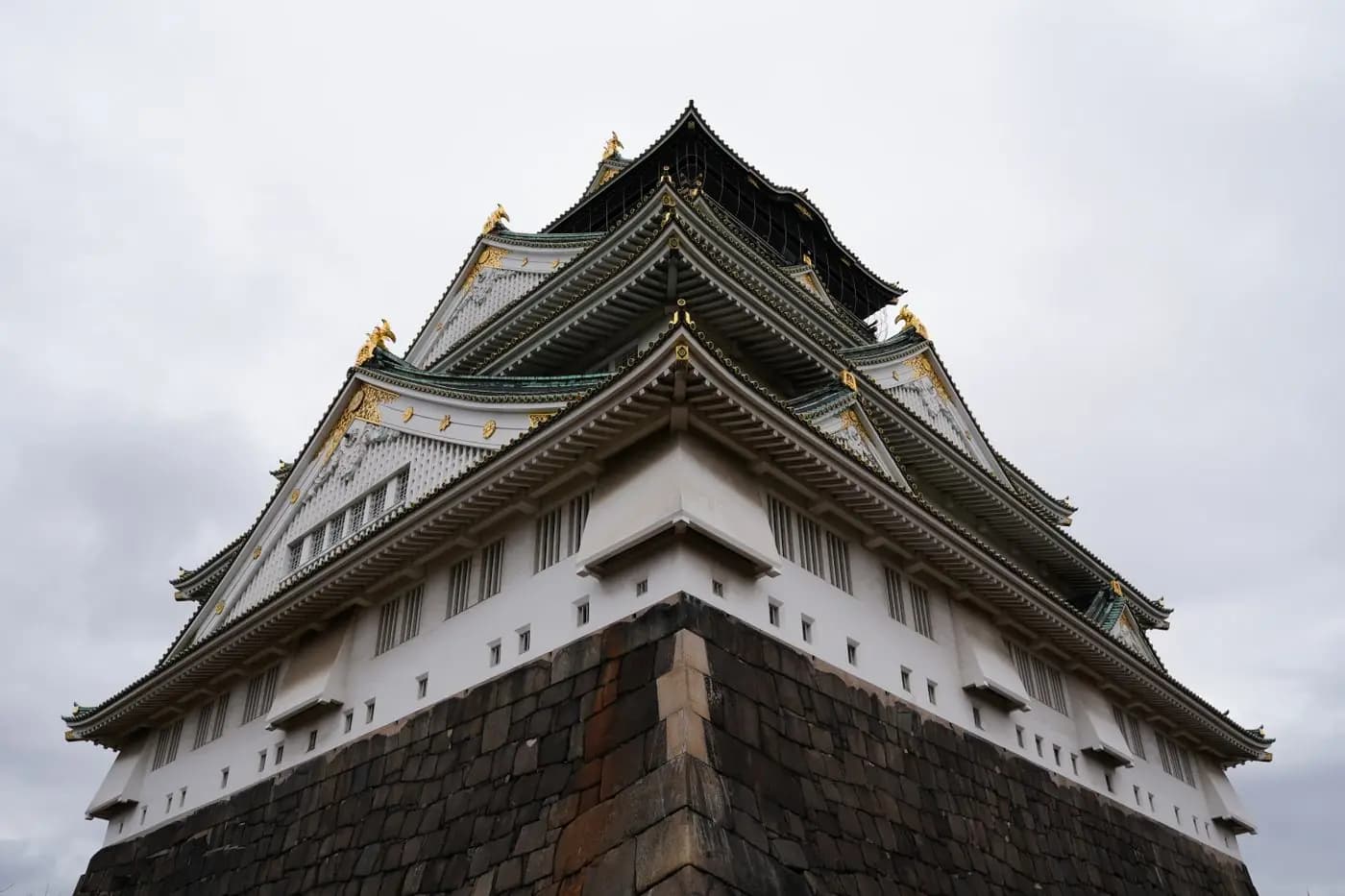
Osaka
Conventions, food culture and Kansai energy
Kansai's big, convivial food city, with an international airport on the bay and Kyoto 15 minutes away by Shinkansen.
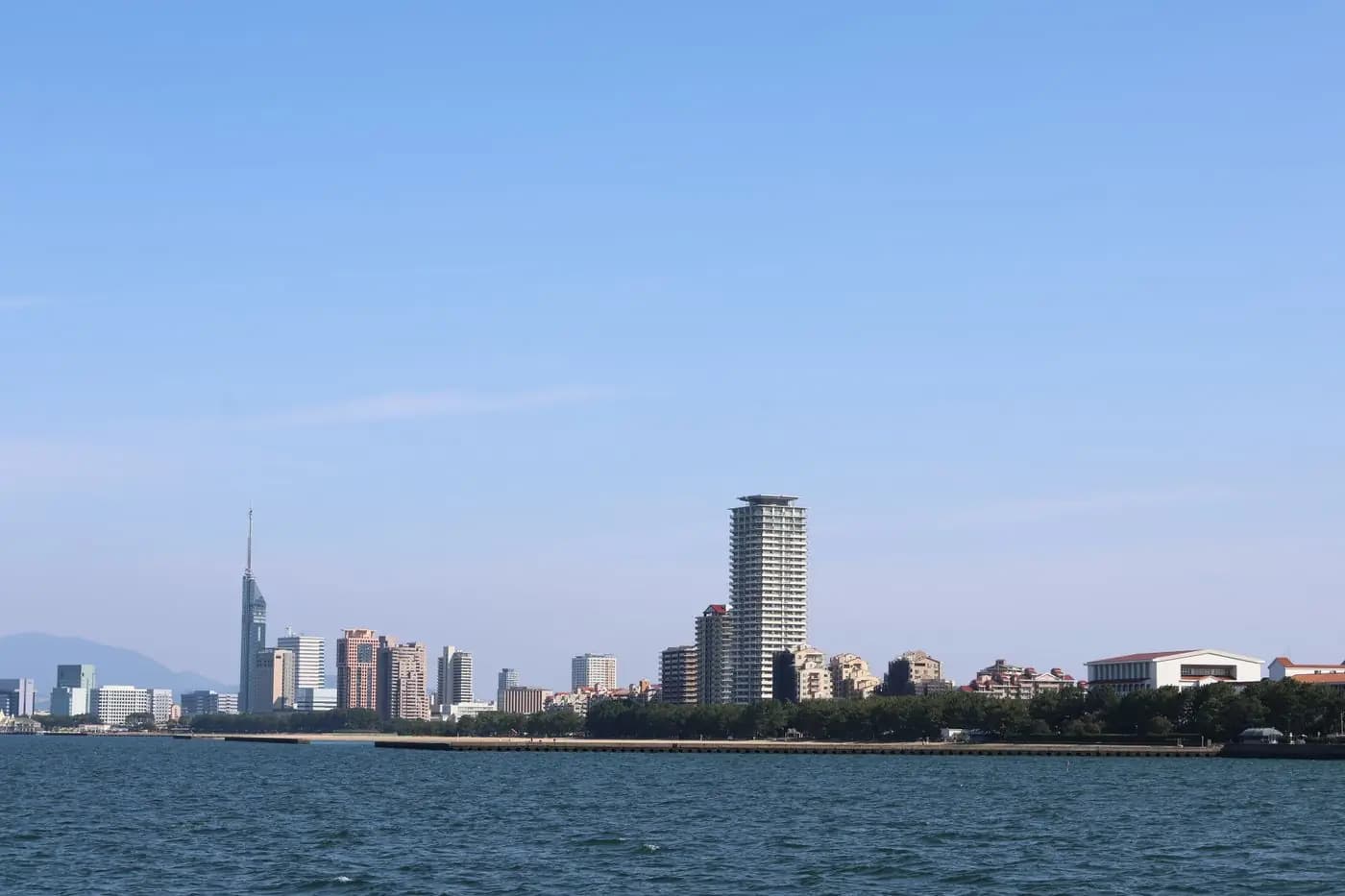
Fukuoka
Japan's rising business city and gateway to Kyushu
A compact, dynamic city 5 minutes from its airport, known for outstanding food and more reasonable costs than Tokyo.
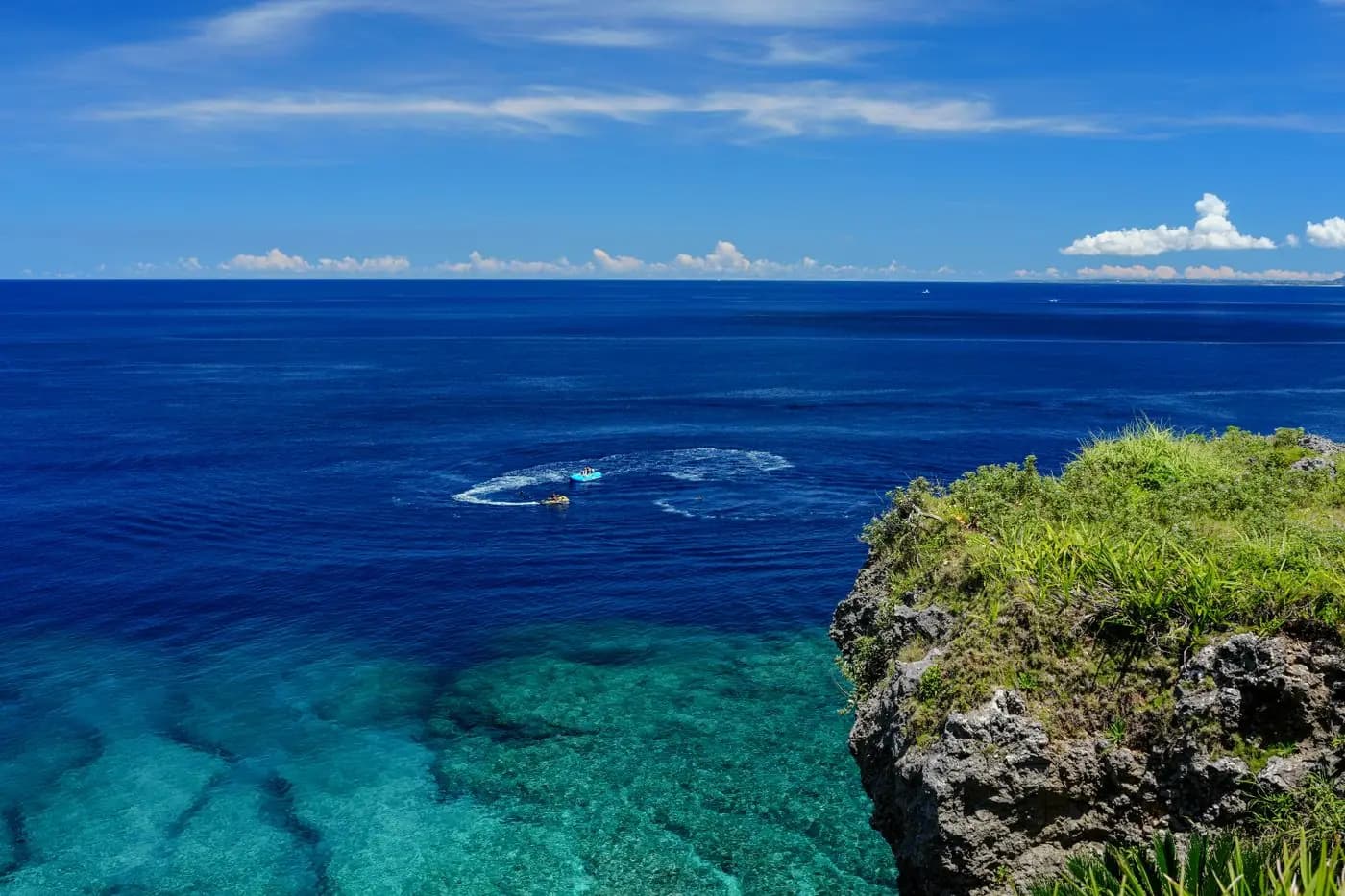
Okinawa
Turquoise sea, time out and reward
Japan's subtropical archipelago, ideal for incentive trips, resort seminars and team rewards by the sea.
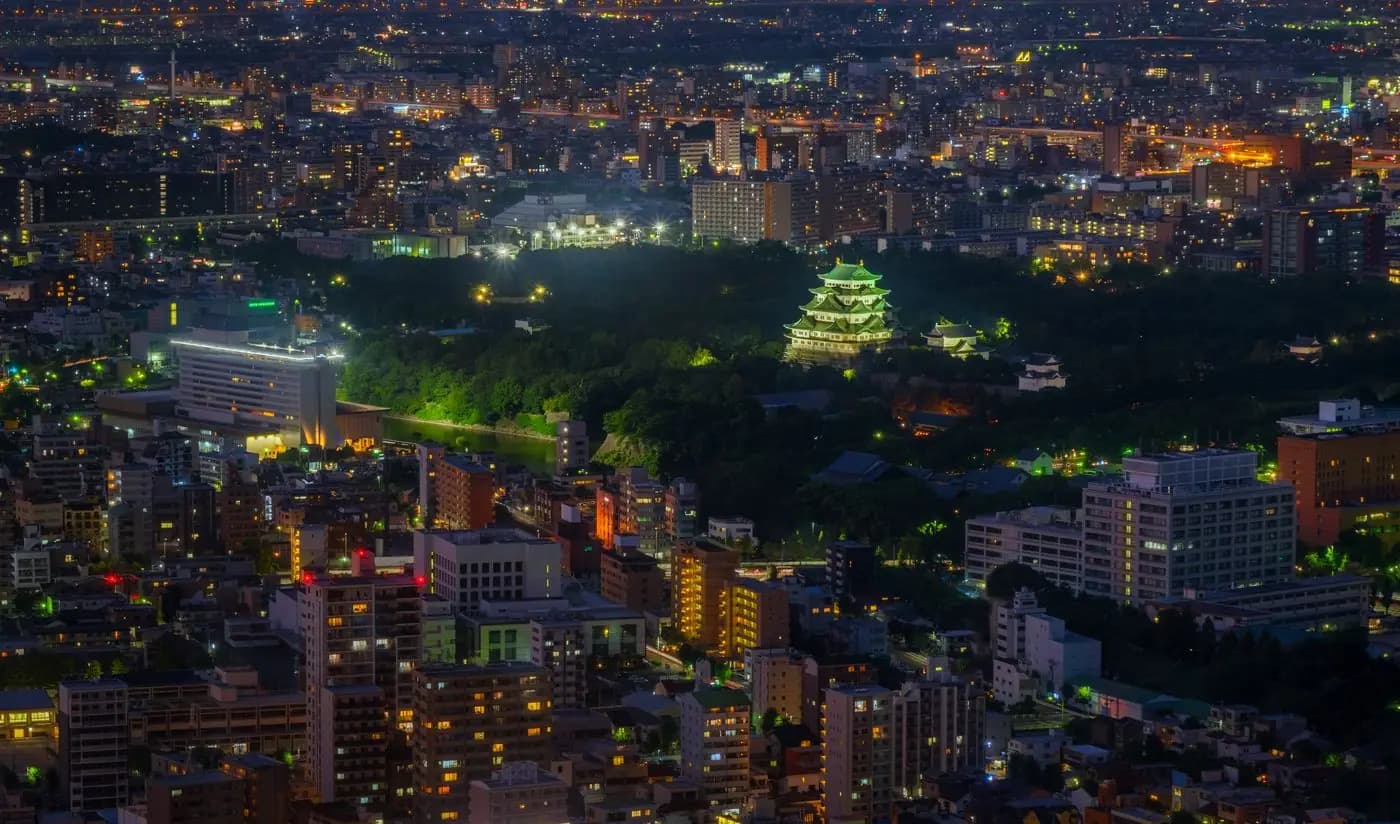
Nagoya
Japan's industrial heartland, between Tokyo and Kyoto
The capital of Chubu, home of Toyota and Japan's aerospace industry, 1h40 from Tokyo by Shinkansen, with its own exhibition centers and international airport.
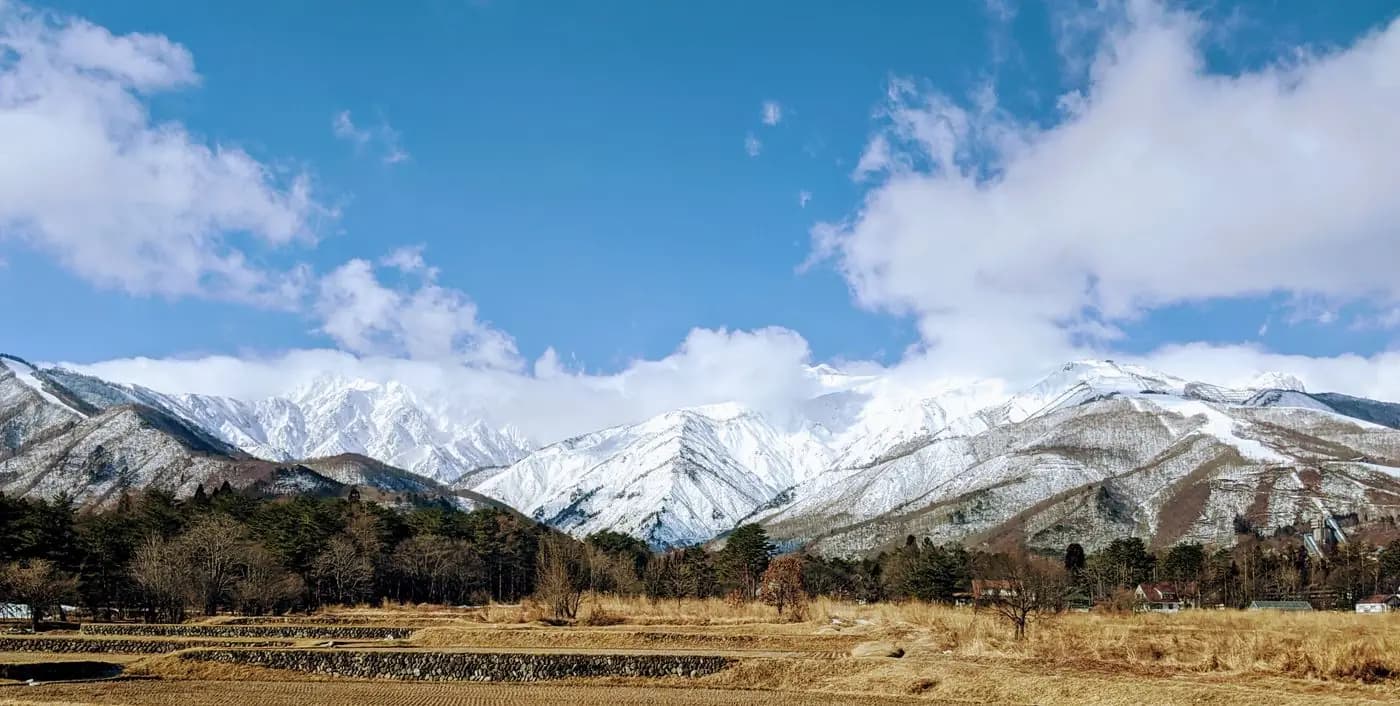
Hakuba
The Japanese Alps for ski incentives and mountain retreats
An Olympic valley in the Northern Alps, about 3 hours from Tokyo: powder snow in winter, hiking and outdoor activities in summer, onsen all year round.
Tokyo
Japan's business capital, built for innovation and signature evenings
Tokyo is the benchmark destination for a corporate seminar in Japan: two international airports (Haneda 20–30 minutes from the center, Narita about an hour away), leading convention venues such as Tokyo International Forum and Tokyo Big Sight, and one of the deepest conference-hotel markets in Asia. As a Tokyo DMC since 2005, SHINOGI DMC has run seminars, conventions, incentives and executive meetings for 20 to 500 participants here, anchoring each program in one or two districts — Marunouchi, Ginza, Toranomon, Roppongi, Shibuya, Shinjuku or Odaiba — to keep transfers short and the pace smooth.
Kyoto
Culture, refinement and strategic retreats
Kyoto is Japan's destination for culture and refinement: temples, gardens, ryotei and master craftspeople make it a unique setting for Kyoto incentive travel, executive committees and strategic retreats of 15 to 300 people. The city has no airport of its own and is reached by Shinkansen from Tokyo (about 2h15) or from Kansai International Airport (about 75 minutes on the Haruka express). Since 2005, SHINOGI DMC has designed programs here that combine meetings at ICC Kyoto or hotels in Higashiyama and around Kyoto Station, privileged access to cultural sites, and dinners in the houses of Gion and Pontocho.
Osaka
Conventions, food culture and Kansai energy
Osaka is Japan's second metropolis and a natural choice for conventions, seminars and food-driven incentives: Kansai International Airport is about 40 minutes from Namba, Kyoto is 15 minutes by Shinkansen from Shin-Osaka, and the city offers venues such as Grand Cube Osaka in Nakanoshima and INTEX Osaka on the bay, backed by a strong supply of Osaka conference hotels. Since 2005, SHINOGI DMC has organized conventions of 100 to 500 participants, seminars and corporate evenings here, using two complementary hubs: Umeda and Nakanoshima in the north for business, Namba and Shinsaibashi in the south for energy and street food.
Fukuoka
Japan's rising business city and gateway to Kyushu
Fukuoka is Kyushu's largest city and an increasingly popular alternative for seminars and conventions in Japan: its airport is 5 minutes from Hakata Station by subway, the city is compact, its food (Hakata ramen, motsunabe, yatai stalls) is famous nationwide, and hotel costs are generally lower than in Tokyo or Kyoto. The Fukuoka Convention Center on the Hakata waterfront brings together congress, exhibition and arena facilities. Since 2005, SHINOGI DMC has acted as a Fukuoka DMC for seminars, conventions and incentives of 20 to 500 participants, often as an extension to a Tokyo or Kansai program or as a gateway to the rest of Kyushu.
Okinawa
Turquoise sea, time out and reward
Okinawa is Japan's beach destination and the benchmark setting for an Okinawa incentive trip or resort seminar: beaches, coral reefs, a distinct Ryukyu culture and large seaside hotels, about 2h30 by air from Tokyo. Resorts line the west coast of the main island — Chatan, Yomitan, Onna, Nago and Motobu — between 30 minutes and 2 hours by road from Naha Airport, with Okinawa Convention Center and Bankoku Shinryokan for meetings. Since 2005, SHINOGI DMC has run incentives and seminars of 20 to 500 participants here, with optional extensions to Ishigaki and the Yaeyama Islands.
Nagoya
Japan's industrial heartland, between Tokyo and Kyoto
Nagoya is Japan's great industrial city: the Chubu region concentrates the automotive industry (Toyota and its suppliers), aerospace, ceramics and machine tools. For a Nagoya seminar, convention or study tour, logistics are simple: Nagoya Station is about 1h40 from Tokyo, 50 minutes from Shin-Osaka and 35 minutes from Kyoto by Shinkansen, and Chubu Centrair International Airport is around half an hour away by express train. Port Messe Nagoya and Aichi Sky Expo host trade fairs and large events, while castles, shrines and historic ryotei round out the program. SHINOGI DMC organizes industrial visits, seminars and group dinners here, often as a stop between Tokyo and Kansai.
Hakuba
The Japanese Alps for ski incentives and mountain retreats
Hakuba is a valley in Nagano Prefecture at the foot of the Northern Alps, which hosted several events of the 1998 Winter Olympics (downhill, ski jumping, cross-country). Ten ski areas line the valley under the Hakuba Valley name, with famously light powder from December to March. For a Hakuba incentive, an executive retreat or a team seminar in nature, the valley is reached from Tokyo by Hokuriku Shinkansen to Nagano and then by bus (about 3 hours in total). In the green season, hiking, rafting, mountain biking and onsen replace skiing. SHINOGI DMC organizes stays for 10 to 150 participants here, often combined with Tokyo, Kanazawa or Nagoya, planning around limited hotel capacity and winter logistics.