How to plan 3 days in Tokyo without wasting time on the subway
Tokyo does not have one centre but some twenty districts linked by the subway and the JR Yamanote loop line. The classic mistake is crossing the city three times a day to tick off names. Each trip costs 20 to 40 minutes, corridors and connections included.
The method that works: one sector per day, with visits chained on foot or one or two stations apart.
- Day 1, the east: Asakusa, Ueno, Yanaka, Akihabara. The Tokyo of temples, museums and small streets.
- Day 2, the west: Meiji Jingu, Harajuku, Omotesando, Shibuya, Shinjuku. The Tokyo of fashion, crowds and neon.
- Day 3, the centre and the bay: Tsukiji, Hama-rikyu, Ginza, the Imperial Palace, Toyosu or Odaiba.
To get around, a Suica or PASMO card (physical, or in an iPhone wallet) pays for the subway, JR trains, buses and even convenience stores. The Tokyo Metro 24-hour pass costs ¥700; it pays off from four rides in a day on Tokyo Metro lines alone. Route apps (Google Maps, Navitime) tell you which exit to take: in big stations, leaving on the wrong side can cost a quarter of an hour.
Avoid the subway between 7:30 and 9am on weekdays, when it is packed, and never travel with a suitcase at those times. At night, last trains leave between midnight and 12:30am depending on the line.
Day 1, morning: Asakusa and Senso-ji temple
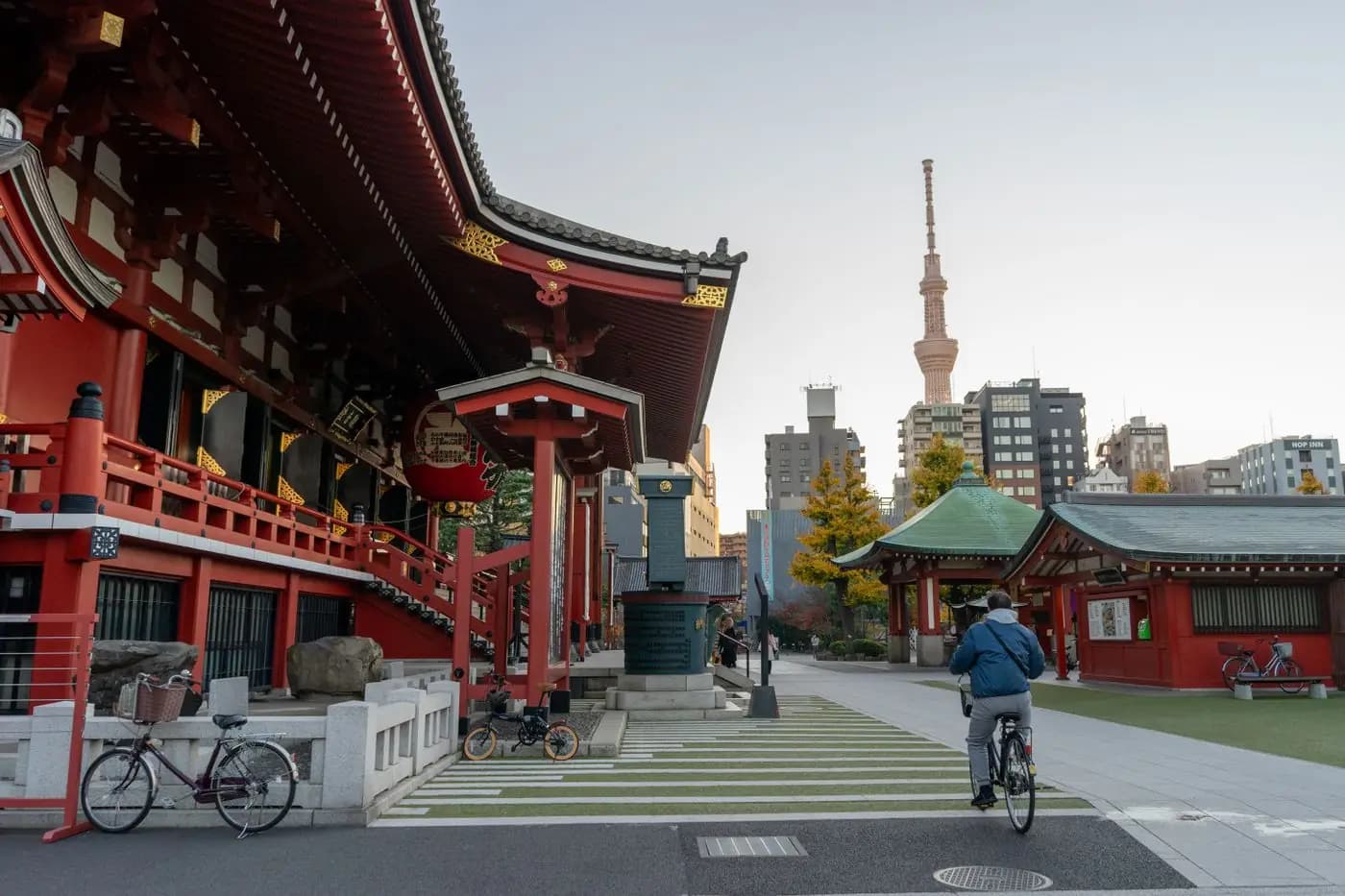
7:30–9:30am: Senso-ji. Tokyo's oldest temple is free and its grounds are open at all times. The main hall opens at 6am from April to September, 6:30am from October to March, and closes at 5pm. Before 8am you walk under the Kaminarimon gate and its great red lantern without any jostling, and see local residents stopping to pray on their way to work. By 11am, the Nakamise shopping street is packed.
What to see:
- the Kaminarimon gate, then the Hozomon gate and the five-storey pagoda;
- the large incense burner in front of the hall: you waft the smoke towards yourself, said to soothe ailments;
- the omikuji fortunes at ¥100: if yours is bad, tie the paper to the racks provided;
- Asakusa-jinja shrine, right next door and quieter.
9:30–11am: the neighbourhood. Nakamise shops open around 9:30–10am: ningyo-yaki cakes, grilled senbei crackers, fans. Do not eat while walking along the street: the rule is posted, so stay by the stall. Then head to Kappabashi street (kitchenware, knives, plastic food replicas), 10 minutes' walk away, or to the Sumida riverside for the view of Tokyo Skytree.
If you want to go up the Skytree, 20 minutes' walk across the river, save it for an evening with clear skies. The observation deck at 350 metres costs from ¥1,800 online.
Kimono rental tip: Asakusa has plenty of rental shops (from about ¥4,000, dressing included). It is the right neighbourhood for it, early in the morning before the heat and the crowds.
Day 1, afternoon: Ueno, Yanaka and Akihabara
11:30am–1pm: lunch and Ueno Park. Ueno is 5 minutes from Asakusa on the Ginza line. Ameyoko market, under the railway tracks, lines up fishmongers, dried fruit stalls and small restaurants serving raw-fish rice bowls (kaisendon, ¥1,500 to ¥2,500). Ueno Park, above it, is one of the city's big cherry blossom spots in late March.
1–3pm: Tokyo National Museum. Japan's oldest museum: swords, armour, ceramics, kimonos, painted scrolls. Admission ¥1,000, open 9:30am to 5pm, closed Mondays (except public holidays). The main building, the Honkan, is enough for a first visit: allow 1 h 30 min.
3–5pm: Yanaka. Fifteen minutes' walk west of the museum, Yanaka escaped the 1945 bombing and the concrete of later decades. Small temples, a leafy cemetery, the Yanaka Ginza shopping street with its croquettes and ceramic cats, and the Yuyake Dandan steps at sunset. This is neighbourhood Tokyo, with no great monuments.
Evening: Akihabara. Three JR stops from Nippori. Electronics stores, figure shops, multi-storey arcades, themed cafés. Even if you are not into manga, an hour in a crane-game arcade or a trading-card shop says a lot about the city.
A quieter alternative: stay in Ueno for an eel (unagi) or tonkatsu dinner, or head to Rikugien garden, illuminated on some autumn evenings.
Day 2: Meiji Jingu, Harajuku, Omotesando and Shibuya
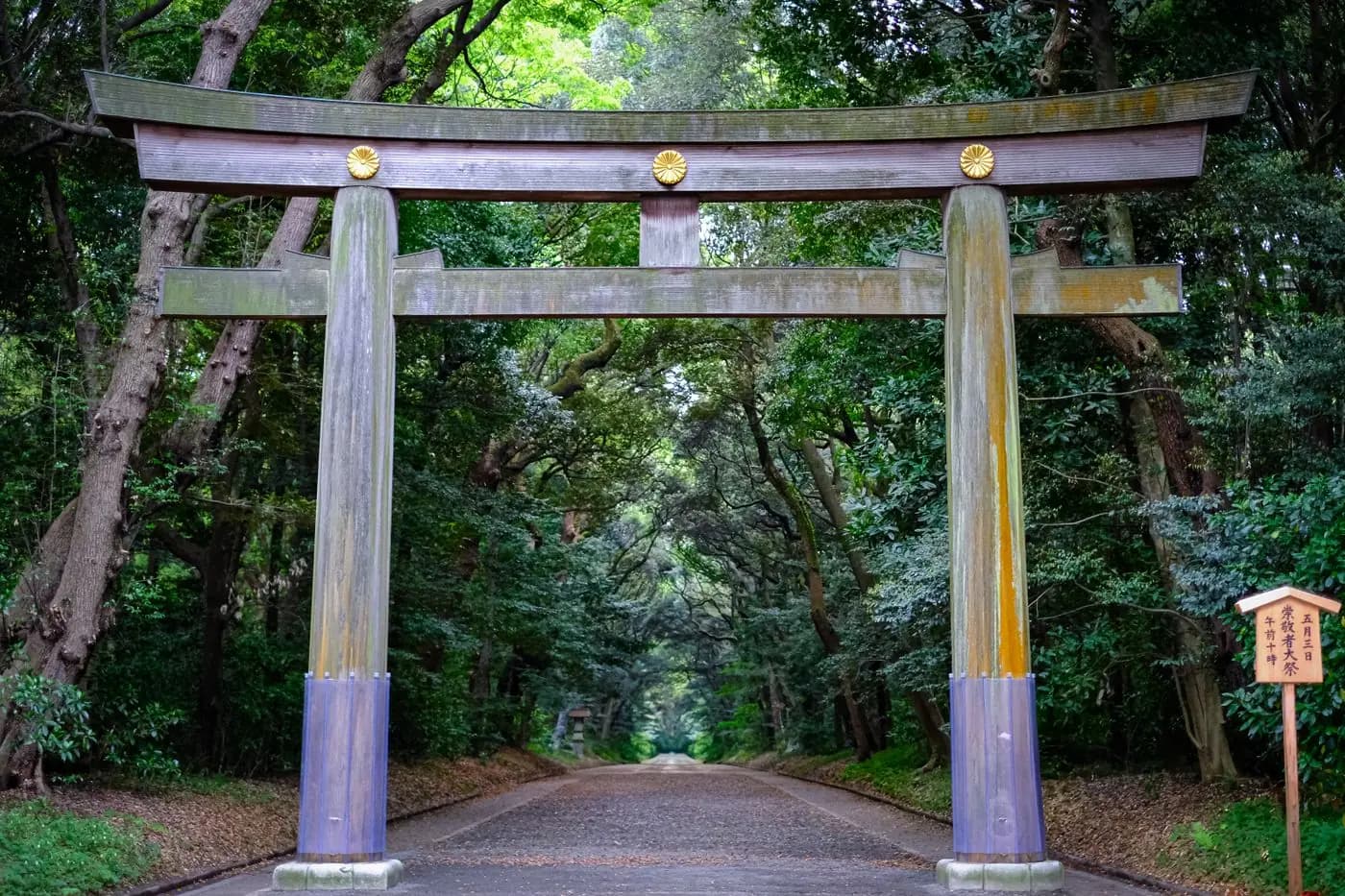
8–9:30am: Meiji Jingu. The shrine dedicated to Emperor Meiji is surrounded by a 70-hectare forest planted a century ago. Entry is free; it opens at sunrise and closes at sunset (hours change monthly). Enter through the great wooden torii near JR Harajuku Station: a 10-minute walk under the trees to the shrine. In the morning you may see a wedding procession in traditional dress; watch, but do not follow it to take photos.
9:30–11:30am: Harajuku and Omotesando. Takeshita-dori, the street of teenage fashion and crêpes, is less crowded before 11am. Right next to it, Omotesando avenue has the opposite feel: big brands, contemporary architecture (Tadao Ando, SANAA, Herzog & de Meuron), cafés. The parallel lanes of Ura-Harajuku and Cat Street are better for independent shops.
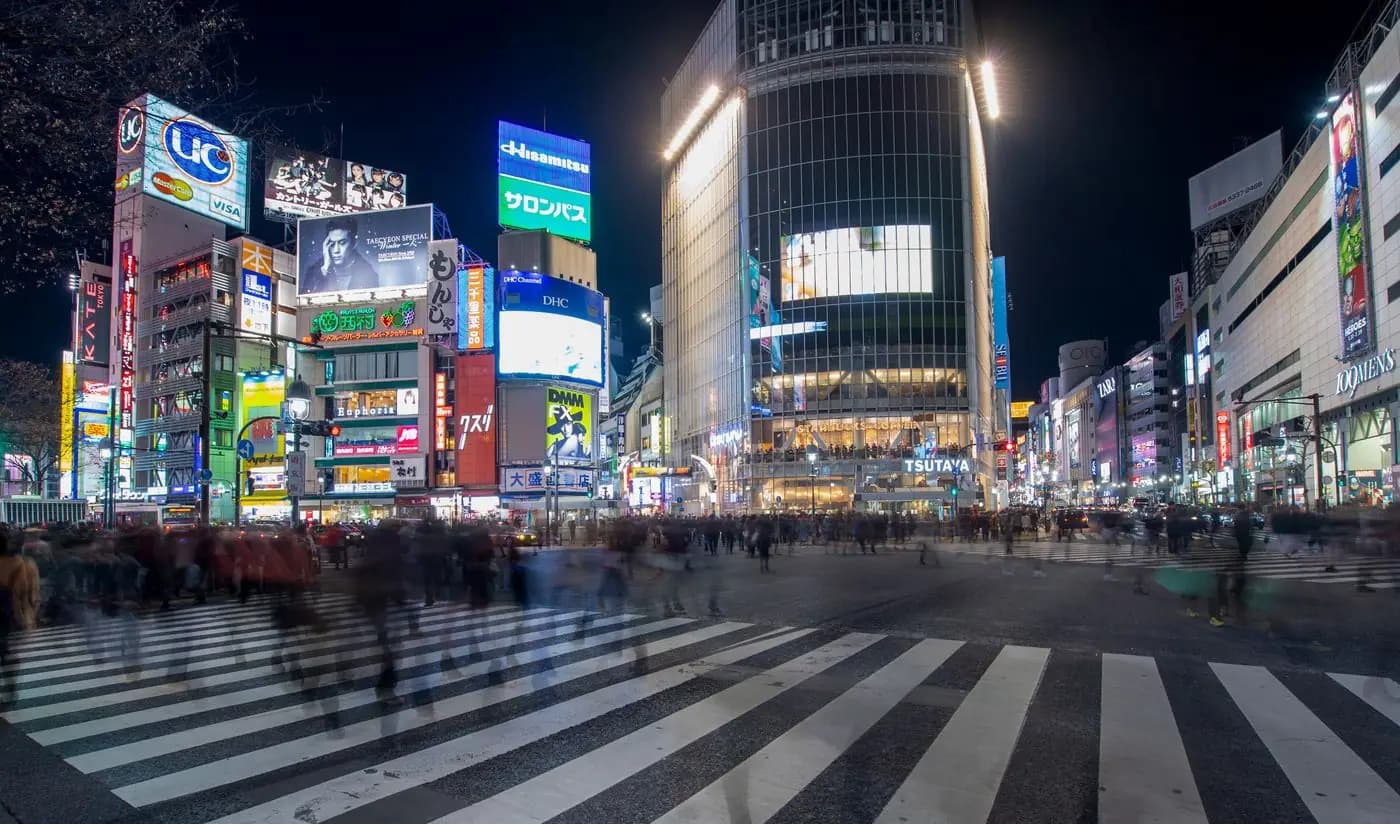
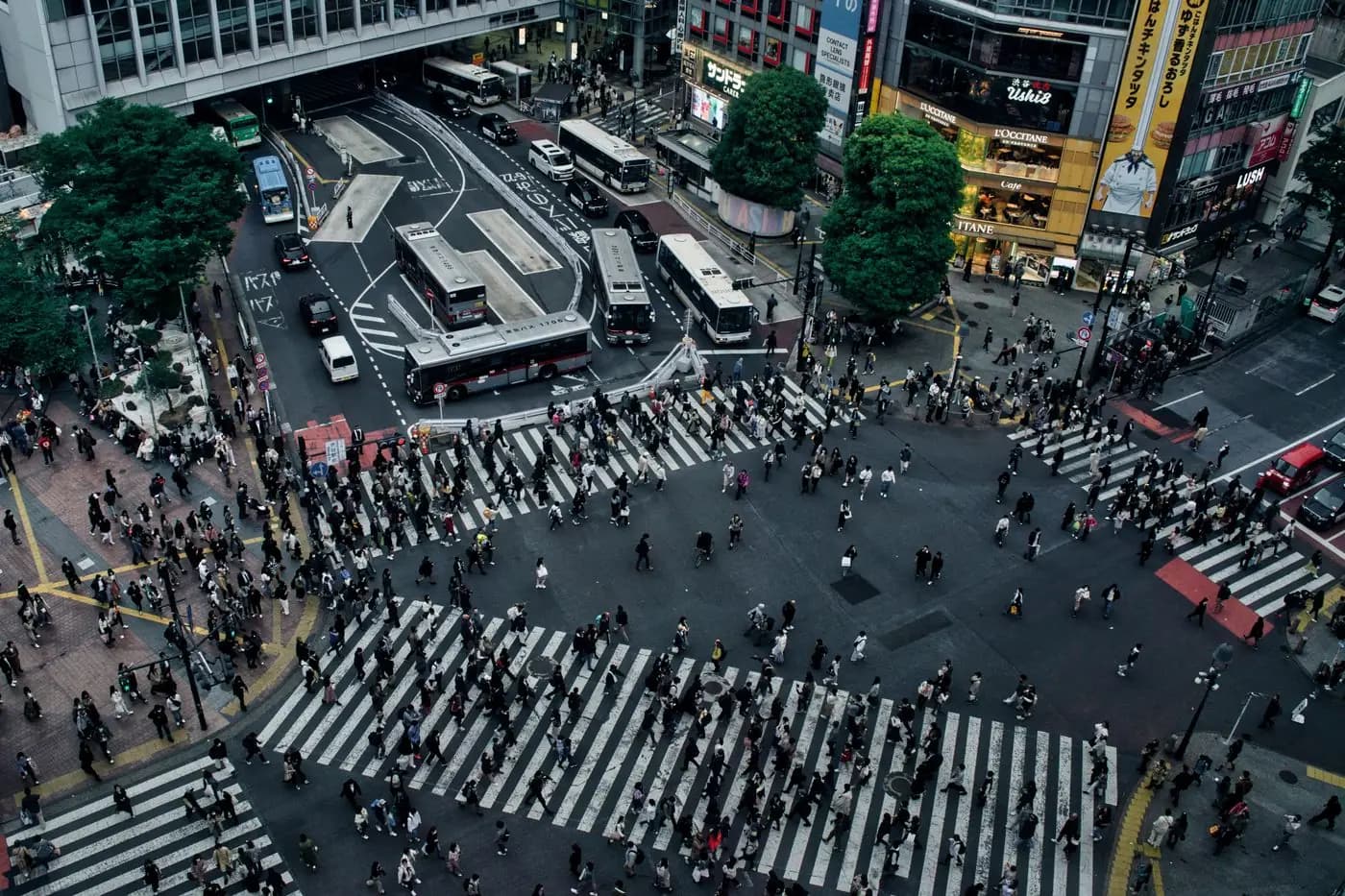
Noon–3pm: Shibuya. Lunch, then the Shibuya crossing, seen from above (from the station walkway or an upper-floor café) and then crossed. The Hachiko dog statue is right next to it. The district is also explored through its newer complexes: Shibuya Scramble Square and Miyashita Park with its rooftop garden.
Late afternoon: Shibuya Sky. The open-air rooftop on top of Shibuya Scramble Square, about 230 metres up, has the best view of the city at sunset. Online tickets cost from ¥2,700 before 3pm and ¥3,400 after; sunset slots often sell out weeks ahead. Bags and bulky items go in lockers; the rooftop closes in strong wind or rain.
Day 2, evening: Shinjuku, a free observatory and izakaya alleys
Shinjuku is 7 minutes from Shibuya on the JR Yamanote line. Its station, the busiest in the world with more than 200 exits, divides two worlds.
On the west side are the office towers and the Tokyo Metropolitan Government Building (Tocho): its 45th-floor observatory, 202 metres up, is free and open until 10pm. There is no open-air deck as in Shibuya, but a wide view towards Mount Fuji on clear days, especially in winter. In the evening, the building's façade becomes a screen for a projection-mapping show.
Also on the west side, at the foot of the railway tracks, Omoide Yokocho lines up around sixty tiny yakitori counters in two narrow alleys. You eat a few skewers (¥150 to ¥300 each) with a beer, six or eight to a counter. Many charge a small table fee, and some turn away groups of more than four.
On the east side lie Kabukicho and its neon, the Godzilla head peering over a hotel, and Golden Gai: two hundred bars of five to ten seats in six alleys. Many bars charge a ¥500 to ¥1,500 cover per person; some post regulars-only signs, others are happy to welcome visitors. Do not photograph inside without asking.
In Kabukicho, one simple rule: never follow a street tout. Bars that recruit this way sometimes run inflated bills.
Quieter: Shinjuku Gyoen park (¥500), best kept for a spring or autumn morning, closes between 4pm and 7pm depending on the season, so it does not fit an evening.
Day 3: Tsukiji, Hama-rikyu, Ginza and the Imperial Palace
7:30–9:30am: Tsukiji Outer Market. The wholesale market moved to Toyosu in 2018, but the 400 shops and restaurants of the outer market stayed. Breakfast of sushi, tamagoyaki omelette on a stick, oysters, broth. Many stalls open at 6–7am and close in the early afternoon; several are closed on Sundays and Wednesdays. No eating on the move: eat in front of the stall.
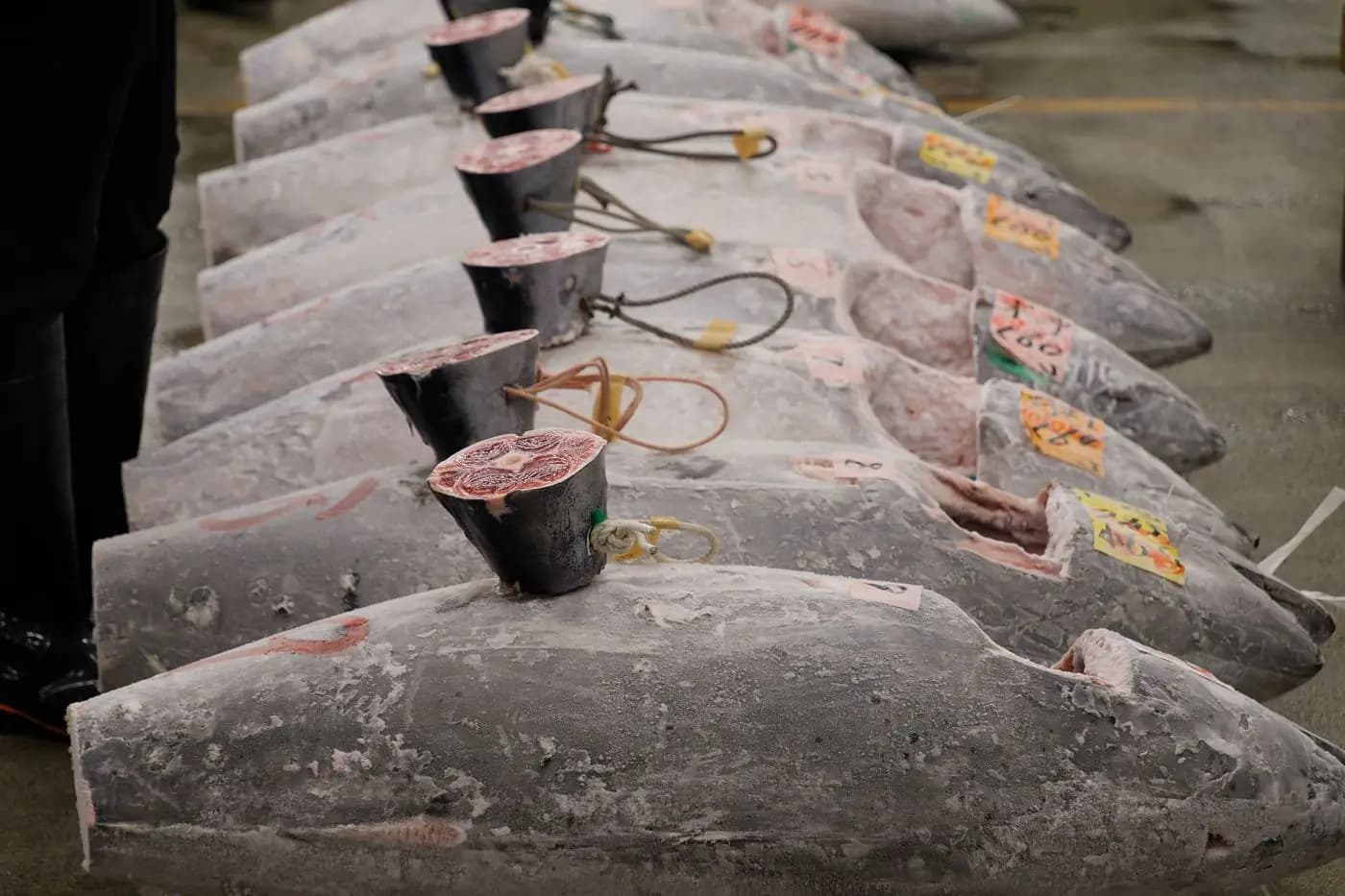
Early option: Toyosu. To watch the tuna auction, you must be at Toyosu Market at 5:30am, having won a lottery held the month before for the ground-floor observation deck. Without it, the glassed-in upper gallery remains open to the public.
10–11:30am: Hama-rikyu garden (¥300). A former garden of the shogun's family on the bay, with a seawater pond and a teahouse on the water where you can have matcha and a sweet (about ¥1,000). The contrast between the clipped pines and the Shiodome towers is striking.
Noon–2pm: Ginza. Lunch in the department store food halls (Mitsukoshi, Matsuya), where you will find excellent dishes and pastries. On Saturday and Sunday afternoons, Chuo-dori avenue becomes pedestrian-only.
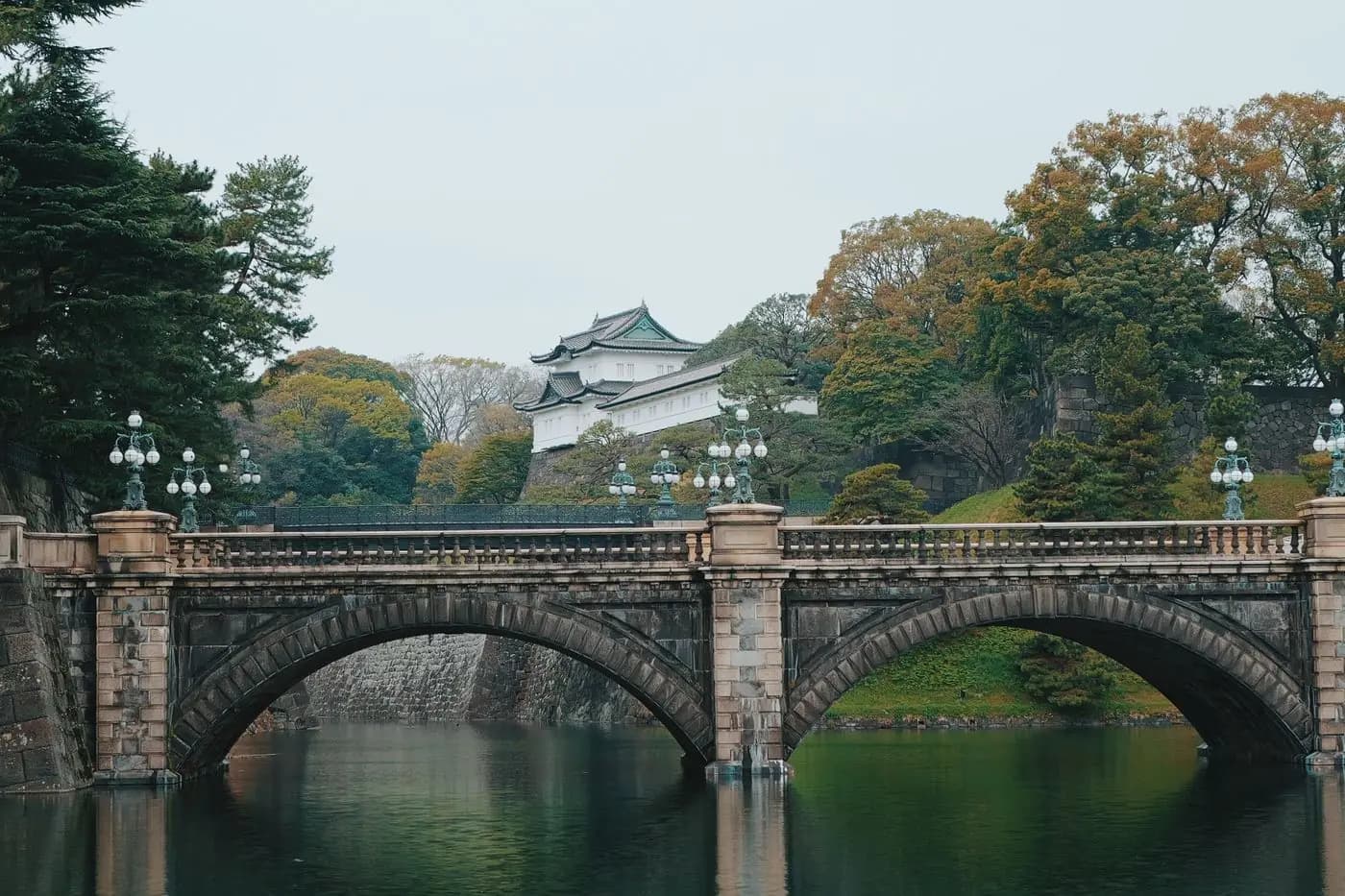
2:30–4:30pm: the Imperial Palace. The palace itself can only be seen on free guided tours that require registration. The East Gardens, however, are free and open without booking, except on Mondays and Fridays. You can see the foundations of the old Edo Castle keep. Tokyo Station and its 1914 red-brick façade are 10 minutes' walk away.
Day 3, late afternoon: Toyosu, Odaiba and a rainy-day plan B
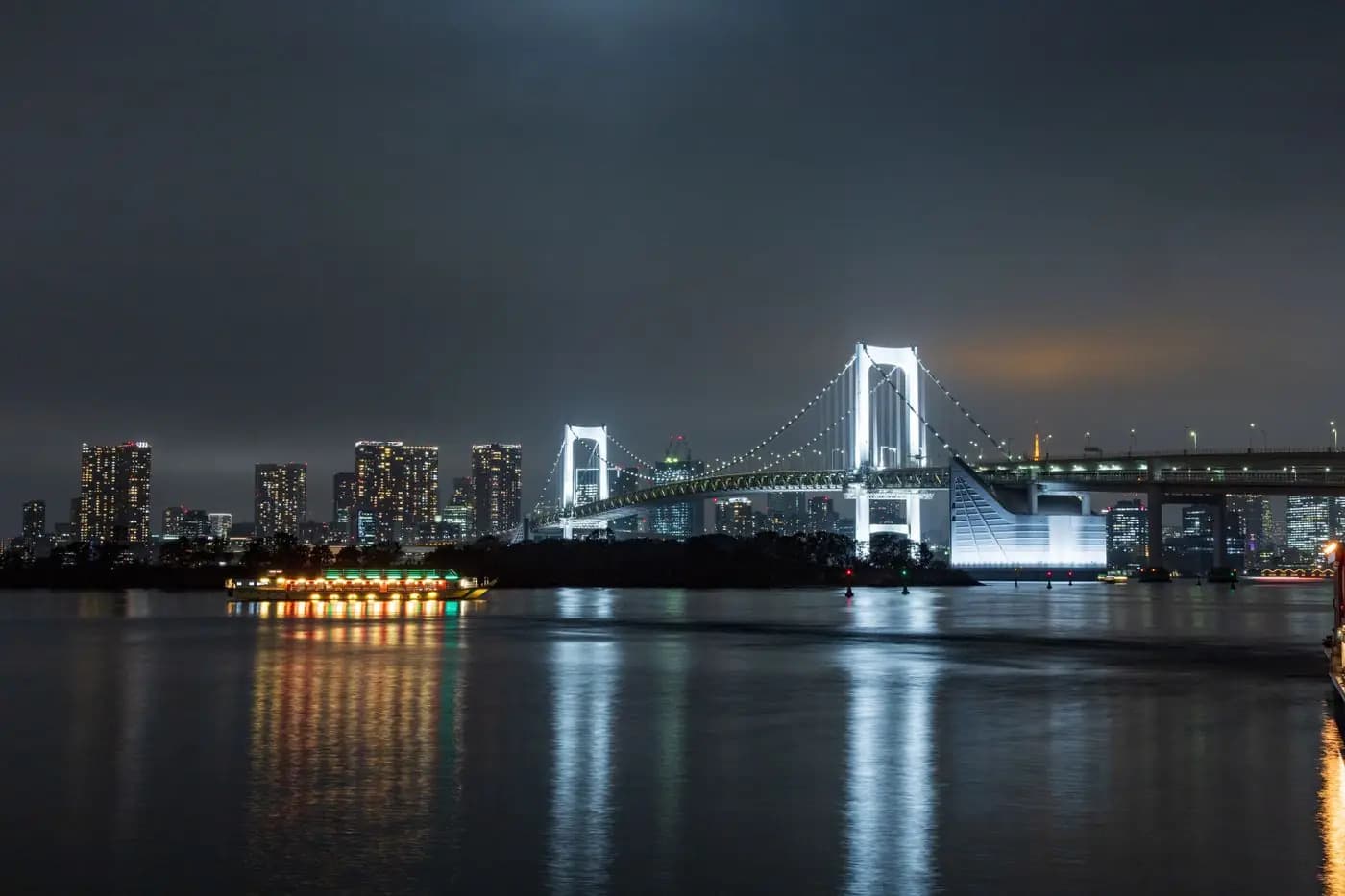
To finish, two options on the bay, linked by the driverless Yurikamome train that crosses the Rainbow Bridge.
teamLab Planets (Toyosu). A route through digital installations where you walk barefoot, sometimes in knee-deep water. Timed tickets must be booked online; prices vary by date, around ¥3,600 to ¥4,200 for an adult. Allow 1 h 30 min to 2 hours. Wear trousers you can roll up above the knee.
Odaiba. The artificial island has views of the Rainbow Bridge and the bay at dusk, a replica Statue of Liberty, the giant Gundam robot outside the DiverCity mall, and a beach for walking rather than swimming. Some evening bay cruises also leave from here.
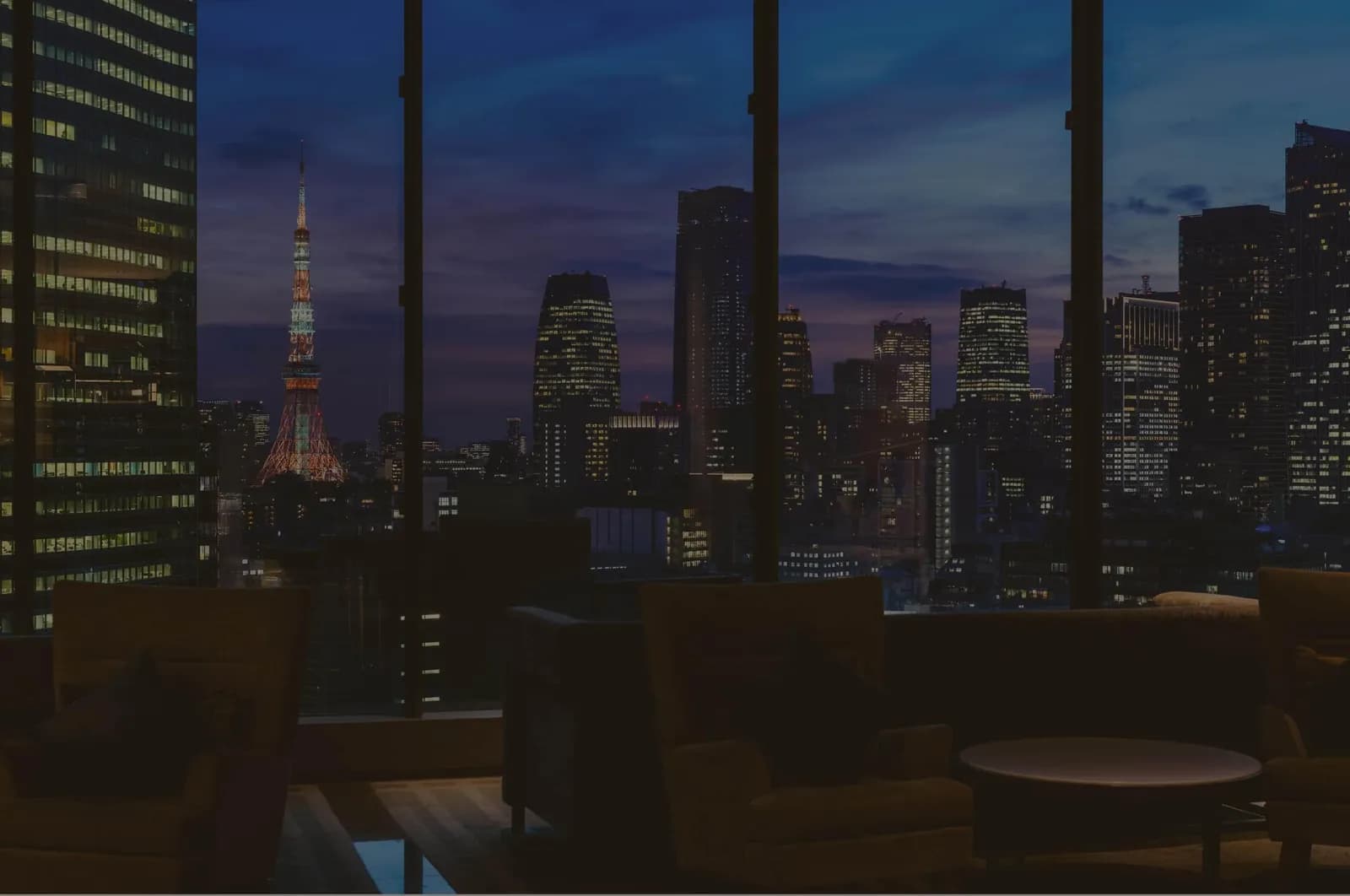
If your evening is free, orange-lit Tokyo Tower (333 metres) is best photographed from Shiba Park or Zojo-ji temple next door. Roppongi, with its Tokyo City View observatory and the Mori Art Museum, stays open until 10pm.
Rainy-day plan B. Tokyo handles rain well:
- the Tokyo National Museum, or the Mori Art Museum in Roppongi, open late;
- the Ghibli Museum in Mitaka, booked a month ahead;
- the underground arcades of Tokyo Station and Ginza's department store food halls;
- teamLab, fully indoors;
- a cooking class or sushi workshop, booked the day before.
In June (rainy season) and September (typhoons), always plan an indoor version of each afternoon. Typhoons can also halt bay-area trains for a few hours.
Seeing Tokyo in 3 days with a group
The itinerary works for a group of 10 to 40 people, with a few adjustments.
- Subway, yes, but not at any time. Between 10am and 4pm, a group of 25 rides the subway easily, with a guide in front and an escort at the back. At rush hour, switch to a coach. Each participant gets a preloaded IC card on day one.
- The coach is for long links (Asakusa–Shibuya, Ginza–Odaiba) and the evenings. Parking is scarce in the centre: stops are arranged in advance, and a coach cannot wait outside Senso-ji or at the Shibuya crossing.
- Bookings: Shibuya Sky offers group tickets, to be booked several weeks ahead; teamLab too. The Toyosu auction deck cannot be booked for a group: it is individual lottery or the public gallery.
- Meals: Omoide Yokocho and Golden Gai do not suit groups larger than four to six. Instead, book a whole izakaya, a yakitori or sushi restaurant with a private room, or split the group across several neighbouring venues.
- Activities: a treasure hunt through Shibuya and Ginza, a sushi workshop after Tsukiji market, a private bay cruise on the last night. These formats leave free time while keeping the group together at key moments.
Allow one guide per 20 to 25 people, with earpieces in shrines and the museum. For a 3-day seminar with a plenary, keep half a day of sightseeing per day and one organised evening. SHINOGI DMC prepares this kind of programme in Tokyo, from the hotel to restaurant and activity bookings.
Frequently asked questions
Are three days enough to visit Tokyo?
Yes for a first look, with one sector per day: the east (Asakusa, Ueno), the west (Meiji Jingu, Shibuya, Shinjuku) and the centre with the bay (Tsukiji, Ginza, Imperial Palace, Odaiba). With a fourth day, add a trip to Kamakura or Nikko.
Which district should you stay in for 3 days in Tokyo?
Near a JR Yamanote line station: Shinjuku or Shibuya for nightlife, Tokyo Station or Ginza for the centre and the Shinkansen, Ueno or Asakusa for a lower budget. The key is being under 5 minutes' walk from a station.
Should you buy a transport pass in Tokyo?
Not necessarily. A Suica or PASMO card is enough in most cases. The Tokyo Metro 24-hour pass (¥700) pays off from four rides on Tokyo Metro lines in a day.
What time should you visit Senso-ji to avoid the crowds?
Before 8am. The grounds are always open and the main hall opens at 6am (6:30am from October to March). In the evening, after 7pm, the illuminated buildings are also very quiet, though the hall is closed.
Shibuya Sky or Tokyo Skytree: which should you choose?
Shibuya Sky for the open-air rooftop and the sunset over central Tokyo (from ¥2,700 online). Skytree for height (350 and 450 metres) and the view over the east of the city (from ¥1,800). The free Tocho observatory in Shinjuku is a good alternative.
Can a group visit Tokyo in 3 days by public transport?
Yes, up to about 25 to 30 people, outside rush hour, with a guide and an escort. Beyond that, or for long links and evenings, a private coach with stops arranged in advance is more comfortable.
Rédaction SHINOGI DMC · Updated
Sources
- Senso-ji — Site officiel (horaires du hall principal)
- Meiji Jingu — Site officiel (horaires)
- Tokyo National Museum — Informations pratiques
- Tokyo Metropolitan Government — Observatoires du bâtiment du gouvernement métropolitain
- Tokyo Metropolitan Government — Tirage au sort pour la visite de la criée aux thons de Toyosu
- Agence de la Maison impériale — Visites du Palais impérial et jardins Est
- Tokyo Metropolitan Park Association — Jardin Hama-rikyu
- Tokyo Metro — Pass 24 heures
- GO TOKYO (office du tourisme de Tokyo) — Cartes IC et billets
- Tokyo Skytree — Billets (site officiel)
- Kanpai — Visites au Japon (inspiration)