Skip to content

Japan's industrial heartland, between Tokyo and Kyoto

Seminars, incentives and conventions in Nagoya

The capital of Chubu, home of Toyota and Japan's aerospace industry, 1h40 from Tokyo by Shinkansen, with its own exhibition centers and international airport.

≈ 1 h 40
Tokyo to Nagoya by Shinkansen
≈ 35 min
Nagoya to Kyoto by Shinkansen
≈ 28 min
Centrair to Meitetsu Nagoya by μ-SKY
≈ 40 000 m²
of exhibition halls at Port Messe Nagoya

Why choose Nagoya

  • Japan's leading industrial hub: automotive, aerospace, robotics and ceramics, ideal for study tours and factory visits.
  • A central position on the Tokaido Shinkansen: about 1h40 from Tokyo, 50 min from Shin-Osaka, 35 min from Kyoto.
  • An international airport, Chubu Centrair, about half an hour from downtown, with an exhibition center right next to it.
  • Characterful event venues: a 1926 bank building, a four-century-old ryotei, a mansion on a private estate.
  • Distinctive local food (hitsumabushi, miso-katsu, tebasaki) and costs generally gentler than Tokyo.
  • Easy excursions: Ise, Inuyama, Seki, Tokoname, or Hakuba and the Japanese Alps to the north.

Airport access

Chubu Centrair International Airport (NGO): about 28 minutes by Meitetsu μ-SKY Limited Express (reserved seats) to Meitetsu Nagoya Station. By private coach, allow about 50 minutes to Nagoya Station or Sakae depending on traffic. Aichi Sky Expo is a 5-minute walk from the terminal.

International links: direct flights to several Asian cities and a few long-haul routes depending on season. European groups often arrive via Tokyo (Haneda or Narita) and continue by Shinkansen.

From Tokyo: about 1h40 by Tokaido Shinkansen from Tokyo or Shinagawa. From Osaka: about 50 minutes from Shin-Osaka. From Kyoto: about 35 minutes.

Tip: for a group coming from Tokyo, the Shinkansen with whole-car reservations is the simplest option; in winter, snowfall around Sekigahara can slow trains between Nagoya and Kyoto, which we build into the schedule.

MICE capacity

Port Messe Nagoya (Kinjo-futo, about 24 minutes from Nagoya Station on the Aonami Line) offers three exhibition halls of 20,160 m², 6,576 m² and 13,500 m², plus a convention center; the new Hall 1 opened in 2022. Aichi Sky Expo, opened in 2019 next to Chubu Centrair, has six halls, 18 meeting rooms and permanent bonded-hall status, useful for showing imported products.

Nagoya Congress Center (Atsuta), with its Century Hall of about 3,000 seats, is closed for renovation until 31 March 2027. Meanwhile, the major hotels of Meieki and Sakae and more intimate venues — THE CONDER HOUSE (up to 216 theater-style), THE KAWABUN NAGOYA, Ryōtei Kawabun and THE NANZAN HOUSE — cover events of 20 to 300 people. Exact capacities are confirmed case by case.
Seasonality

  • January–February: dry cold, little snow in the city; a quiet period with good rates. Snow around Sekigahara can delay the Shinkansen.
  • Late March–early April: cherry blossom around Nagoya Castle and along the Yamazaki River.
  • Late April–early May: Golden Week, with hotels and trains in high demand.
  • June–mid July: rainy season (tsuyu); cormorant fishing at Inuyama starts in June.
  • July–August: very humid heat, among the strongest in Japan; favor indoor visits and evening programs.
  • August–September: typhoon risk; plan alternatives.
  • October–November: the ideal season, with the Nagoya Festival in October and autumn colors.
  • December: illuminations and bonenkai; avoid the year-end holidays.
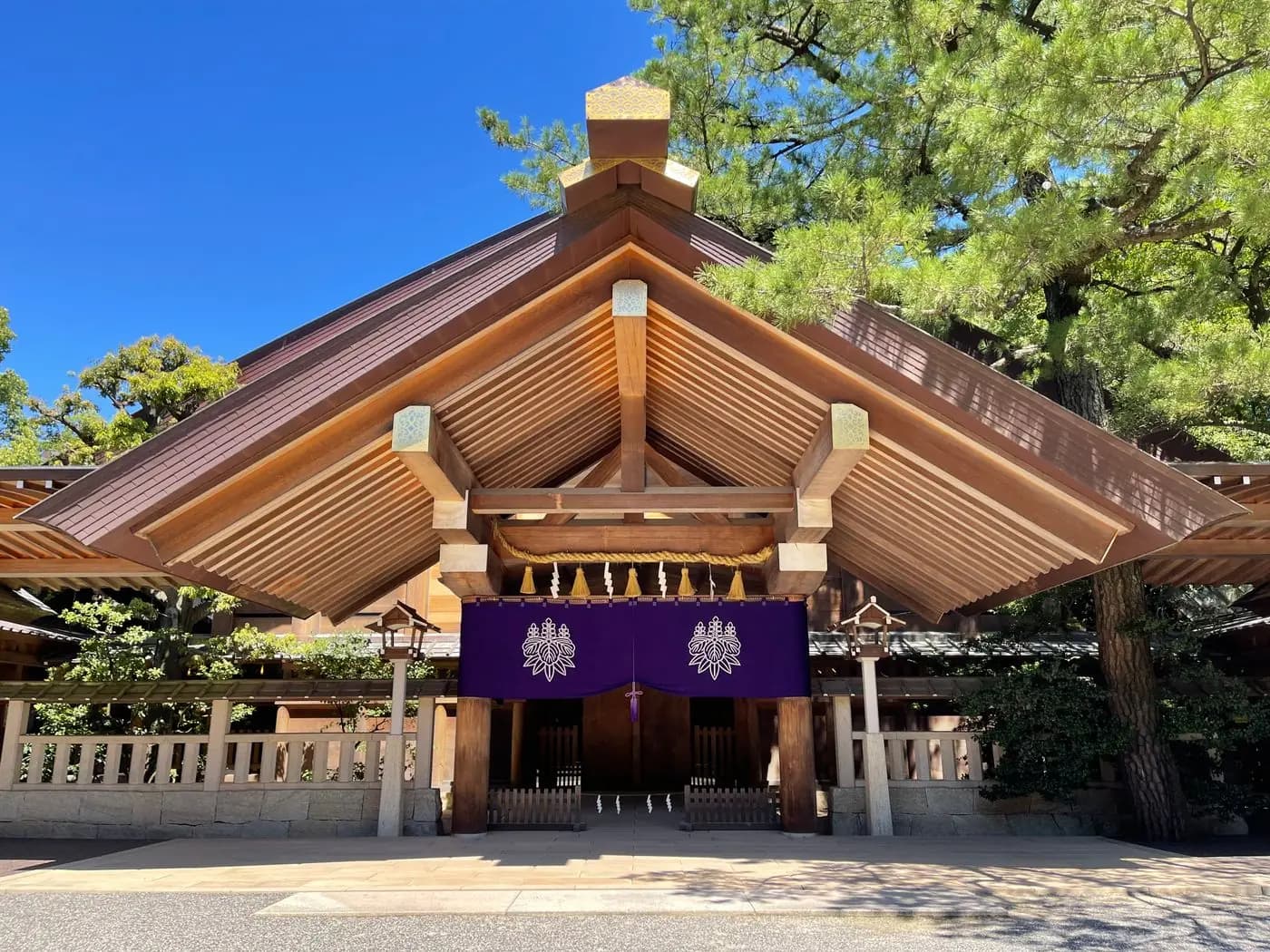
Atsuta Jingu shrine in Nagoya
Atsuta Jingu shrine in Nagoya — © Cheng / Pexels · Pexels License
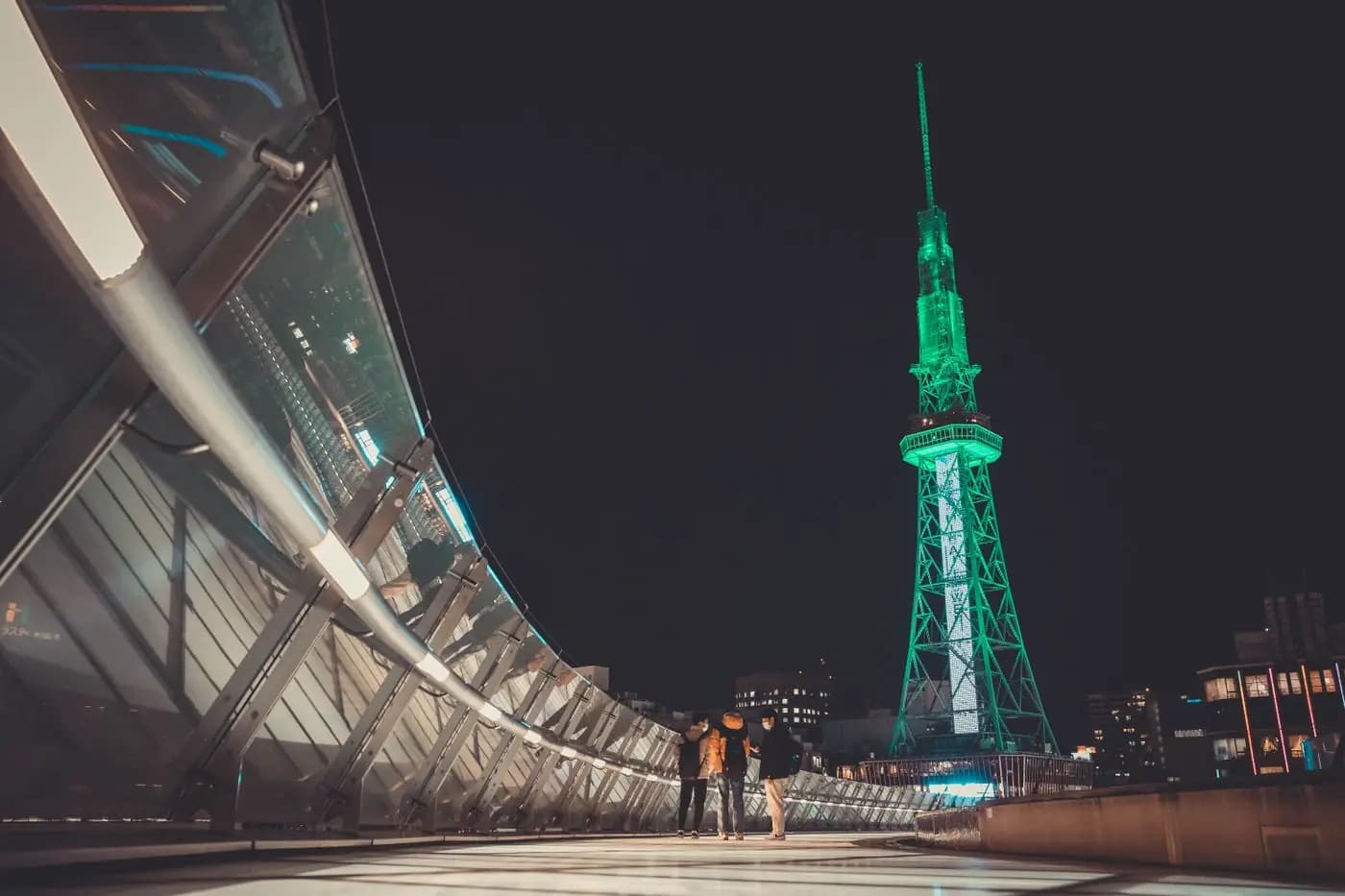
The illuminated Mirai Tower in Sakae
The illuminated Mirai Tower in Sakae — © Do Van / Pexels · Pexels License
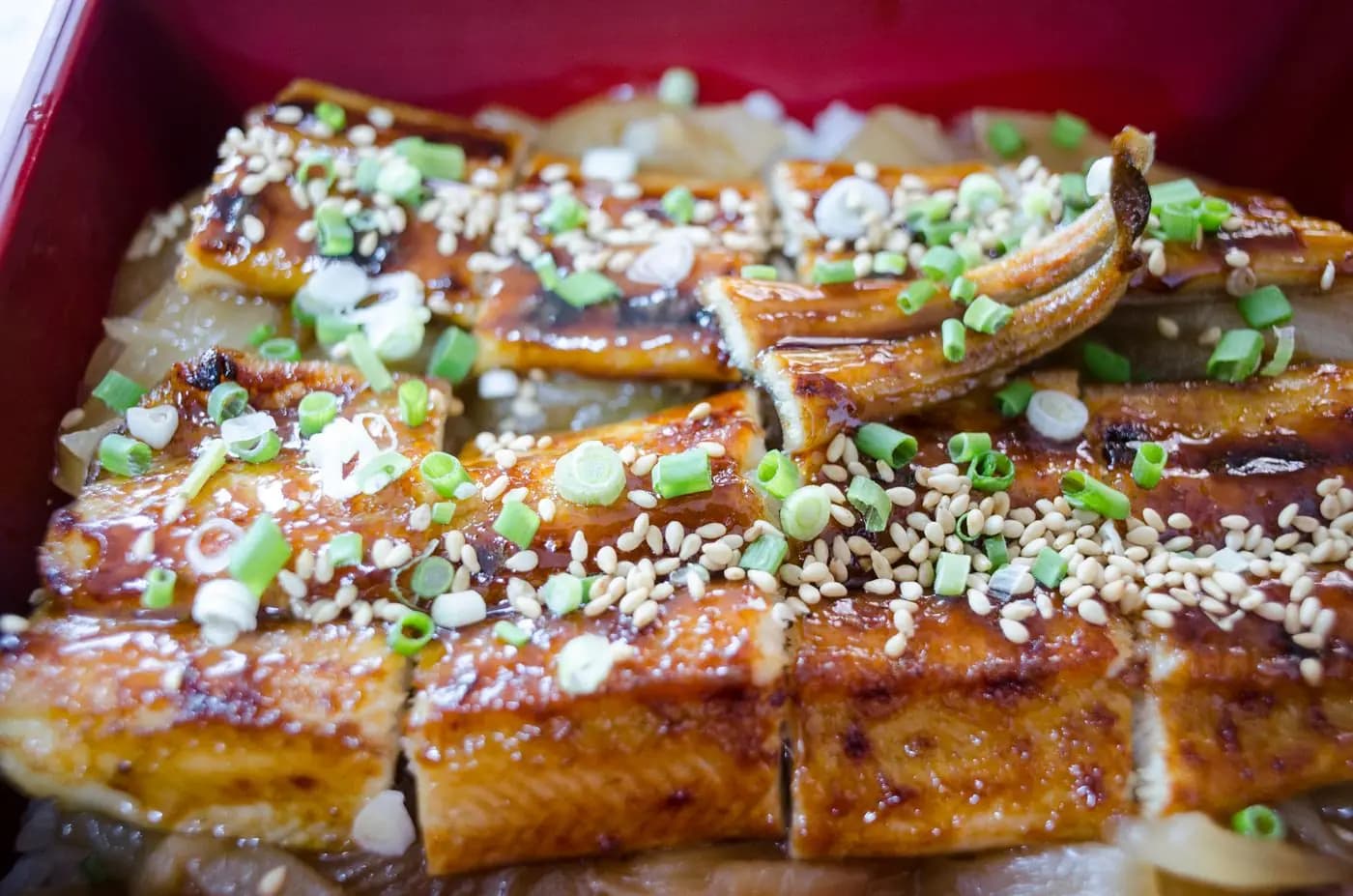
Grilled eel on rice, the basis of Nagoya's hitsumabushi
Grilled eel on rice, the basis of Nagoya's hitsumabushi — © makafood / Pexels · Pexels License

Recommended districts

Meieki 名駅

The Nagoya Station district (Shinkansen, Meitetsu to Centrair, Aonami Line to Port Messe), with office towers and major hotels. The most practical logistics base.

Sakae 栄

The shopping and nightlife center around Hisaya-odori Park and the Chubu Electric Power Mirai Tower: department stores, restaurants, bars and hotels.

Marunouchi / Fushimi 丸の内・伏見

The business district between the station and Sakae, home to Ryōtei Kawabun, THE KAWABUN NAGOYA and THE CONDER HOUSE, a few minutes from the castle.

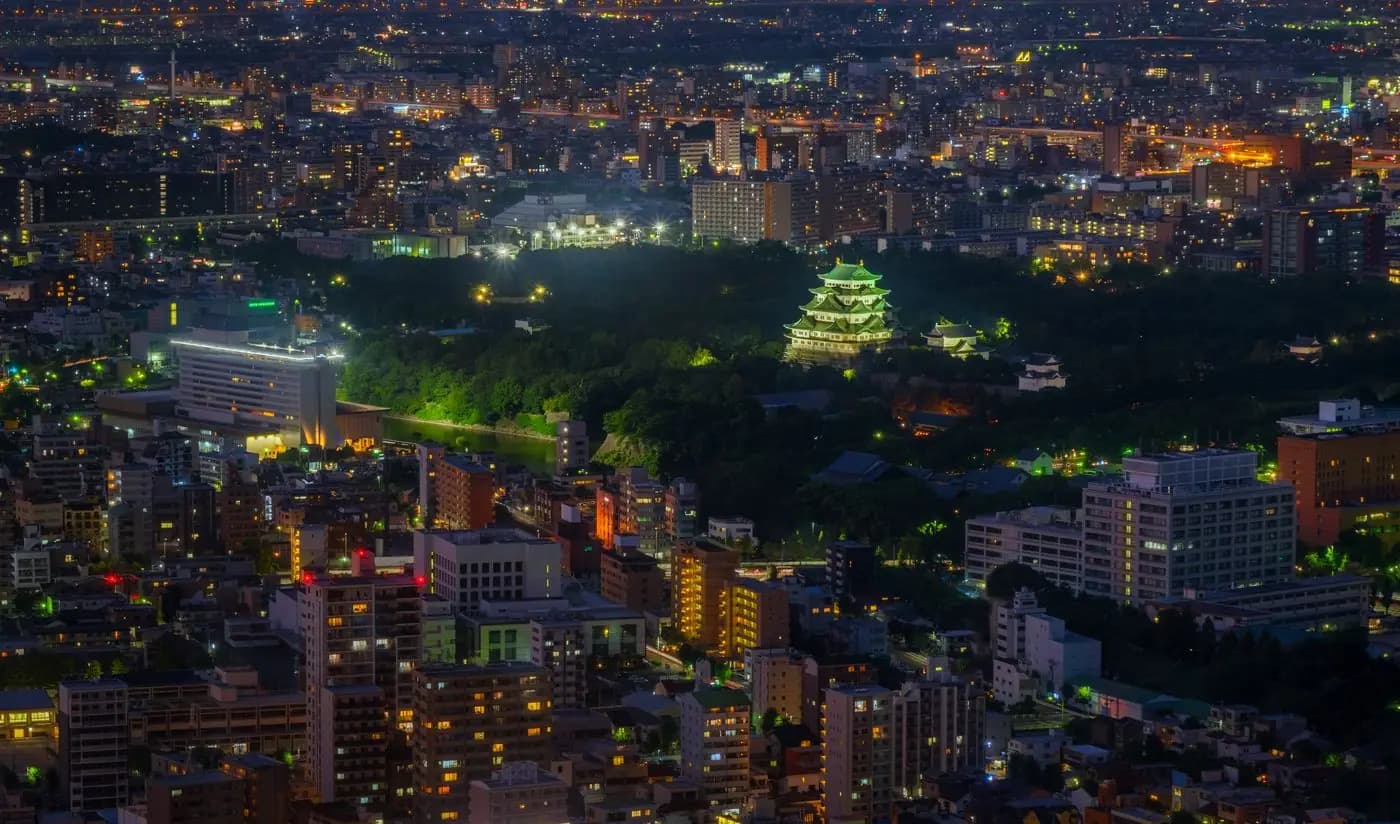
Nagoya Castle 名古屋城

The castle of the Owari Tokugawa and its rebuilt Honmaru Palace, with Kinshachi Yokocho for a lunch of local specialties.

Atsuta 熱田

Atsuta Jingu, one of Japan's most revered shrines, and Nagoya Congress Center (closed for renovation until March 2027). Known for hitsumabushi.

Kinjo-futo 金城ふ頭

The waterfront of Port Messe Nagoya, the SCMAGLEV and Railway Park and Legoland Japan, about 24 minutes from the station on the Aonami Line.

Convention centres · Nagoya

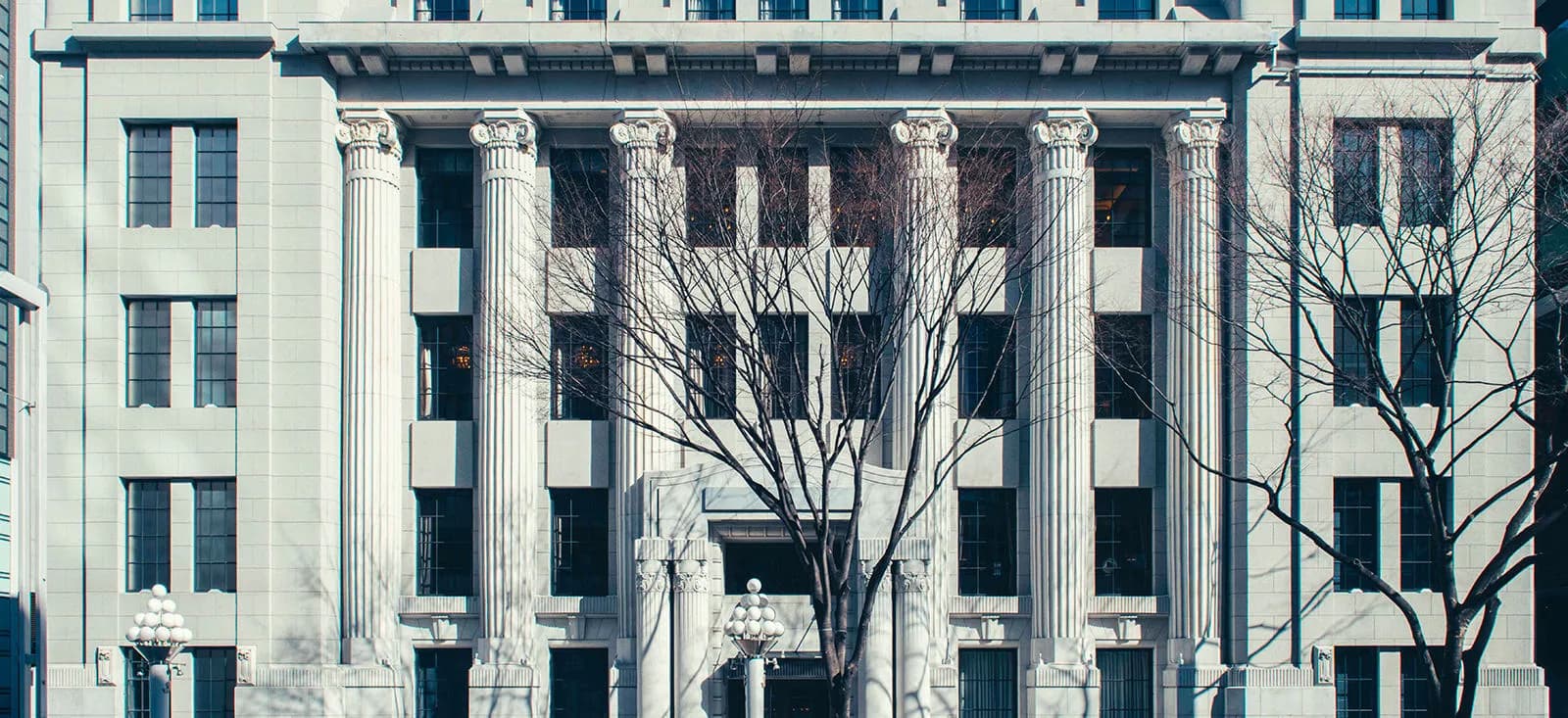
Columned facade of the former Nagoya Bank (1926)

Nagoya

THE CONDER HOUSE

ザ・コンダーハウス

THE CONDER HOUSE occupies the former head office of Nagoya Bank, built in 1926 on Hirokoji Avenue by architect Teiji Suzuki and designated an important urban landscape building by the city. Converted by Plan・Do・See in 2018 into a restaurant, bar and event venue, it is arranged around a grand staircase and offers six spaces from 63 to 210 m². The largest room, The Conder Hall (210 m², original ceiling and chandeliers), takes up to 216 theater-style or 152 seated for dinner; The Stairs Hall, the restaurant at the foot of the staircase, holds up to 300 for a cocktail reception. A characterful choice for incentive dinners, client receptions, general meetings and product launches in the city center, five minutes from Nagoya Station.

Max. capacity 216 pax · 2 hotels

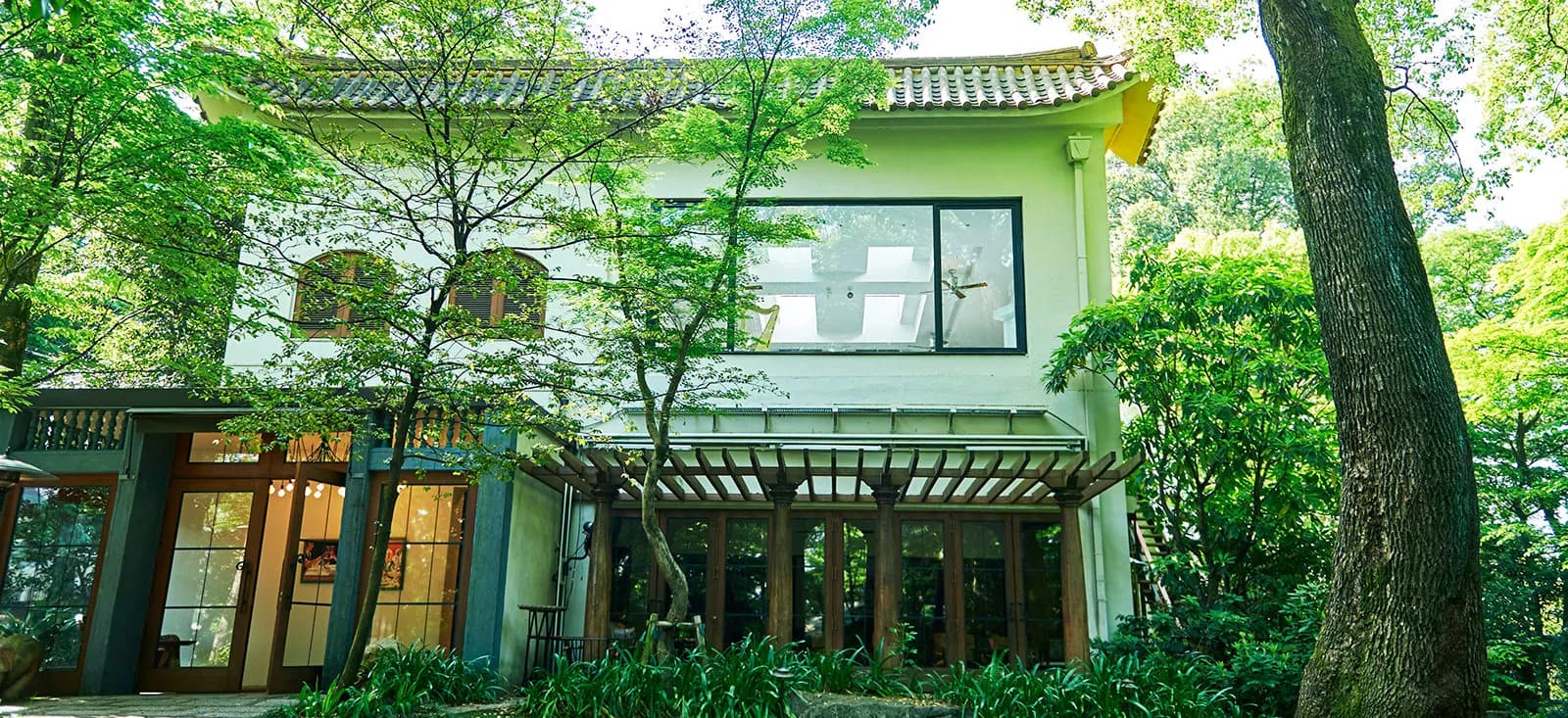
The mansion surrounded by trees on the Nanzan estate

Nagoya

THE NANZAN HOUSE

ザ ナンザンハウス

THE NANZAN HOUSE is a private mansion on an estate of about 2,000 tsubo (roughly 6,600 m²) in Nanzan, a leafy residential district of Nagoya. Its architecture draws on Geoffrey Bawa, the Sri Lankan master of tropical modernism, and opens onto a lawn garden ringed by evergreen trees. The site traces back to a restaurant opened in 1968 and was reborn under Plan・Do・See in 2011. Two rooms face the garden: The Garden Room (70 seated) and The Terrace Room (110 seated, with balcony), each with its own kitchen. The estate can be booked exclusively for a leadership meeting, an offsite seminar, a product presentation or a garden evening. It is primarily a wedding venue, so weekends are in high demand and weekdays are easier to secure.

Nanzan / Yagoto (Showa-ku)

Conference & MICE hotels

View all (4) →
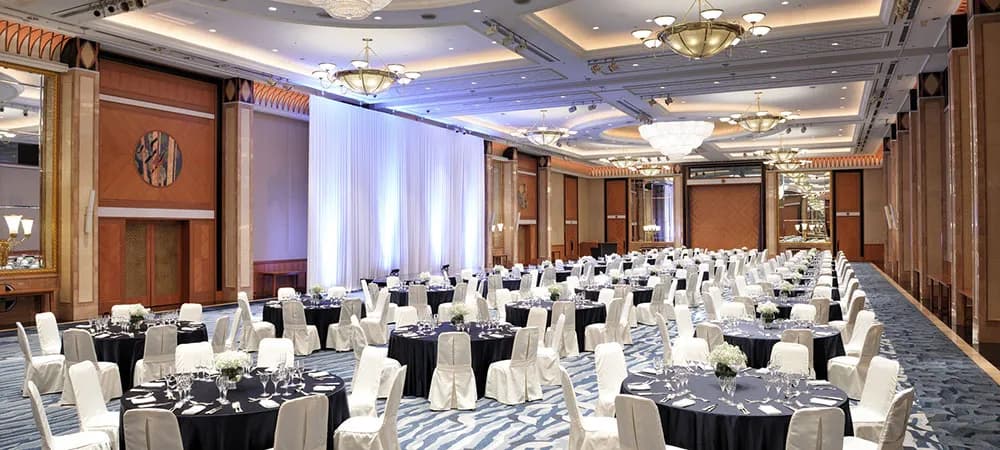
Ōgi no Ma ballroom set for a gala dinner
ConferenceMICEBusiness

Hilton Nagoya

Fushimi

Nagoya's first international chain hotel (1989), between the station and Sakae. Its 971 m² Ōgi no Ma ballroom holds 1,200 theatre-style or 700 for a seated dinner and splits in two; there is also a 381 m² sky banquet room on the 28th floor and about ten smaller rooms.

Rooms
460
Meeting rooms
13
Max. capacity
1,200

Indicative budget · €€€

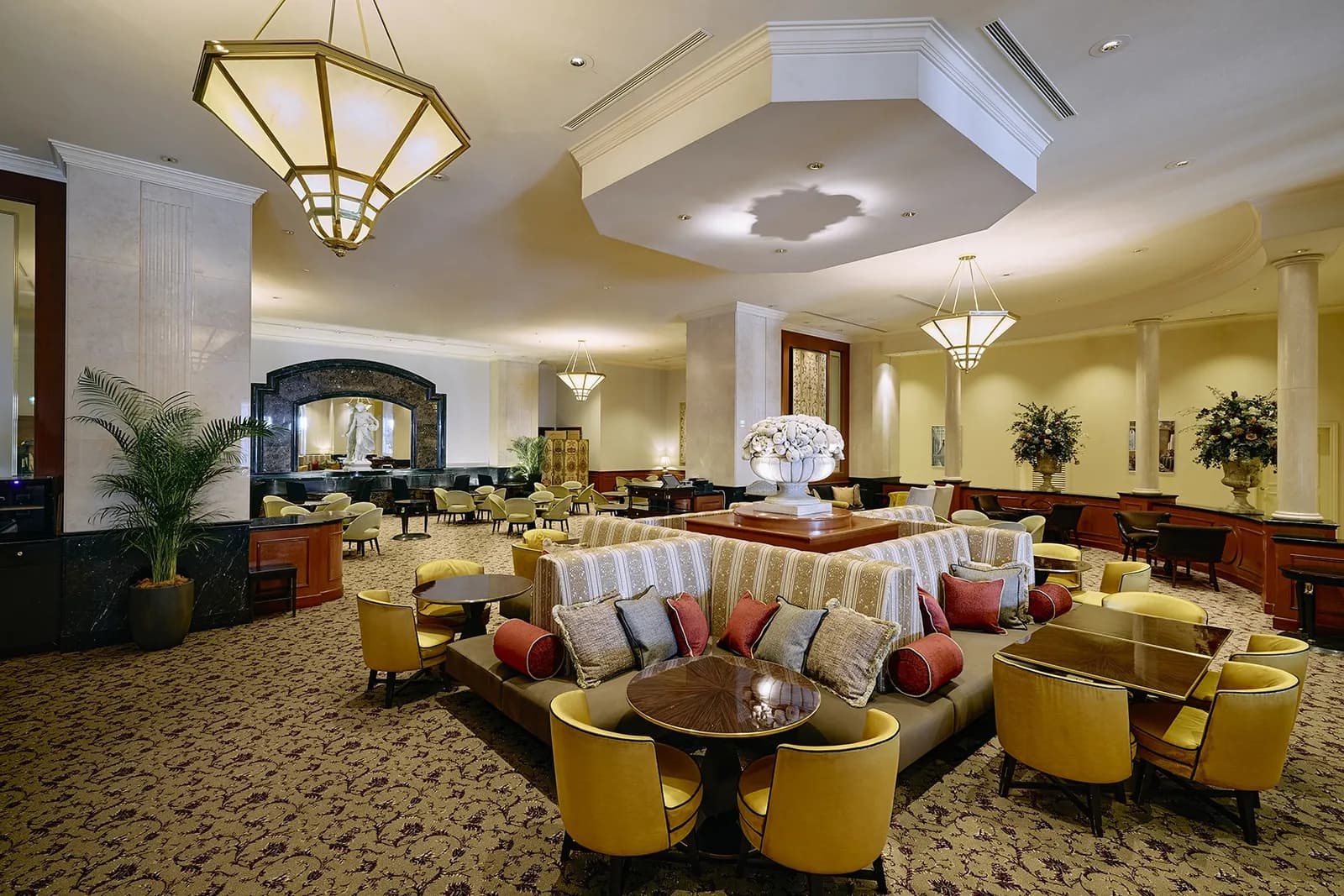
Hotel lobby on the 15th floor
MICEConferenceLuxury

Nagoya Marriott Associa Hotel

Meieki (Nagoya Station)

Nagoya's largest hotel by room count (748 rooms), sitting directly above JR Nagoya Station. The 1,200 m² Towers Ballroom, with an 8 m ceiling, holds up to 1,200 theatre-style or 630 for a seated dinner, with 16 more rooms on the 16th, 17th and 51st floors.

Rooms
748
Meeting rooms
17
Max. capacity
1,200

Indicative budget · €€€

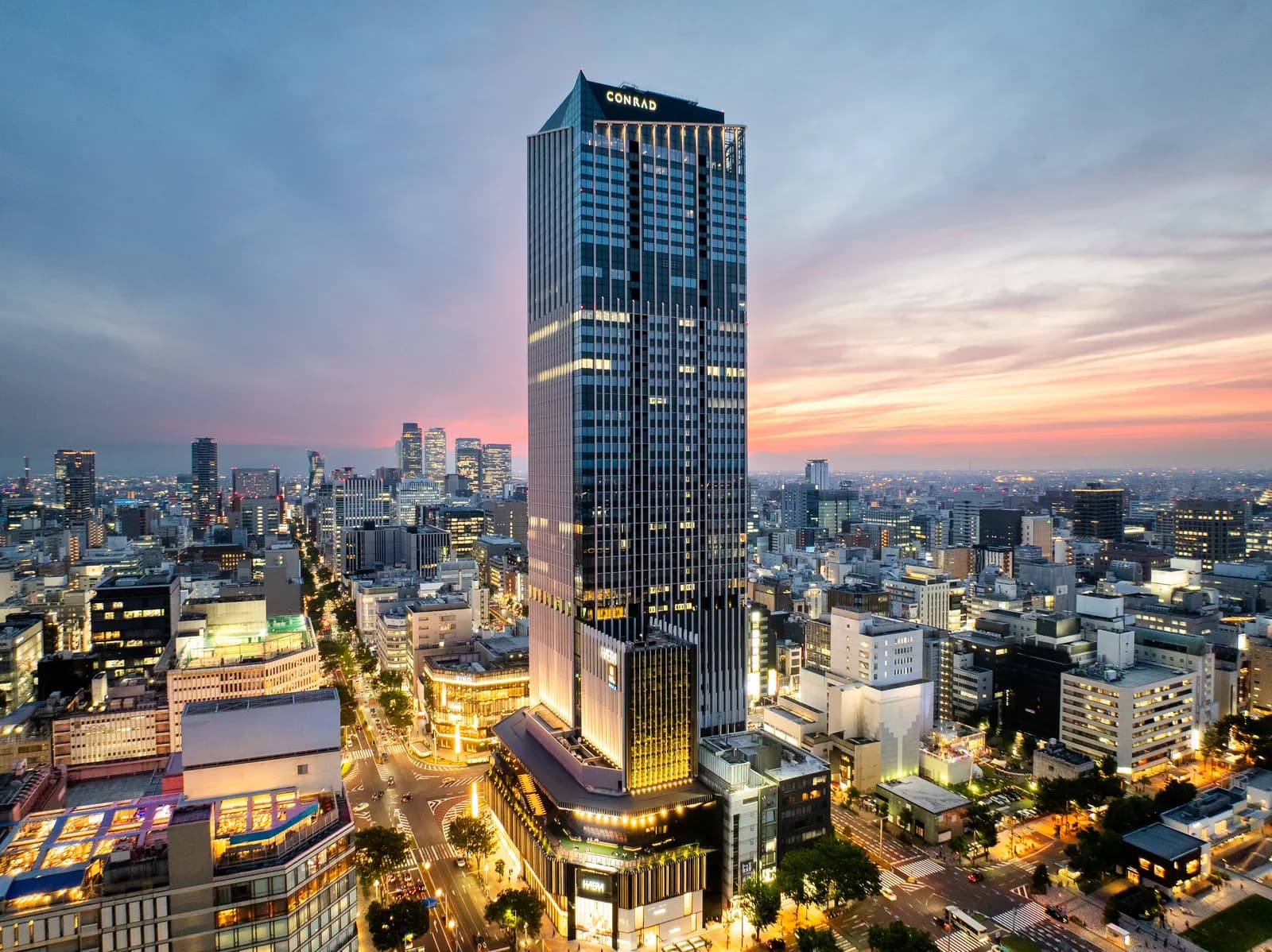
The Landmark Nagoya Sakae tower at dusk
LuxuryConference

Conrad Nagoya

Sakae

Nagoya's first international luxury hotel, opened on 31 July 2026 atop The Landmark Nagoya Sakae. 170 rooms including 29 suites, six restaurants and bars between the 31st and 40th floors, and an events level with a 342 m² Grand Ballroom under an 8 m ceiling.

Rooms
170
Meeting rooms
—
Max. capacity
—

Indicative budget · €€€€

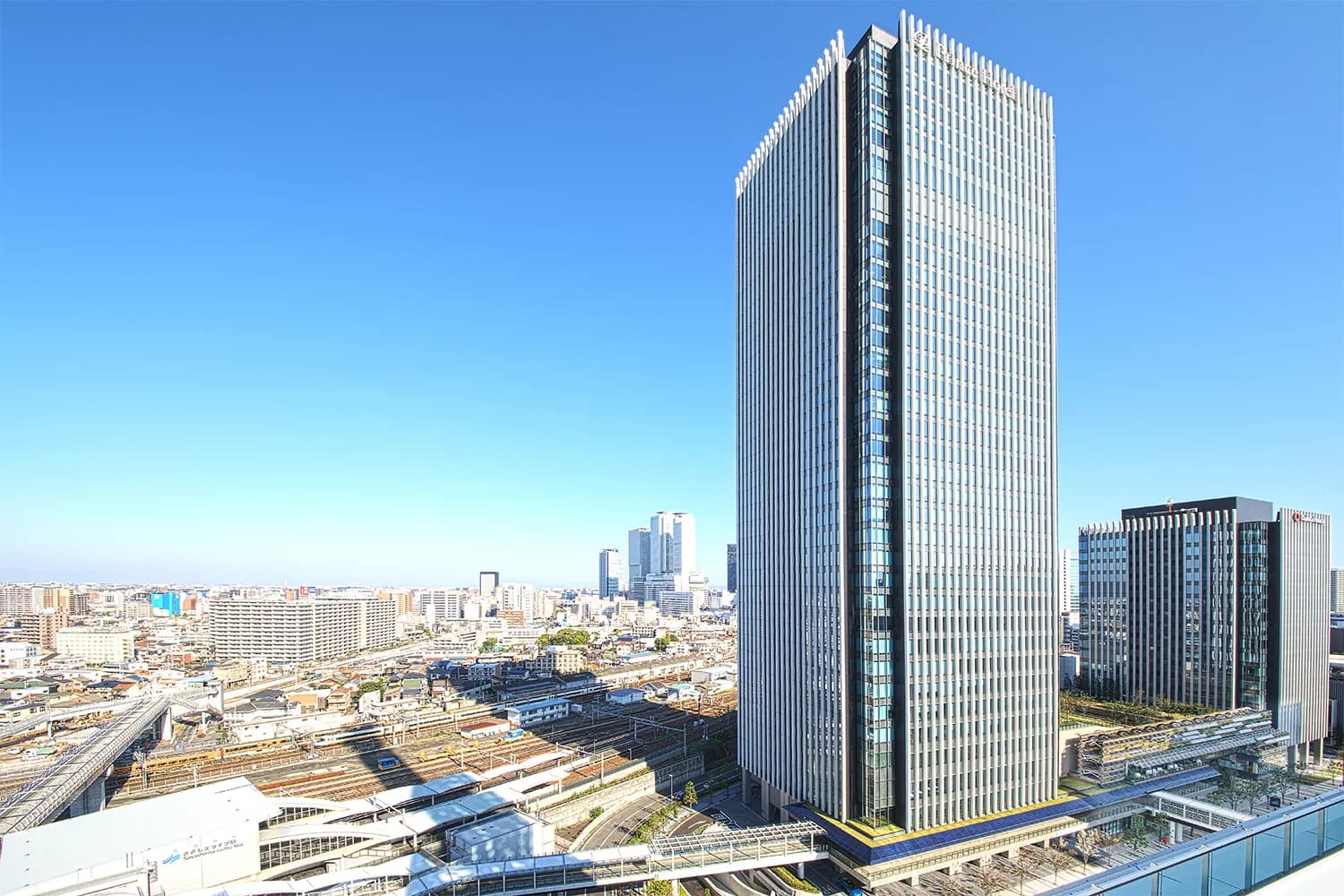
The Global Gate tower housing the hotel in Sasashima
LuxuryBusinessConference

Nagoya Prince Hotel Sky Tower

Sasashima (Global Gate)

A 170-room hotel occupying the 31st floor and above of the Global Gate tower, one stop from Nagoya Station. It has only a boardroom, but its partner Nagoya Convention Hall, in the same complex, offers a 565 m² hall for up to 616 theatre-style and about twenty more rooms.

Rooms
170
Meeting rooms
1
Max. capacity
—

Indicative budget · €€€

8 restaurants

Trending & group restaurants

Group restaurants in Nagoya →
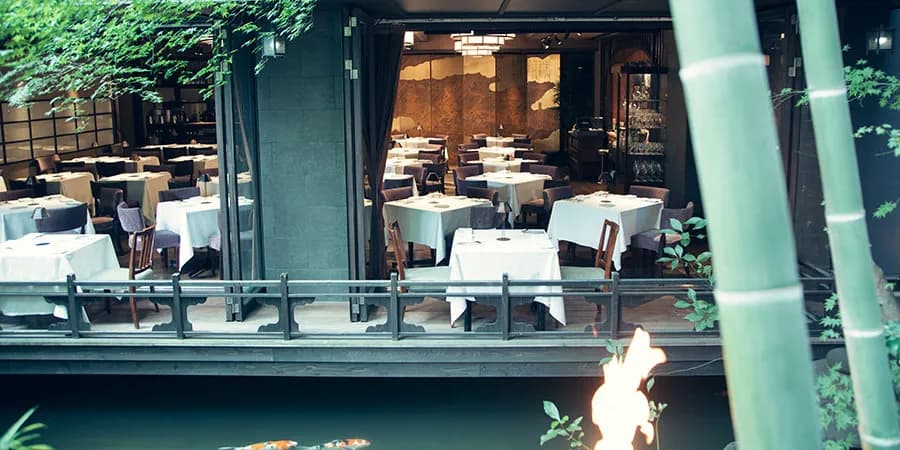
Restaurant dining room opening onto the bamboo garden
5 photos
Modern & rooftopPrivate hire

THE KAWABUN NAGOYA

Marunouchi · ザ・カワブン・ナゴヤ

Plan・Do・See's Italian restaurant on the grounds of Ryōtei Kawabun, built where the ryotei's former great hall, Nagono no Ma, once stood. Original transoms, roof tiles and stone basins were reused in a modern Japanese building that opens onto the garden and its old chinquapin tree, planted when Nagoya Castle was built. Seasonal Italian cooking from an open kitchen, a café-bar lounge and Bar Octagon overlooking the garden. In 2023 it hosted a dinner for the Tripartite Environment Ministers Meeting of China, Japan and Korea (TEMM24).

Groups up to 128 paxLunch: courses from ¥3,500 per person

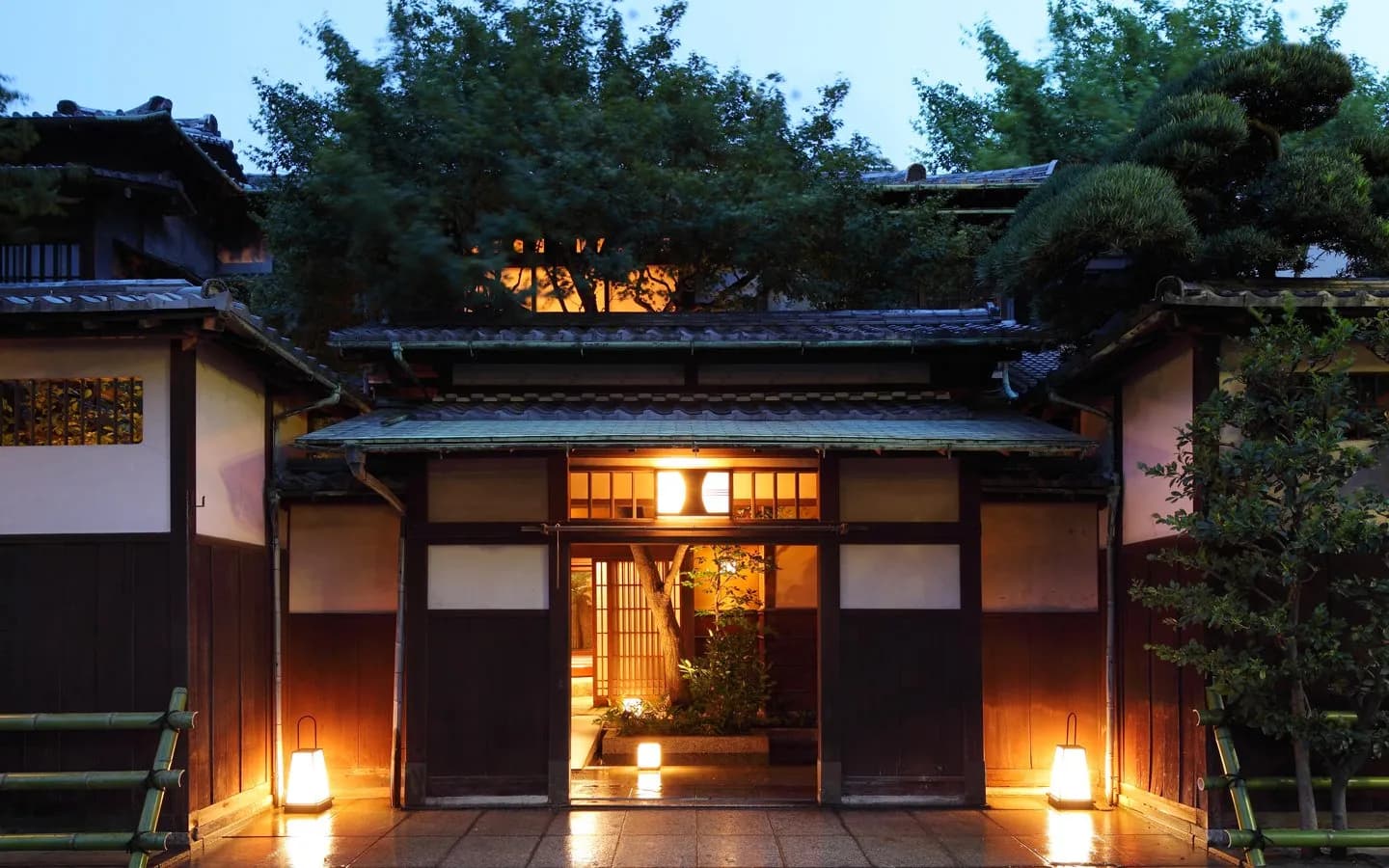
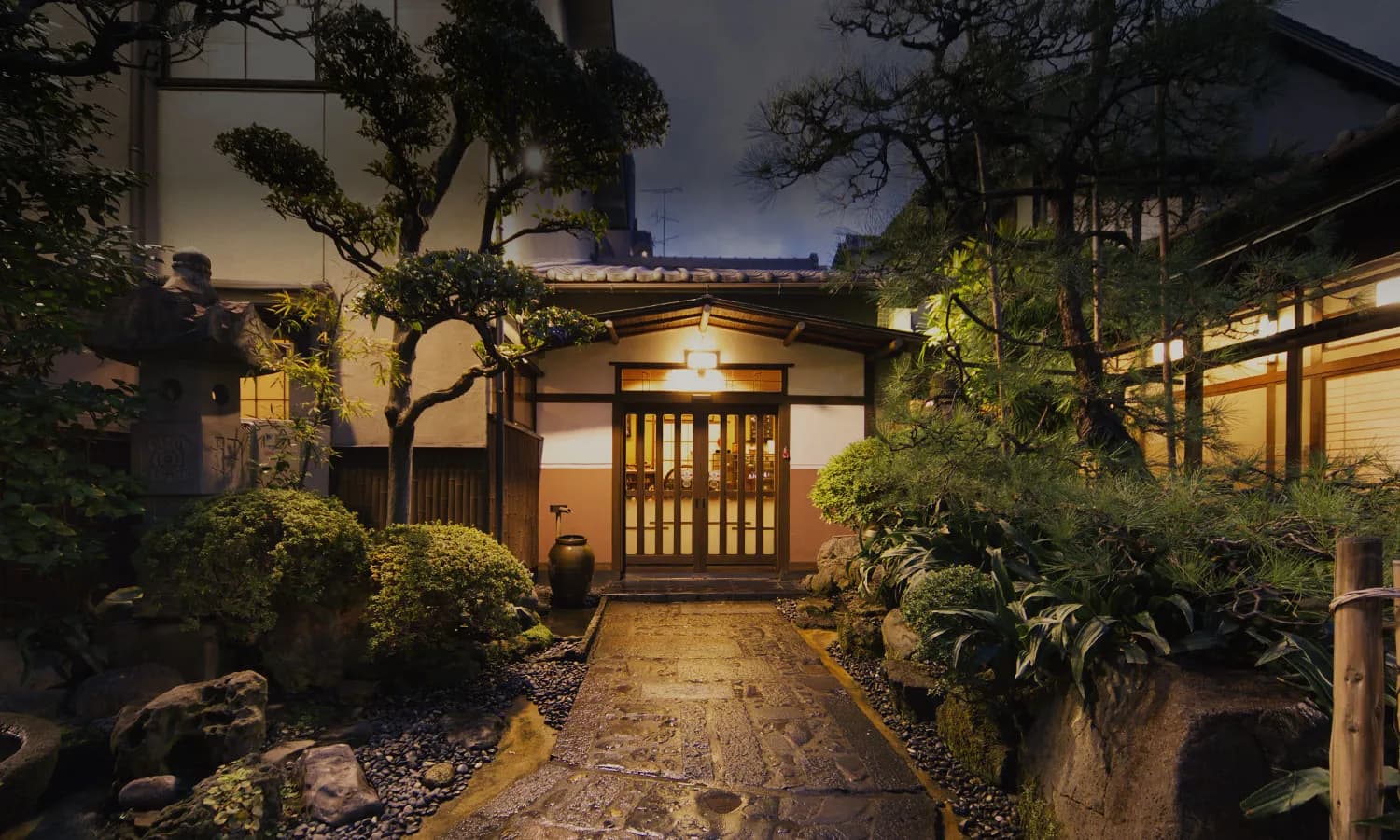
Lantern-lit entrance of Ryōtei Kawabun at dusk
6 photos
Kaiseki & ryoteiPrivate hire

Ryōtei Kawabun

Marunouchi · 料亭 河文

Main building listed as a Registered Tangible Cultural Property

Nagoya's oldest restaurant, founded early in the Edo period by a fishmonger who became purveyor to the Owari Tokugawa, and the only one in the city operating continuously since then, some four centuries. The sukiya-style main building is a registered cultural property; the Mizukagami no Ma hall and its water courtyard were designed in 1971 by architect Yoshiro Taniguchi. Japanese and foreign statesmen have dined here, and the G20 foreign ministers' dinner was held here in 2019. Seasonal kaiseki is served in private rooms for 2 to 20, most with chair seating.

Groups up to 90 paxLunch: kaiseki at ¥13,200

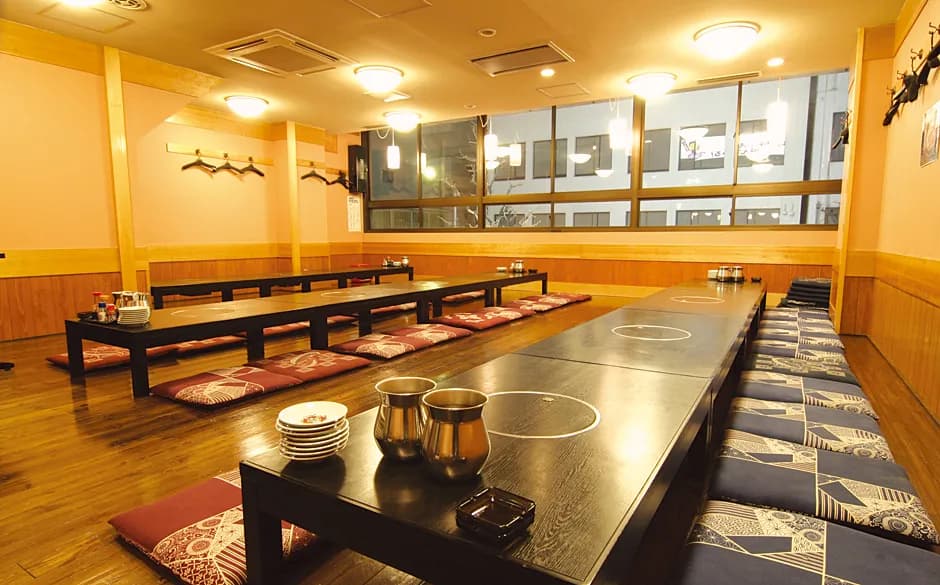
Large tatami room with long low tables on the second floor
3 photos
Izakaya

Sekai no Yamachan Honmaru – tebasaki izakaya

Marunouchi · 世界の山ちゃん 本丸店

Sekai no Yamachan began in 1981 in Shin-Sakae around its "maboroshi no tebasaki", fried chicken wings with a strong pepper kick that became a fixture of Nagoya evenings. Honmaru, opened in 2022 in Marunouchi, fills the first two floors of a building that also houses a 100-seat seminar hall and a dojo: 233 seats, a hall for 60 and rooms of all sizes.

Groups up to 60 pax"Maboroshi" tebasaki: ¥660 incl

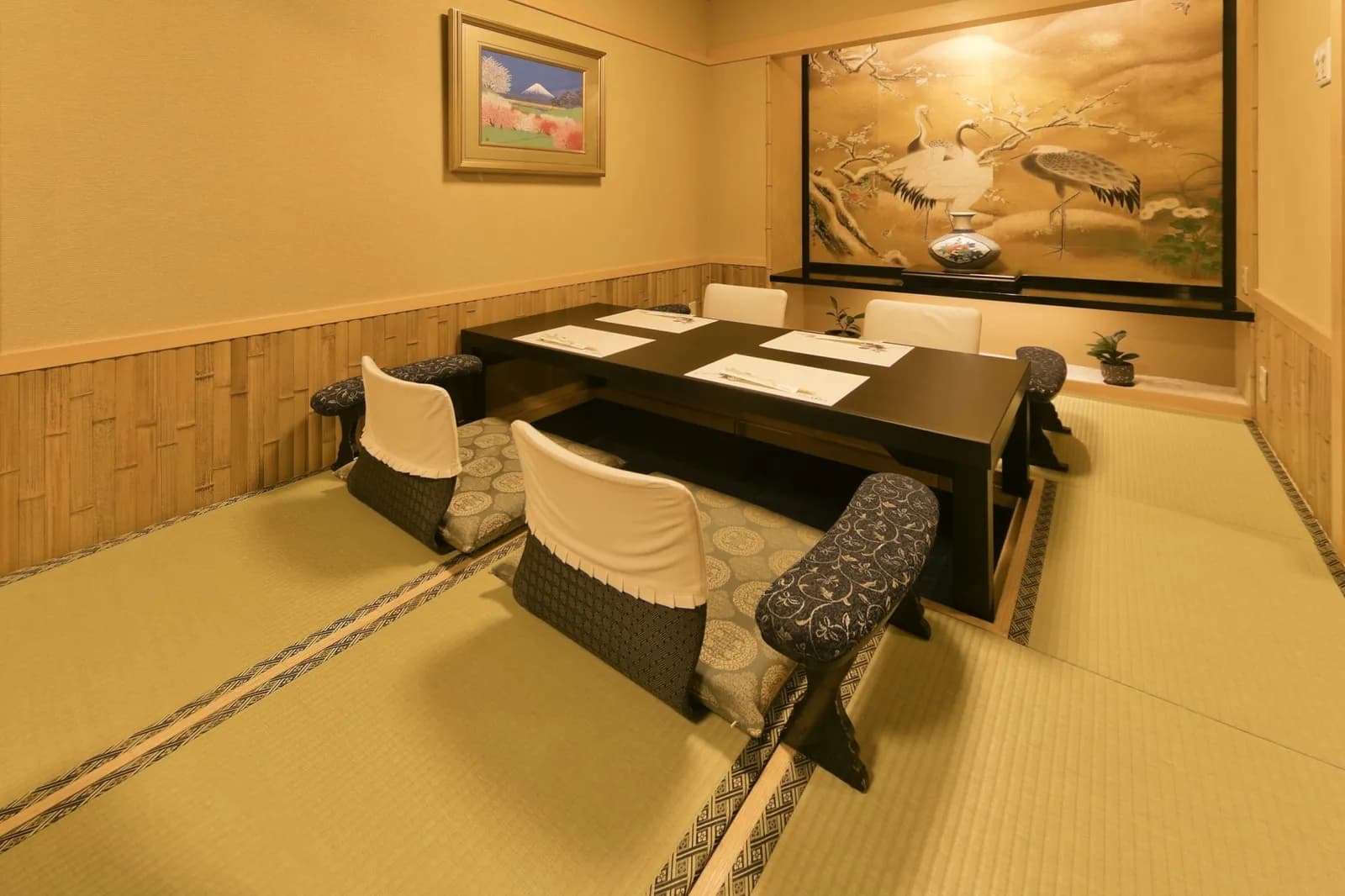
Tatami private room with a sunken table and a wall painting
6 photos
Local specialities

Torigin Honten – Nagoya Cochin

Nishiki 3-chōme (Sakae) · 鳥銀本店

A Nagoya Cochin chicken specialist for over fifty years in Nishiki 3-chome, a founding member of the breed's promotion association and committed to the pure-bred strain. The house claims to have created Nagoya Cochin hot pot and serves the bird as same-morning sashimi, grills, fried dishes and kaiseki. Three neighbouring venues: the Honten (tables and counter), Torigin Fugetsu, moved into a new building in 2020 with private rooms and a banquet hall, and Torigin Kiraku.

Groups up to 40 paxKaiseki from ¥6,490 to ¥15,400 per person incl

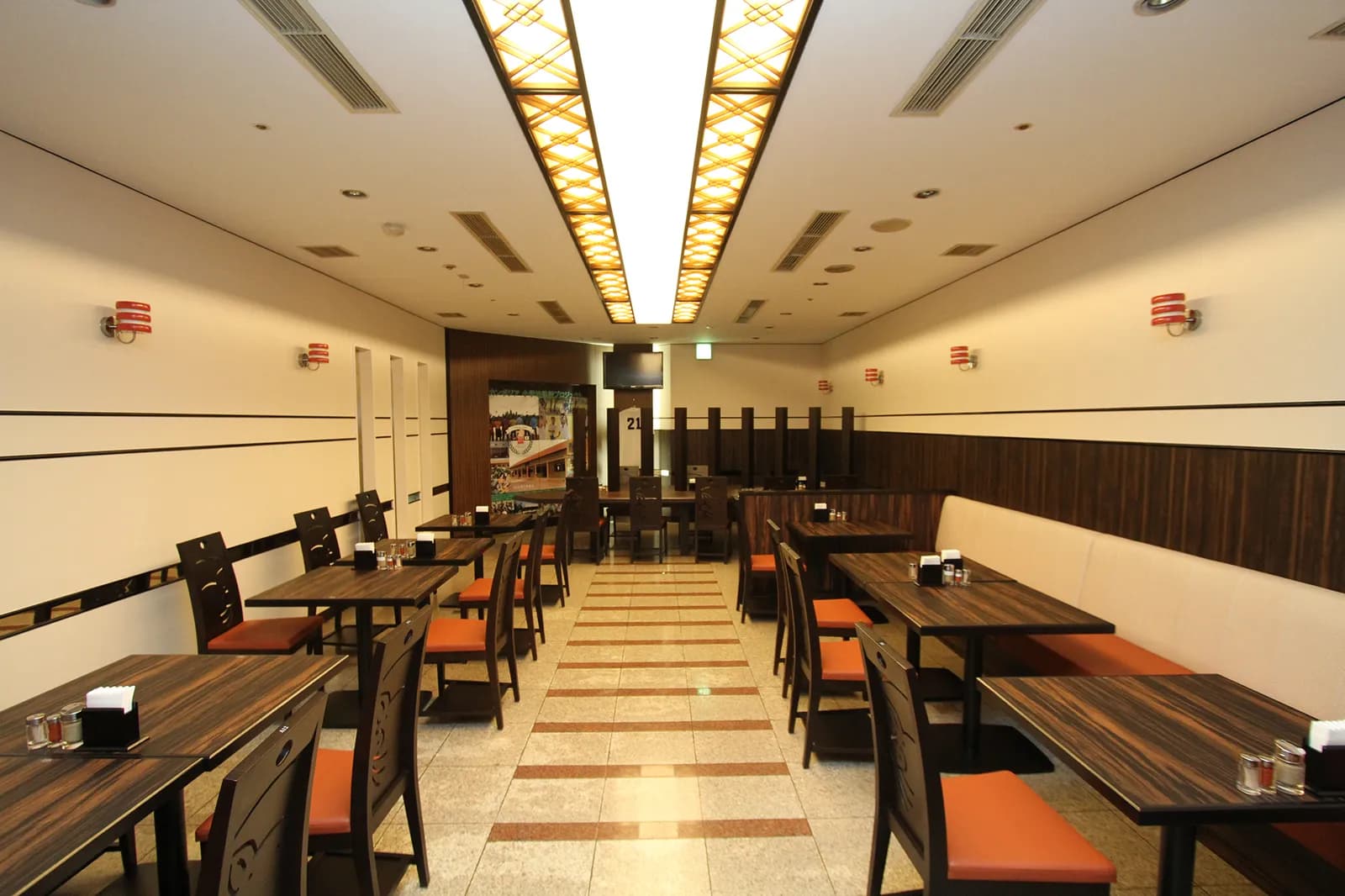
Yabaton Sakae Matsuzakaya dining room with tables beneath a lit ceiling
6 photos
Local specialities

Yabaton Sakae Matsuzakaya – miso-katsu

Sakae – Matsuzakaya Nagoya, South Building 10F · 矢場とん 栄 松坂屋店

Since 1947 Yabaton has served miso-katsu, breaded pork under a red-miso sauce whose recipe remains secret, now one of Nagoya's emblems. This branch on the 10th floor of the Matsuzakaya department store in Sakae is one of the few in the chain that takes reservations and set courses: 85 seats, including four private rooms.

Groups up to 18 pax

Lit garden path leading to the Atsuta Horaiken entrance in the evening
6 photos
Local specialities

Atsuta Horaiken Honten (Jinya) – hitsumabushi

Atsuta (near Atsuta Jingū) · あつた蓬莱軒 本店(陣屋)

An eel house founded in 1873 in Atsuta, near Atsuta Jingū shrine, which holds the trademark on the name "hitsumabushi": eel grilled over binchotan and glazed with a sauce topped up day after day since the Meiji era, served over rice in a large lacquered bowl and eaten three ways (plain, with condiments, then with broth). The 180-seat Jinya head store sits behind a garden path.

On requestHitsumabushi: ¥4,950

Evening ideas

  • Kaiseki dinner at Ryōtei Kawabun, in a private room or in the Mizukagami no Ma facing the garden.
  • Gala evening in the former bank of THE CONDER HOUSE, with a reception at the foot of the grand staircase.
  • Italian dinner at THE KAWABUN NAGOYA and a drink at Bar Octagon overlooking the garden.
  • Local specialty crawl: hitsumabushi, tebasaki and miso-katsu in restaurants with private rooms.
  • Exclusive garden evening at THE NANZAN HOUSE in the mild seasons.
  • Dinner with a panoramic view in a Meieki high-rise hotel.

Corporate activities

  • Factory or industrial museum visits: Toyota Commemorative Museum of Industry and Technology, Toyota Kaikan, SCMAGLEV and Railway Park.
  • Study tour on manufacturing, robotics or aerospace with local company meetings.
  • Arimatsu shibori dyeing or Tokoname pottery workshop near Centrair.
  • Visit to a knife maker in Seki (Gifu), Japan's blade capital, about an hour by road.
  • Private tour of Nagoya Castle and the Honmaru Palace, or of Atsuta Jingu.
  • Excursion to Inuyama (castle and cormorant fishing in season) or to Ise Grand Shrine.

Programme examples

  • 3-day industrial study tour (30 people): factory and Toyota museum visits, company meetings, dinner at Ryōtei Kawabun.
  • Tokyo–Nagoya–Kyoto stop (50 people): Shinkansen, half-day seminar at THE CONDER HOUSE, gala dinner, onward to Kyoto in 35 minutes.
  • Trade fair at Aichi Sky Expo: accommodation at Centrair or Meieki, transfers, client dinner in a historic venue.

Programmes

A fursuiter in a brown dog costume sitting on a park bench

5 days · Nagoya · Tokyo

Japan Furry and Mascot Culture Tour around JMoF

A 5-day programme for a group of fans, a creative studio or a costume and character company, built around Japan Meeting of Furries (JMoF), the largest furry convention in Japan. The 2027 edition runs from 8 to 10 January at Aichi Sky Expo, next to Chubu Centrair airport and about 30 minutes from Nagoya. Three nights in Nagoya with the Osu district, two convention days, then Tokyo for mascot and character culture at Sanrio Puroland and in Akihabara. Fursuits travel by courier or on reserved oversized-baggage seats on the Shinkansen. A version outside convention dates covers the rest of the year.

From €2,600 per person, excluding flights

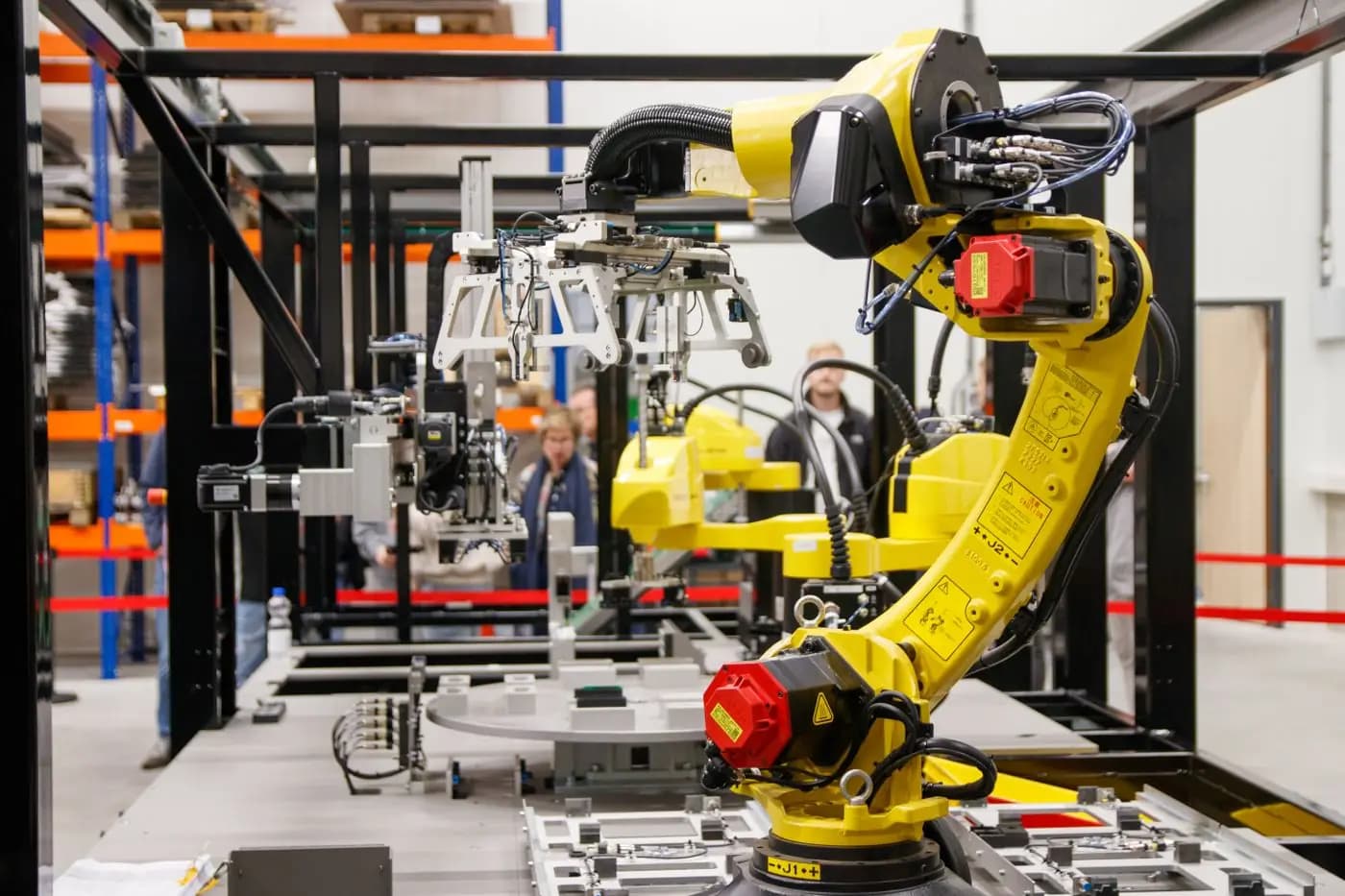
Yellow industrial robot arm on an automated production line

3 days · Nagoya

3-Day Nagoya Manufacturing Study Tour

This 3-day study tour in Nagoya is designed for 15 to 80 managers, engineers and operations leaders who want to understand Japanese industrial culture. It links the Toyota Commemorative Museum of Industry and Technology, Noritake Garden, Toyota Kaikan and the Toyota Automobile Museum, then the Aichi Museum of Flight, with two working sessions at THE CONDER HOUSE to draw lessons from each visit. Nagoya is 1 h 35 from Tokyo by Nozomi Shinkansen.

From €2,100 per person, excluding flights

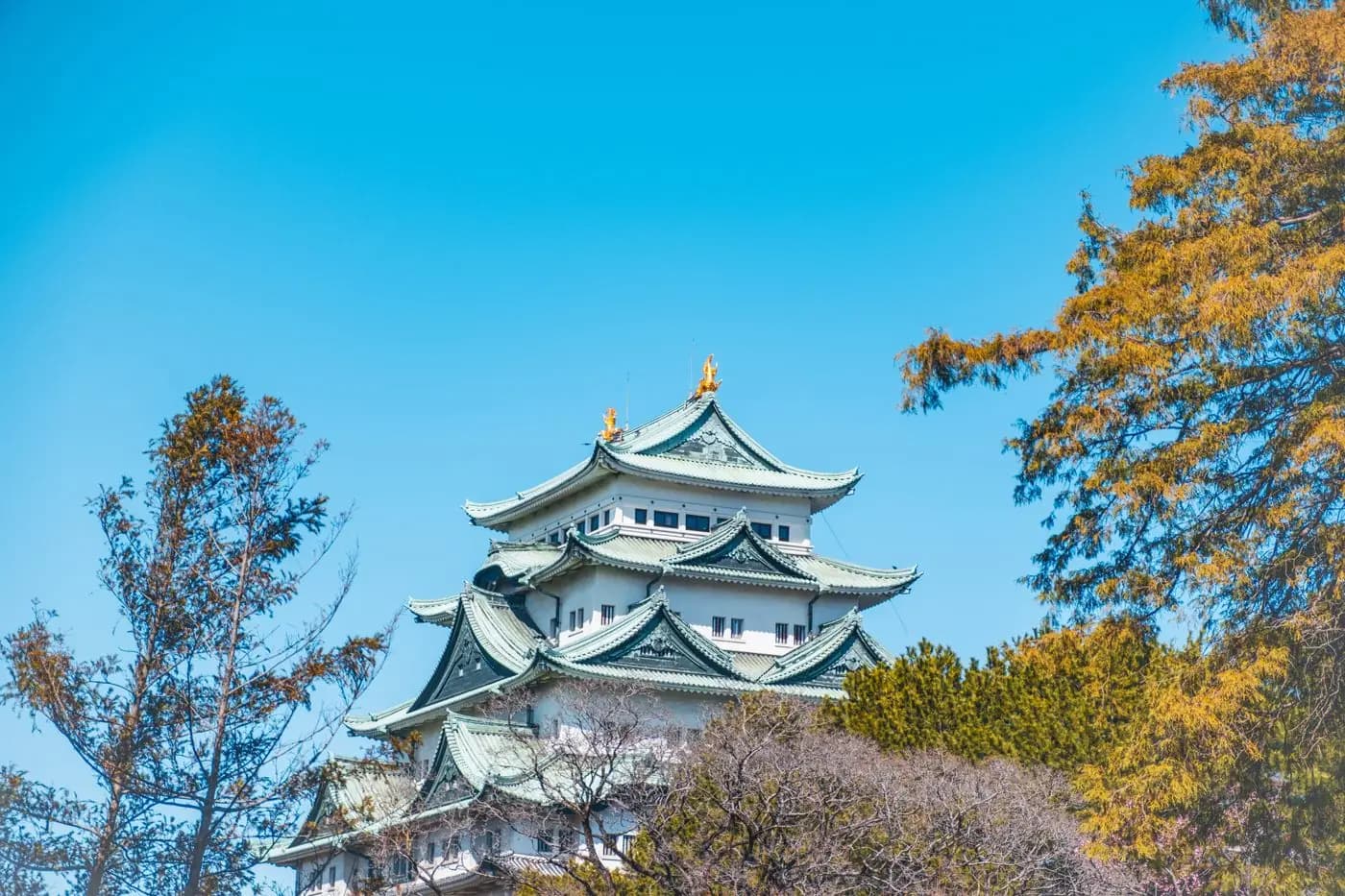
Nagoya Castle keep and its golden shachihoko rising above the trees

4 days · Nagoya · Kyoto

4-Day Nagoya and Kyoto Incentive Trip

This 4-day incentive starts with two nights in Nagoya, the former seat of the Owari Tokugawa, then reaches Kyoto in 35 minutes by Shinkansen for a night focused on culture. For 30 to 120 participants, it brings together the Hommaru Palace of Nagoya Castle, Atsuta Shrine, a dinner at Ryōtei Kawabun, the city's oldest restaurant, a gala at THE CONDER HOUSE, then Fushimi sake, an evening with maiko and a tea ceremony in Kyoto.

From €2,900 per person, excluding flights

Frequently asked questions

Why hold a seminar in Nagoya?

For direct access to Japanese industry (automotive, aerospace, robotics), a central position between Tokyo and Kyoto and costs generally more reasonable than Tokyo. Nagoya is particularly suited to study tours, trade fairs and 1- to 3-day stops on a Tokyo–Kansai itinerary.

Can a group visit Toyota factories?

Factory visits depend on availability and the manufacturer's rules, which change; they are booked well ahead and are not guaranteed. The Toyota Commemorative Museum of Industry and Technology in Nagoya and Toyota Kaikan in Toyota City are a reliable alternative, which we combine with company meetings.

Is Nagoya Congress Center available?

No, it is closed for major renovation from 1 February 2025 to 31 March 2027. For a large congress before then, Port Messe Nagoya and Aichi Sky Expo take over; for 20 to 300 people, downtown hotels and private venues are enough.

How long does it take between Nagoya, Tokyo and Kyoto?

About 1h40 from Tokyo, 35 minutes from Kyoto and 50 minutes from Shin-Osaka on the Tokaido Shinkansen. Nagoya therefore fits easily as a one- or two-day stop between Tokyo and Kansai.

What is the best season for an event in Nagoya?

October–November and late March to May (excluding Golden Week). Summer is very hot and humid, and August–September carry typhoon risk. Winter is dry and quiet, though snow can slow the Shinkansen toward Kyoto.

Related

Event brief

Japan MICE, precisely orchestrated since 2005.

A few details are enough for a first proposal. A dedicated project manager replies within 48 business hours.

Event brief

Japan MICE, precisely orchestrated since 2005.

A few details are enough for a first proposal. A dedicated project manager replies within 48 business hours.