Skip to content

Japan DMC

Japan DMC: your destination management partner for corporate events

A Japan DMC designs, negotiates and runs your program on the ground. We handle hotels, transportation, venues, restaurants, activities and coordination, so your team can focus on its objectives.

Why work with a DMC in Japan

Japan runs on precise rules that foreign planners often discover too late. Many hotels, restaurants and suppliers only operate in Japanese, require name lists well in advance and apply strict cancellation terms.

A local DMC brings three things that are hard to replicate from abroad:

  • Access: established relationships with hotels, venues, restaurants and transport companies, including those that do not deal directly with overseas clients
  • Negotiation: group rates, payment terms, options and confirmation deadlines aligned with your timeline
  • Operational accountability: an on-site team that responds, decides and fixes issues in real time

What we handle

We cover the full ground-handling chain, or only the pieces you need.

  • Accommodation: business hotels, conference hotels, luxury hotels, ryokan, Okinawa resorts
  • Transfers from Haneda, Narita, Kansai (KIX), Fukuoka (FUK) and Naha (OKA)
  • Group Shinkansen and JR bookings, private coaches, chauffeured vehicles
  • Meeting rooms, convention centers, private venues for evening events
  • Group restaurants, gala dinners, culinary experiences
  • Team building activities and cultural experiences
  • Guides, interpreters, hosts, audiovisual production
  • 24/7 on-site coordination and participant assistance

Japanese operational realities we plan for

A successful program in Japan comes down to details.

  • Punctuality: trains, coaches and restaurants run and serve on time. Our schedules include realistic buffers for gathering groups.
  • Luggage: several Shinkansen lines require reservations for oversized bags. We often ship suitcases hotel to hotel the day before.
  • Seasons: spring (cherry blossoms) and fall (autumn leaves) are in high demand; Golden Week (late April to early May) and Obon in mid-August saturate transport and hotels.
  • Weather: the rainy season (tsuyu) and typhoon season, especially August to September, require backup plans, particularly in Okinawa.
  • Business etiquette: meishi exchange, protocol seating, gifts and welcome speeches.

Our method, from brief to participants' return

  • Brief: objectives, participant profile, dates, indicative budget, target cities.
  • Proposal within 48 business hours for an initial outline: concept, hotels, budget ranges.
  • Adjustments and options placed with hotels and venues.
  • Site inspection if needed, with or without your team.
  • Production: contracts, rooming lists, transport manifests, trilingual roadbooks.
  • Operation: on-site team, 24/7 coordination, daily reporting.
  • Debrief after the event and a detailed final invoice.

Who we work for

We support event agencies looking for a reliable ground partner in Japan, often on a white-label basis, as well as companies that organize directly: executive leadership, travel managers, HR, sales and marketing departments.

Our programs range from 30-person executive committees to 500-participant conventions, including corporate meetings, multi-city roadshows and reward trips.
Destinations

MICE programmes in Japan

View all →
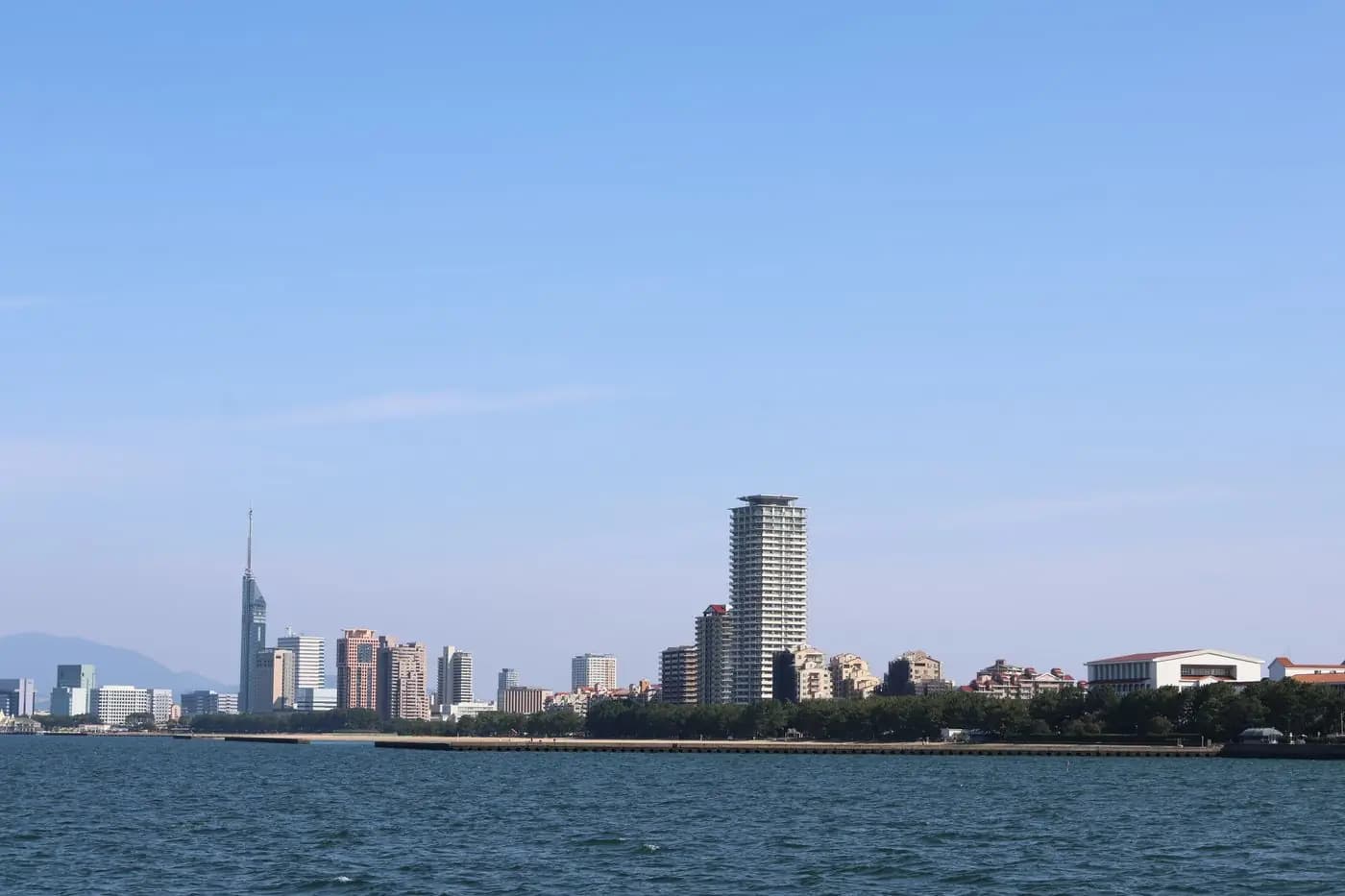
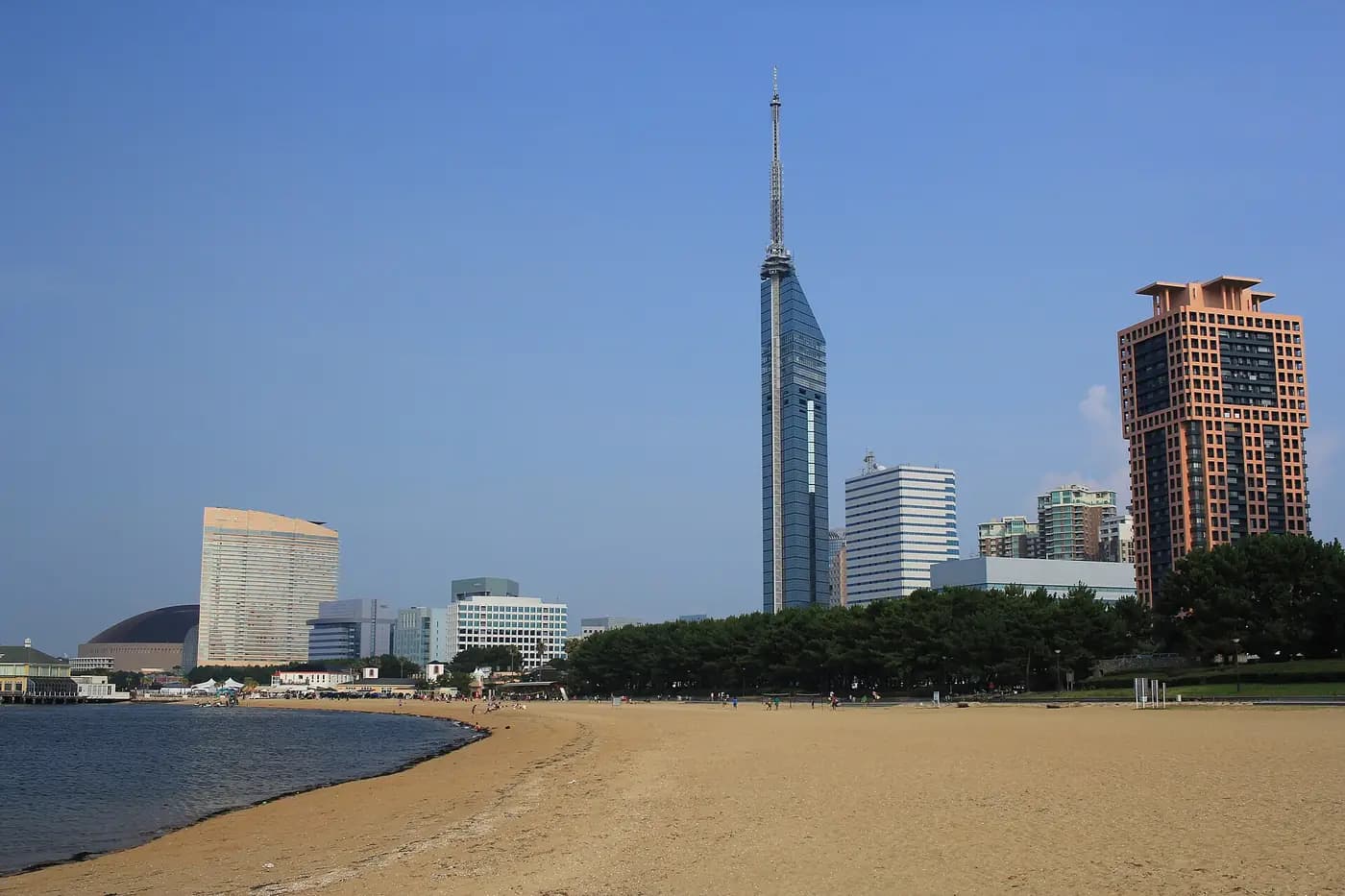
The Seaside Momochi waterfront and Fukuoka Tower

3 days · Fukuoka

Fukuoka Business Seminar

This Fukuoka business seminar gathers 30 to 150 participants for 3 days in a compact city where the airport is just 5 minutes by subway from Hakata Station. It combines working sessions in a conference hotel, an introduction to the local startup ecosystem and evenings around the Nakasu yatai food stalls. Fukuoka is an efficient, more affordable alternative to Tokyo, with short flights to Seoul, Taipei or Shanghai.

From €1,800 per person, excluding flights

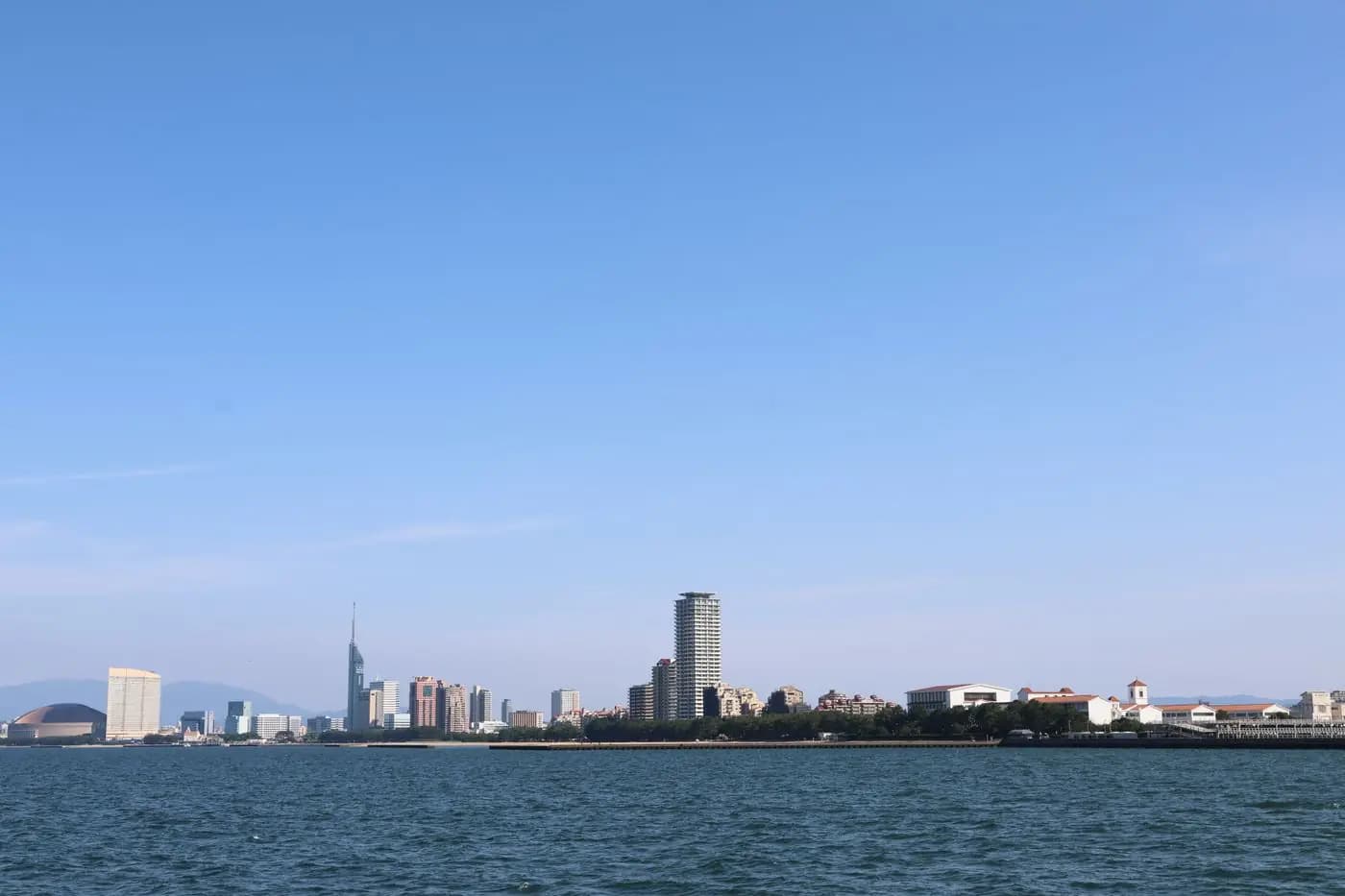
Fukuoka's waterfront and Fukuoka Tower seen from Hakata Bay

3 days · Fukuoka

Fukuoka Convention for 500

This 3-day Fukuoka convention hosts 300 to 800 participants at the Fukuoka International Congress Center on the Hakata waterfront, with an optional partner exhibition in Hall B of the neighboring Marine Messe Fukuoka. Attendees stay in 3 or 4 hotels in Hakata and Tenjin, about 10 minutes by shuttle from the congress center. Fukuoka Airport is 5 minutes by subway from Hakata Station, which makes wave-by-wave arrivals easy to handle.

From €1,900 per person, excluding flights

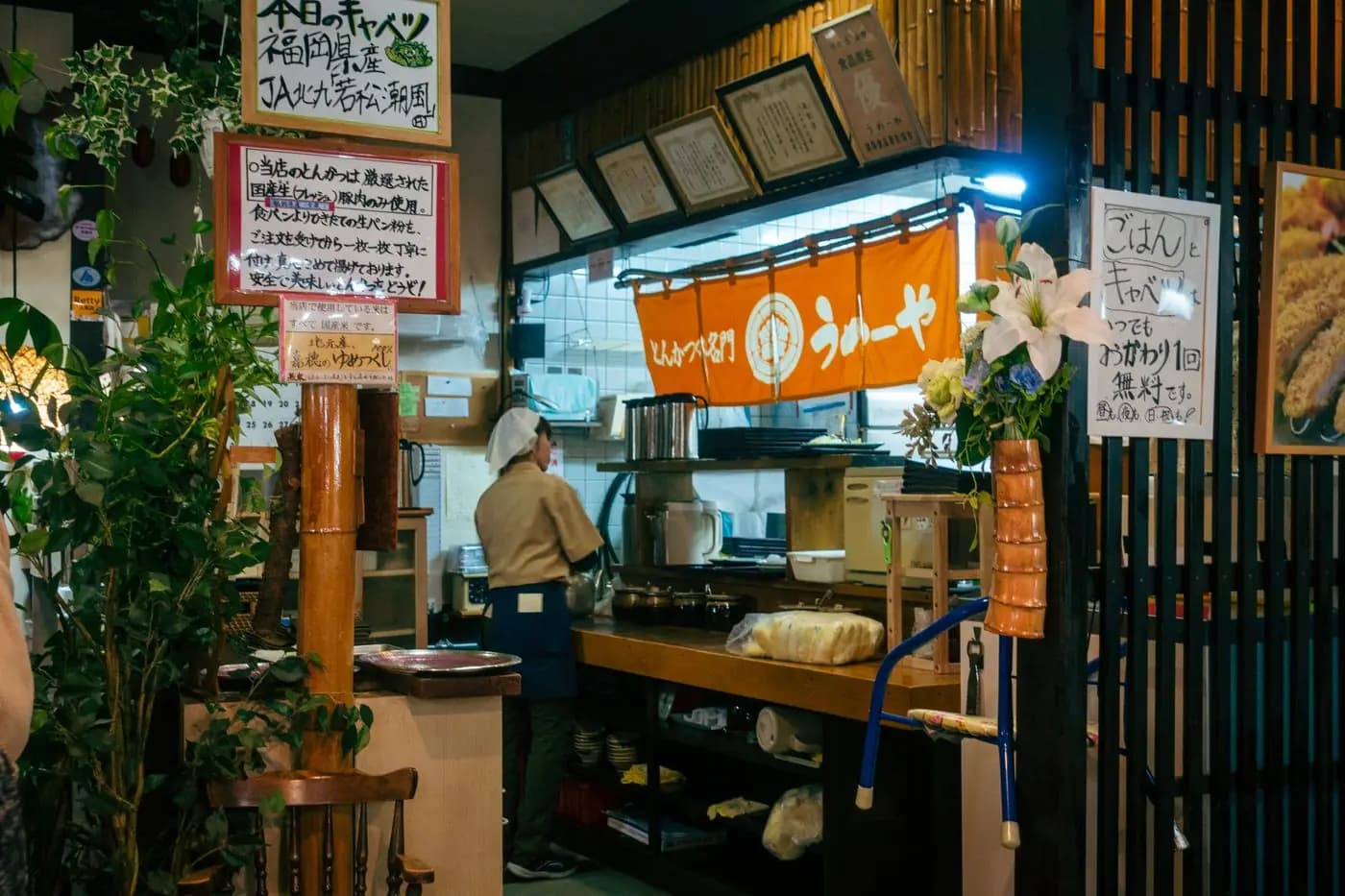
Counter of a small neighborhood restaurant in Fukuoka in the evening

4 days · Fukuoka

4-Day Fukuoka Incentive Trip

This 4-day Fukuoka incentive trip takes 30 to 120 participants from the city center to the Umi-no-Nakamichi peninsula. It combines a yatai challenge along the Naka River, a morning at Dazaifu Tenmangu shrine, a crossing of Hakata Bay to THE LUIGANS Spa & Resort and a gala dinner facing the sea. Fukuoka Airport is 5 minutes by subway from Hakata Station, which keeps arrival and departure transfers short.

From €2,900 per person, excluding flights

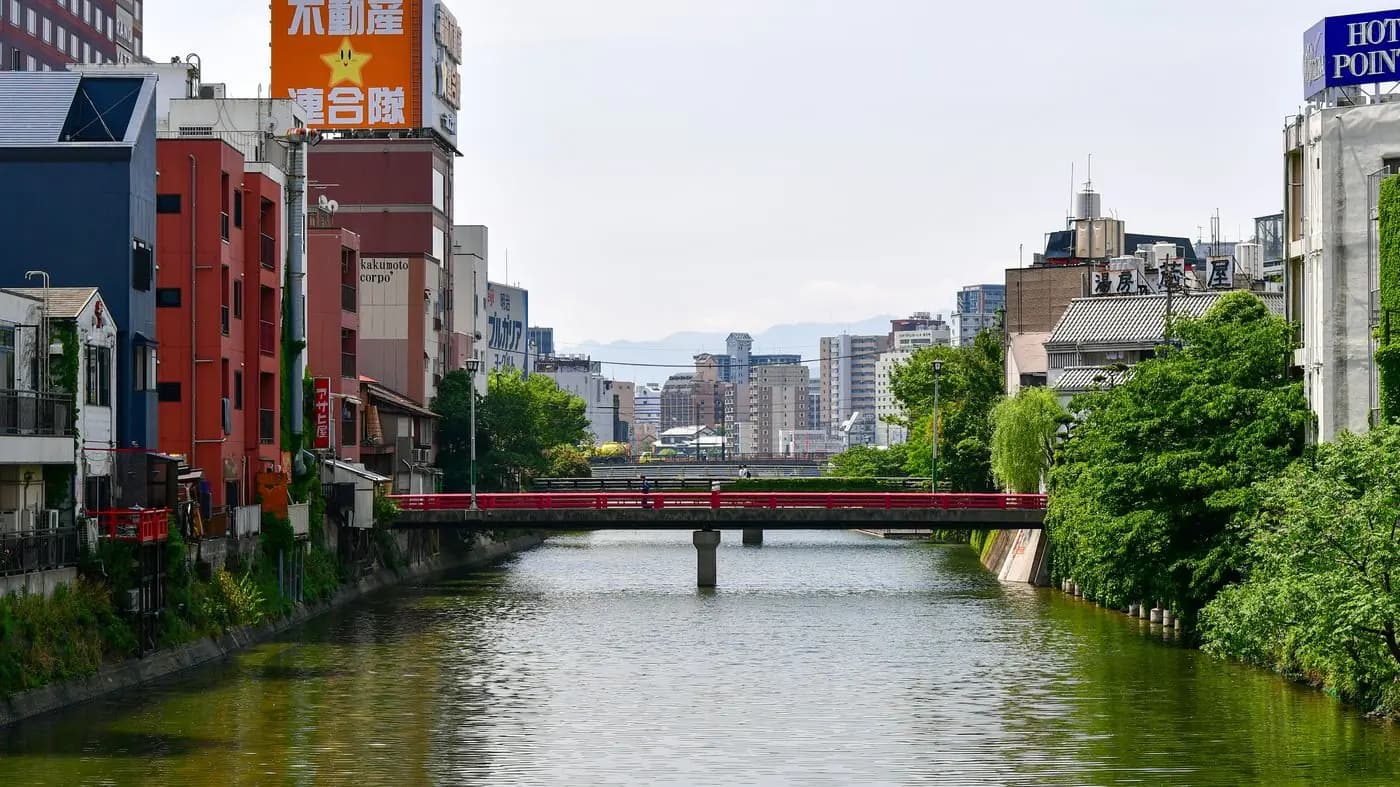
Red bridge over a river lined with buildings in central Fukuoka

3 days · Fukuoka

Fukuoka Startup Study Tour

This 3-day study tour introduces 15 to 60 participants to the startup ecosystem of Fukuoka, a city that declared itself a "Startup City" in 2012 and became a National Strategic Special Zone in 2014. The program combines a visit to Fukuoka Growth Next, housed in the former Daimyo Elementary School, a session at Engineer Cafe, company visits and two facilitated workshops. Everything sits within a 15-minute walk of Tenjin, 11 minutes by subway from the airport.

From €2,100 per person, excluding flights

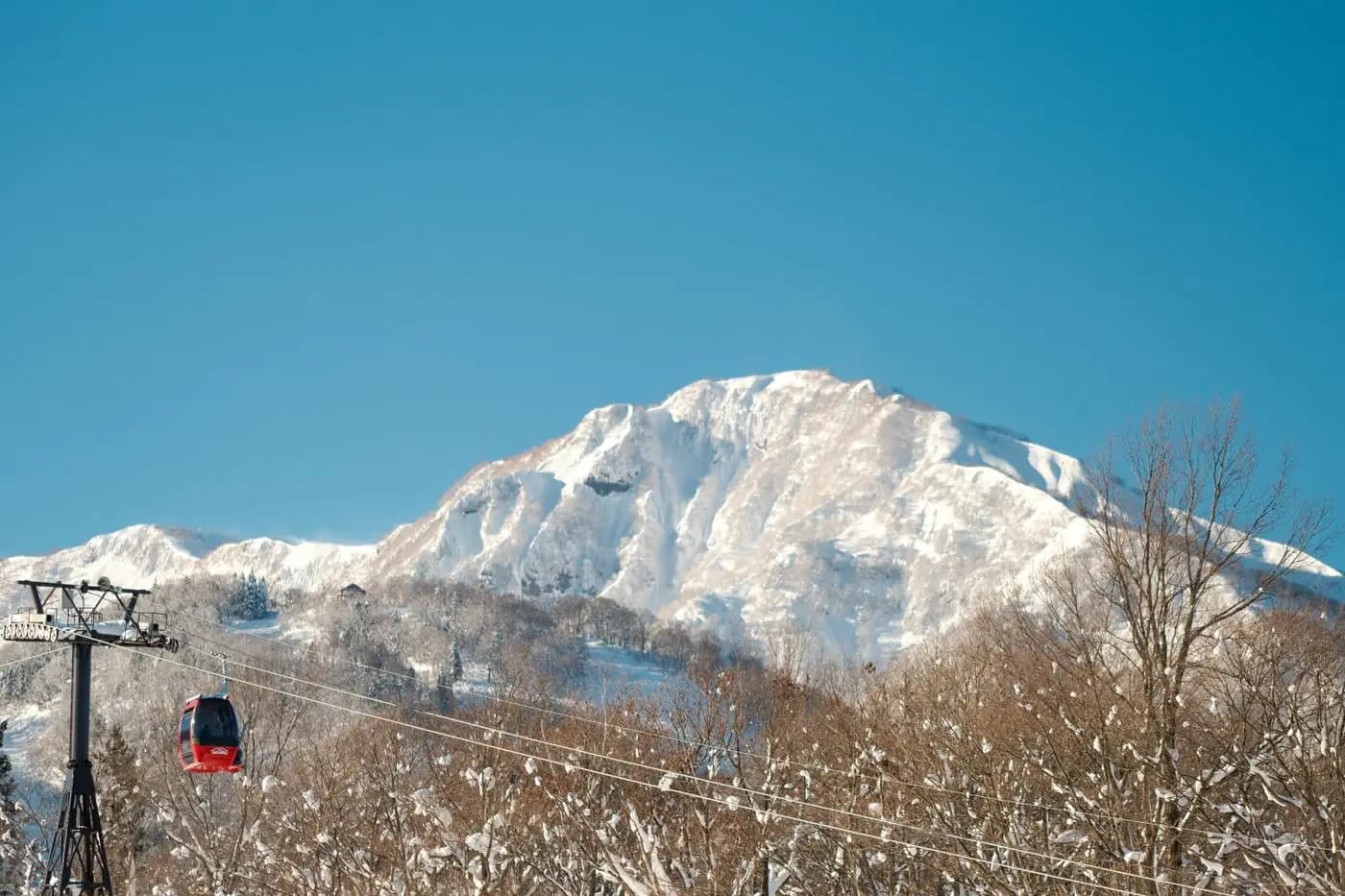
Red gondola in front of a snow-covered peak in the Japanese Alps under a blue sky

4 days · Hakuba

4-Day Hakuba Ski Incentive

This Hakuba ski incentive brings 20 to 120 participants to the Japanese Northern Alps for 4 days, about 3 hours from Tokyo by Hokuriku Shinkansen and coach. The group stays at the foot of the Hakuba Norikura slopes, takes ski or snowshoe lessons by level, unwinds in the onsen and spends one day watching the snow monkeys of Jigokudani. Offered from January to March, starting with the 2027 season.

From €2,900 per person, excluding flights

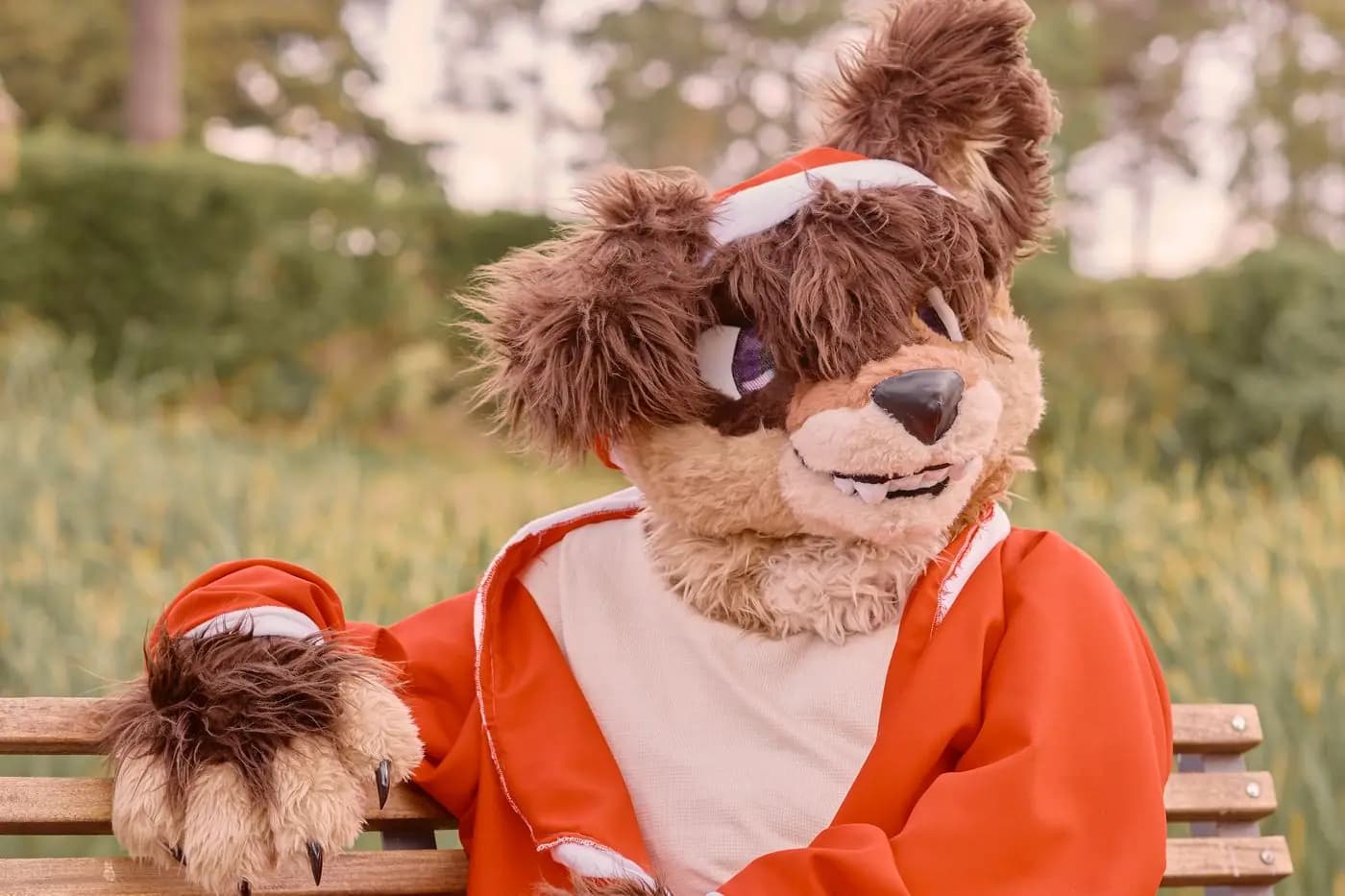
A fursuiter in a brown dog costume sitting on a park bench

5 days · Nagoya · Tokyo

Japan Furry and Mascot Culture Tour around JMoF

A 5-day programme for a group of fans, a creative studio or a costume and character company, built around Japan Meeting of Furries (JMoF), the largest furry convention in Japan. The 2027 edition runs from 8 to 10 January at Aichi Sky Expo, next to Chubu Centrair airport and about 30 minutes from Nagoya. Three nights in Nagoya with the Osu district, two convention days, then Tokyo for mascot and character culture at Sanrio Puroland and in Akihabara. Fursuits travel by courier or on reserved oversized-baggage seats on the Shinkansen. A version outside convention dates covers the rest of the year.

From €2,600 per person, excluding flights

Japan meeting hotels

View all →
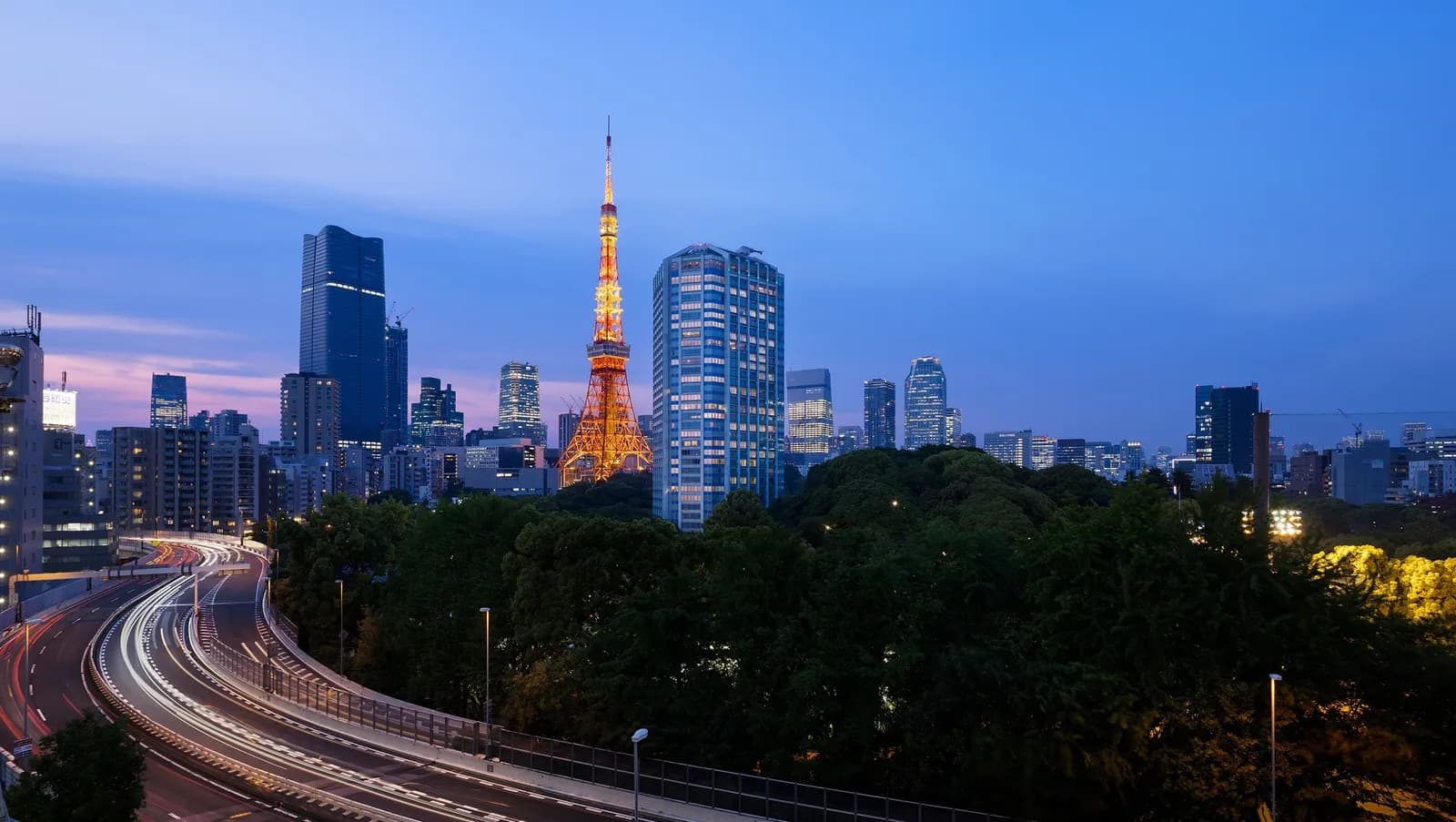
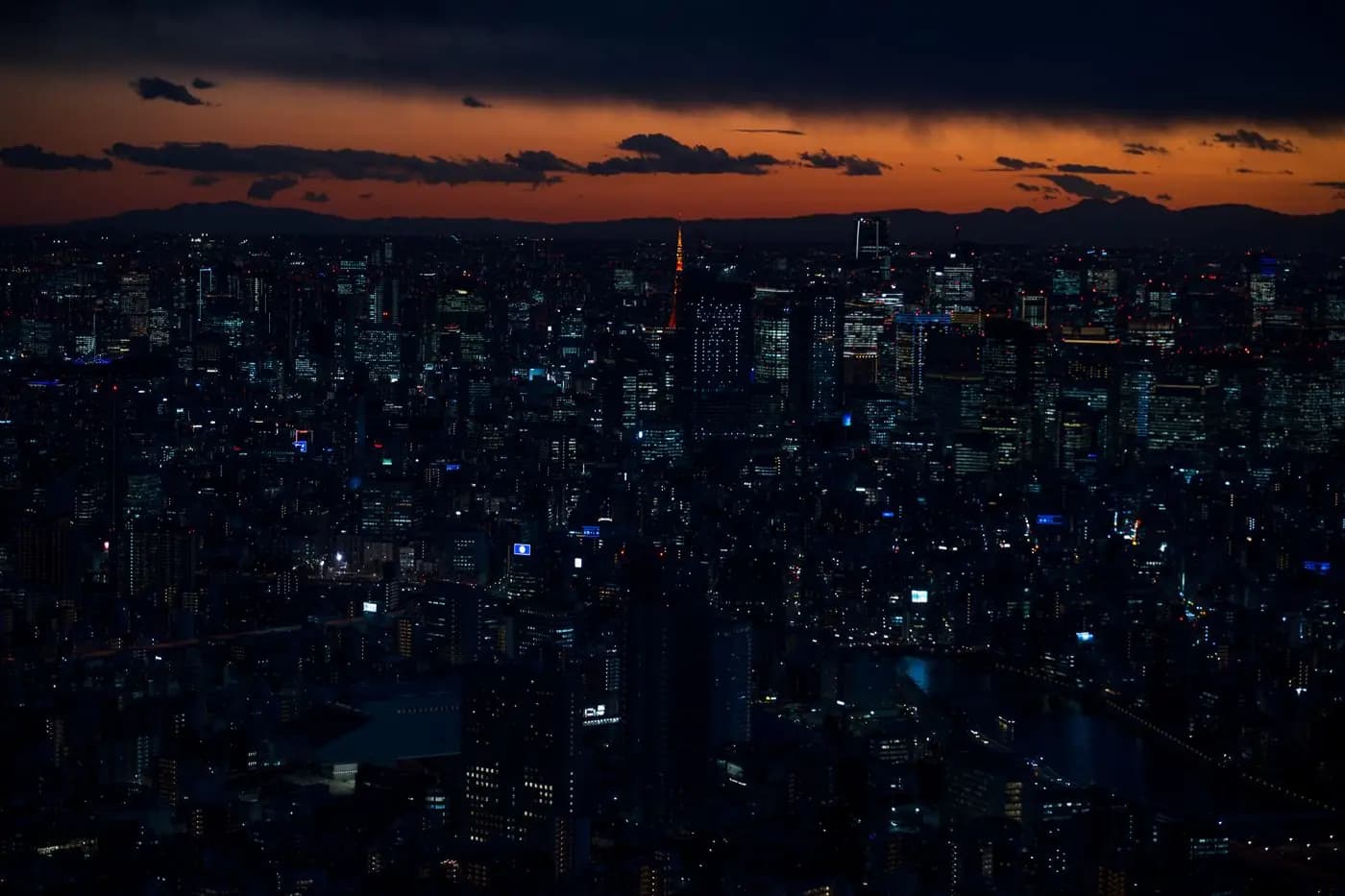
Tokyo Tower and the Minato skyline at dusk above the trees of Shiba Park
ConferenceMICE

The Prince Park Tower Tokyo

Tokyo · Shiba Park

A 603-room hotel at the foot of Tokyo Tower in Shiba Park. Its 2,394 m² basement Ballroom / Convention Hall seats up to 3,600 theater-style, one of the largest hotel capacities in Tokyo, with 16 rooms in total.

Rooms
603
Meeting rooms
16
Max. capacity
3,600

Indicative budget · €€€

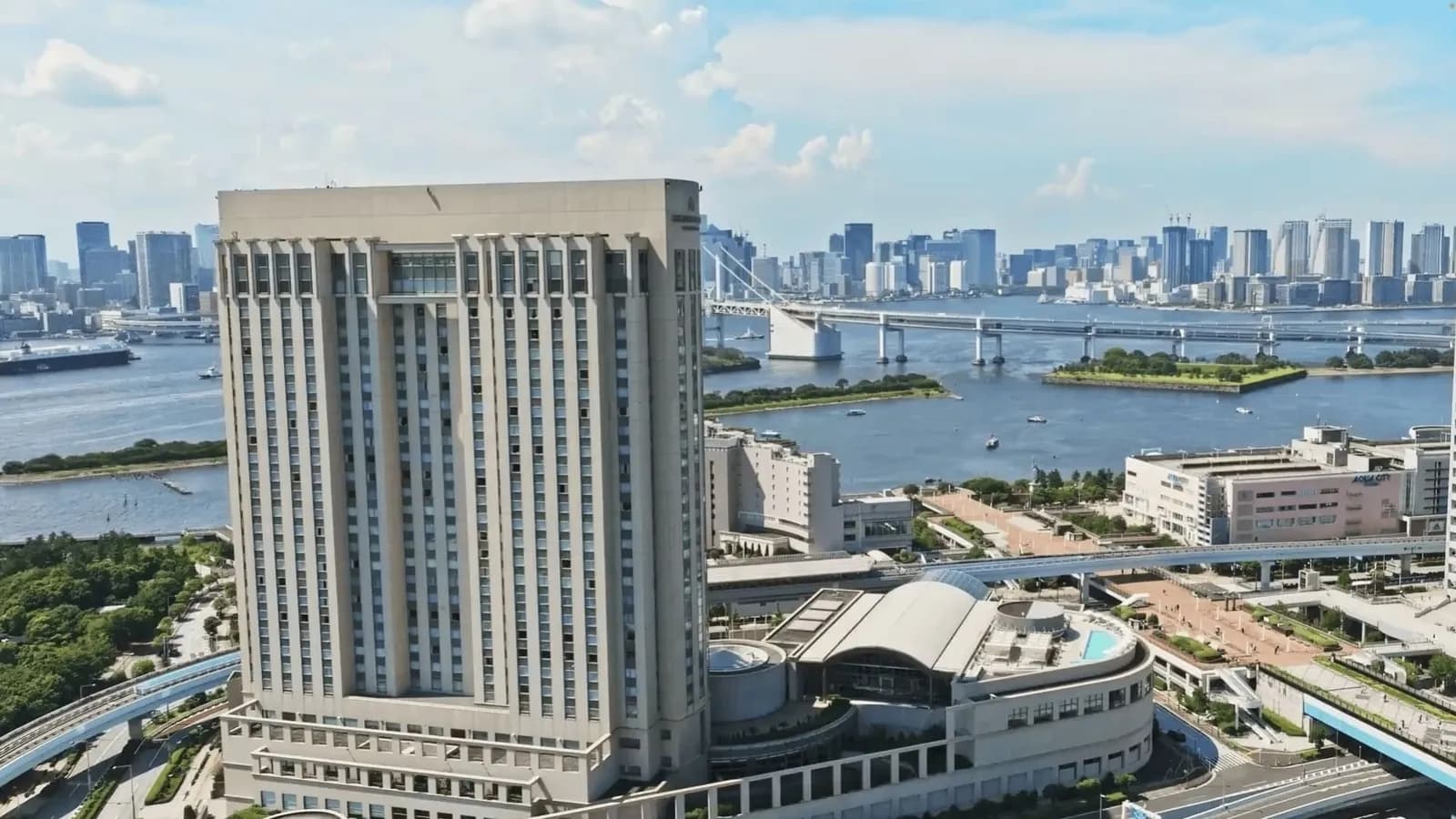
Grand Nikko Tokyo Daiba facing Tokyo Bay and the Rainbow Bridge
MICEConference

Grand Nikko Tokyo Daiba

Tokyo · Odaiba

An 882-room hotel facing Tokyo Bay in Odaiba. Its 2,580 m² Palais Royal seats up to 3,300 theater-style, one of the largest hotel capacities in Tokyo, with 17 rooms in total and quick access to Tokyo Big Sight.

Rooms
882
Meeting rooms
17
Max. capacity
3,300

Indicative budget · €€€

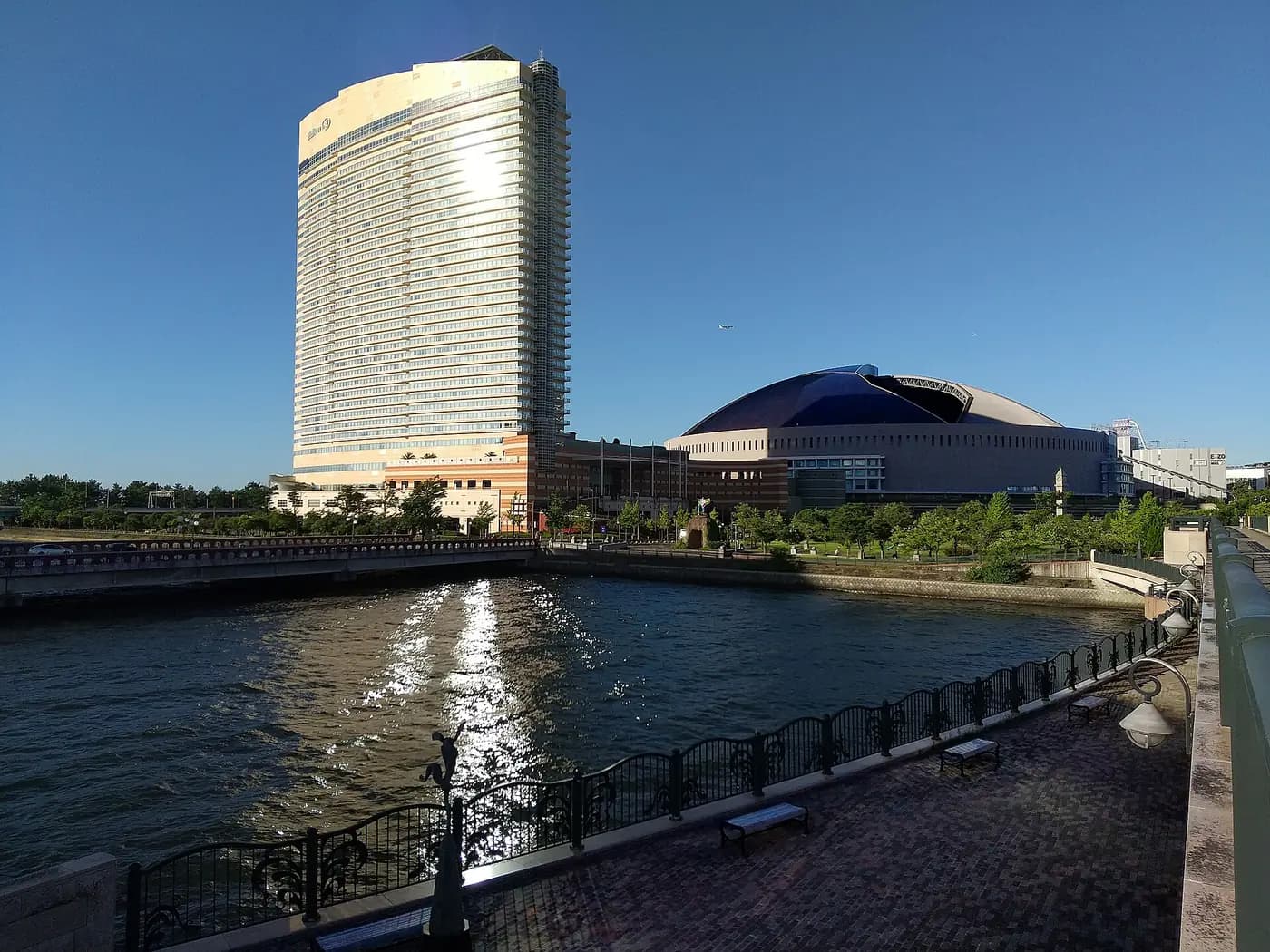
Hilton Fukuoka Sea Hawk seen from Fureai Bridge on the Momochi waterfront
MICEConference

Hilton Fukuoka Sea Hawk

Fukuoka · Momochi

Kyushu's largest MICE hotel: 1,052 rooms on Hakata Bay, a 2,440 m² main hall for 3,300 in theater style and 37 additional meeting rooms. Next to the Mizuho PayPay Dome, it can house, meet and feed an entire convention under one roof.

Rooms
1,052
Meeting rooms
38
Max. capacity
3,300

Indicative budget · €€€

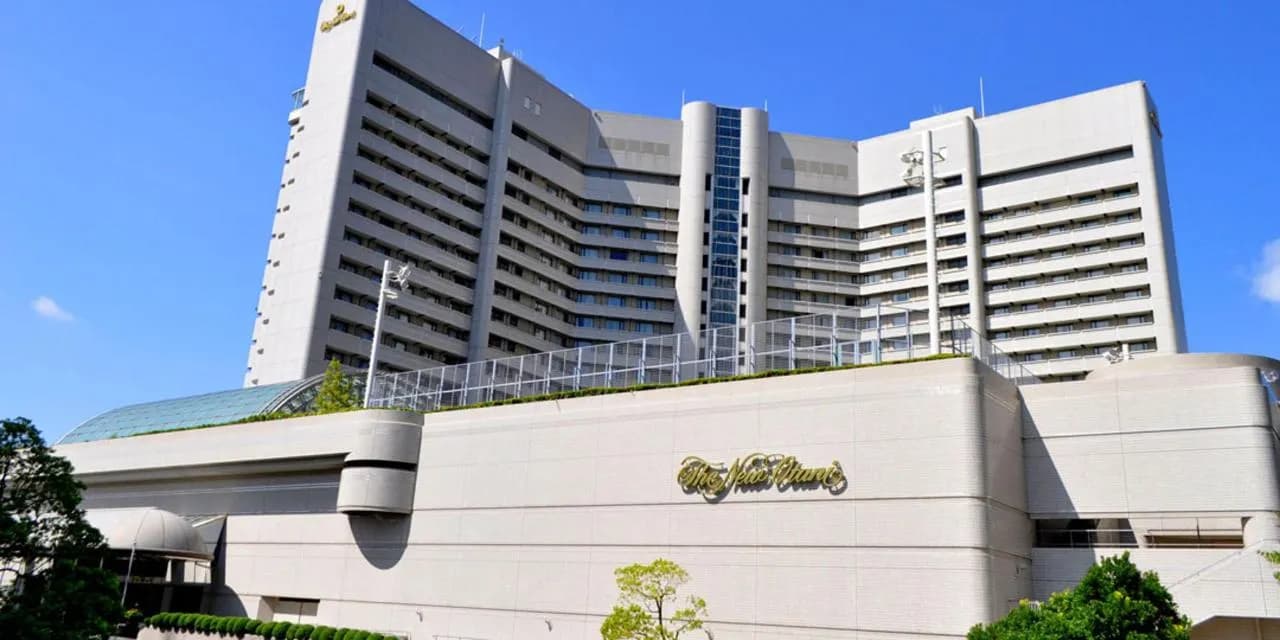
Hotel New Otani Osaka façade under a blue sky
MICEConference

Hotel New Otani Osaka

Osaka · Osaka Castle

A 525-room hotel facing Osaka Castle, home to western Japan's largest banquet hall: Hoh, 2,380 m², up to 3,100 theater-style. The quintessential MICE hotel for very large conventions and gala dinners.

Rooms
525
Meeting rooms
17
Max. capacity
3,100

Indicative budget · €€€

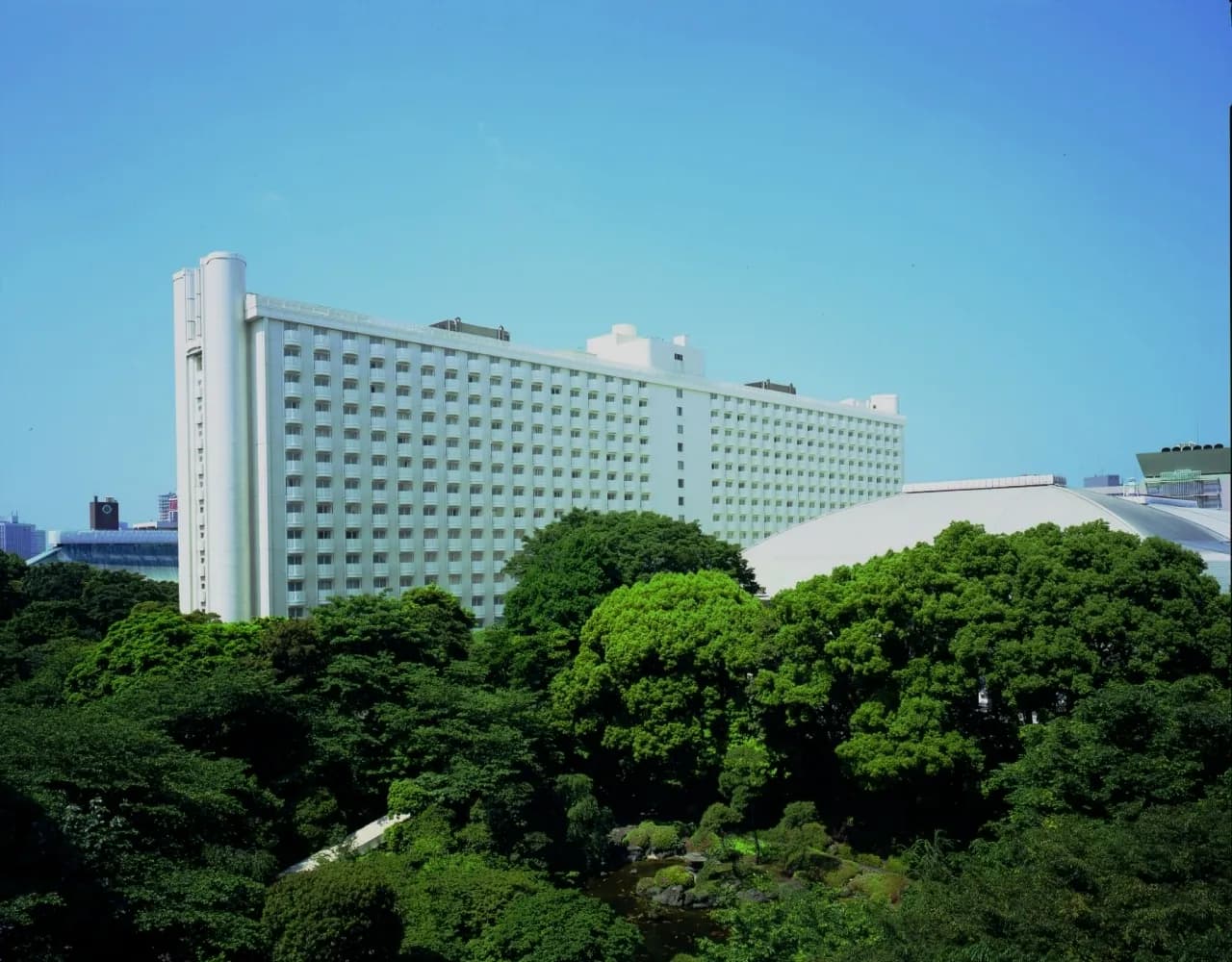
Grand Prince Hotel Shin Takanawa rising above its wooded garden
MICEConference

Grand Prince Hotel Shin Takanawa & International Convention Center Pamir

Tokyo · Shinagawa (Takanawa)

One of Tokyo's largest hotel-based congress hubs: 908 rooms and the International Convention Center Pamir, whose 2,397 m² Konron hall seats up to 2,880 theater-style; the Hiten hall (2,013 m²) adds 2,400 seats. Five minutes from the Shinagawa Shinkansen station.

Rooms
908
Meeting rooms
—
Max. capacity
2,880

Indicative budget · €€€

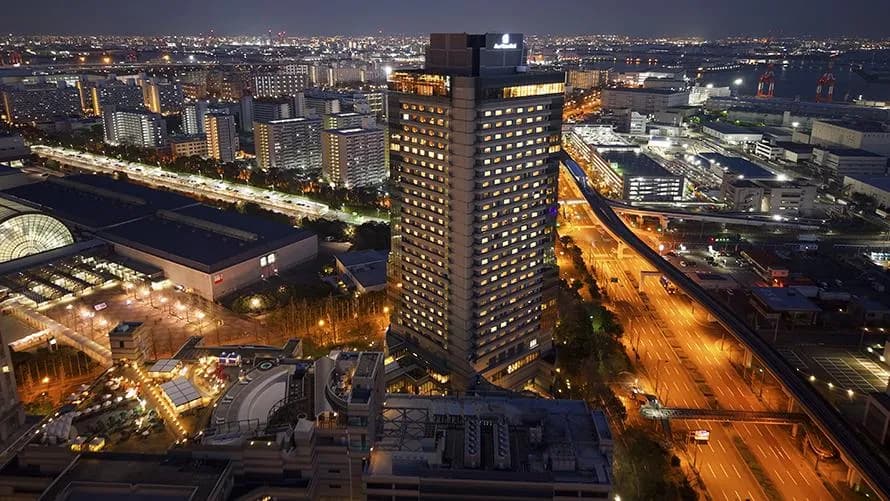
The hotel tower lit up at night next to INTEX Osaka
MICEConference

Grand Prince Hotel Osaka Bay (formerly Hyatt Regency Osaka)

Osaka · Osaka Bay

The former Hyatt Regency Osaka, operated since July 2023 as Grand Prince Hotel Osaka Bay. Right next to INTEX Osaka, it offers 480 rooms and the largest hall on the bay: 1,790 m², up to nearly 2,500 theater-style.

Rooms
480
Meeting rooms
17
Max. capacity
2,496

Indicative budget · €€

Frequently asked questions

What is the difference between a DMC and a travel agency?

A travel agency mainly sells standardized services. A DMC designs a tailored program for a corporate group, negotiates every service locally and remains accountable for delivery on the ground. It is physically present at the destination during the event.

Can you work white-label for our agency?

Yes. We regularly act as the ground partner for event agencies. Our staff can present themselves under your brand to participants, and you remain the point of contact for your end client.

What budget should we plan for a corporate event in Japan?

Budget depends mainly on season, hotel category, number of cities and dinner level. As an indication, business hotel rooms in Tokyo often run around ¥20,000–35,000 per night, and considerably more in conference or luxury hotels. We provide a budget in ranges from the first exchange.

Do you handle airport transfers?

Yes, from Haneda, Narita, Kansai (KIX), Fukuoka (FUK) and Naha (OKA). Depending on group size, we combine private coaches, chauffeured cars and trains, with a meet-and-greet on arrival. Flights are tracked in real time to adjust pick-up times.

What happens in case of a typhoon or disruption?

We build alternative plans from the design stage: indoor activities, fallback routes and buffers in the schedule. On site, our 24/7 coordination monitors Japan Meteorological Agency alerts and rail and airline announcements, and reorganizes the program with you.

Is a visa needed for a business trip to Japan?

Citizens of many countries, including EU member states, can enter Japan visa-free for short business stays within the limits set by current agreements. Rules depend on each participant's nationality and should be checked with the Japanese embassy. We can provide invitation or program letters when needed.

Event brief

Japan MICE, precisely orchestrated since 2005.

A few details are enough for a first proposal. A dedicated project manager replies within 48 business hours.

Event brief

Japan MICE, precisely orchestrated since 2005.

A few details are enough for a first proposal. A dedicated project manager replies within 48 business hours.