Skip to content

Japan convention

Japan convention planning in Tokyo, Osaka, Kyoto and Fukuoka

A 150 to 500-participant convention in Japan requires securing a venue, several hotels, timed transfers and flawless technical production early on. We coordinate it all, from registration to the gala dinner.

Choosing between a convention center and a conference hotel

Up to roughly 300 to 400 participants, a large conference hotel is often the simplest option: plenary in the ballroom, breakouts on the same floor, accommodation and catering under one roof. Beyond that, or when an exhibition is involved, a convention center offers more flexibility.

  • Conference hotel: simpler logistics, integrated catering, fewer transfers
  • Convention center: large plenaries, exhibition areas, an institutional image
  • Hybrid: plenary at the convention center, accommodation and dinners in nearby hotels

Exact capacities depend on the setup and are confirmed with each venue.

Major convention centers by city

  • Tokyo: Tokyo International Forum in Yurakucho, walking distance from Tokyo Station and Marunouchi; Tokyo Big Sight in Ariake on the bay. Nearby: Makuhari Messe (Chiba) and Pacifico Yokohama.
  • Kyoto: ICC Kyoto in the north of the city, served by the Karasuma subway line; Miyakomesse in the Okazaki district.
  • Osaka: Grand Cube Osaka on Nakanoshima island; INTEX Osaka for trade shows.
  • Fukuoka: the Fukuoka Convention Center complex, including Fukuoka International Congress Center and Marine Messe Fukuoka, near Hakata Port.
  • Okinawa: Okinawa Convention Center in Ginowan, on the west coast north of Naha.

Accommodation: housing 500 participants without losing flow

Few hotels can house 250 to 500 participants on the same dates, especially in spring and fall. We build an accommodation plan across two to four hotels near the venue, with categories suited to each profile: business hotels for delegates, conference or luxury hotels for executives and speakers.

  • Negotiated room blocks with clear release dates
  • Centralized, continuously updated rooming lists
  • Timed shuttles between hotels and the convention venue
  • Hospitality desk in the main hotel

Production, AV and interpretation

We coordinate Japanese AV suppliers for staging, screens, sound, lighting and recording, as well as simultaneous interpretation with booths and receivers.

  • Floor plans and rehearsals scheduled around the venue's access times, which are often strict
  • Trilingual signage and badges
  • Participant registration and accreditation management
  • Show caller and project manager present throughout

Japanese convention centers apply precise rules for set-up, safety and load-out; we build them into the timeline from the start.

Transfers, meals and evenings for a large group

For 500 people, every move is planned: number of coaches, pick-up points, staggered times to avoid waiting. Arrivals at Haneda, Narita or KIX often spread over two days, with a permanent welcome desk.

Large-group dinners are usually held in hotel ballrooms or event venues. We can also split participants across several restaurants in the same district for a dine-around evening, in groups of 20 to 40.
Convention centres in Japan

View all →
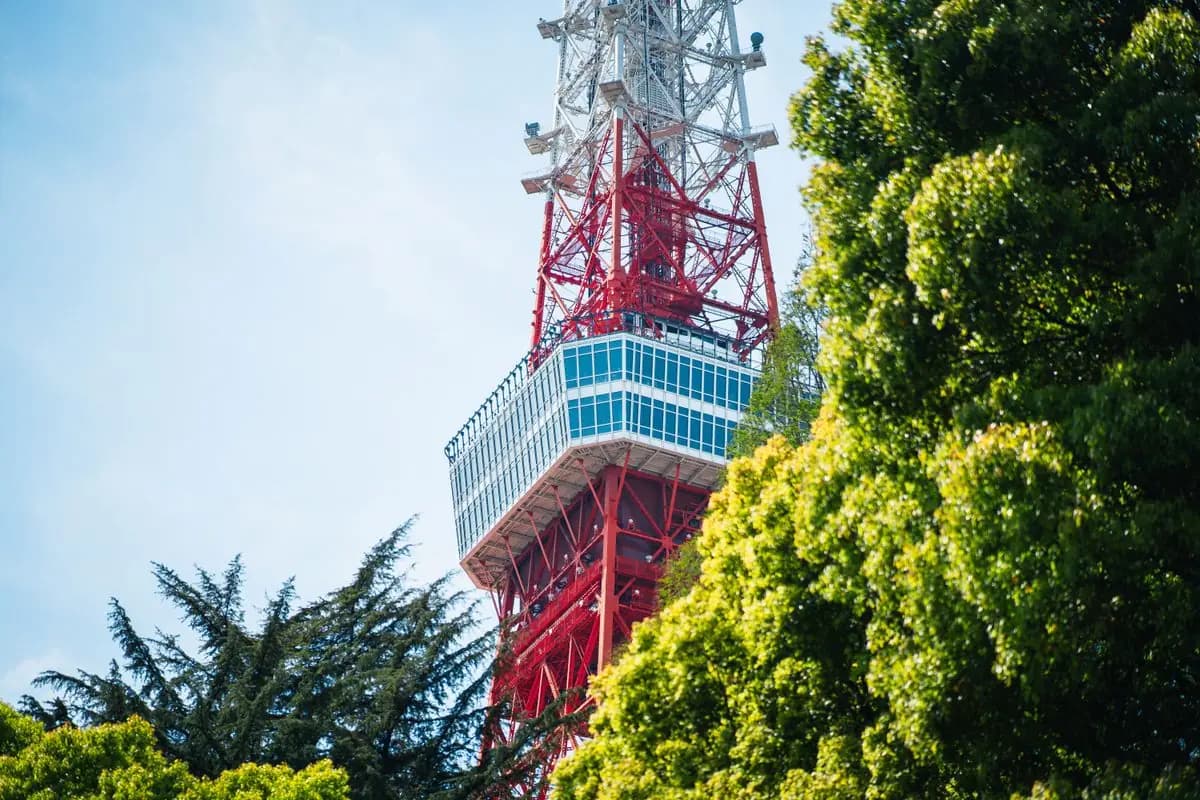
Tokyo Tower rising above greenery under a blue skyAmbience · Tokyo

Tokyo

Akasaka Prince Classic House

赤坂プリンス クラシックハウス

A Tudor-style residence built in 1930 in Kioicho, which in 1955 became the first building of the Akasaka Prince Hotel and is now a Tokyo Metropolitan designated cultural property within Tokyo Garden Terrace Kioicho. It holds four function rooms of 69 to 250 m², four private rooms, a garden, a French restaurant, a café and Bar Napoléon. The Grand Garden Room (250 m², 3.9 m ceiling) seats 238 theater-style, 140 at dinner or 200 standing; the Royal Room (160 m²) takes 168 theater-style. Long focused on weddings, the house reopened on 1 October 2026 after conservation works, with an offer widened to corporate receptions, conferences and MICE events. The Prince Gallery Tokyo Kioicho is in the neighboring tower.

Max. capacity 238 pax

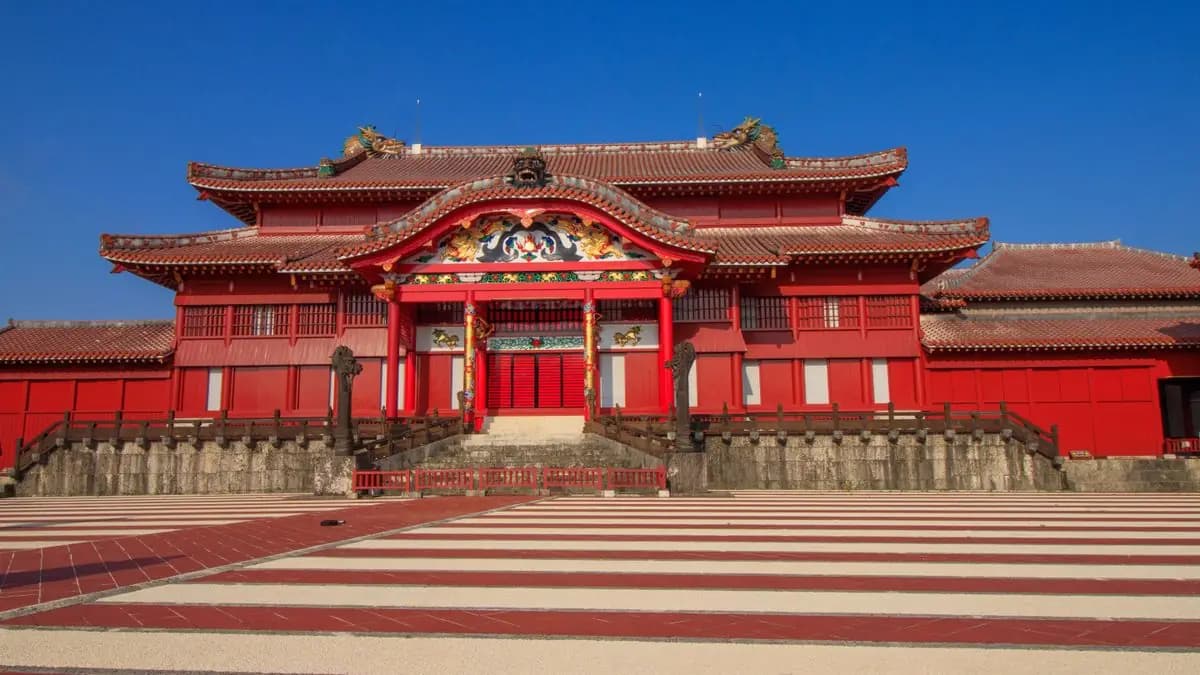
Shuri Castle in Naha under a blue skyAmbience · Okinawa

Okinawa

Bankoku Shinryokan

万国津梁館

Bankoku Shinryokan, meaning "bridge between nations", hosted the G8 Summit in 2000. Set by the sea on the Busena peninsula, it is one of Japan's most prestigious resort conference venues. The Summit Hall (441 m², 500 in theater style) has four interpretation booths; the Ocean Hall, divisible into three, and the Sunset Lounge with terrace complete the offer for board meetings, international conferences and incentive dinners.

Max. capacity 500 pax · 1 hotels

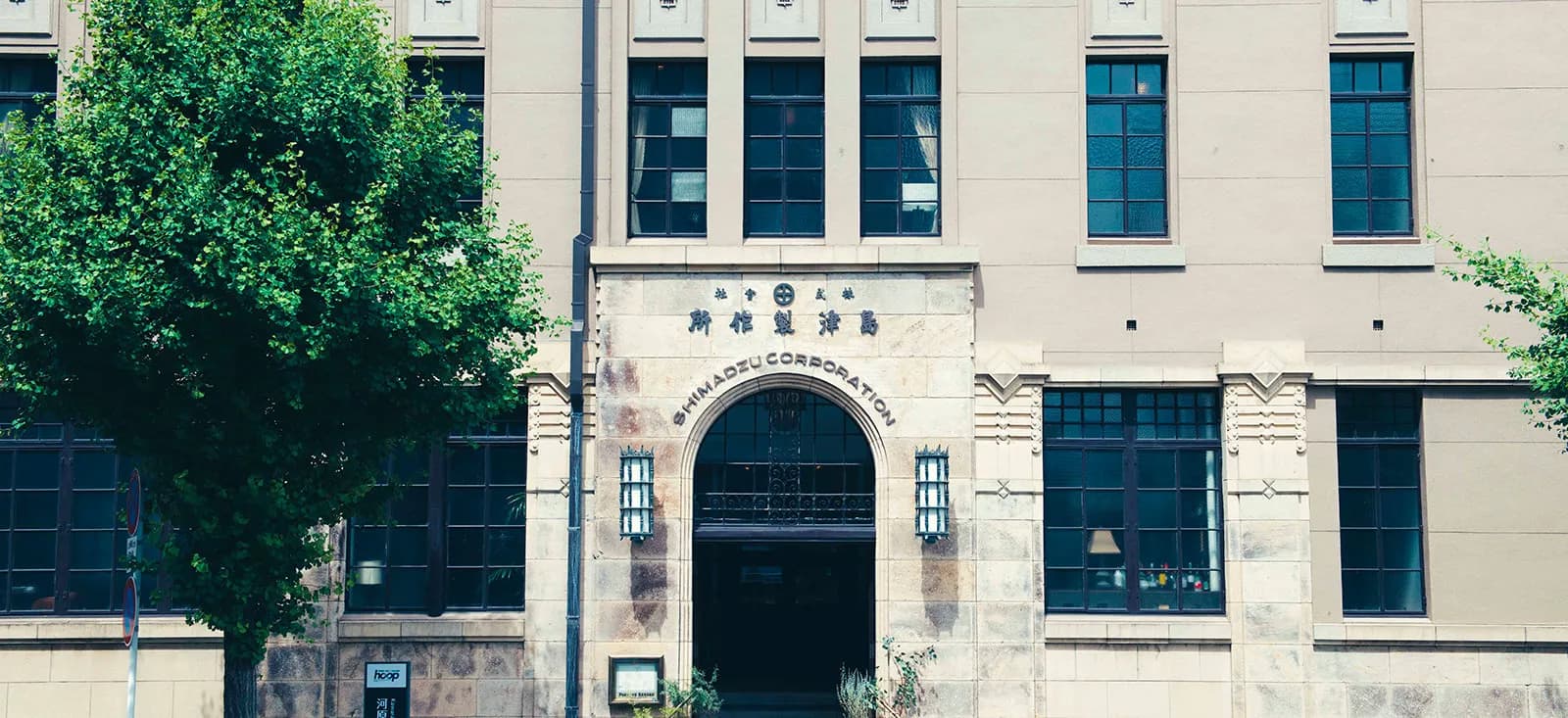
1927 facade of the former Shimadzu headquarters, now Fortune Garden Kyoto

Kyoto

FORTUNE GARDEN KYOTO

フォーチュンガーデン京都

Fortune Garden Kyoto occupies the former headquarters of Shimadzu Corporation, designed by Goichi Takeda and completed in 1927, converted in 2012 into a restaurant and event venue. The rooms are arranged around an inner bamboo garden with a carp pond. Five rooms of 65 to 227 m² plus a rooftop (closed in summer) host meetings, gala dinners and launches, for up to 180 theatre-style and 170 standing in the Continental Room. The venue openly markets meetings, seminars and exhibitions with a dedicated planner, and the ground-floor French bistro (110 seats) has private rooms for 4 to 10.

Max. capacity 180 pax

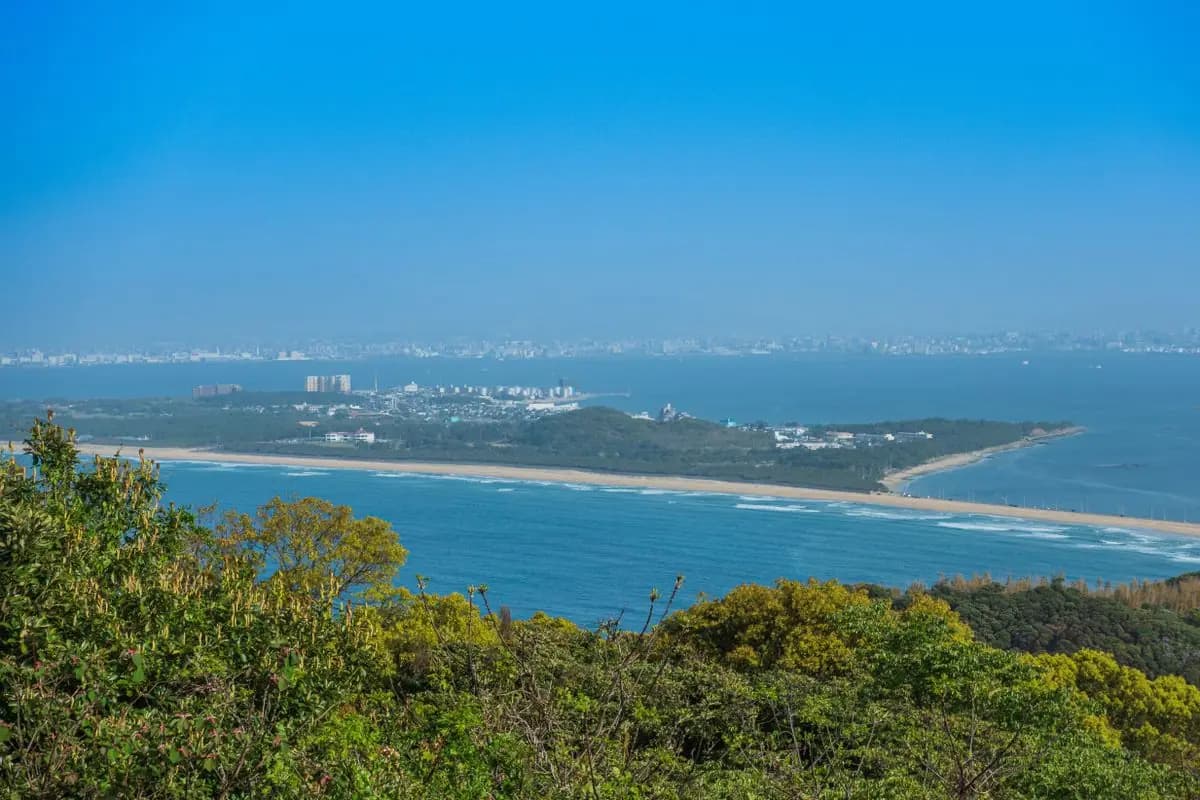
View over Hakata Bay and the Umi-no-Nakamichi sandbarAmbience · Fukuoka

Fukuoka

Fukuoka International Congress Center

福岡国際会議場

The Fukuoka International Congress Center is the core of Hakata's waterfront convention zone. Its main hall seats up to 3,000 in theater style and is supported by 19 flexible halls and meeting rooms with simultaneous interpretation booths. Extensively renovated in 2024, it can be combined with Marine Messe Fukuoka and Fukuoka Kokusai Center a few minutes' walk away, so a single campus can host plenary, breakouts, exhibition and gala dinner.

Max. capacity 3,000 pax · 17 hotels

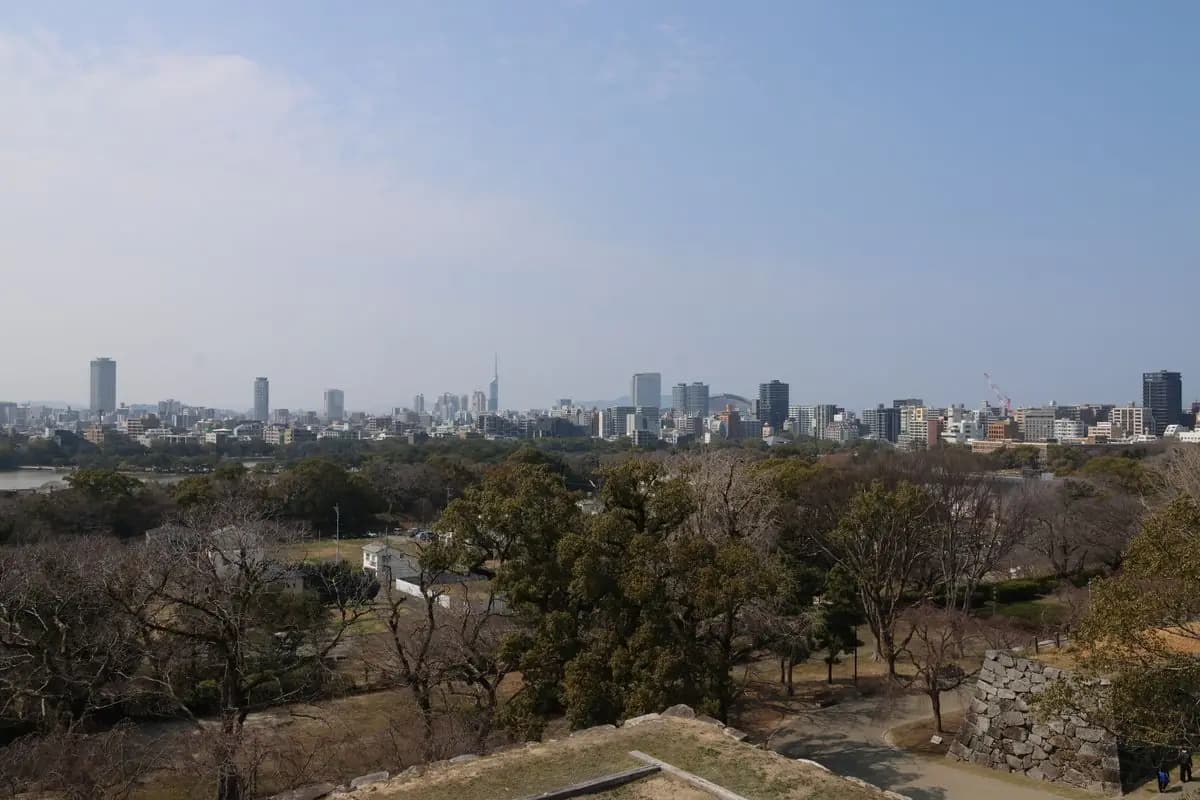
Fukuoka seen from the castle ruins in Maizuru ParkAmbience · Fukuoka

Fukuoka

Fukuoka Kokusai Center

福岡国際センター

Fukuoka Kokusai Center is known across Japan as the home of the Kyushu Grand Sumo Tournament every November. Its column-free flat floor of over 5,000 m² holds close to 10,000 people for conventions, exhibitions or large corporate events. It belongs to the waterfront convention zone together with the Congress Center and Marine Messe, run by the same foundation, which makes combined bookings straightforward.

Max. capacity 9,852 pax · 1 hotels

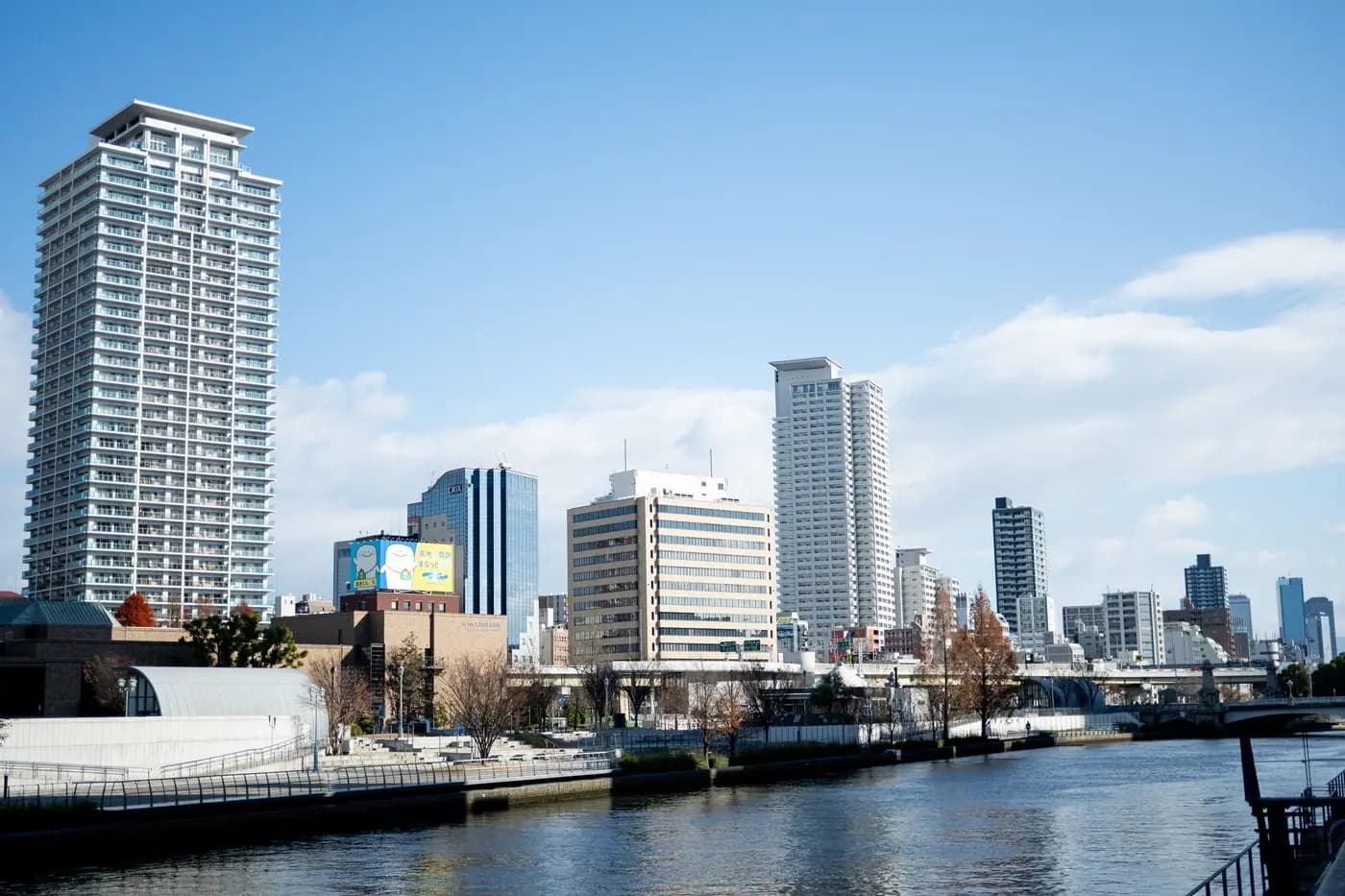
Nakanoshima, the district of Grand Cube Osaka

Osaka

Grand Cube Osaka (Osaka International Convention Center)

グランキューブ大阪(大阪府立国際会議場)

Grand Cube Osaka is Osaka's flagship international convention center on Nakanoshima island, designed by Kisho Kurokawa and opened in 2000. It combines a 2,754-seat main hall, a 328-seat small hall, a 2,600 m² pillar-free Event Hall and more than 25 meeting rooms (27 to 540 people depending on setup). Location is its main asset: in the heart of the business district, 10 minutes from Umeda, and connected to Rihga Royal Hotel Osaka, which simplifies accommodation, banquets and transfers for congresses of 500 to 3,000 participants. It is especially well suited to medical and scientific congresses, general assemblies and corporate conventions that need a plenary plus parallel sessions.

Max. capacity 2,754 pax · 9 hotels

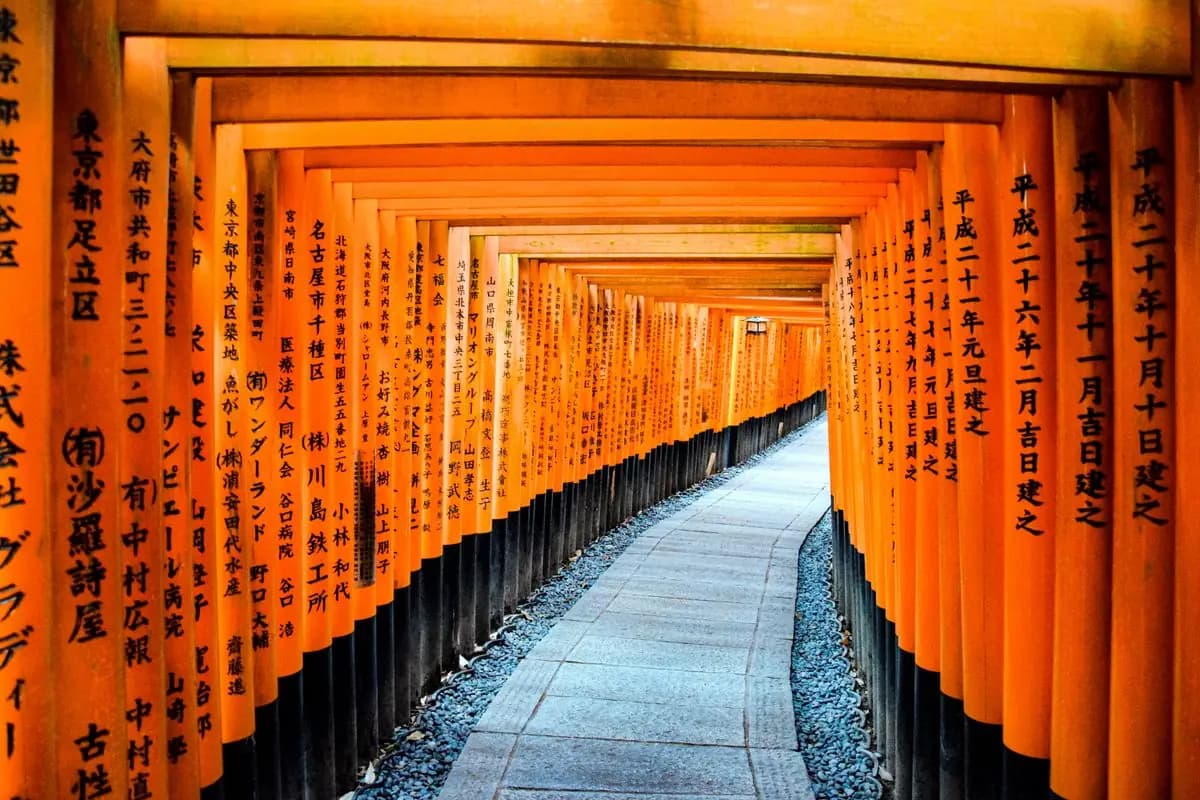
Tunnel of vermilion torii gates at Fushimi Inari shrineAmbience · Kyoto

Kyoto

Kyoto International Conference Center (ICC Kyoto)

国立京都国際会館

Japan's first national international conference center (1966), ICC Kyoto hosts medical congresses, summits and general assemblies in a setting like no other: four connected buildings on the shore of Lake Takaragaike, surrounded by a 20,000 m² Japanese garden. The complex combines the Main Hall (1,840 seats), the 3,000 m² Event Hall (up to 2,500 theater-style), the New Hall (2,000 m²), the Annex Hall (1,500 m²) and more than 70 meeting rooms. Used in full, it can accommodate events with over 10,000 participants. For planners, it offers both international-grade congress infrastructure and a setting that lets you build the garden, tea house and banquets into the program. The Prince Kyoto Takaragaike is a 5-minute walk away.

Max. capacity 2,500 pax · 8 hotels

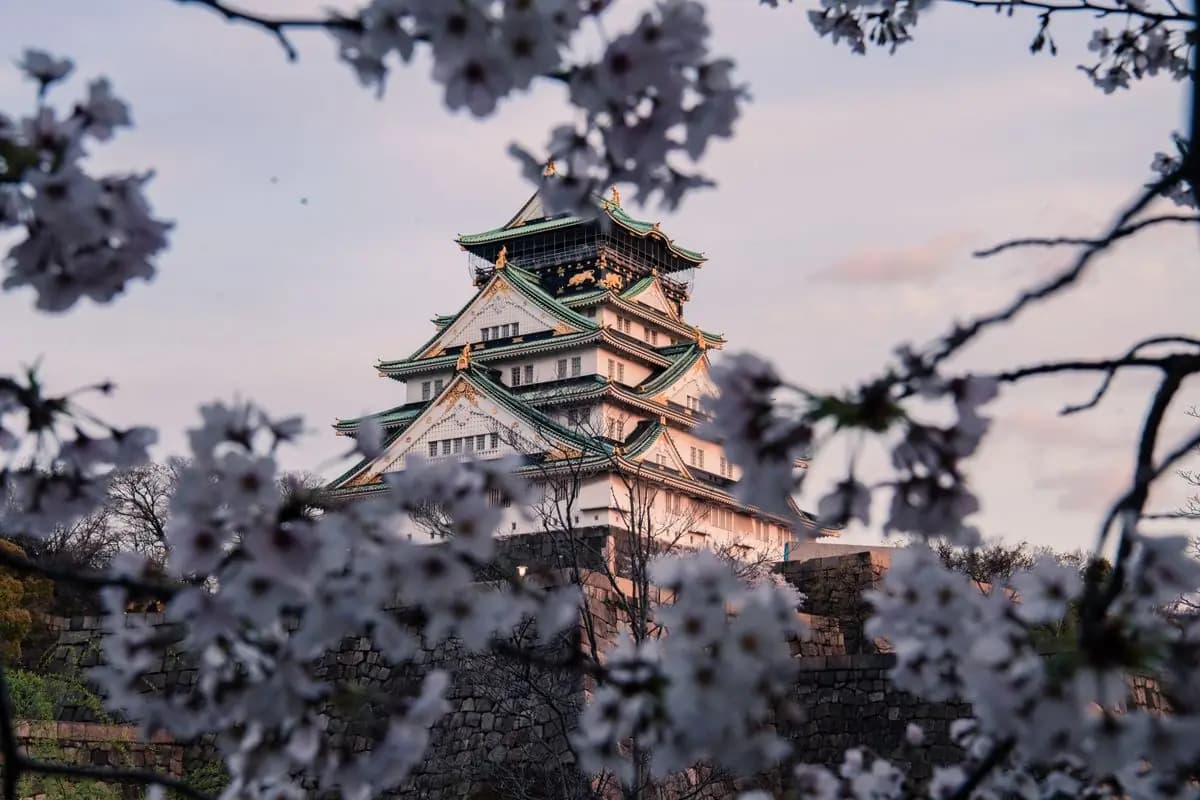
Osaka Castle behind branches of cherry blossomAmbience · Osaka

Osaka

INTEX Osaka (International Exhibition Center, Osaka)

インテックス大阪

INTEX Osaka is the largest exhibition center in western Japan: 70,000 m² of exhibition space across six halls (Hall 6 divides into four zones of about 10,000 m² each) and 72 meeting rooms. Opened in 1985, it hosted the 2019 G20 Osaka Summit. Located on Osaka Bay (Nanko / Cosmosquare), it hosts more than 200 events a year: trade shows, consumer exhibitions, congresses with exhibitions and incentive parties. The largest conference room seats about 400; for a larger plenary, a hall is fitted out. Grand Prince Hotel Osaka Bay and Hotel Fukuracia Osaka Bay are a 3-minute walk away, so exhibitors and delegates can stay on site.

Osaka Bay · 2 hotels

MICE programmes in Japan

View all →
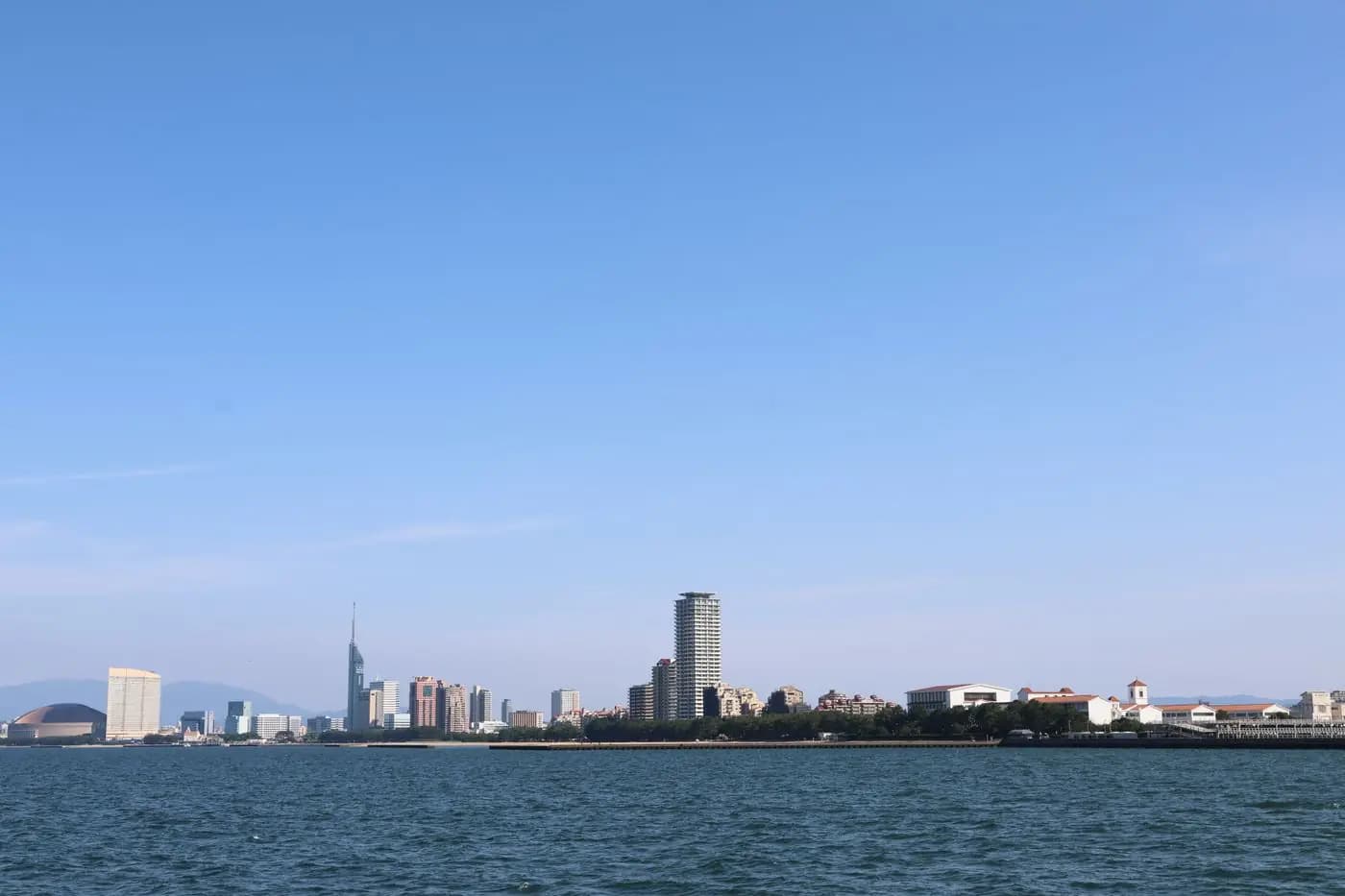
Fukuoka's waterfront and Fukuoka Tower seen from Hakata Bay

3 days · Fukuoka

Fukuoka Convention for 500

This 3-day Fukuoka convention hosts 300 to 800 participants at the Fukuoka International Congress Center on the Hakata waterfront, with an optional partner exhibition in Hall B of the neighboring Marine Messe Fukuoka. Attendees stay in 3 or 4 hotels in Hakata and Tenjin, about 10 minutes by shuttle from the congress center. Fukuoka Airport is 5 minutes by subway from Hakata Station, which makes wave-by-wave arrivals easy to handle.

From €1,900 per person, excluding flights

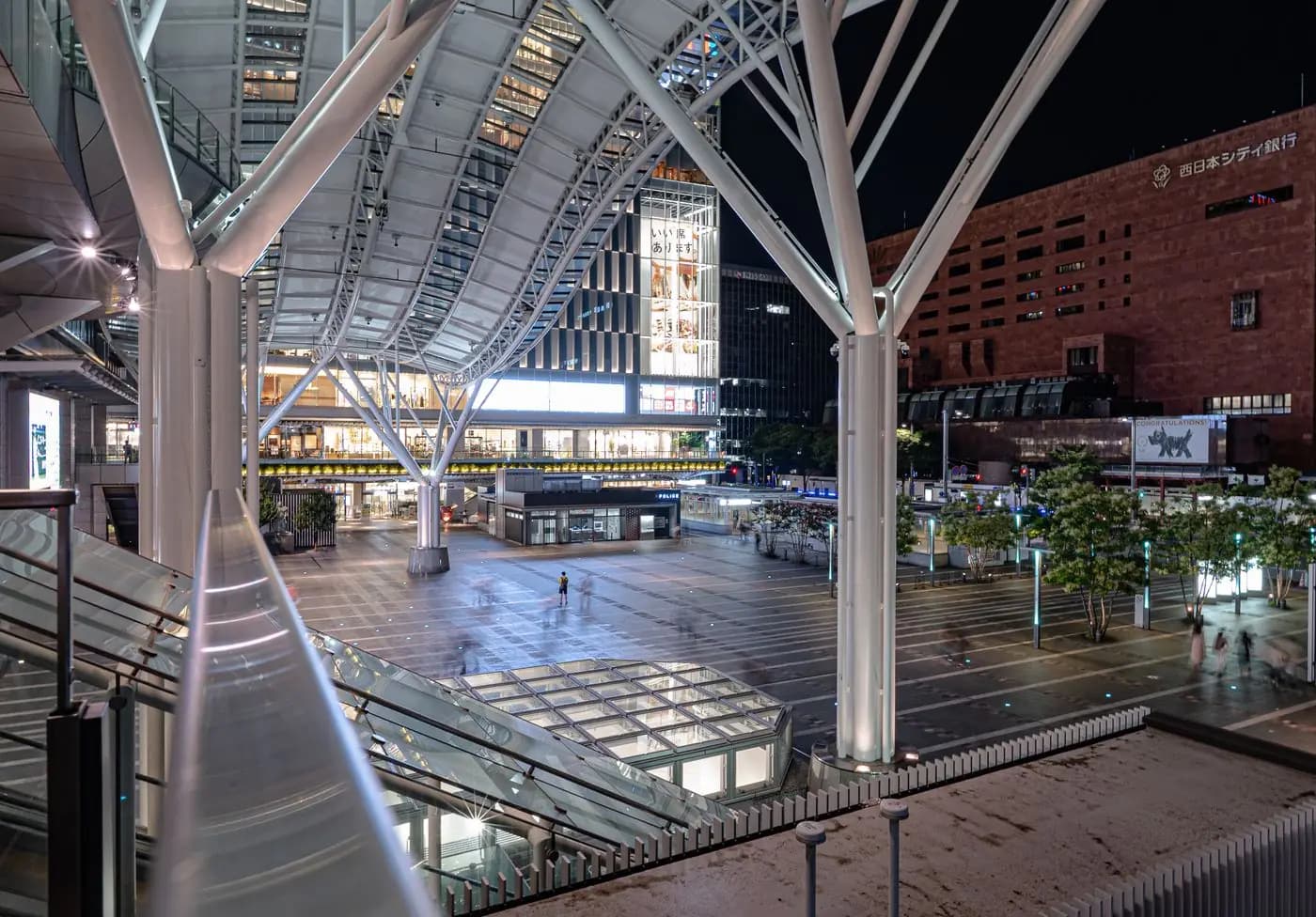
The plaza in front of Hakata Station in Fukuoka at night

4 days · Fukuoka · Okinawa

Fukuoka and Okinawa Roadshow

This 4-day roadshow runs two client events of 80 to 200 guests, one in Fukuoka and one in Naha, linked by a direct flight of about 1 hour 45 minutes. A team of 10 to 30 is based in Tenjin at ONE FUKUOKA HOTEL, which also hosts the event, then in Naha at SOUTHGATE HOTEL OKINAWA, opened in May 2026 and 11 minutes from the airport. We handle venues, bilingual invitations, interpretation, equipment transport and client dinners in both cities.

From €2,600 per team member, excluding international flights

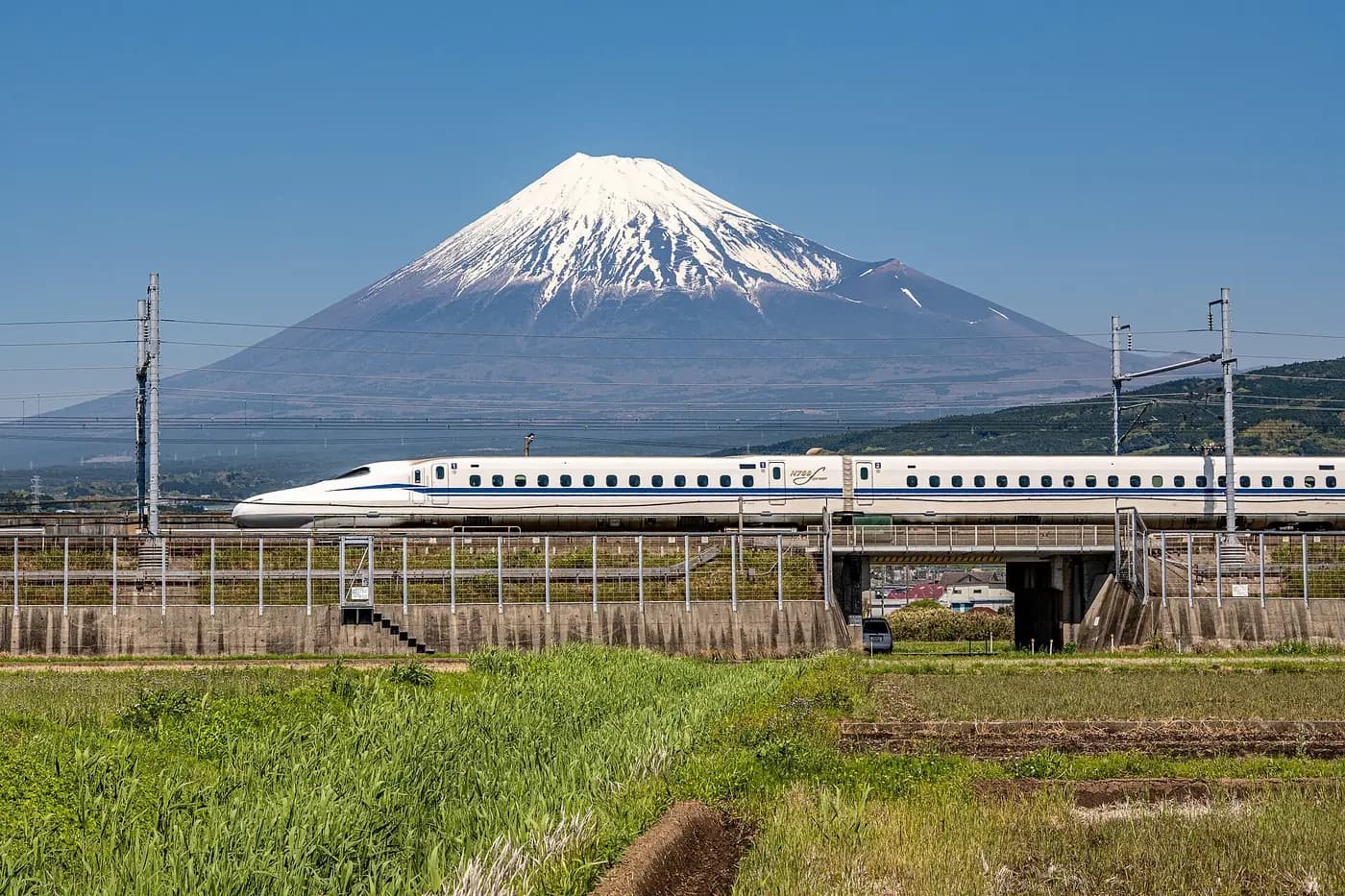
An N700S Shinkansen passing Mount Fuji

5 days · Tokyo · Osaka · Fukuoka

Multi-City Japan Roadshow

This 5-day Japan roadshow runs three stops in Tokyo, Osaka and Fukuoka to present a product or meet clients or investors, with 50 to 300 guests per city. The Shinkansen links Tokyo to Osaka in about 2.5 hours and Osaka to Hakata in about 2.5 hours, making one event per day achievable. SHINOGI DMC coordinates venues, equipment moving between cities, bilingual invitations, guest reception and interpretation.

From €3,400 per team member, excluding flights

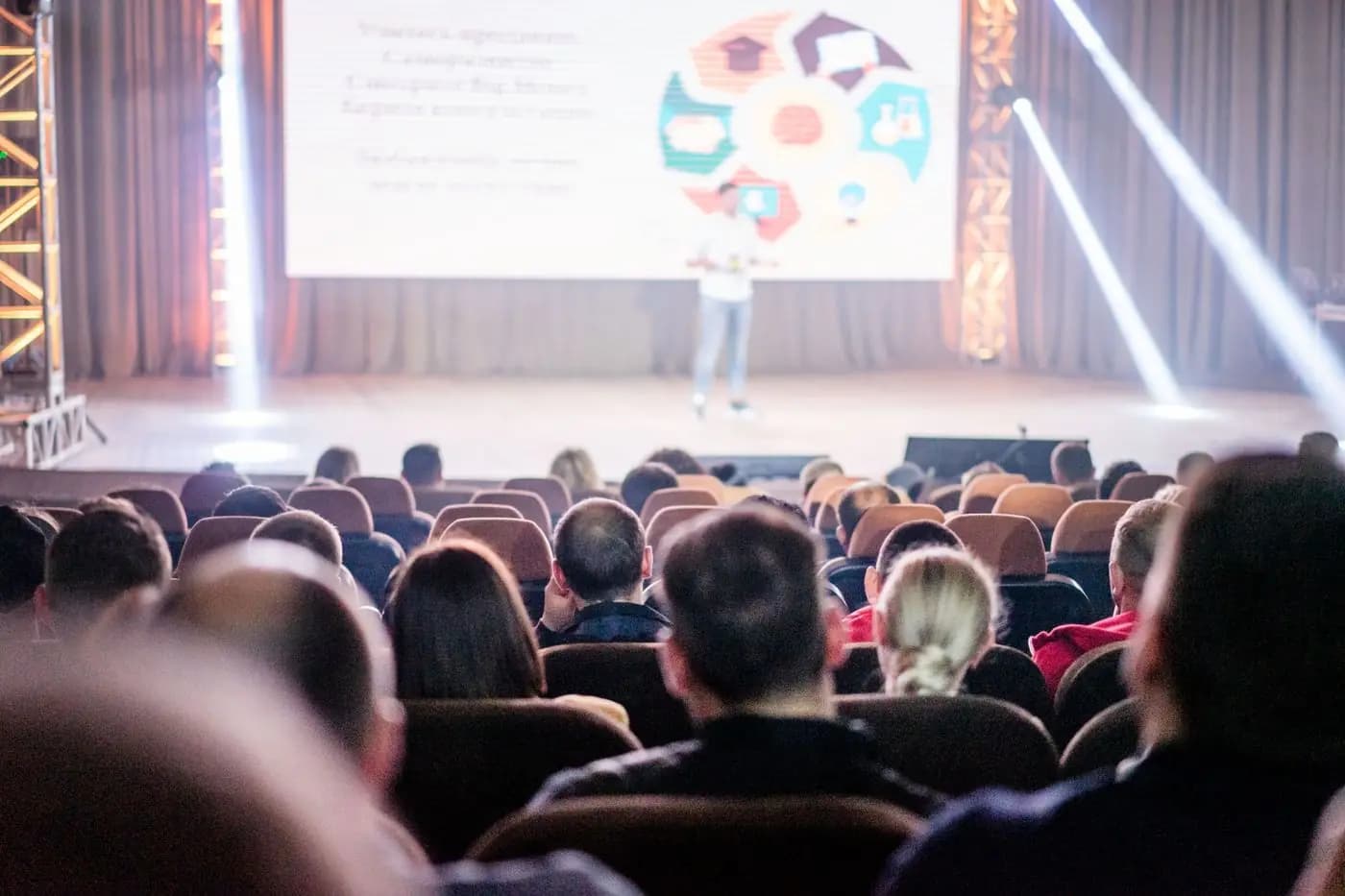
An audience seated facing a lit stage during a conference

3 days · Okinawa

3-Day Okinawa Convention for 1,000

This 3-day Okinawa convention brings 500 to 1,500 participants to Okinawa Convention Center in Ginowan, the prefecture's largest MICE complex: a 1,709-seat theater for the plenary, a conference building with 13 rooms equipped for interpretation and a 2,500 m² exhibition hall for the Ryukyu gala. Accommodation is spread across Ginowan, Chatan and Naha, with a pre-summit for 300 to 700 in the Ball Room of Southgate Hotel Okinawa and shuttles timed to each session.

From €1,700 per person, excluding flights

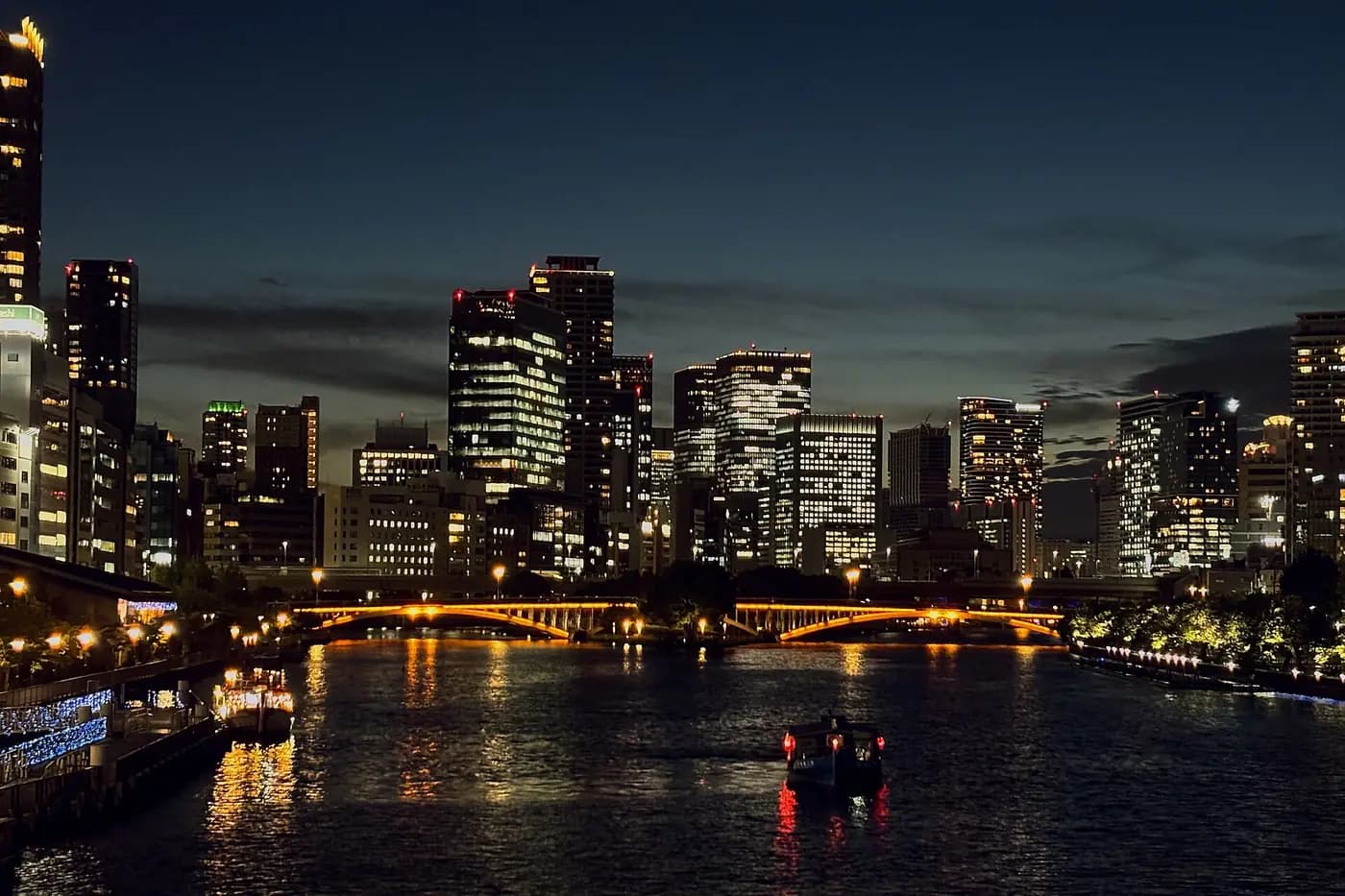
Osaka's Nakanoshima island at night, the city's convention district

3 days · Osaka

300-Attendee Convention in Osaka

This 3-day Osaka convention hosts around 300 attendees at Grand Cube Osaka (Osaka International Convention Center) in Nakanoshima, or in the ballroom of a major hotel nearby. Accommodation is concentrated in one or two nearby hotels to minimize transfers, with a gala evening and a food discovery of Dotonbori in small groups. Kansai International Airport is about 60 to 75 minutes away by coach.

From €2,200 per person, excluding flights

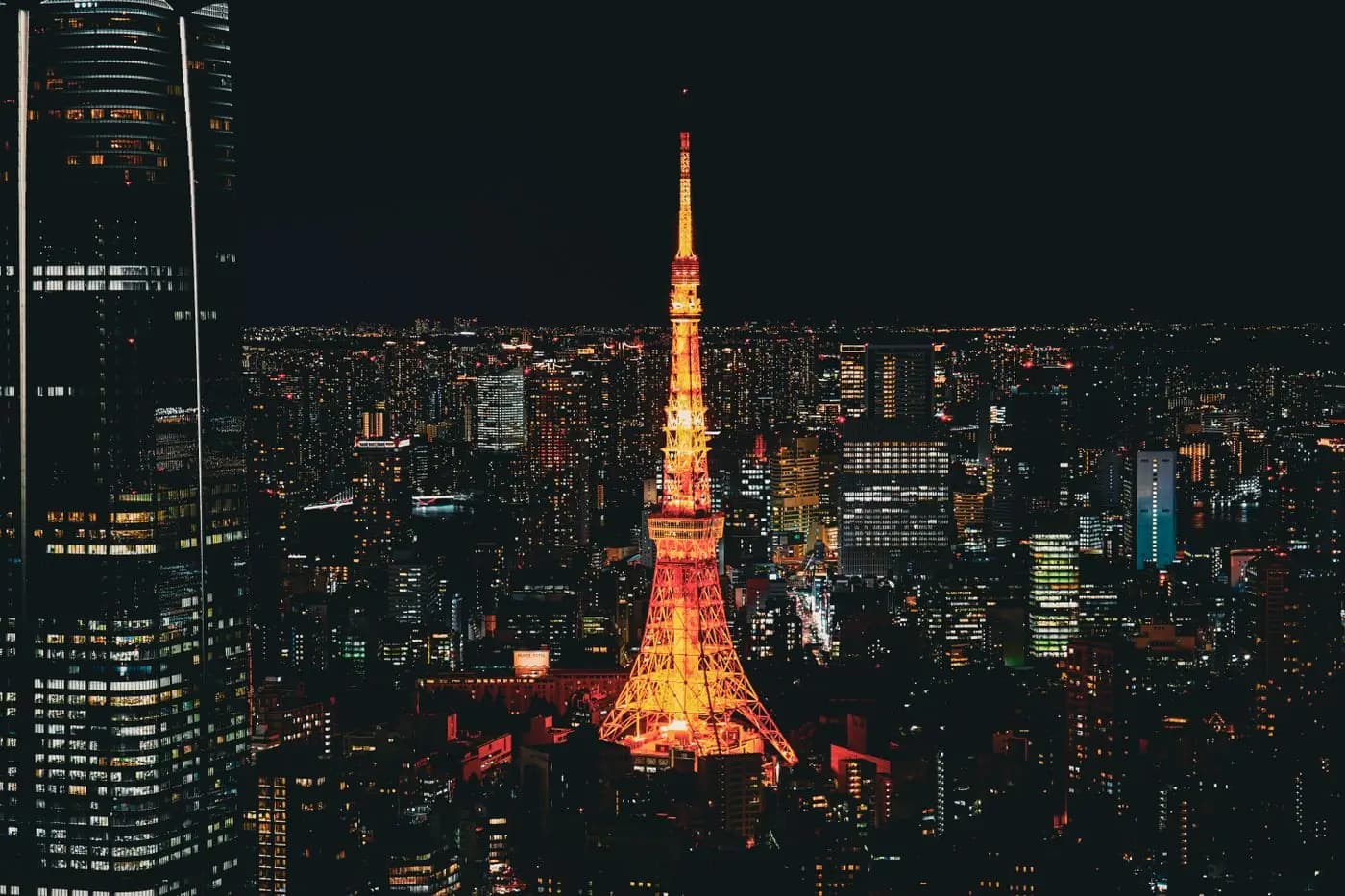
Tokyo Tower lit up at night, seen from the Azabudai area

3 days · Tokyo

3-Day Product Launch in Tokyo

This 3-day program stages a product launch or customer event in Toranomon and Azabudai Hills, Tokyo's new business district 25 minutes from Haneda. Keynote and demo zones at Toranomon Hills Forum (up to 792 theater-style), a press conference, dinners spread across TOKYO NODE DINING, Apothéose and the Azabudai Hills tables, then a gala in the Heian Room of The Okura Tokyo. The format works for 100 to 600 guests: clients, press and partners.

From €2,600 per person, excluding flights

Japan meeting hotels

View all →
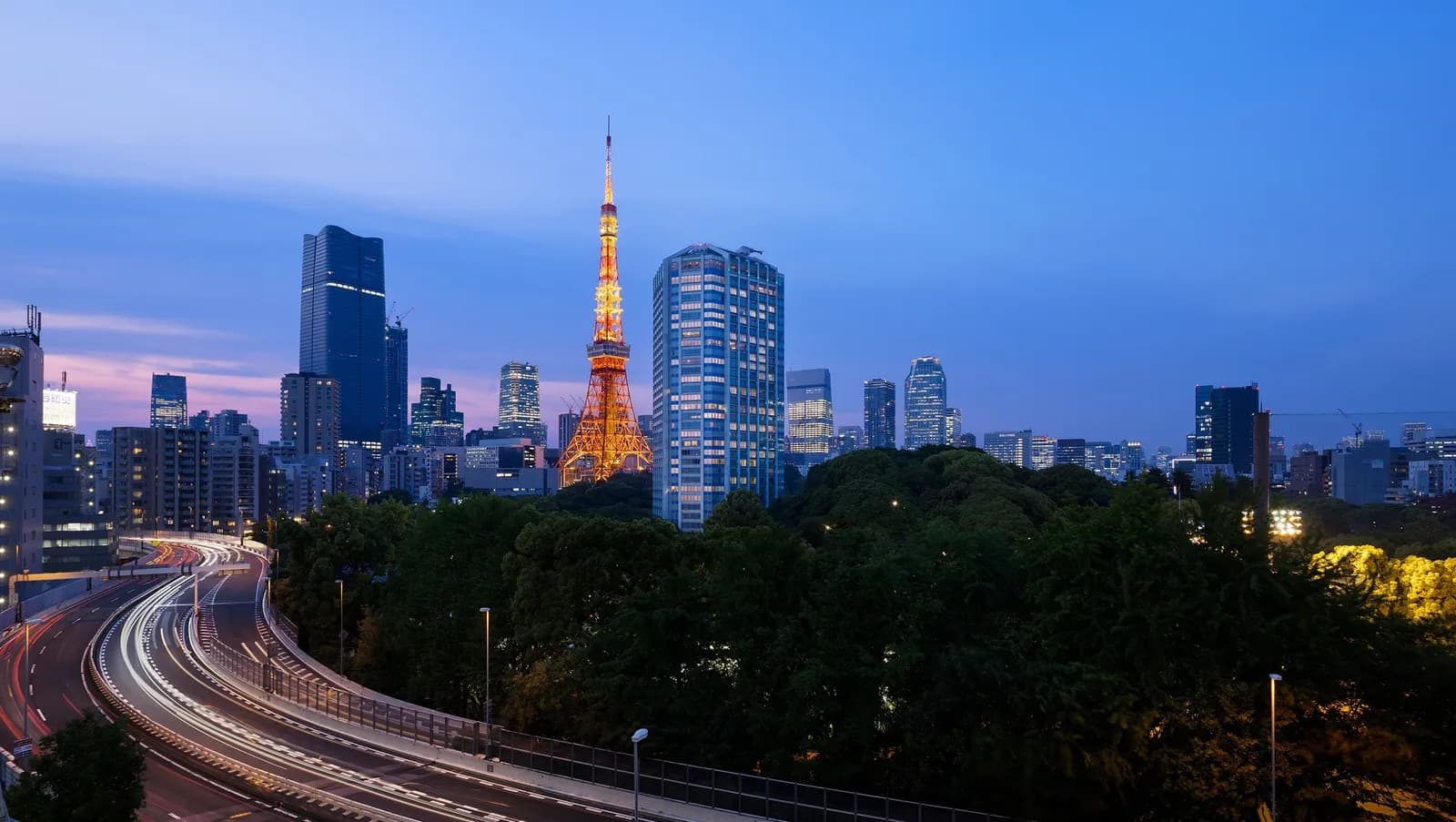
Tokyo Tower and the Minato skyline at dusk above the trees of Shiba Park
ConferenceMICE

The Prince Park Tower Tokyo

Tokyo · Shiba Park

A 603-room hotel at the foot of Tokyo Tower in Shiba Park. Its 2,394 m² basement Ballroom / Convention Hall seats up to 3,600 theater-style, one of the largest hotel capacities in Tokyo, with 16 rooms in total.

Rooms
603
Meeting rooms
16
Max. capacity
3,600

Indicative budget · €€€

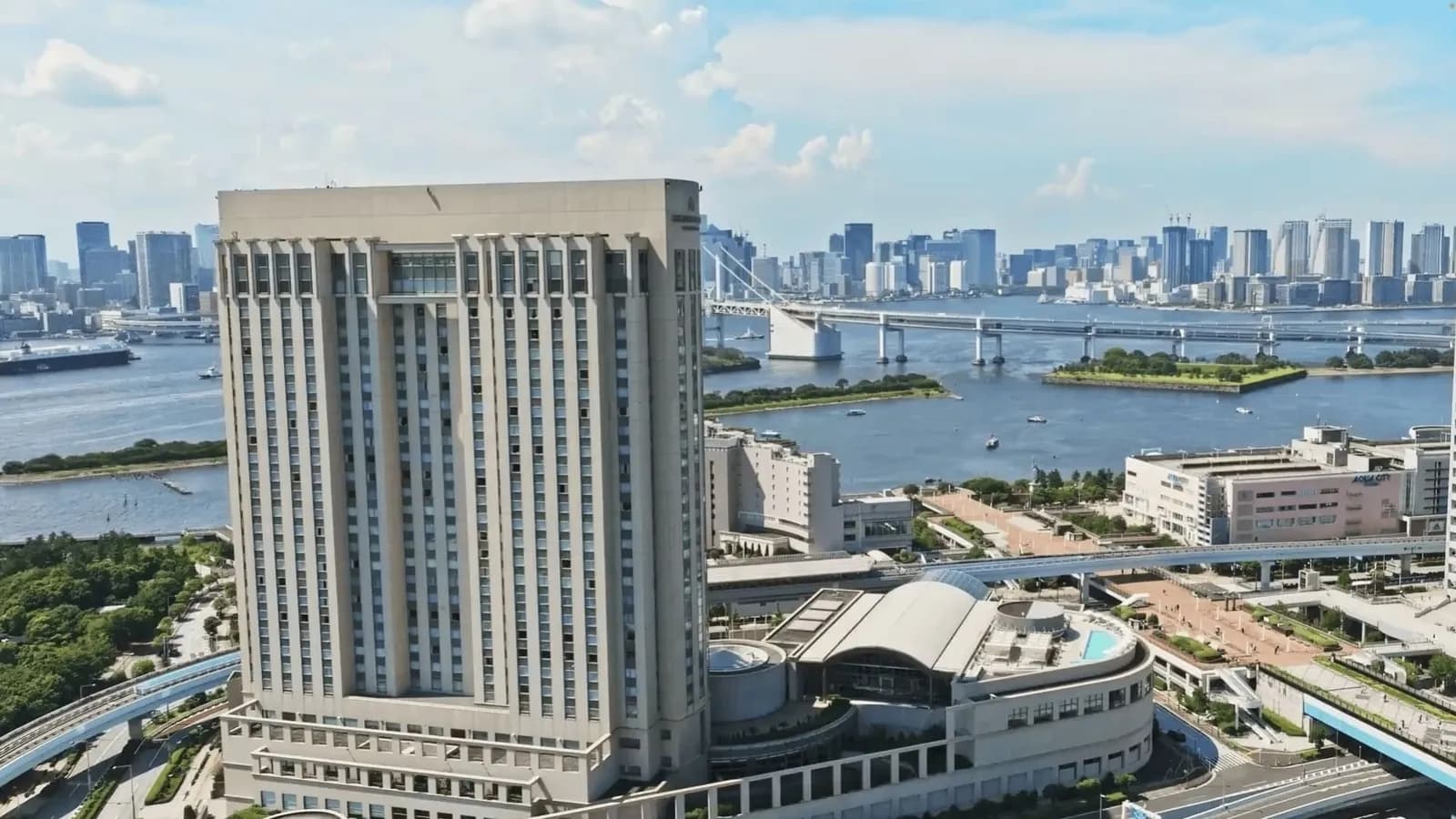
Grand Nikko Tokyo Daiba facing Tokyo Bay and the Rainbow Bridge
MICEConference

Grand Nikko Tokyo Daiba

Tokyo · Odaiba

An 882-room hotel facing Tokyo Bay in Odaiba. Its 2,580 m² Palais Royal seats up to 3,300 theater-style, one of the largest hotel capacities in Tokyo, with 17 rooms in total and quick access to Tokyo Big Sight.

Rooms
882
Meeting rooms
17
Max. capacity
3,300

Indicative budget · €€€

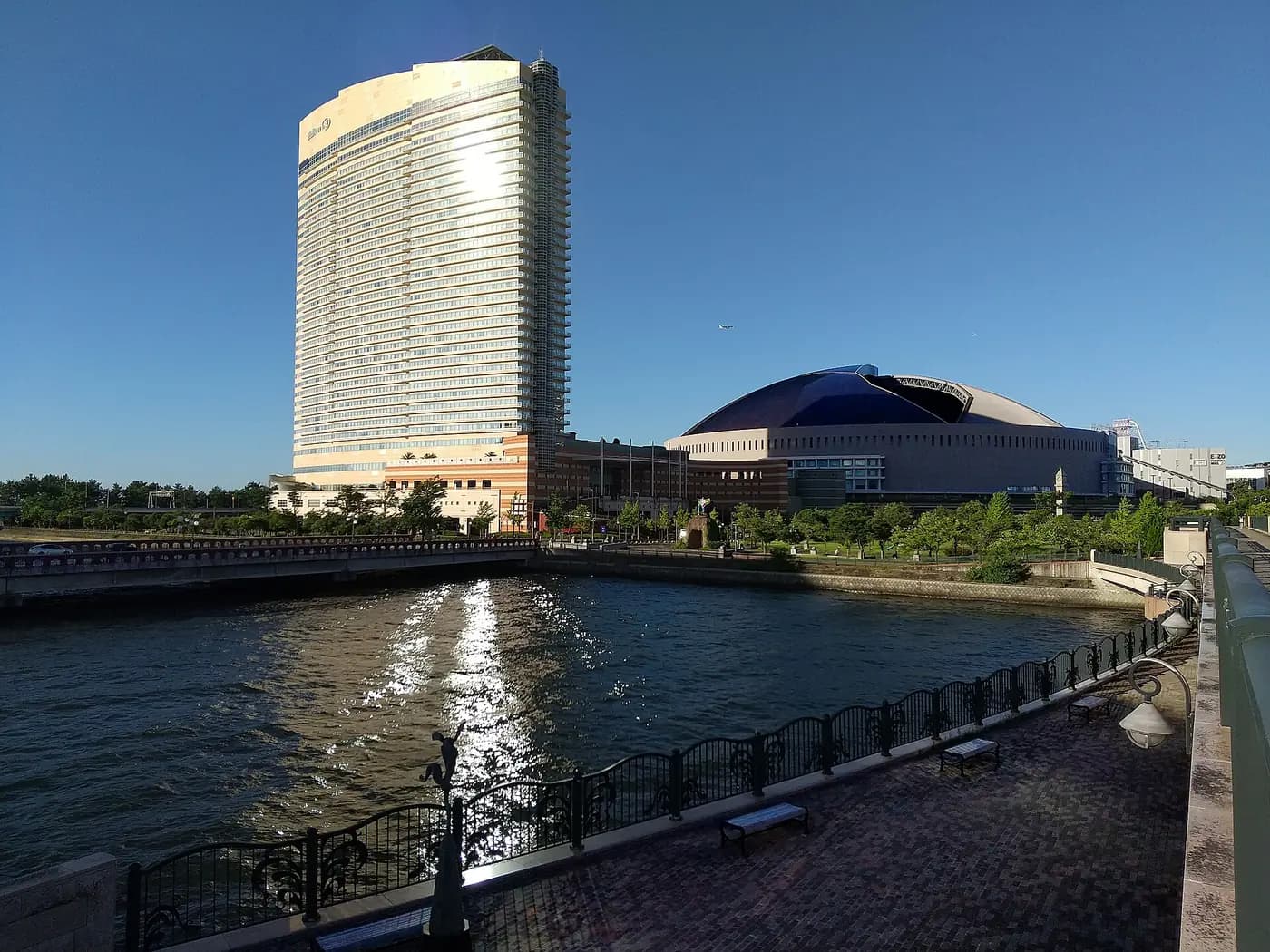
Hilton Fukuoka Sea Hawk seen from Fureai Bridge on the Momochi waterfront
MICEConference

Hilton Fukuoka Sea Hawk

Fukuoka · Momochi

Kyushu's largest MICE hotel: 1,052 rooms on Hakata Bay, a 2,440 m² main hall for 3,300 in theater style and 37 additional meeting rooms. Next to the Mizuho PayPay Dome, it can house, meet and feed an entire convention under one roof.

Rooms
1,052
Meeting rooms
38
Max. capacity
3,300

Indicative budget · €€€

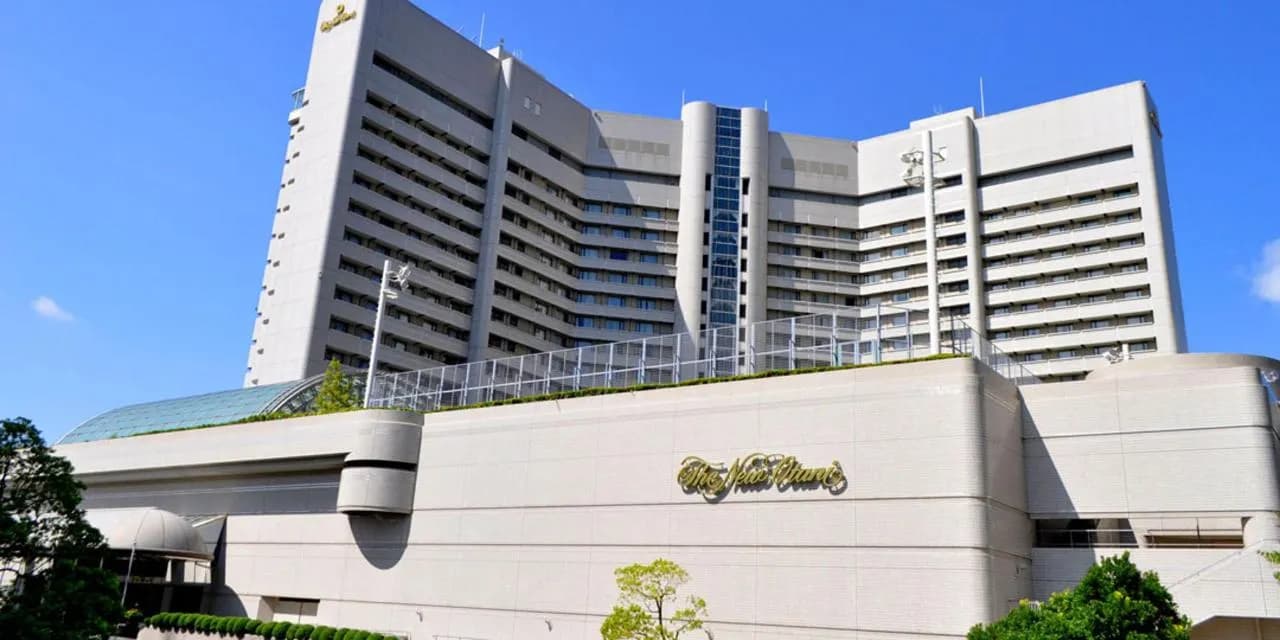
Hotel New Otani Osaka façade under a blue sky
MICEConference

Hotel New Otani Osaka

Osaka · Osaka Castle

A 525-room hotel facing Osaka Castle, home to western Japan's largest banquet hall: Hoh, 2,380 m², up to 3,100 theater-style. The quintessential MICE hotel for very large conventions and gala dinners.

Rooms
525
Meeting rooms
17
Max. capacity
3,100

Indicative budget · €€€

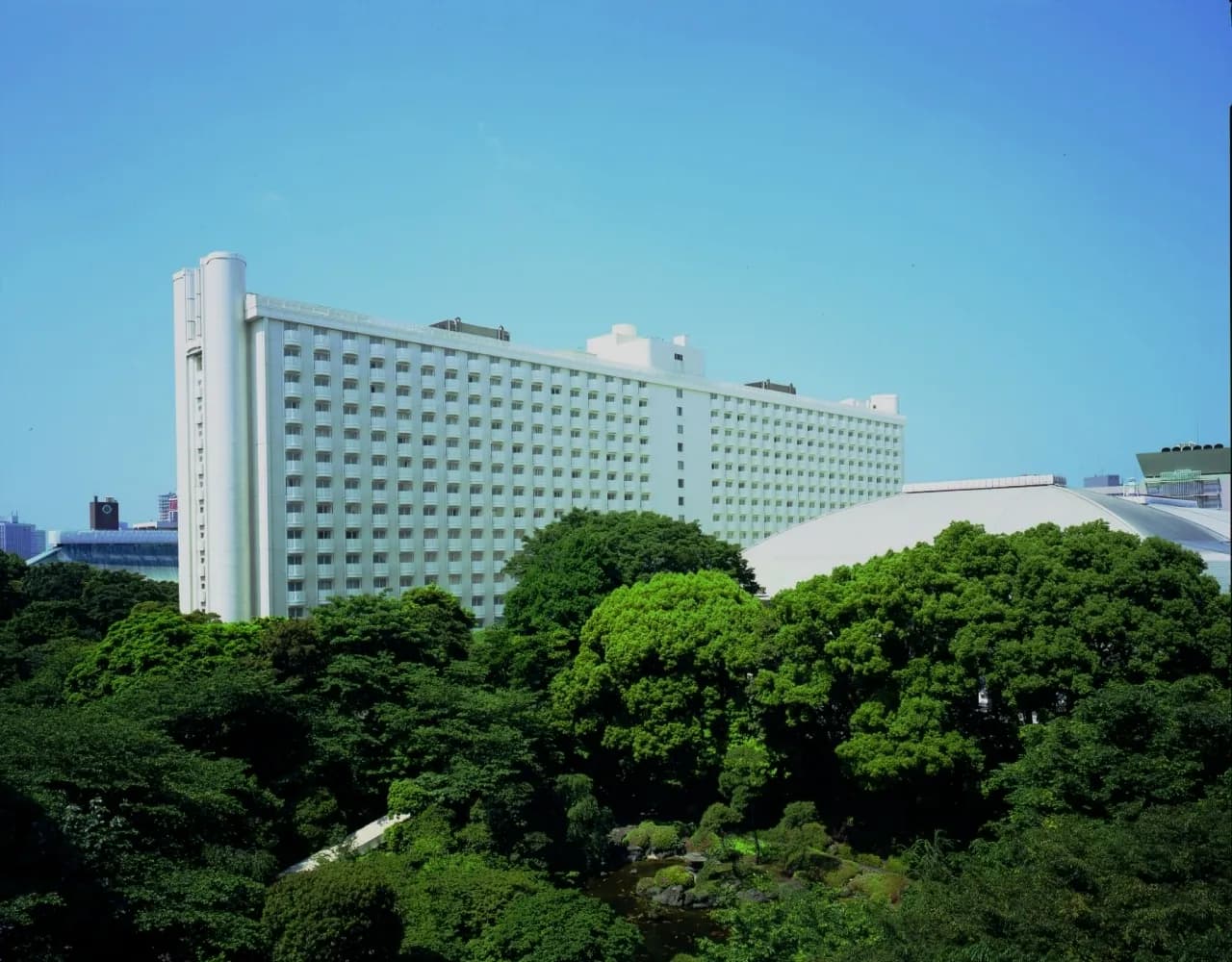
Grand Prince Hotel Shin Takanawa rising above its wooded garden
MICEConference

Grand Prince Hotel Shin Takanawa & International Convention Center Pamir

Tokyo · Shinagawa (Takanawa)

One of Tokyo's largest hotel-based congress hubs: 908 rooms and the International Convention Center Pamir, whose 2,397 m² Konron hall seats up to 2,880 theater-style; the Hiten hall (2,013 m²) adds 2,400 seats. Five minutes from the Shinagawa Shinkansen station.

Rooms
908
Meeting rooms
—
Max. capacity
2,880

Indicative budget · €€€

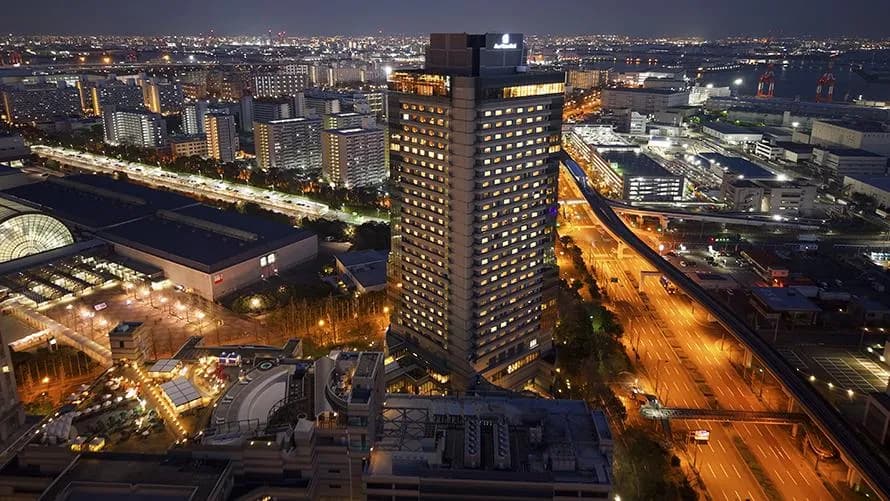
The hotel tower lit up at night next to INTEX Osaka
MICEConference

Grand Prince Hotel Osaka Bay (formerly Hyatt Regency Osaka)

Osaka · Osaka Bay

The former Hyatt Regency Osaka, operated since July 2023 as Grand Prince Hotel Osaka Bay. Right next to INTEX Osaka, it offers 480 rooms and the largest hall on the bay: 1,790 m², up to nearly 2,500 theater-style.

Rooms
480
Meeting rooms
17
Max. capacity
2,496

Indicative budget · €€

Frequently asked questions

How far ahead should we book a convention in Japan?

For 300 to 500 participants, allow 12 months, or more for high-demand convention centers and spring or fall dates. Nine months can work in low season, with a narrower choice of hotels.

Tokyo or Osaka for a convention?

Tokyo has the largest hotel stock, two international airports and a strong business image. Osaka, with Grand Cube Osaka and Kansai Airport, often offers better value and quick access to Kyoto and Nara for side programs. The choice depends on where participants fly from and on budget.

Can you manage participant registration?

Yes. We centralize registrations, room preferences, dietary needs and flight details, then produce rooming lists, transfer manifests and badges. We can also work from your agency's registration tool.

Is a convention in Okinawa feasible?

Yes. The Okinawa Convention Center in Ginowan and several resorts with large function rooms can host conventions combined with an incentive component. Typhoon season, mainly July to September, and flight access to Naha need to be taken into account.

Do we need simultaneous interpretation?

If Japanese speakers or participants attend, yes. Simultaneous interpretation requires booths, receivers and usually two interpreters per language pair. We recommend booking 3 to 6 months ahead and sending presentations to interpreters at least a week before.

Event brief

Japan MICE, precisely orchestrated since 2005.

A few details are enough for a first proposal. A dedicated project manager replies within 48 business hours.

Event brief

Japan MICE, precisely orchestrated since 2005.

A few details are enough for a first proposal. A dedicated project manager replies within 48 business hours.