Which day trip from Tokyo should you choose?
The six most popular destinations have little in common. A summary to help you choose:
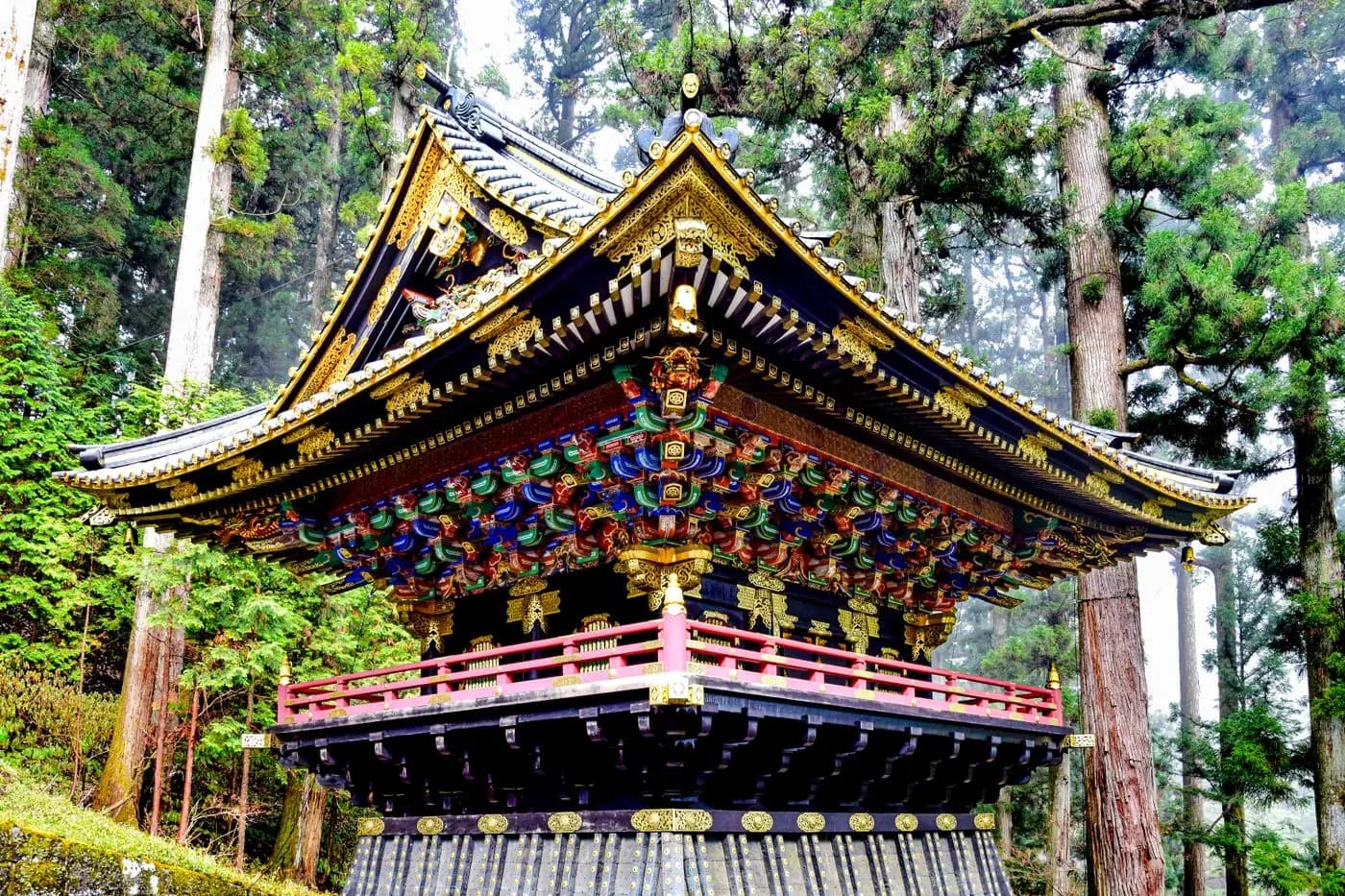
- Nikko: 17th-century shrines covered in lacquer and gold leaf, waterfalls, a cedar forest. 1 h 50 min to 2 hours away. The most spectacular, but a long day.
- Kamakura: the shoguns' old seaside capital, the Great Buddha, Zen temples, hillside trails. Under an hour away. The easiest.
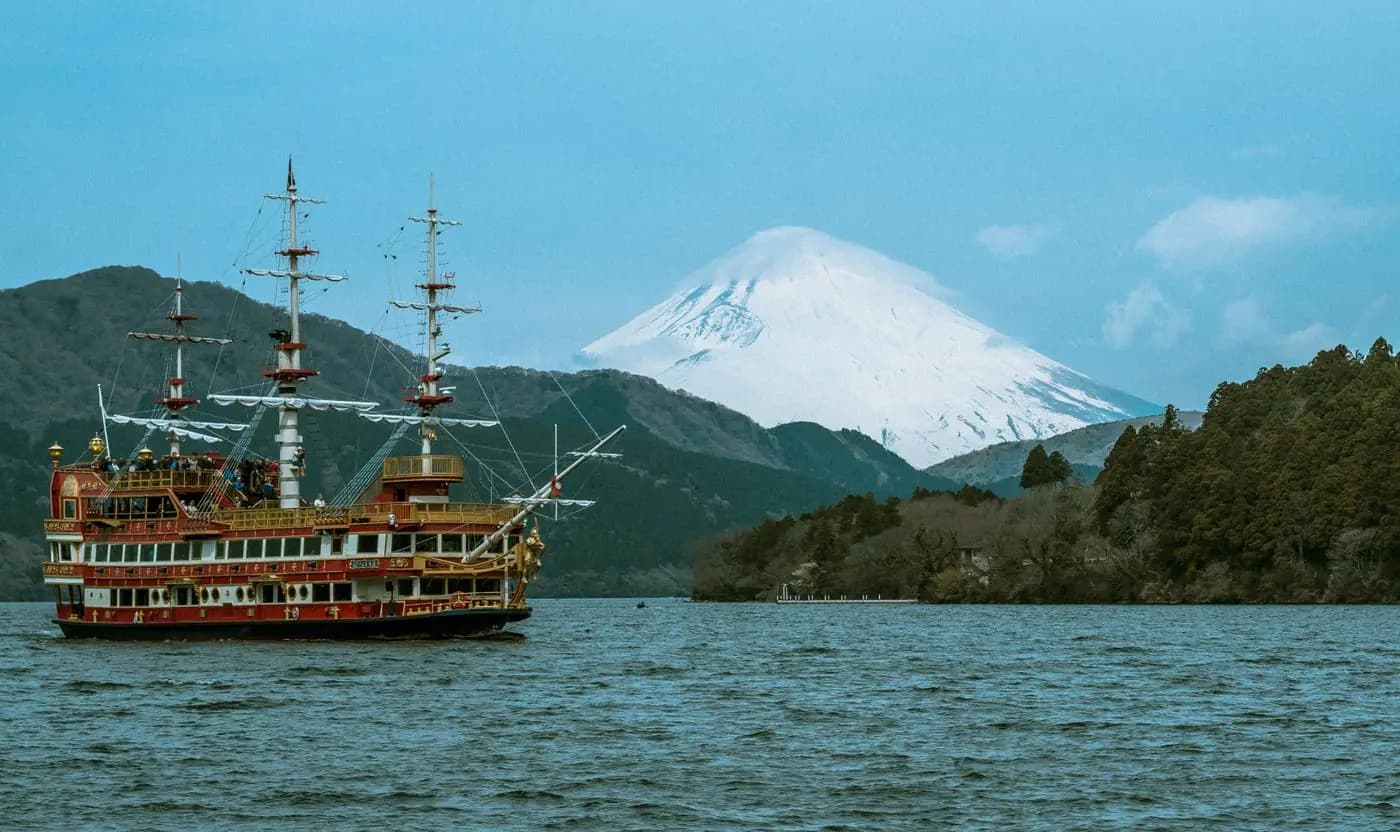
- Hakone: volcano, hot springs, Lake Ashi and views of Mount Fuji. 1 h 25 min by Romancecar. Better with a night in a ryokan.
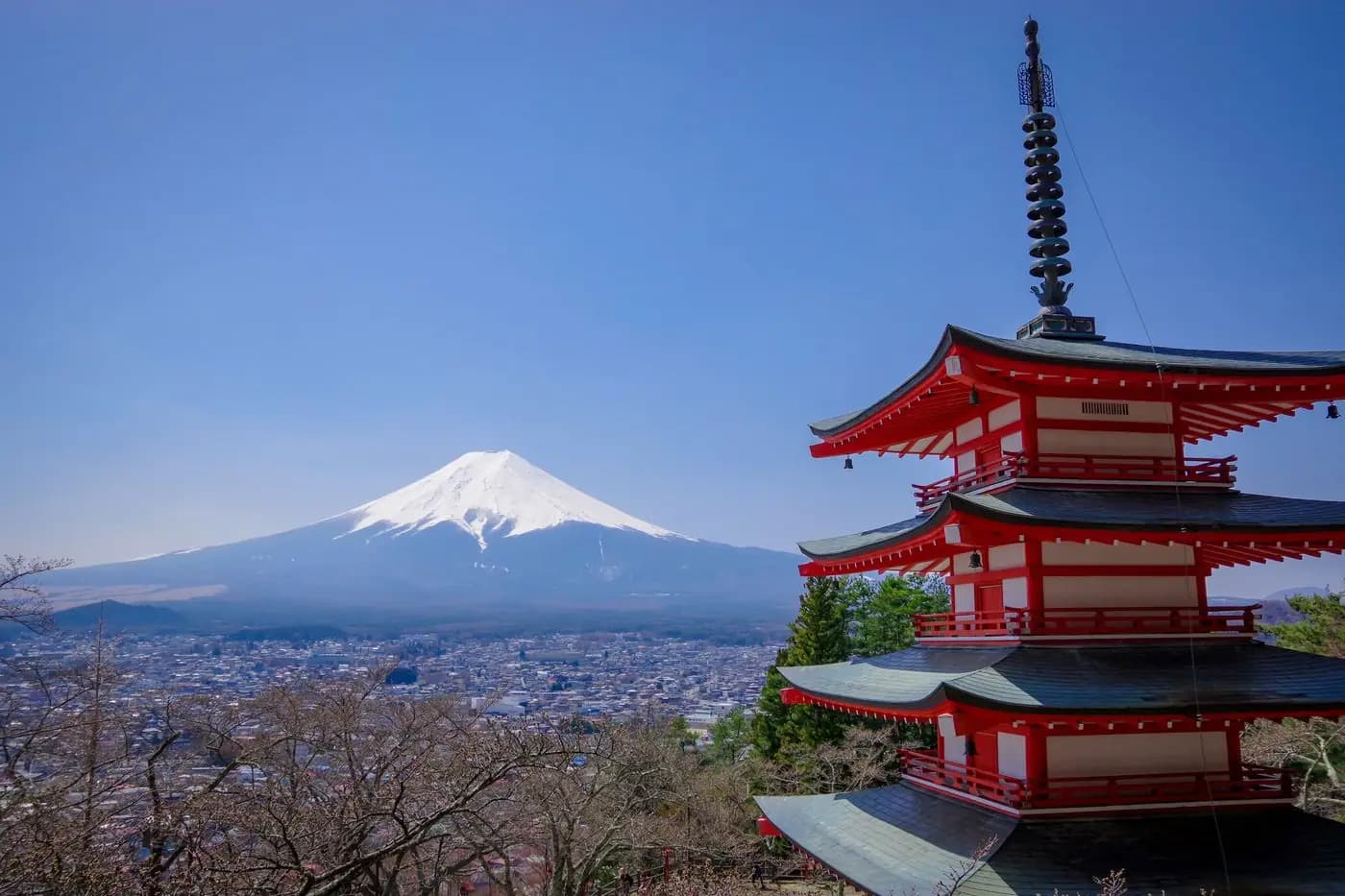
- Kawaguchiko: the lake at the foot of Mount Fuji, Chureito pagoda. About 2 hours. Everything depends on the weather.
- Yokohama: port, Chinatown, Sankei-en garden, modern waterfront. 30 to 40 minutes. A good half-day choice.
- Kawagoe: a street of Edo-period storehouse-shops, old-fashioned sweets, temples. 30 minutes from Ikebukuro. The closest thing to a little Edo.
For a first trip with only one day to spare, we suggest Nikko in autumn and spring, Kamakura in summer (you can end at the beach on Enoshima) and Kawaguchiko in winter, when Fuji is most often clear.
Two rules apply everywhere: leave before 8am, and avoid weekends and Japanese public holidays, when trains and sites fill up with visitors from Tokyo.
Nikko in a day: Toshogu, Shinkyo and Kegon Falls
Getting there. The Tobu limited express (Spacia X or Kegon) links Asakusa and Tobu-Nikko in about 1 h 50 min; seats must be reserved, about ¥3,000 to ¥4,000 one way depending on train and class. With a Japan Rail Pass, take the Shinkansen to Utsunomiya and then the JR Nikko line: a little under 2 hours in total.
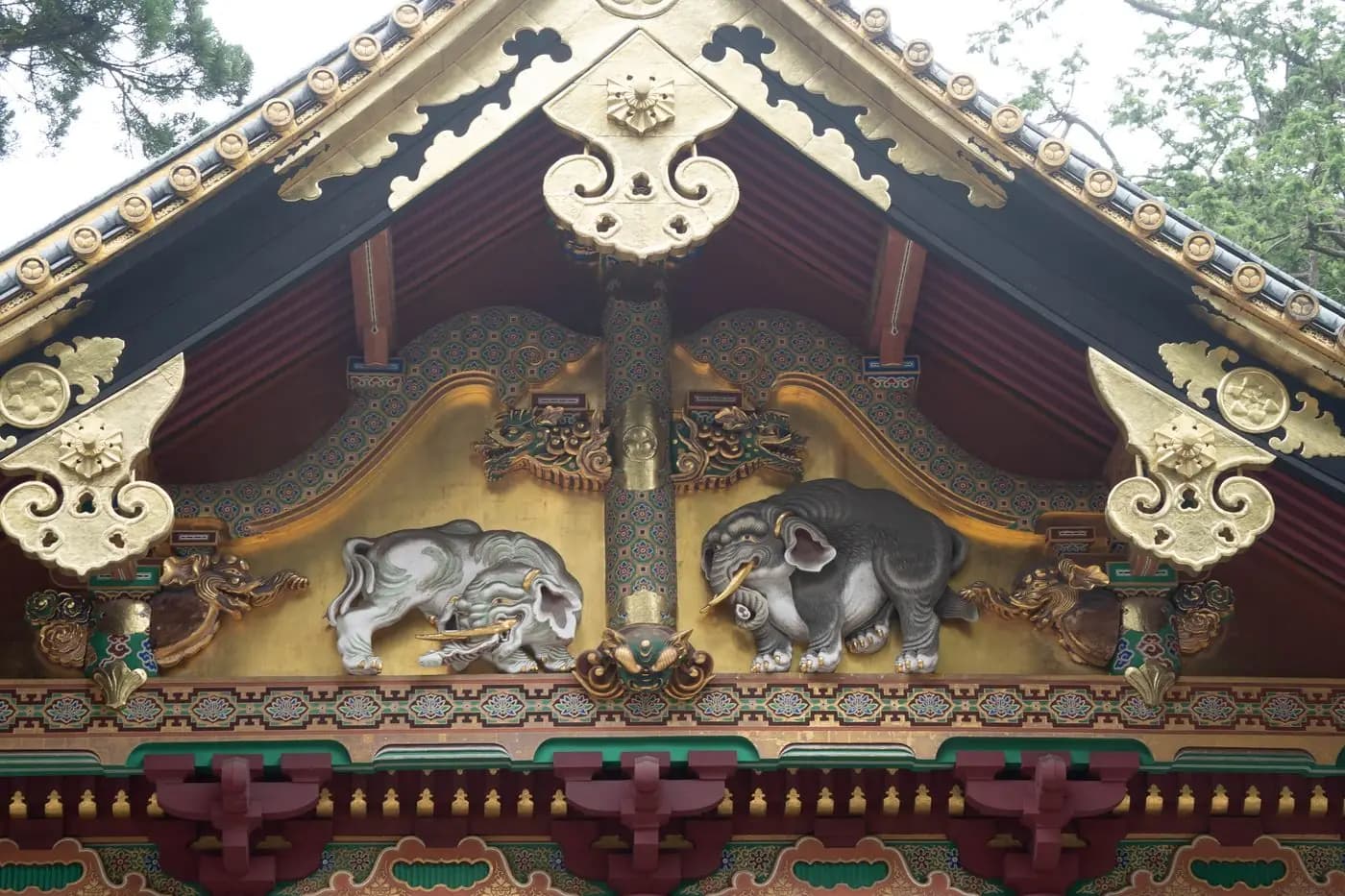
Toshogu shrine. The mausoleum of Tokugawa Ieyasu, founder of the Edo shogunate, completed in its current form in 1636. The Yomeimon gate, covered with more than 500 painted carvings, is worth the trip on its own. Admission is ¥1,600 for adults; open 9am to 5pm from April to October and until 4pm from November to March. You will also see the three wise monkeys and the sleeping cat carved above a passage. Allow 1 h 30 min.
Around it. The red Shinkyo bridge at the entrance to town (¥300 to walk on it, free to see from the road), Rinno-ji temple and Futarasan shrine, then the Kanmangafuchi gorge walk with its red-capped Jizo statues, 20 minutes' walk away.
Kegon Falls and Lake Chuzenji. The bus climbs the hairpin Irohazaka road in about 45 minutes. The 97-metre falls are seen from a platform reached by lift. In October, when the maples turn red, the road is so congested that the trip can take twice as long: leave Nikko before 9am or skip the lake.
Our view. Nikko in one day is doable but dense. With a night there, in a ryokan by Lake Chuzenji or in the old town, you see the shrines at opening time, without the school groups. The shrines are quieter on weekdays, and winter, under snow, has a charm of its own.
Kamakura and Enoshima: the Great Buddha, Zen temples and the seaside
Getting there. JR Yokosuka line from Tokyo or Shinagawa: about 55 minutes to Kamakura, just under ¥1,000. No reservation needed; pay with your IC card.
A one-day route, north to south:
- Kita-Kamakura (get off one stop early): Engaku-ji Zen temple and its large halls among the cedars, then Kencho-ji, Japan's oldest Zen monastery.
- Tsurugaoka Hachimangu: the town's main shrine, free, at the end of Wakamiya-oji avenue. Komachi-dori, right next to it, is the shopping and snacking street.
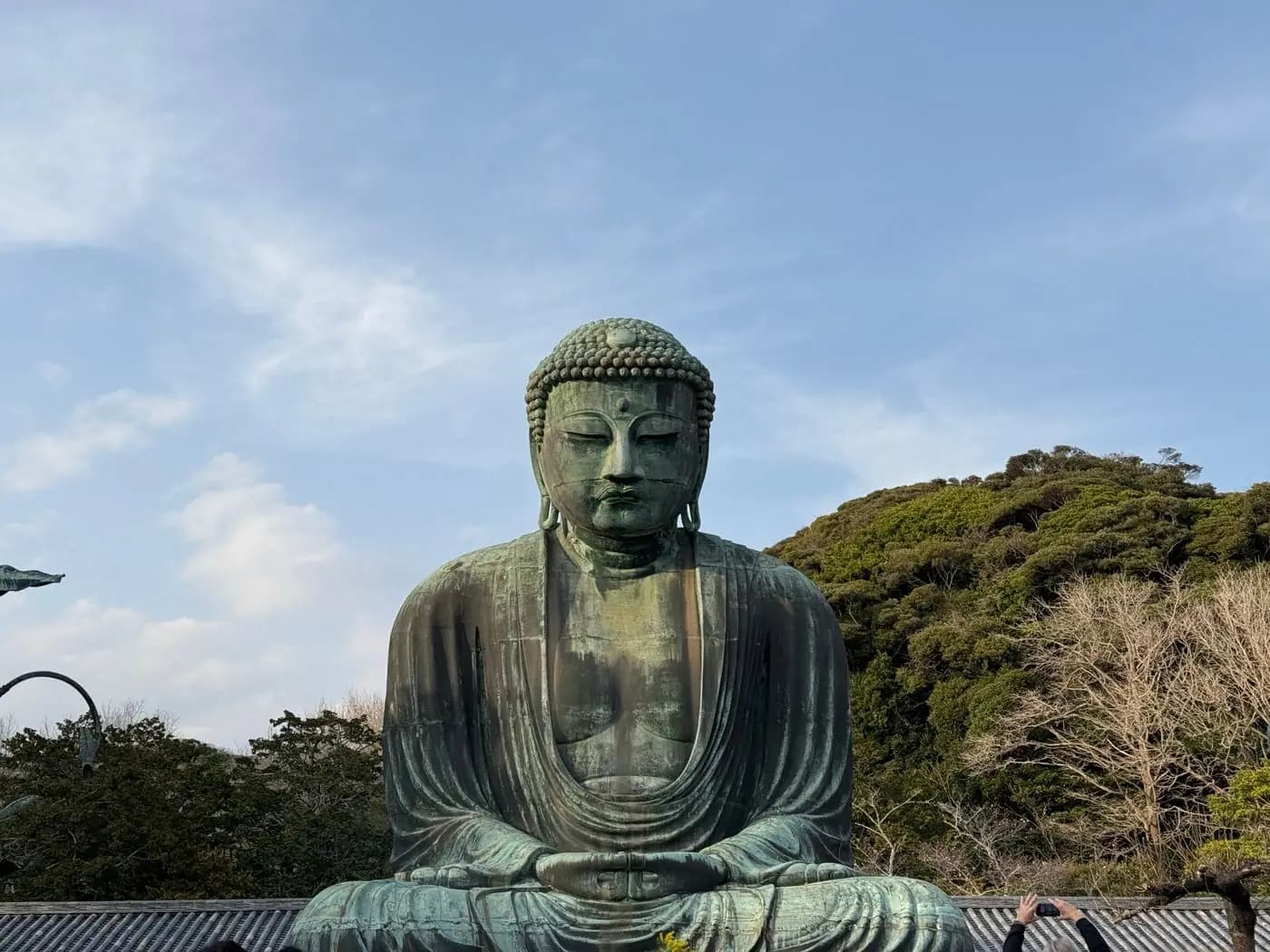
- The Great Buddha of Kotoku-in temple: an 11-metre bronze, in the open air since a tsunami swept away its hall in the late 15th century. Admission ¥300, plus ¥50 to step inside the statue.
- Hase-dera (¥400), 5 minutes away: a 9-metre wooden Kannon statue, caves and a terrace over the bay.
Link the sites on foot or by the little Enoden train, which runs along the sea to Enoshima, an island reached by a bridge, with a shrine, a lighthouse and views of Fuji on clear days. The level crossing near Kamakurakokomae station, made famous by an anime, draws so many photographers that the city has posted staff there: do not stop in the road.
Seasons. June hydrangeas (Meigetsu-in, Hase-dera) cause queues of over an hour at weekends. In summer, Yuigahama beach fills with swimmers from Tokyo. The Zen temples are beautiful in early December, when the maples turn late.
To eat: shirasu (tiny whitebait) rice bowls are the local speciality, in season from March to December.
Hakone in a day: the volcano, lake and Mount Fuji loop
Getting there. Odakyu's Romancecar leaves Shinjuku and reaches Hakone-Yumoto in about 1 h 25 min, in reserved seats. The Hakone Freepass (¥7,100 for 2 days from Shinjuku, Romancecar extra) includes the return on ordinary trains and all transport on the loop. By Shinkansen, Tokyo–Odawara takes 35 minutes on the Hikari.
The loop in the usual direction:
- the Hakone Tozan mountain railway from Hakone-Yumoto to Gora (40 minutes, three zigzag switchbacks);
- the cable car from Gora to Sounzan, then the ropeway over Owakudani valley, where you eat black eggs boiled in the sulphur springs;
- the ropeway to Togendai, then a boat across Lake Ashi to Hakone-machi or Moto-Hakone;
- the bus back to Hakone-Yumoto (40 minutes).
The full loop takes 6 to 7 hours with stops. The Hakone Open-Air Museum, near Gora, adds 1 h 30 min to 2 hours.
Pitfalls. The Owakudani ropeway closes when volcanic activity or wind require it; replacement buses then run. The torii of Hakone Shrine, standing in the lake, draws a 30-minute to one-hour queue for photos at weekends. And Mount Fuji, visible from Owakudani and the lake, often hides behind clouds on summer afternoons.
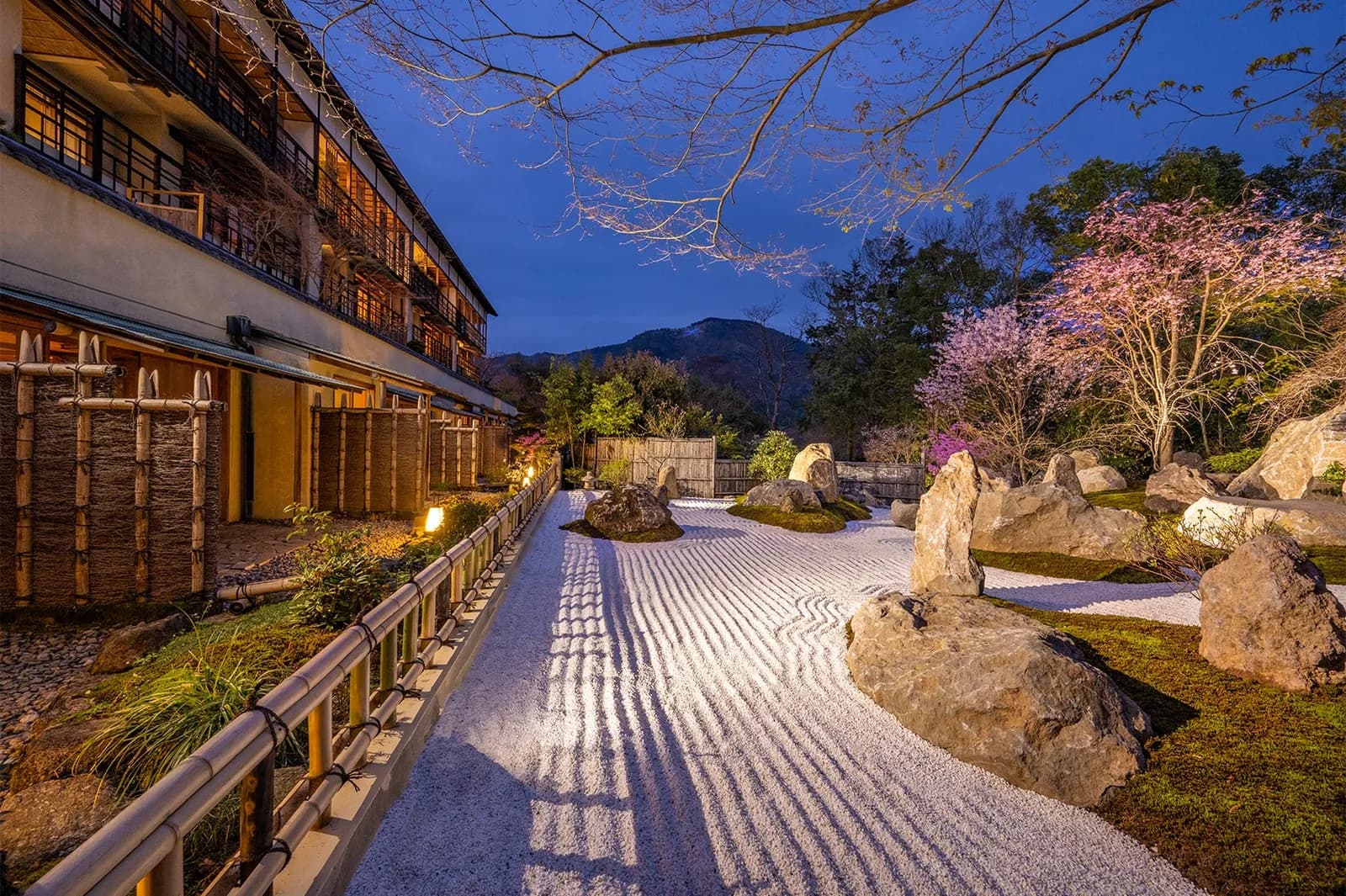
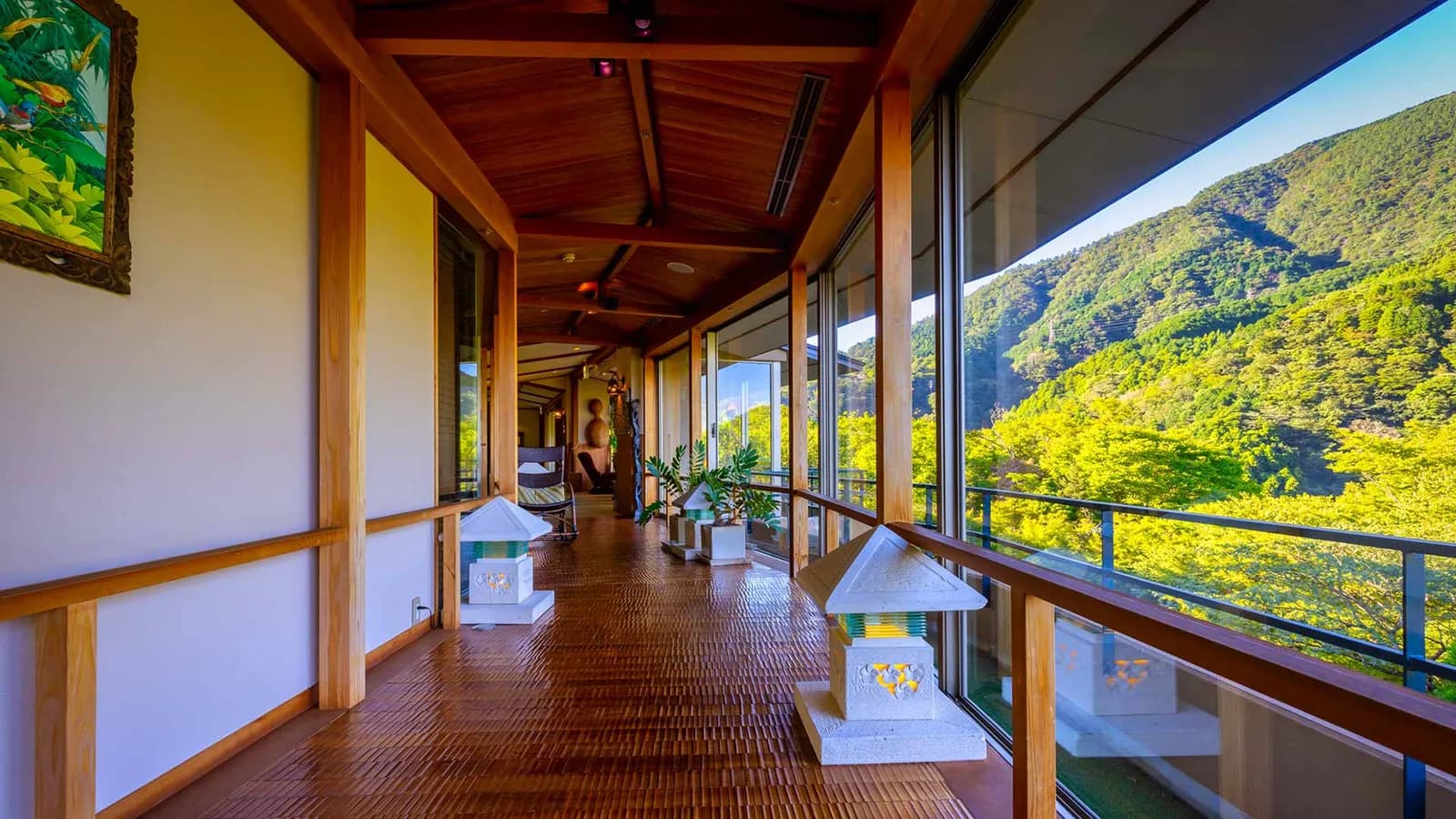
Hakone can be done in a day, but it is the trip that gains most from a night in a ryokan, with a hot-spring bath, a kaiseki dinner and, the next morning, the lake without the crowds.
Kawaguchiko and the Fuji Five Lakes area
Getting there. Two options from Shinjuku, about 2 hours each:
- the Fuji Excursion limited express, direct from Shinjuku to Kawaguchiko, all seats reserved, only a few departures a day;
- the express bus from Busta Shinjuku terminal, every 15 to 30 minutes, about ¥2,000 to ¥2,500 one way; book the day before at the latest in peak season. On fine weekends the bus can take an extra hour.
On site. The Retro sightseeing buses loop around Lakes Kawaguchi, Saiko and Narusawa. Highlights:
- Oishi Park on the north shore of Lake Kawaguchi: Fuji above the water and flower beds (lavender in late June–July, red kochia in October);
- the Mount Kachi-kachi ropeway, for a high view over the lake and the volcano;
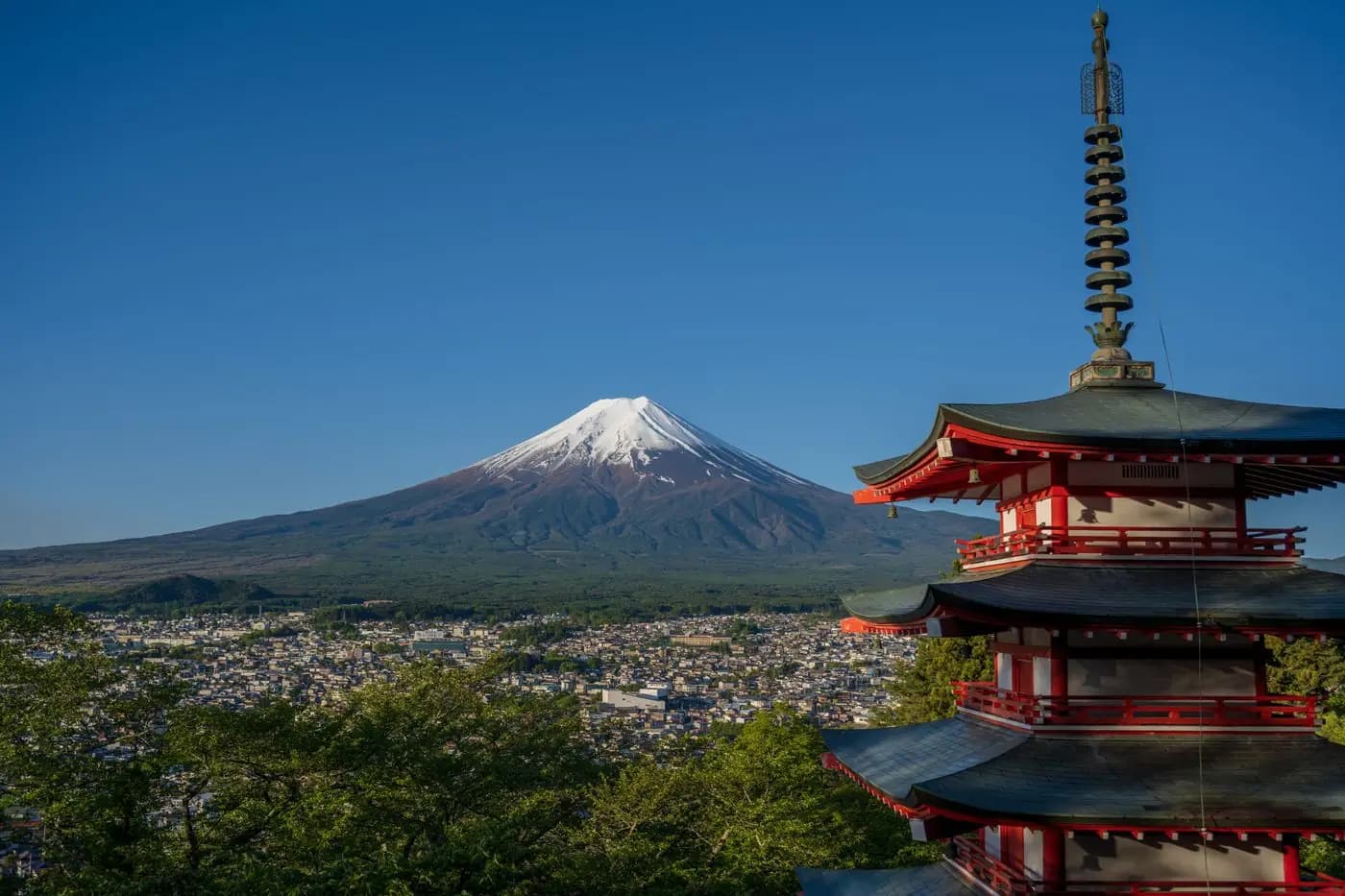
- Chureito pagoda in Arakurayama Sengen Park, Fujiyoshida, 15 minutes by train from Kawaguchiko: 398 steps to the classic shot of Fuji behind a five-storey pagoda;
- Oshino Hakkai, a hamlet of spring-fed ponds, very busy at midday.
Respect for residents. The area suffers from overtourism. Fujiyoshida cancelled its 2026 cherry blossom festival for this reason, and Fujikawaguchiko town had to put up a screen in front of a convenience store made famous by its Fuji photo. Do not stop in the road for photos, do not step into private gardens, and take your rubbish with you.
The weather decides everything. Fuji is most often clear from November to February, early in the morning. In summer, clouds rise from 9–10am. Check the live cameras before leaving and keep Kawaguchiko flexible in your plans.
Yokohama and Kawagoe: two easy half-days
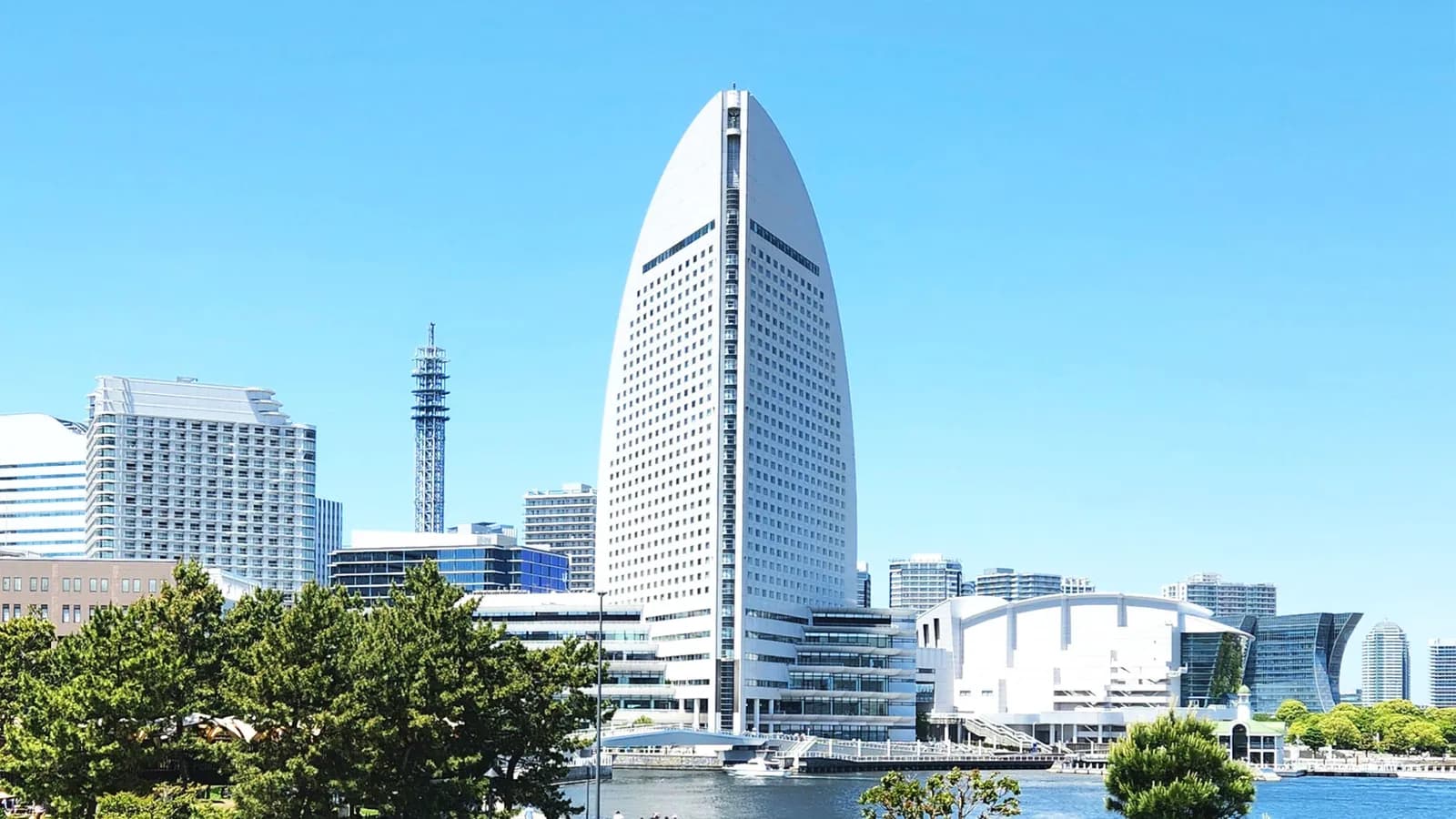
Yokohama is 30 minutes from Shibuya on the Tokyu Toyoko line (direct to Motomachi-Chukagai) or 40 minutes from Tokyo by JR to Sakuragicho. Japan's second city, a port opened to foreigners in 1859, is best explored on foot:
- Minato Mirai: the modern waterfront, the big wheel, the red-brick warehouses turned into shops, and the Yokohama Air Cabin urban ropeway over the harbour;
- Chinatown, the largest in Japan, for a lunch of dumplings and steamed buns;
- Yamashita Park and the moored Hikawa Maru liner, then the Western-style houses on Yamate hill;
- Sankei-en garden, further south, with historic pavilions and a pagoda moved from Kyoto and elsewhere, reached by bus;
- the Cup Noodles Museum (¥500), where you design your own noodle cup.
In the evening, the illuminated bay is worth staying on for dinner.
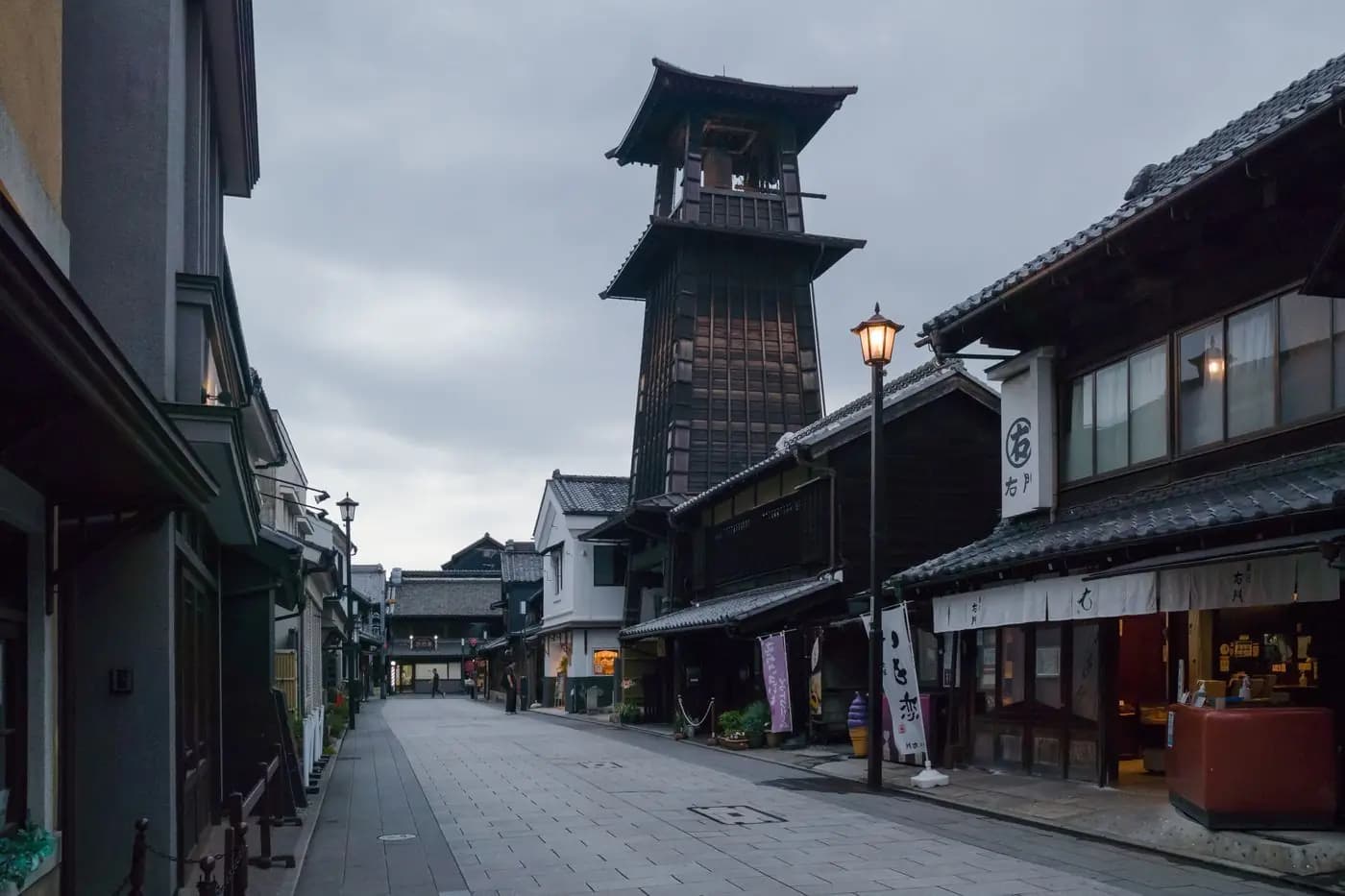
Kawagoe, 30 minutes from Ikebukuro on the Tobu Tojo line (express, about ¥500), has one of the finest Edo-period merchant streets: the kurazukuri, storehouse-shops with black plaster walls, built this way after the 1893 fire to resist flames. Highlights:
- the Toki no Kane bell tower, which still rings four times a day;
- Kashiya Yokocho alley and its old-fashioned sweets and crackers;
- Kita-in temple, with 538 statues of the Buddha's disciples, each one different, and rooms brought from the old Edo Castle;
- Hikawa shrine, known for its wind chimes in summer.
The local speciality is sweet potato, as crisps, ice cream or cake. Kawagoe takes half a day, ideally on a weekday.
Group day trips: coach or train?
For a group, the choice between train and coach depends less on price than on the destination's geography.
The train is better for:
- Kamakura: narrow streets, few coach car parks and far from the sites, unpredictable weekend traffic. Take the JR Yokosuka line, then get around on foot and by Enoden.
- Yokohama: 30 to 40 minutes, with sites linked on foot or by subway.
- Kawagoe: the kurazukuri street is too narrow for coaches; the station is 15 minutes' walk away.
The coach is better for:
- Nikko: it links Toshogu, Kanmangafuchi and Kegon Falls and avoids the crowded public buses on Irohazaka. The Toshogu car park takes coaches.
- Hakone: a private coach replaces the long queues for the ropeway and buses, and can drop the group right at the ryokan or museum.
- Kawaguchiko: the sites are scattered around the lakes and the public buses are saturated.
A mix often works best: Romancecar or Shinkansen out, coach on site, train back to avoid Sunday-evening jams on the Tomei or Chuo expressways.
A few realities to know:
- rules on drivers' working hours were tightened in April 2024: a day of more than 12 to 13 hours may require a second driver;
- a large 45 to 49-seat coach must be booked several months ahead for autumn dates;
- allow one guide per 20 to 25 people, with earpieces in shrines;
- above 40 people, groups are often split into two reversed routes so that 80 people do not arrive at the same temple at once.
SHINOGI DMC organises these trips for corporate groups, using the most suitable transport for each destination.
Frequently asked questions
What is the best day trip from Tokyo?
For a first visit, Nikko for its shrines, or Kamakura for ease (under an hour by train). Hakone and Kawaguchiko are superb but depend on the weather to see Mount Fuji.
Can you do Nikko as a day trip from Tokyo?
Yes: 1 h 50 min on the Tobu train from Asakusa, and 3 to 4 hours on site for Toshogu (¥1,600) and the surroundings. Adding Kegon Falls makes for a very long day, especially in October.
How do you get to Kamakura from Tokyo?
By the JR Yokosuka line from Tokyo or Shinagawa Station, about 55 minutes, no reservation, with an IC card. You can also get off at Kita-Kamakura to start with the Zen temples.
How much is the Hakone Freepass and is it worth it?
¥7,100 for 2 days from Shinjuku (¥6,000 from Odawara), Romancecar supplement not included. It pays off as soon as you do the full train-cable car-ropeway-boat-bus loop.
Which day trip from Tokyo is best for seeing Mount Fuji?
Kawaguchiko and Chureito pagoda give the closest views; Hakone and Enoshima more distant ones. In every case, leave early and aim for November to February.
Do you need a coach for a group day trip from Tokyo?
Not always. The train is safer for Kamakura, Yokohama and Kawagoe, where coaches park poorly. For Nikko, Hakone and Kawaguchiko, a coach saves time on site, often combined with the train one way.
Rédaction SHINOGI DMC · Updated
Sources
- Nikko Toshogu — Site officiel
- Tobu Railway — Accès à Nikko et trains express
- Office du tourisme de Kamakura — Grand Bouddha (Kotoku-in)
- Hakone Navi (Odakyu) — Hakone Freepass
- Fuji Five Lakes — Office du tourisme de Fujikawaguchiko
- Ville de Kawagoe — Guide touristique officiel
- Yokohama Official Visitors Guide
- Forbes — Annulation de la fête des cerisiers de Fujiyoshida 2026
- Kanpai — Visites au Japon (inspiration)