Types of sushi: nigiri, maki, gunkan, chirashi… and sashimi
The word "sushi" refers first to the vinegared rice (shari), not the fish. Anything without rice is not sushi. Once that is clear, the vocabulary is simple.
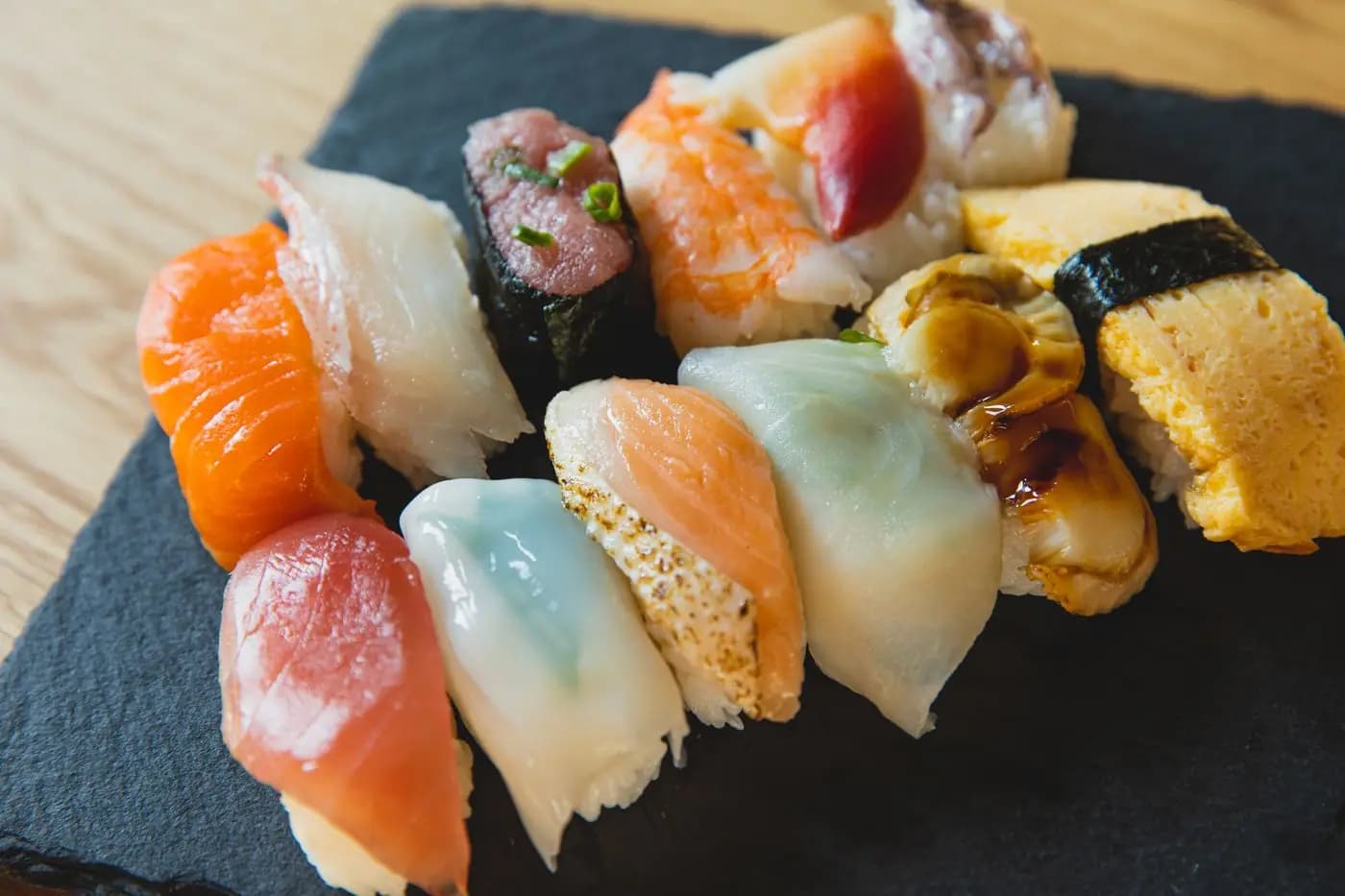
- Nigiri: a hand-pressed mouthful of rice topped with a slice of fish or seafood (the neta). It is the basic unit at the counter, served one piece at a time, or in pairs at conveyor-belt restaurants.
- Maki: rice and filling rolled in a sheet of nori. Hosomaki is thin (one ingredient, cucumber or tuna), futomaki thick and colourful. California rolls and inside-out rolls are an American invention, rare in a traditional sushi-ya.
- Gunkan ("battleship"): an oval of rice wrapped with a strip of nori holding a soft topping: salmon roe (ikura), sea urchin (uni), tiny fish.
- Temaki: a hand-rolled cone of nori, to be eaten at once before the seaweed goes soft.
- Chirashi: a bowl of vinegared rice covered with assorted fish and roe. Good value at lunch, especially around the markets.
- Inari: rice tucked into a sweet pocket of fried tofu, with no fish, often the only vegetarian sushi on a menu (careful: the pocket is simmered in a broth that may contain dashi).
- Oshizushi: sushi pressed in a wooden mould, an Osaka speciality (battera with mackerel).
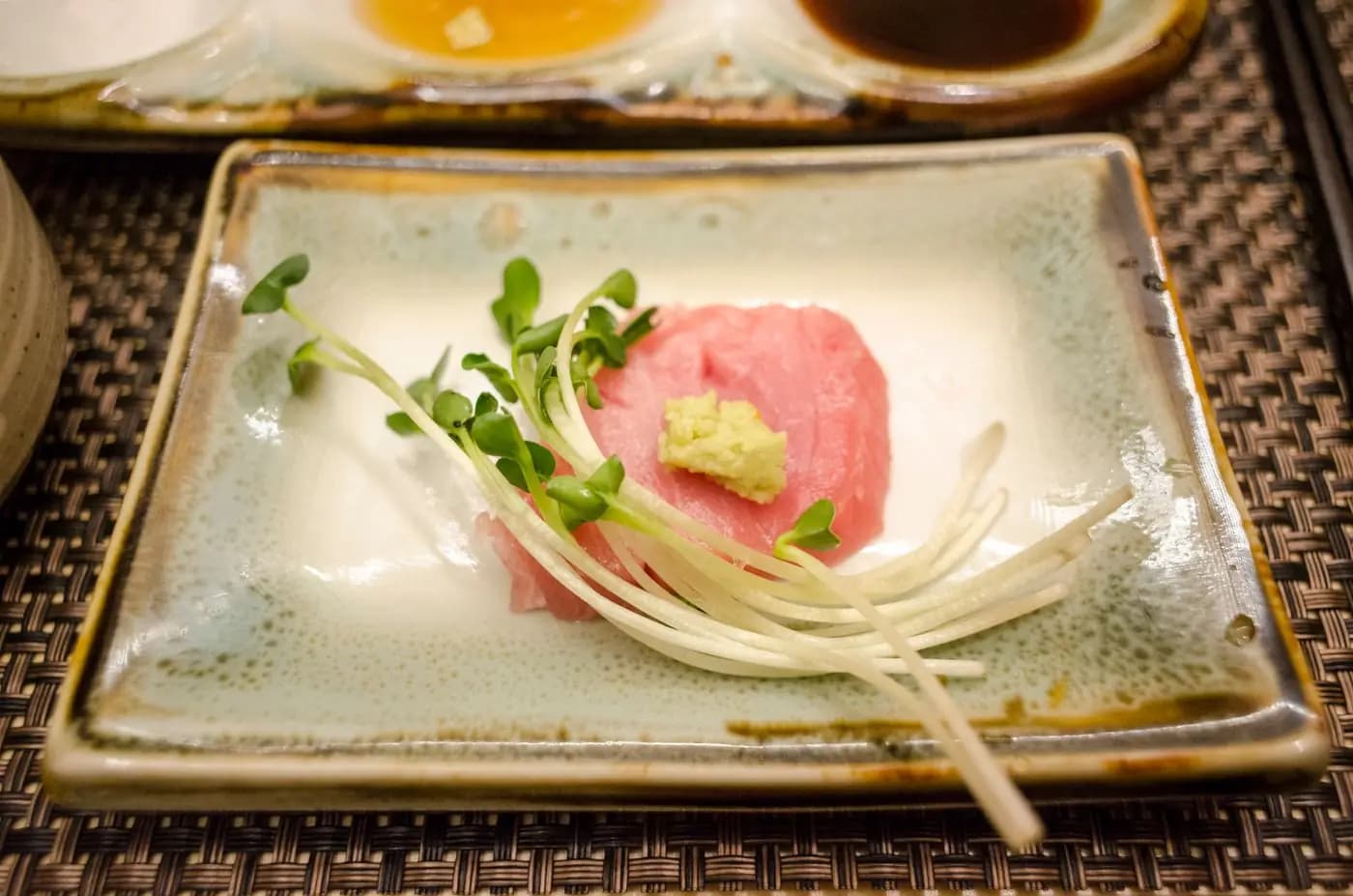
Sashimi is sliced raw fish served on its own with grated radish, a shiso leaf and wasabi. At the counter it is often served at the start of the meal, before the nigiri.
What appears on a counter changes with the season: skipjack (katsuo) in spring and autumn, conger eel (anago) in summer, yellowtail (buri) and fatty tuna (otoro) in winter. Asking "osusume wa?" ("what do you recommend?") is the best way to get the best of the day.
Omakase counter etiquette: what to do and what to avoid
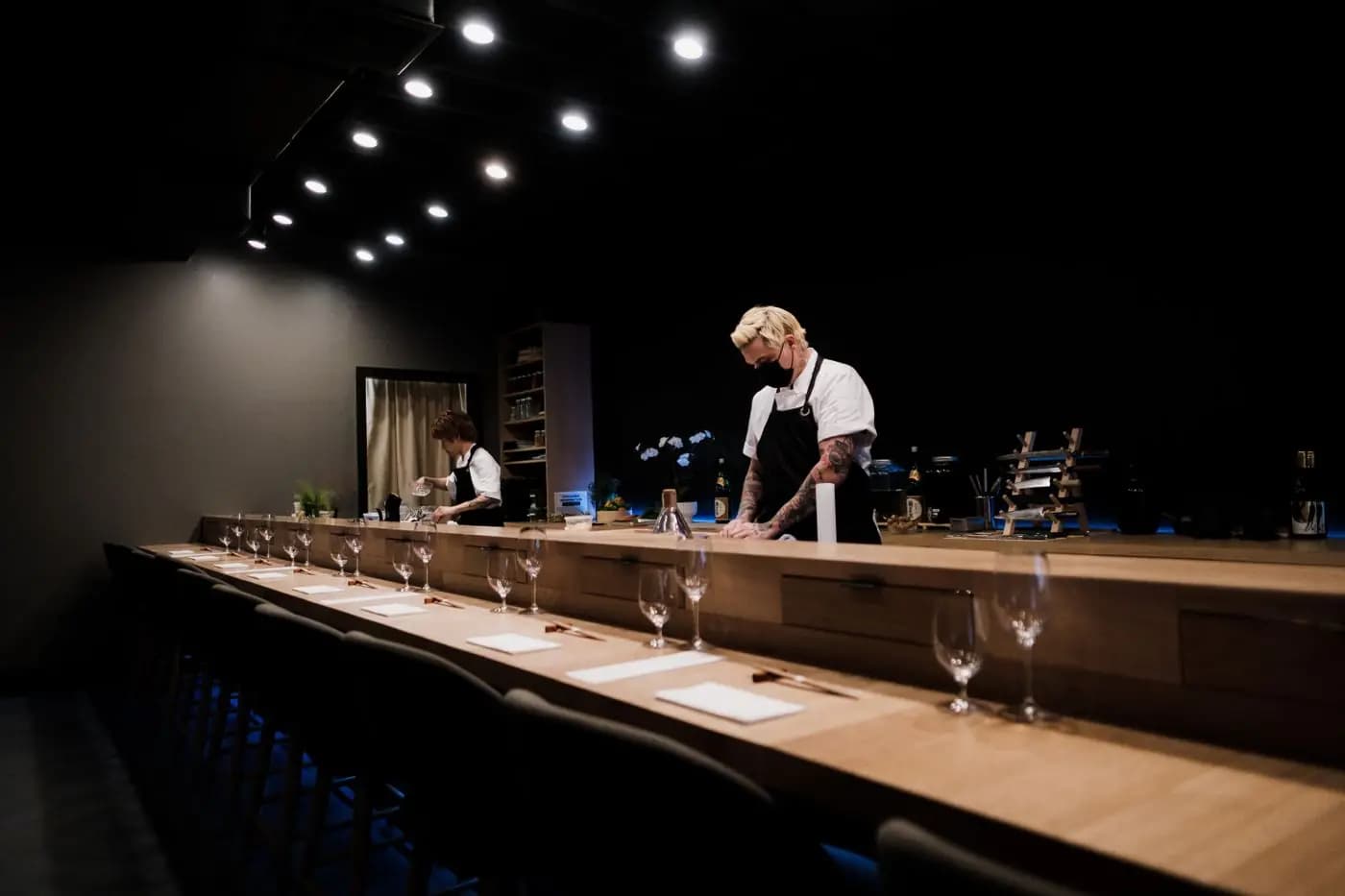
Omakase ("I'll leave it to you") is the counter's signature format: the chef serves 15 to 20 pieces in a row, from the lightest to the richest, adjusting the seasoning of each. Most high-end counters have only 8 to 12 seats, often two sittings a night (around 6pm and 8:30pm), and charge the full menu for late cancellations.
What is expected:
- Be on time, or even five minutes early. In many places the whole counter starts together.
- No strong perfume: it masks the smell of the fish and bothers your neighbours.
- Eat each nigiri as soon as it is served. The rice is served lukewarm and the neta cut at the right temperature; two minutes waiting for a photo, and it is no longer the same sushi.
- One bite. Biting a nigiri in half makes the rice fall apart.
- Fingers are fine for nigiri, and so are chopsticks. What you avoid is switching between them while hovering chopsticks over a shared dish.
- Ginger (gari) is eaten between pieces to cleanse the palate, not placed on the sushi.
- The hot towel (oshibori) is for your hands, not your face.
- Ask before taking photos. Many chefs agree; some counters forbid it.
Also avoid asking for extra soy sauce or wasabi when the chef has already brushed the piece with sauce (nikiri). If a piece arrives glossy, eat it as it is.
On price, in 2026 allow ¥15,000–25,000 for a good neighbourhood omakase, and ¥30,000–50,000 or more at Ginza's starred counters, drinks extra. At lunch many counters offer a shorter menu at ¥4,000–10,000: the best way in.
Soy sauce and wasabi: how to use them properly
This is where most blunders happen, often out of habits picked up in Europe.
- Don't stir wasabi into the soy sauce. In a decent restaurant, the chef has already placed a dab of wasabi between the rice and the fish. For sashimi, put a little wasabi directly on the slice, then dip it lightly in soy.
- Dip the fish, not the rice. Turn the nigiri over (easier with fingers) so only the neta touches the sauce. Rice soaks up soy like a sponge, overwhelms the bite and falls apart in the dish.
- Little sauce in the dish. Pour a few drops and top up if needed. Leaving a dish full of soy at the end of the meal looks wasteful.
- Gunkan (ikura, uni) are hard to dip: take a slice of ginger, dip it in soy and use it as a brush.
- No soy on pieces that are already seasoned (eel with sweet sauce, pieces brushed with nikiri, tamago omelette).
In good restaurants the wasabi is fresh, grated to order on a sharkskin grater (samegawa). It is more fragrant and less fiery than the green paste from a tube, which is often coloured horseradish. If you can't take the heat, say "sabi nuki" (no wasabi) when ordering: it is a common request, especially for children.
At conveyor-belt restaurants, wasabi sachets and ginger are self-service on the table, with a bottle of soy sauce. You make your own tea: green tea powder in the cup, then hot water from the tap built into the table (careful, it is scalding).
Conveyor-belt sushi or counter: which to choose?
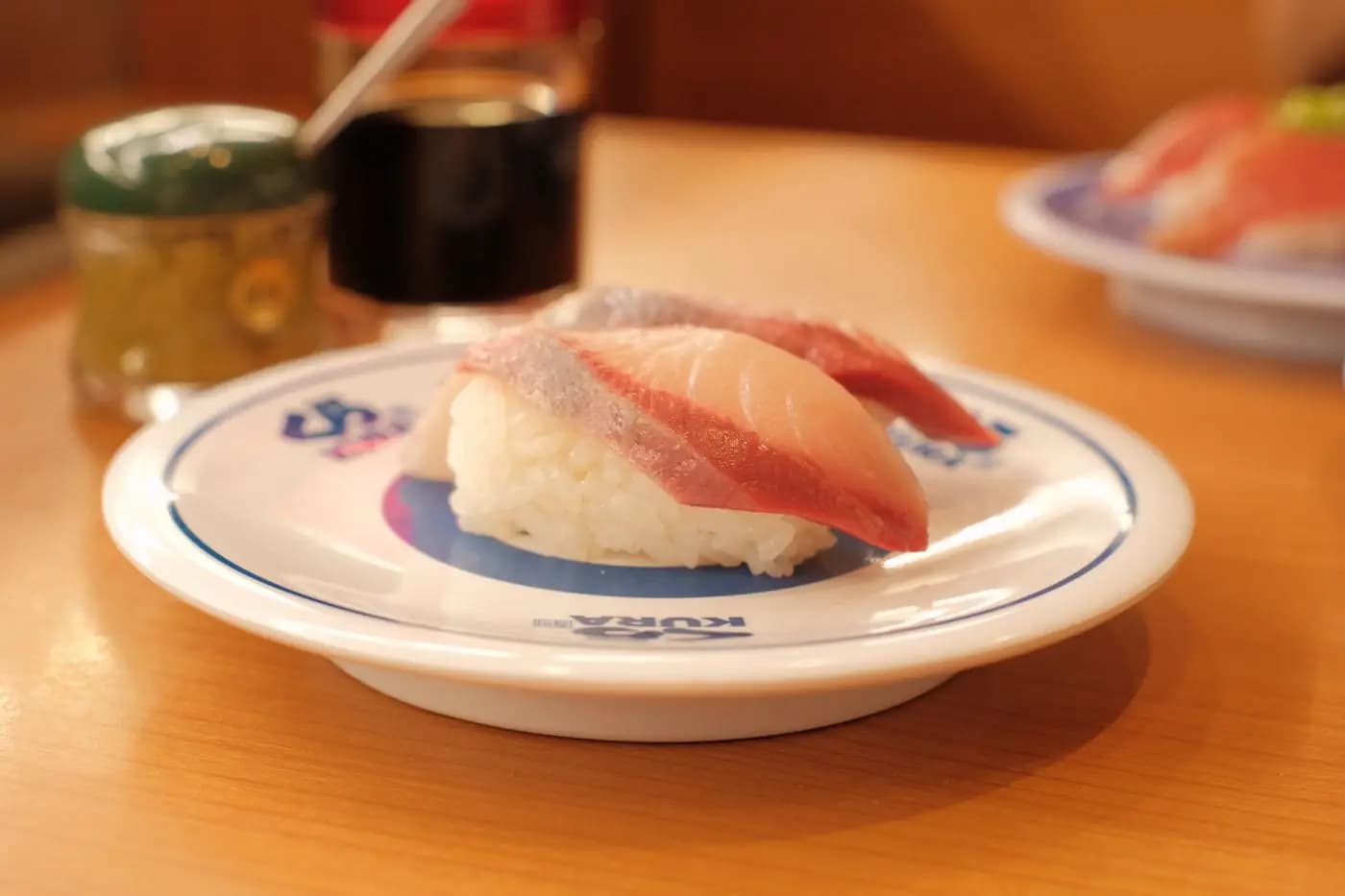
Kaitenzushi (conveyor-belt sushi) is not a tourist trap: it is where Japanese families eat their weekend sushi. The big chains have largely replaced the belt with ordering tablets (menus in English, sometimes French) and express rails that deliver the plate to your seat. The price is shown by the colour or pattern of the plate, from about ¥150 to ¥500 in 2026. Allow ¥1,500–3,000 per person to eat well.
The rules are simple: never put a plate back on the belt once taken, stack your empty plates (or slide them into the slot provided), and pay at the till or kiosk on the way out. In the evening and at weekends, the wait can exceed an hour in tourist areas: book a slot on the chain's app or at the entrance kiosk.
The counter offers something else: a chef choosing the fish of the day, house-seasoned rice, a rhythm. Between the two there is a very useful category, the neighbourhood counter or the upmarket market kaitenzushi (in Kanazawa, Hakodate or Fukuoka), where you eat very well for ¥3,000–6,000.
Our advice:
- First day, jet lag, children: kaitenzushi. No booking, no imposed rhythm, stop whenever you like.
- An evening that matters: counter omakase, booked several weeks ahead.
- A good compromise: a counter lunch menu, or chirashi near a market.
Note that omakase counters rarely accept children under 10 to 12, and many require a card to guarantee the booking.
Toyosu Market: watching the tuna auction and visitor rules
Since October 2018, Tokyo's fish market has no longer been in Tsukiji but in Toyosu, in Koto ward, right next to Shijo-mae station on the Yurikamome line. Tsukiji Outer Market still exists (stalls, knives, small restaurants), but the auction has moved.
The tuna auction takes place in the fisheries wholesale building, very early in the morning, Monday to Saturday on market days. There are two ways to watch it:
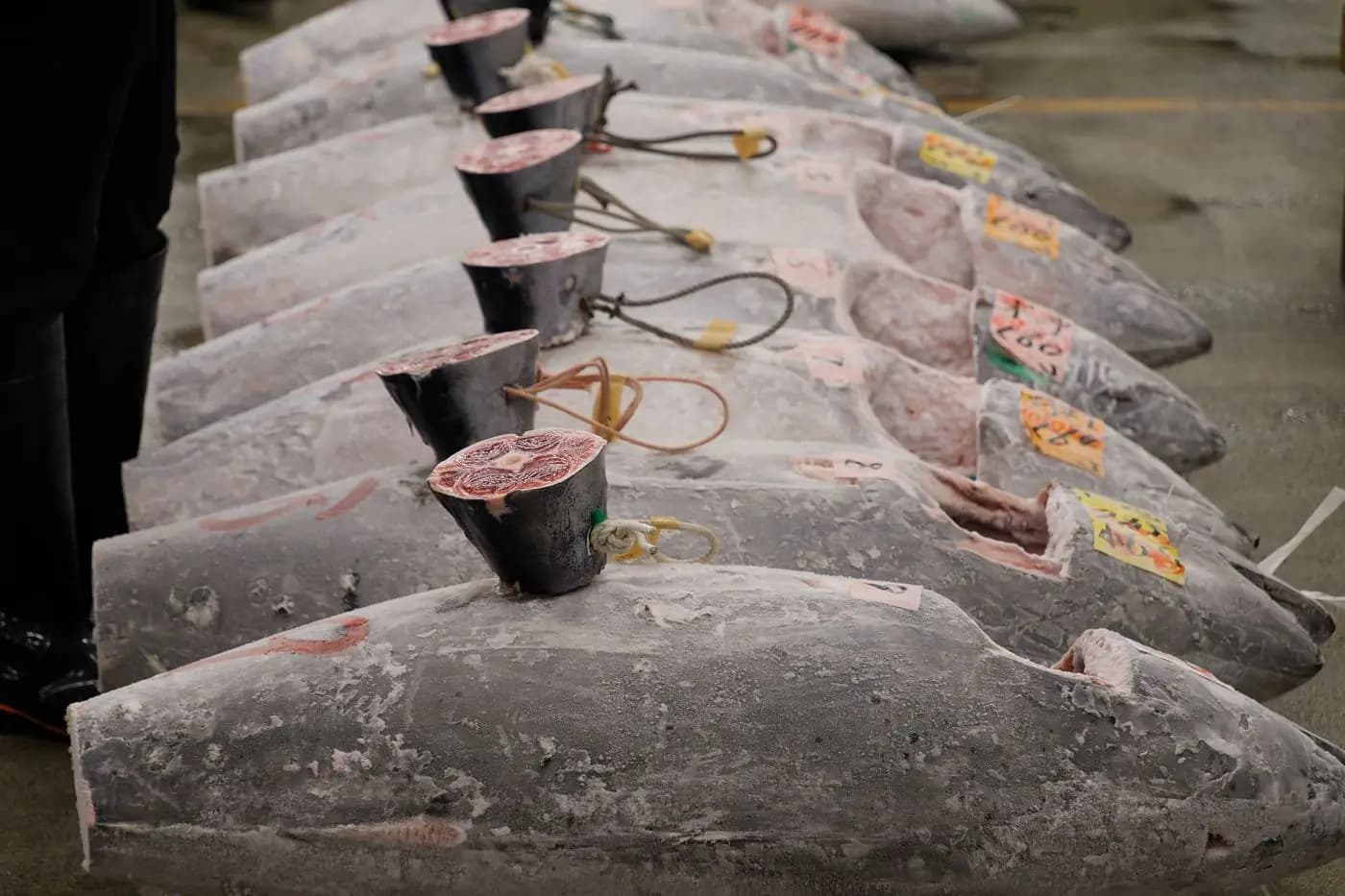
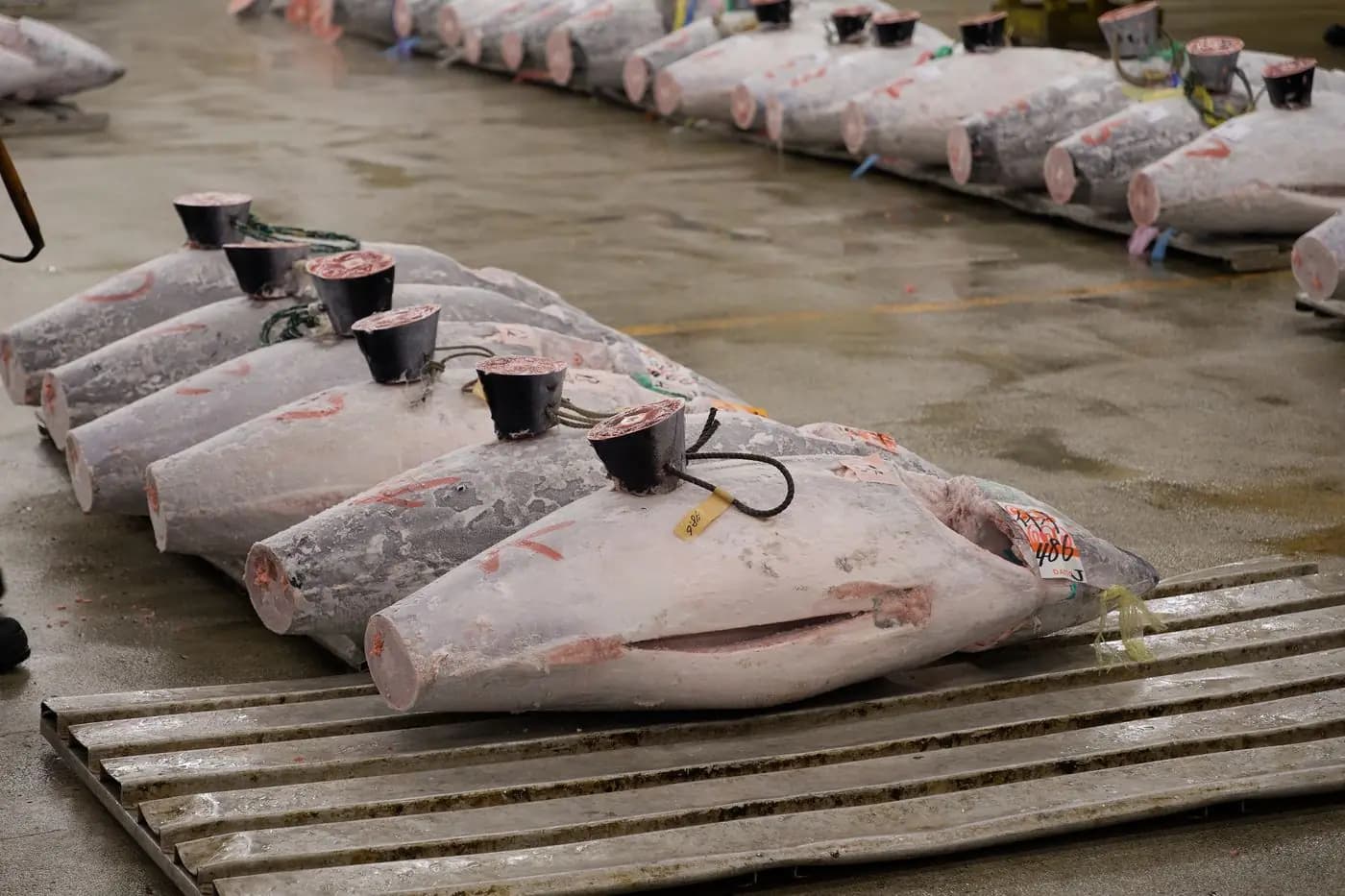
- The second-floor glass walkway: free, no booking. You look down on the hall through the windows from a few metres above. It is enough to understand the scene: frozen tuna lined up, buyers inspecting tail cuts by torchlight, bidding started by a hand bell.
- The lower observation deck: closer, with the sound. Access is by monthly lottery on the official site (around 100 places a day, applications open for about a week at the start of the previous month). The slot falls around 5:45–6:15am, so you need to be there before 5:30am, which means a taxi, as the first trains arrive too late.
Rules to follow: stay on the visitor routes, no flash, touch nothing, and give way to the electric carts (turrets), which move fast. The market has no public parking: use public transport or a taxi.
Closures: Sundays, public holidays and some Wednesdays, plus a few days around New Year. The official calendar is published for the year; check it before fixing a date.
After the auction, the market's sushi restaurants open from 5–6am. The best known show two- to three-hour waits; less famous neighbours serve excellent chirashi or a nigiri set for ¥3,000–6,000 with no queue. The Toyosu Senkyaku Banrai complex, opened in 2024 next to the market, adds a food court and an onsen.
Sushi for groups: private counters, chef-led workshops and market visits
Sushi is the meal every participant wants in Japan, and the hardest to serve to 40 people at once. A few proven formats:
- Privatised counter (8 to 14 people): ideal for an executive committee or challenge winners. Book 6 to 10 weeks ahead, fix the menu and drinks budget, and plan an interpreter if the chef is to comment on each piece.
- Several counters on the same evening: for 30 to 40 people, split the group across three or four places in the same district (Ginza, Akasaka), with one host per sub-group and a common meeting point after dinner.
- Private room in a sushi restaurant or hotel: 20 to 60 guests, sushi served on platters or by a chef working in the room. Less intimate, much simpler.
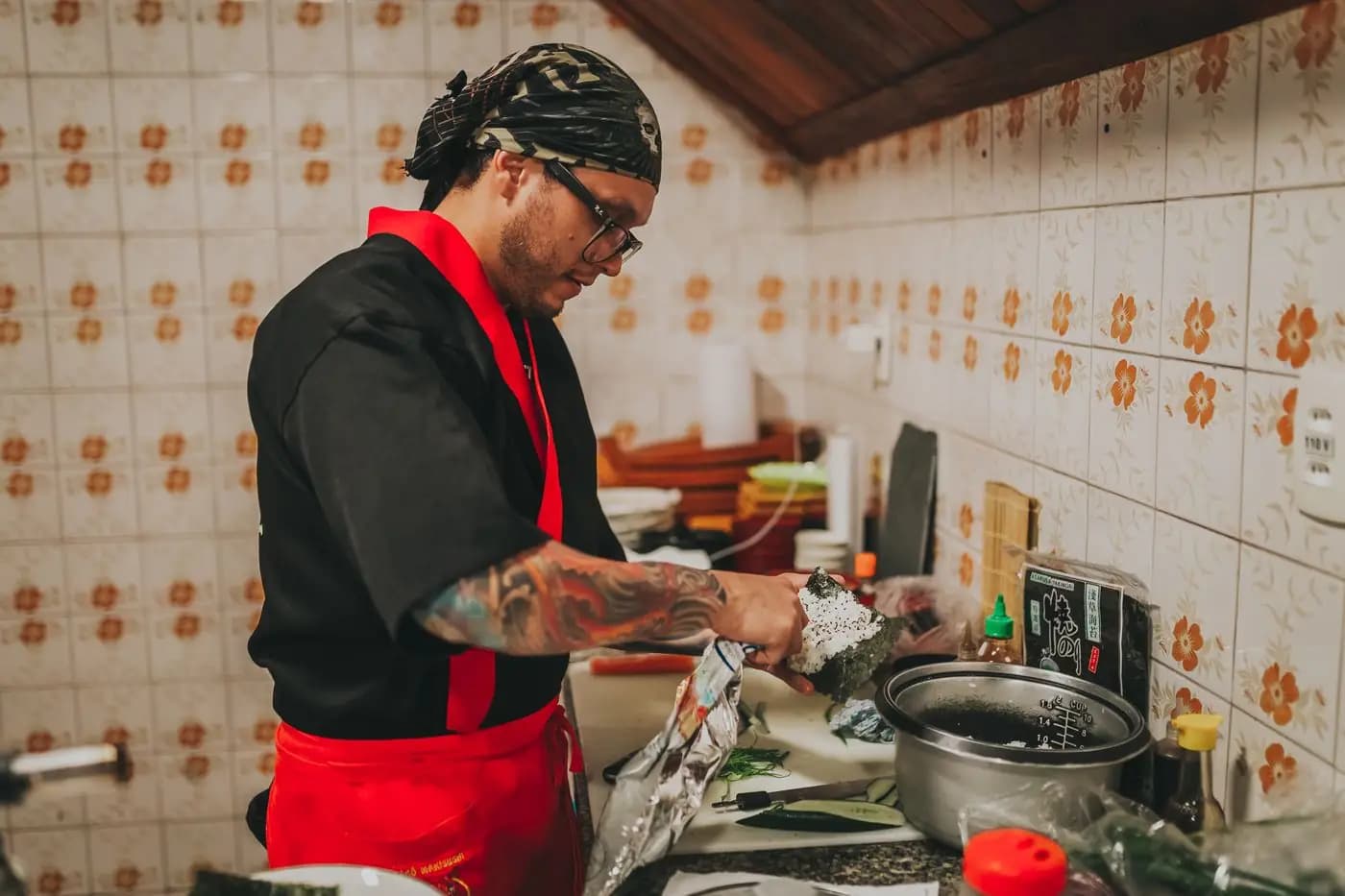
- Sushi workshop with a chef (10 to 40 people): 1h30 to 2 hours; everyone shapes their own nigiri and maki after a demonstration, then lunch. It is a very good team-building format, and it works for vegetarians too (cucumber, avocado, pickled vegetables, omelette).
- Toyosu at dawn: second-floor walkway with a guide explaining the auction, then a sushi breakfast. Above 20 people, split into two waves 15 minutes apart so as not to block the walkway. The lower deck, allocated by lottery, cannot be guaranteed for a group.
Three points to anticipate: shellfish and fish allergies (send them to the restaurant in advance, as the omakase is prepared in the morning), participants who don't eat raw fish (plan anago, tamago, vegetables, seared pieces), and timing: a group arriving 20 minutes late at a counter may lose part of the menu.
For groups combining the market, a workshop and a counter dinner, SHINOGI DMC handles the logistics (5am taxis, guides, splitting between restaurants, dietary needs) and selects places used to welcoming foreign visitors.
Frequently asked questions
What is the difference between sushi and sashimi?
Sushi is based on vinegared rice (nigiri, maki, gunkan, chirashi). Sashimi is sliced raw fish served without rice, with grated radish, shiso and wasabi.
Can you eat sushi with your fingers in Japan?
Yes, for nigiri it is entirely accepted, and it even makes dipping the fish in soy easier. Sashimi, however, is eaten with chopsticks.
Should you mix wasabi into soy sauce?
No. The chef already puts wasabi in the nigiri; for sashimi, place the wasabi on the slice before dipping it lightly in soy.
How can you watch the Toyosu tuna auction?
Without booking from the second-floor glass walkway, early in the morning Monday to Saturday (except closure days). The closer lower deck is allocated by a monthly lottery on the market's official site.
How much does sushi omakase cost in Tokyo?
In 2026, about ¥15,000–25,000 at a good neighbourhood counter and ¥30,000–50,000 or more at Ginza's renowned places, drinks excluded. Shorter lunch menus start around ¥4,000.
Can a group book a sushi counter?
Yes, by privatising a counter for 8 to 14 people, or by splitting a larger group across several restaurants on the same evening. Book 6 to 10 weeks ahead and send allergies in advance.
Rédaction SHINOGI DMC · Updated
Sources
- Tokyo Metropolitan Government — Information about Toyosu Market
- Toyosu Market — Tirage au sort pour l'observation de la criée au thon (site officiel)
- Marché central de gros de Tokyo — Calendrier 2026 des jours d'ouverture
- JNTO — Japanese Food Etiquette Guide
- JNTO — Gastronomy
- Kanpai — Visites au Japon (inspiration)