How sake is made: from polished rice to bottle
People often say "rice wine", but the process is closer to brewing beer, only more complex. Rice contains starch, not sugar, so it must first be converted. That is the job of koji, a mould (Aspergillus oryzae) grown on steamed rice. It turns starch into sugar while the yeast, in the same tank, turns that sugar into alcohol. This multiple parallel fermentation reaches nearly 20% alcohol before dilution, more than any wine.
The steps, in order:
- Polishing: the outer layer of the grain is removed, rich in proteins and fats that give heavy flavours. The more you polish, the finer and more aromatic the sake, and the higher the price.
- Washing, soaking, steaming: for highly polished rice, soaking time is sometimes measured in seconds.
- Koji-making: two days in a warm, humid room (the koji-muro) at 30–35°C. Brewers consider it the most important step.
- Yeast starter (shubo): a small yeast-rich mash prepared over two to four weeks.
- Moromi: rice, koji and water are added to the starter in three stages over four days (sandan shikomi), then fermentation lasts three to five weeks, at low temperature for ginjo.
- Pressing, filtering, pasteurising (usually twice, except for "nama" sake), then a few months' rest and dilution to 15–16%.
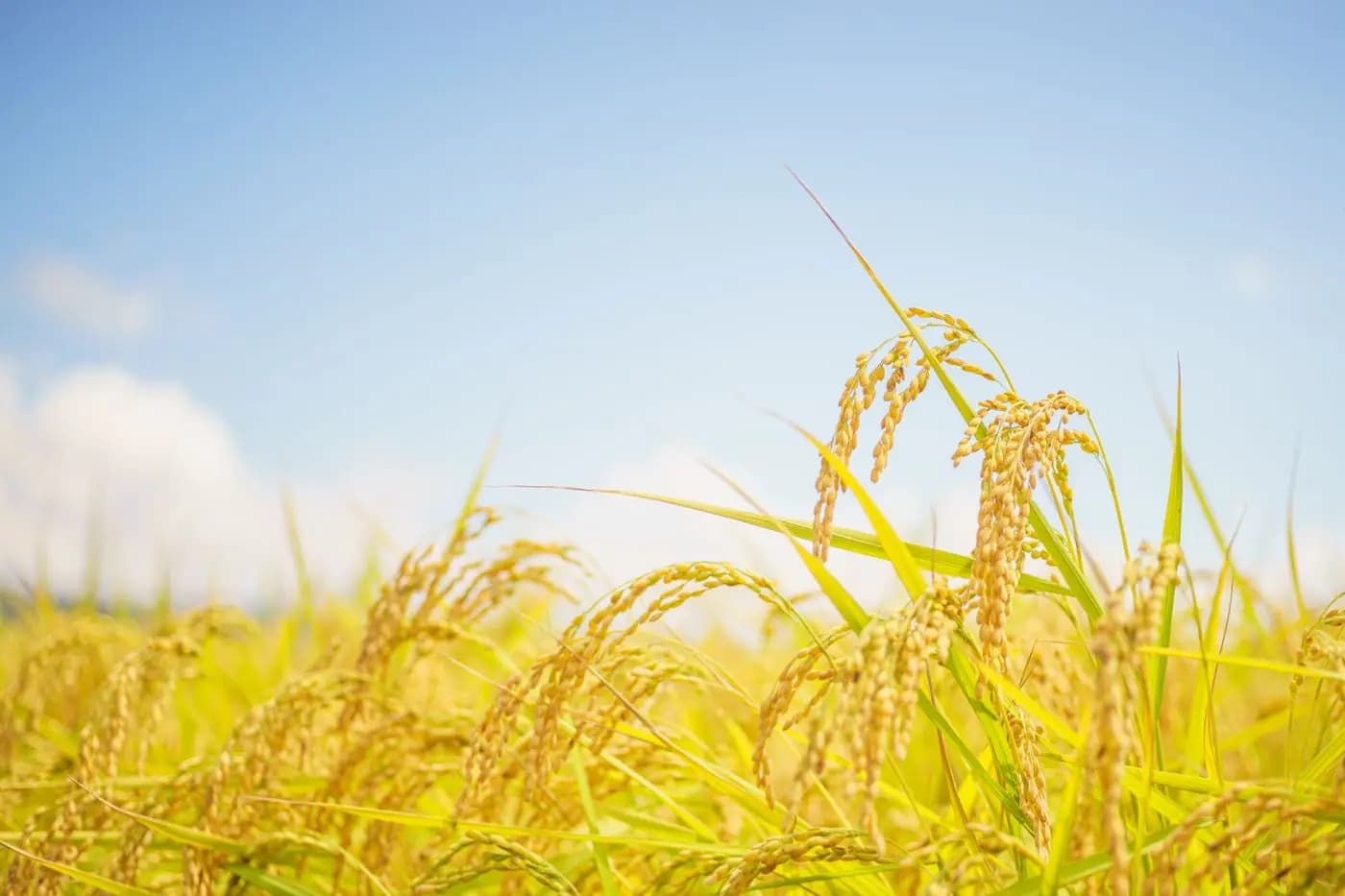
Rice matters: sake rice varieties (sakamai) such as Yamada Nishiki, Omachi or Gohyakumangoku have a large starchy core that withstands polishing. So does water: Nada's hard water (miyamizu) gives firmer sakes, Fushimi's soft water rounder ones.
The traditional brewing season runs from October to March. In December 2024, the know-how of sake-making with koji was inscribed on UNESCO's Intangible Cultural Heritage list.
Junmai, ginjo, daiginjo: understanding sake grades
Japanese law defines eight categories of "special designation" sake (tokutei meishoshu). They rest on just two criteria: the polishing ratio (seimaibuai, the percentage of the grain remaining after polishing) and whether brewer's alcohol is added at the end of fermentation.
Sakes without added alcohol carry the word junmai:
- Junmai daiginjo: rice polished to 50% or less, ginjo method (slow, cold fermentation).
- Junmai ginjo: rice polished to 60% or less, ginjo method.
- Tokubetsu junmai: 60% or less, or a special method stated on the label.
- Junmai: no minimum ratio required; the ratio simply has to appear on the label.
Sakes with a little added alcohol (at most 10% of the rice weight):
- Daiginjo: 50% or less.
- Ginjo: 60% or less.
- Tokubetsu honjozo: 60% or less, or a special method.
- Honjozo: 70% or less.
Everything else is futsushu, "ordinary" sake, which makes up most of production and is not necessarily bad.
Two misconceptions to correct. First, added alcohol is not cheating: in small amounts it draws out aromas and lightens the sake; many competition daiginjo contain it. Second, more polished does not mean better for everything: a very aromatic daiginjo (melon, pear, banana) can overpower a grilled dish, whereas a rounder, more acidic junmai suits a meal better.
2026 price guide in Japan, 720 ml bottle in a shop: ¥1,500–2,500 for a good junmai, ¥2,500–5,000 for a junmai ginjo, ¥4,000–10,000 and well beyond for a daiginjo.
How to read a sake label
A Japanese label looks unreadable, but the useful information is always on the back, in a small box. Here are the items to look for, with their kanji:
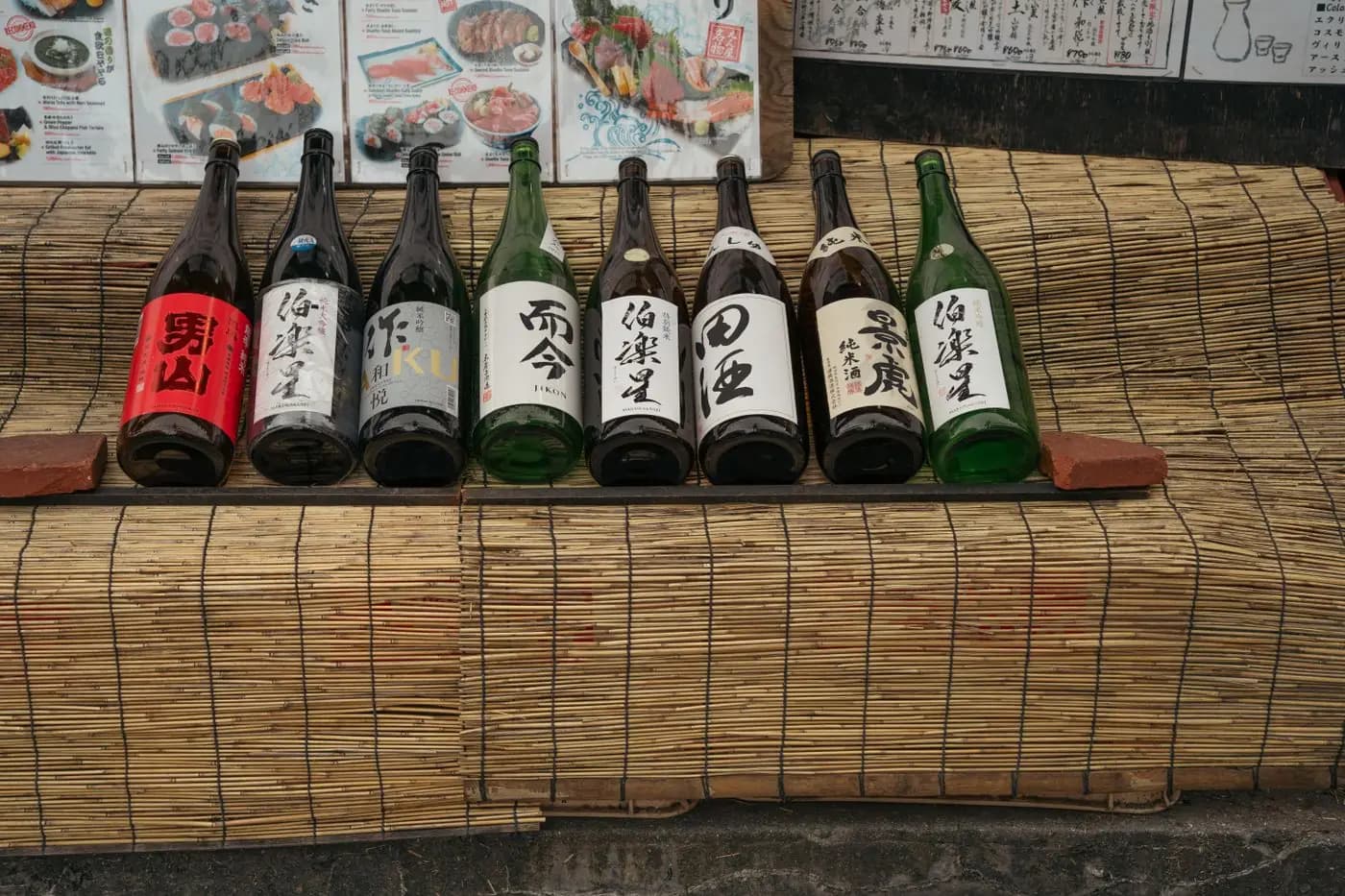
- 精米歩合 (seimaibuai): polishing ratio, for example 50%.
- 原料米 (genryomai): rice variety (山田錦 Yamada Nishiki, 雄町 Omachi…).
- アルコール分 (arukoru-bun): alcohol content, usually 15–17%, up to 20% for genshu.
- 日本酒度 (nihonshu-do) or SMV: a density measure. Above +3, the sake will lean dry; below -1, sweet. It is an indicator, not a rule: acidity changes perception a lot.
- 酸度 (sando): acidity. The higher it is, the drier and more structured the sake seems.
- 製造年月 (seizo nengetsu): month of bottling, not the harvest year. Sake is generally drunk within the year; nama within a few months.
Style terms that change everything:
- 生 (nama): unpasteurised, fresh and lively, to be kept refrigerated.
- 原酒 (genshu): undiluted, more powerful (17–20%).
- 無濾過 (muroka): not charcoal-filtered, more colour and body.
- にごり (nigori): cloudy, with rice particles; gently turn the bottle before serving.
- 生酛 / 山廃 (kimoto / yamahai): traditional starter methods, more acidic and richer sakes, excellent warmed.
- 古酒 (koshu): sake aged several years, amber, with nutty and caramel notes.
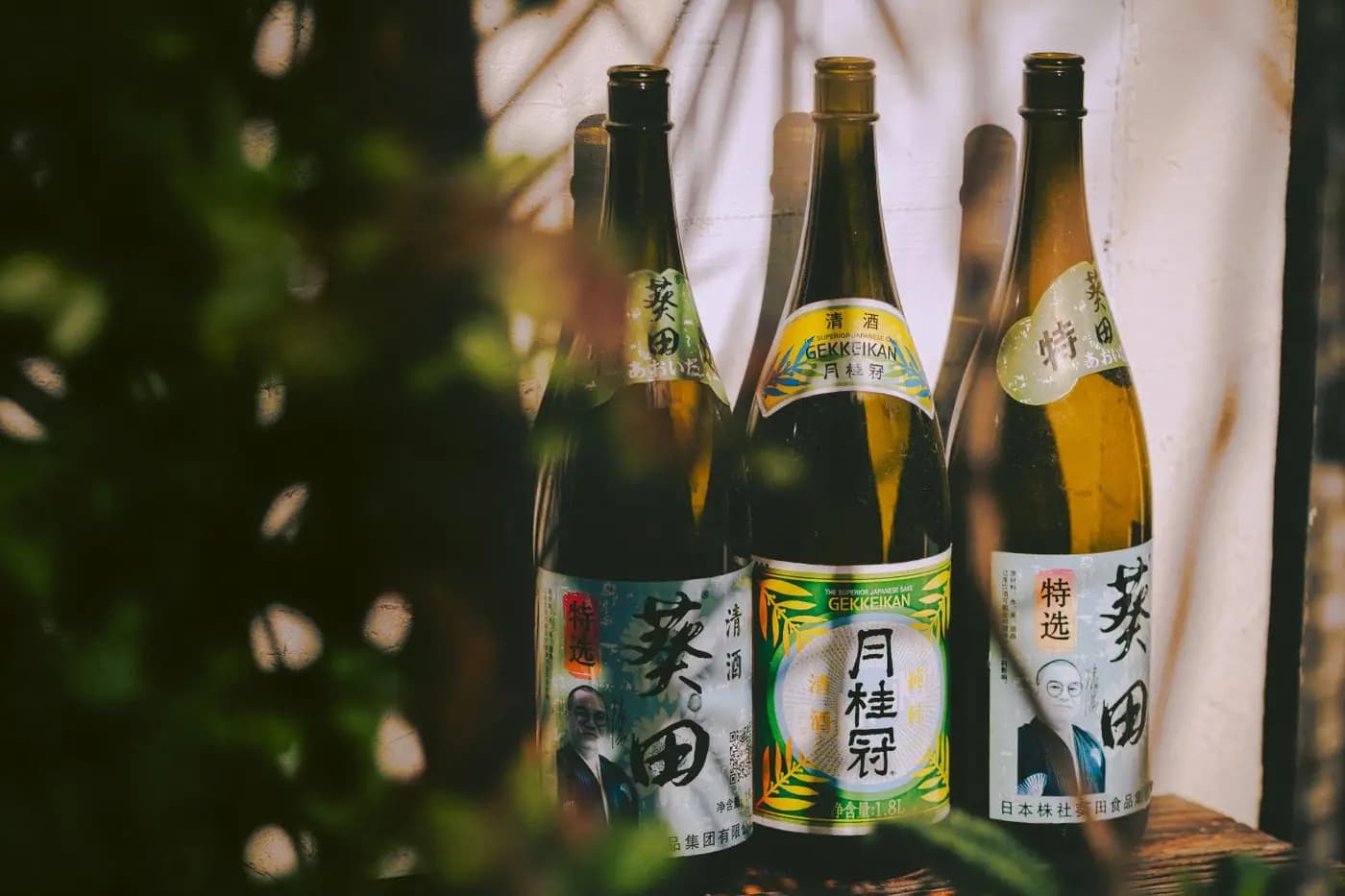
One last practical point: bottle size. The isshobin holds 1.8 litres (the restaurant bottle), the yongobin 720 ml. To take sake back to Europe, 720 ml bottles travel better, and duty-free allowances are limited: check the quantities allowed in your country of arrival before buying several bottles.
Hot or cold sake: the right serving temperature
Sake is one of the few drinks served at anything from 5 to 55°C. Japanese has a word for each level, which tells you how much it matters.
On the cool side:
- Yukibie ("snow cold", around 5°C): for nama and very light sakes; any colder and the aromas disappear.
- Hanabie (around 10°C) and suzubie (around 15°C): the ideal zone for ginjo and daiginjo, which keep their fruity notes.
- Hiya: room temperature, around 20°C. Careful: in an izakaya, "hiya" often just means "not heated".
On the warm side (kan):
- Hitohada-kan (around 35°C) and nurukan (around 40°C): the sake rounds out and the umami comes forward. Perfect for a junmai or yamahai.
- Jokan (around 45°C) and atsukan (around 50°C): for robust sakes and winter, with oden or grilled food.
- Tobikiri-kan (55°C and above): for simple sakes and very cold nights.
The classic mistake in Europe is to serve cheap sake piping hot to hide its flaws, or to warm an expensive daiginjo, which destroys exactly what you paid for. In a good izakaya, ask "okan de osusume wa?" ("which do you recommend warm?"): the owner will choose both sake and temperature.
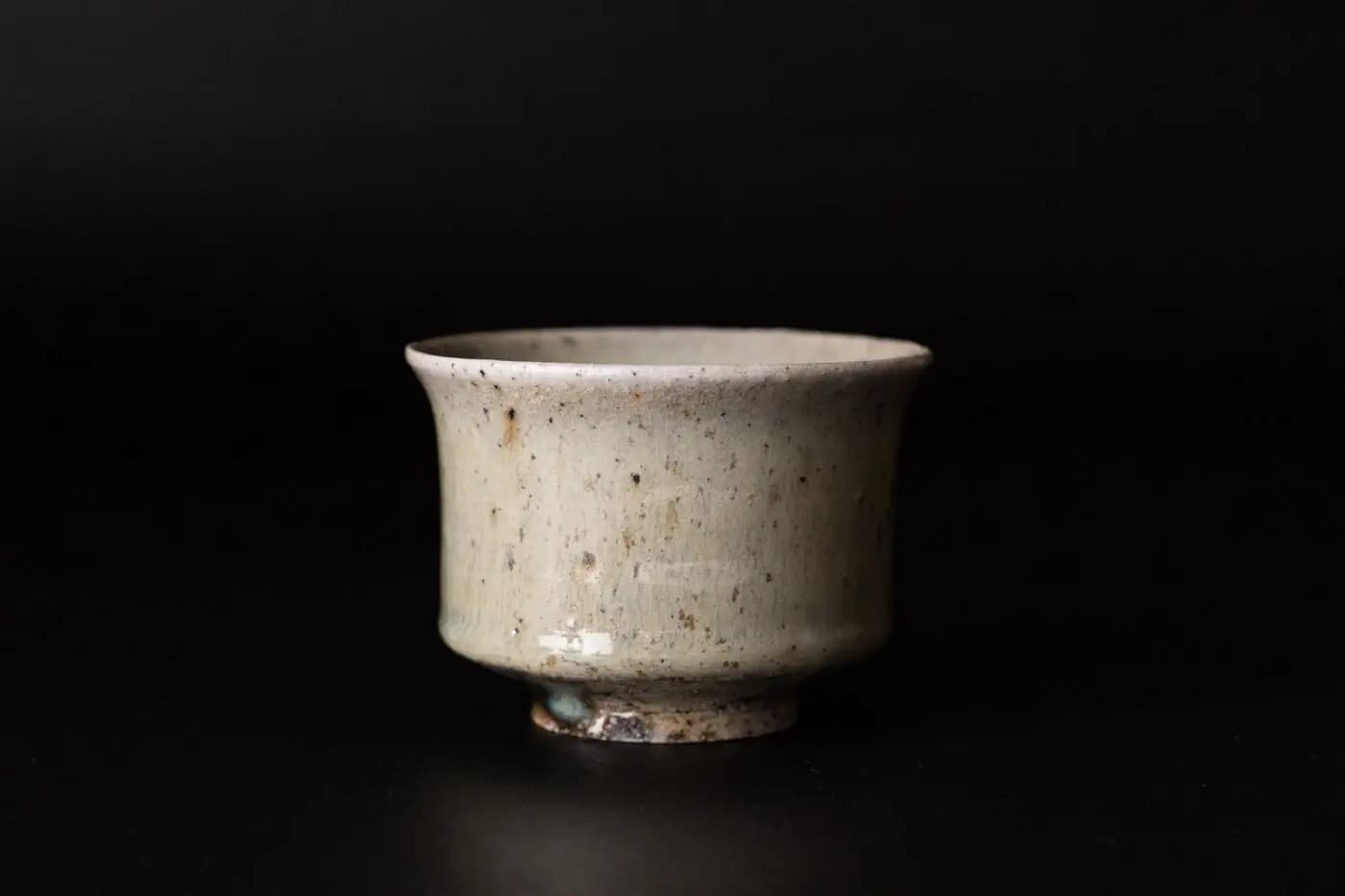
As for vessels: the tokkuri (flask) and ochoko (small cup) for warm sake, a wine glass for ginjo (it concentrates the aromas), and the masu, a square cedar box, more folkloric than practical, since the wood flavours the drink. In some bars the glass sits in a masu or saucer and the server pours until it overflows: a gesture of generosity, not clumsiness. Finally, etiquette says you pour for your neighbours and let them fill your cup.
Breweries to visit: Fushimi, Nada and Saijo
Japan has more than a thousand active breweries, but many are small, rural and closed to visitors during the brewing season. Three districts gather breweries that are easy to reach by train and used to visitors.
Fushimi (Kyoto). Around twenty breweries along canals and wooden warehouses, 15 minutes from central Kyoto (Chushojima or Fushimi-Momoyama stations, Keihan line). The Gekkeikan Okura Sake Museum is the simplest visit: about ¥600 per adult, including a tasting of three sakes and a small gift, open 9:30am–4:30pm (except closure periods). Since July 2026 payment is cashless only (card, QR code), and each booking is capped at 12 people. You can follow it with a boat ride on the canal (jikkokubune, roughly April to early December) and lunch at a brewery-run sake bar offering tasting sets. Allow half a day.
Nada (Kobe). The country's largest production area, along the coast between Kobe and Nishinomiya, with five brewing "villages" (Nada Gogo). Several museums are free, including the Hakutsuru Sake Brewery Museum (9:30am–4:30pm, last entry 4pm) and Kiku-Masamune's, with tastings and shops. Access via Hanshin stations (Sumiyoshi, Uozaki, Mikage). Easy to combine with a Kobe beef lunch.
Saijo (Higashi-Hiroshima). Seven breweries a few minutes' walk from JR Saijo station, about 35 minutes from Hiroshima by train. Brick chimneys and white namako-patterned walls make it the most photogenic district. The Saijo Sake Matsuri takes place every year on the second weekend of October: 10–11 October 2026, with hundreds of sakes from all over Japan to taste. Packed, but spectacular.
Visiting rules: working breweries often ask you not to eat natto that day (its bacteria can contaminate the koji), not to touch the tanks, and to wear closed shoes. Production-floor tours are rare in winter; museums and tasting rooms are open year-round.
Sake tasting and brewery visits for groups
A brewery visit is one of the easiest cultural activities to organise for a group in Japan: people learn, taste, take home a bottle, and the mood relaxes. A few rules make it work.
- Group size: it varies a lot between breweries. The Gekkeikan museum, for example, caps each group at 12 and no longer accepts groups of 13 or more; the Hakutsuru museum in Nada, by contrast, takes large groups (booking required from 10 people). For a production tour led by a brewer, groups rarely exceed 15 to 20 per slot. Beyond that, split the group into rotations, one touring, one tasting.
- Tasting format: 5 to 7 sakes in 1h30 with a sake sommelier (kikisake-shi) and an interpreter, from junmai to daiginjo, with a nama and a warm sake for comparison. Pairing each glass with a bite (tofu, dried fish, cheese) helps a lot.
- Timing: late morning or early afternoon, before lunch, rather than at the end of the day with tired participants.
- Transport: private coach or train. Japan's drink-driving limit is very low (0.15 mg per litre of breath), and penalties also apply to passengers who let a drunk driver drive. No participant drives.
- Non-drinkers and minors: breweries offer alcohol-free drinks (amazake, a non-alcoholic sweet rice drink, or the brewery's spring water). The legal drinking age is 20.
- Shopping: shops ship bottles to the hotel, so nobody carries them all day. For the flight home, bottles travel in checked luggage, well wrapped.
A typical half-day in Fushimi: a brewery museum in sub-groups, a canal walk, a guided tasting at a brewery, and a seasonal lunch paired with sake. For groups of 30 to 80, SHINOGI DMC books brewery slots, manages rotations, interpreting and transport from Kyoto or Osaka.
Frequently asked questions
What is the difference between junmai, ginjo and daiginjo?
Junmai means no added alcohol. Ginjo and daiginjo refer to rice polishing: 60% or less for ginjo, 50% or less for daiginjo, with a slow, cold fermentation. They combine: junmai daiginjo.
Is sake drunk hot or cold?
Both. Ginjo and daiginjo are served chilled, around 10–15°C; junmai, honjozo and yamahai are often better warm, between 40 and 45°C.
How strong is sake?
Usually 15–16%, sometimes 17–20% for undiluted genshu. Some light or sparkling sakes are under 10%.
Where can you visit a sake brewery near Kyoto?
In Fushimi, 15 minutes from the centre by Keihan train: the Gekkeikan Okura Sake Museum (about ¥600 with tasting) and several breweries with tasting bars. Nada, in Kobe, is about an hour away.
How do you read the nihonshu-do on a label?
It is a density index: positive means the sake leans dry, negative means sweet. Around 0 it is balanced. Acidity, however, changes the impression a lot.
Can a brewery host a group of 50 people?
Yes, at a Fushimi or Nada brewery that accepts groups, by reservation, splitting the group into rotations (tour and tasting). Some, like the Gekkeikan museum, cap groups at 12. Plan a coach, an interpreter and alcohol-free drinks.
Rédaction SHINOGI DMC · Updated
Sources
- National Tax Agency — Japanese Sake (classification et étiquetage)
- JNTO — Sake 101, the Ultimate Guide to Japanese Sake
- JNTO — Japanese Sake & Breweries
- Gekkeikan — Okura Sake Museum, visite et tarifs (site officiel)
- Hakutsuru — Hakutsuru Sake Brewery Museum (site officiel)
- Hanshin — Nada sake breweries guide (Hakutsuru)
- JNTO — An introduction to Sake culture in Hiroshima
- UNESCO — Traditional knowledge and skills of sake-making with koji mold in Japan