What is washi, and why Mino?
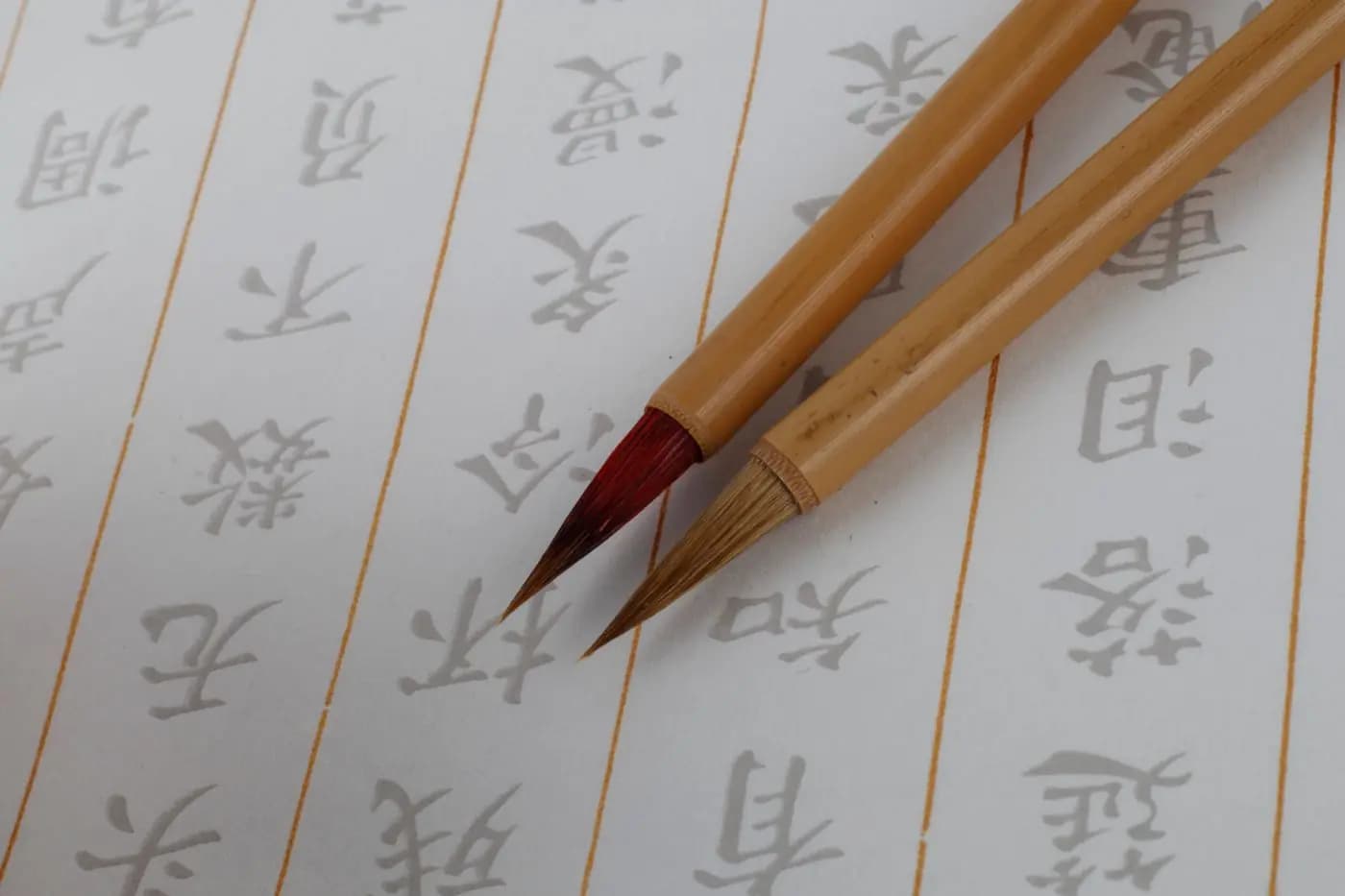
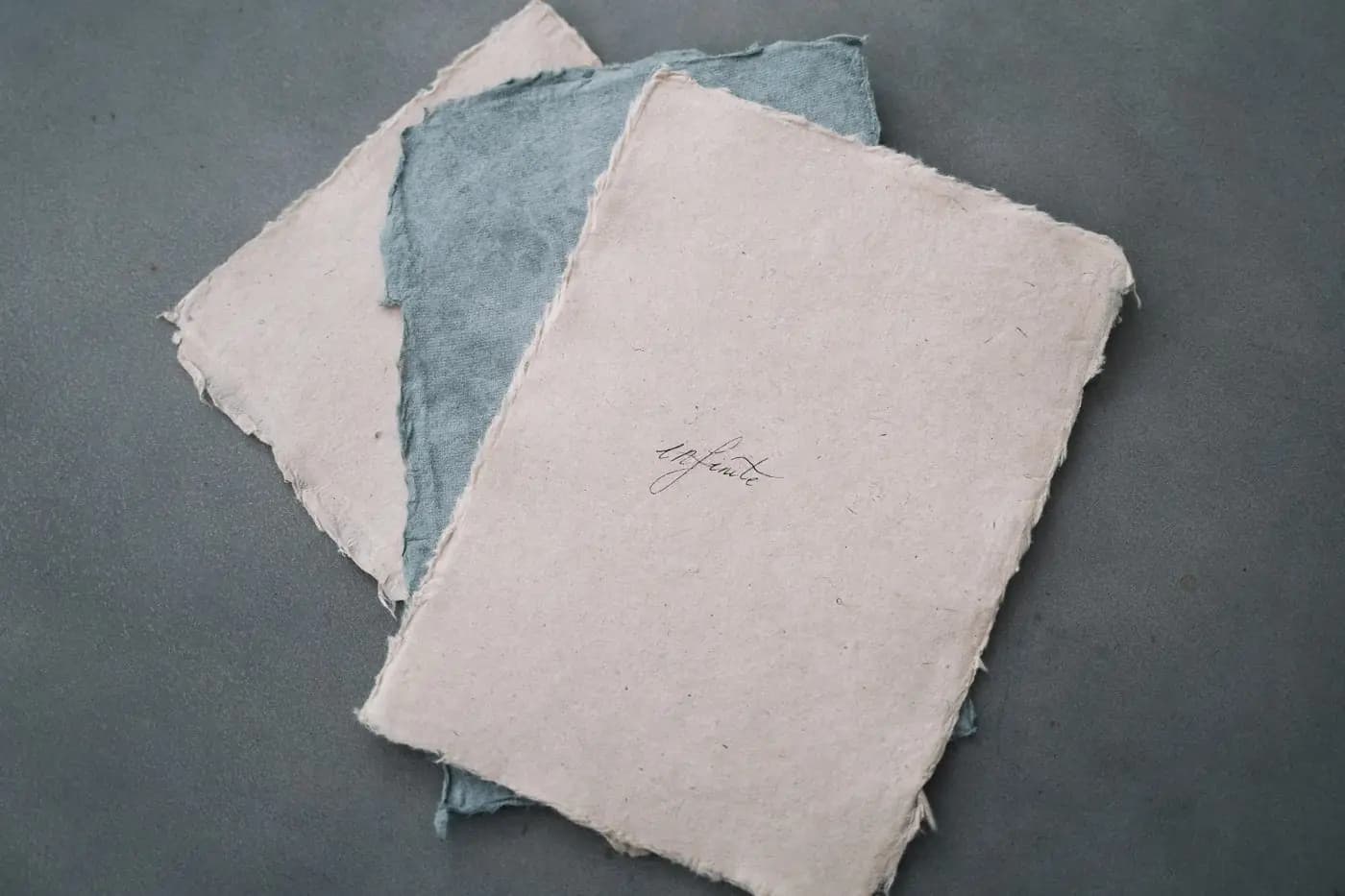
Washi is Japanese handmade paper made from long bark fibers: mainly kozo (paper mulberry), but also mitsumata and gampi. These fibers, ten times longer than the wood fibers used for industrial paper, interlock without being crushed. The result is a very thin, translucent yet strong paper that folds, crumples and lasts for centuries.
Mino, a small town of about 19,000 people in the center of Gifu Prefecture, is one of its cradles. The Nagara River and its tributaries provide cold, clear water, and the surrounding mountains provided the kozo. The Shosoin, the imperial treasure house in Nara, holds family registers from Mino Province dated 702, among the oldest paper in Japan. In the Edo period, Mino paper was used for the shoji of samurai residences and for official documents; its reputation was such that "minogami" became a standard size.
Today, the sector distinguishes three levels:
- Mino washi in the broad sense, recognized by the state as a "traditional craft" since 1985, made by hand or by machine depending on the workshop;
- Hon-minoshi, handmade under strict rules, an Important Intangible Cultural Property since 1969;
- technical papers such as tengujo, so thin that it is used to restore artworks and old books in museums around the world.
A handful of makers keep Hon-minoshi alive, grouped in a preservation society that also trains apprentices.
Hon-minoshi, UNESCO heritage: how is it made?
In 2014, UNESCO inscribed "Washi, craftsmanship of traditional Japanese hand-made paper" on its Intangible Cultural Heritage list. Three papers are covered: Hon-minoshi from Mino, Sekishu-banshi from Hamada (Shimane) and Hosokawa-shi from Ogawa and Higashichichibu (Saitama). What they share: kozo only, and techniques handed down without mechanization.
For a sheet to be called Hon-minoshi, the process follows these steps:
- the material: only Nasu kozo grown in Daigo, Ibaraki Prefecture, prized for its fine, glossy fibers;
- cooking the white inner bark with plant ash or soda ash, without harsh chemicals;
- cleaning in cold water and removing every impurity by hand ("chiri-tori"), several hours of work per kilo, often done by local women;
- beating the fibers with a mallet, then mixing them in the vat with neri, a mucilage taken from the tororo-aoi root, which slows the drainage of water;
- forming the sheet by nagashizuki: the maker dips the mould and rocks it front to back, then, a Mino specialty, also side to side. The fibers align in every direction and the sheet becomes even and strong;
- sun-drying on wooden boards ("itaboshi"), which gives the surface its soft, slightly lustrous look.
A sheet of Hon-minoshi is so even that, held up to the light, you can barely see any texture. It costs several thousand yen per sheet, and annual production remains very small.
Mino's Udatsu district: what to see in the old town
Mino's historic center has been designated since 1999 as a Preservation District for Groups of Traditional Buildings. It takes its name from the udatsu, the raised firewalls that rise above the roofline between two houses. The wealthiest paper merchants competed with ornate udatsu, so much so that the Japanese expression "unable to raise one's udatsu" still means "failing to get ahead in life". Two parallel streets, laid out like a ladder, hold some twenty udatsu facades.
What to see, in 1.5 to 2 hours:
- the former Imai residence and Mino history museum: the home of a wealthy paper merchant, with its inner garden and its "suikinkutsu" (a buried jar that rings under dripping water); ¥300, or ¥400 combined with the Akari gallery;
- the Mino Washi Akari Art Kan: a gallery of award-winning washi lamps from the annual competition;
- paper shops: cards, notebooks, envelopes, shoji paper and calligraphy paper, from ¥300 to several thousand yen a sheet depending on quality;
- the Kozuchi river port with its wooden lighthouse, a reminder of the days when paper was shipped down the Nagara River.
Every October, the Akari Art exhibition lines the streets in the evening with hundreds of washi lamps created by amateurs and designers; the 33rd edition takes place in 2026. It is the best time to come, but also the busiest.
Papermaking at the Mino Washi no Sato Kaikan: prices, duration, booking
The Mino Washi no Sato Kaikan is the town's paper museum, located in the Warabi valley about fifteen minutes' drive north of the Udatsu district, along the Itadori River where several workshops still operate. It covers the history of Mino washi, the tools, the stages of production and papers from around the world, and above all offers a papermaking workshop.
- Hours: 9am–5pm (last entry 4:30pm).
- Closed: Tuesdays (the following day if a public holiday), the day after weekday public holidays, and December 29 to January 3.
- Entry: ¥500 per adult, ¥450 each for groups of 20 or more.
- Workshop: from ¥500. Several options: a sheet in the traditional "minoban" size, like shoji paper; "rakusui" paper, where you draw patterns with a jet of water; postcards into which you set maple leaves or petals.
- Time: about 20 minutes of making, then around 50 minutes of drying. You tour the museum in the meantime.
- Booking: required for groups of 10 or more.
The movement looks simple: dip the mould, rock it, let the water drain. In practice, your first sheet is often too thick on one side. The instructors correct you patiently, and that is when you understand how hard the side-to-side rocking typical of Mino really is.
Avoid: coming on a Tuesday, or arriving at 4pm hoping to do the workshop. For a deeper look, some workshops in the valley welcome small groups on request to watch real production, without taking part.
Lanterns, shoji, art: what is washi used for today?
Washi is not a museum piece. It is still part of daily life and contemporary design, and that is a good way to decide what to bring home.
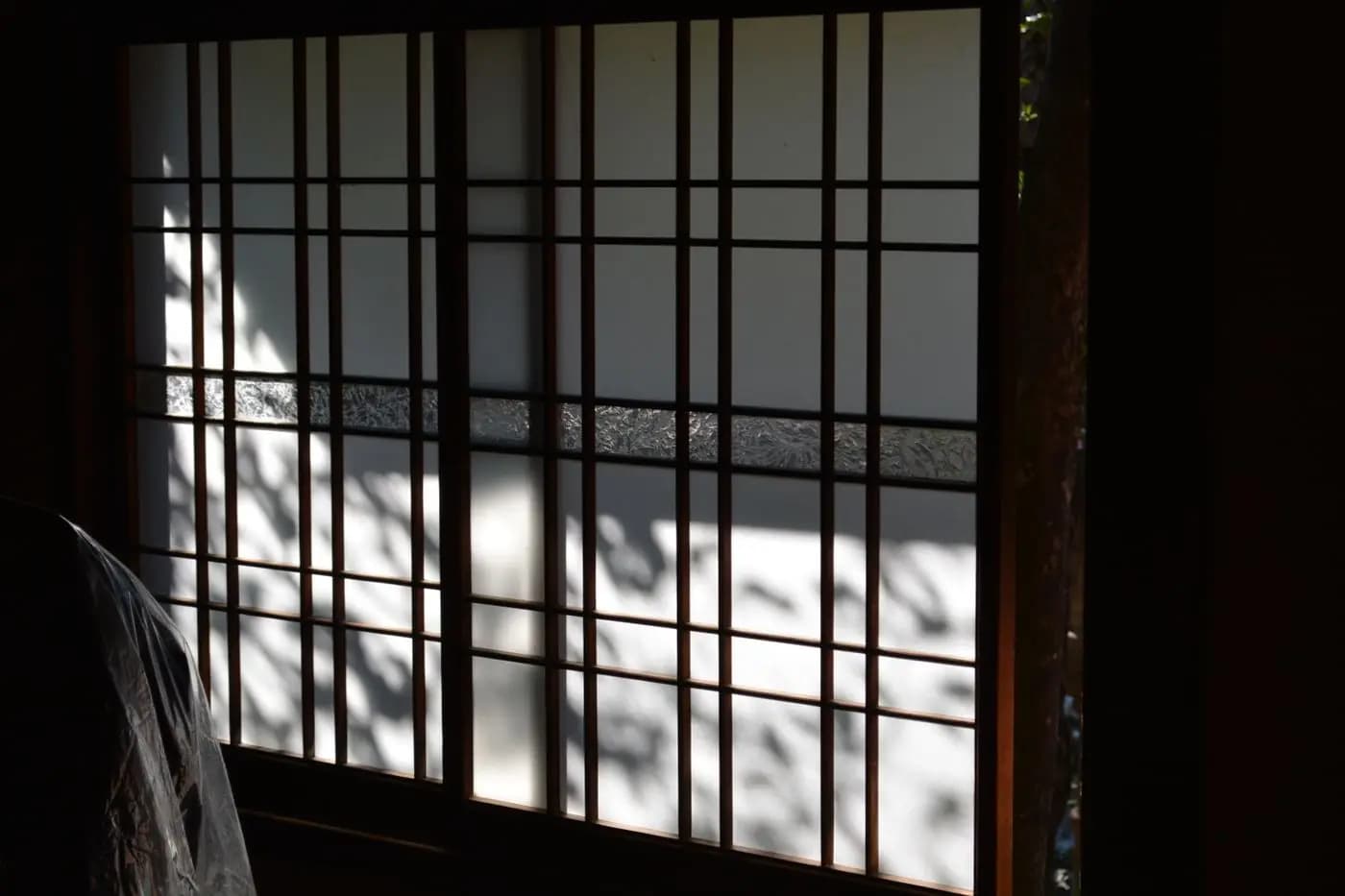
- Shoji and fusuma: the sliding panels of houses and ryokan. Paper filters light without blocking it; traditionally it is replaced at year-end.
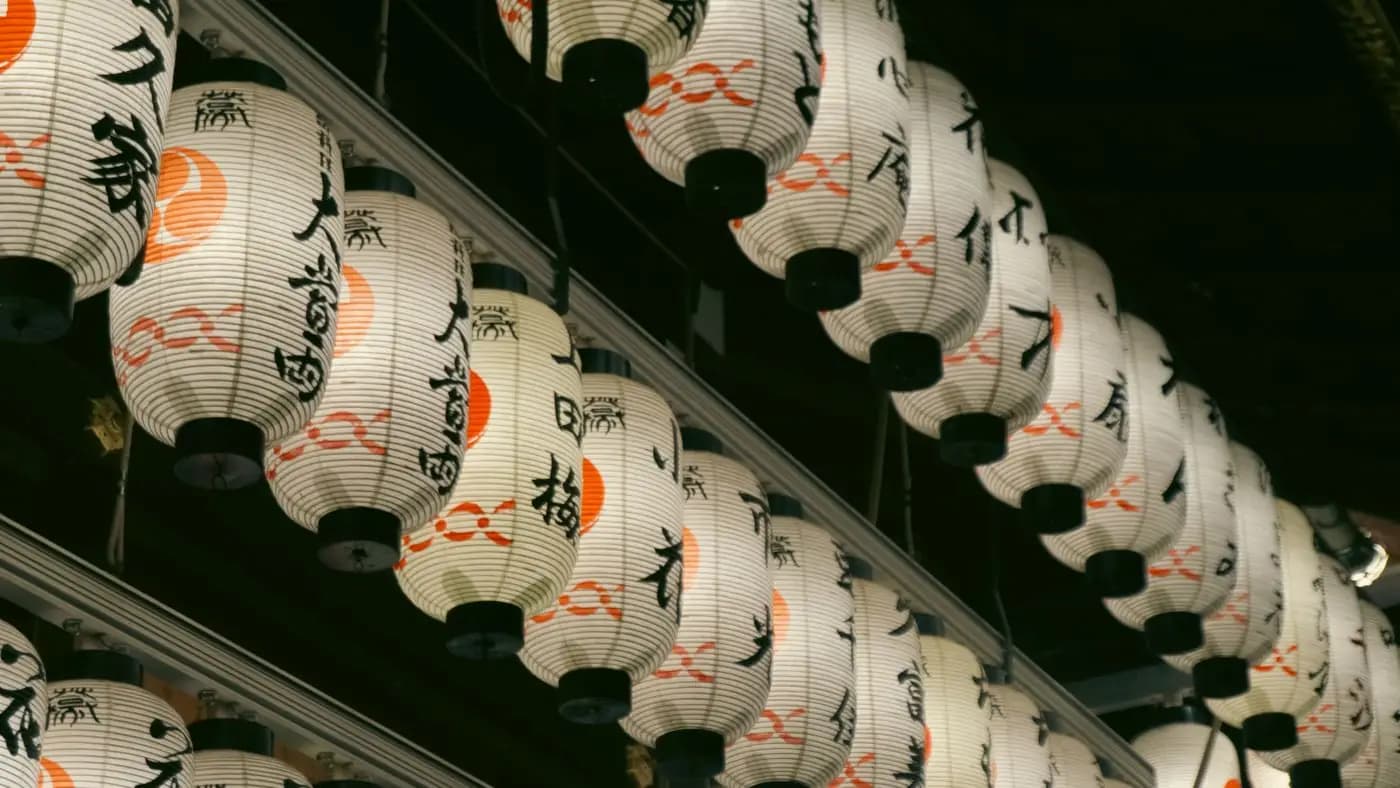
- Gifu lanterns (Gifu chochin): painted lanterns covered in Mino washi, themselves a recognized traditional craft. They are best known for Obon, the summer festival of the dead.
- Isamu Noguchi's Akari lamps: since 1951, these sculpted washi lights on bamboo frames have been made in Gifu. You will find them in design stores across Europe.
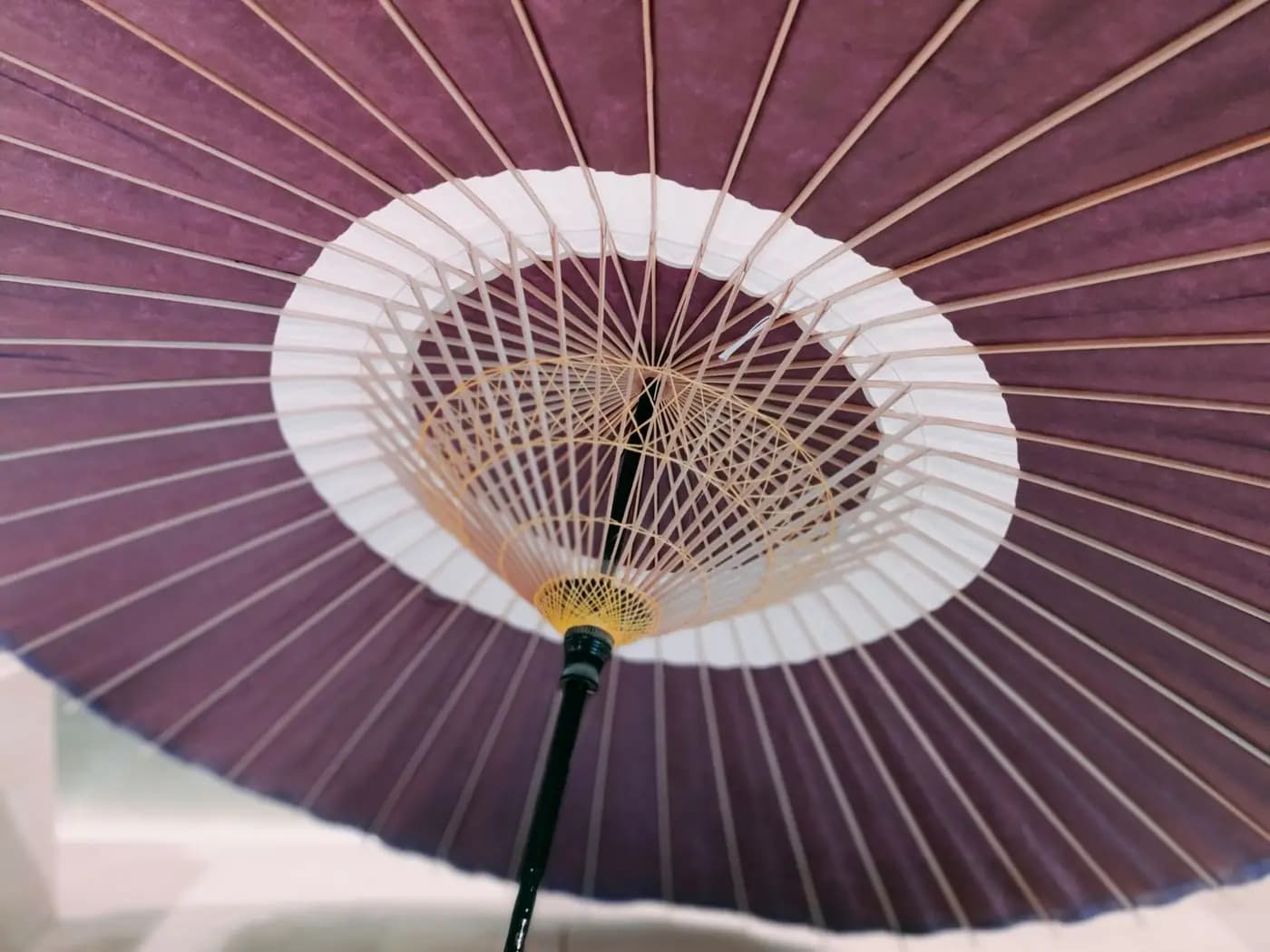
- Round fans (uchiwa), wagasa umbrellas, calligraphy paper and printmaking paper.
- Conservation: tengujo and other very thin papers reinforce paintings, scrolls and old books in many museums and libraries.
- Fashion and architecture: wall panels, light fittings, partitions, textiles woven from paper yarn.
What to buy in Mino: a notebook or a set of cards (¥500 to ¥2,000), a small table lamp (from around ¥5,000), a sheet of handmade paper to frame (from a few thousand yen). Paper travels well flat, between two pieces of cardboard, in your suitcase.
Echizen, the other great washi center
If Mino does not fit the program, Echizen in Fukui Prefecture is the strongest alternative. Its tradition goes back about 1,500 years, and the papermakers' village of Imadate, in Echizen city, is home to the Okamoto-Otaki Shrine, dedicated to Kawakami Gozen, the goddess of paper; its hall with layered roofs is one of the most beautiful in Japan. Echizen paper, recognized as a traditional craft as early as 1976, was long used for official documents and remains known for large sheets and thick papers.
What you will find:
- Papyrus House, a workshop center where you make your own sheet;
- the Udatsu Paper & Craft Museum, a papermaker's house where artisans work in front of visitors;
- the Echizen Washi Museum and several family workshops.
Since March 2024, Echizen-Takefu Station on the Hokuriku Shinkansen has brought Echizen closer to Kanazawa (about 40 minutes) and Tokyo. You can pair paper with Takefu knives, the region's other great craft.
How to choose? Mino pairs with Nagoya, Gifu and Takayama; Echizen with Kanazawa and the Sea of Japan coast. Both offer accessible workshops, but only Mino holds the UNESCO listing.
Getting to Mino from Nagoya, and organizing a group visit
Access. From Nagoya, a coach is the simplest option: about an hour on the Tokai-Hokuriku Expressway to the Mino exit. By public transport, allow 1.5 to 2 hours: JR train to Gifu then a Gifu Bus to central Mino, or a train to Mino-Ota then the local Nagaragawa Railway to Minoshi Station. Between the Udatsu district and the Kaikan you need a car, taxi or coach.
How long? Half a day is enough for the workshop and the old town. A full day lets you add Seki (knives, 20 minutes away) or Gujo Hachiman (clear rivers and summer dances, 30 minutes away). From mid-May to mid-October, cormorant fishing on the Nagara River in Gifu makes an excellent group evening.
For a group of 20 to 40, here is what works:
- book the Kaikan several weeks ahead and rotate the workshop in sub-groups while the others tour the museum;
- bring an interpreter: explanations are in Japanese;
- split the old town into two groups with a guide each, as the streets are narrow;
- order personalized gifts (notebooks, greeting cards, lamps with a logo) from a workshop at least one to two months ahead;
- avoid the Akari exhibition weekend unless the group is coming specifically for it.
SHINOGI DMC organizes this day from Nagoya, with coach, interpreter, workshop bookings and lunch, or builds it into a Nagoya – Takayama – Kanazawa circuit.
Frequently asked questions
What is Hon-minoshi?
It is Mino washi made under strict rules: only Nasu kozo (Daigo, Ibaraki), hand cleaning, nagashizuki forming with side-to-side rocking and drying on boards. It has been on UNESCO's Intangible Heritage list since 2014.
How much is the papermaking workshop at the Mino Washi no Sato Kaikan?
From ¥500, on top of the ¥500 entry (¥450 for groups of 20 or more). Making takes about 20 minutes, then the paper dries for around 50 minutes. Groups of 10 or more must book.
Which day should you avoid when visiting Mino?
Tuesday: the Mino Washi no Sato Kaikan is closed (as well as the day after weekday public holidays). Some shops in the Udatsu district also close on certain weekdays.
How do you get to Mino from Nagoya?
By coach, about an hour on the Tokai-Hokuriku Expressway. By public transport, 1.5 to 2 hours: JR train to Gifu then a bus, or a train to Mino-Ota then the Nagaragawa Railway to Minoshi Station.
When is the Mino Washi Akari Art exhibition held?
Every October in the Udatsu district, with hundreds of washi lamps lit in the streets in the evening. Exact dates are published by the Mino tourism association.
Mino or Echizen: where should you do a washi workshop?
Mino if you start from Nagoya or combine with Takayama, and if the UNESCO listing matters to you. Echizen (Fukui) if your route passes through Kanazawa: Echizen-Takefu Station on the Hokuriku Shinkansen has made access easier since 2024.
Rédaction SHINOGI DMC · Updated
Sources
- Agence pour les affaires culturelles — Hon-minoshi (Bunka Isan Online)
- UNESCO — Washi, craftsmanship of traditional Japanese hand-made paper
- Gifu Prefecture Tourism — Mino Washi no Sato Kaikan
- Gifu Prefecture Tourism — Mino Washi Akari Art Exhibition
- Gifu Prefecture Tourism — Ancienne maison Imai et musée historique de Mino
- MLIT — Base de textes multilingues : Hon-minoshi (PDF)