What route for a first two-week trip to Japan?
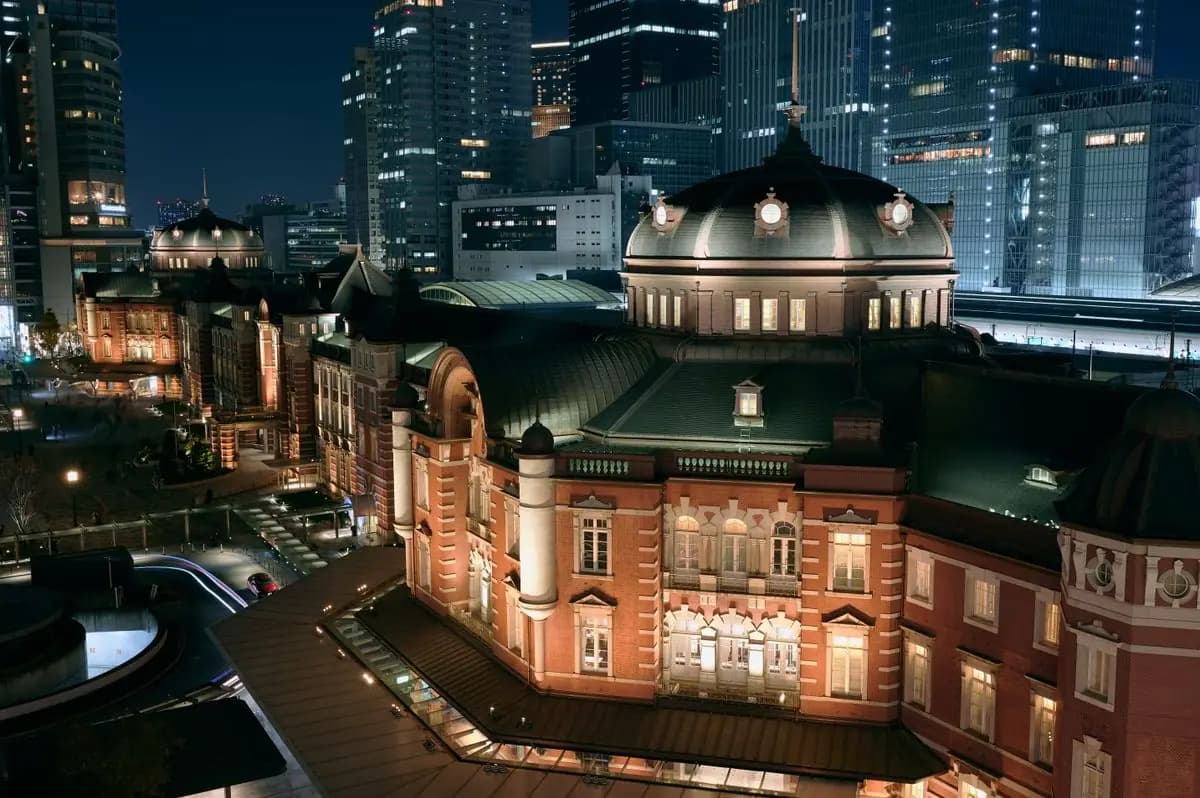
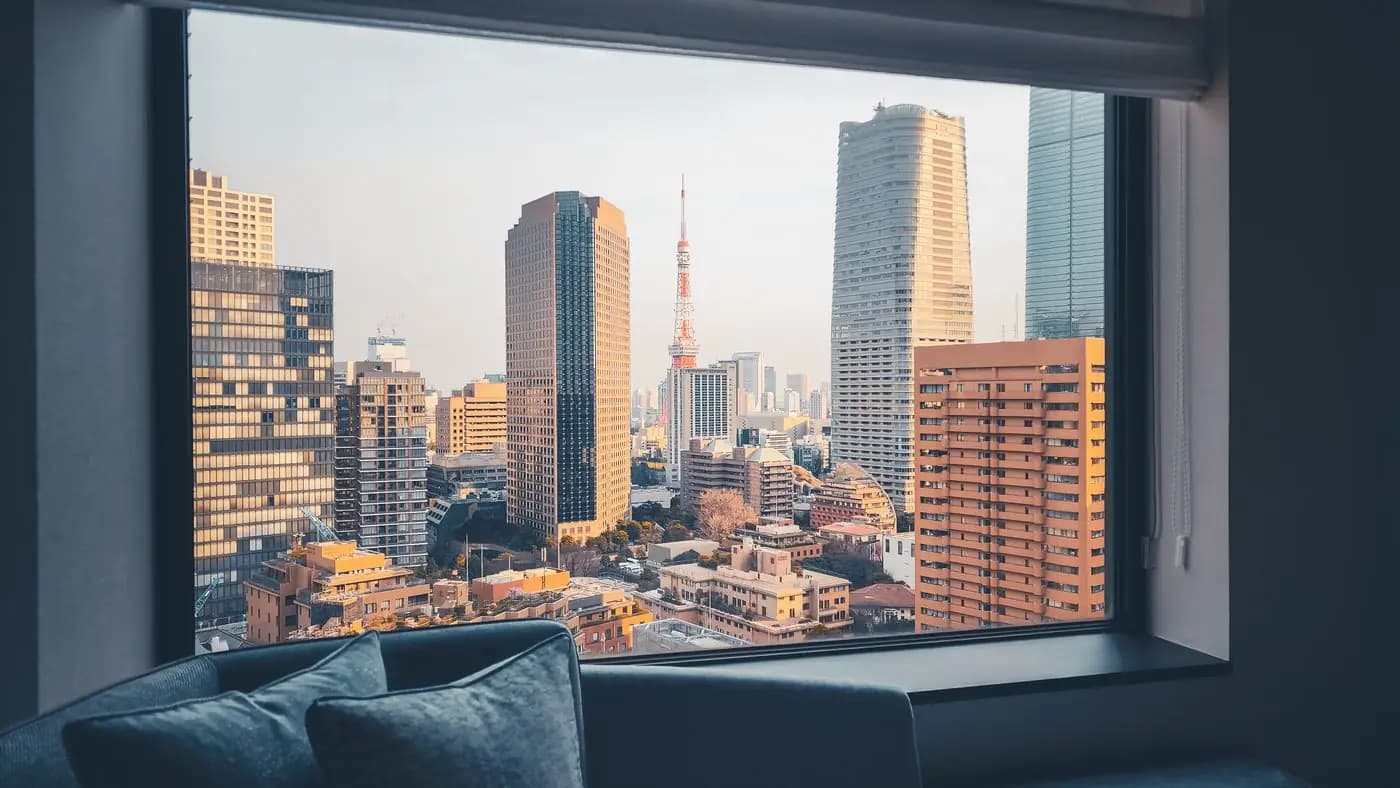
For a first trip, the most logical route follows the Shinkansen line from east to west: Tokyo → Hakone → Kyoto → Nara → Osaka → Hiroshima and Miyajima. You change hotels only five times, no journey exceeds two and a half hours, and each stop has its own character: the megacity, the hot-spring mountains, the city of temples, the merchant city, the memory of 1945.
Three choices shape everything else:
- The flight. Flying into Tokyo (Haneda or Narita) and out of Osaka (Kansai Airport) avoids a 3 to 4-hour trip back to Tokyo at the end. On most airlines an open-jaw ticket costs little or nothing extra.
- The Japan Rail Pass. Since October 2023 the 7-day pass costs ¥50,000. On this route, the long journeys (Tokyo–Odawara, Odawara–Kyoto, Osaka–Hiroshima, Hiroshima–Osaka) add up to clearly less when bought individually. So buy tickets as you go, on smartEX or at the station, and top up an IC card (Suica, ICOCA) for subways and buses.
- The pace. Two weeks go by fast, but jet lag weighs on the first two days. Start gently in Tokyo and keep half a day free in Kyoto.
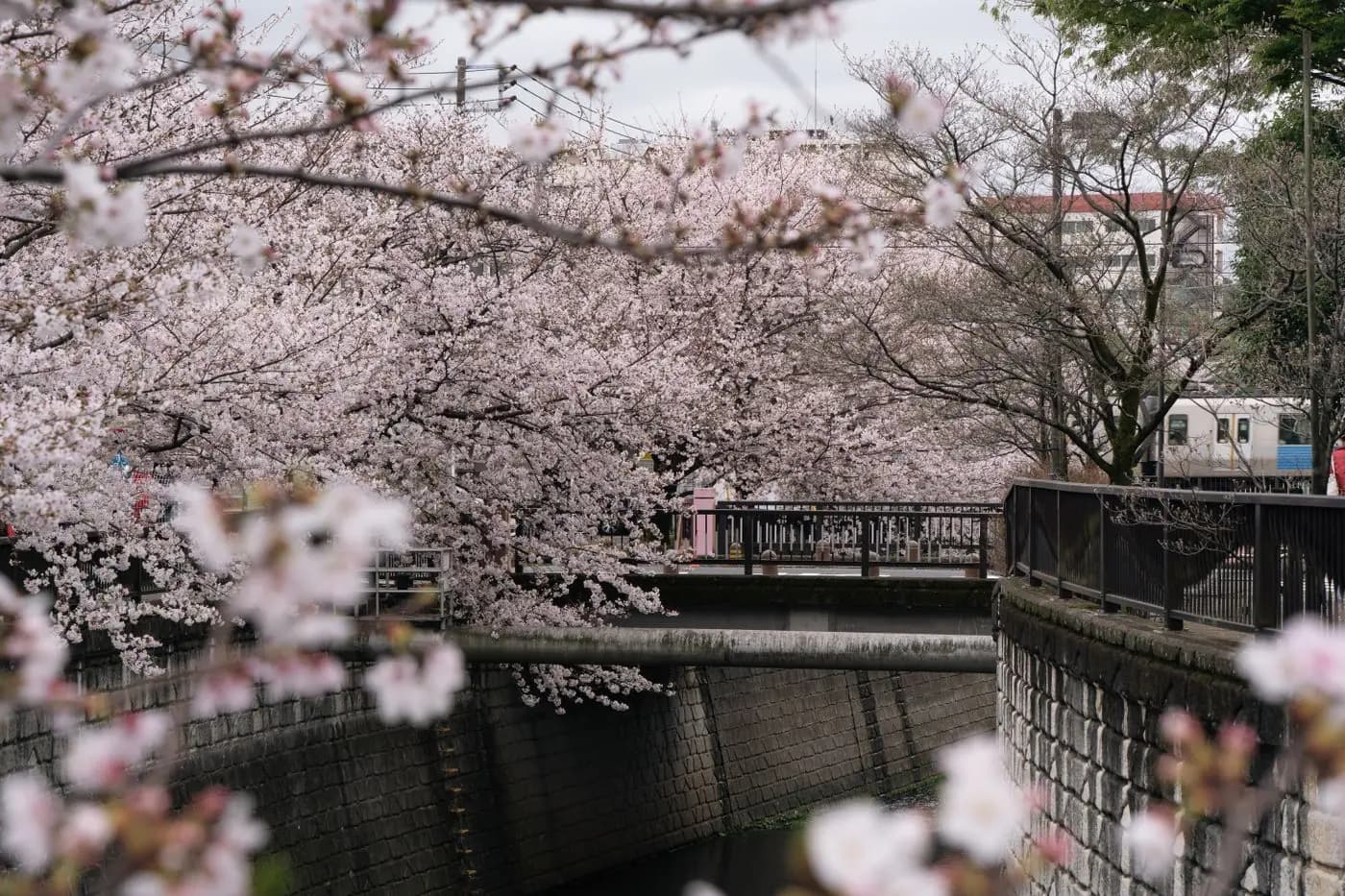
The best time? Late March to early April and November are beautiful but expensive and crowded. May (after Golden Week) and October are a good compromise; July and August are hot and humid, only for travellers who cope with 35°C.
Days 1 to 5: Tokyo and a day trip
Day 1 — Arrival. From Haneda it is 30 minutes by train to the centre; from Narita, allow an hour on the Narita Express or Skyliner. Drop your bags, walk around the hotel, eat early. Nothing more.
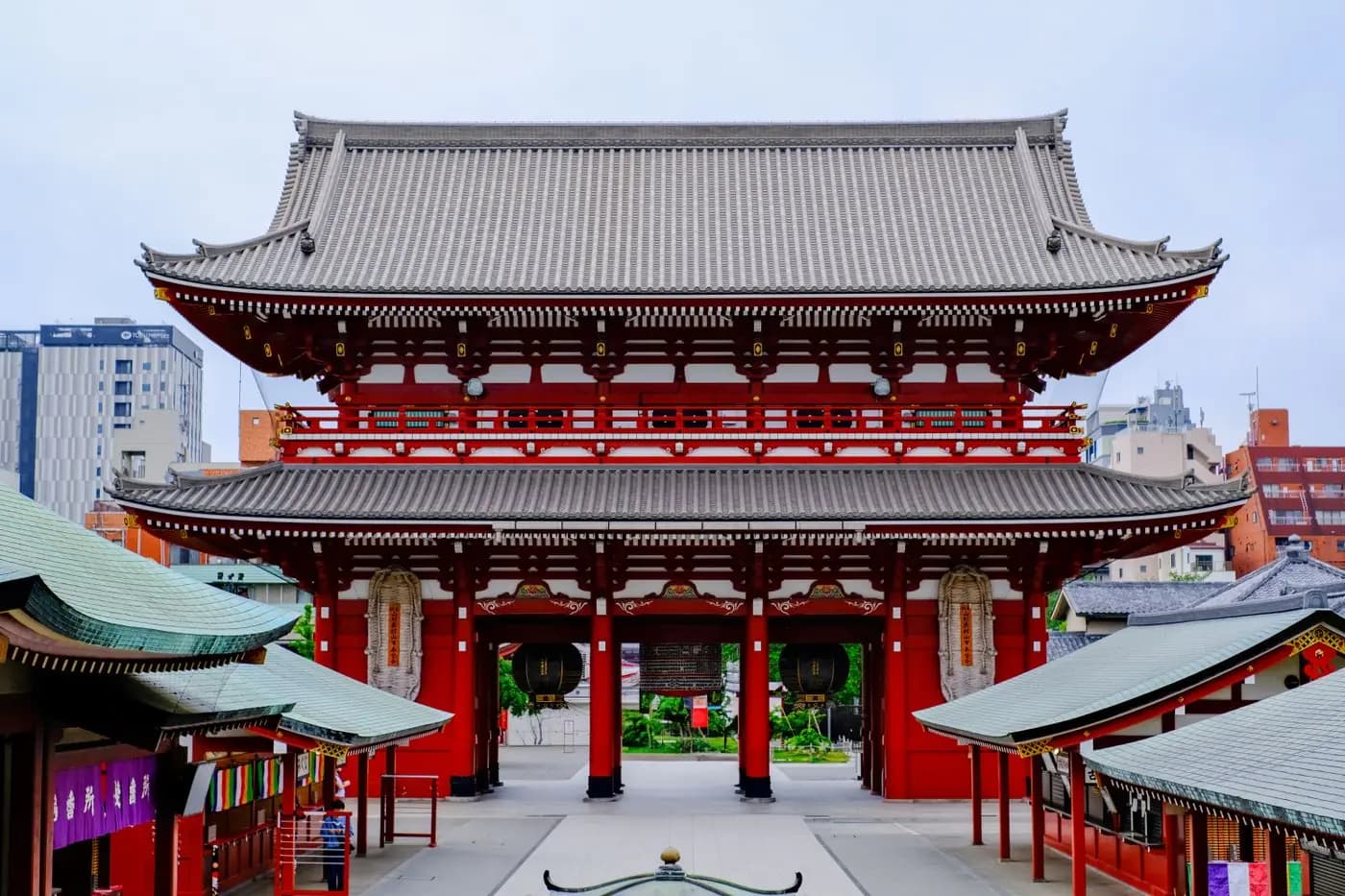
Day 2 — Old Tokyo. Jet lag wakes you early: use it for Senso-ji in Asakusa around 7am, before the Nakamise shops open. Then Ueno Park and the Tokyo National Museum (¥1,000, closed Mondays), and in the afternoon the lanes of Yanaka, one of the few districts spared by wartime bombing. Evening in Akihabara, or a quiet night.
Day 3 — Modern Tokyo. Meiji Jingu shrine at opening time, Harajuku and Omotesando avenue, then Shibuya: the crossing, and the Shibuya Sky rooftop at sunset (book the slot in advance). Dinner in Shinjuku, in the alleys of Omoide Yokocho.
Day 4 — Ginza and the bay. Breakfast at Tsukiji Outer Market, Hama-rikyu garden, Ginza, then the Imperial Palace East Gardens (free, closed Mondays and Fridays). Late afternoon, teamLab Planets in Toyosu or a walk in Odaiba.
Day 5 — Day trip. Two good options for a first visit:
- Nikko: Toshogu shrine (¥1,600) and its lavish decoration, 2 hours from Tokyo on the Tobu line from Asakusa.
- Kamakura: the Great Buddha (¥300), Hase-dera temple and Tsurugaoka Hachimangu shrine, an hour from Tokyo by JR.
Five nights in Tokyo is comfortable. To avoid hauling suitcases through the subway, pick a hotel near a JR Yamanote line station (Shinjuku, Shibuya, Tokyo, Shinagawa, Ueno).
Days 6 and 7: Hakone, hot springs and a ryokan night
Day 6 — The Hakone loop. Odakyu's Romancecar train links Shinjuku and Hakone-Yumoto in about 1 h 25 min. The Hakone Freepass (¥7,100 for 2 days from Shinjuku, Romancecar supplement extra) then covers all transport on the loop:
- the Hakone Tozan mountain railway up to Gora, with its zigzag switchbacks;
- the cable car and then the ropeway to Owakudani, the valley of volcanic vents, with views of Mount Fuji on clear days;
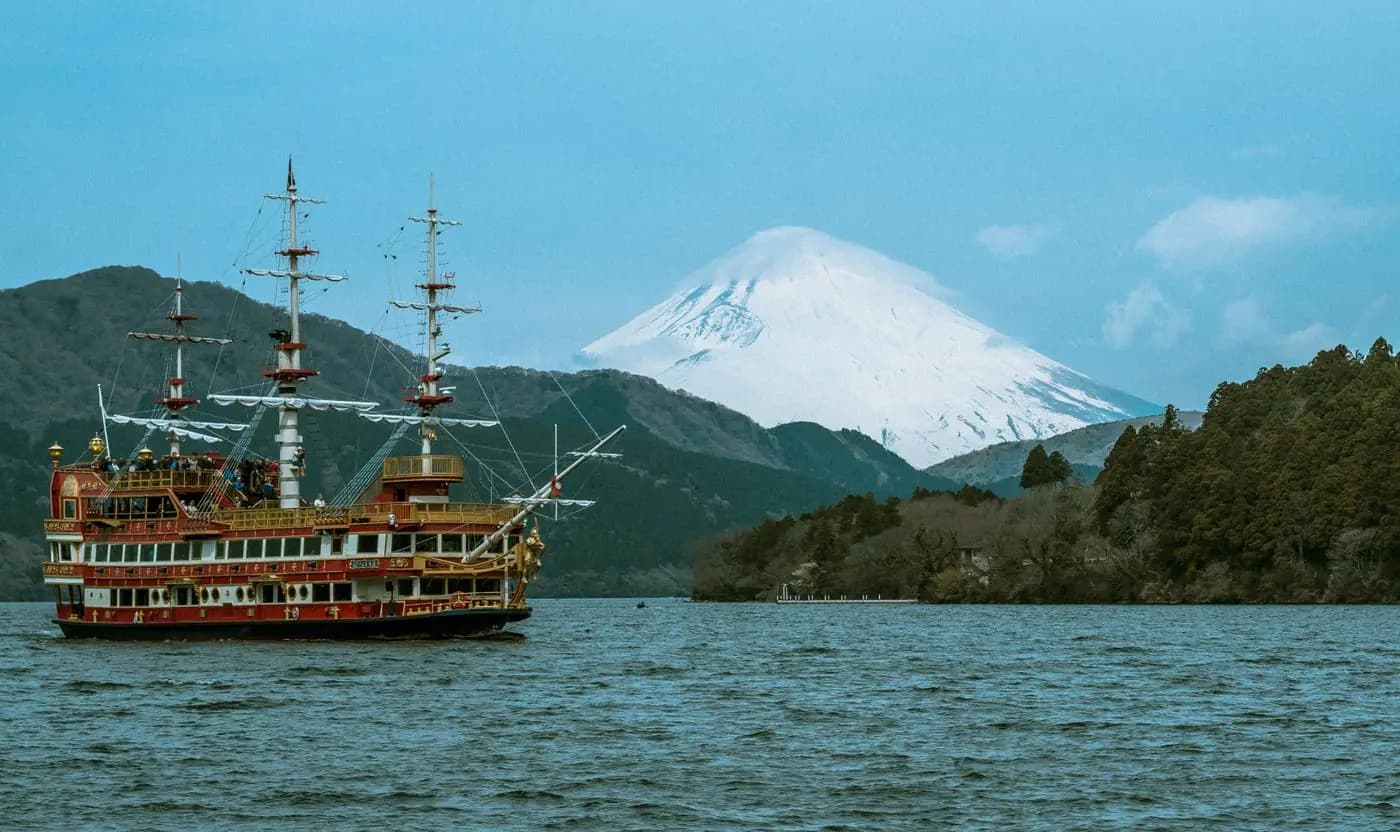
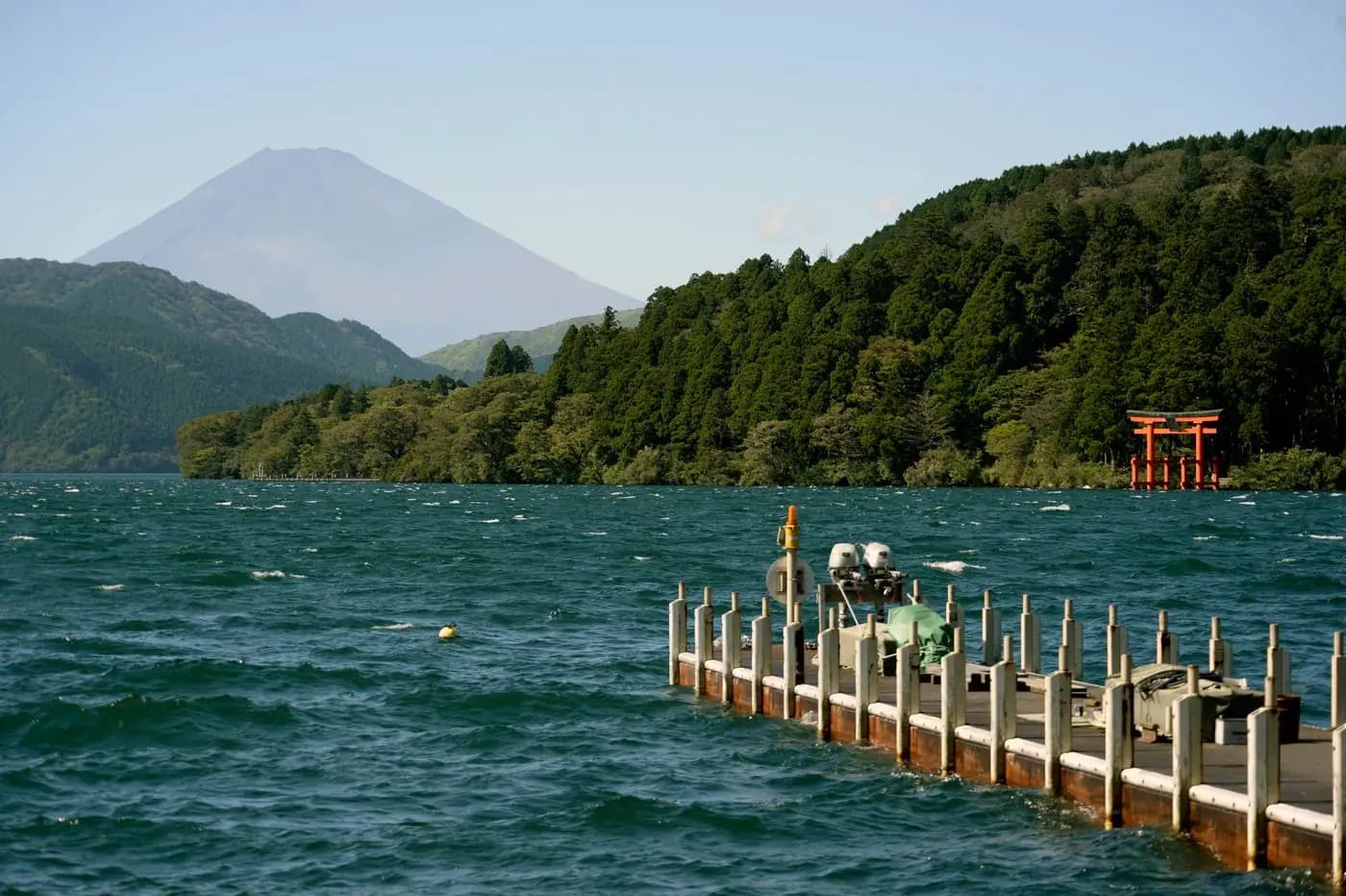
- the boat across Lake Ashi to Moto-Hakone and the torii gate of Hakone Shrine standing in the water.
The ropeway sometimes closes because of volcanic gas: check the service status that morning and keep the bus as a backup.
We suggest sending your suitcases straight to Kyoto (hotel-to-hotel delivery in two days) and keeping only an overnight bag.
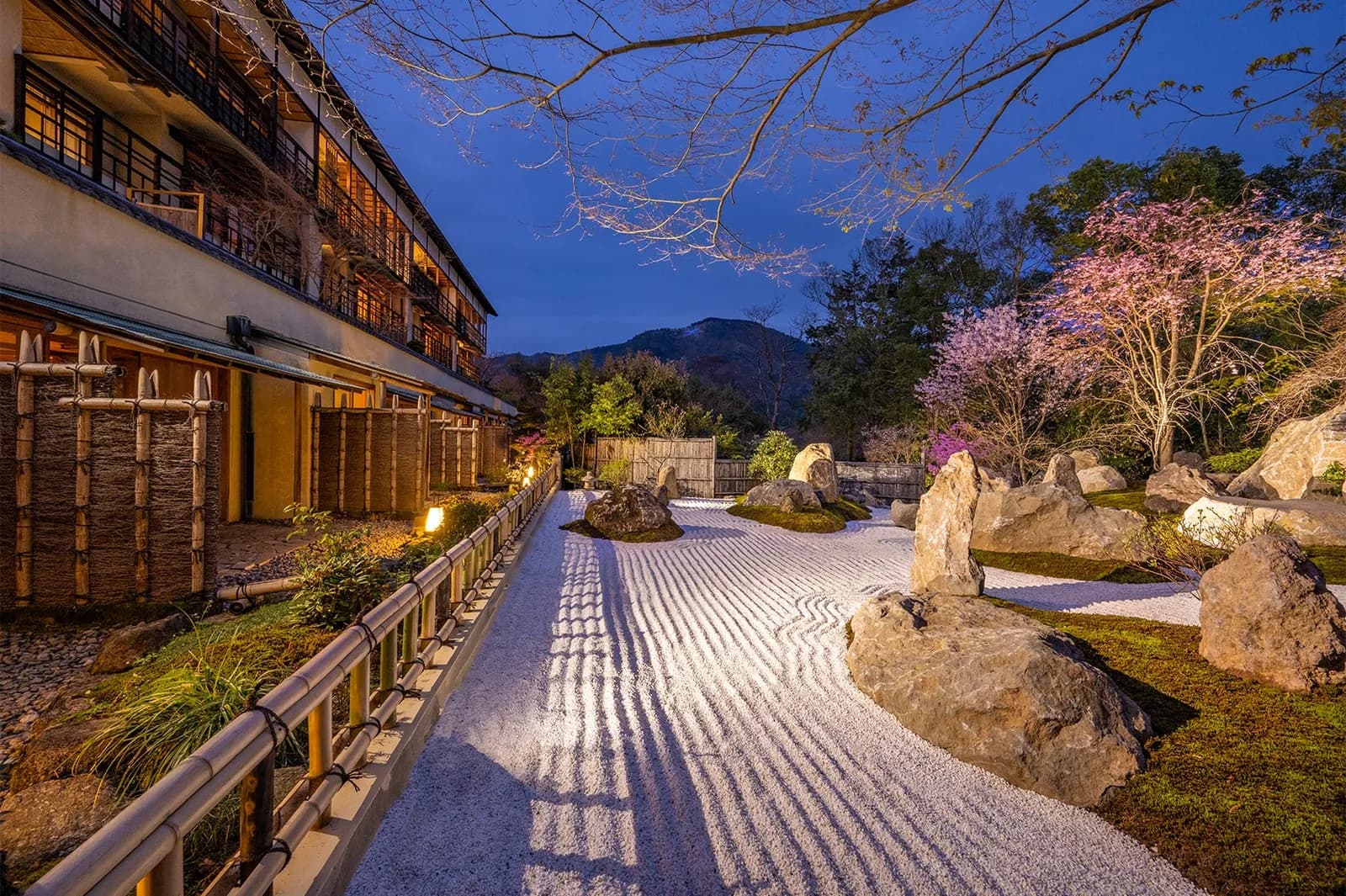
Spend the night in a ryokan, a traditional inn: tatami room, yukata, hot-spring bath, kaiseki dinner served in many courses. Expect ¥25,000 to well over ¥80,000 per person with half board, depending on the standard. Book early, especially for Saturday nights.
Day 7 — On to Kyoto. Morning at the Hakone Open-Air Museum (sculptures in a park, a Picasso pavilion), then down to Odawara and the Shinkansen to Kyoto: the Hikari takes about 2 hours. Arrive late afternoon and take a first walk through Gion at dusk.
Days 8 to 10: Kyoto and Nara
Day 8 — South-east Kyoto. Fushimi Inari shrine and its thousands of torii gates, free and always open: being there before 8am changes everything. Then Kiyomizu-dera temple (¥500, cash), the cobbled lanes of Sannenzaka and Ninenzaka, Nishiki Market at lunchtime and Gion in the evening. In Gion, the private lanes around Hanamikoji have been off-limits to visitors since 2024, and geiko and maiko are not photographed without their consent.
Day 9 — West and north Kyoto. The Arashiyama bamboo grove at 7:30am, the Tenryu-ji garden, then the Golden Pavilion, Kinkaku-ji (¥500). In the afternoon, the Silver Pavilion, Ginkaku-ji, and the Philosopher's Path, lovely in spring and autumn.
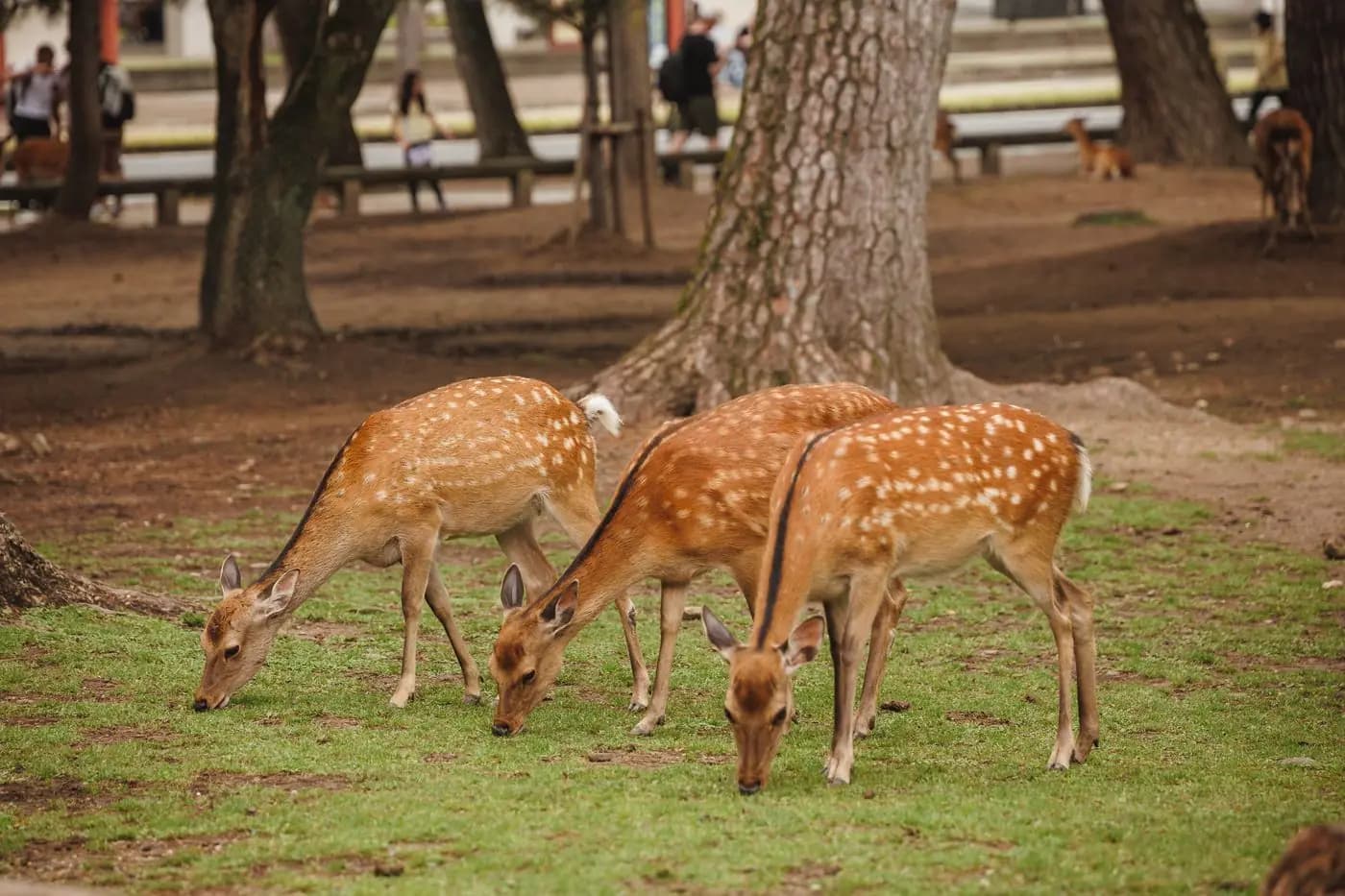
Day 10 — Nara. Kintetsu train from Kyoto (35 to 45 minutes depending on the train) or JR (about 45 minutes). Nara Park and its deer, Todai-ji with its bronze Great Buddha inside one of the largest wooden buildings in the world (¥800), and Kasuga Taisha shrine with its lanterns. Half a day covers the essentials; go back to Kyoto, or head straight to Osaka (40 minutes from Nara by Kintetsu) if you have already checked out.
About the deer: they are wild, even if they bow for crackers (shika senbei, about ¥200 on site). Feed them nothing else, put away paper maps, which they happily eat, and keep an eye on children.
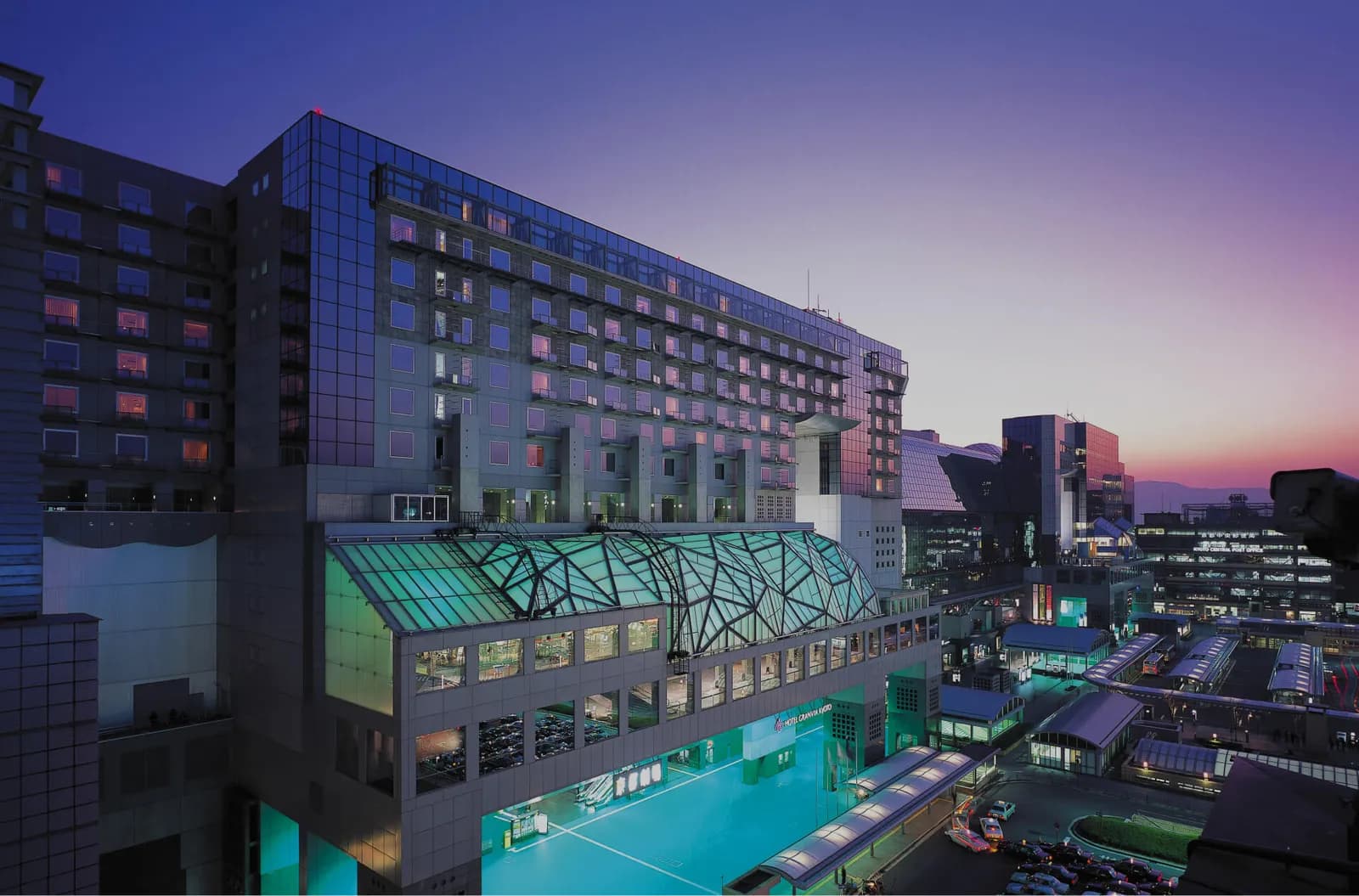
In Kyoto, stay near the station (handy for Nara and trains) or around Shijo-Karasuma (handy in the evening). Hotels fill up months ahead in spring and November.
Days 11 to 14: Osaka, Hiroshima and Miyajima
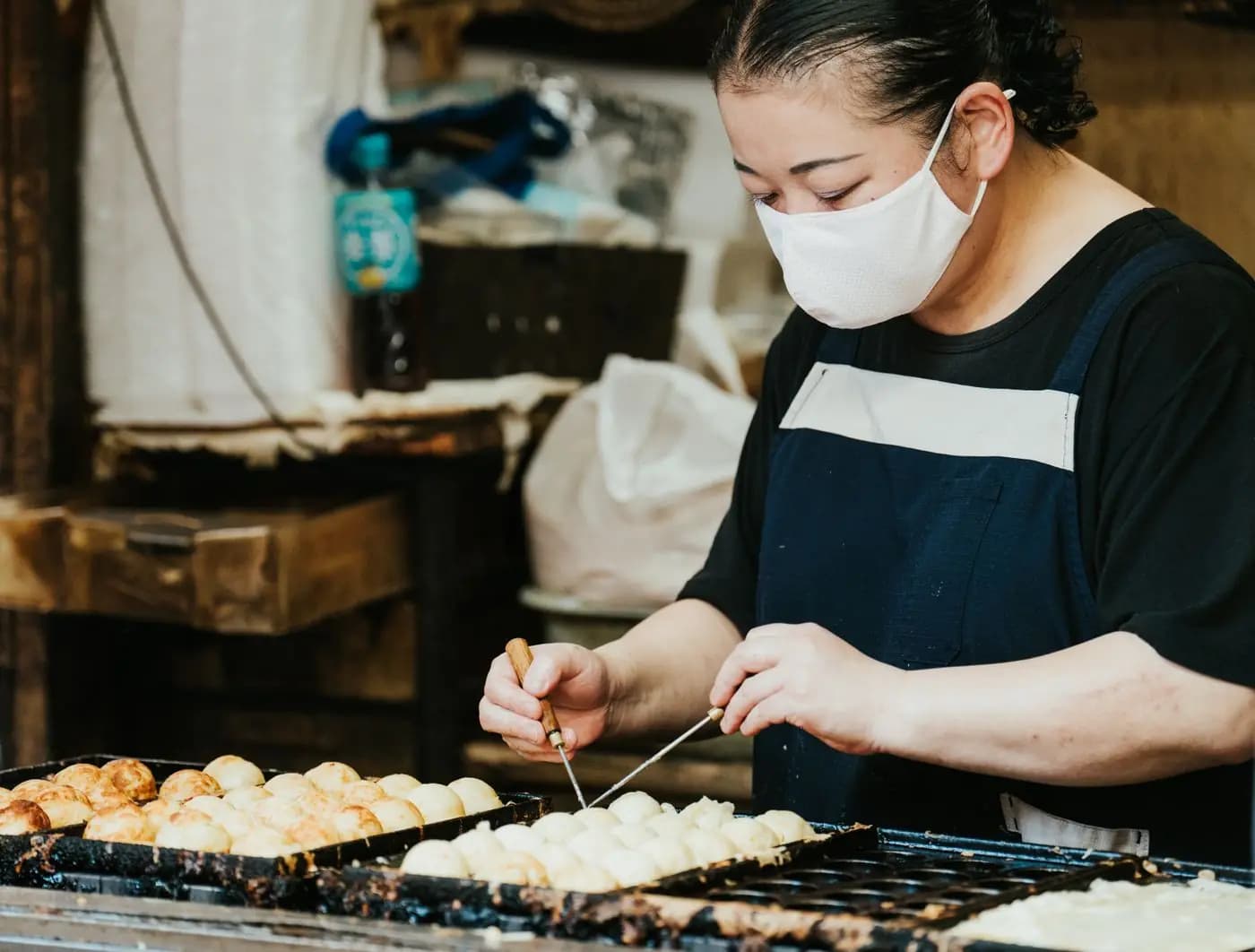
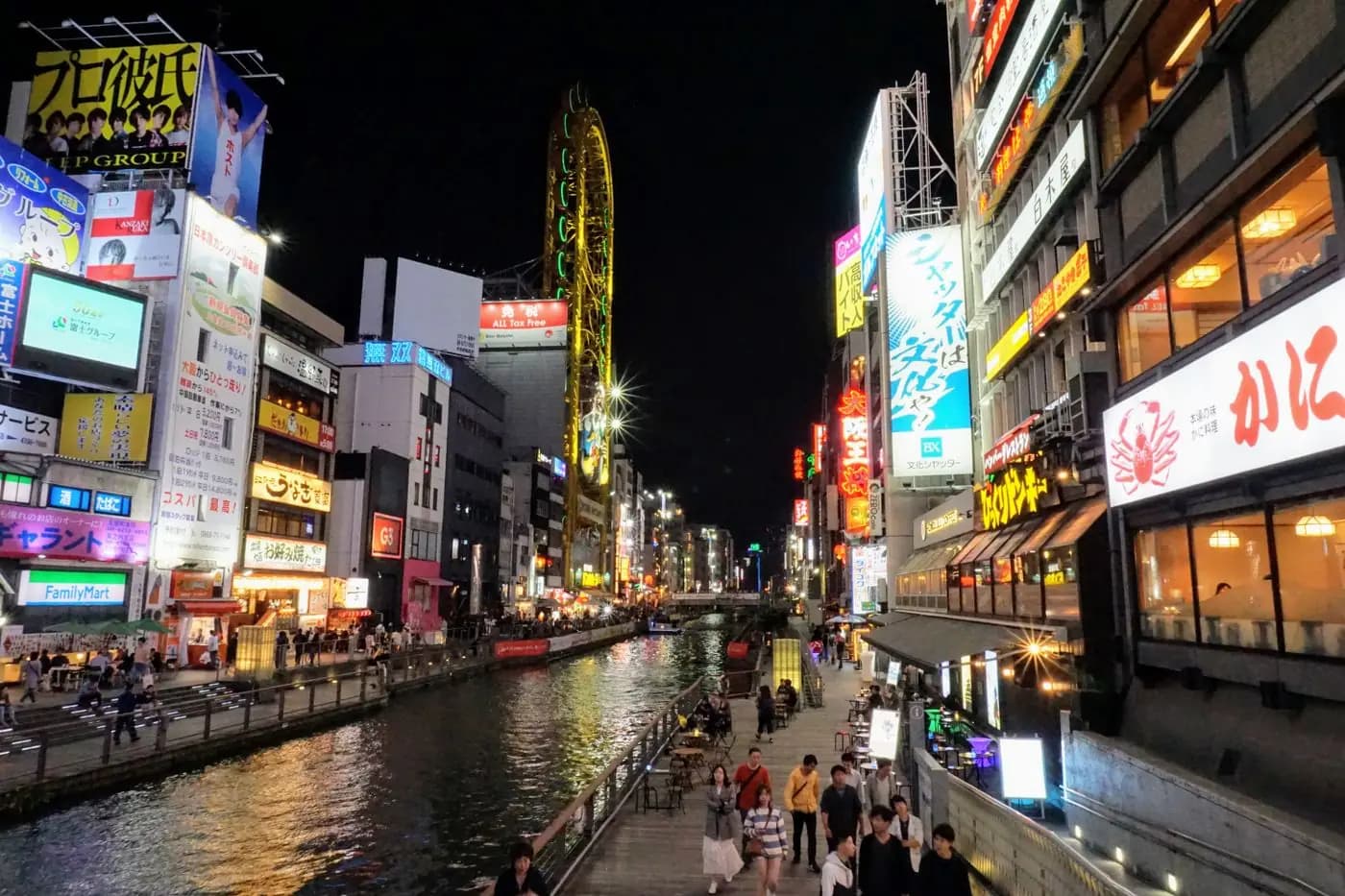
Day 11 — Osaka. Osaka Castle in the morning (the keep is a 1931 concrete reconstruction housing a museum; the park and moats are the real draw), Kuromon covered market, then Shinsekai and Tsutenkaku tower in the afternoon. In the evening, Dotonbori: neon, the canal, takoyaki and okonomiyaki. Osaka is mostly explored by eating.
Variant: half a day at Himeji Castle, 30 minutes from Shin-Osaka by Shinkansen and the finest original castle in the country. Since March 2026, admission costs ¥2,500 for visitors who are not Himeji residents.
Day 12 — Hiroshima. Shinkansen from Shin-Osaka to Hiroshima in about 1 h 25 min. The Peace Memorial Park, the Atomic Bomb Dome and the museum (¥200) need at least 2 h 30 min; it is a harrowing visit that should not be rushed. Late afternoon, take the JR train to Miyajimaguchi and a 10-minute ferry to Miyajima. The ¥100 visitor tax is included in the ferry ticket.
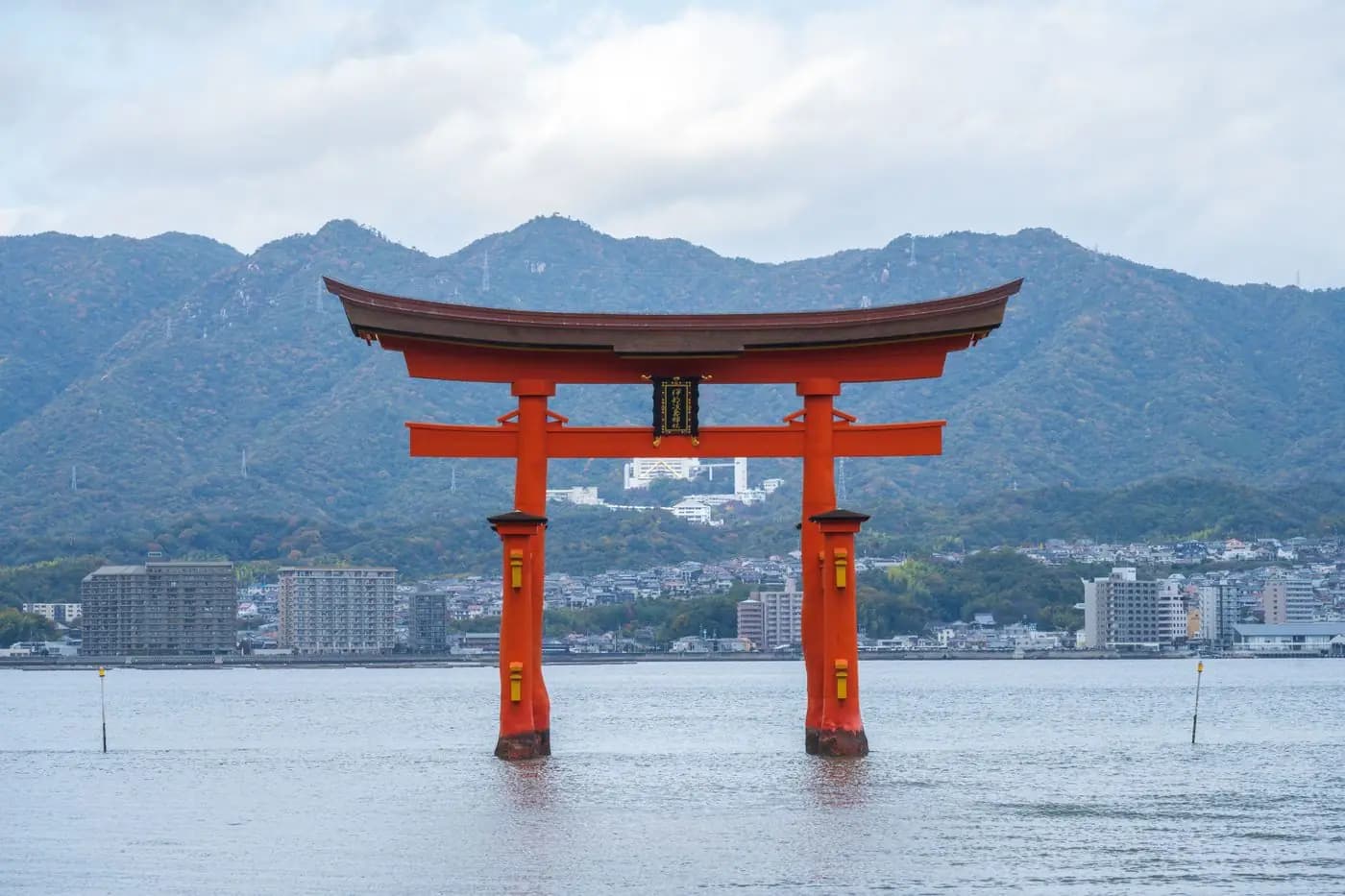
Day 13 — Miyajima. Sleeping on the island lets you see the great torii of Itsukushima Shrine in peace, in the evening and early morning, once the day-trippers have gone. The gate seems to float at high tide; at low tide you can walk to its base, so check the tide table. Go up Mount Misen by ropeway and on foot for the view over the Inland Sea. Back to Osaka late afternoon.
Day 14 — Departure. Kansai Airport is about 50 minutes from Shin-Osaka on the Haruka, or a little longer on the Nankai line from Namba. With an afternoon flight, the morning is free for one last market.
If your return flight leaves from Tokyo, travel back the day before: Hiroshima to Tokyo takes about 4 hours by Nozomi.
Variants: Japan in 10 days or 3 weeks
In 10 days, you have to cut, and it is better to cut clearly than to speed up everywhere:
- Tokyo: 3 nights (days 2 to 4 of the itinerary, no day trip);
- Hakone: 1 night;
- Kyoto: 3 nights, with Nara as a half day;
- Osaka: 2 nights, with Hiroshima and Miyajima as a day trip from Osaka (leave 7:30am, back 9pm).
You can also drop Hiroshima and keep an extra night in Kyoto: the trip becomes calmer.
In 3 weeks, add a loop through the Japanese Alps and the Sea of Japan coast, or a few quieter days in Kansai:
- Kanazawa (2 nights): Kenroku-en garden, the teahouse district, Omicho market. Direct from Tokyo on the Hokuriku Shinkansen (2 h 30 min).
- Shirakawa-go and Takayama (1 to 2 nights): thatched-roof villages by bus from Kanazawa, then Takayama's old merchant town, linked to Nagoya by limited express.
- Koyasan (1 night): a night in a temple, vegetarian shojin ryori and morning prayers, 2 hours from Osaka.
- Naoshima (1 to 2 nights): the island of contemporary art museums, between Okayama and Takamatsu.
An order that works: Tokyo → Kanazawa → Shirakawa-go → Takayama → Nagoya → Kyoto → Nara → Koyasan → Osaka → Hiroshima/Miyajima. Hakone then becomes a one-night trip from Tokyo at the start.
Whatever the length, keep at least half a day a week unplanned. That is often when you find the small neighbourhood restaurant you remember most.
Transport budget and bookings to make early
Ballpark figures for one adult, reserved seats, individual tickets (regular season):
- Tokyo → Odawara (Shinkansen) or Shinjuku → Hakone-Yumoto (Romancecar): ¥2,500 to ¥4,000;
- Hakone Freepass, 2 days from Shinjuku: ¥7,100;
- Odawara → Kyoto (Hikari): about ¥12,000;
- Kyoto ↔ Nara: ¥760 to ¥1,300 depending on the train;
- Shin-Osaka → Hiroshima (Nozomi): about ¥10,500;
- Hiroshima → Miyajima (train and ferry, tax included): about ¥900;
- Hiroshima → Shin-Osaka: about ¥10,500;
- subways, buses and local trains over 14 days: ¥12,000 to ¥18,000.
That is around ¥55,000 to ¥65,000 of transport per person, without a Japan Rail Pass. A 14-day pass (¥80,000) only makes sense if you add long journeys, such as Tokyo–Kanazawa or a Hiroshima–Tokyo return.
Book early:
- the Hakone ryokan (3 to 6 months ahead for a Saturday);
- Kyoto hotels in spring and November;
- Shibuya Sky sunset slots;
- well-known restaurants in Tokyo and Kyoto, often through the hotel concierge;
- teamLab Planets, the Ghibli Museum and the Toyosu tuna auction viewing (lottery one month ahead).
On money: cards are accepted almost everywhere in cities, but many temples, small restaurants and stalls still want cash, so carry ¥10,000 to ¥20,000. Seven-Eleven convenience store ATMs accept foreign cards.
Adapting this two-week route for a group
For a corporate group, a club or an incentive trip, the same route works, but rarely over 14 days: it is usually condensed into 7 to 10 days, keeping Tokyo, Hakone and Kyoto, with Hiroshima as an option.
What changes in practice:
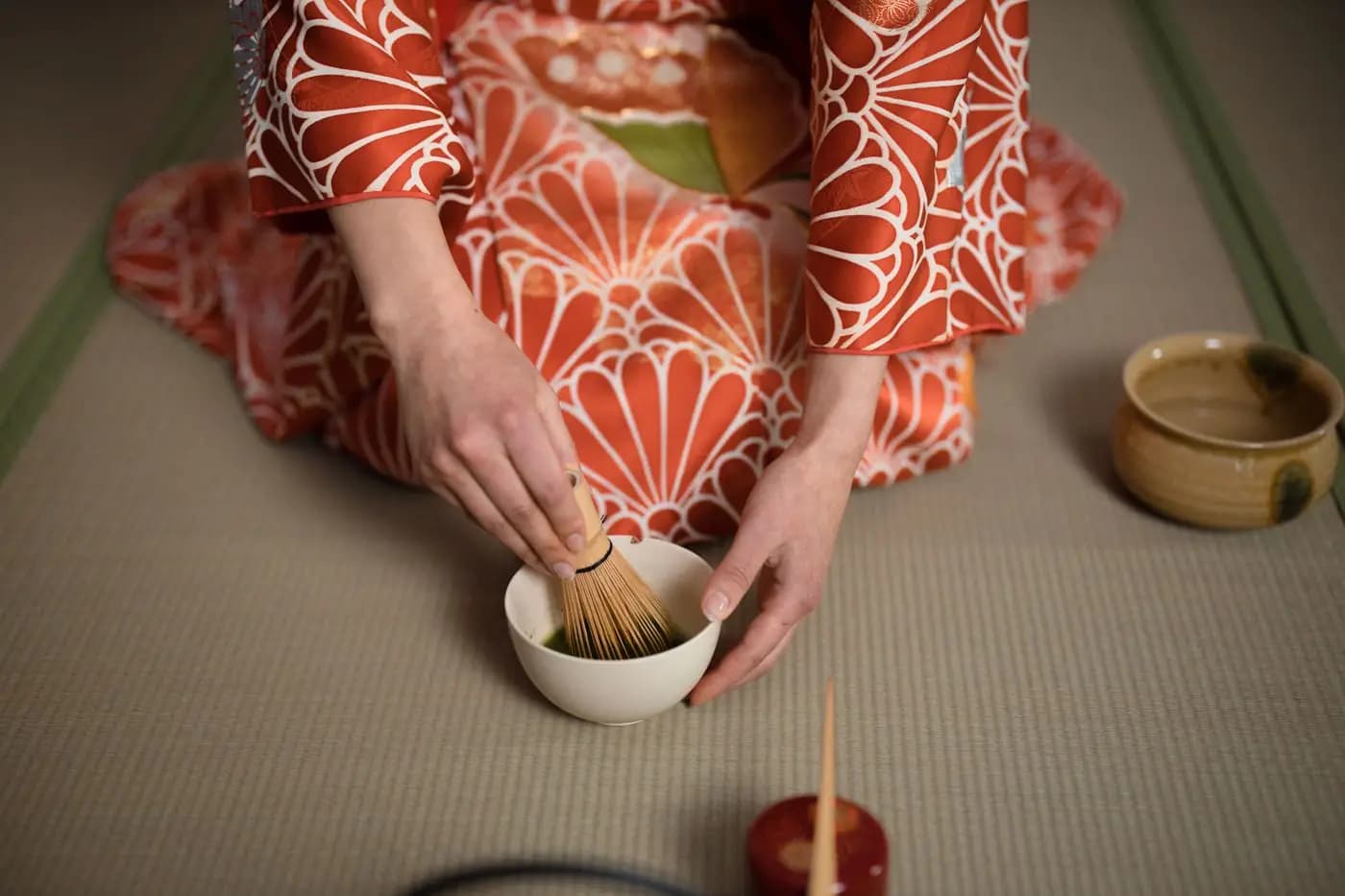
- Pace: one crowded site per day (Fushimi Inari early, or Kiyomizu-dera, not both), complemented by a booked activity: tea ceremony, sushi workshop, temple meditation, bay cruise.
- Transfers: JR group tickets from 8 people (10 to 15% off) and seat blocks in one or two cars. Private coaches are mainly useful in Hakone, Nara and Miyajima, where stations are far from the sites.
- Luggage always travels separately, hotel to hotel, the evening before. The group moves with just a day bag.
- The ryokan: above 20 people you need a large enough inn, or exclusive use of a smaller one. Book 6 to 12 months ahead for spring and autumn dates.
- Meals: restaurants in Kyoto and Tokyo rarely take more than 12 to 15 guests without a buyout; book private rooms or whole izakaya.
- Guides: one French- or English-speaking guide for 20 to 25 people at most, with earpieces in temples, where voices must stay low.
For executives or clients, a night on Miyajima with dinner facing the illuminated torii leaves a stronger memory than three extra sights. SHINOGI DMC builds this kind of tailor-made programme from Tokyo to Hiroshima, handling transport, accommodation and guides.
Frequently asked questions
Are two weeks enough for a first trip to Japan?
Yes, it is the ideal length for Tokyo, Hakone, Kyoto, Nara, Osaka and Hiroshima without rushing. Beyond that, add Kanazawa, the Japanese Alps or Koyasan.
Is the Japan Rail Pass worth it for 2 weeks?
Rarely on a Tokyo–Kyoto–Osaka–Hiroshima route flying into Tokyo and out of Osaka: individual tickets come to about ¥55,000 to ¥65,000, against ¥80,000 for the 14-day pass. It pays off only with many long journeys.
How many nights should you spend in Tokyo and Kyoto?
Over two weeks: 4 to 5 nights in Tokyo, including a day trip, and 3 to 4 nights in Kyoto, with Nara as a half or full day.
Should you stay overnight in Hakone or visit as a day trip?
We recommend one night in a ryokan: the full loop takes a whole day, and the hot-spring bath and kaiseki dinner are part of the experience. As a day trip you only manage part of the loop.
Can you do Hiroshima and Miyajima in one day?
Yes, from Osaka or Kyoto, leaving around 7:30am: 1 h 25 min by Shinkansen, the morning at the Peace Memorial Park, the afternoon on Miyajima. It is a long day; a night there is more pleasant.
What budget should you plan for 2 weeks in Japan?
Excluding flights, allow about ¥55,000 to ¥65,000 of transport per person, plus accommodation (from ¥12,000 a night in a business hotel to much more in a ryokan or luxury hotel), meals and admission fees, which are usually modest (¥300 to ¥1,600 per site).
Rédaction SHINOGI DMC · Updated
Sources
- Japan Rail Pass — Site officiel (tarifs depuis octobre 2023)
- Hakone Navi (Odakyu) — Hakone Freepass, tarifs à partir du 1er octobre 2025
- Nikko Toshogu — Site officiel
- Hiroshima Peace Memorial Museum — Informations pratiques
- Ville de Hatsukaichi — Taxe de visite de Miyajima (site officiel)
- Todai-ji — Site officiel (horaires et tarifs)
- Château de Himeji — Site officiel (ville de Himeji)
- Time Out Osaka — Himeji : entrée à 2 500 ¥ pour les non-résidents depuis mars 2026
- JNTO — Préparer son voyage au Japon
- Kanpai — Visites au Japon (inspiration)