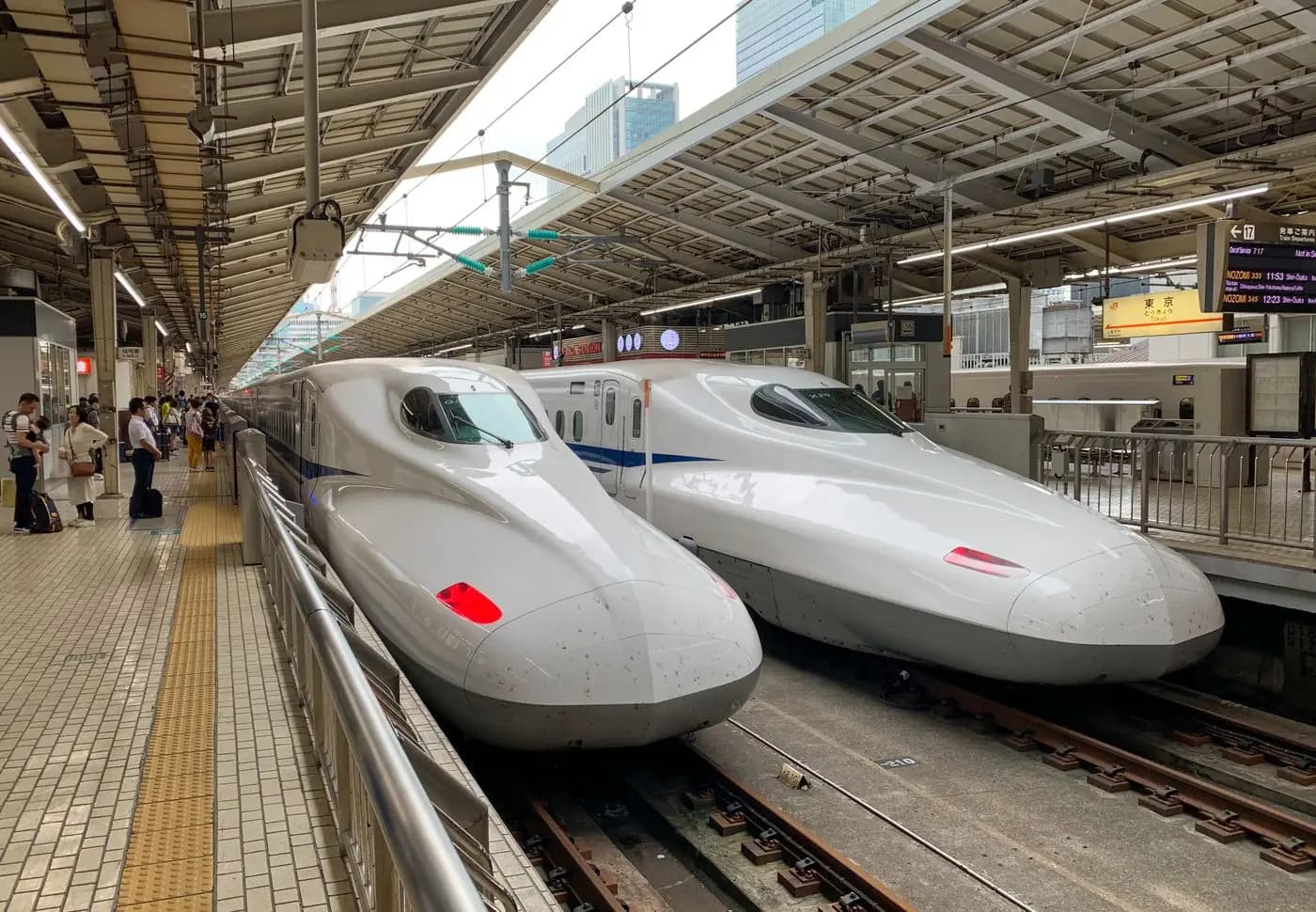
When is the best time to visit Japan?
Short answer: late March to mid-May, then mid-October to early December. These are the two windows when you are most likely to get mild days (highs of 17 to 24 °C in Tokyo), little rain and landscapes that justify the trip on their own. They share one drawback: everyone knows it, Japanese travelers included, and prices follow.
The right period therefore depends mostly on what you are after. Here is the month-by-month calendar we use to advise travelers on the Tokyo–Kyoto–Osaka route:
- January: dry, bright cold, around 9 °C in the afternoon and 1 to 2 °C at dawn in Kyoto. Few tourists after January 4. Skiing in the mountains.
- February: same climate, low prices. Sapporo Snow Festival in early February; Lunar New Year (February 6 in 2027) brings many visitors from elsewhere in Asia.
- March: plum blossoms, then the first cherry blossoms at the end of the month. Japanese school spring break from mid-March.
- April: full bloom in the first week in Tokyo, Kyoto and Osaka. Hotel rates at their peak. Golden Week starts on the 29th.
- May: after May 6, one of the best months of the year: 20 to 25 °C, lush gardens, prices back to normal.
- June: rainy season on Honshu, Shikoku and Kyushu; Hokkaido escapes it.
- July: rains end around the 19th, followed by humid heat. Gion Matsuri in Kyoto all month.
- August: the hottest and busiest month (Obon). Typhoon risk.
- September: still very hot in the first half, typhoon activity at its highest.
- October: mild weather returns, more settled skies from mid-month. An excellent month for a seminar.
- November: red maples, first in the mountains, then in the cities. Kyoto is packed in the second half.
- December: calm, dry early weeks and illuminations; almost everything closes from December 29 to January 3.
Cherry blossom (sakura) dates by city
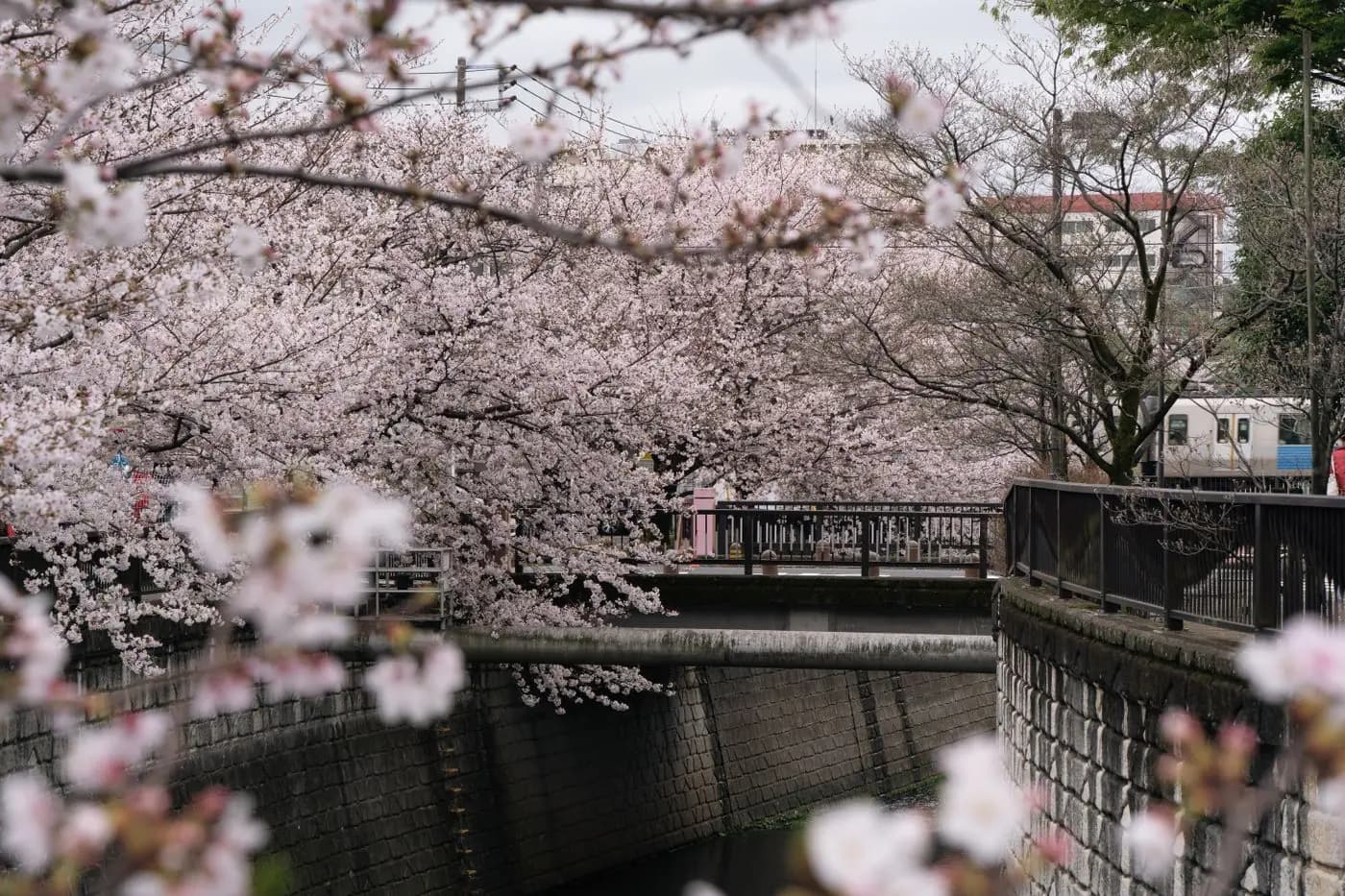
Cherry blossoms move up the archipelago from south to north over nearly four months. The Japan Meteorological Agency (JMA) publishes, for each city, an average first-bloom date (kaika) and full-bloom date (mankai), calculated over 1991–2020 from a reference tree, usually a Somei Yoshino:
- Okinawa (Naha): hikan-zakura cherries, first bloom around January 16, full bloom around February 4.
- Fukuoka: first bloom around March 22, full bloom around March 31.
- Tokyo: first bloom around March 24, full bloom around March 31.
- Nagoya: March 24 and April 2.
- Kyoto: March 26 and April 4.
- Osaka: March 27 and April 4.
- Nagano (Japanese Alps): first bloom around April 11.
- Sapporo: first bloom around May 1, full bloom around May 6.
These averages are shifting: in 2026, Tokyo bloomed on March 19 and Kyoto on March 23, several days ahead of normal. Useful forecasts, issued by private weather companies, come out in late January and are refined every week. Allow about a week between first bloom and full bloom, then a few more days before the petals fall. One night of rain and wind can cut the show short.
Our advice: do not build a ten-day trip around a single date. Plan a route that follows the blossom front instead, for example Tokyo in late March then Kyoto in the first week of April, and keep a higher or more northerly stop in reserve (Takayama, Kanazawa, Tohoku) in case the season comes early.
Budget-wise, this is Kyoto's most expensive period of the year. Rooms go early and well-known restaurants book up two to three months ahead. To enjoy the blossoms without crowds, only one method really works: go out early. Before 7:30 a.m., the Philosopher's Path in Kyoto or the banks of the Meguro River in Tokyo are pleasantly quiet.
Rainy season (tsuyu): should you avoid Japan in June?
Tsuyu (also called baiu) is a period of regular rain that settles over the archipelago before summer. According to JMA averages (1991–2020):
- Okinawa: roughly May 10 to June 21.
- Northern Kyushu (Fukuoka): June 4 to July 19.
- Kinki (Kyoto, Osaka) and Tokai (Nagoya): June 6 to July 19.
- Kanto (Tokyo): June 7 to July 19.
- Hokkaido: no official rainy season.
That does not mean six weeks of downpour. Grey days, light showers and bright spells alternate, with humidity that makes June's 26 to 28 °C feel heavier than it sounds. One figure often surprises: Tokyo gets less rain in June (about 168 mm) than in September and October (225 and 235 mm), the months of typhoons and autumn rains.
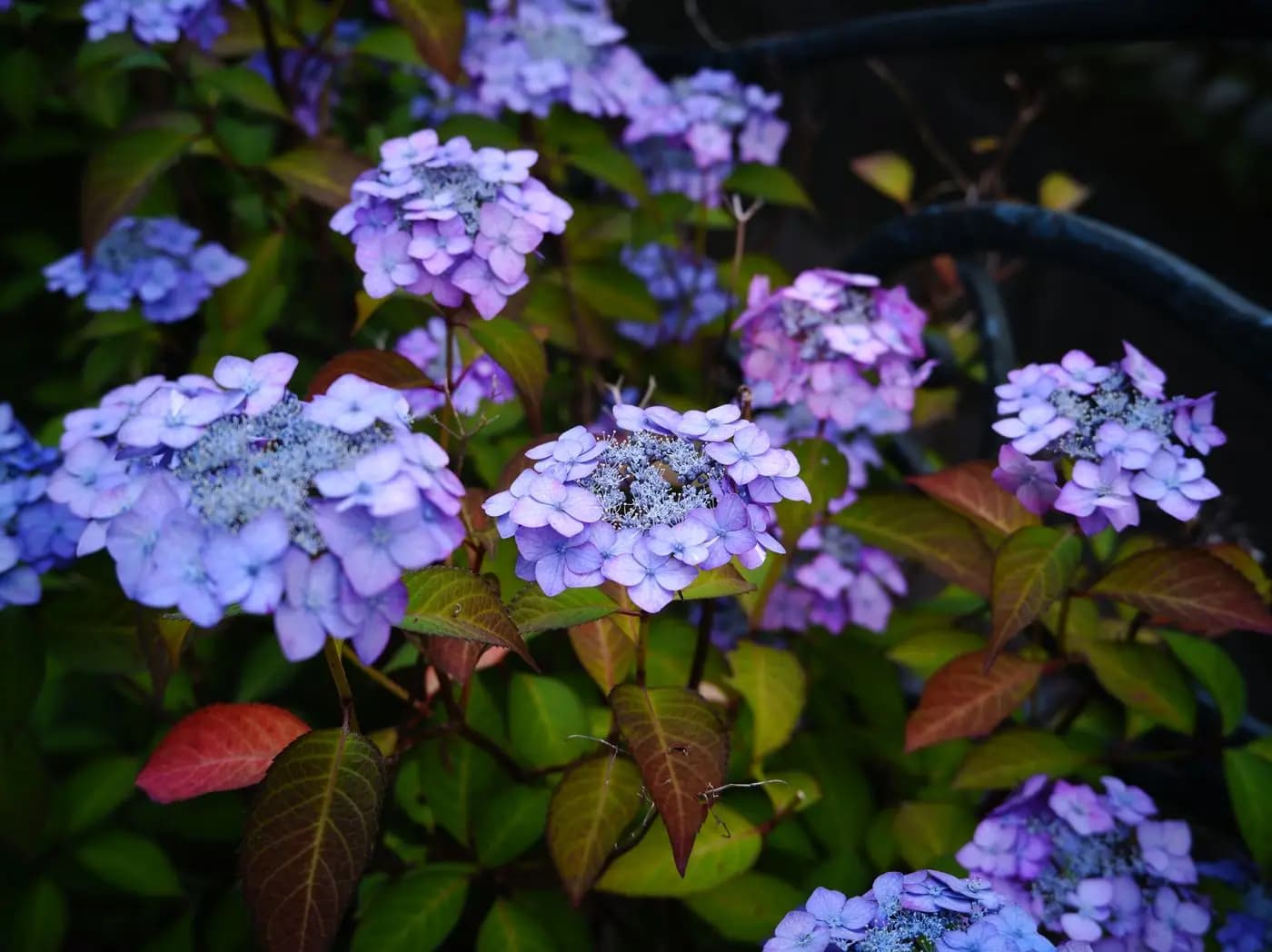
Tsuyu has its advantages. Hydrangeas (ajisai) at the temples of Kamakura and Kyoto are at their best, moss gardens turn a deep green, and hotel rates drop noticeably. For a group, it is worth considering if the program is mostly urban: museums, craft workshops, tea ceremony, sake tasting, and districts linked by covered arcades and underground passages.
Plan for an umbrella per person (convenience stores sell them for a few hundred yen), quick-drying shoes, and one or two indoor activities that can be booked at the last minute.
Summer in Japan: heat, typhoons and festivals
From mid-July to early September, Japan lives with humid heat. Average daily highs reach 31.3 °C in Tokyo and 33.7 °C in Kyoto in August, and peaks of 35 to 38 °C are no longer unusual. The Ministry of the Environment and the JMA issue heatstroke alerts (netchusho keikai alert) when the forecast WBGT index reaches 33: on those days, avoid walking tours between 11 a.m. and 4 p.m.
Typhoons are the other factor. On average, 25 typhoons form each year in the northwest Pacific; nearly 12 pass within 300 km of Japan and 3 make landfall on the four main islands (JMA 1991–2020 averages). Approaches peak in August and September, and Okinawa is on the front line, with more than two passages on average in August. For a well-informed traveler, a typhoon is rarely dangerous, but it often means 24 to 48 hours of suspended trains, cancelled flights and closed sites.
Summer still has real strengths. Festivals first: the Gion Matsuri fills Kyoto throughout July, with the great float processions on July 17 and 24. Fireworks, too, and evenings on outdoor terraces. And the mountains: in Hakuba or Hokkaido the air stays bearable (an average August high of 26 °C in Sapporo), and it is the season for hiking and outdoor activities.
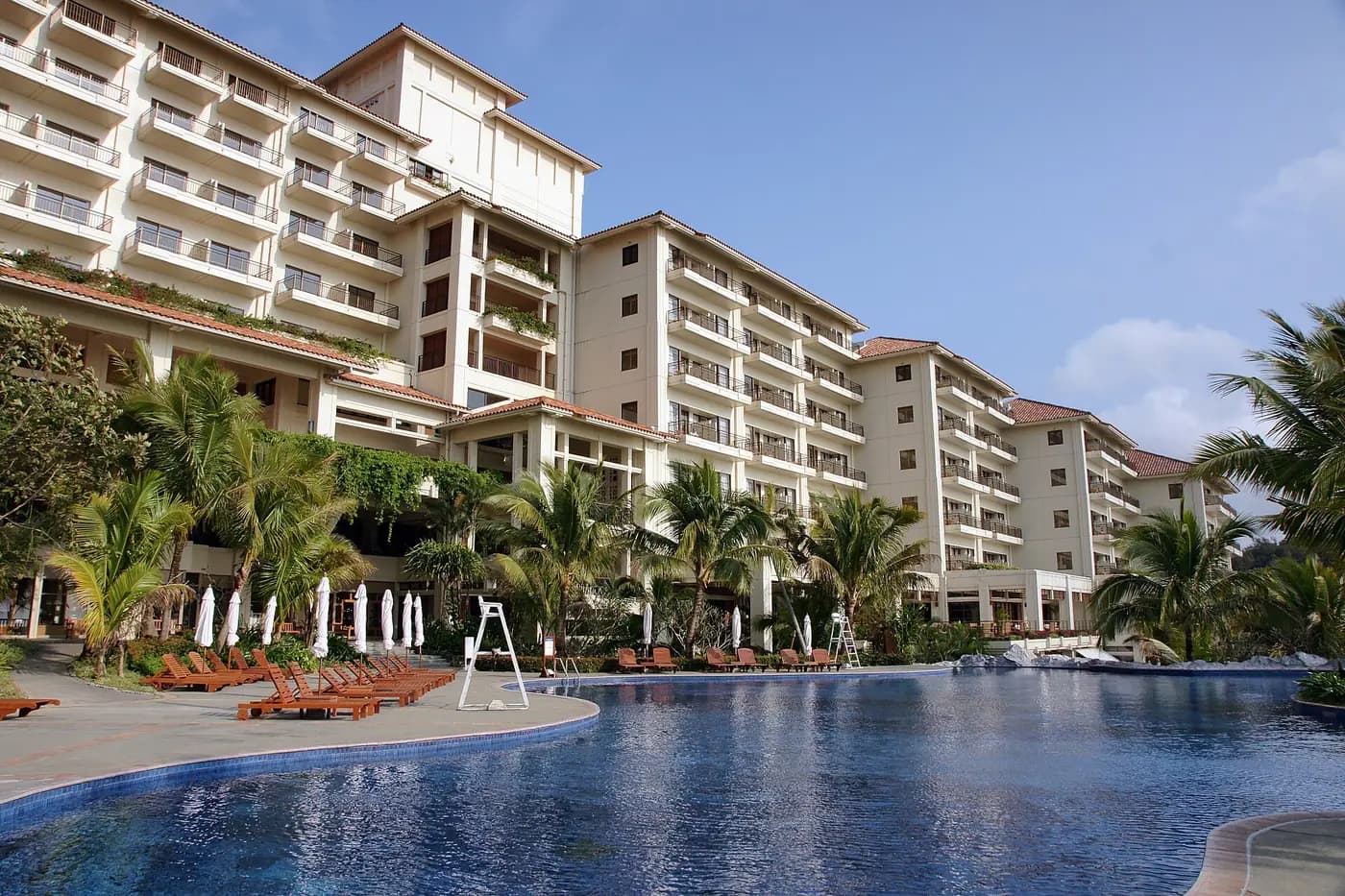
Okinawa is the other summer option, with warm sea, open beaches and water activities for groups. The safest weeks fall just after the rainy season, from late June to mid-July. Resort prices then climb steeply during Japanese school holidays, from late July to late August.

Autumn: when to see the red maples (koyo)?
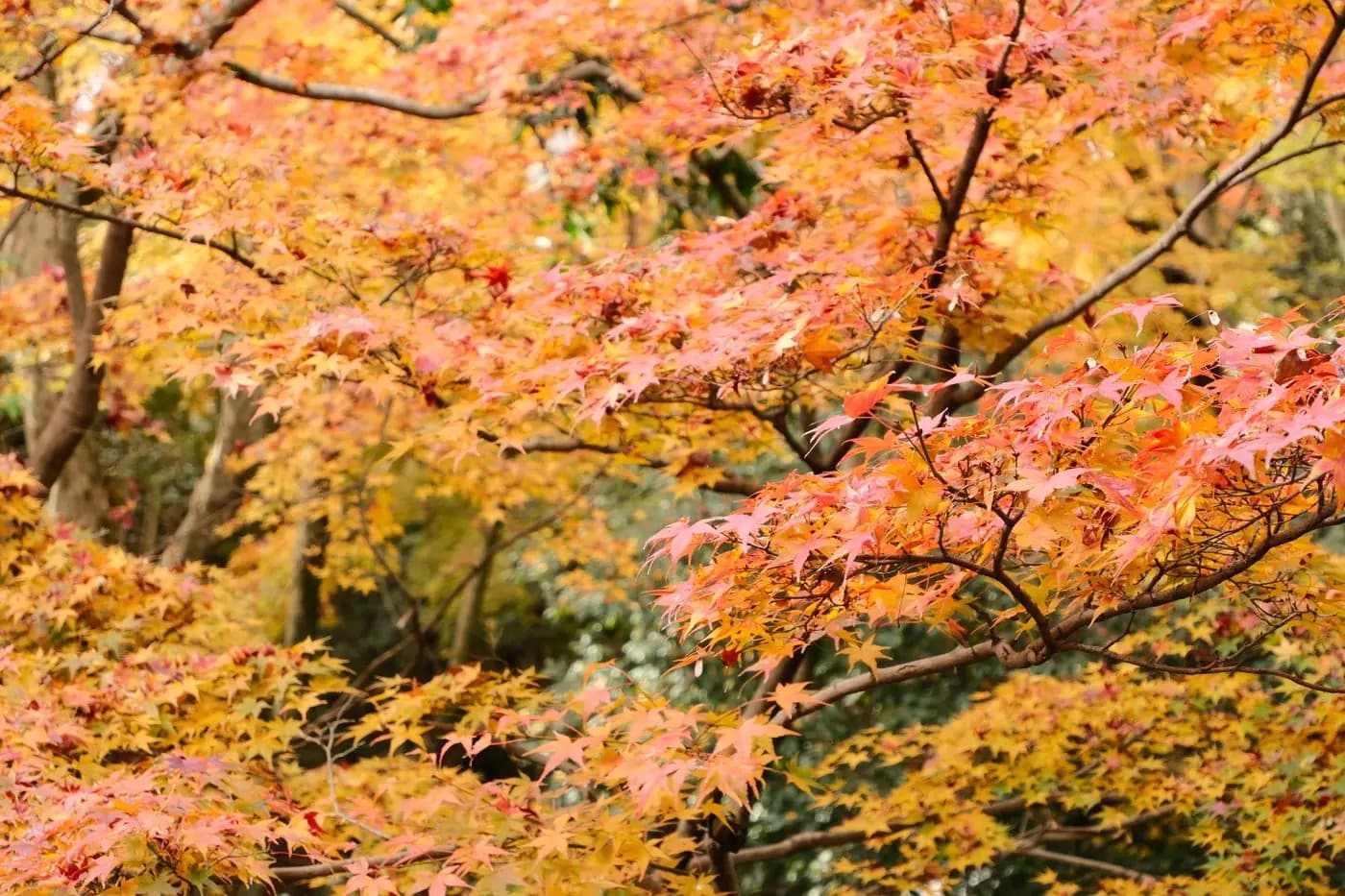
For many, autumn is the best season in Japan: the heat eases, skies dry out from mid-October, and the maples turn red from north to south, the opposite direction to the cherry blossoms.
The koyo front starts in the mountains of Hokkaido in late September, reaches the Japanese Alps in October, then moves down to the cities. The JMA's average dates for its reference maple give a benchmark: around October 28 in Sapporo, November 28 in Tokyo, December 1 in Osaka and December 5 in Kyoto. On the ground, Kyoto's temples and the surrounding valleys (Arashiyama, Ohara, Takao) look their best between mid-November and early December, with the heights of Takao slightly ahead of the city center.
A few things to know:
- Evening openings at temples such as Kiyomizu-dera or Eikan-do draw long queues: fit them into the program early.
- November weekends and the public holidays of November 3 and 23 concentrate Japanese visitors.
- October is often easier: the heat is gone, crowds are moderate, and the first maples color the mountains at Nikko, Hakone or Kamikochi.
Price-wise, the second half of November in Kyoto rivals cherry blossom season. If budget matters, aim for late October or the first week of December, when the last maples still hold on in sheltered gardens.
Winter: snow in Hakuba and Hokkaido, mild days in Okinawa
Winter is the most underrated season. Tokyo is cold but dry, with frequent blue skies and Mount Fuji clearly visible from observation decks; daytime highs hover around 10 °C in January. Kyoto's temples, free of the November crowds, regain their calm, and January and February hotel rates are among the lowest of the year.
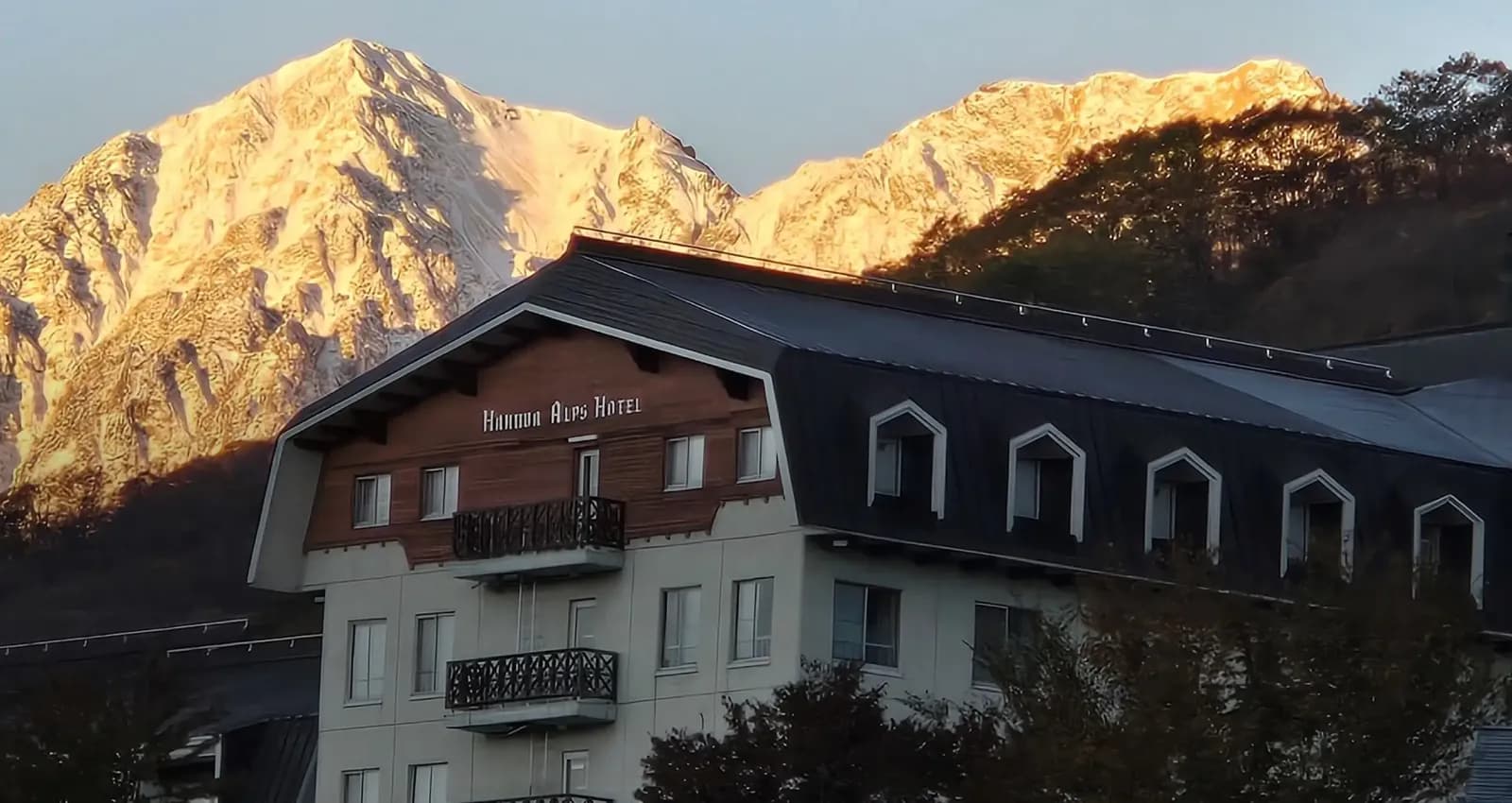
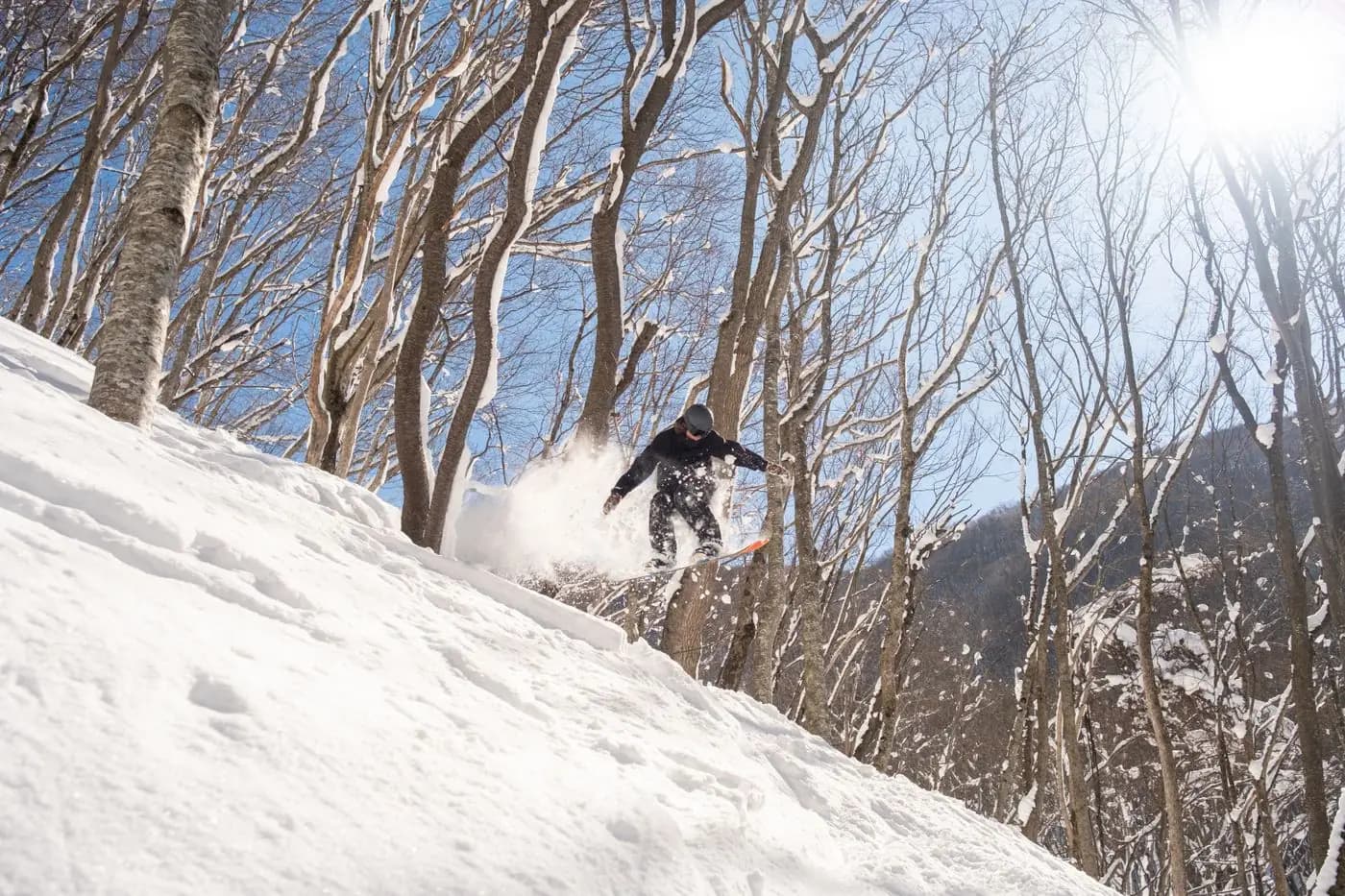
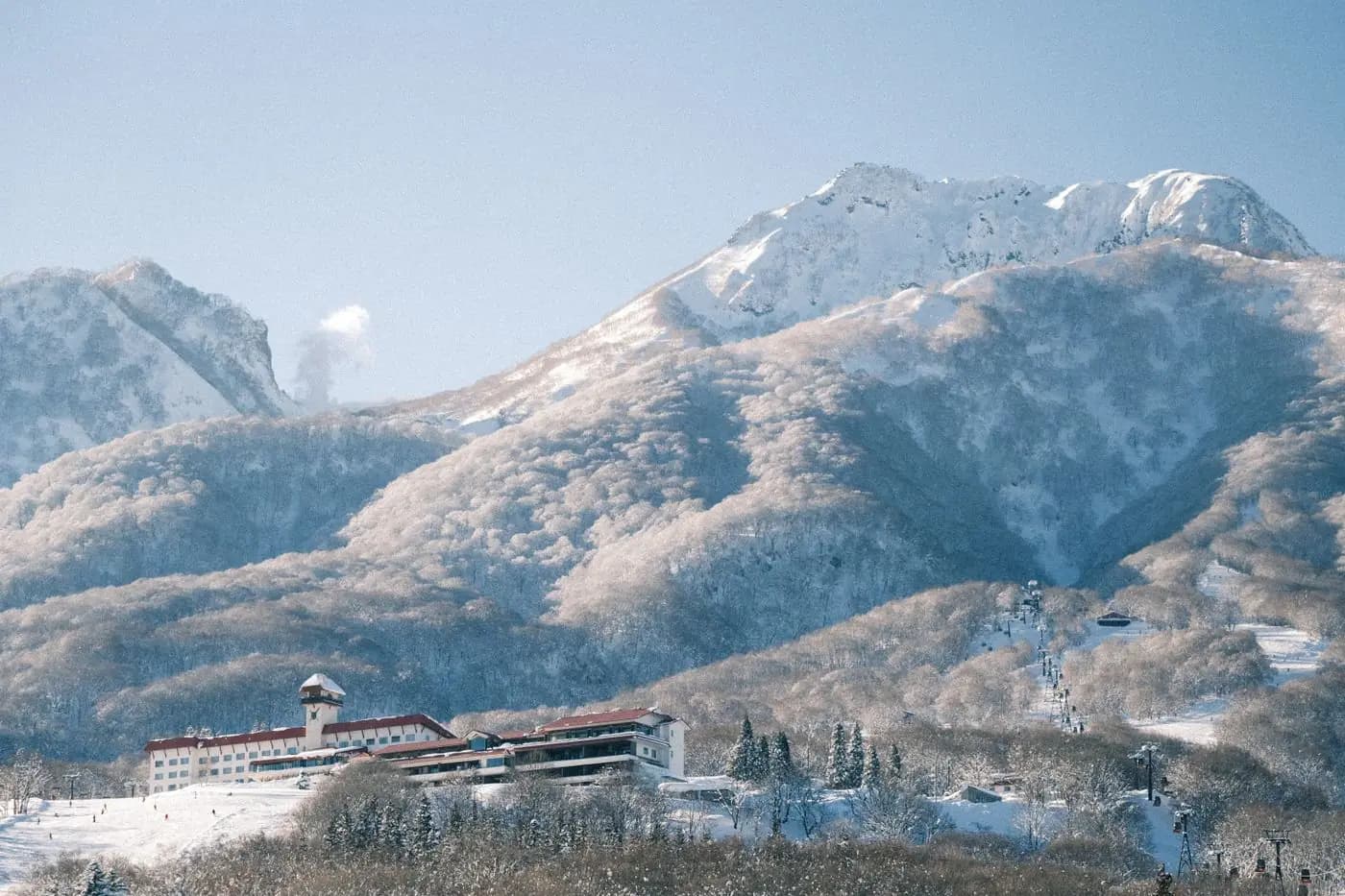
It is also powder season. Siberian winds pick up moisture over the Sea of Japan and drop very light snow, in large quantities, on the Northern Alps and Hokkaido. In Hakuba (Nagano, about 3 hours from Tokyo by Shinkansen then bus), resorts usually open around mid-December, and snow cover is most reliable from January to early March. Niseko and Furano in Hokkaido follow a similar calendar. Sapporo holds its Snow Festival for a week in early February, and its hotels sell out months ahead.
Two caveats: at altitude, temperatures easily drop below −10 °C, and snowstorms can close roads or delay flights to Hokkaido. Always keep half a day of margin before an international flight.
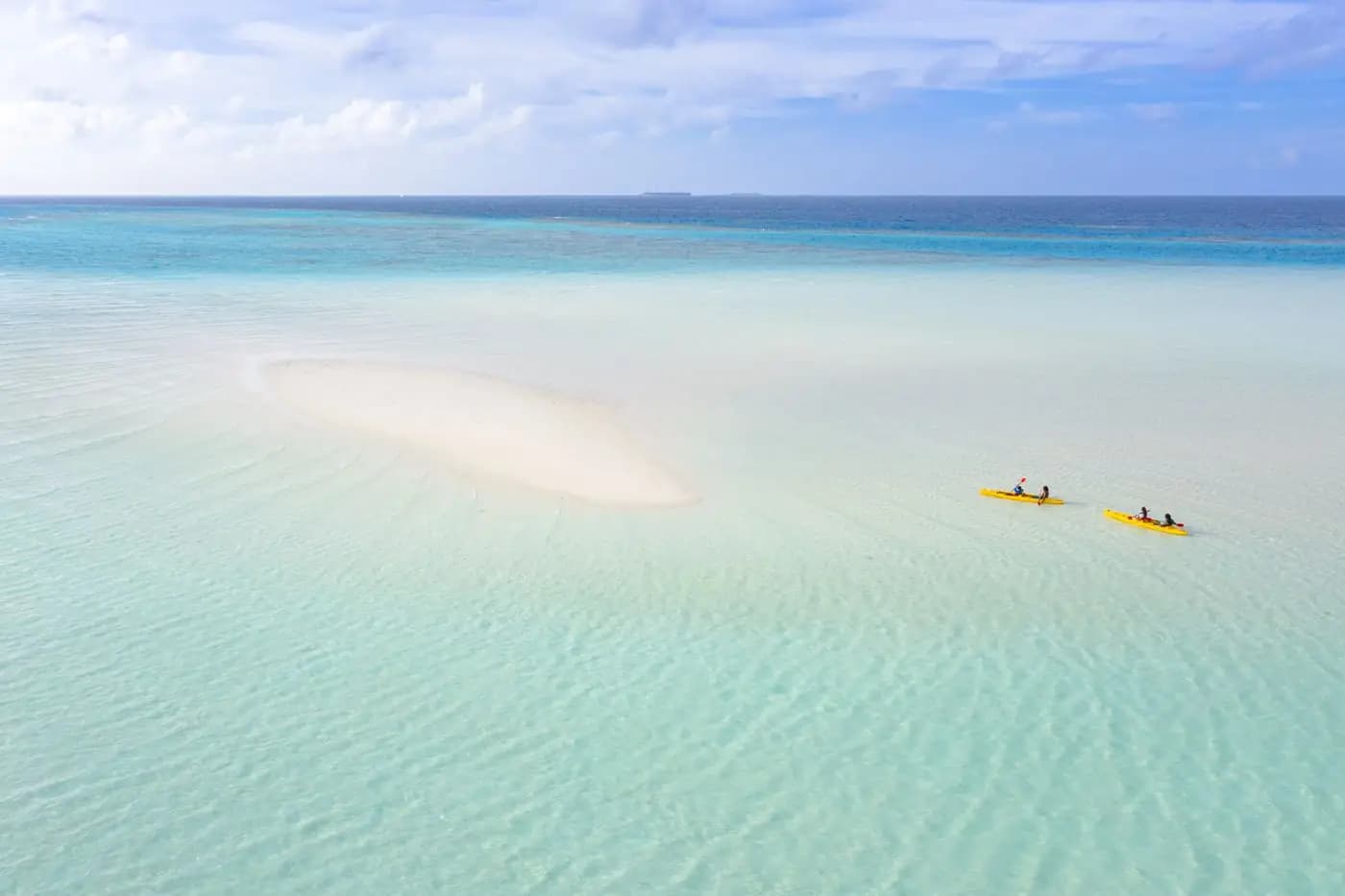
At the other end of the country, Okinawa has a mild winter: in Naha, the January mean temperature is 17 °C, with close to 20 °C in the afternoon, and the first cherry trees bloom from mid-January. The sea is cool for most Europeans, but it is a very good option for a seminar: golf, kayaking, cultural visits in Naha, humpback whales off the Kerama Islands from January to March, and hotel rates far gentler than in summer.
Golden Week, Obon, New Year: Japanese holidays to avoid
Three periods concentrate travel by the Japanese themselves: full trains, jammed highways, hotels two to three times more expensive. It pays to spot them before fixing dates.
- Golden Week (late April–early May): four public holidays close together, April 29 and then May 3 to 5. In 2027, April 29 falls on a Thursday and the block from Saturday May 1 to Wednesday May 5 runs five days in a row. It is the hardest week of the year to get around.
- Obon (mid-August, around the 13th to 16th): these are not official public holidays, but many companies close and families head back to their home regions. The Shinkansen is full out of Tokyo in the first days and in the other direction at the end. Mountain Day, August 11, often extends the break.
- New Year (December 29 – January 3): government offices, many museums, restaurants and small shops close; major shrines are packed from January 1 to 3 for hatsumode, the first shrine visit of the year.
Also watch out for school spring break (mid-March to early April), Silver Week in September in years when Respect for the Aged Day and the autumn equinox fall close together, and Lunar New Year, which brings a wave of visitors from China, Korea and Taiwan.
The rest of the year, the rule is simple: on weekdays outside public holidays, everything is smoother and cheaper. Even reserved Shinkansen seats vary by season, with a surcharge on peak days. A Monday-to-Thursday stay often costs noticeably less than one that spans a weekend.
Seminar or group trip to Japan: which months to choose and when to book
For a group, the criteria shift slightly: weather matters, but the availability of rooms, meeting spaces and train seats matters just as much.
The best windows, in our experience:
- Mid-May to early June: pleasant weather, prices back to normal after Golden Week, long days.
- Mid-October to mid-November: heat and typhoons behind you, first autumn colors, Kyoto still manageable.
- Late January to early March: optimized budget, hotel availability, and the option of combining city and skiing, or city and Okinawa.
- Early December: quiet, illuminations, last maples in Kyoto.
As for lead times, blocking a hotel of more than 50 rooms 12 months ahead for cherry blossom season or the second half of November in Kyoto is not excessive. Outside the peaks, 6 to 9 months is enough for 50 to 150 people, and 3 to 4 months for an executive committee of 10 to 20. Individual Shinkansen bookings open one month before departure, but group seats are requested earlier from JR: something to lock in as soon as the program is approved.
Finally, the weather backup plan is written before departure, not improvised on site:
- For every outdoor activity, an indoor alternative that can be booked at short notice: workshop, museum, tea ceremony, tasting.
- In typhoon season, a buffer day before the return flight and cancellation terms negotiated with suppliers (boats, coaches, guides).
- In summer, walking visits concentrated in the morning, air-conditioned vehicles on standby and water handed out before anyone asks.
- In winter, half a day of margin on flights to Hokkaido and mountain transfers.
This calendar and contingency work is what SHINOGI DMC handles for groups and seminars in Japan: choosing the right week, then making sure the program holds, whatever the sky does.
Frequently asked questions
What is the most pleasant month to visit Japan?
May (after Golden Week, so from the 6th) and the period from mid-October to mid-November offer the best balance: 17 to 24 °C in the afternoon in Tokyo, little rain and lower prices than during cherry blossom season.
When can you see cherry blossoms in Tokyo and Kyoto?
On average, full bloom occurs around March 31 in Tokyo and April 4 in Kyoto (JMA 1991–2020 normals). These dates have been moving earlier: in 2026, Tokyo's first blossoms opened on March 19. Aim for the last week of March and the first week of April.
Should you avoid Japan during the rainy season?
Not necessarily. From early June to mid-July on Honshu, it rains often but rarely all day, hydrangeas are in bloom and hotels are cheaper. Hokkaido, which has no rainy season, is a good alternative in June.
When is typhoon season in Japan?
Typhoons can occur from May to November, peaking in August and September. On average, 11.7 typhoons approach Japan each year and 3 make landfall; Okinawa is the most exposed region.
When is the cheapest time to go to Japan?
From mid-January to late February (excluding Lunar New Year and ski resorts), in June during the rainy season, and in the first half of December. On weekdays outside public holidays, hotels and trains are also more affordable.
How far ahead should a group trip to Japan be booked?
Allow 12 months for cherry blossom or autumn leaves in Kyoto, 6 to 9 months outside the peaks for 50 to 150 people, and 3 to 4 months for a small executive committee. Group Shinkansen seats are requested before individual sales open, one month before departure.
Rédaction SHINOGI DMC · Updated
Sources
- Japan Meteorological Agency — Cherry blossom first-bloom dates and normals (2021–2026)
- Japan Meteorological Agency — Cherry blossom full-bloom dates and normals (2021–2026)
- Japan Meteorological Agency — Rainy season (tsuyu) onset and end, 2026 and normals
- Japan Meteorological Agency — Typhoon normals (formation, approach, landfall)
- Japan Meteorological Agency — Maple autumn coloring dates
- Japan Meteorological Agency — Climate normals 1991–2020, Tokyo
- Japan Meteorological Agency — Climate normals 1991–2020, Kyoto
- Japan Meteorological Agency — Climate normals 1991–2020, Naha
- Cabinet Office of Japan — National holidays (国民の祝日)
- Ministry of the Environment — Heatstroke alerts and WBGT index
- Sapporo Snow Festival — Official website
- JNTO — Préparer son voyage au Japon