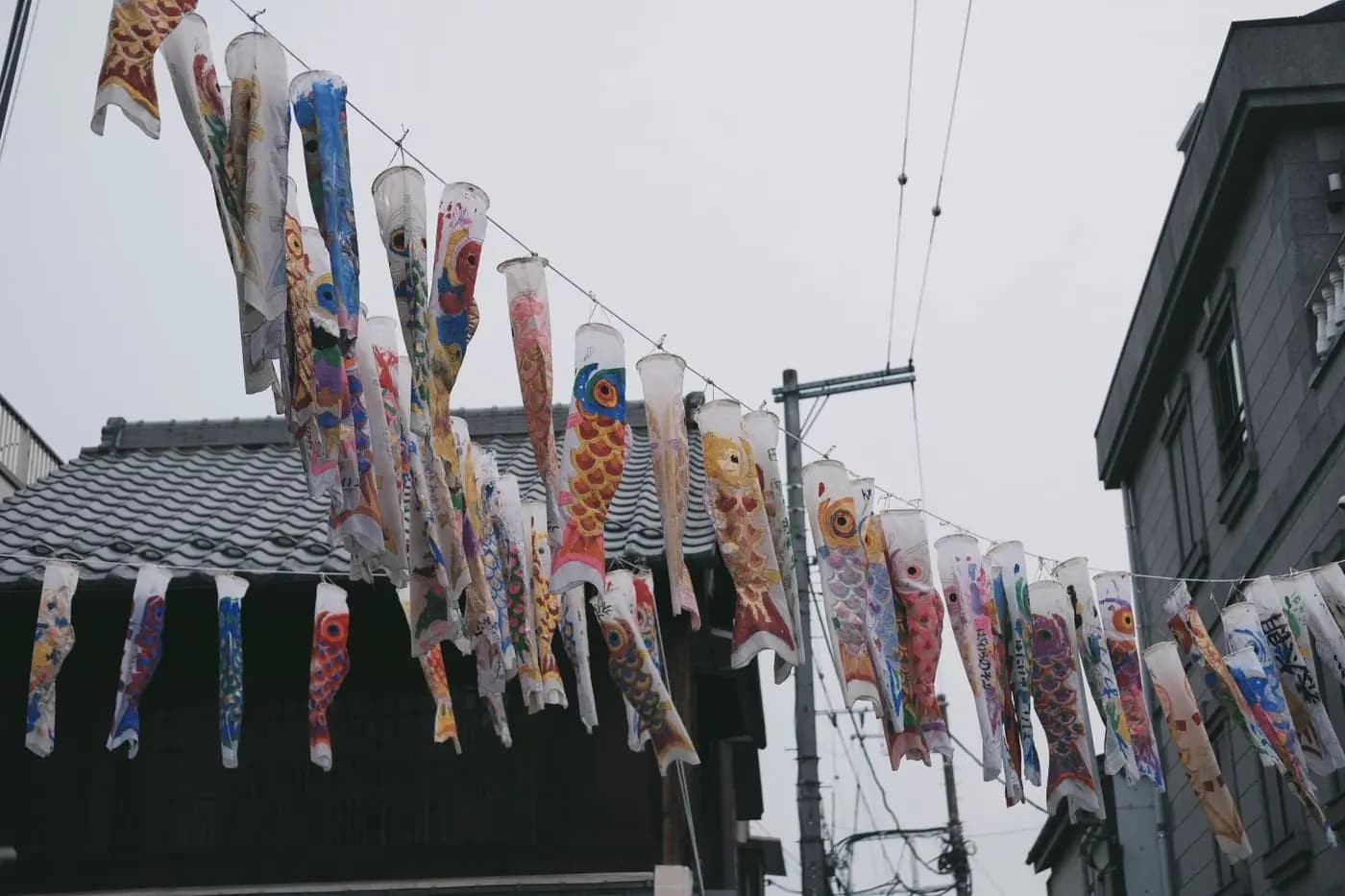
Japan public holidays 2027: the full list
Short answer: Japan has 16 national holidays in 2027, plus a substitute holiday on Monday, March 22, for 17 days off in total. The periods that really disrupt travel are Golden Week (April 29 to May 5), Obon (around August 13 to 16) and New Year (December 29, 2027 to January 3, 2028).
The official list published by the Cabinet Office of Japan:
- Friday, January 1: New Year's Day (Ganjitsu);
- Monday, January 11: Coming of Age Day (Seijin no hi);
- Thursday, February 11: National Foundation Day;
- Tuesday, February 23: Emperor's Birthday;
- Sunday, March 21: Vernal Equinox Day, substitute holiday Monday, March 22;
- Thursday, April 29: Shōwa Day;
- Monday, May 3: Constitution Memorial Day;
- Tuesday, May 4: Greenery Day;
- Wednesday, May 5: Children's Day;
- Monday, July 19: Marine Day;
- Wednesday, August 11: Mountain Day;
- Monday, September 20: Respect for the Aged Day;
- Thursday, September 23: Autumnal Equinox Day;
- Monday, October 11: Sports Day;
- Wednesday, November 3: Culture Day;
- Tuesday, November 23: Labour Thanksgiving Day.
When a holiday falls on a Sunday, the next working day is off: that is March 22, 2027. There is no "sandwich" holiday in 2027, unlike 2026 when September 22 fell between two holidays.
This gives five three-day weekends: January 9–11, March 20–22, July 17–19, September 18–20 and October 9–11. On those dates, hot-spring resorts, Hakone, Kyoto and Okinawa fill up with Japanese travellers.
Golden Week 2027 in Japan: dates, crowds and prices
Golden Week 2027 runs from Thursday, April 29 to Wednesday, May 5. The calendar suits Japanese travellers well: only Friday, April 30 is a working day between April 29 and the weekend. Many will take that day off and travel for seven days straight; most departures will be on Saturday, May 1, and returns on Wednesday, May 5.
What this means for a trip or seminar:
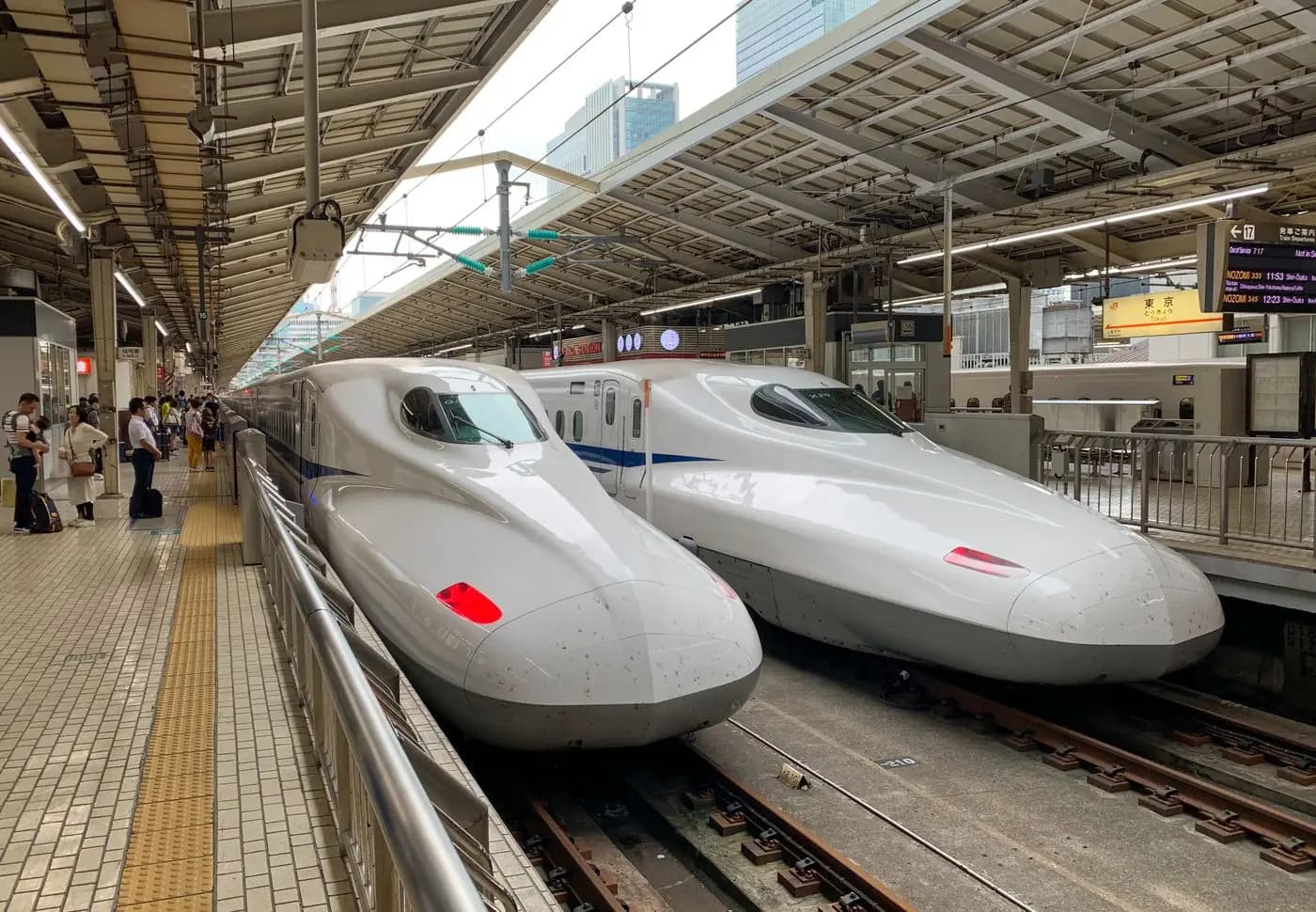
- Shinkansen full or nearly so on the Tokyo–Osaka–Hakata corridor on May 1 and 5; reserved seats go as soon as sales open, one month ahead.
- Hotels in Kyoto, Hakone, Nikko, Kanazawa and Okinawa at their highest, often with a two-night minimum.
- Sights packed: Fushimi Inari, Arashiyama, Kiyomizu-dera, Miyajima, Mount Fuji on the Kawaguchiko side.
- Domestic and international flights out of Japan expensive and full.
- Japanese companies closed from Thursday to Wednesday in most cases: no point scheduling B2B meetings or factory visits.
Central Tokyo, on the other hand, is quieter than usual as business districts empty. For an individual trip, a city like Tokyo still works during Golden Week if hotels and trains are booked early. For a group, avoid it.
The following week, May 6 to 14, 2027, is one of the best of the year: mild weather, green gardens, prices back down and companies open again. One caveat in Kansai that year: the World Masters Games run there from May 14 to 30, 2027, drawing tens of thousands of amateur athletes.
Obon 2027 and summer holidays: the August dates to avoid
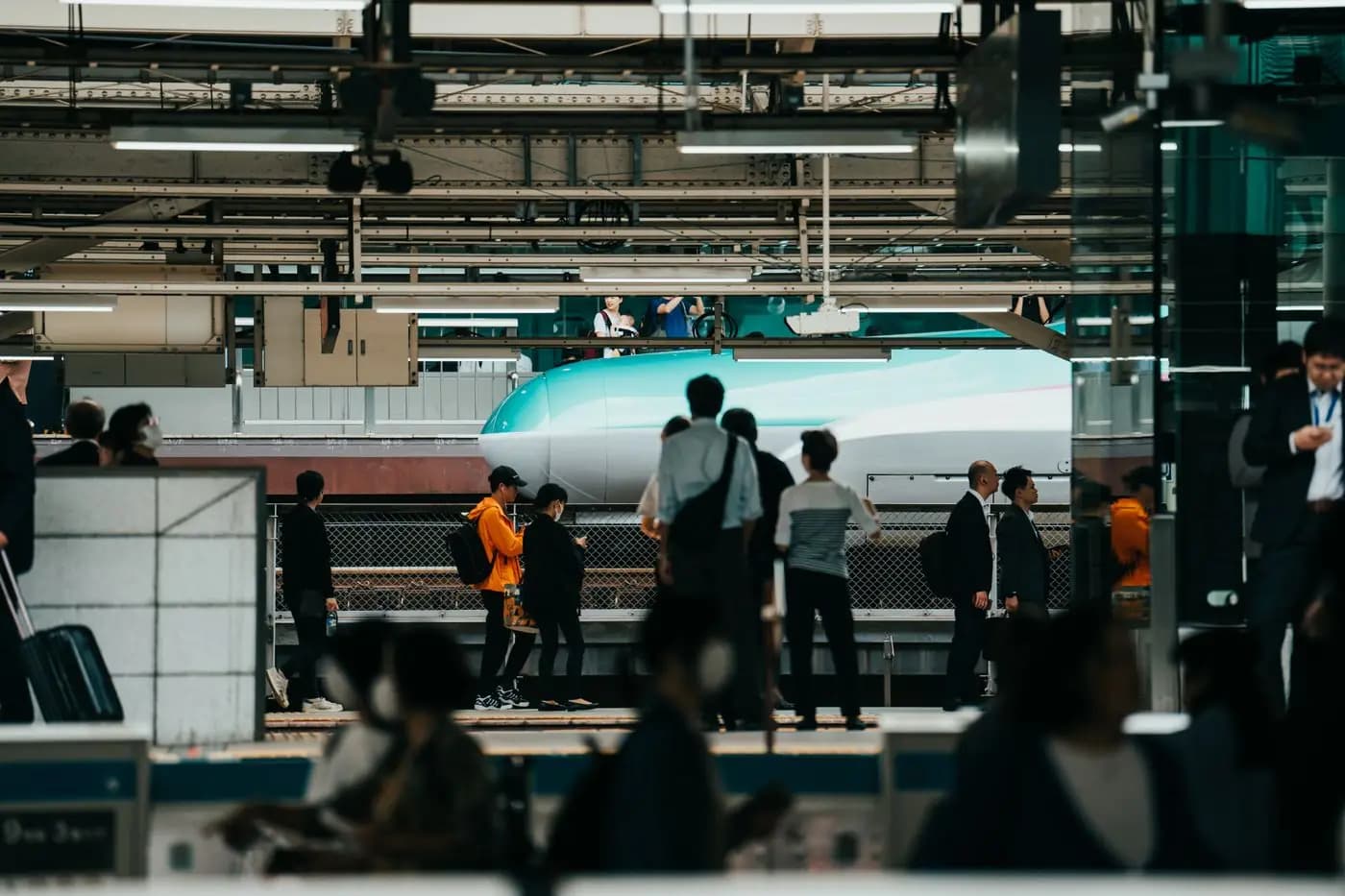
Obon is not a national holiday, but it is the year's second great migration: people go home to honour their ancestors. In 2027, the traditional period of August 13 to 16 runs from Friday to Monday, and Mountain Day (Wednesday, August 11) opens the week. Many companies will close from August 11 to 16, some from August 7 to 16.
Expected transport peaks:
- departures: Tuesday, August 10 to Friday, August 13;
- returns: Sunday, August 15 and Monday, August 16, then the following weekend.
In Kyoto, on the evening of August 16, the Gozan no Okuribi bonfires are lit on the mountains around the city and draw huge crowds.
Japanese summer also weighs through its climate: from mid-July to late August, 33 to 35 °C is common in Tokyo, Kyoto and Osaka, with high humidity. School holidays generally run from late July to late August, filling theme parks, Okinawa's beaches and family attractions.
For a seminar, July (except the 17–19 weekend) still works in the city, with indoor activities and air-conditioned transfers. August, however, combines heat, typhoon risk and Japanese partners closing around Obon. If summer is unavoidable, Hokkaido and the Japanese Alps (Hakuba) are about 10 °C cooler.
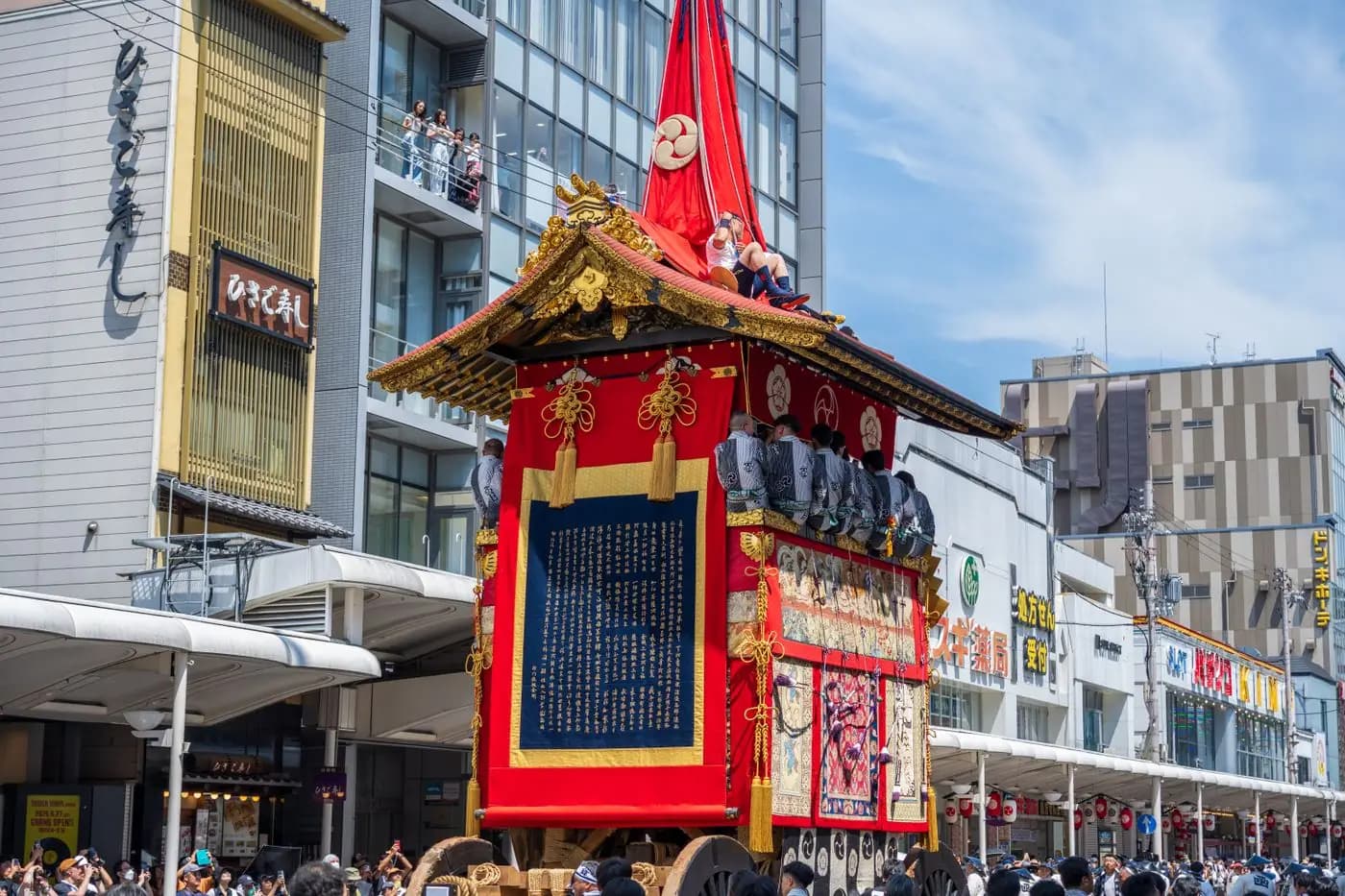
July has its own highlights: the Gion Matsuri fills Kyoto all month, with the great float processions on July 17 and 24, and Osaka's Tenjin Matsuri peaks on July 24 and 25. Wonderful moments, but full hotels and closed streets.
September to December 2027: Silver Week, autumn long weekends and New Year
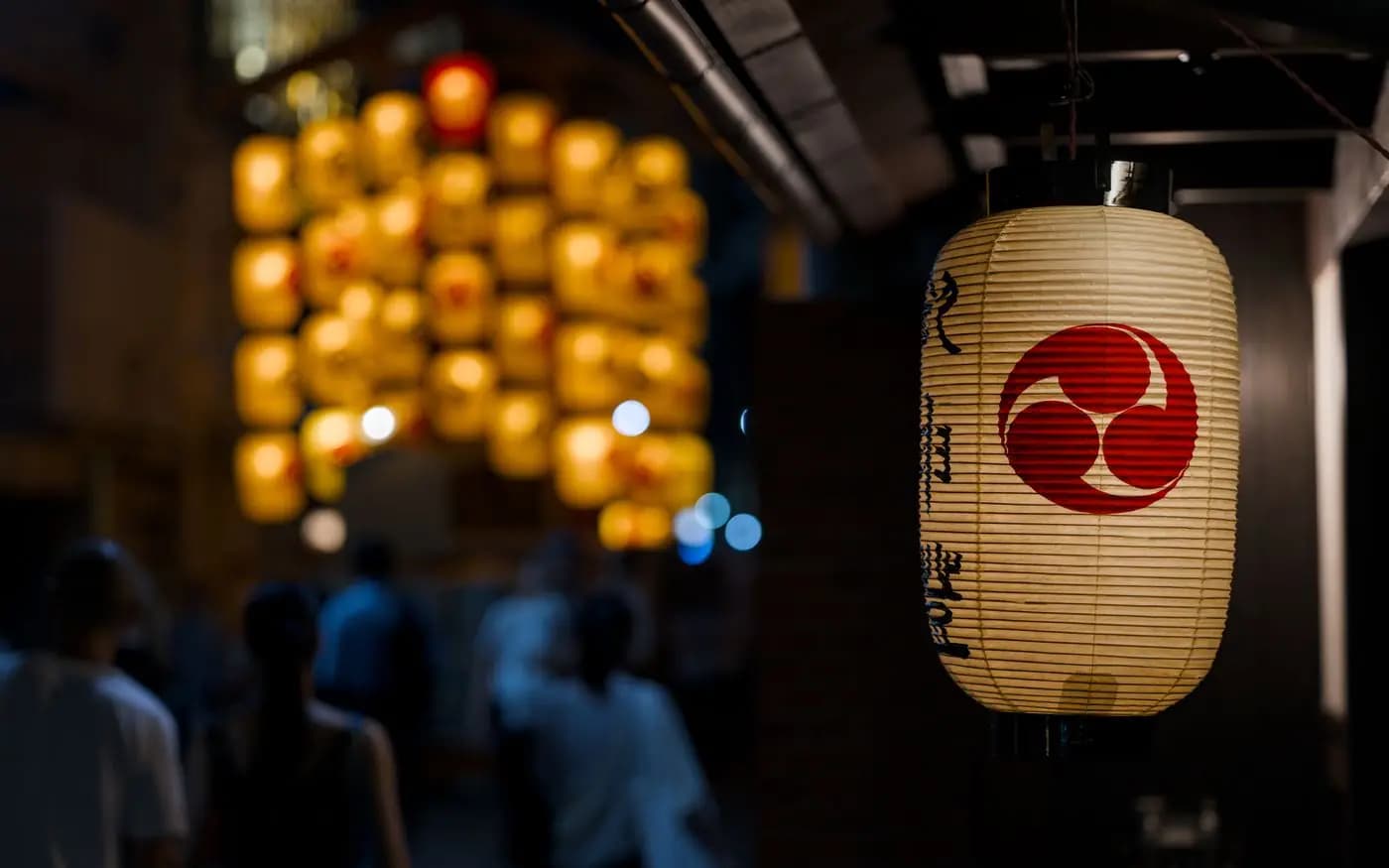
In 2027, September's "Silver Week" is short. Monday, September 20 (Respect for the Aged Day) creates a three-day weekend from the 18th to the 20th; the equinox falls on Thursday, the 23rd. Tuesday 21 and Wednesday 22 remain working days, but some Japanese will take them off to travel for six days. Expect strong hotel demand on September 18–20 and 23–26.
Autumn is peak season for seminars and group trips, with three markers:
- October 9–11: three-day weekend (Sports Day);
- Wednesday, November 3: Culture Day, midweek;
- Tuesday, November 23: many will bridge Monday the 22nd, creating a four-day weekend from the 20th to the 23rd, right at peak autumn colours in Kyoto.
Autumn leaves (koyo) peak from mid-November to early December in Kyoto and Tokyo, when Kyoto hotels cost as much as in cherry blossom season. On October 22 the Jidai Matsuri parades through Kyoto; on November 3 many cultural events take place in Tokyo.
December adds two constraints specific to Japan:
- bōnenkai season, the year-end company dinners: private rooms in restaurants and izakaya are booked weeks ahead, especially Thursdays and Fridays in mid-December;
- New Year, from Wednesday, December 29, 2027 to Monday, January 3, 2028: government offices closed, many companies, restaurants and museums too, trains full around December 29–30 and January 2–3, and shrines such as Meiji Jingu or Fushimi Inari overrun in the first three days of January.
For a group, the first half of December is a very good window: dry, bright weather, illuminations and moderate prices.
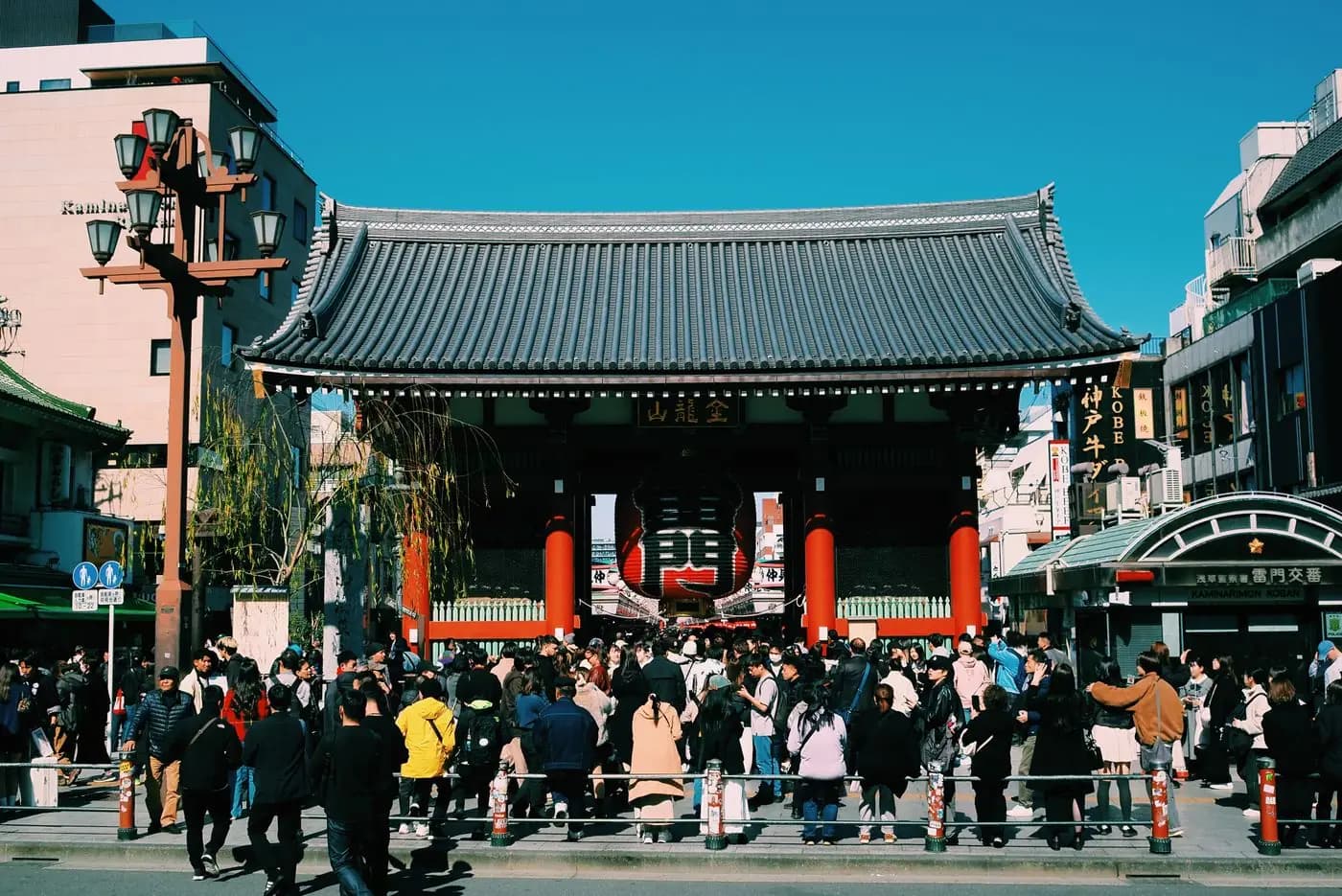
Major events in Japan in 2027: GREEN×EXPO, World Masters Games, festivals, sumo
Beyond public holidays, a few 2027 events weigh on hotels and transport, or can anchor a programme. We only list dates published by the organisers:
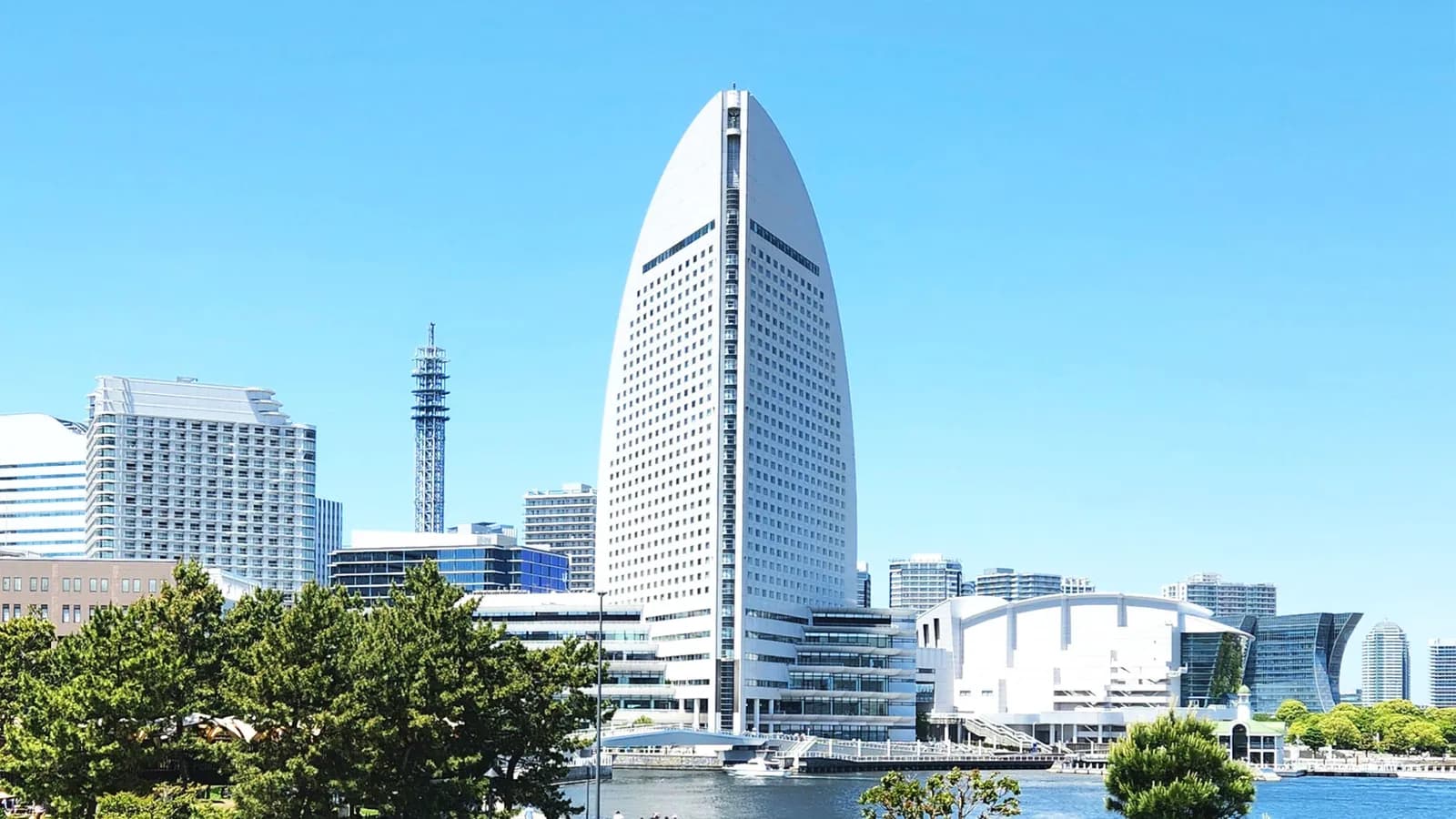
- GREEN×EXPO 2027 (international horticultural expo): Friday, March 19 to Sunday, September 26, 2027, 192 days, on the former Kamiseya communications site in Yokohama (Seya and Asahi wards). A dedicated article covers access and organising group visits.
- World Masters Games 2027 Kansai: Friday, May 14 to Sunday, May 30, 2027, across several Kansai prefectures (Osaka, Kyoto, Hyogo, Wakayama and more). General entries close on February 28, 2027. Expect strong hotel demand in Osaka and Kyoto over those two weeks.
- Lunar New Year: Saturday, February 6, 2027. Visitors from China, Taiwan, Hong Kong and Southeast Asia are numerous, especially in Osaka, Kyoto, Tokyo and Hokkaido.
- Annual festivals on fixed dates: Kyoto's Aoi Matsuri on May 15, Gion Matsuri all July (float processions on the 17th and 24th), Osaka's Tenjin Matsuri on July 24 and 25, Gozan no Okuribi on August 16, Jidai Matsuri on October 22.
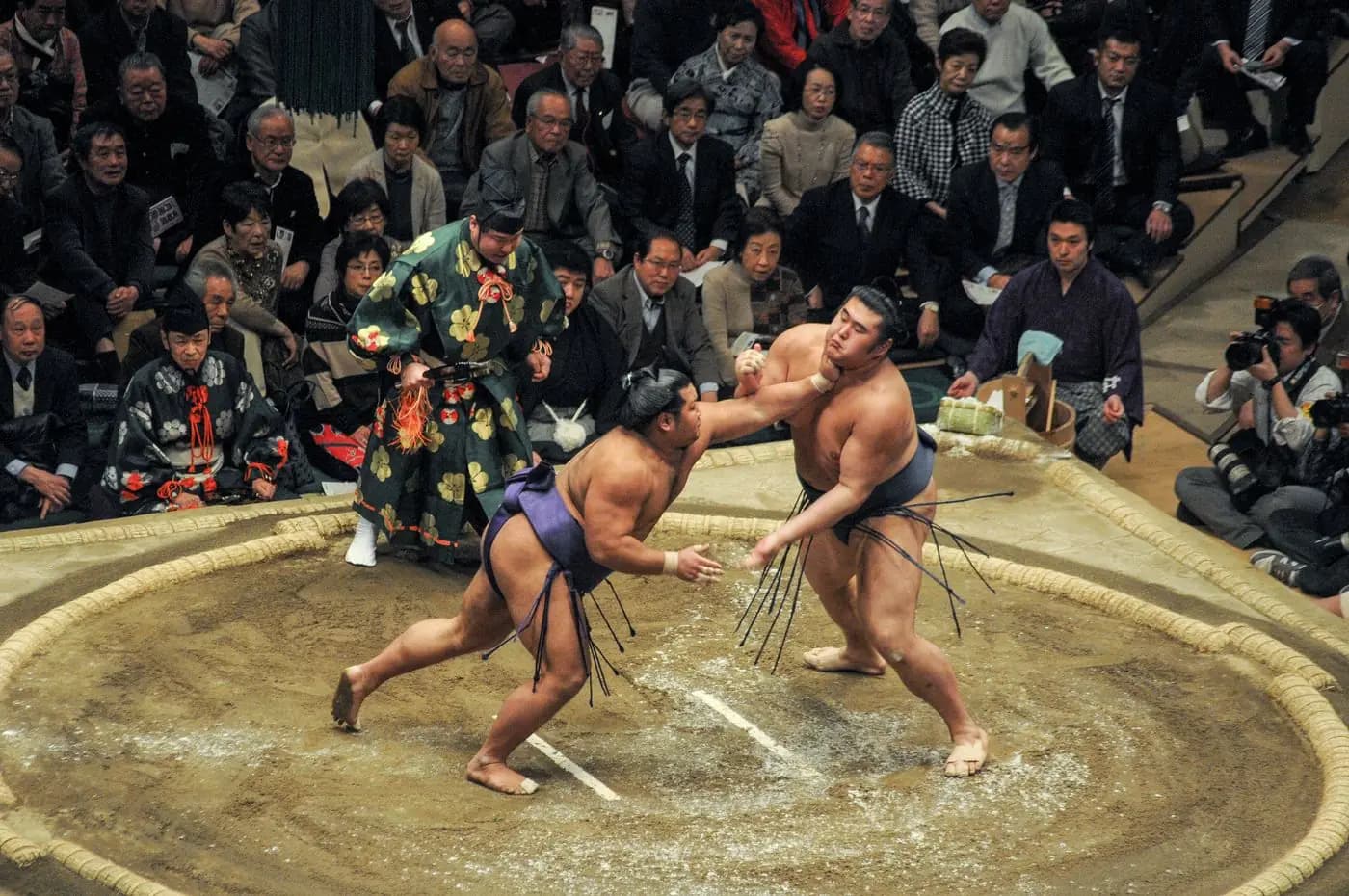
- Sumo tournaments: six 15-day tournaments, in January, May and September in Tokyo (Ryōgoku Kokugikan), March in Osaka, July in Nagoya and November in Fukuoka. Check the exact 2027 dates on the Japan Sumo Association website.
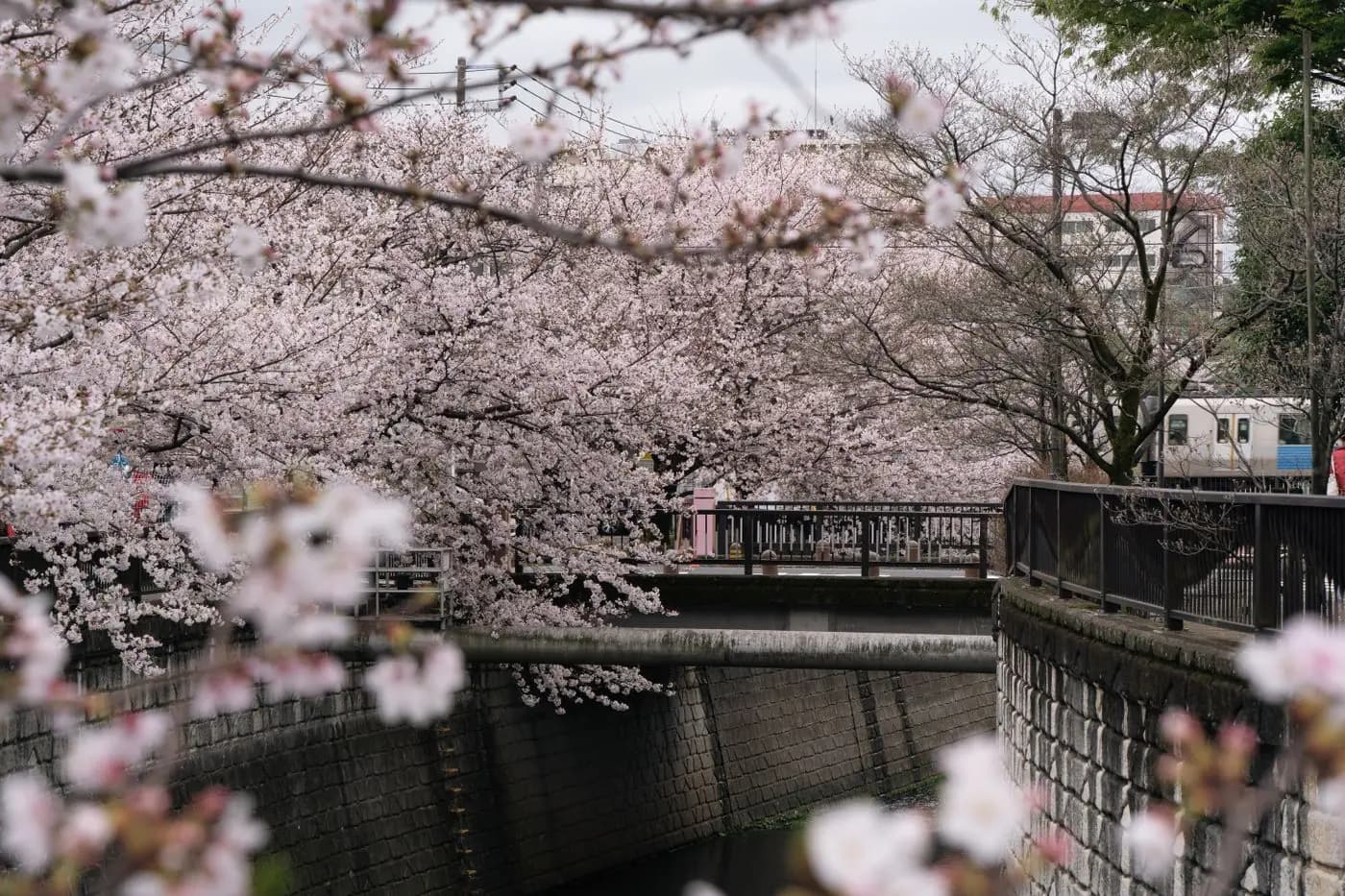
On the nature side, Japan Meteorological Agency normals put full cherry blossom around March 31 in Tokyo and April 4 in Kyoto, with a trend towards earlier dates in recent years. Our articles on cherry blossoms and on the best time to visit Japan give these markers city by city.
For other big 2027 fixtures (the Formula 1 Grand Prix at Suzuka, major trade shows), wait for official calendars before blocking hotels.
Japan 2027 business calendar: when to schedule a seminar or meetings
For an executive committee, an incentive or a round of B2B meetings, Japan's calendar reads in three colours. Our view of 2027, month by month:
- January: avoid until the 8th (slow restart after New Year); fine afterwards, cold and dry, low prices. Long weekend January 9–11.
- February: good window for a city seminar or a snow programme (Hokkaido, Hakuba); Asian visitor peak around February 6; holidays on Thursday 11 and Tuesday 23.
- March: fiscal year-end for most Japanese companies, busy diaries in the second half; school holidays from mid-March; GREEN×EXPO opens on the 19th.
- April: new recruits start on April 1, cherry blossoms in early April, hotel prices at their peak; then Golden Week from the 29th.
- May: avoid May 1–5; excellent from the 6th to month-end, except for the World Masters Games in Kansai from the 14th to the 30th.
- June: rainy season on Honshu, lower prices; a very good month for company visits and indoor programmes.
- July: heat from mid-July, Gion Matsuri in Kyoto; long weekend July 17–19.
- August: avoid, especially the 11th to 16th (Obon), heat and typhoons.
- September: typhoons still possible, heat in the first half; watch the 18th to 26th.
- October: one of the best months, except the October 9–11 weekend.
- November: excellent for Tokyo and Osaka; Kyoto very expensive and crowded from mid-November to early December.
- December: very good until about the 15th; bōnenkai and closures afterwards, New Year from the 29th.
For meetings with Japanese companies, also avoid the last week of March and the first week of April (accounts closing, internal transfers, new employees arriving): your counterparts sometimes change roles on April 1.
Booking a group trip for 2027: lead times and dates to lock in
The calendar tells you when to go; lead times tell you when to decide. Our benchmarks for 2027:
- 12 months ahead for a group during cherry blossoms (late March–early April) or autumn colours in Kyoto (mid-November–early December): room blocks and private rooms at well-known restaurants go first.
- 9 to 12 months for a seminar of more than 100 people in Osaka or Kyoto in May, given the World Masters Games.
- 6 to 9 months outside peaks for 50 to 150 participants.
- 3 to 4 months for a small executive committee in a quiet period (June, early December, February).
For trains, Shinkansen group seat requests are filed before individual sales open, one month ahead; this is decisive on May 1 and 5, August 13 and 15–16, and around New Year.
Three planning reflexes:
- Cross-check Japan's calendar with your participants': Easter, Ascension or All Saints' holidays in Europe do not coincide with Japanese peaks, which opens good windows (late October or mid-May, for example).
- Check site closures: many museums close on Mondays and, when Monday is a holiday, the following Tuesday. With five Monday holidays in 2027, this matters.
- Keep a margin around unpublished event dates: book with flexible cancellation terms rather than blocking on an assumed date.
Holidays and their effects are also covered in our guide to the best time to visit Japan, and festivals in our matsuri calendar. SHINOGI DMC builds each group programme on this calendar, taking into account public holidays, closures and the year's major events.
Frequently asked questions
When is Golden Week 2027 in Japan?
Thursday, April 29 to Wednesday, May 5, 2027. The holidays are April 29 and May 3, 4 and 5; only Friday, April 30 is a working day. Departures peak on May 1, returns on May 5.
How many public holidays does Japan have in 2027?
16 national holidays, plus a substitute holiday on Monday, March 22, 2027 (the vernal equinox falls on a Sunday), for 17 days off according to the Cabinet Office list.
When is Obon in 2027?
Traditionally Friday, August 13 to Monday, August 16, 2027. With Mountain Day on Wednesday, August 11, many companies will close from the 11th to the 16th. Returns will peak on August 15 and 16.
What are the New Year closure dates for 2027–2028?
Government offices close from Wednesday, December 29, 2027 to Monday, January 3, 2028. Many companies, restaurants and museums do the same; only January 1 is a national holiday.
What major events take place in Japan in 2027?
GREEN×EXPO 2027 in Yokohama from March 19 to September 26, the World Masters Games in Kansai from May 14 to 30, plus annual festivals (Gion Matsuri in July, Jidai Matsuri on October 22) and six sumo tournaments.
What is the best time in 2027 for a seminar in Japan?
May 6 to month-end (avoiding Kansai from the 14th to the 30th), June for a city programme, October outside the 9–11 weekend, November in Tokyo and Osaka, and the first half of December. Avoid Golden Week, Obon and New Year.
Rédaction SHINOGI DMC · Updated
Sources
- Cabinet Office of Japan — National holidays 2026 and 2027 (国民の祝日について)
- GREEN×EXPO 2027 (Japan Association for the International Horticultural Expo 2027) — press release, September 1, 2026
- City of Sakai — World Masters Games 2027 Kansai (May 14–30, 2027)
- Osaka Convention & Tourism Bureau — WMG2027 Osaka Kansai
- Japan Meteorological Agency — Cherry blossom full-bloom dates and normals
- Japan Sumo Association — Tournament schedule
- Kyoto City Official Travel Guide — Annual events (Aoi, Gion, Jidai Matsuri, Gozan no Okuribi)