Why culture is more than an add-on
In a Japan MICE program, the cultural experience is often added late in the design process to fill half a day. That is a missed opportunity. Chosen well, it becomes one of the moments participants remember longest, and a tangible vehicle for the company’s message.
Japanese culture lends itself particularly well to this. Many traditional disciplines rest on ideas that speak directly to organizations: precision of gesture, attention to others, repetition as a path to excellence, a group coordinated around a shared rhythm.
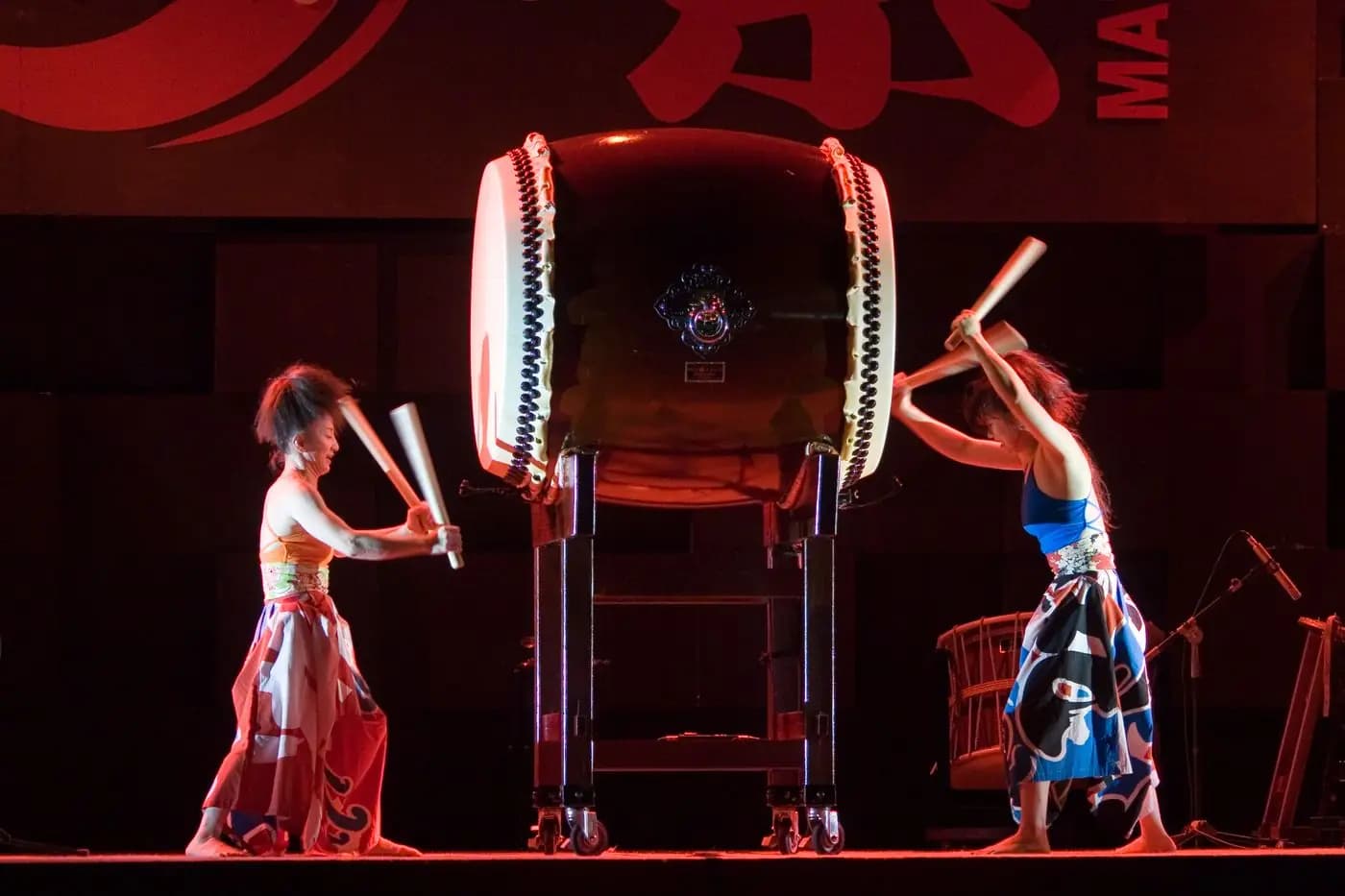
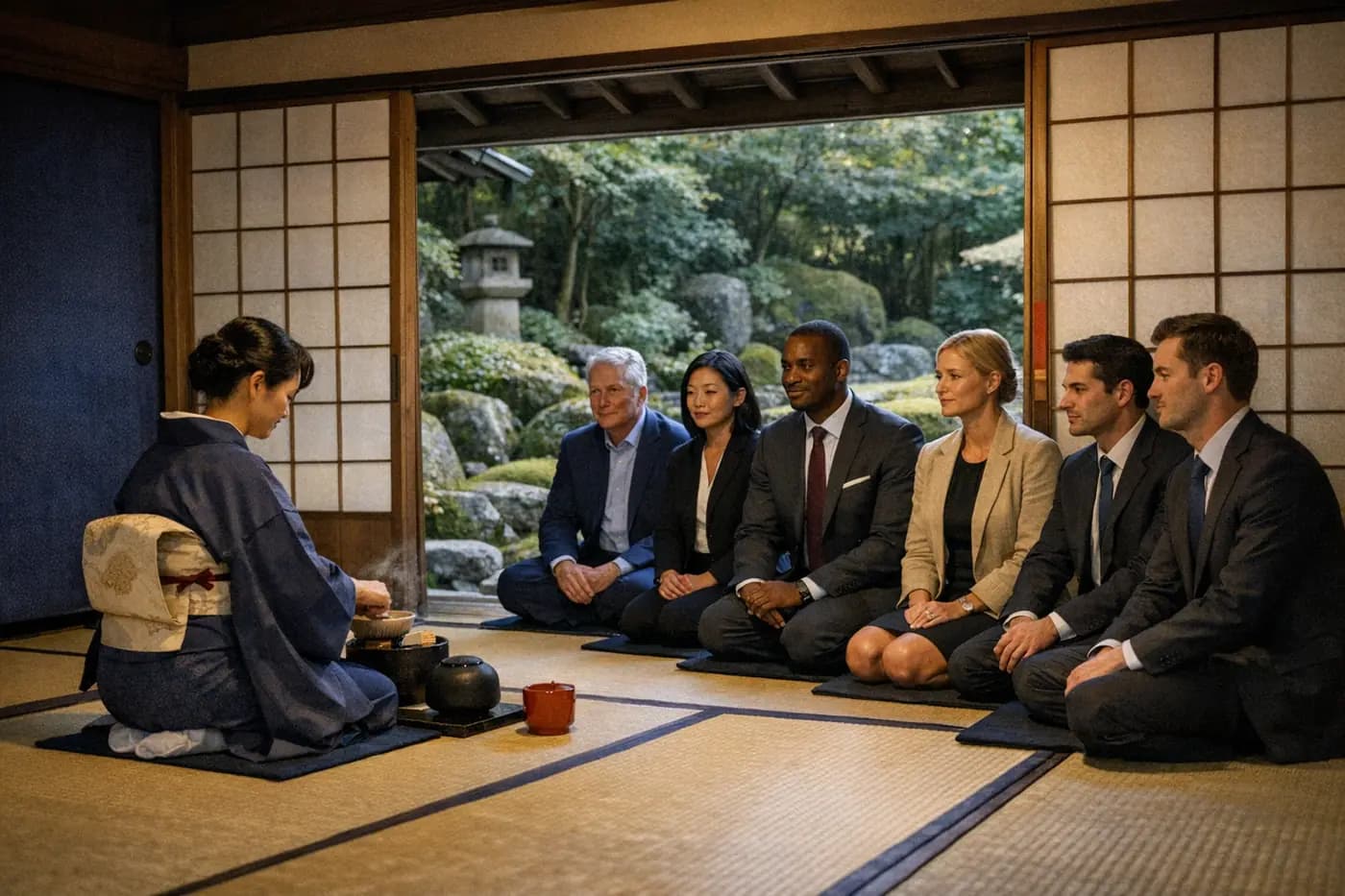
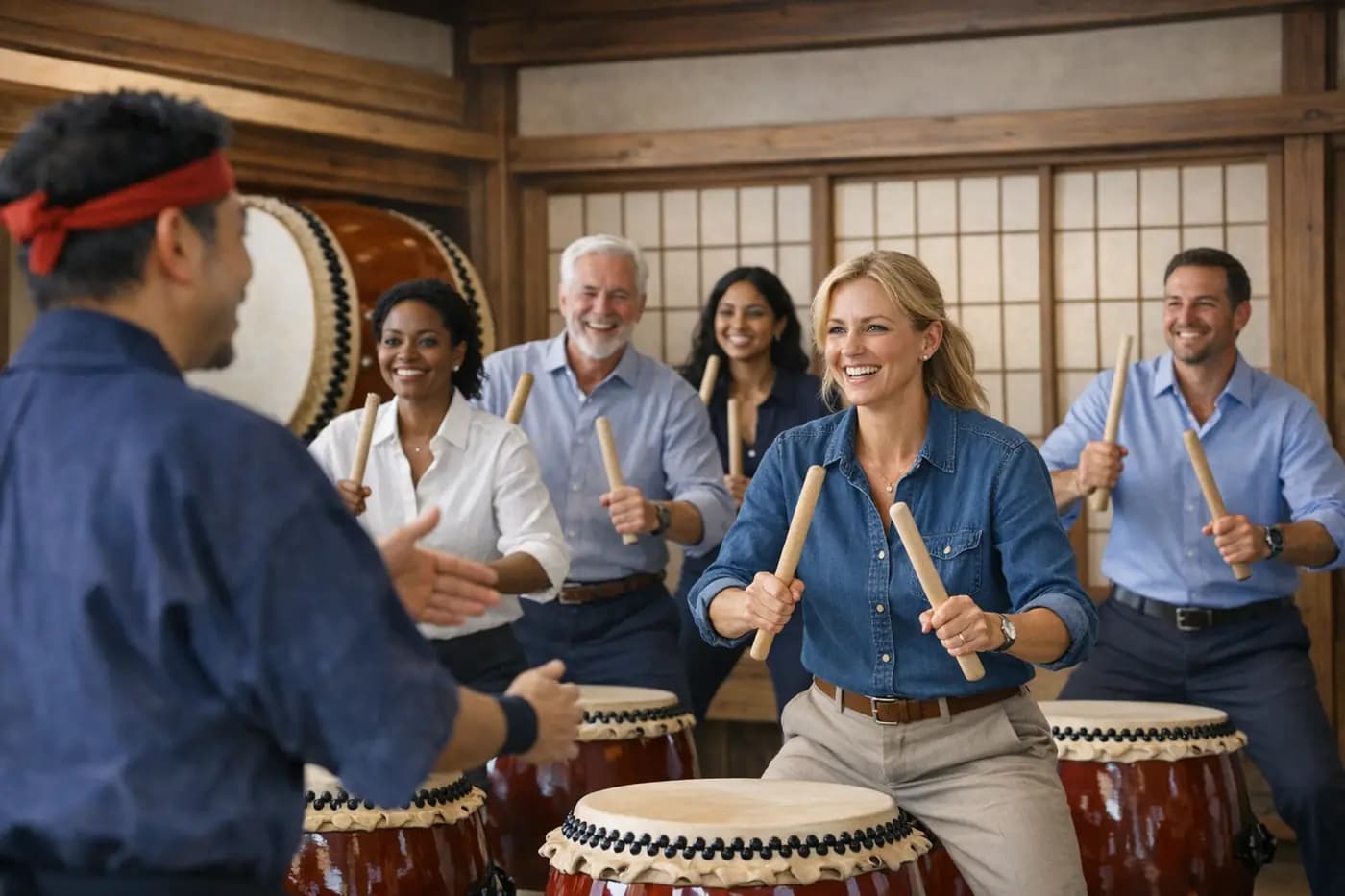
For an executive committee, a tea ceremony becomes a reflection on hospitality and attention to detail. For a sales force, a taiko session becomes a lesson in collective listening. The key is to choose the experience based on the objective, not the other way around.
Choose the experience according to the objective
Here is our matching grid, refined over many programs:
- Cohesion and energy: taiko (Japanese drumming), where the group must find a shared rhythm; a team rally in Tokyo or a treasure hunt in Kyoto.
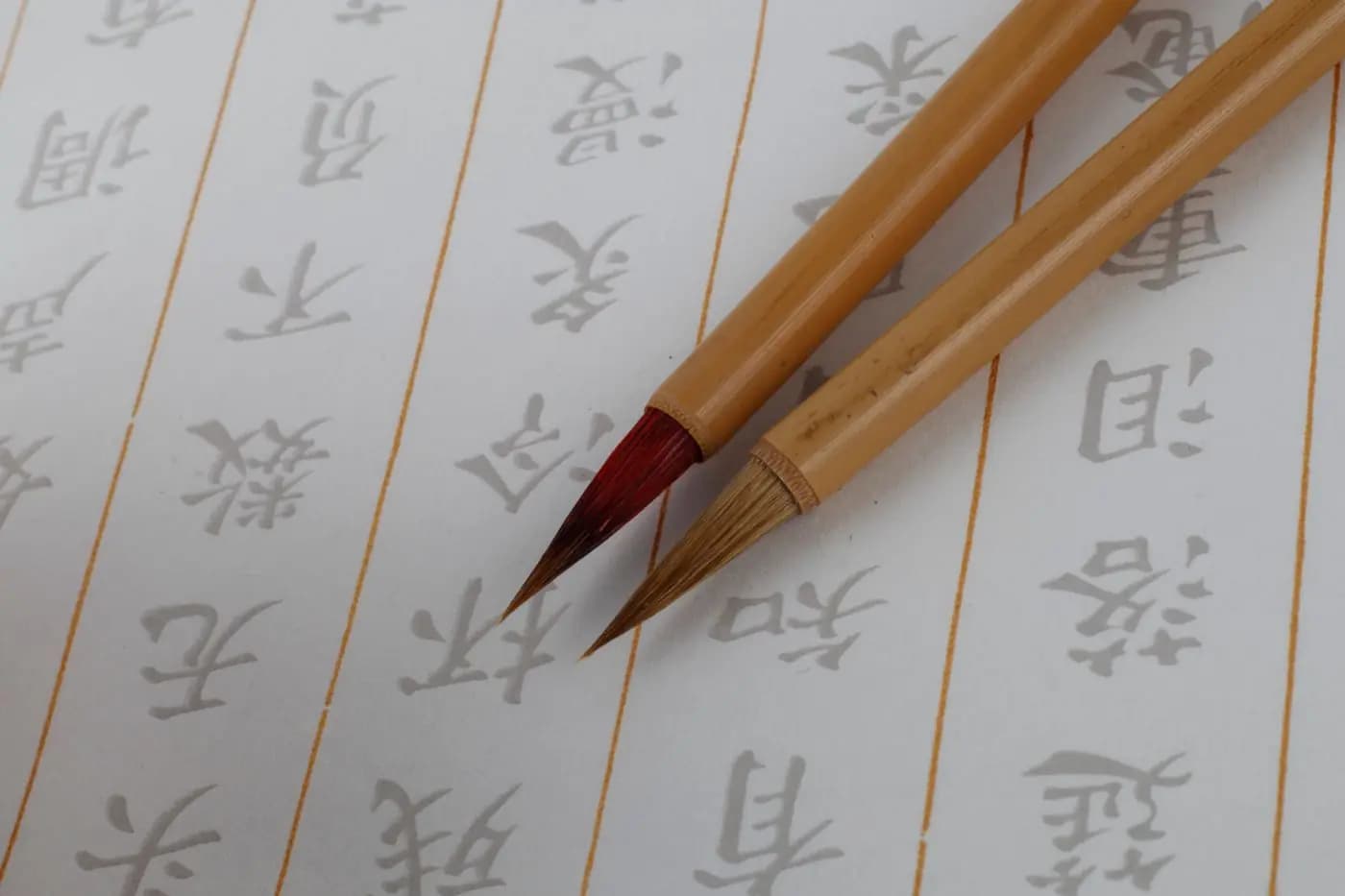
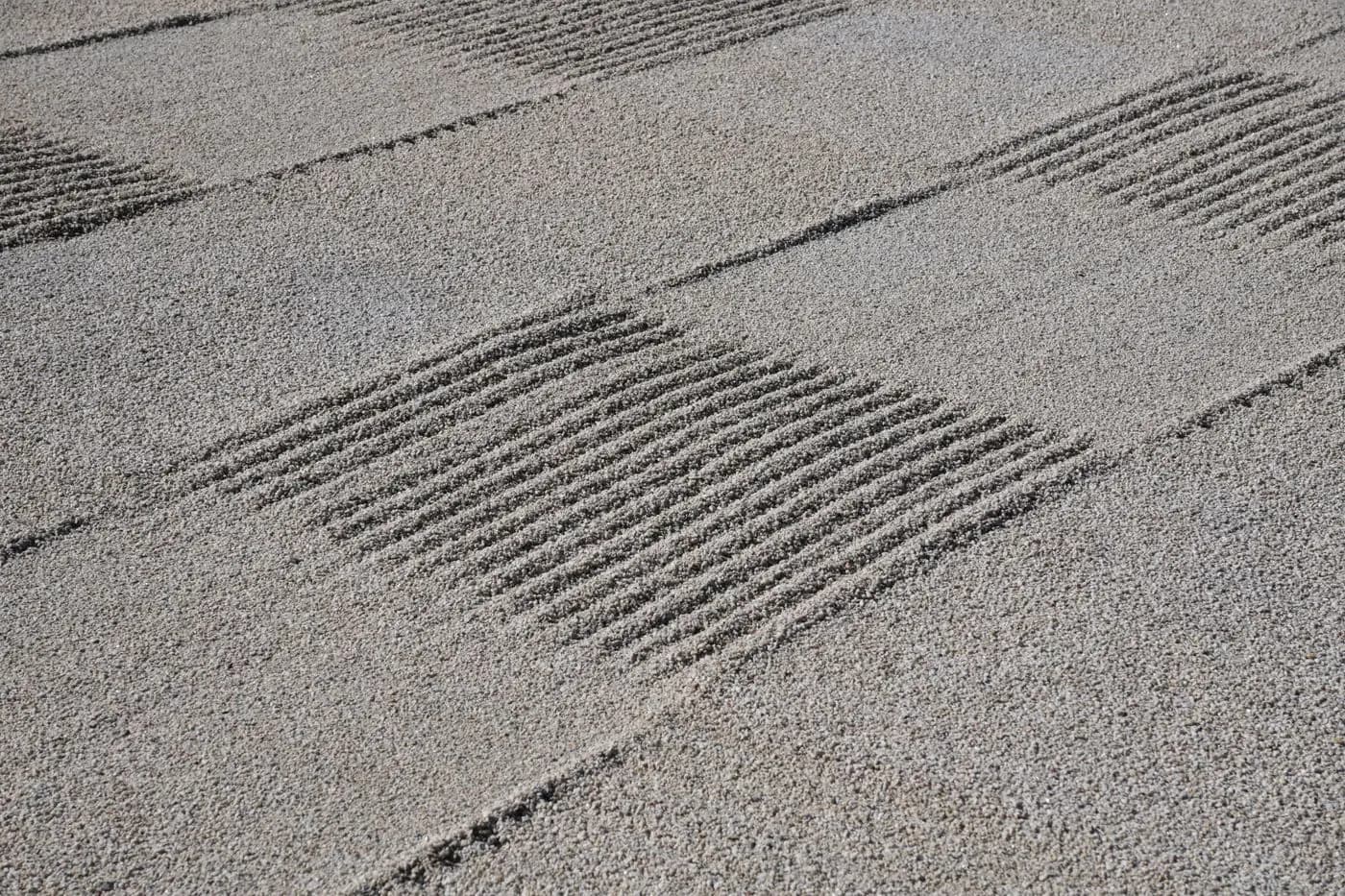
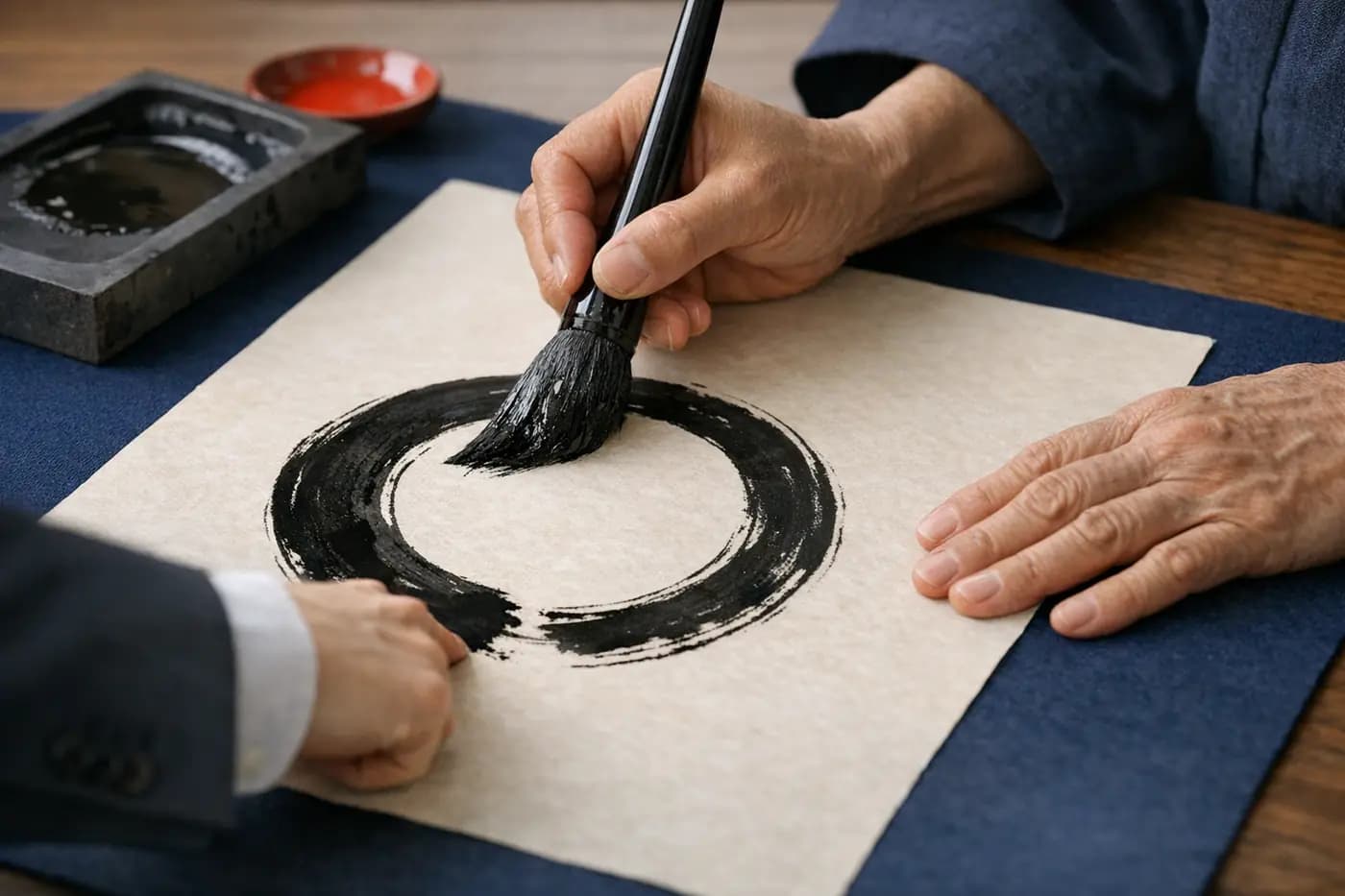
- Reflection and leadership: meditation and a zen garden in a Kyoto temple, or calligraphy, where each stroke is a decision that cannot be undone.
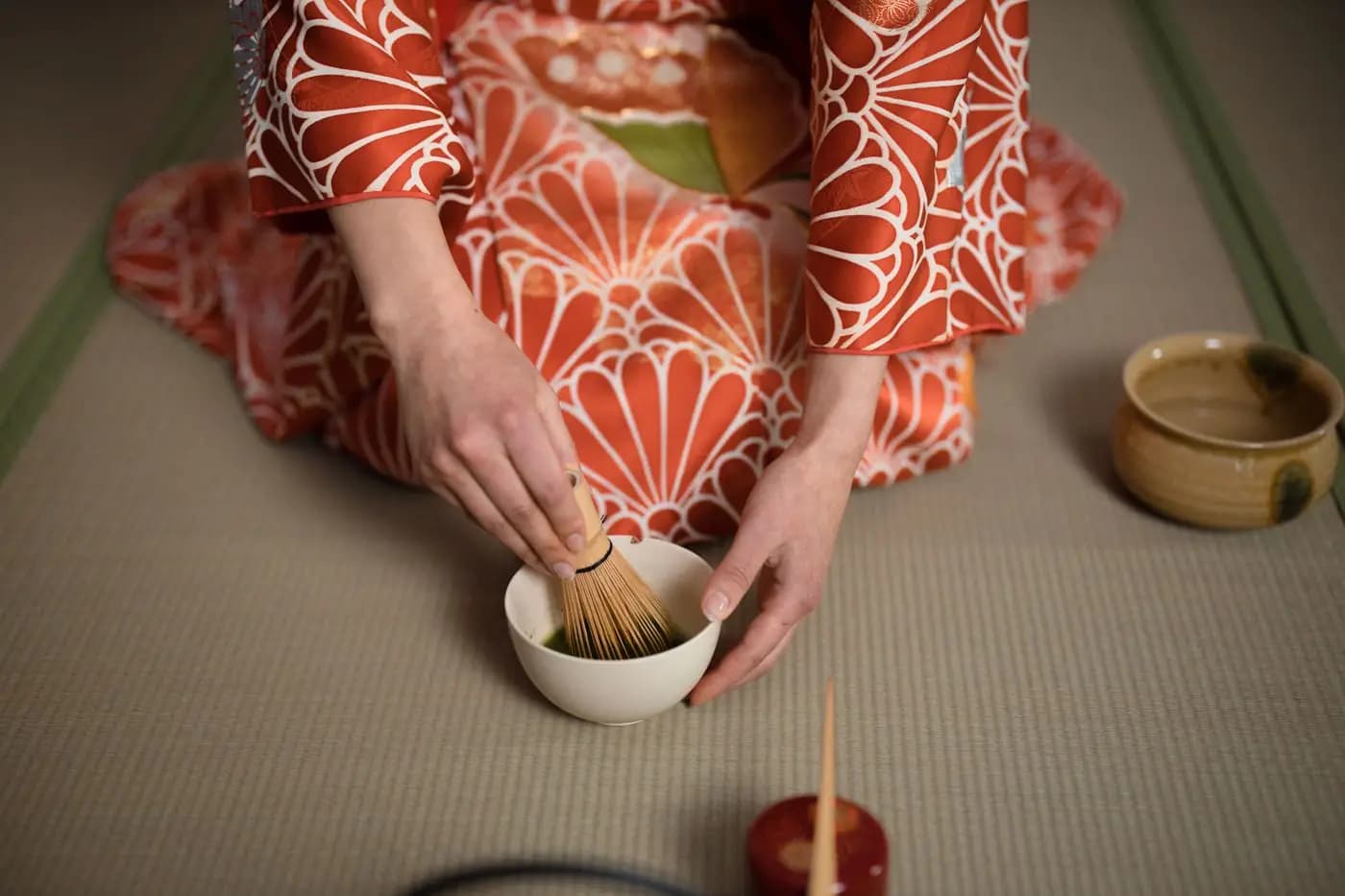
- Hospitality and client relations: the tea ceremony, which embodies omotenashi, the attention paid to the guest.
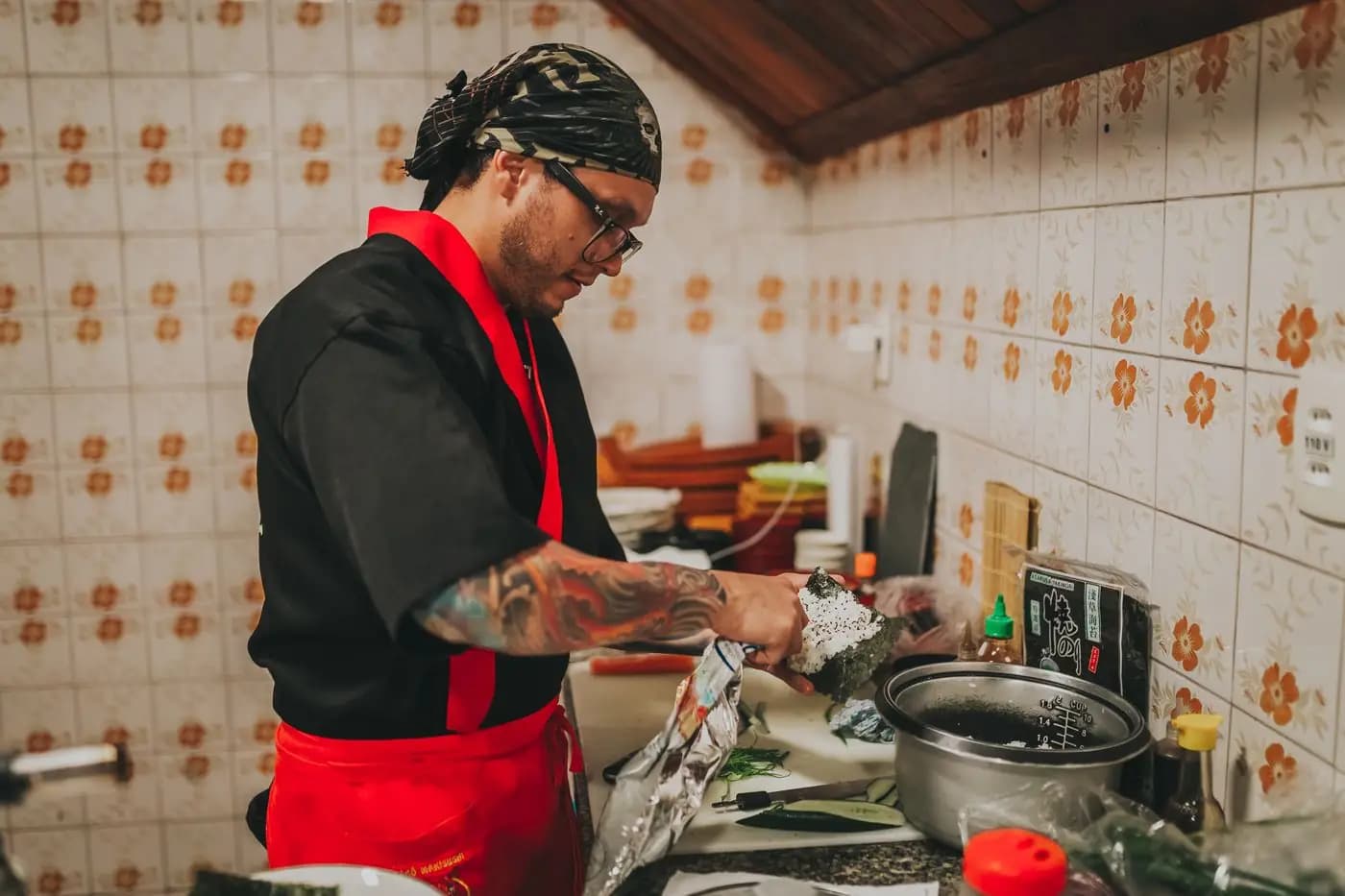
- Hands-on collaboration: a sushi or washoku cooking workshop in pairs, with a shared tasting.
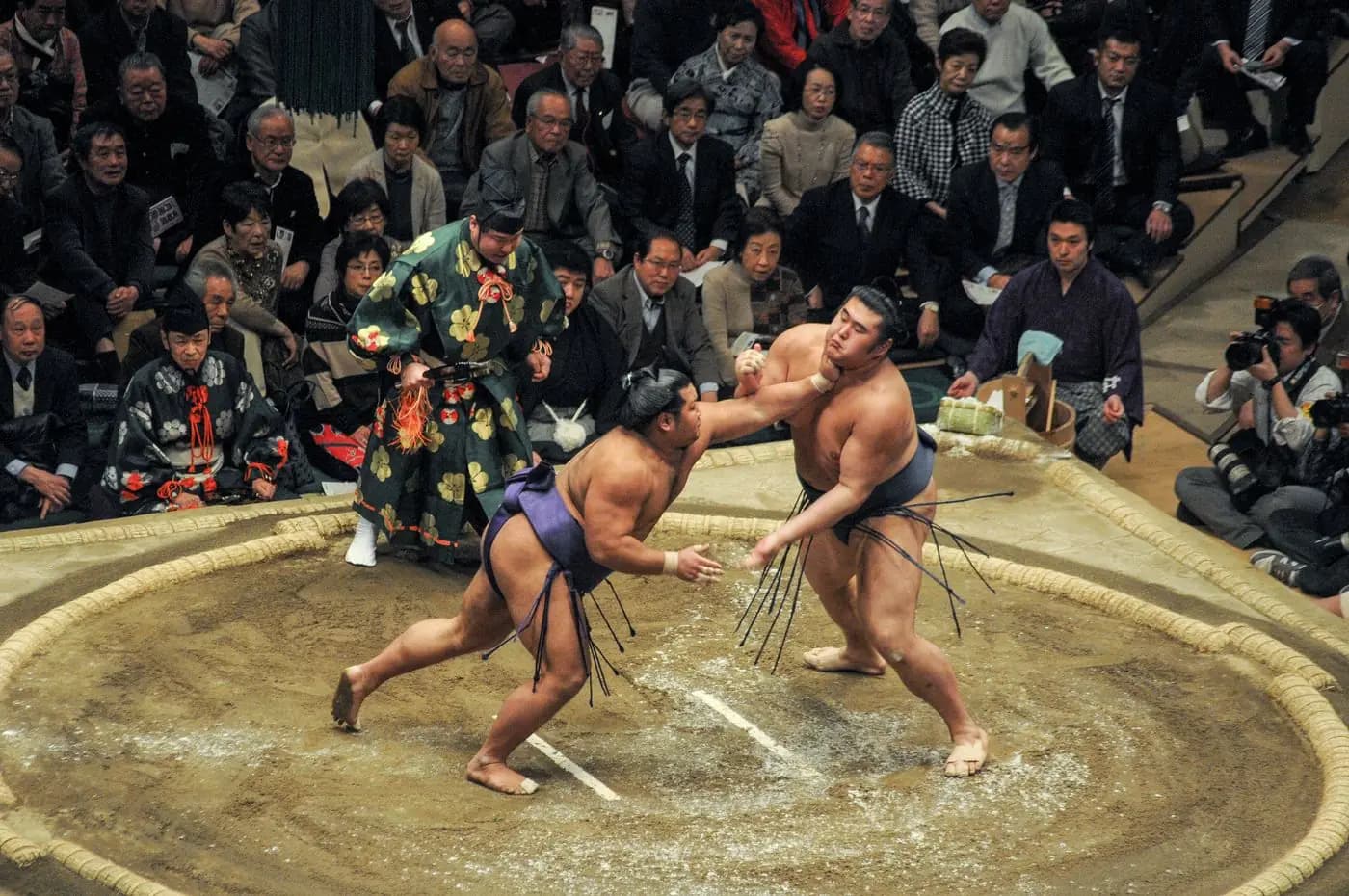
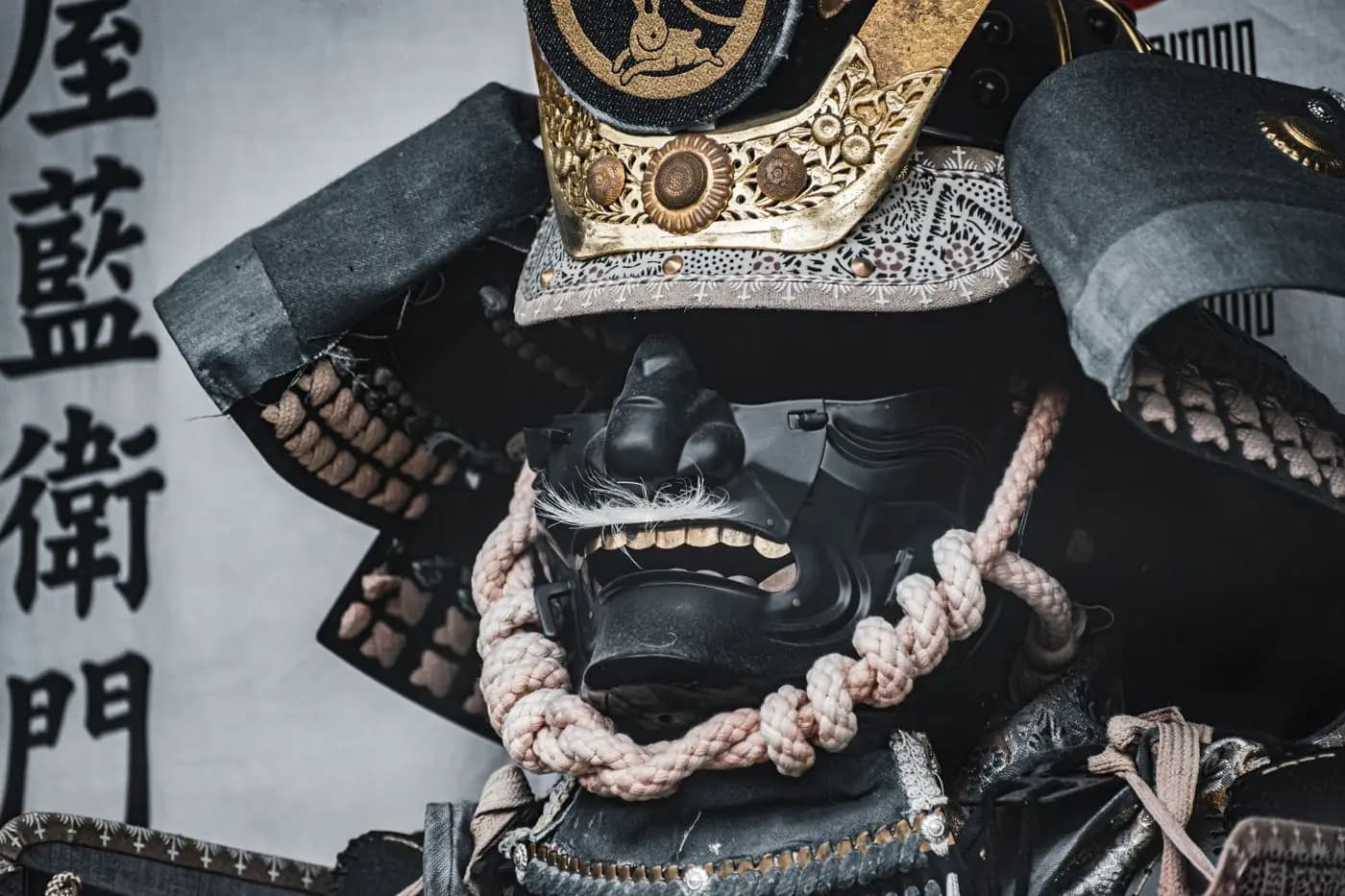
- Discovery and impact: a sumo stable visit for morning practice, or a samurai experience built around iaido.
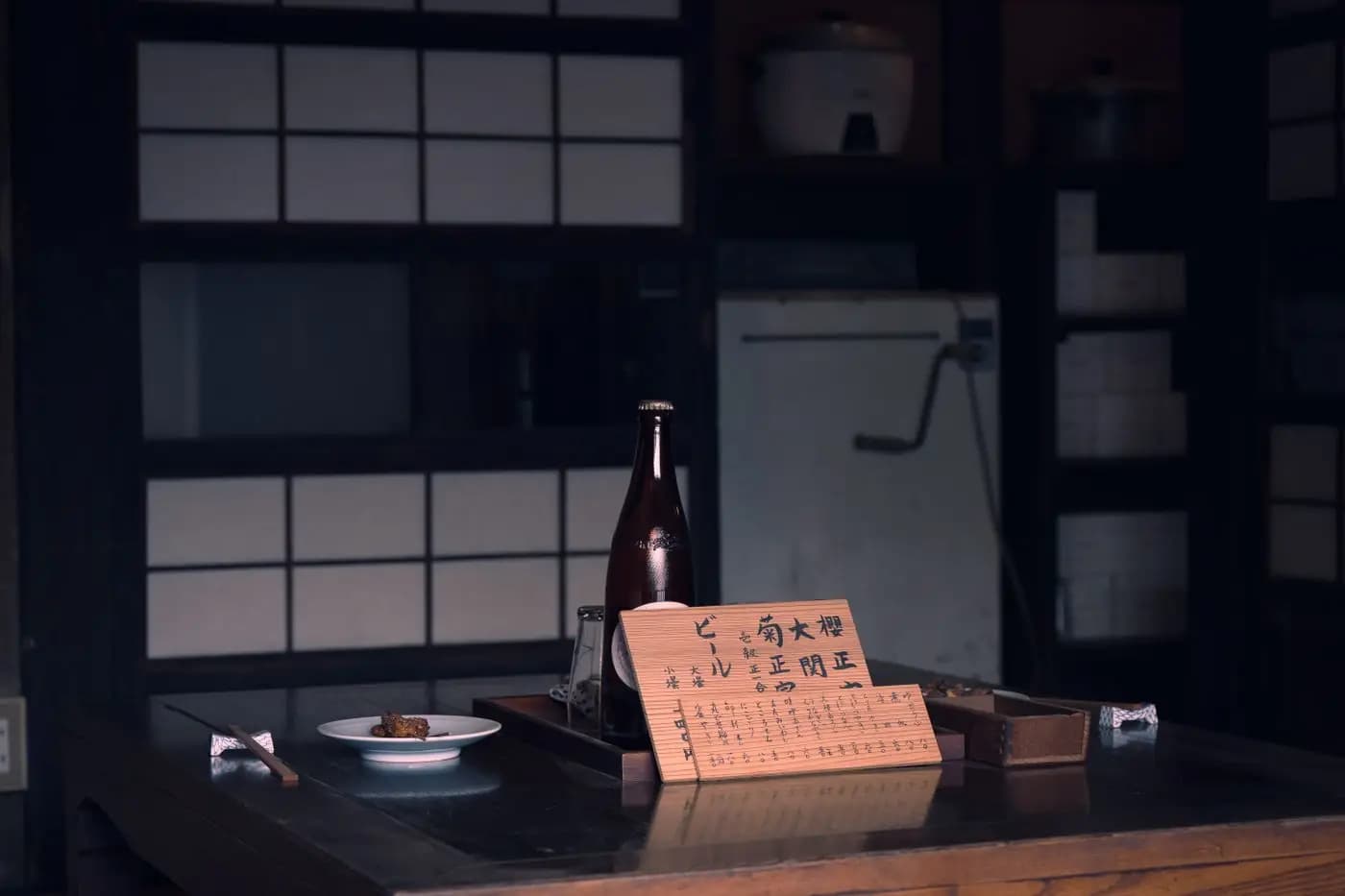
- Conviviality: a private izakaya dinner, a street food tour in Osaka, or a yatai challenge in Fukuoka.
A single seminar can combine two registers, for example an energetic activity on day one and a more contemplative experience before the strategy session.
Place the experience at the right moment
Timing matters as much as the activity itself:
- On day one, after a long-haul flight and jet lag, choose a short and accessible experience, such as a cooking workshop or a cultural dinner. Avoid activities requiring sustained concentration.
- Before a strategy session, a calm experience such as meditation or calligraphy helps participants shift pace.
- After a day of plenary sessions, an energetic activity such as taiko releases attention and builds cohesion.
- At the close, a strong collective experience leaves a lasting final impression.
In terms of duration, we recommend 90 minutes to 2 hours per experience. Beyond that, attention drops, especially when the session runs through an interpreter. Access times must be factored in too: a Kyoto temple or a sumo stable in Ryogoku is not five minutes from the hotel.
Budget follows the same logic. A quality cultural experience, with a recognized practitioner, an interpreter and a suitable venue, is a measured line in a Japan MICE program, but it should be planned from the outset, at the same time as accommodation and meeting space. Added late, it runs into the limited availability of masters and venues, especially in spring and autumn.
Finally, we advise linking the experience to the rest of the program: a word from the leader beforehand to explain its purpose, a reference to it during the next plenary, and an object made by each participant given as a keepsake. These details anchor the experience in the team’s collective memory.
Operational constraints to plan for
Traditional Japanese venues were not designed for corporate groups. Successful planning takes this into account:
- Space. A tea room or calligraphy studio often holds a limited number of people. For a group of 80, we run subgroup rotations or several venues in parallel.
- Seating. Traditional tatami seating is uncomfortable for many participants. We arrange chairs or low stools, with the host’s agreement.
- Shoes. They come off before stepping onto tatami; remind participants to wear clean socks and easy-to-remove shoes.
- Dress. Understated clothing is expected in temples and at sumo practice, where silence is also required.
- Photos. They are forbidden in some temples or during practice sessions; we clarify the rules in advance.
- Language. A professional interpreter accompanies each practitioner, so that the meaning of the discipline comes across, not just the gesture.
- Calendars. Sumo stables do not always welcome visitors, especially around tournaments; in Tokyo, these are held in January, May and September at the Ryogoku Kokugikan.
Authenticity and respect: what makes the difference
Participants immediately sense the difference between a demonstration designed for tourists and an encounter with a genuine practitioner. Our principles:
- Work with recognized masters and venues that agree to adapt their practice to a group without distorting it.
- Prepare participants with a short note: the origins of the discipline, the expected gestures, what to avoid.
- Respect sacred places. A temple or shrine remains a place of worship. Private access outside opening hours is possible on request and subject to availability, but never guaranteed.
- Avoid folklore. Costume is not an end in itself; a restrained, authentic experience is better than a staged show.
This standard also protects the company’s image, especially when Japanese clients or partners take part in the program.
Finally, we check fit with the participant profile: reduced mobility, religious or dietary constraints, sensitivity to certain symbolic gestures. A successful experience is one in which everyone can take part without discomfort.
Where to experience what: city benchmarks
Each destination has its own cultural strengths:
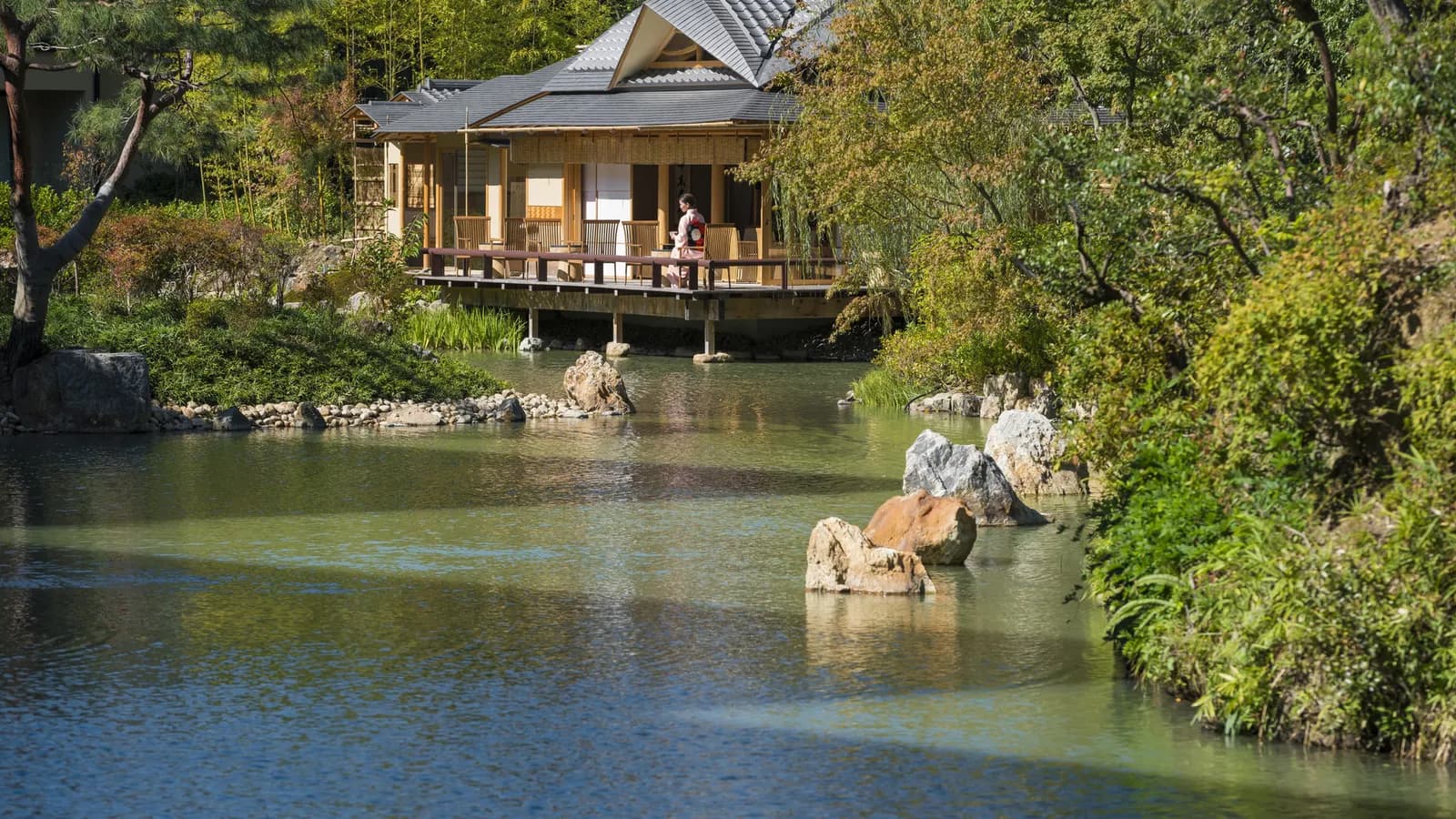
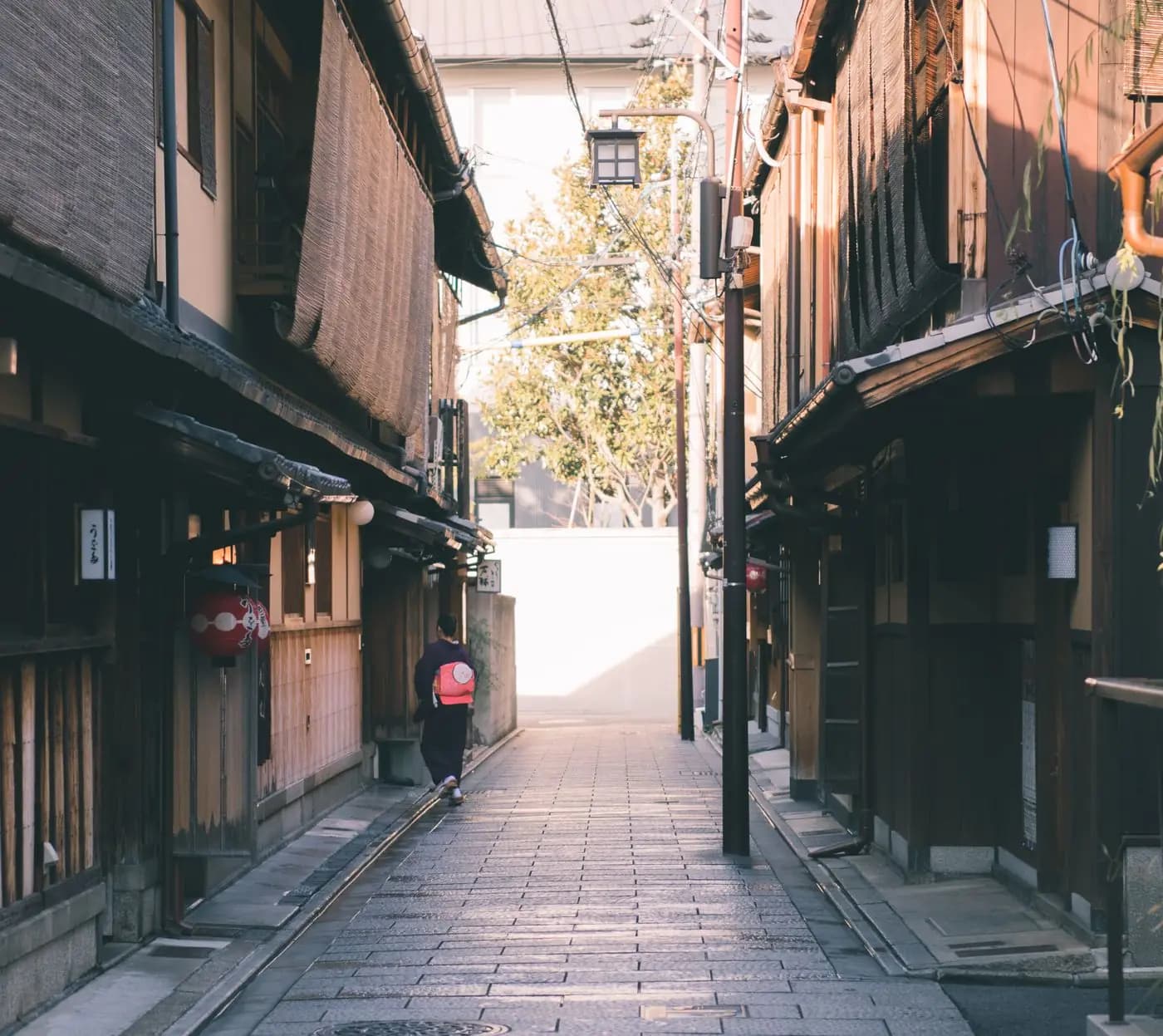
- Kyoto: tea ceremony, zen meditation, gardens, traditional crafts. The richest city for a classical experience, and also the most in demand in peak season.
- Tokyo: sumo stables and the Ryogoku Kokugikan, Asakusa, sushi workshops, taiko, and a constant contrast between tradition and modernity.
- Osaka: food and popular culture, street food in Dotonbori, and Kyoto and Nara within reach for a half day.
- Fukuoka: yatai, Hakata crafts, the Hakata Gion Yamakasa festival in July, and Dazaifu shrine.
- Okinawa: a Ryukyu culture distinct from the rest of Japan, the birthplace of karate, dragon boat races and seaside activities.
Season can elevate an experience too: a tea ceremony during cherry blossom season, meditation among Kyoto’s autumn maples in November. These periods simply require earlier planning.
To close the experience, we run a short debrief linking what was lived to the team’s challenges. That is the moment that turns a fine activity into genuine team building in Japan.
Frequently asked questions
Which cultural experience works for a group of 100 people?
For 100 people, taiko and cooking workshops work well as a large session. Tea ceremony or calligraphy are organized as subgroup rotations or in several venues in parallel, with an interpreter for each group.
How long should a cultural experience last?
We recommend 90 minutes to 2 hours, excluding travel. That is enough to understand a discipline and practice it without losing participants’ attention, especially when the session runs through an interpreter.
Can a Kyoto temple be booked privately for a group?
Some temples accept private access, often outside opening hours, for meditation or a guided visit. Such access must be requested well in advance, on request and subject to availability, and is never guaranteed. We always propose an alternative.
Do participants need to speak Japanese?
No. Each experience is accompanied by a professional interpreter in English or French, who conveys not only the instructions but also the meaning of the discipline. A short preparation note shared before the activity completes the picture.
Can a group attend a sumo practice session?
Yes, at some stables and depending on their schedule, particularly outside tournament periods. Practice takes place early in the morning, in silence, with strict rules on dress and photography. We brief participants accordingly.
Rédaction SHINOGI DMC · Updated