A private temple dinner in Kyoto: is it really possible?
Yes, but not just anywhere or in just any way. In Kyoto, a reception or private dinner in a sacred place usually goes through the city's convention bureau (Kyoto Convention & Visitors Bureau), which has obtained permission from certain temples and heritage sites to offer them as "unique venues". Each request is reviewed case by case, there is no public price list, and once permission is granted, cancelling is very badly received.
What to keep in mind before promising a "temple dinner" to an executive committee:
- The most visited temples are not reception venues. Never present a specific venue to your participants before written confirmation.
- Several heritage sites lend themselves to it, for example Nijo Castle (the Kara-mon Gate courtyard: up to 400 people for a cocktail, 300 seated, according to the convention bureau's guide), Daigo-ji temple (the Ugetsu Chaya pavilion: 120 seated) or the Kyoto National Museum (garden: 300 for a cocktail).
- Buddhist vegetarian cuisine (shojin ryori) is easy to have at a temple, but mostly at lunchtime: at Tenryu-ji, the Shigetsu restaurant serves from 11am to 2pm.
- In the evening, the most reliable option is a private visit or a night opening, followed by dinner in a nearby historic house.
This guide reviews these four formats, with capacities, lead times and the rules that apply.
Kyoto's unique venues: temples, Nijo Castle and museums open to events
The Kyoto convention bureau publishes a unique venues guide listing World Heritage sites, temples and shrines, museums and historic buildings open, under conditions, to meetings and receptions. The capacities it gives are guidelines: they vary with the stage, tables and set-up.
A few examples from that guide:
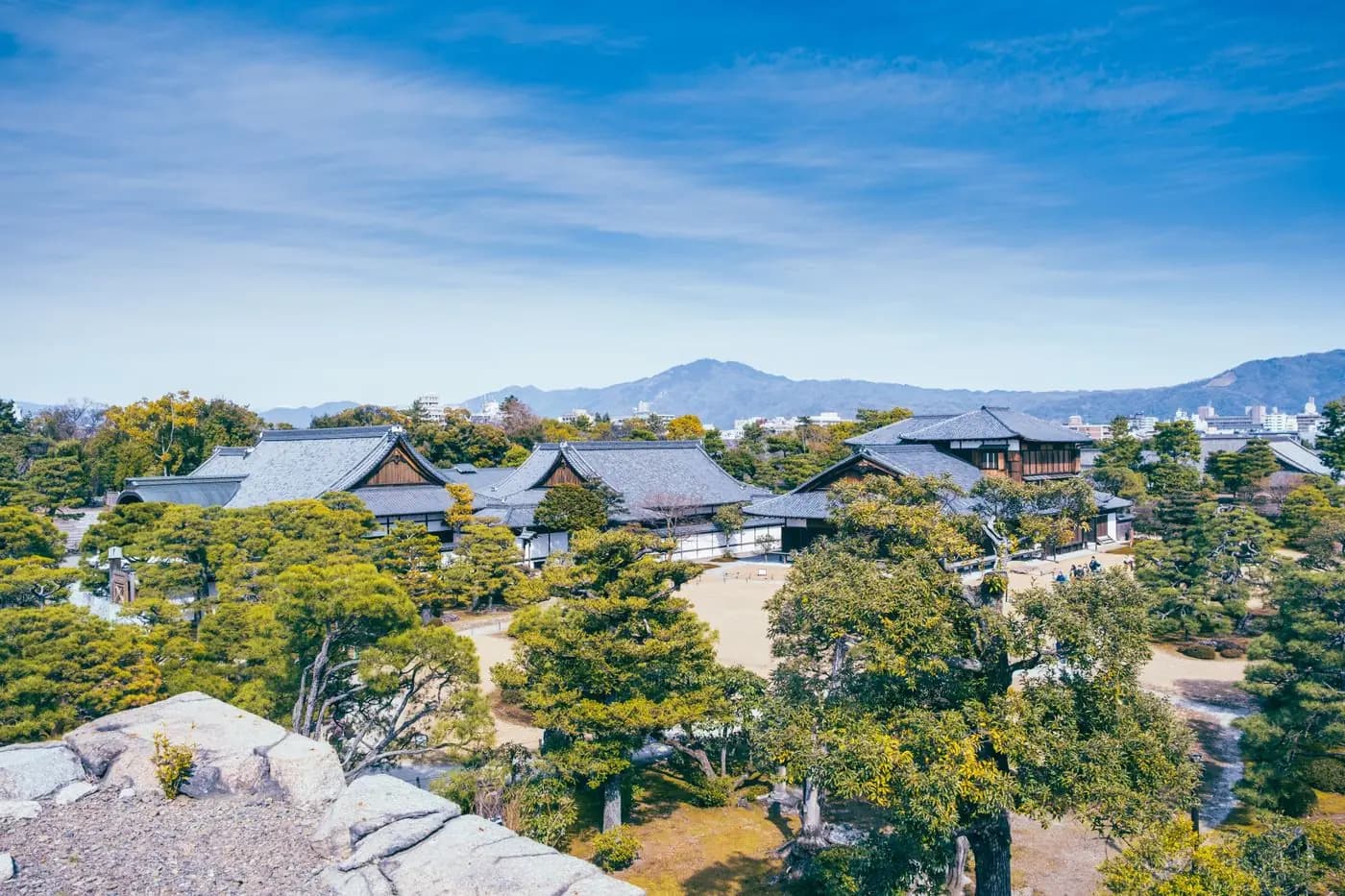
- Nijo Castle (World Heritage, central Kyoto): the courtyard in front of the Kara-mon Gate, up to 400 for a cocktail and 300 seated; the central courtyard of Ninomaru Palace, the same capacities; Seiryu-en garden, 300 for a cocktail and 250 seated; Koun-tei pavilion, 40 for a cocktail and 30 seated. The courtyards are open-air. Parking for 20 coaches in the daytime, 11 after 5pm.
- Daigo-ji (World Heritage, south-east Kyoto): the Ugetsu Chaya pavilion, 120 seated with a meal; Kenjinrin-en garden, under the cherry trees, 300 standing; the Reihokan treasure hall, up to 1,000 standing or 750 seated, meals on consultation. Parking for 8 coaches. The site is 13 minutes on foot from Daigo subway station, 30 minutes from Kyoto Station by bus.
- Kyoto National Museum (Higashiyama): the lobby of the Heisei Chishinkan wing, 200 for a cocktail and 140 seated; the garden, 300 for a cocktail and 210 seated. Usable as an event venue from 9am to 9pm.
What these places share: they are not designed to host. Power, kitchen, toilets, lighting, rain cover all have to be brought in or arranged, often with a supplier designated by the site. That is what makes the experience valuable, and what explains its cost.
Note: Nijo Castle is not a temple, but it is often the best answer to a request for "a dinner in a historic monument in Kyoto" for 100 to 300 people.
How to book a Kyoto temple for a private event: process, lead times and hidden costs
The process is more formal than booking a restaurant. The Kyoto convention bureau sets out its rules in its guide, and they apply whoever the organiser is.
Rules to follow
- Go through the convention bureau for venues where it is the contact: approaching the temple directly is to be avoided.
- Only ask if the project is serious. Requests "just to know the price", multiple holds on several venues and open-ended provisional bookings are turned down. A provisional hold is still possible if you explain why and until when.
- Do not cancel once permission is granted. Temples and shrines grant special permission: a cancellation damages the relationship for future requests.
- Respect the zones and prohibitions: no access outside authorised areas, no photography where it is forbidden, nothing that could soil or damage a cultural property.
Information to provide in the first request
- the organiser and the agency handling the event;
- the dates and times requested, including set-up and tear-down;
- the purpose of the event and the number of participants;
- the venue or venues requested;
- the run of show: meal or not, stage, sound, lighting.
Costs beyond the venue fee
The guide is clear: add sound and lighting, set-up and décor, security, restoration and cleaning, catering if the venue does not serve food, and a fallback venue in case of rain for outdoor events. Some sites require their own supplier.
Realistic lead times
Allow at least three to six months for a dinner of 50 to 150 people, more in spring and autumn. Periods of rites, religious festivals and peak visitor numbers may be unavailable however early you ask.
Shojin ryori in Kyoto: eating at a temple with a group
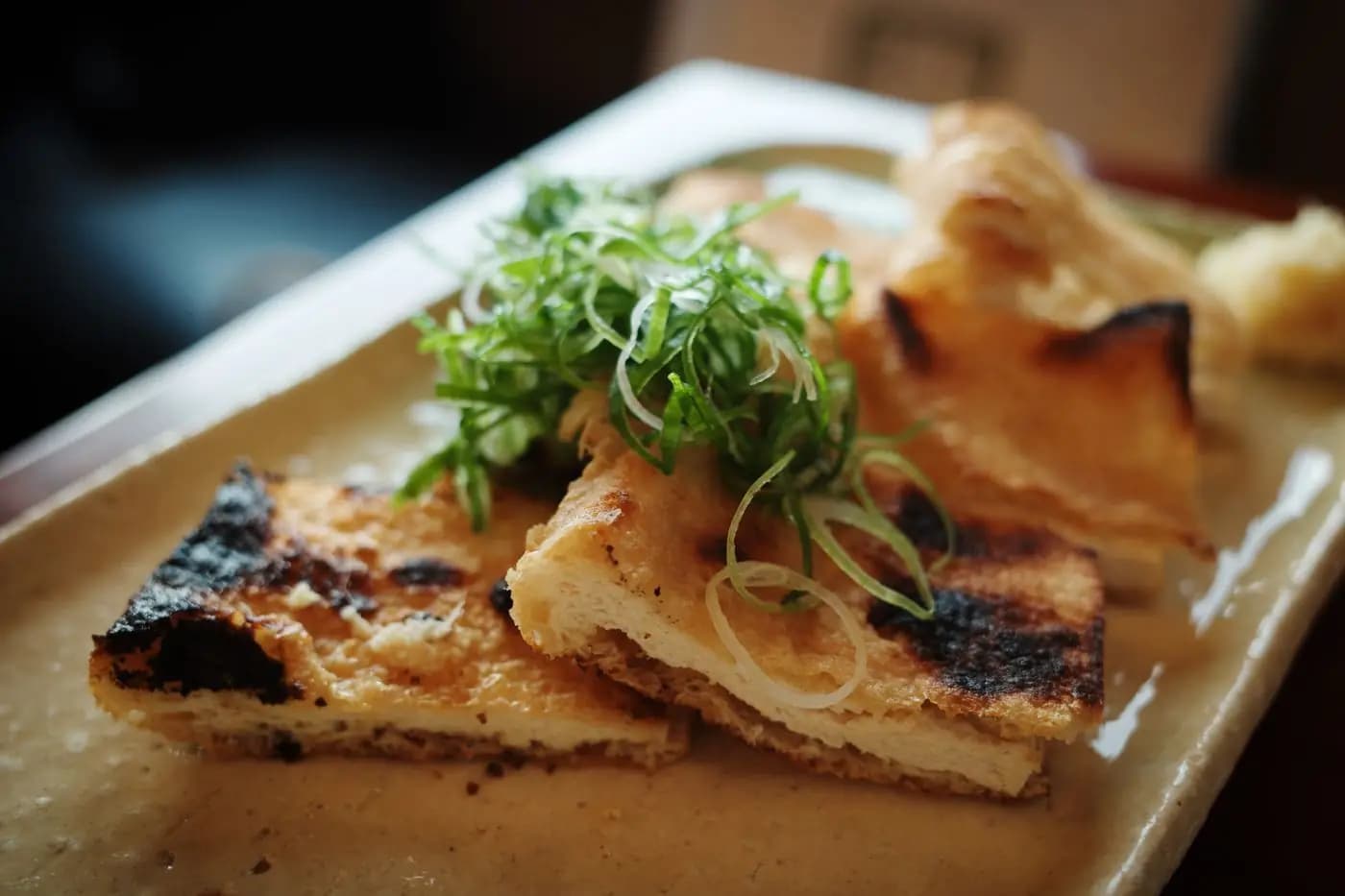
The vegetarian cuisine of Zen temples, shojin ryori, is the simplest way to "eat at a temple" in Kyoto. It uses no animal products: seasonal vegetables, wild plants, seaweed, tofu, yuba (soy milk skin) and fu (wheat gluten). For a group, it is also an elegant answer to vegetarian diets, provided you check allergies to soy, sesame and wheat, which are everywhere.
The example of Tenryu-ji (Arashiyama)
The temple runs its own restaurant, Shigetsu, in the middle of its World Heritage gardens. Information published by the temple:
- service from 11am to 2pm, closed on Thursdays;
- up to 250 covers;
- three menus: Yuki, ¥3,800 (rice, soup and five side dishes), Tsuki, ¥6,500 (six side dishes) and Hana, ¥9,000 (seven side dishes), plus the ¥500 garden admission per person;
- booking at least two days ahead for Yuki, three days ahead for two or more people for Tsuki and Hana;
- no service charge; coach and taxi parking is refunded for two hours.
Shigetsu is listed in the MICHELIN Guide Kyoto Osaka 2026 with a Bib Gourmand and a Green Star. For a group visiting Arashiyama, it is a logical lunch between the bamboo grove in the morning and Kinkaku-ji in the afternoon.
In sub-temples (tatchu)
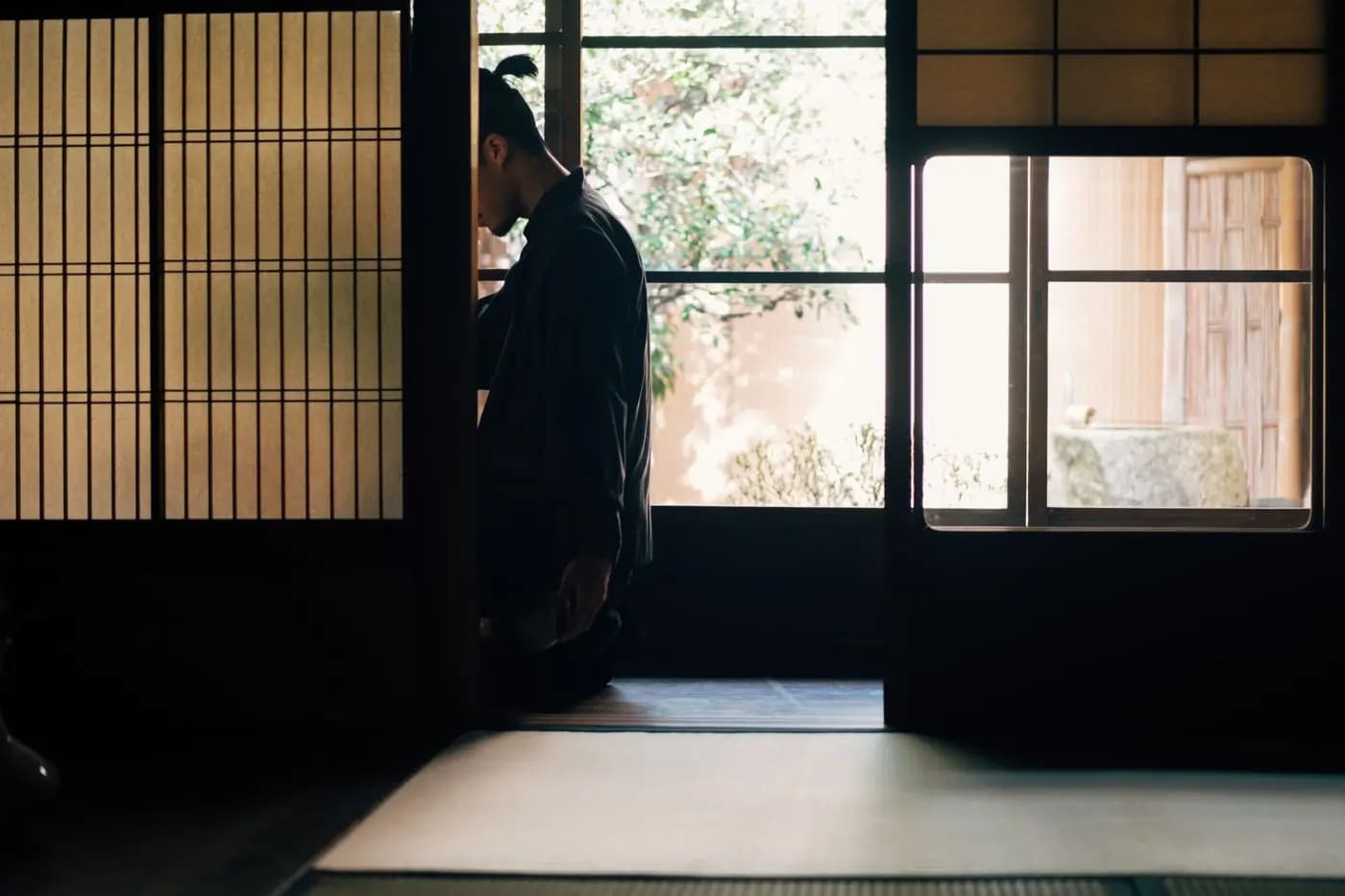
Several large Zen complexes, such as Myoshin-ji or Daitoku-ji, have sub-temples that welcome small groups for a meditation session followed by a meal. Formats vary: a shojin bento after zazen, a meal served in a tatami room, sometimes a conversation with the monk. Capacity rarely exceeds 30 to 40 people, and most sub-temples do not serve in the evening.
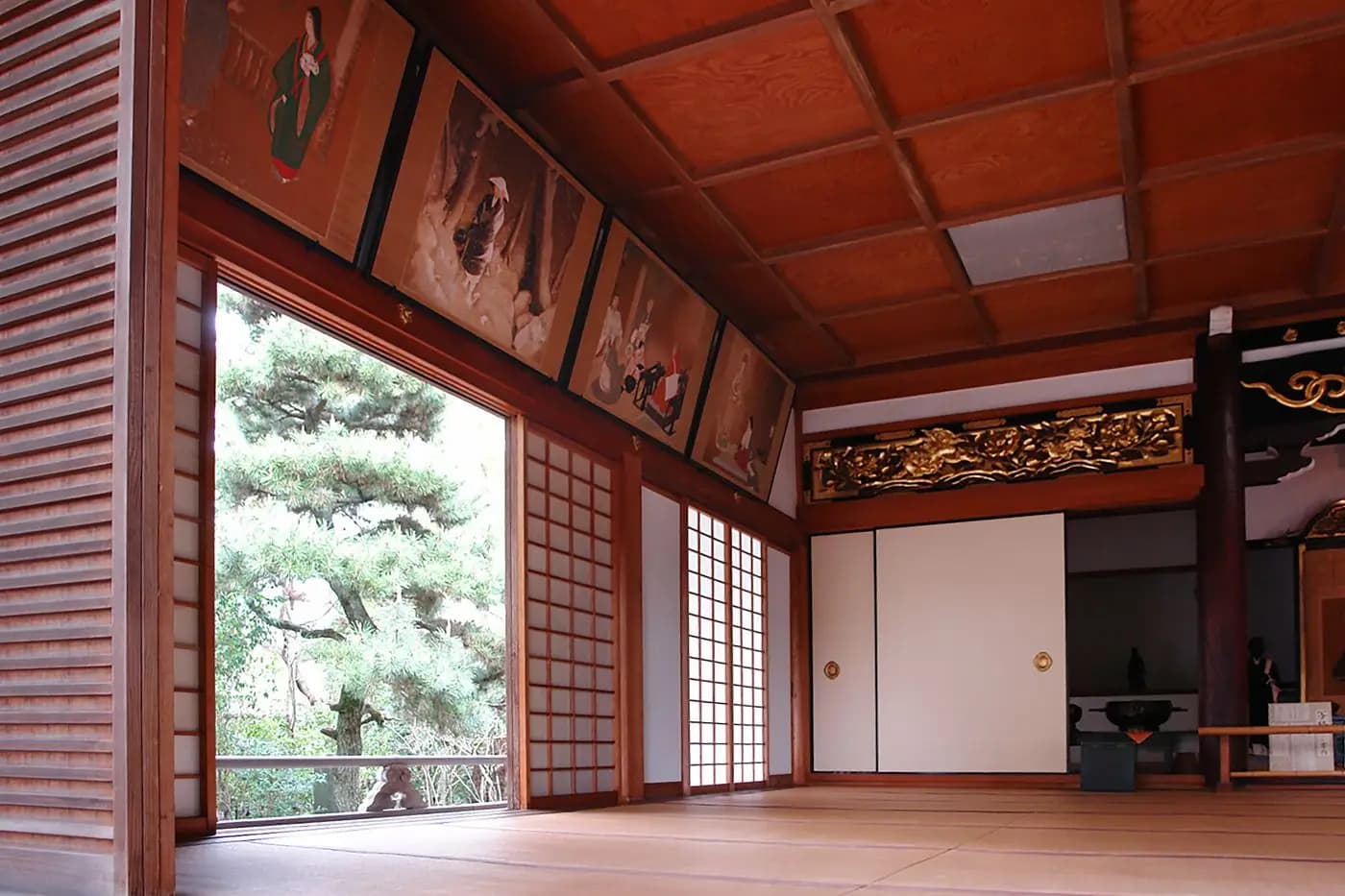
Rules to remind participants of: take off your shoes, do not step on the edges of the tatami, avoid strong perfume and overly casual clothing, keep silent during meditation and finish your bowl.
Night visits and illuminations: seeing temples after dark without hiring them
Many requests for a "temple dinner" actually express a simple wish: to see a Kyoto temple in the evening, without the daytime crowds. There are more accessible ways to do this than hiring the venue.
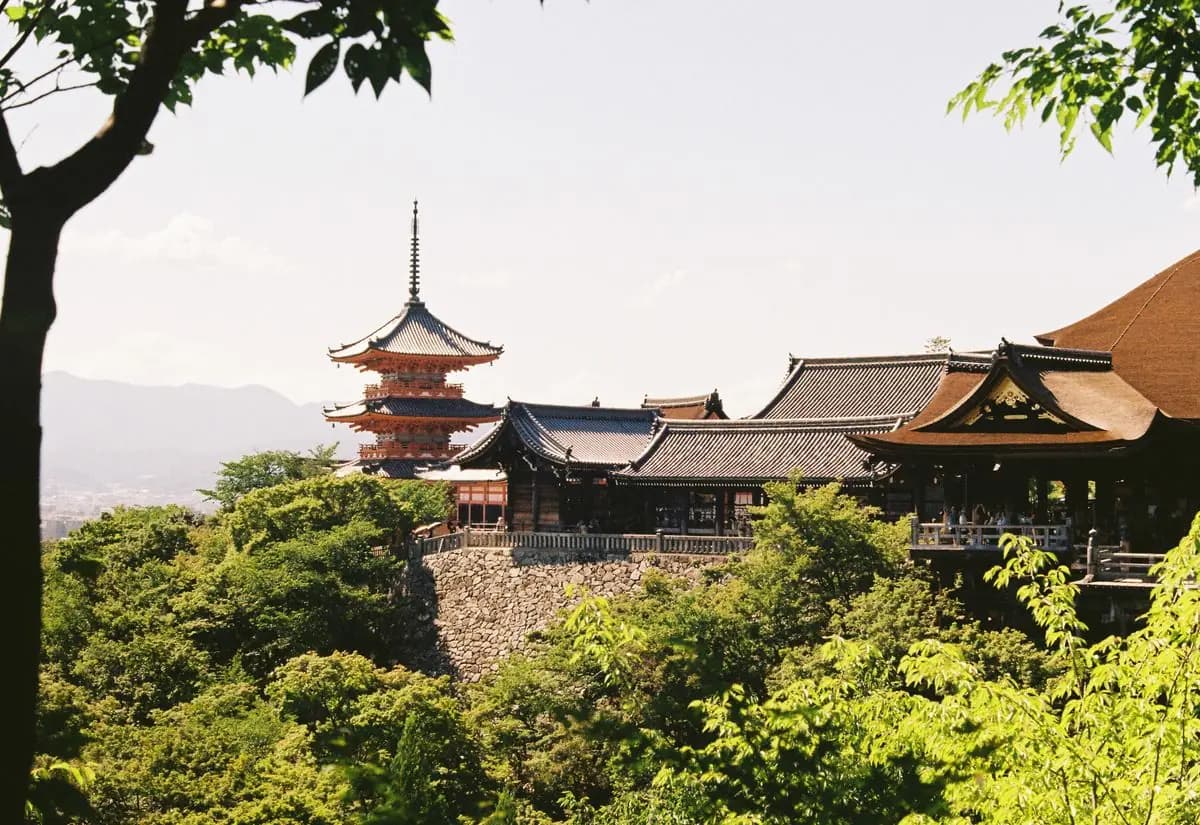
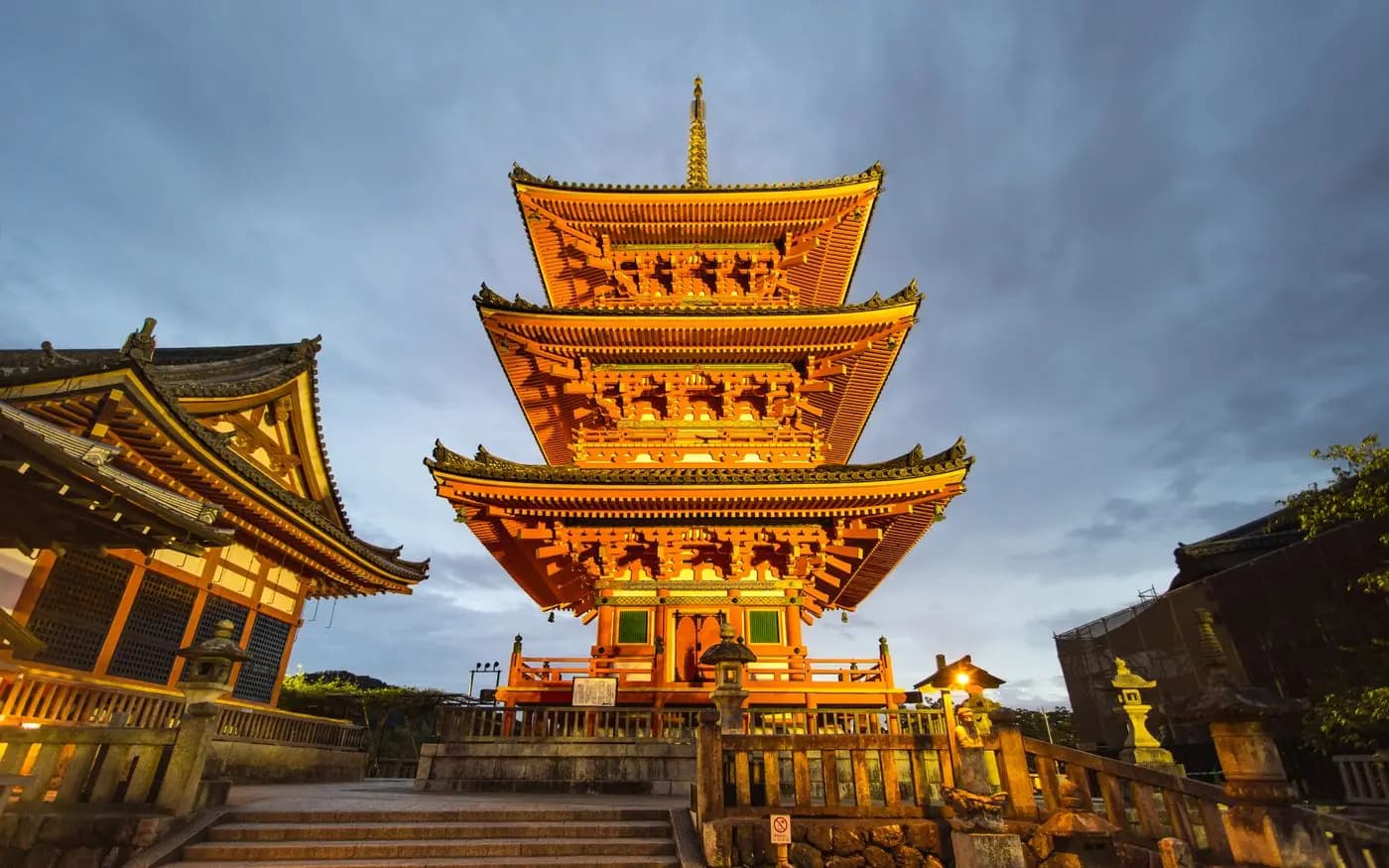
- Seasonal night openings. Several temples open in the evening in spring and autumn, with illuminated gardens. At Kiyomizu-dera, night visits take place in late March-early April, mid-August and, in 2026, from 21 to 30 November, until 9:30pm. These are public openings: it is busy, but the atmosphere is nothing like the daytime.
- Special visits outside opening hours. Some temples accept, on request and for a group, a guided visit early in the morning or at the end of the day, after closing to the public, sometimes with access to a hall that is normally closed. It is not a dinner, but it is often the most memorable moment of a programme.
- Meditation at dusk. A zazen session at 5pm in a sub-temple, once the visitors have left, followed by dinner nearby, gives the feeling of having a temple "to yourselves" for 20 to 40 people.
A few precautions for a group:
- check the illumination dates on the temple's site every year, as they change;
- plan transport: Higashiyama's streets are closed to coaches, so you walk from the car park or the main roads;
- in November, book restaurants weeks ahead, as illumination evenings fill the whole district.
The Journal has an article on Japan's temples and shrines, useful for briefing participants on visiting etiquette.
Alternatives that work: dinner near a temple in a historic setting
For an evening dinner of 20 to 150 people, the safest solution is often a restaurant or historic house near a temple, available for full or partial private hire. A few examples by group size:
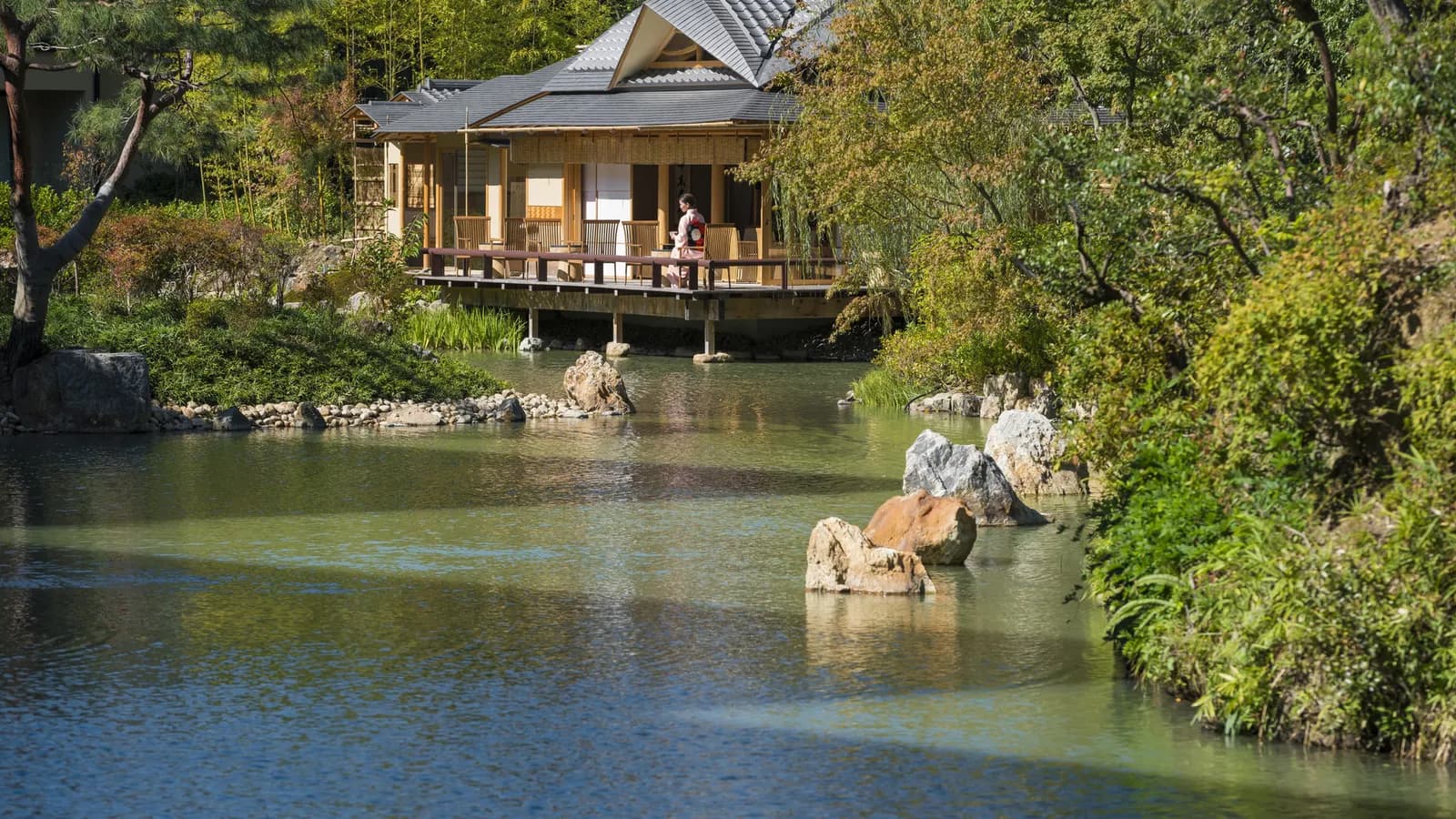
- The Sodoh Higashiyama Kyoto: the former residence of painter Takeuchi Seiho (1929), at the foot of the Yasaka pagoda, on an estate of about 6,600 m². Restaurants, a sushi counter and a bar with a terrace facing the pagoda; receptions for up to about 140 people.
- Nanzenji Junsei: in front of Nanzen-ji, a stroll garden of about 4,000 m² lit in the evening and an 1839 building registered as a cultural property. Speciality of tofu hot pot (yudofu), soy-based menus, rooms for about 90 people.
- Kikunoi Honten: a Higashiyama ryotei with three Michelin stars in 2026, tatami rooms for about forty guests. For an executive committee, not a convention.
- Ganko Takasegawa Nijoen: a historic residence on the Takase river, a garden crossed by water, a dozen private rooms, up to nearly 90 guests.
For a larger group, two options:
- split into sub-groups of 20 to 40 across three or four neighbouring addresses, then meet for a final drink;
- combine a reception in a heritage venue (Nijo Castle, the National Museum) with a caterer, accepting the constraints of an open-air site.
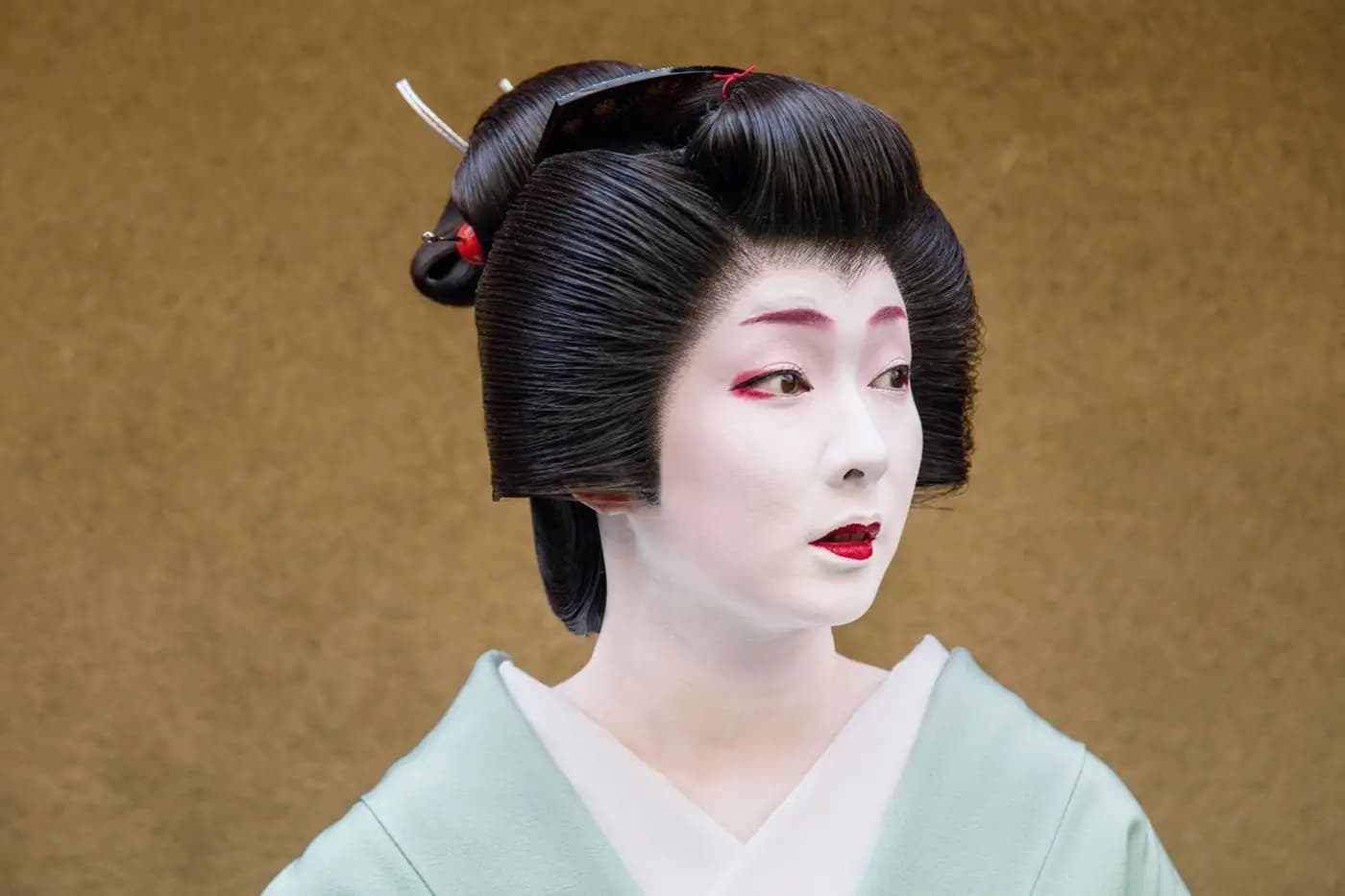
Finally, an evening with maiko and geiko, in a teahouse or authorised restaurant, complements a kaiseki dinner well for 20 to 80 people. The Journal has an article on Kyoto's geisha and maiko that explains how to arrange these evenings properly.
Planning the evening: protocol, timing and budget for a group
A dinner in a sacred or historic place in Kyoto is not organised like a hotel dinner. A few points to settle with participants and suppliers:
- Timing. Heritage sites close early and temple districts empty around 6pm. A reception often starts around 6:30pm and ends before 9pm; at the National Museum, event use stops at 9pm.
- Dress. Smart clothes, shoes that are easy to remove and clean socks. On tatami, arrange low chairs or raised tables for participants who cannot sit on the floor: this must be requested in advance.
- Speeches and entertainment. Discreet sound, no amplified music within temple grounds without agreement. Performances (koto, shakuhachi, dance) must be approved by the venue.
- Photos. Allowed in the reserved areas, forbidden in halls holding sacred objects. Brief the photographer.
- Alcohol. Served in most historic restaurants; in a temple, check case by case.
- Weather. Any reception in a courtyard or garden needs a covered plan B, built into the quote from the start.
Indicative budget
There is no public rate for a temple or monument: the Kyoto convention bureau prepares an estimate for each project. What drives the price: the venue fee, production (lighting, sound, tents, heating), catering, security, cleaning and coach transfers. As a benchmark, a shojin lunch at Shigetsu costs ¥4,300 to ¥9,500 per person including garden admission; a private reception in a heritage site runs into millions of yen for 100 to 300 people.
SHINOGI DMC prepares these evenings in Kyoto: requests to the convention bureau, selection of historic restaurants, transfers, guides and interpreters. The Journal also has an article on organising an executive committee in Kyoto, useful for placing this evening within a three-day programme.
Frequently asked questions
Can you have dinner in a temple in Kyoto?
Yes, at some temples and heritage sites, on request to the Kyoto convention bureau, case by case. Most often, a temple meal is a shojin ryori lunch; in the evening, a private or night visit is combined with dinner in a nearby historic house.
Can you hire Kinkaku-ji or Kiyomizu-dera for a dinner?
Do not count on it: the most visited temples are not reception venues. To see Kiyomizu-dera at night, the seasonal night openings (in 2026, 21-30 November until 9:30pm) are the normal route, followed by dinner nearby.
How much is a shojin ryori meal in Kyoto?
At Tenryu-ji's Shigetsu restaurant, menus cost ¥3,800, ¥6,500 or ¥9,000, plus ¥500 garden admission, with no service charge. It serves from 11am to 2pm, seats up to 250 and is closed on Thursdays.
How many people can Nijo Castle host for a reception?
According to the Kyoto convention bureau's unique venues guide, the Kara-mon Gate courtyard holds up to 400 for a cocktail and 300 seated, and Seiryu-en garden 300 for a cocktail and 250 seated. These courtyards are open-air.
How far ahead should you book a temple for an event in Kyoto?
At least three to six months for 50 to 150 people, more in spring and autumn. The request must be serious and complete (dates, numbers, run of show), and cancelling after permission is granted should be avoided.
What is the alternative to a temple dinner for a large group in Kyoto?
A historic residence or garden restaurant near a temple (for example The Sodoh facing the Yasaka pagoda, about 140 people, or Nanzenji Junsei, about 90), or several dinners in sub-groups, preceded by meditation or a private visit.
Rédaction SHINOGI DMC · Updated
Sources
- Kyoto Convention & Visitors Bureau — Unique venues
- Kyoto Convention & Visitors Bureau — Kyoto Unique Venues Guide (extrait)
- Tenryu-ji — Shigetsu, restaurant shojin ryori (horaires, menus, capacité)
- Tenryu-ji — 精進料理 篩月 (page japonaise, Michelin 2026)
- Kiyomizu-dera — Horaires et visites nocturnes (site officiel)
- Daigo-ji — Site officiel
- Nijo-jo Castle — Site officiel (Ville de Kyoto)
- The Sodoh Higashiyama Kyoto — Réceptions
- Nanzenji Junsei — Salons et jardin
- Kikunoi — Site officiel
- Ganko Takasegawa Nijoen — Site officiel