Japan conference venues: the short answer
Japan has about fifteen large convention centres and exhibition halls able to host more than 1,000 people. For a plenary of 3,000 to 5,000 seats, the benchmarks are Tokyo International Forum (Hall A, 5,012 seats) and Pacifico Yokohama (5,000 seats). For a trade show, Tokyo Big Sight is the country's largest exhibition venue at 115,420 m². Osaka, Kyoto, Fukuoka and Okinawa offer more compact options, with hotels within walking distance and capacities of 1,700 to 3,000 seats.
Key figures, as the maximum capacity of the largest room:
- Tokyo International Forum (Marunouchi): Hall A with 5,012 seats, 31 meeting rooms, Tokyo Station 5 minutes on foot.
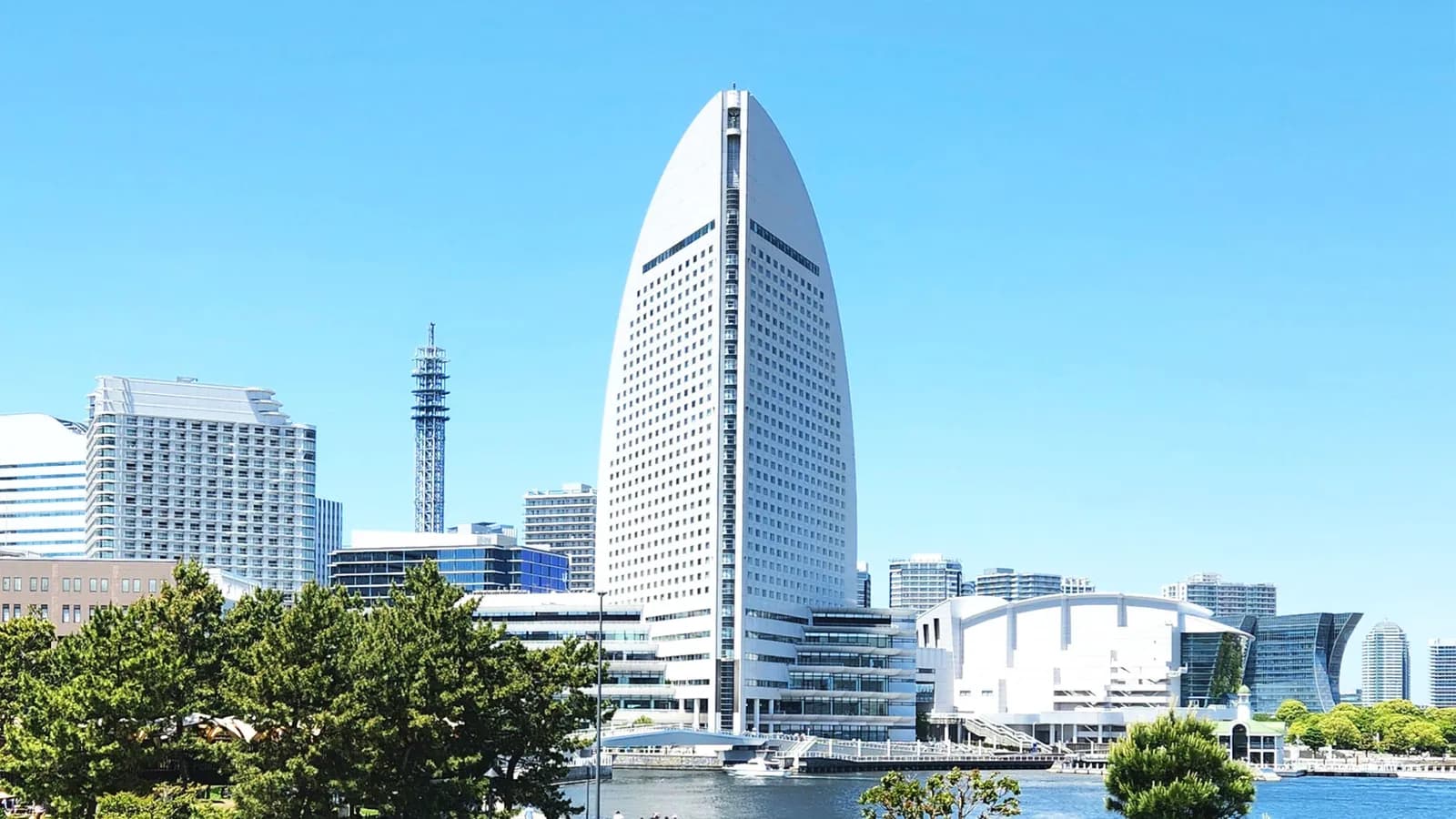
- Pacifico Yokohama: National Convention Hall with 5,000 seats, 20,000 m² exhibition hall, connected hotel.
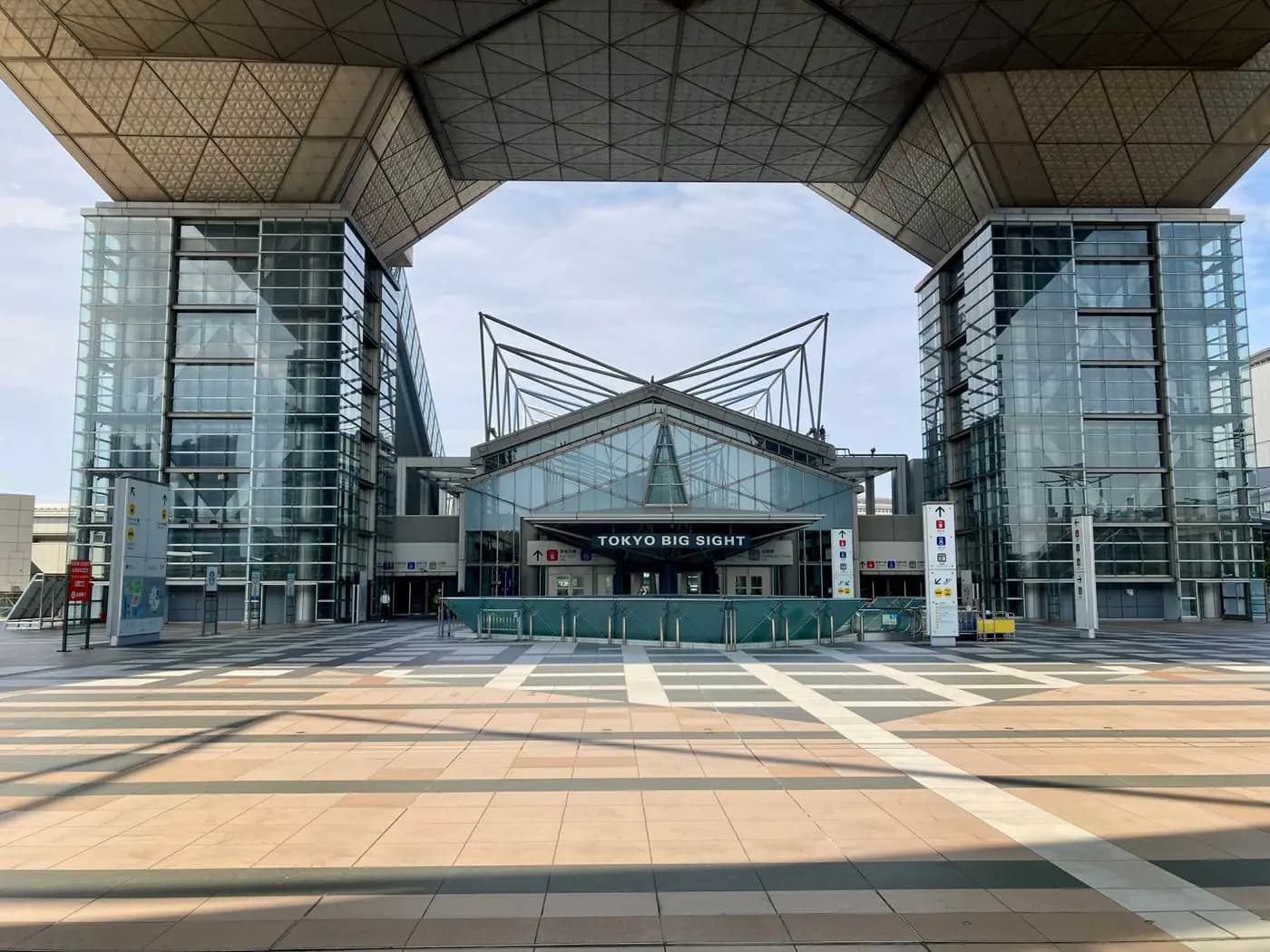
- Tokyo Big Sight (Ariake): 115,420 m² of exhibition space, 1,000-seat international conference hall.
- Makuhari Messe (Chiba): about 75,000 m² of exhibition space, 1,600-seat hall, Narita 40 minutes away.
- Fukuoka: 3,000-seat Congress Center, Marine Messe for up to 15,000 people, airport 15 minutes away.
- ICC Kyoto: 1,840-seat main hall, Event Hall for up to 2,500 people.
- Grand Cube Osaka: 2,754-seat main hall, more than 25 meeting rooms.
- Okinawa Convention Center: up to 4,000 people in the exhibition hall, 1,709-seat theatre.
These figures come from the venues' own sites, the MICE database of the Japan National Tourism Organization (JNTO) and the convention bureaus. They are maximums: the real set-up (stage, control desk, screens, interpreting booths) often removes 10 to 20% of the seats.
Tokyo event venues: Forum, Big Sight, Makuhari, Takanawa Gateway and conference halls
Tokyo has the country's widest choice, but its venues do not play in the same league. First decide whether you are running a congress with a plenary, a corporate convention with an evening event, or a trade show.
For a plenary in the city centre
- Tokyo International Forum: Hall A with 5,012 seats and simultaneous interpreting in up to 16 languages, Hall C with 1,502 seats, divisible Hall B7 with 1,200 seats, Hall E with 5,000 m² for an exhibition or a 3,000-person cocktail, and 31 rooms of 26 to 206 m². One minute from Yurakucho station, five from Tokyo Station. Hotels in Marunouchi, Hibiya and Ginza are within walking distance.
- Takanawa Gateway Convention Center: the 1,640 m² LINKPILLAR Hall (up to 1,656 seats) and 20 rooms, connected to Takanawa Gateway station, one stop from Shinagawa (Shinkansen) and about 20 minutes from Haneda. The address to look at for an 800-to-1,500-person convention arriving through Haneda.
For a trade show or a congress with a large exhibition
- Tokyo Big Sight (Ariake): 115,420 m² of exhibition space, a 1,000-seat international conference hall with interpreting in 8 languages, and a 6,000 m² rooftop exhibition terrace. Ariake hotels are 5 minutes away, Haneda 25 to 30 minutes.
- Makuhari Messe (Chiba): about 75,000 m² across 11 halls, a 1,600-seat international hall and an Event Hall for up to 9,000 people. 30 minutes from Tokyo Station and 40 minutes from Narita.
For a 500-to-800-person convention in a more urban setting
- Tokyo Midtown Hall & Conference (Roppongi): Hall A for up to 816 seats, 11 rooms, the Ritz-Carlton in the same tower.
- Toranomon Hills Forum: about 3,300 m² column-free, up to 792 seats, Andaz Tokyo in the tower.
For a corporate group, the difference is often outside the room: in Marunouchi or Roppongi, a dinner in town is a walk away; in Ariake or Makuhari, every evening needs coaches. The Journal has an article on the best Tokyo districts for a seminar, useful for choosing a hotel around the venue.
Yokohama: Pacifico, the country's largest convention complex
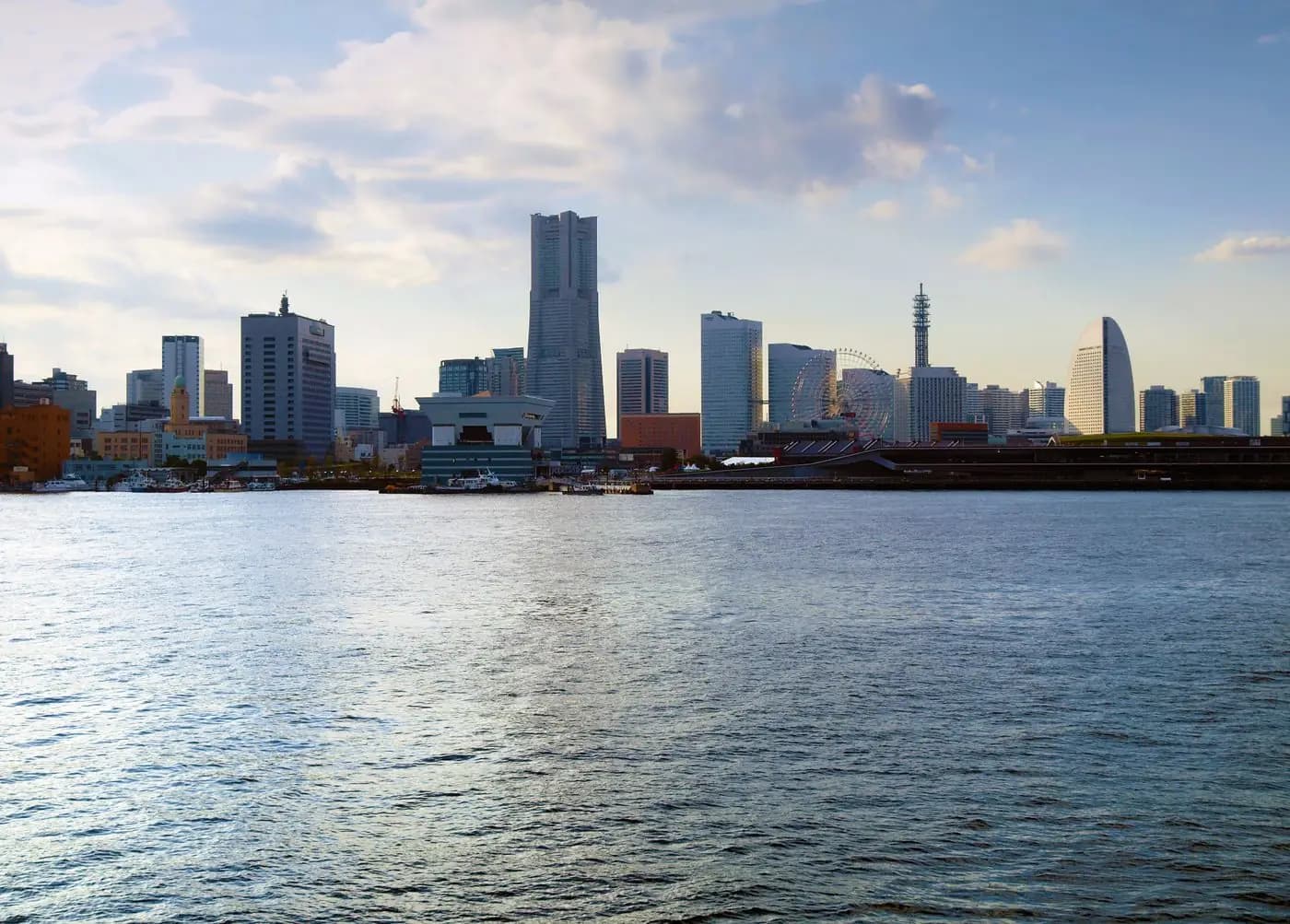
Pacifico Yokohama, in the Minato Mirai district, is often the best answer when a congress outgrows central Tokyo venues without moving away from Haneda. The complex includes:
- the National Convention Hall, 5,000 seats, with simultaneous interpreting;
- a column-free 20,000 m² Exhibition Hall, divisible into four;
- a Conference Center of about 50 rooms, able to run three 1,000-person congresses at once;
- PACIFICO North, with a multipurpose hall of about 6,300 m² and 42 meeting rooms;
- the InterContinental Yokohama Grand, directly connected.
Access: 3 to 5 minutes on foot from Minatomirai station (direct line from Shibuya), about twelve minutes from JR Sakuragicho, around 30 minutes from Haneda by bus or taxi and 40 minutes from Tokyo Station by train.
What organisers like: the waterfront, the promenades and the district's hotels, which keep participants on foot from morning to night. Dinners take place in Minato Mirai hotels, in Chinatown or on a boat in the bay.
The point to watch: Minato Mirai's hotel capacity is large but not unlimited. At a congress of several thousand delegates, some sleep in Tokyo and travel 30 to 40 minutes; frequent morning shuttles are then needed.
Osaka and Kyoto: Grand Cube, INTEX, Knowledge Capital, ICC Kyoto and Miyakomesse
Kansai offers a rare combination: two cities 15 minutes apart by Shinkansen, one business-minded and one cultural, plus an international airport.
Osaka
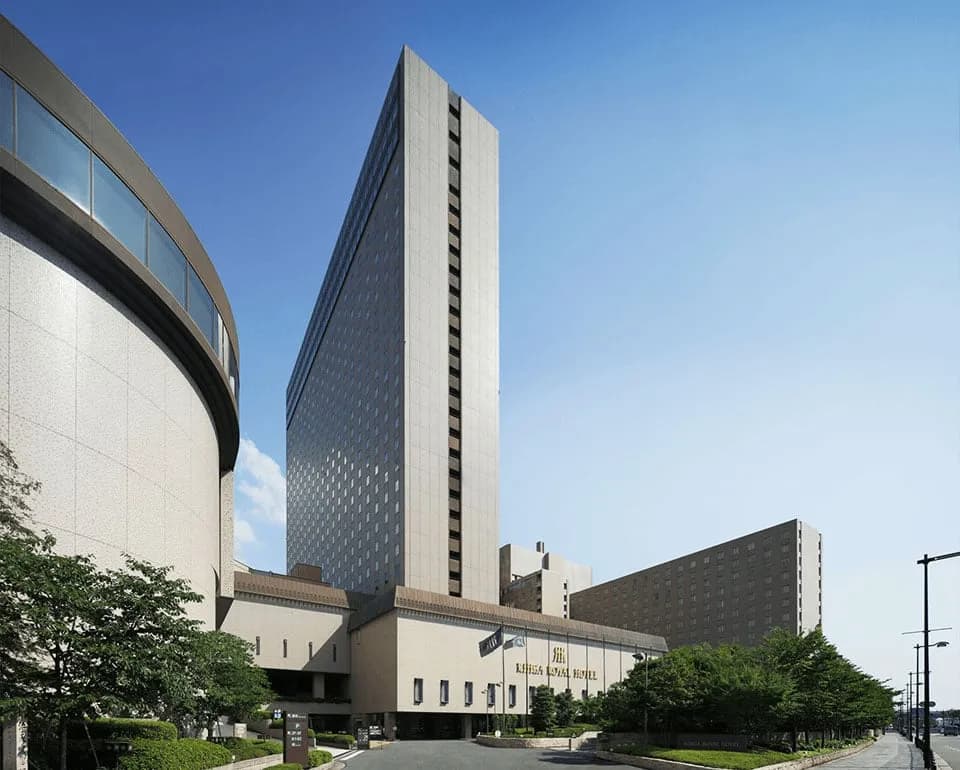
- Grand Cube Osaka (Osaka International Convention Center, Nakanoshima): 2,754-seat main hall, 2,600 m² column-free Event Hall, more than 25 rooms for 27 to 540 people. Connected to Rihga Royal Hotel Osaka, free shuttle from JR Osaka Station.
- Knowledge Capital Congrès Convention Center (Grand Front Osaka, Umeda): main hall of about 1,700 m² divisible into three, more than 1,400 seats theatre-style, 9 rooms and interpreting booths, 5 minutes from JR Osaka Station. InterContinental Osaka is in the same complex.
- INTEX Osaka (Osaka Bay): 70,000 m² of exhibition space across six halls and 72 rooms, host of the 2019 G20 summit. Western Japan's reference exhibition venue, 30 to 40 minutes from Umeda or Namba.
Kyoto
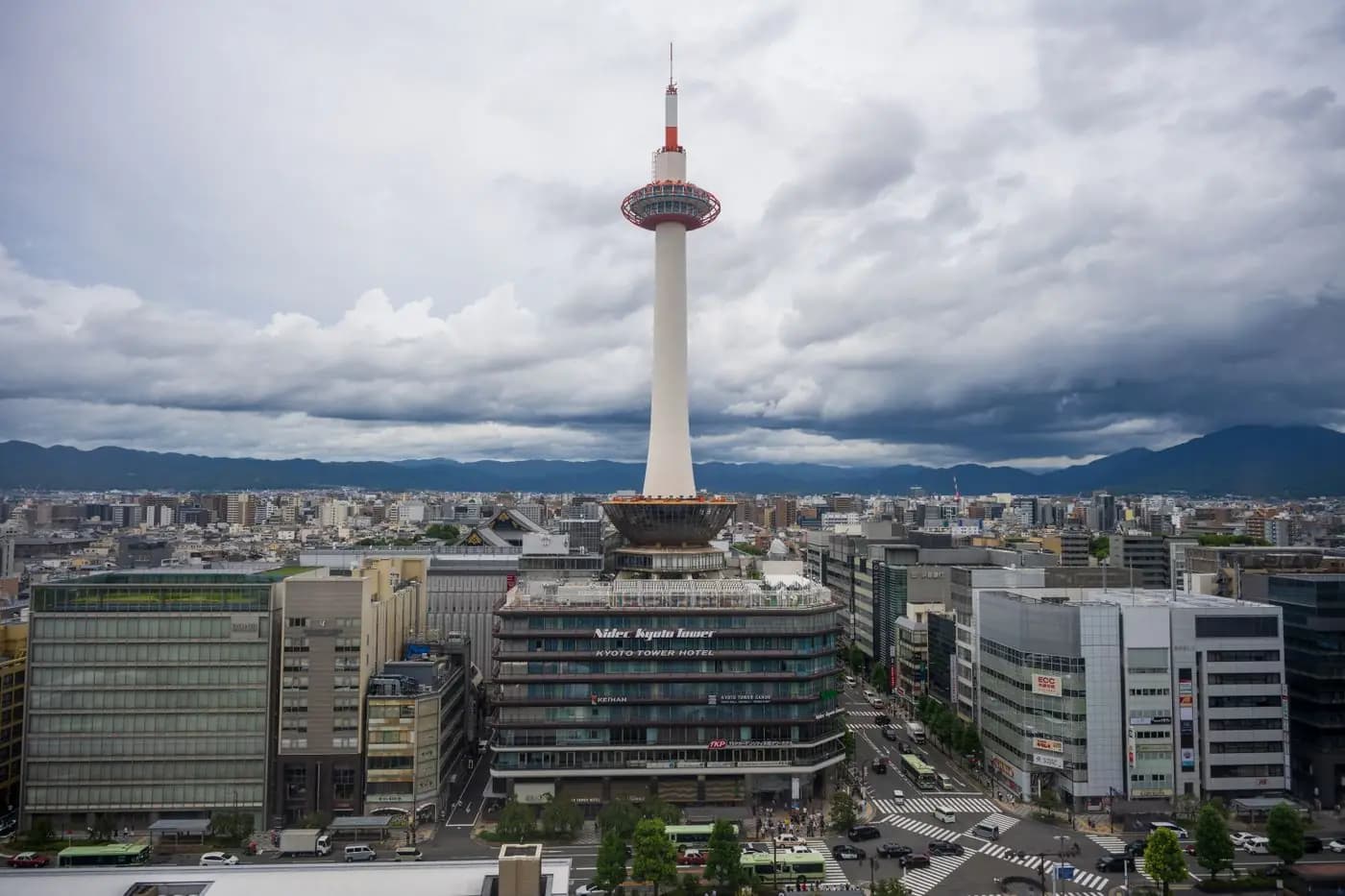
- ICC Kyoto (Takaragaike): 1,840-seat main hall, 3,000 m² Event Hall for up to 2,500 people, more than 70 rooms in four connected buildings, a 20,000 m² Japanese garden with a teahouse. Direct subway from Kyoto Station in 20 minutes.
- Miyakomesse (Okazaki): about 9,650 m² of exhibition space, Hall 3 with 4,000 m² for up to 4,000 people, 8 minutes from Higashiyama subway station. Heian Shrine and the Okazaki museums are within walking distance, which makes it a good place for a trade fair or a large dinner.
The pattern that often works for an international convention of 1,000 to 2,000: congress in Osaka, hotels in Umeda or Nakanoshima, one evening or excursion in Kyoto. Accommodation tax (Kyoto up to ¥10,000 a night since March 2026, Osaka capped at ¥500) also weighs on the choice; it is covered in the Journal article on Kyoto conference hotels.
Fukuoka, Okinawa and Nagoya: more compact alternatives
Fukuoka: everything within 15 minutes
Fukuoka has grouped its venues in the Hakata Bay area, 10 minutes by car from Hakata Station and 15 minutes from the airport:
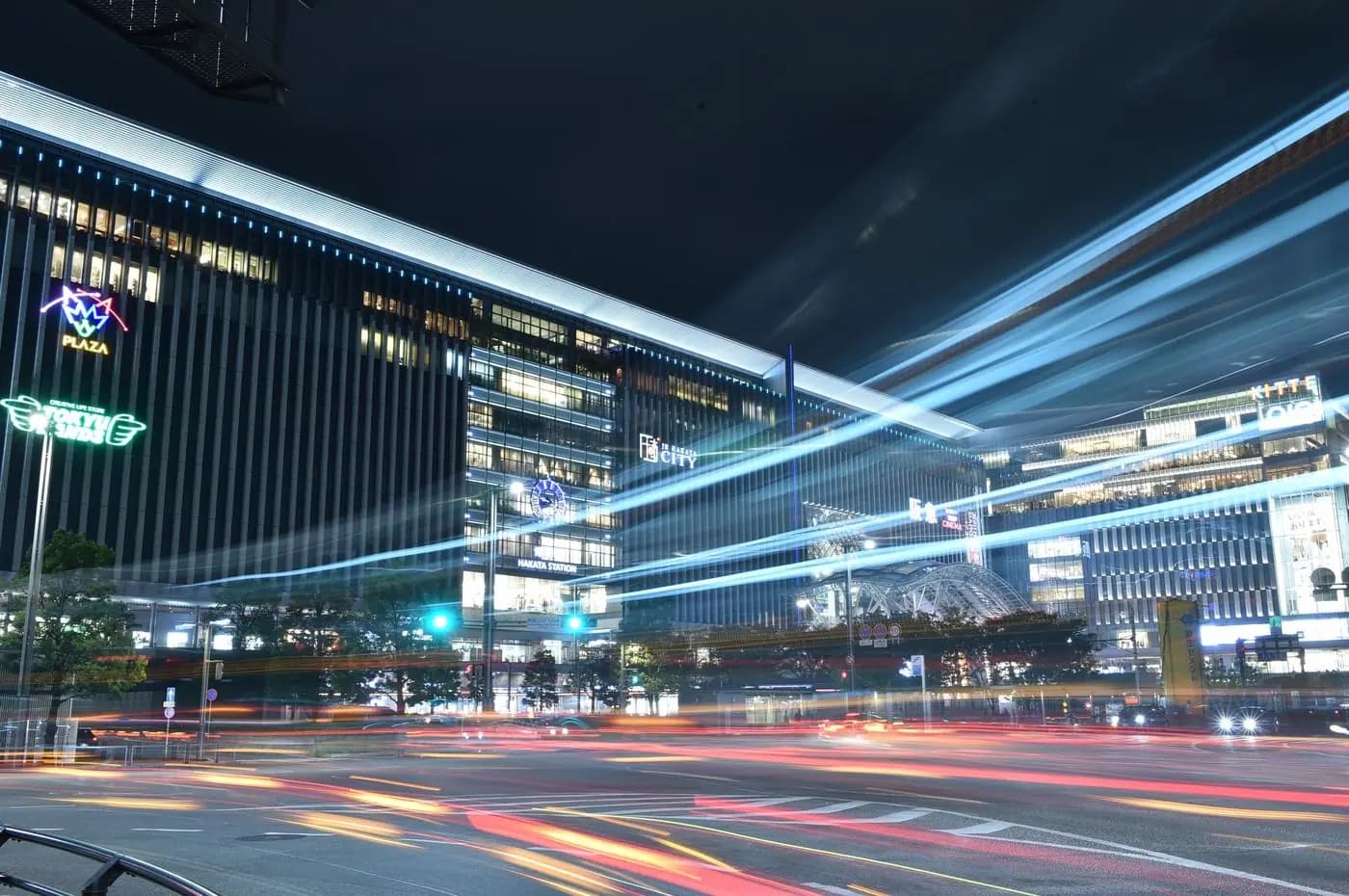
- Fukuoka International Congress Center: main hall for up to 3,000 people, 19 rooms with interpreting booths, 1,320 m² exhibition hall, receptions for up to 1,000.
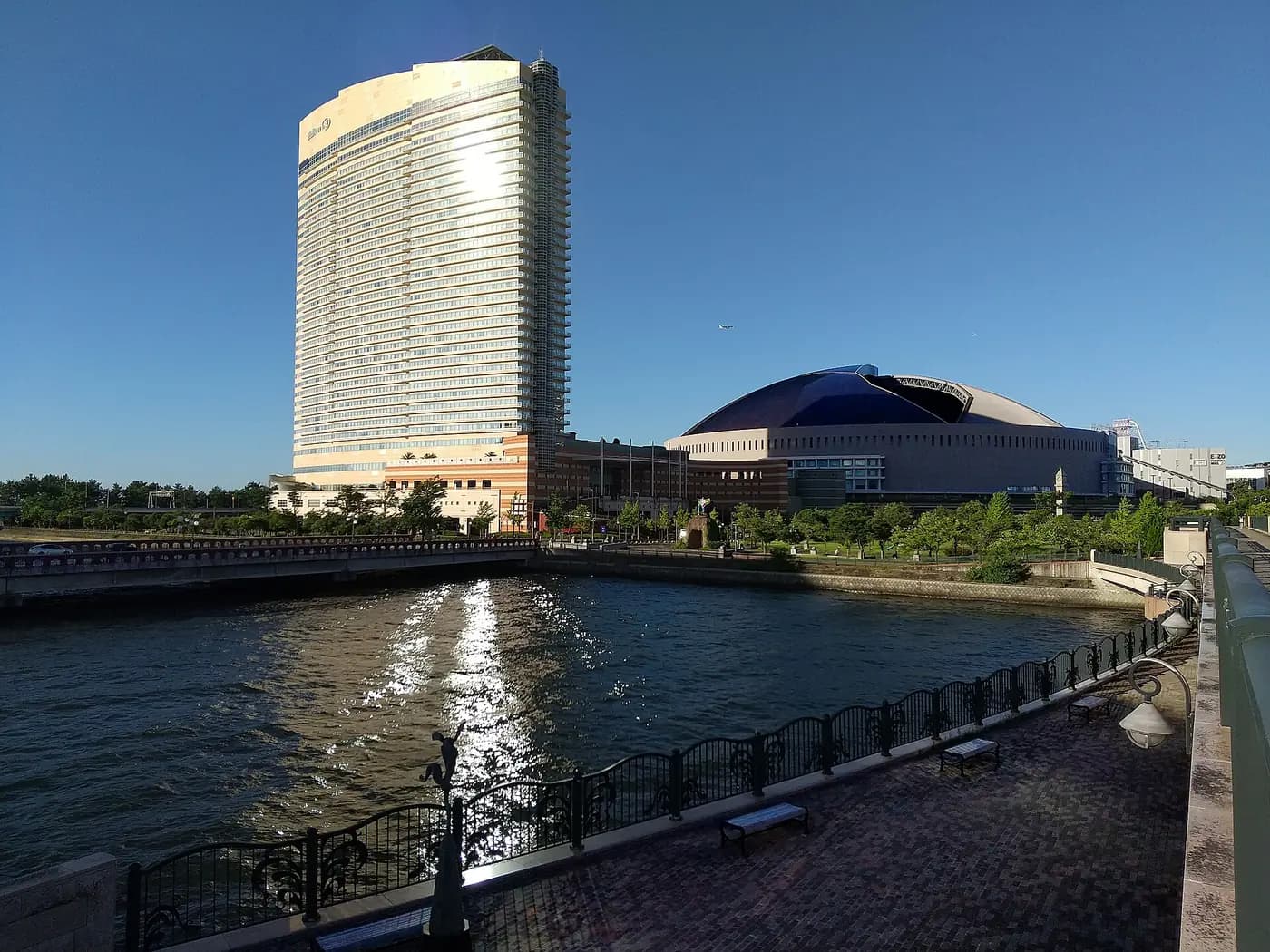
- Marine Messe Fukuoka: Hall A for up to 15,000 people, Hall B (2021) of about 5,000 m².
- Fukuoka Kokusai Center: 5,052 m² in one space, home of the Kyushu sumo tournament.
All three are within walking distance of one another. For a congress of 1,000 to 3,000 people, Fukuoka is often cheaper than Tokyo and much simpler to run; a Journal article presents it as a business alternative.
Okinawa: the congress with a beach
- Okinawa Convention Center (Ginowan): 2,500 m² exhibition hall for up to 4,000 people, 1,709-seat theatre, 500-seat Room A1, 13 rooms with simultaneous interpreting. The beach and Laguna Garden Hotel are within walking distance.
- Bankoku Shinryokan (Nago): venue of the 2000 G8 summit, 500-seat Summit Hall, next to The Busena Terrace.
Note that there is no railway. Ginowan is about 40 minutes from Naha Airport, Nago 75 to 90 minutes. All transfers are by coach.
Nagoya: check the renovation schedule
Nagoya Congress Center, the city's main congress venue, is undergoing major renovation at the time of writing and is not hosting events during the works. After renovation, its Century Hall is announced at 3,004 seats. For a 2027 project, confirm the reopening date with the operator before placing any option.
How to choose a convention venue in Japan: capacity, access, hotels, dates
On paper, several venues suit most projects. The choice comes down to five criteria, compared side by side.
- Usable capacity, not maximum. A room advertised at 1,600 theatre seats offers 1,300 to 1,400 with a convention stage, a control desk at the back and two side screens. For a seated dinner of 1,000, you need an exhibition hall, not a congress hall.
- Access from the arrival airport. Haneda is 20 to 30 minutes from Takanawa Gateway, Tokyo Big Sight and Pacifico Yokohama; Narita is 40 minutes from Makuhari but 60 minutes or more from central Tokyo. Fukuoka is 15 minutes from its airport. In Okinawa, count on coaches.
- Hotels within walking distance. This is the criterion that saves the most money: a venue with 1,500 rooms less than 10 minutes on foot (Marunouchi, Minato Mirai, Umeda, Hakata) avoids morning shuttles and evening coach rides.
- Exhibition and catering. A scientific congress needs exhibition space for sponsors and coffee breaks for everyone at the same time. Check the adjoining exhibition area and the number of catering points.
- Dates. Major venues are booked two to five years ahead for international congresses. For a corporate convention, 12 to 18 months is often enough, provided you avoid major trade shows, Golden Week and peak tourist periods.
One last point: prices. Public convention centres often publish hire rates per room and time slot, with surcharges for build-up, tear-down and night hours. Private venues and hotels negotiate more. Either way, production (sound, light, video, interpreting) is often a bigger line than the room itself.
Organising a congress or convention in Japan: lead times, convention bureaus and logistics
Once the venue is identified, a successful convention in Japan depends on a few decisions taken early.
- Contact the city's convention bureau. Tokyo, Yokohama, Osaka, Kyoto, Fukuoka and Okinawa have bureaus that help shortlist venues and hotels. Several, such as Kyoto's, also publish subsidy or support programmes for international events, subject to conditions (number of overseas participants, room nights, dates). Criteria change from year to year: check them on the relevant bureau's site.
- Block hotels before announcing dates. A publicly announced congress pushes up room rates nearby. Negotiate blocks before going public.
- Plan transfers at scale. For 1,000 participants, a group departure to a dinner needs 20 to 25 coaches of 45 to 50 seats. Japanese coach companies book their vehicles far ahead in spring and autumn.
- Think about evenings. Convention centres rarely host a gala dinner beyond 10pm; private-hire venues (hotels, gardens, boats, historic houses) take over for 100 to 500 people.
- Interpreting and content. Large halls have fixed booths. For sessions in Japanese, English and French, book conference interpreters early: French interpreters are few.
- Contingency plan. Late-summer typhoons, earthquakes, rail disruption: a continuity plan with venues and transport providers belongs in the file, as the Journal article on safety in Japan explains.
SHINOGI DMC supports conventions of 30 to 500 participants in Japan: venue shortlisting, hotel blocks, transfers, evening events and on-site coordination. For congresses of several thousand delegates, the choice of venue and PCO (professional congress organiser) is usually made together with the host city's convention bureau.
Frequently asked questions
What is the largest convention center in Japan?
For exhibitions, Tokyo Big Sight at 115,420 m². For a plenary, Hall A of Tokyo International Forum (5,012 seats) and Pacifico Yokohama's National Convention Hall (5,000 seats). For a standing event, Marine Messe Fukuoka's Hall A takes up to 15,000 people.
What is Pacifico Yokohama's capacity?
The National Convention Hall seats 5,000. The complex also includes a 20,000 m² exhibition hall, a Conference Center of about 50 rooms and PACIFICO North (a hall of about 6,300 m² and 42 rooms).
Where can you hold a 1,000-person conference in Tokyo?
At Tokyo International Forum (Hall C with 1,502 seats, Hall B7 with 1,200), Takanawa Gateway Convention Center (up to 1,656 seats), Tokyo Big Sight (1,000-seat international conference hall) or the city's large conference hotels.
How do you get to Okinawa Convention Center?
By car or coach: about 40 minutes from Naha Airport. There is no rail link; for a group, plan private coaches for all transfers.
How far ahead should you book a convention venue in Japan?
Two to five years for an international congress in a major venue; usually 12 to 18 months for a corporate convention, avoiding major trade shows, Golden Week and tourist peaks. Block hotels before announcing the dates.
Is Nagoya Congress Center open in 2027?
The centre is undergoing major renovation at the time of writing and is not hosting events during the works. Confirm the reopening date with the operator before any option; after renovation, Century Hall is announced at 3,004 seats.
Rédaction SHINOGI DMC · Updated
Sources
- Tokyo International Forum — Facilities
- Tokyo Big Sight — Facilities for organizers
- Makuhari Messe — Organizer guide
- Business Events Tokyo — Takanawa Gateway Convention Center
- Business Events Tokyo — Tokyo Midtown Hall & Conference
- Business Events Tokyo — Toranomon Hills Forum
- Pacifico Yokohama — Facility guide
- Grand Cube Osaka (Osaka International Convention Center)
- Knowledge Capital Congrès Convention Center — Facilities
- JNTO MICE — INTEX Osaka
- ICC Kyoto — Halls and rooms
- Miyakomesse — Information for planners
- JNTO MICE — Fukuoka International Congress Center
- JNTO MICE — Marine Messe Fukuoka
- Okinawa MICE — Okinawa Convention Center
- Okinawa MICE — Bankoku Shinryokan
- Nagoya Congress Center — Site officiel (travaux de rénovation)
- Kyoto Convention & Visitors Bureau — Support & services