- Duration
- 2 to 3 hours, half day with meal possible
- Group size
- 6–40 pax
- Cities
- Kyoto
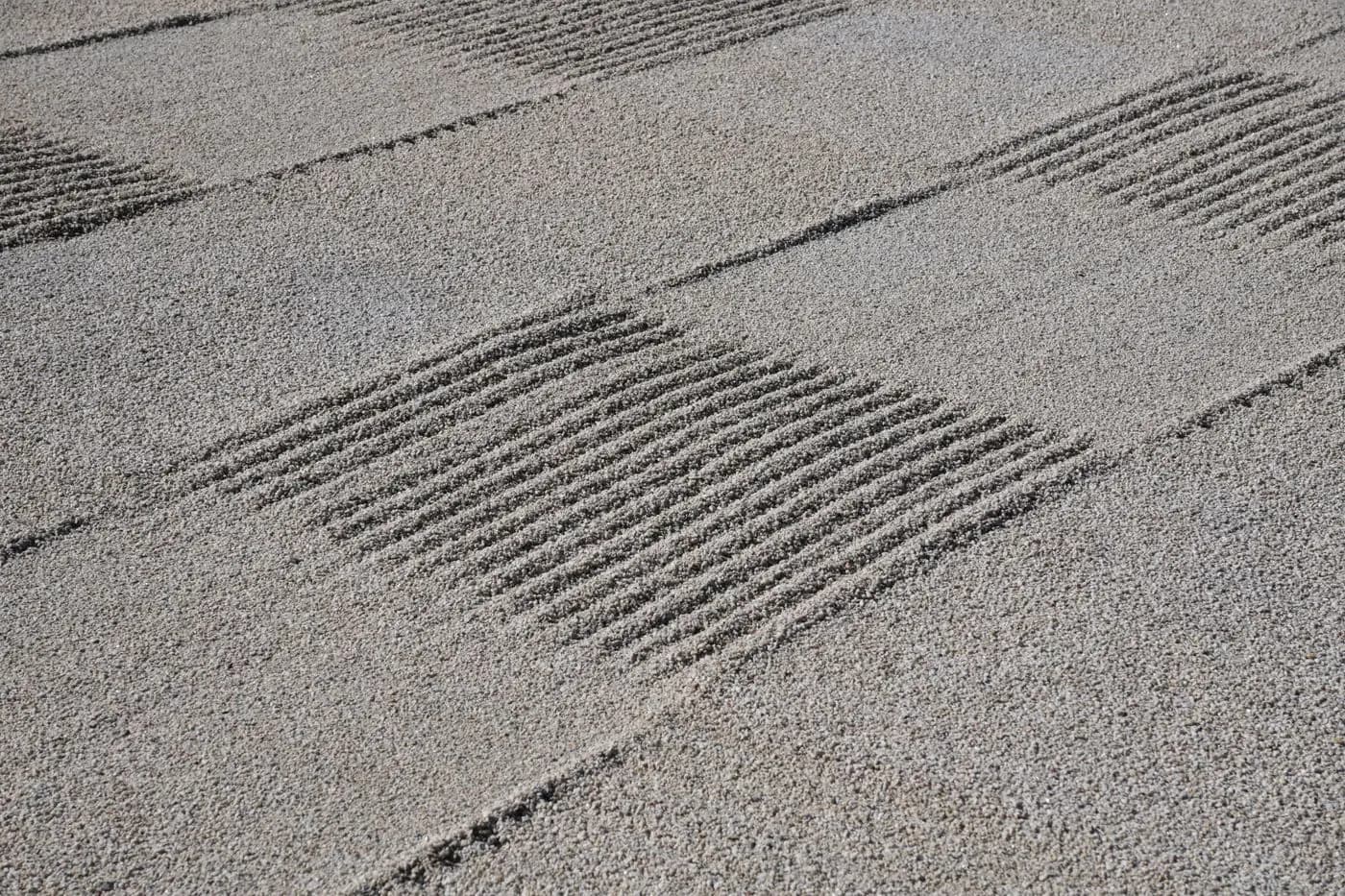
The session takes place in a sub-temple (tatchu) of one of Kyoto's large Zen complexes, chosen according to availability and group size; the Myoshin-ji, Daitoku-ji or Kennin-ji complexes, for example, host zazen practice. A monk introduces the setting, guides one or two rounds of zazen, then invites the group to observe the dry landscape garden (karesansui): stones, raked gravel, empty space. A discussion follows, interpreted, around questions prepared with you beforehand.
For an executive committee, this format creates a real break in a busy meeting. It is not about imposing spirituality but about an exercise in attention: slowing down, observing what is there and accepting silence before deciding. The topics discussed with the monk (letting go, simplicity, impermanence, responsibility) often resonate with current transformation or governance challenges.
Zen reached Japan in the 12th and 13th centuries and deeply shaped architecture, gardens, tea ceremony and martial arts. Kyoto's dry gardens are its best-known expression. The session can be extended with a vegetarian temple meal (shojin ryori) or a working session in a private room nearby.
Objectives
- Give leadership a real break and time to step back
- Practice attention, listening and decision quality
- Open a leadership discussion from a different angle
- Understand Zen's influence on Japanese culture
How it works
- 1Agreeing on discussion themes with you, shared with the monk and interpreter.
- 2Private vehicle transfer to the temple, arriving early to enjoy the calm.
- 3Introduction to the setting and zazen instructions.
- 4One or two rounds of seated meditation, then observation of the dry garden.
- 5Interpreted discussion with the monk on the chosen themes.
- 6Option: shojin ryori meal or a working session nearby.
Good to know
- Modest, loose, neutral-colored clothing; shoes off, clean socks.
- Zazen is done seated on a cushion on the floor; chairs can be arranged for anyone who needs them.
- An intimate format: 6 to 40 people; larger groups use several temples or successive sessions.
- Held inside the temple halls, so it goes ahead in rain; in winter, halls are only lightly heated.
- Availability depends on the temple's religious calendar and is confirmed once the temple agrees.
Indicative budget
Indicative: from ~€150 per person (temple access, monk, interpreter, private vehicle), more for a private format for a small committee or with a shojin ryori meal.
Frequently asked questions
Is meditation experience needed?
No. The monk explains posture and breathing step by step, and zazen rounds are short, 10 to 20 minutes. The session is designed for beginners.
Is the session religious?
It takes place in a temple and respects its customs, but no belief is asked of anyone. The content focuses on attention, reflection and leadership, aligned with your objectives.
Can the session be combined with a business meeting?
Yes. We often schedule the Zen session in the morning, followed by a shojin ryori lunch and a working session in a private room or nearby hotel.