Large group dinner in Tokyo: the short answer
In Tokyo, you can easily book a private room for 10 to 20 people, a floor for 30 to 60, a whole restaurant or a traditional dinner boat (yakatabune) for 70 to 120, and a large reception house for 150 to 450. Beyond that, it is hotel banquet rooms. The difficulty is not finding space but finding the right format at the right time: in December, Japanese companies' year-end parties fill private rooms weeks ahead.
Benchmarks by capacity, with venues whose capacities are published:
- 10 to 16 people: private rooms in shabu-shabu, kaiseki or teppanyaki restaurants. Seryna in Roppongi has eleven private rooms, seven of them for 2 to 16 people.
- 20 to 60 people: a private floor in an upscale izakaya. Shunju Tameike-Sanno, on the 27th floor of Sanno Park Tower, offers a private floor for roughly 20 to 60 people, with a view.
- 70 to 120 people: a whole restaurant or a yakatabune. Tokyo Node Dining has 70 covers on the 45th floor of Toranomon Hills Station Tower; the boat operator Funasei in Shinagawa charters boats for 32 to 120 people.
- 130 to 200 people: Gonpachi Nishi-Azabu, a large wooden house, up to 130 seated and 200 standing.
- 150 to 450 people: Happo-en in Shirokanedai, with the Hakuho-kan pavilion (144 tatami mats, 120 to 150 people) and the Mangetsu hall (450 for dinner, 600 for a cocktail).
This guide complements the Journal article on booking group restaurants in Japan, which covers the method; here, we start from the size of the group.
Business dinner in Tokyo for 10 to 20: private dining rooms
For an executive committee, a dinner with Japanese clients or a VIP evening, the private room (koshitsu) is the natural format in Tokyo. You can talk without being overheard, the service follows the table's pace, and the menu is set in advance.
Formats that work well:
- Wagyu shabu-shabu and sukiyaki. The dish is shared around a pot, which loosens up the conversation. Seryna, in Roppongi since 1961 and specialising in Kobe beef and crab, has eleven private rooms: four for 4 to 6 people on the 2nd floor (room charge ¥16,500 at dinner) and seven for 2 to 16 people on the 3rd floor (from ¥11,000 at dinner), on top of menu prices.
- Kaiseki in a tatami room. The most formal format, suited to senior Japanese guests. Arrange low chairs or sunken tables (horigotatsu) for guests who cannot sit on the floor.
- Teppanyaki. Spectacular for overseas guests, but limited by the size of the grill: 8 to 12 people per grill, with the chef cooking in front of each. Beyond that, split the group across two grills or two rooms.
- A private sushi counter. For 6 to 10 people, a highly sought-after experience, but the best addresses rarely do private hire and give priority to regulars.
Practical points:
- Room charges. Many restaurants charge for the room on top of the menu, as Seryna does. Ask when you request the quote.
- Set menu. Above 6 to 8 guests, the restaurant asks for a single menu chosen in advance, with dietary requirements announced several days before.
- Duration. Allow 2 to 2.5 hours. A room is often booked for a time slot; staying longer is negotiated.
- Indicative budget. ¥15,000 to over ¥50,000 per person depending on the restaurant, menu and drinks, plus room charges, 10% tax and any service charge.
Group dining in Tokyo: 30 to 60 people on a private floor
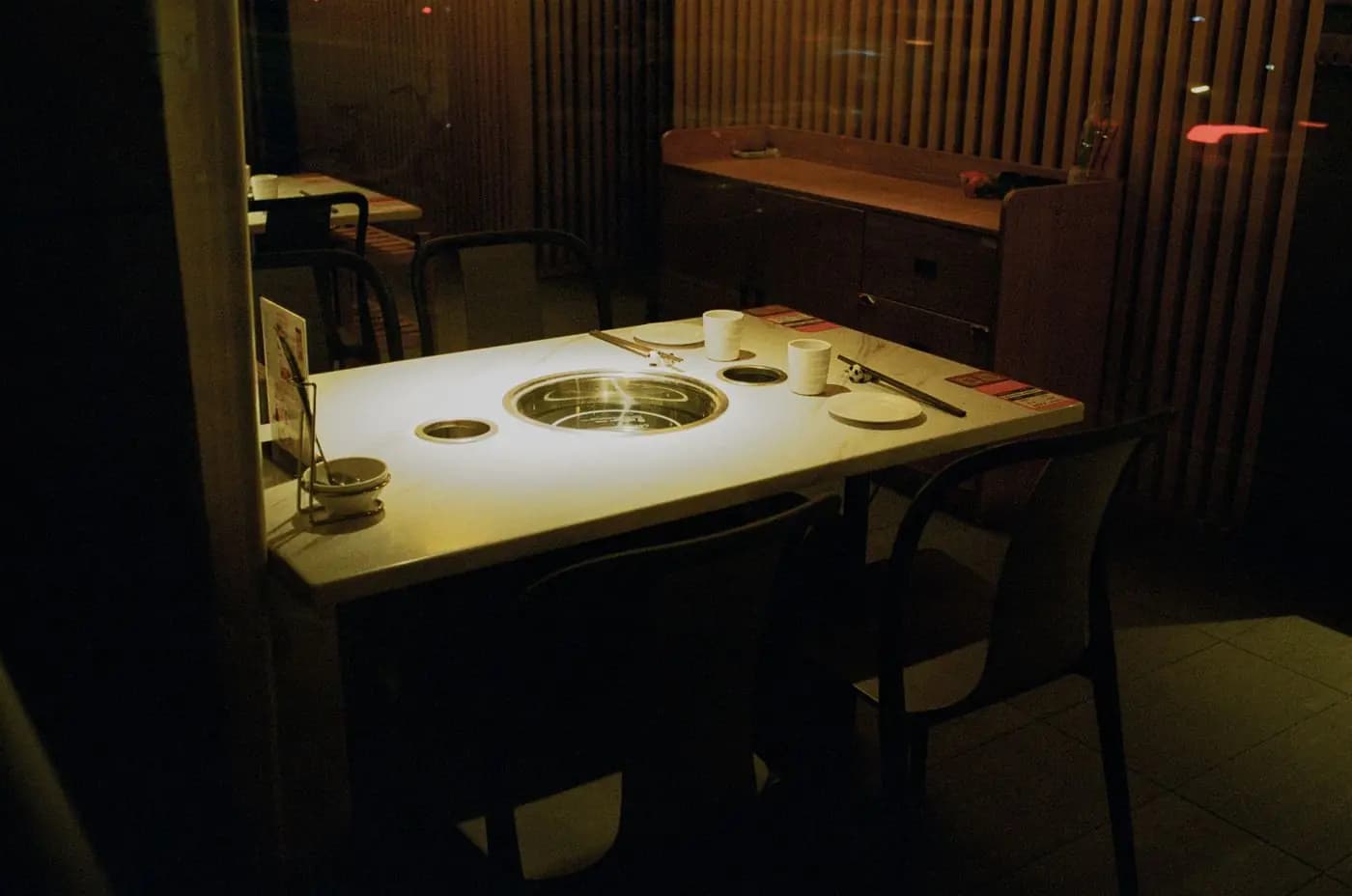
Between 30 and 60 people, a private room is no longer enough and hiring a whole restaurant is expensive. In Tokyo, the right answer is often a private floor in an upscale izakaya or a contemporary Japanese restaurant.
One example: Shunju Tameike-Sanno, on the 27th floor of Sanno Park Tower, directly connected to Tameike-Sanno and Kokkai-gijidomae stations. It serves seasonal Japanese cuisine and charcoal grills, and has a floor available for private hire for roughly 20 to 60 people, with a city view. For a group in a seminar around Akasaka, Toranomon or Kasumigaseki, it is a dinner with no coach needed.
What this format gives you:
- a sharing menu served in the middle of the tables, friendlier than plated service;
- an all-you-can-drink package (nomihodai), usually 2 to 2.5 hours, with beer, sake, shochu, wine and soft drinks;
- space for a welcome speech, sometimes with a microphone and screen;
- a fixed schedule: the evening starts and ends on time.
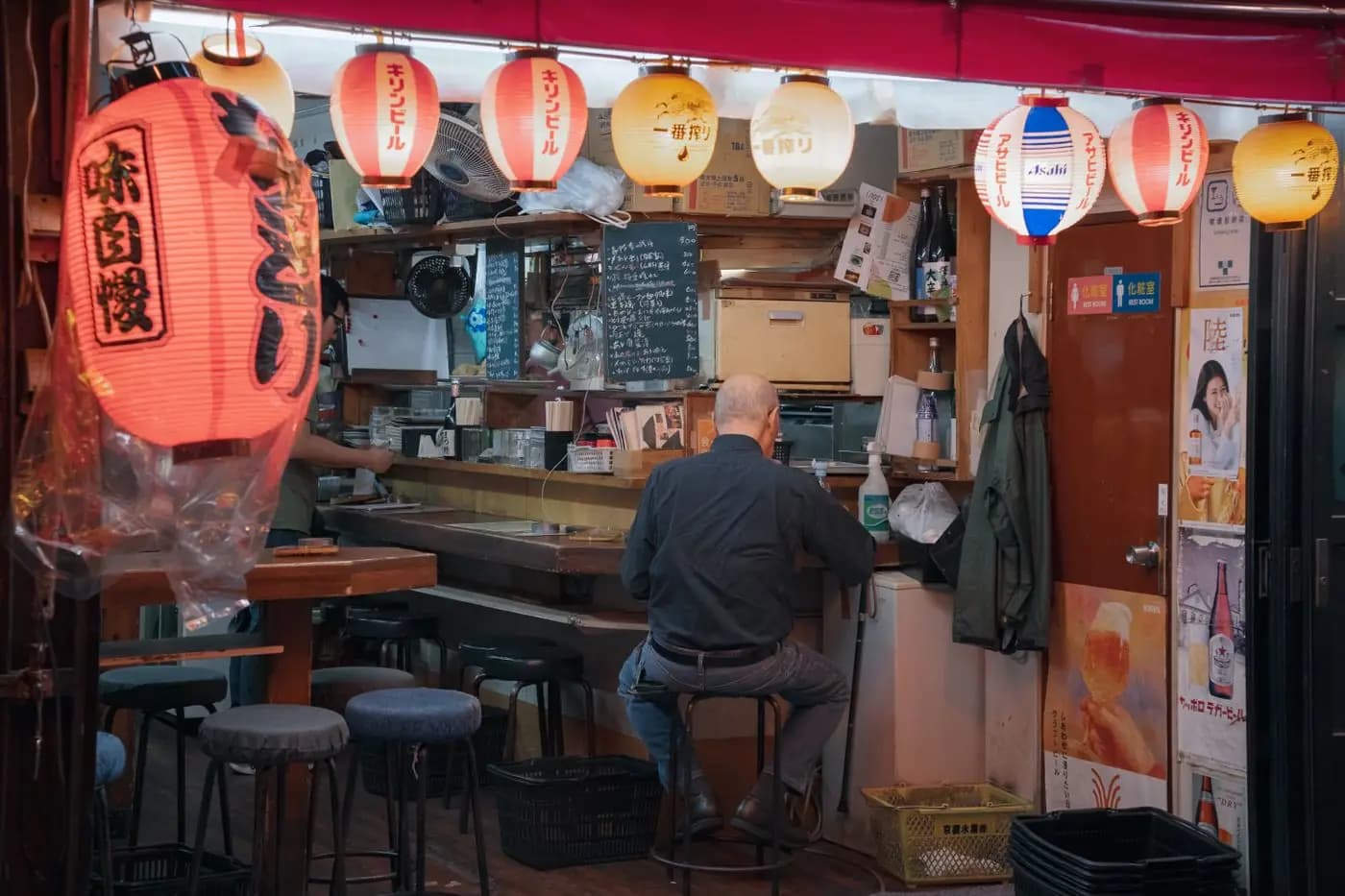
Good izakaya stand apart from chains through their cooking (fish, seasonal vegetables, binchotan charcoal grills) and their sake list. Avoid places that impose a fixed menu and basic drinks on groups: for a corporate dinner, ask for at least some premium sake in the package.
Indicative budget: about ¥8,000 to ¥15,000 per person with free-flow drinks, depending on the cooking and the duration. For a seminar group, a short welcome and a kanpai led by the organiser usually set the tone for the evening.
70 to 120 people: a whole restaurant, a rooftop or a yakatabune
For a group of 70 to 120 people, two formats dominate in Tokyo: hiring an entire restaurant, and a dinner cruise on a traditional boat.
A whole restaurant up high
Tokyo Node Dining, on the 45th floor of Toranomon Hills Station Tower next to the TOKYO NODE event space, has 70 covers and serves Italian cuisine made with regional Japanese produce. For a group in a seminar around Toranomon or Kamiyacho, it is a dinner with a view, connected to Toranomon Hills station. Other tower restaurants (Roppongi, Marunouchi, Shiodome) offer similar formats; a full buyout on a weeknight is easier to negotiate than on a Friday.
Yakatabune: dinner on the water
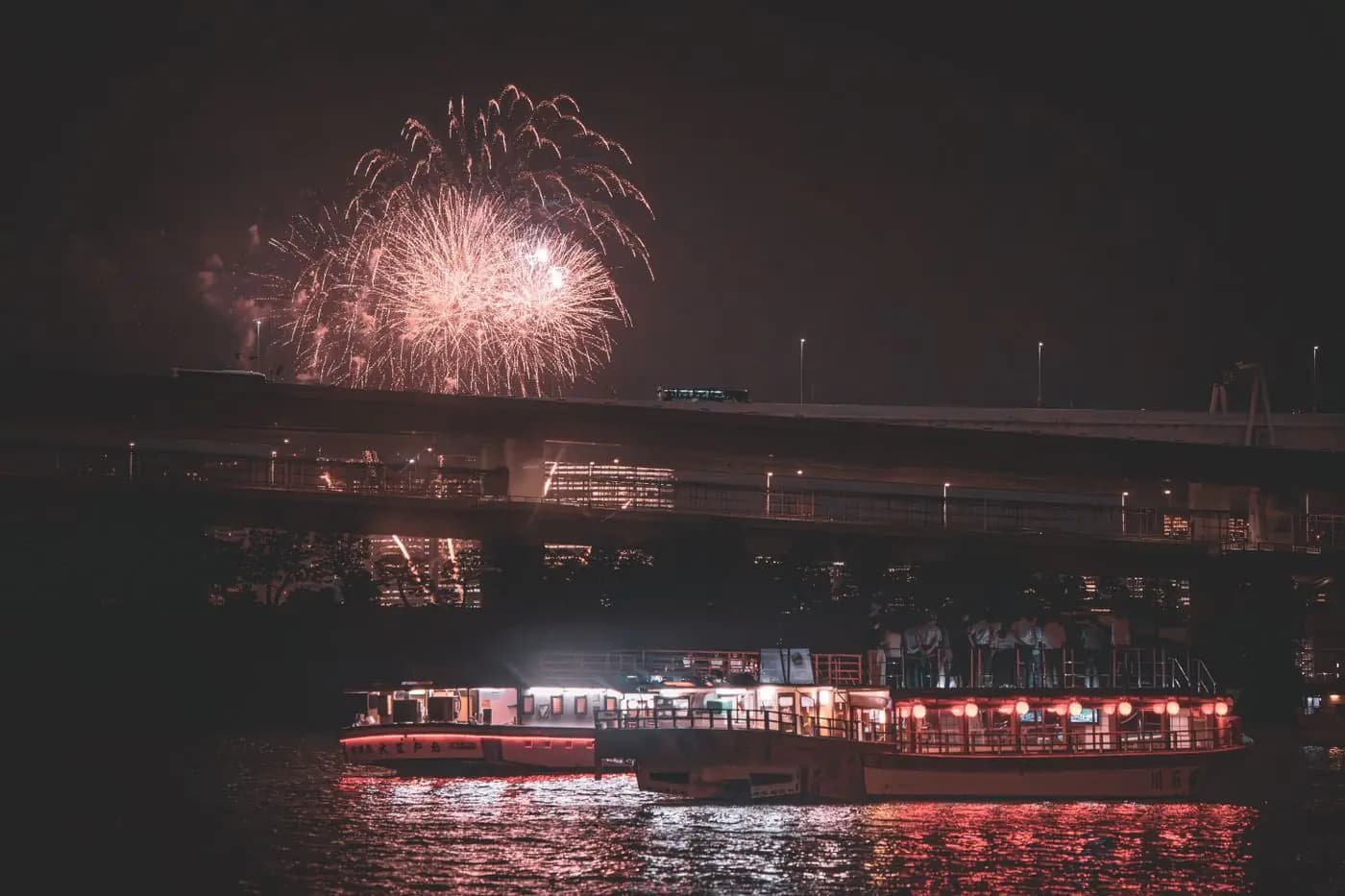
A yakatabune is a covered traditional dinner boat where tempura is fried on board and sashimi and seasonal dishes are served, usually with free-flow drinks. The operator Funasei, based in Kita-Shinagawa, publishes the details of its fleet:
- boats for 32 to 120 people, seated on chairs or at horigotatsu tables, all with an observation deck;
- a minimum of 20 people for a charter, with a minimum specific to each boat;
- a recommended capacity below the maximum: the largest, 120-person boat is advised for about 90 people;
- karaoke, microphones, a screen and a player on board; a projector as an option.
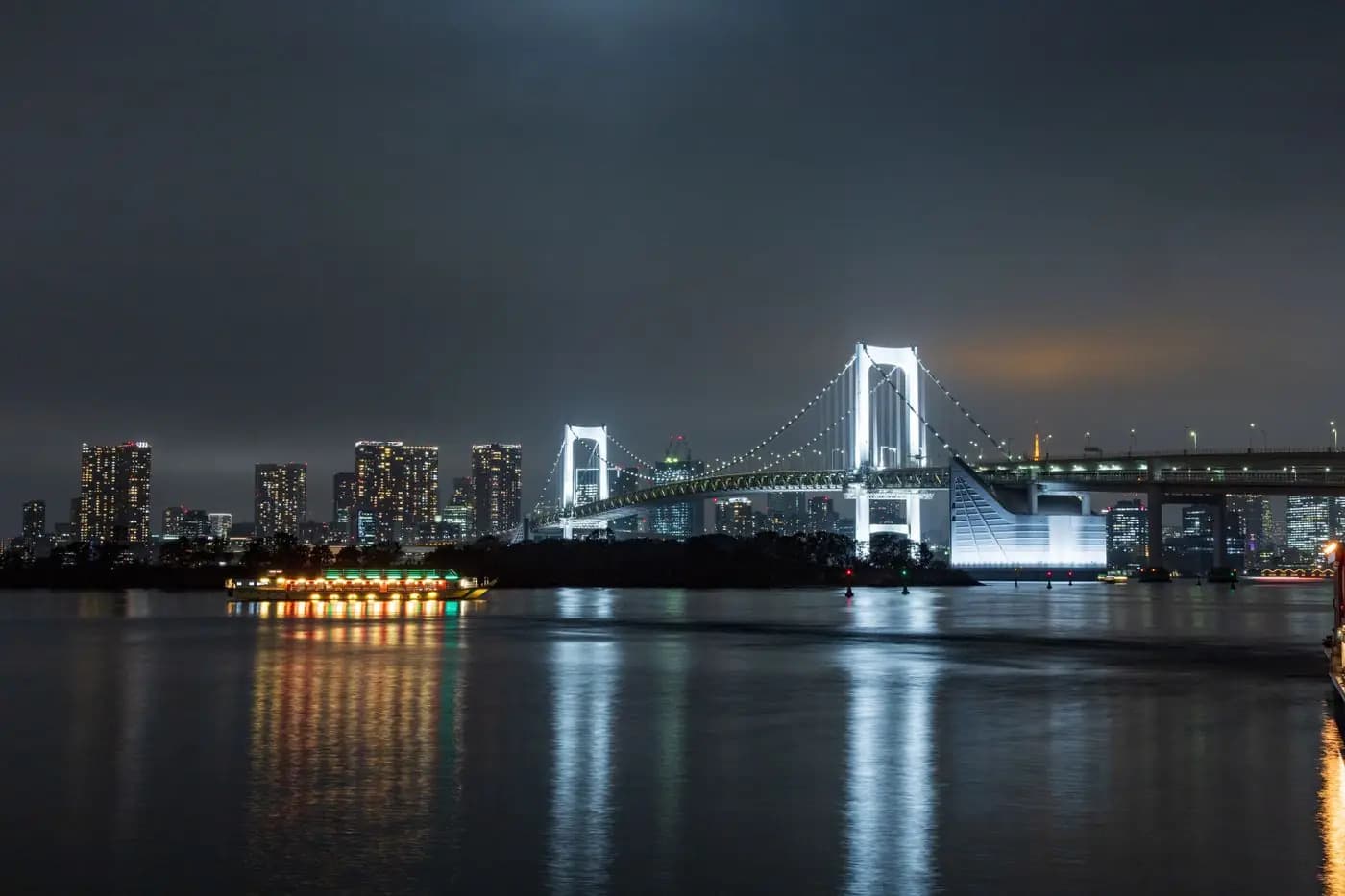
The cruise lasts about 2.5 hours, with a stop off Odaiba and a run up the Sumida River. Beyond 120 people, charter two boats that sail together.
Things to plan for: boarding is at a fixed time and latecomers are not waited for; the boats roll very little, but the deck is narrow; toilets are on board. The Journal has an article on Tokyo by night with more evening ideas.
130 to 450 people: large Japanese houses and reception gardens
Beyond 120 people, most Tokyo restaurants reach their limits. A few stand out because they combine capacity with a Japanese setting.
Gonpachi Nishi-Azabu (up to 130 seated, 200 standing)
A large two-level wooden house, famous abroad for having inspired a film scene, serving soba, yakitori, tempura and sushi. The main dining room holds up to 130 seated and 200 standing. The restaurant offers group plans from 4 people and a special menu above 40; for a full buyout, a minimum guaranteed spend applies, depending on the day and time. Wireless microphones, a projector and a screen are available. The atmosphere is lively: perfect for a convention party, less so for a discreet business dinner.
Happo-en (120 to 600 people)
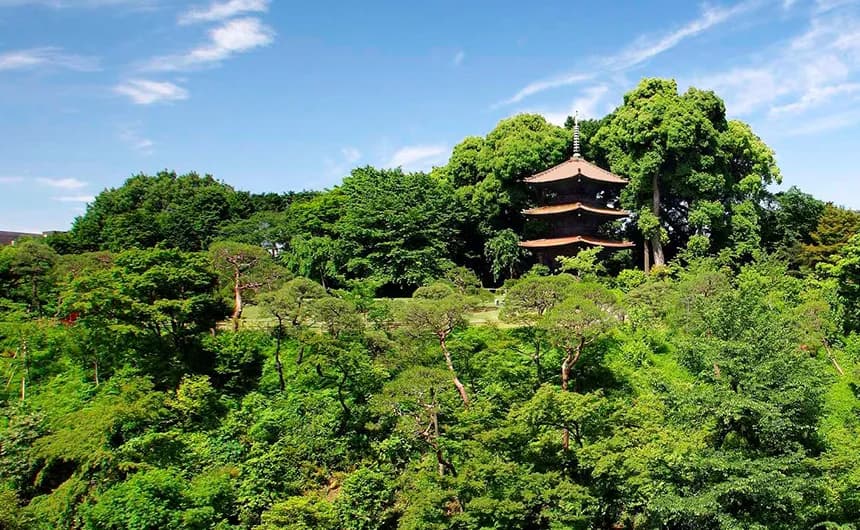
A reception estate in Shirokanedai built around a Japanese garden of about 33,000 m². Published capacities:
- Hakuho-kan, a Japanese-style pavilion with a 144-tatami hall: 150 for a traditional meal served on trays, 120 for dinner, 130 for a cocktail;
- Mangetsu, on the garden floor: 450 for a seated dinner, 600 for a cocktail, 700 theatre-style;
- other rooms for 66 to 160 at dinner, usable in parallel.
The garden allows an outdoor aperitif in good weather and group photos. It is Tokyo's most complete address for a "Japanese" gala dinner of 200 to 450 people.
Outside Tokyo, in Yokohama
Kaseiro Shinkan, a Beijing-cuisine house founded in 1939 in Chinatown, has banquet rooms up to a 160-cover hall: an option for a group attending a congress at Pacifico Yokohama.
Beyond 450 people, you move to the ballrooms of the large hotels, which provide the logistics (cloakroom, AV, kitchen) but need real décor work to escape the banquet-hall feel.
Private hire terms in Tokyo: minimum spend, timing, drinks and taxes
Terms vary from one restaurant to another, but the same questions come up in every quote. Here they are, with what to ask.
- Minimum spend. A full buyout almost always rests on a minimum amount (or a minimum number of covers), set by day and time. If the group is smaller than planned, the difference is charged.
- Room or hire charges. Some restaurants charge for the room on top of the meals; others include it above a certain amount.
- Duration. Free-flow drink packages most often last 2 to 2.5 hours, with last orders 30 minutes before the end. An extension is negotiated in advance, not on the night.
- Tax and service. Prices displayed in Japan in principle include the 10% consumption tax, but group quotes are sometimes presented before tax. Hotels and many upscale restaurants add a service charge, often 10 to 15%. In izakaya, a small charged starter (otoshi) is customary.
- Final numbers and cancellation. The final count is generally due 3 to 7 days before; after that, missing covers are charged.
- Dietary requirements. Announce them in Japanese, with the guest list, at least a week before. Vegetarian and no-pork are handled well; "no dashi" (fish stock) requires dedicated cooking.
- December. Corporate year-end parties (bonenkai) fill private rooms and izakaya, especially on Thursdays and Fridays. Book from September.
- Getting back to the hotel. Last trains leave around midnight. For a group, a coach at a fixed time avoids people scattering by taxi.
These terms, more than the menu price, are what separate two quotes.
Business dinner in Tokyo: etiquette, seating and running order
A corporate dinner in Tokyo follows codes that Japanese guests notice, even if they do not comment. A few simple rules avoid missteps.
- Seating. The seat of honour (kamiza) is the one furthest from the door, often in front of the decorative alcove (tokonoma) in a tatami room. The host and the most junior people sit near the entrance. Prepare a seating plan and give it to the restaurant.
- The first drink. Nobody drinks before the toast. The host's most senior person says a few words, then everyone raises their glass for "kanpai". People pour for one another; you do not fill your own glass first.
- Speeches. Short: two or three minutes. For a bilingual dinner, plan an interpreter and a prepared text.
- Gifts. If gifts are exchanged, it happens at the end of the meal, wrapped, handed over with both hands.
- The end. The dinner closes on time, often with a word from the second host and sometimes with a collective rhythmic hand-clap (tejime). The bill is not settled at the table in front of guests: it is paid in advance or discreetly.
- The second venue. Japanese guests sometimes expect a second gathering (nijikai), a bar or karaoke. It is not compulsory; if you plan one, book it.
The Journal articles on etiquette in Japan and on Japanese company parties (bonenkai, nomikai) round out these rules.
SHINOGI DMC selects and books these restaurants in Tokyo for the groups it handles: choice of format by size, negotiation of terms, translated menus and dietary requirements, transfers and on-site presence during the evening.
Frequently asked questions
How do you book a whole restaurant in Tokyo for a group?
First choose the format by size (private room, floor, whole restaurant, yakatabune, reception house), then ask the restaurant for the minimum spend, duration, drinks package, room and service charges, and the deadline for final numbers. Requests are made in Japanese, ideally two to six months ahead.
Which Tokyo restaurant suits a 100-person dinner?
A yakatabune (Funasei charters boats of up to 120 places, recommended for about 90), Gonpachi Nishi-Azabu (up to 130 seated), Happo-en's Hakuho-kan pavilion (120 to 150 people) or a hotel banquet room.
How much does a group dinner in Tokyo cost?
As an indication per person: ¥8,000 to ¥15,000 for a private izakaya with free-flow drinks, ¥15,000 to ¥30,000 for a hotel banquet, ¥20,000 to ¥50,000 for kaiseki in a private room. Room charges, service charges (often 10 to 15%) and 10% tax may be added.
How many people fit on a yakatabune in Tokyo?
At Funasei in Shinagawa, boats range from 32 to 120 places, with a minimum of 20 people for a charter. The recommended capacity is below the maximum: about 90 people for the 120-place boat.
When should you book a group dinner in Tokyo in December?
From September or October. December is bonenkai season, Japanese companies' year-end parties: private rooms, izakaya and yakatabune are in heavy demand, especially on Thursdays and Fridays.
Where does the guest of honour sit at a business dinner in Japan?
In the seat furthest from the door (kamiza), often in front of the tokonoma alcove in a tatami room. The host and the most junior people sit near the entrance.
Rédaction SHINOGI DMC · Updated