- Days
- 5
- Participants
- 20 to 100 participants
- Cities
- Tokyo · Kyoto · Osaka
Objectives
- Reward a team or a studio with a trip tied directly to its craft
- Understand how Japan designs, sells and sustains its games, from arcades to official retail
- Discuss the local market and its codes with a Japanese industry professional
- Bring teams together through a tournament and shared moments of play
Participant profile
Staff of video game publishers and studios, product, marketing or community teams of tech companies, players and staff of an esports organisation, or winners of an internal challenge who love games. Often international, highly knowledgeable profiles who expect precision rather than generic sightseeing.
Day by day
- 1
Day 1
Day 1 — Arrival in Tokyo and first games in Shinjuku
- Meet-and-greet at Haneda or Narita, coach or van transfers by arrival wave (about 40 min from Haneda, 90 min from Narita)
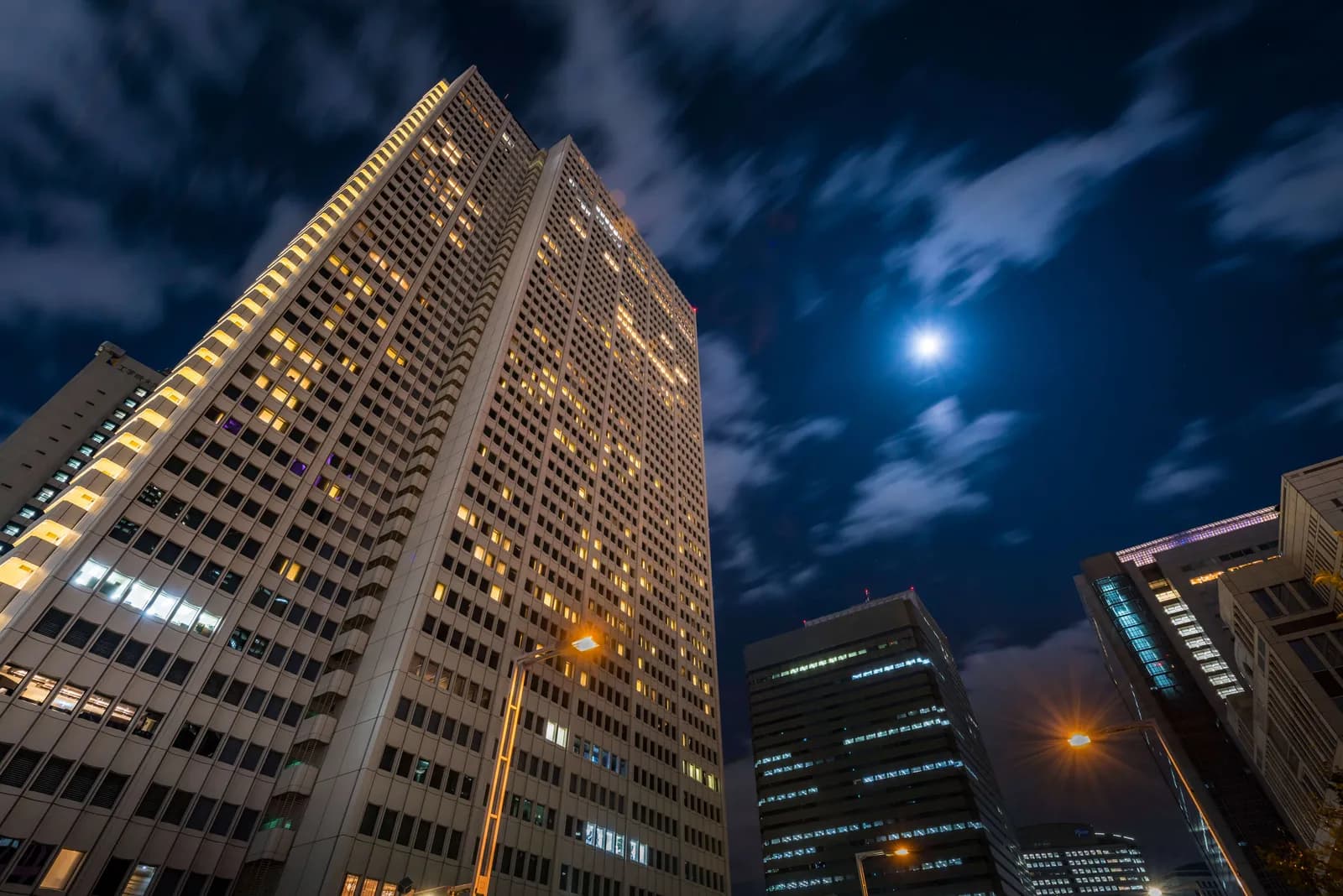
- Check-in at Keio Plaza Hotel Tokyo in Nishi-Shinjuku, pre-assigned rooms and a welcome kit (loaded transit card, schedule, mission booklet)
- 5:30 pm — 30-minute briefing in a hotel meeting room: trip overview and tournament team draw
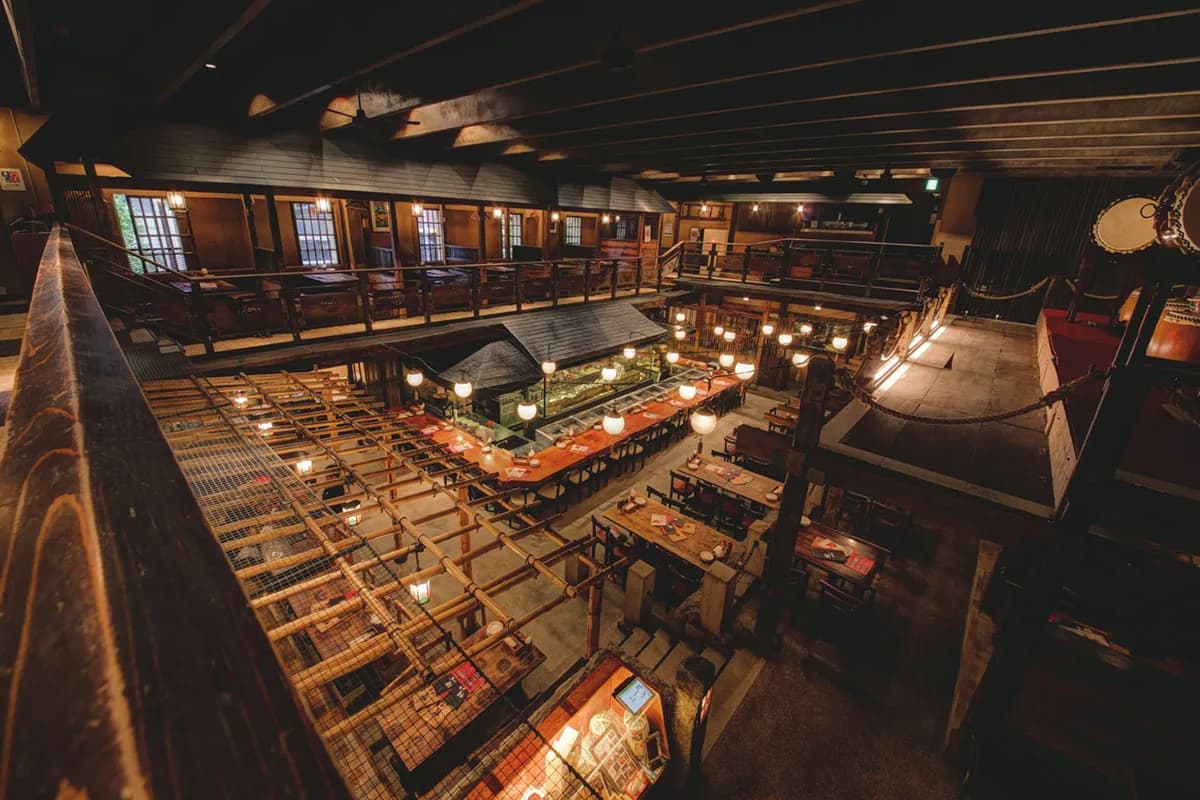
- 7:00 pm — Welcome dinner at Gonpachi Nishi-Azabu (25 min by coach), group package with microphones and a screen for a team game-music quiz
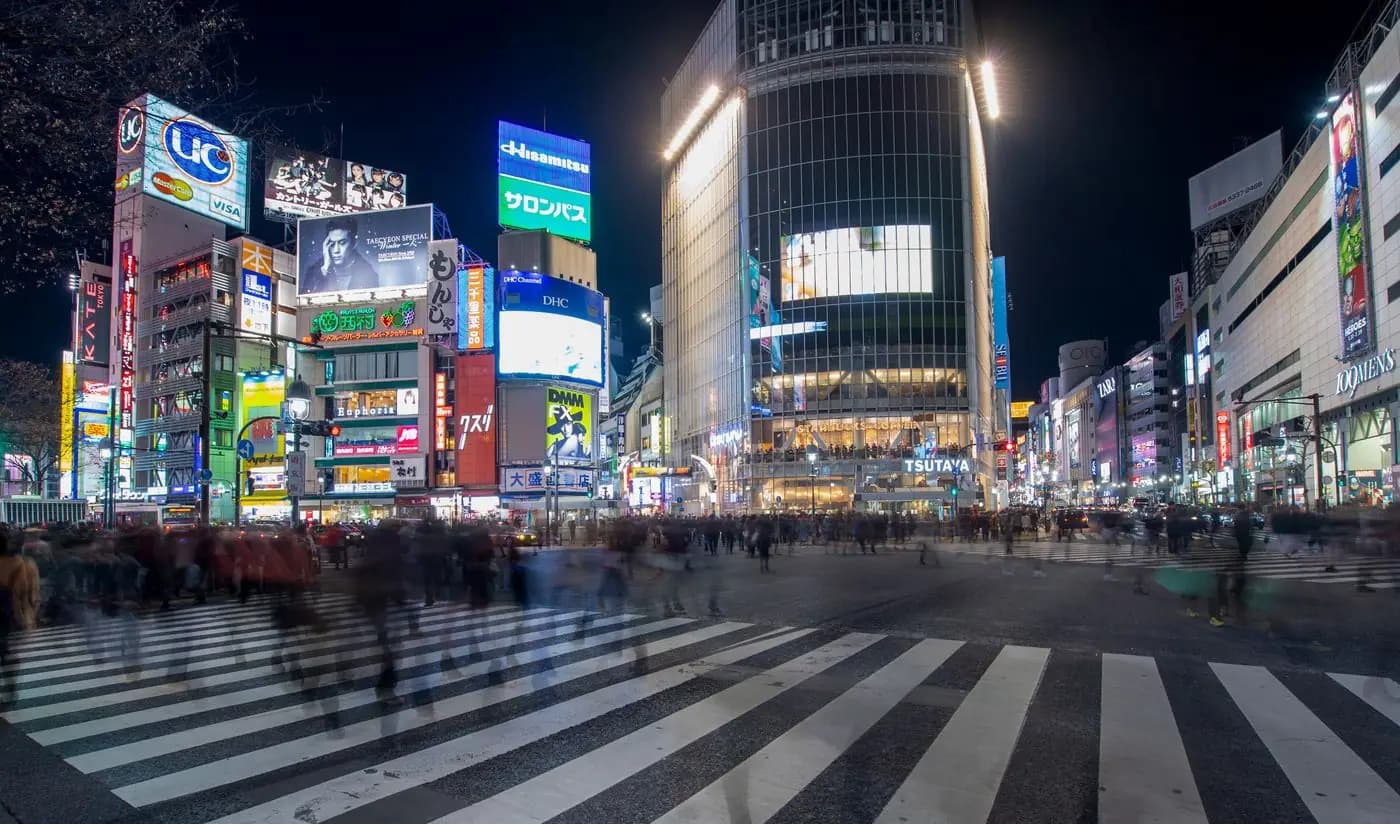
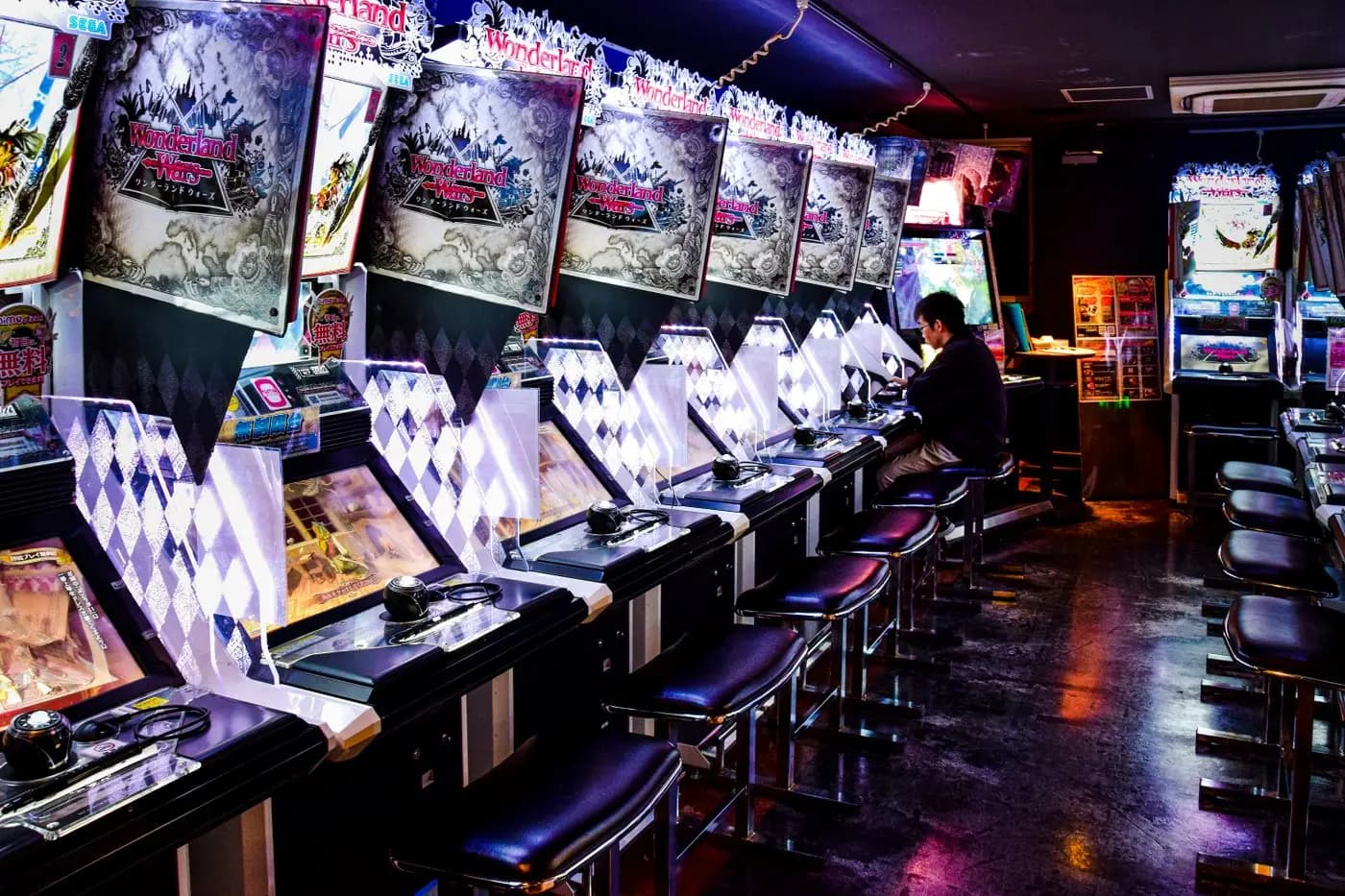
- 9:30 pm — Back to Shinjuku; optional walk through the Kabukicho game centres (GiGO, Taito Station) with one guide per 20 guests
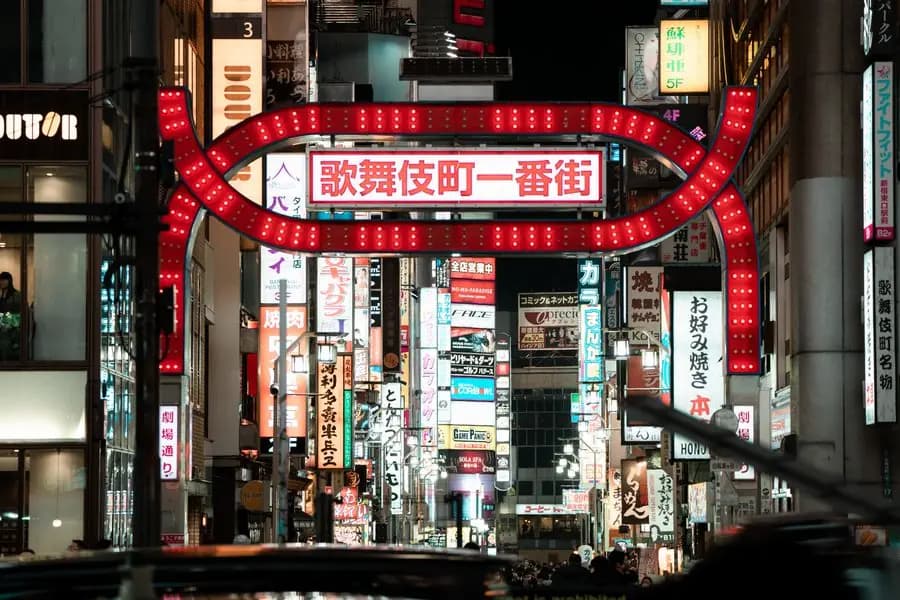
Kabukicho, Shinjuku - 2
Day 2
Day 2 — Game industry, Shibuya, Akihabara and esports tournament
- 9:30 am — 2-hour session in a Keio Plaza meeting room: talk by a Japanese video game professional (game designer, producer, localisation or esports specialist, subject to availability) on the Japanese market, player habits and working with local partners; consecutive interpreting and Q&A
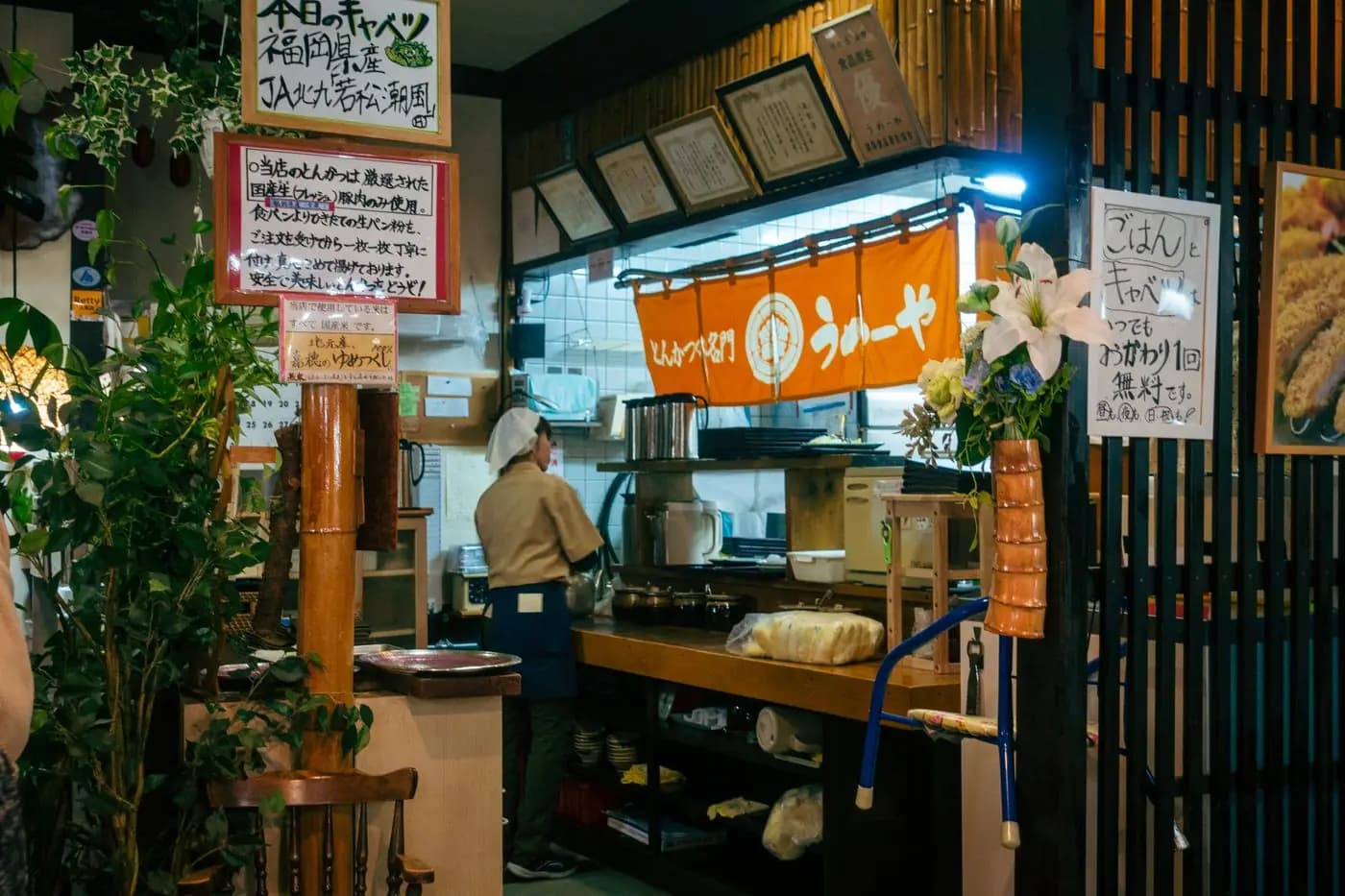
- 12:00 pm — Ramen or tonkatsu lunch in small groups around Shinjuku
- 1:30 pm — Shibuya (25 min by coach): the 6th floor of Shibuya Parco with Nintendo TOKYO, Pokémon Center Shibuya and Capcom Store Tokyo, visited in sub-groups of 15 to keep the flow; on busy days Nintendo TOKYO may admit visitors with numbered tickets
- 3:00 pm — Team photo missions around Shibuya, based on the urban rally, themed on video games in the city (billboards, cabinets, game centres)
- 4:30 pm — Short retro stop in Akihabara: Super Potato (consoles and cartridges from Famicom to Dreamcast, playable cabinets on the top floor) and a GiGO or Taito Station game centre
- 6:30 pm — Inter-team esports tournament in a Keio Plaza function room fitted out by an esports production company: gaming stations, LED screen, bilingual casters, refereeing and big-screen broadcast; buffet served on site
- Titles are chosen with the client from commercially available games, following each publisher's published tournament rules; depending on date and group size, a privatisable esports café or studio in Tokyo can replace the hotel room
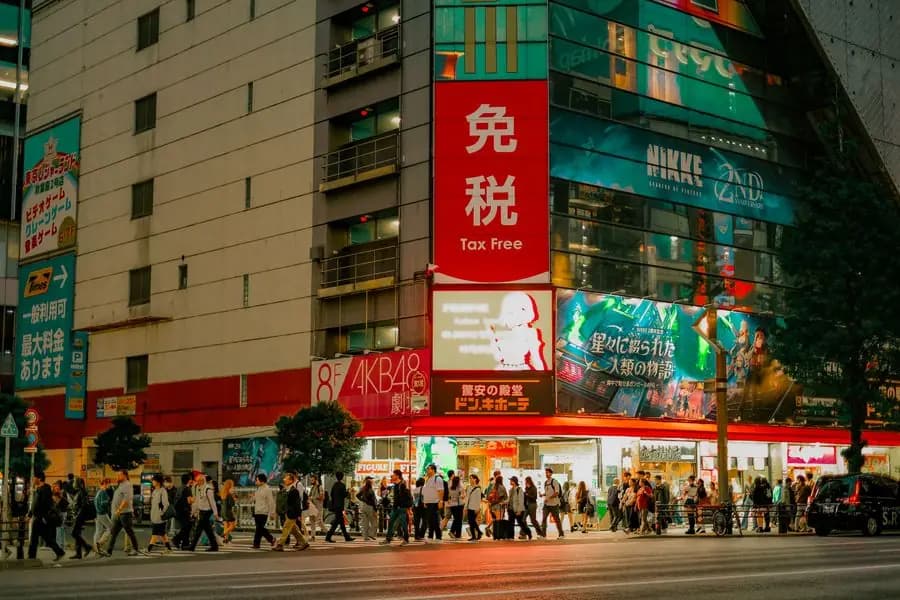
Akihabara - 3
Day 3
Day 3 — Shinkansen to Kyoto, Uji and game-soundtrack karaoke
- Suitcases collected the night before and shipped by courier straight to the Osaka hotel; guests travel with an overnight bag
- 8:00 am — Coach to Shinagawa station (about 30 min), Nozomi Shinkansen in reserved cars, arrival in Kyoto around 10:45 am
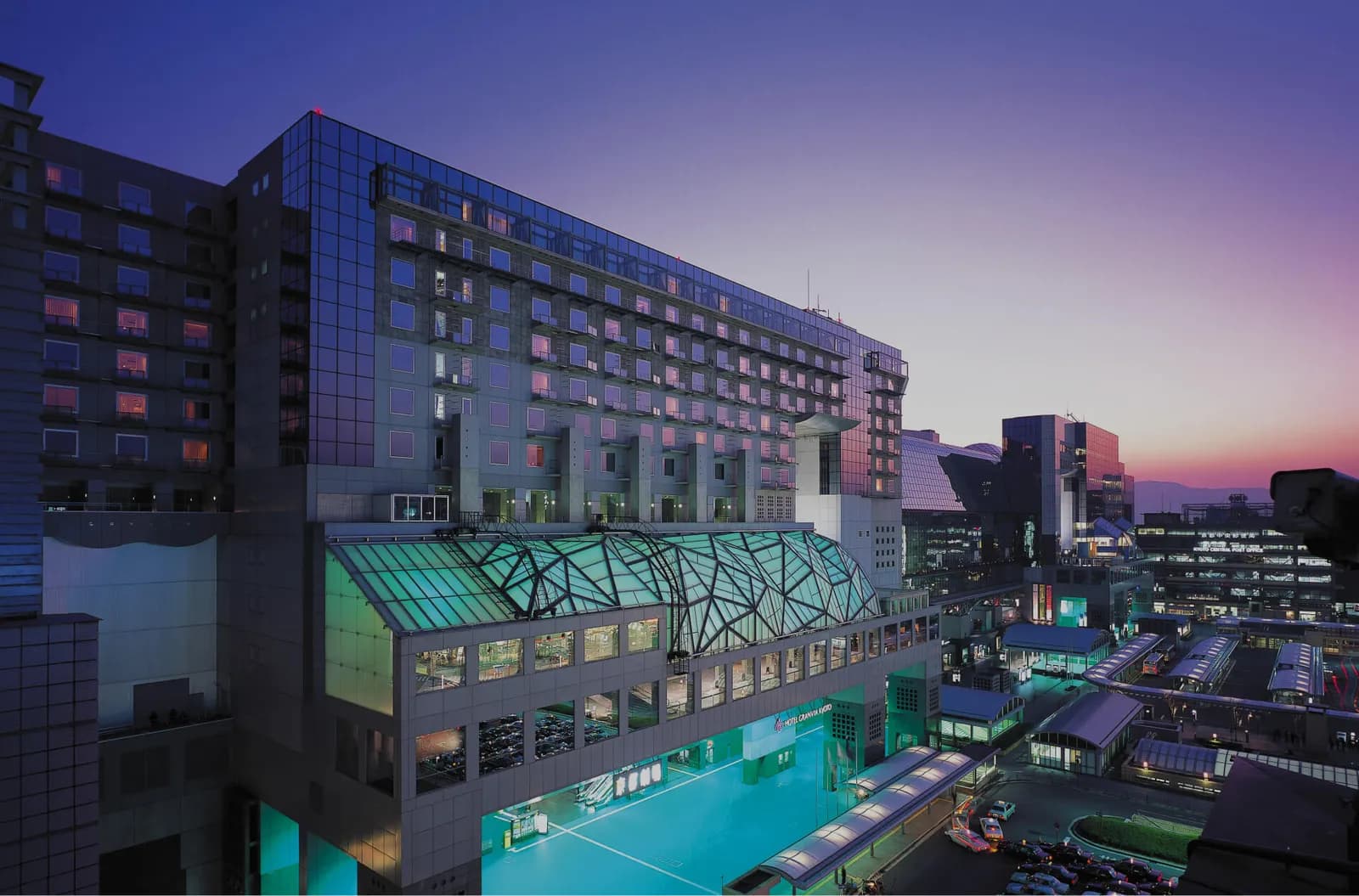
- 11:00 am — Bags dropped at Hotel Granvia Kyoto, built into the station, and lunch in a private room
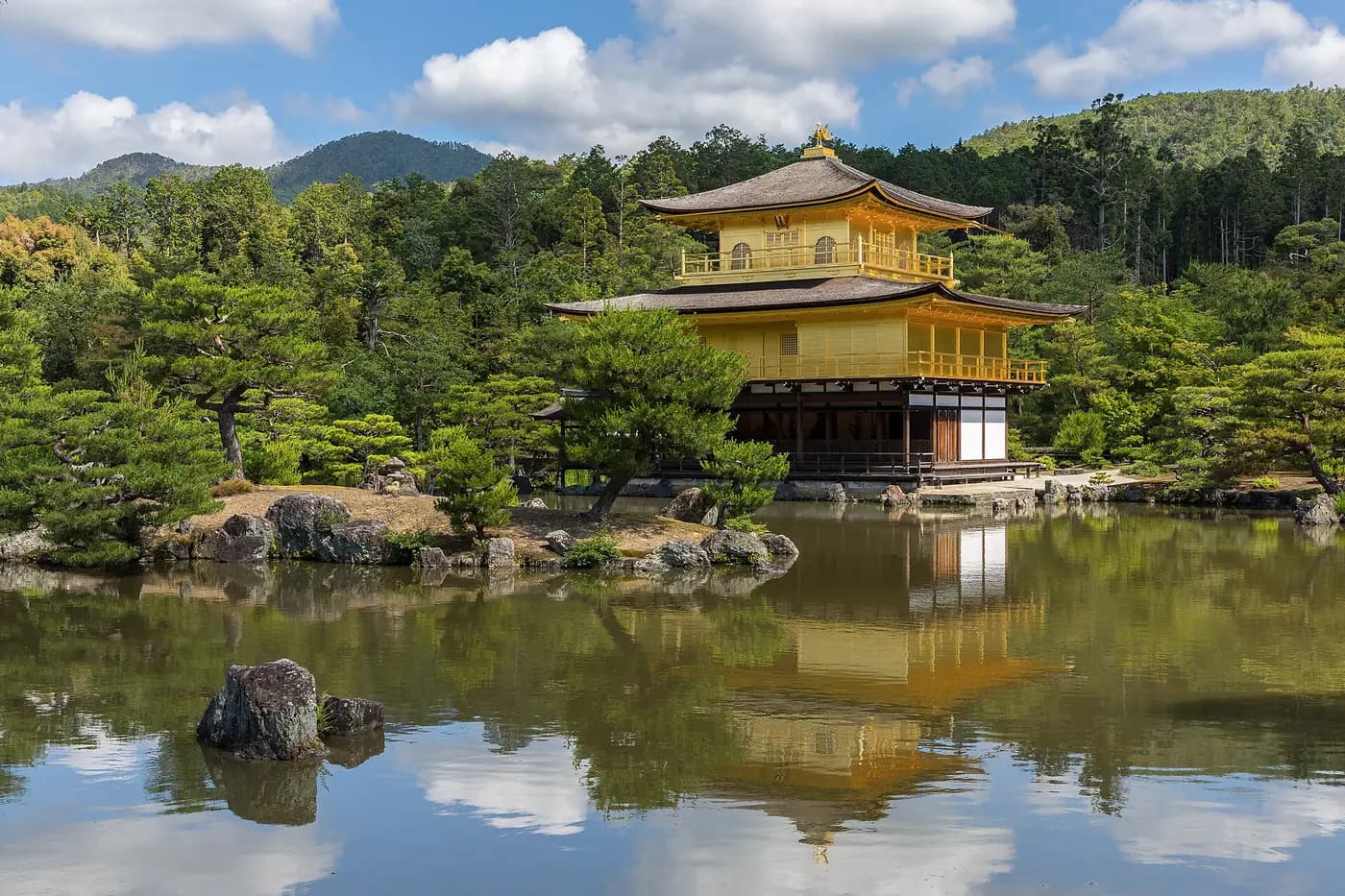
- 1:00 pm — Uji (about 35 min by coach): guests holding a named Nintendo Museum ticket visit during their time slot; the others visit Byodo-in and an Uji tea tasting, and both groups meet up in the late afternoon
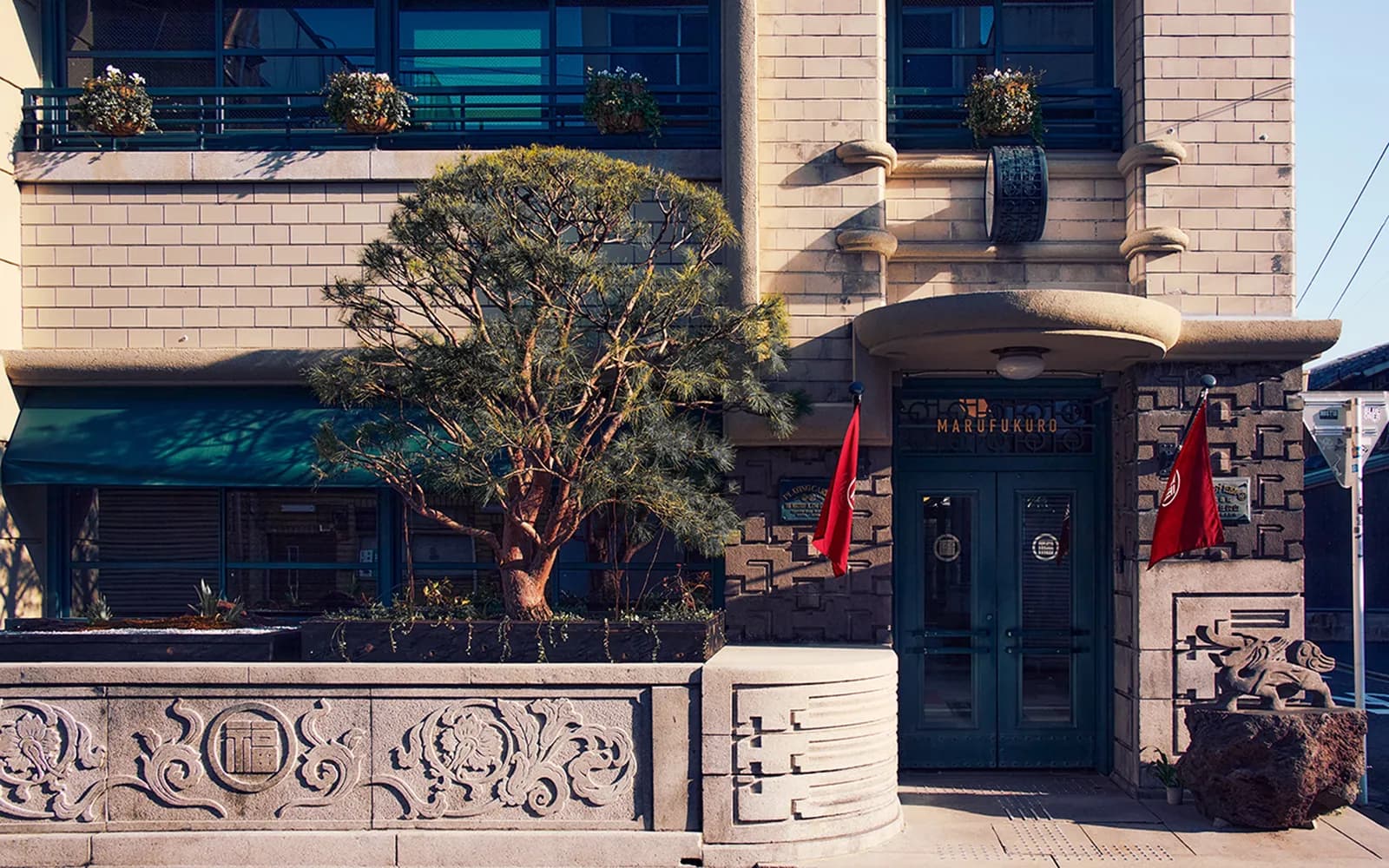
- 4:30 pm — Back to Kyoto with a photo stop outside Marufukuro, Nintendo's former headquarters (1930) on the Kamo River, now an 18-room hotel; for a small executive group, a night there is possible as a variant
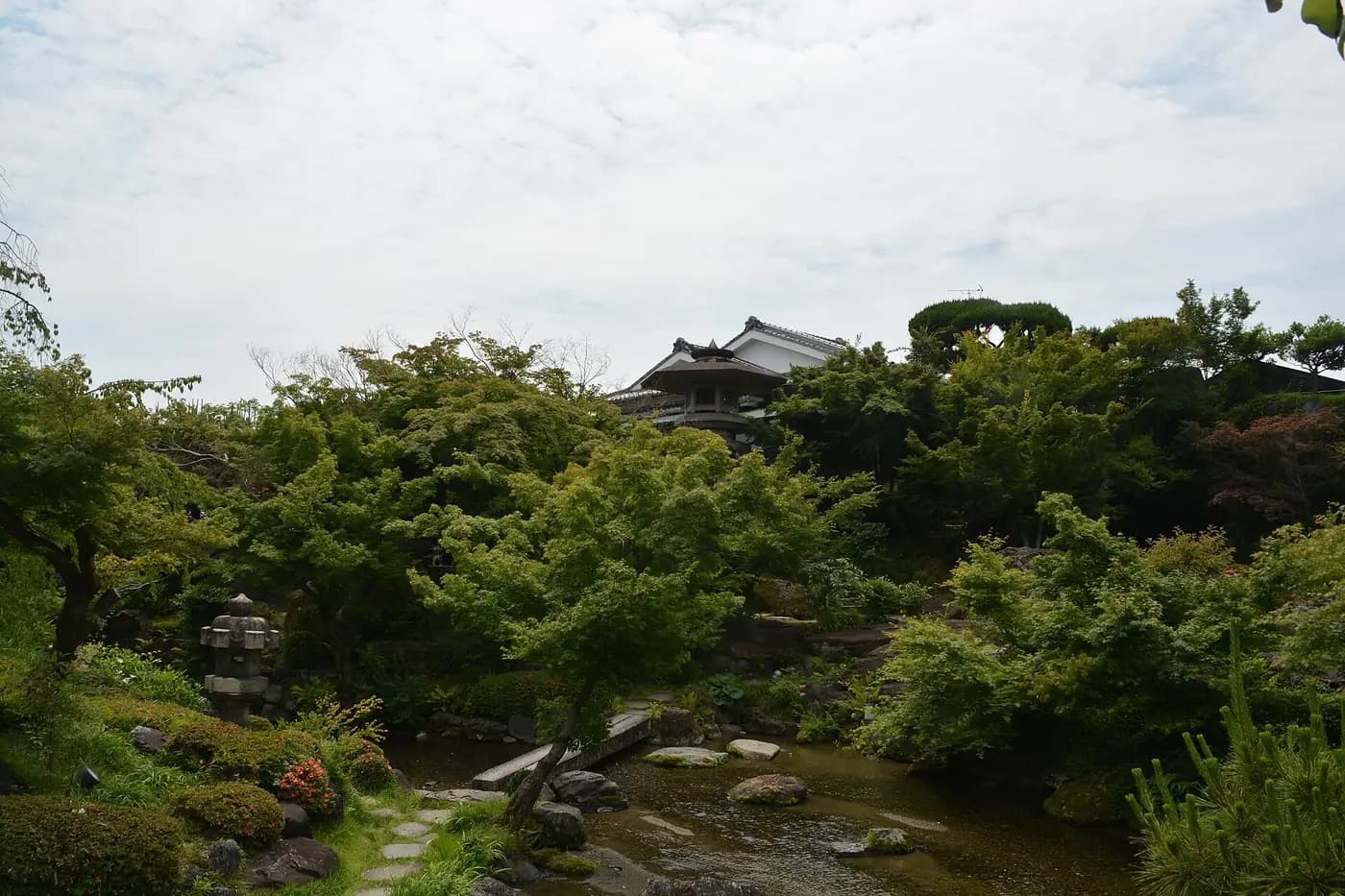
- 7:00 pm — Kaiseki or sukiyaki dinner at Ganko Takasegawa Nijoen, in the banquet hall overlooking the garden
- 9:00 pm — Karaoke at a Kawaramachi venue booked in rooms of 15 to 30, with JOYSOUND or DAM catalogues that include many game soundtracks; return on foot or by taxi
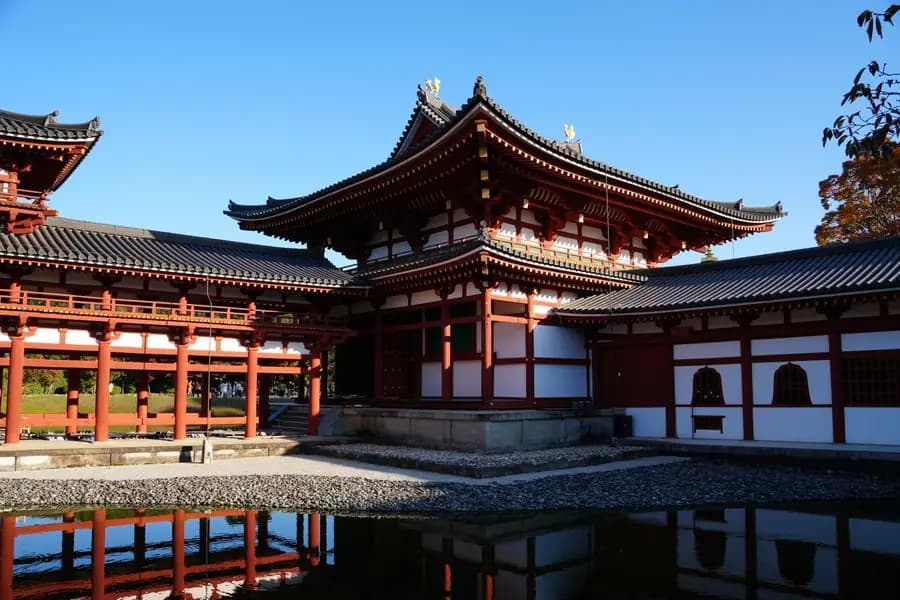
三日目 · Byodo-in, Uji - 4
Day 4
Day 4 — Super Nintendo World and gala evening in Osaka
- 7:30 am — Coach to Universal Studios Japan (about 60 to 75 min depending on traffic), arriving for opening time
- Day at the park with admission and a Universal Express Pass that includes the Super Nintendo World area timed entry ticket, booked for the whole group in the same slot; the Donkey Kong Country area, opened in late 2024, is included depending on the pass chosen
- Lunch at leisure with a meal credit; fixed meeting point and coordinators reachable by messaging all day
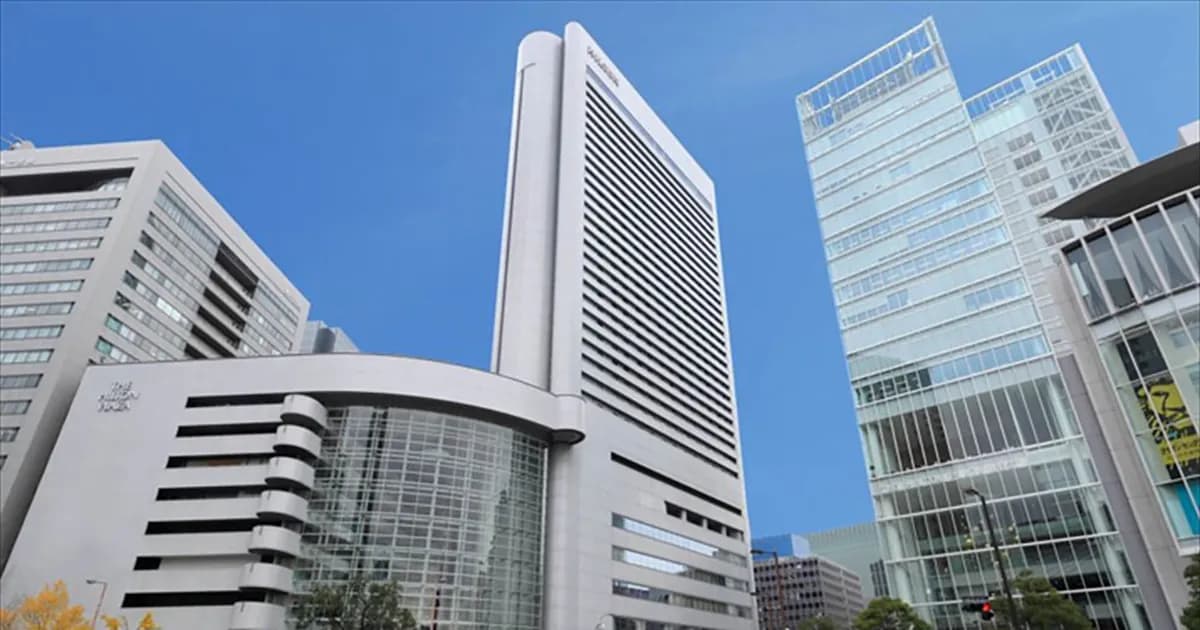
- 4:00 pm — Coach to Hilton Osaka in Umeda (about 30 min), where the suitcases shipped from Tokyo are waiting
- 7:00 pm — Gala evening in a Hilton Osaka function room: tournament final and awards, engraved trophies, musicians playing arrangements of game music (repertoire cleared for copyright), multi-course menu
- 10:30 pm — End of the evening; optional drink at the hotel bar or a night walk around Umeda
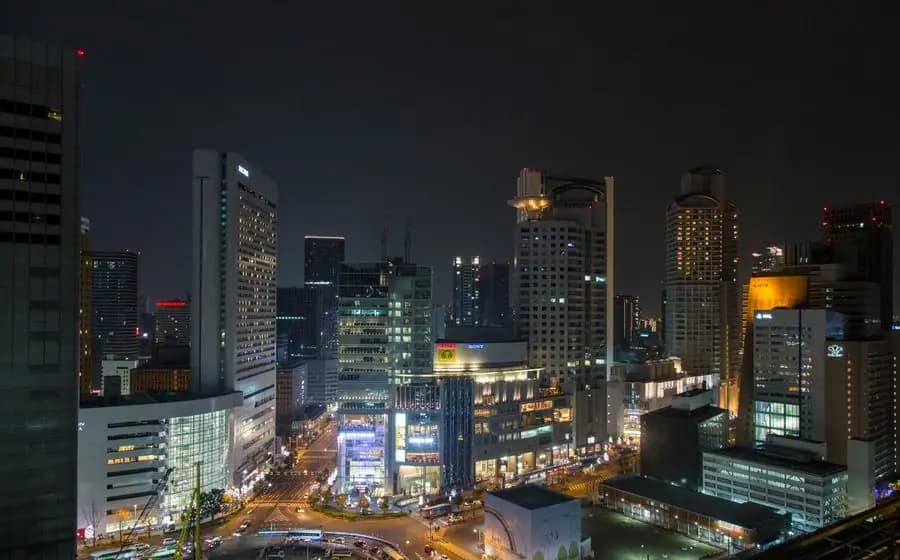
Umeda, Osaka - 5
Day 5
Day 5 — Den Den Town, street food and departure
- Check-out and luggage loaded onto the coach
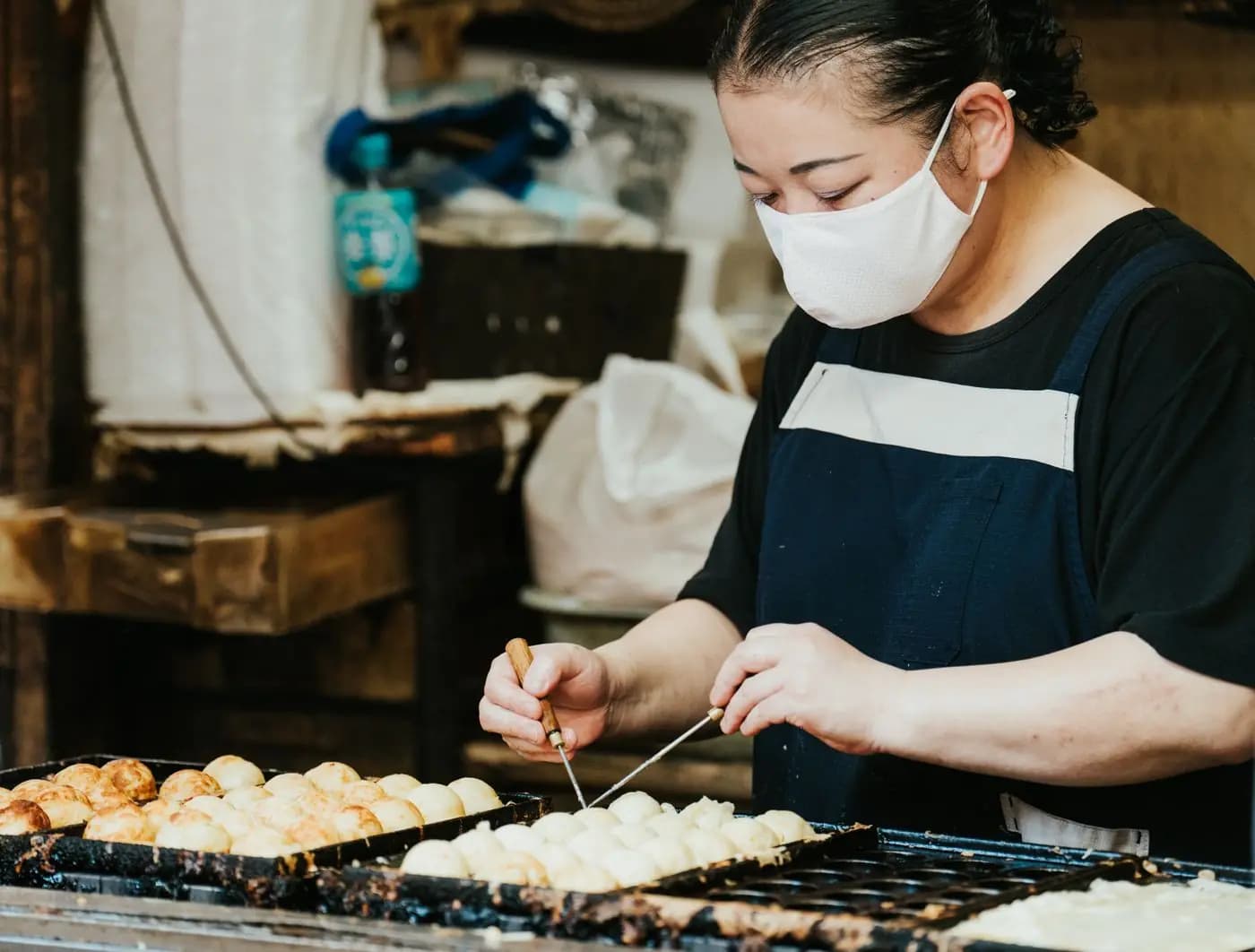
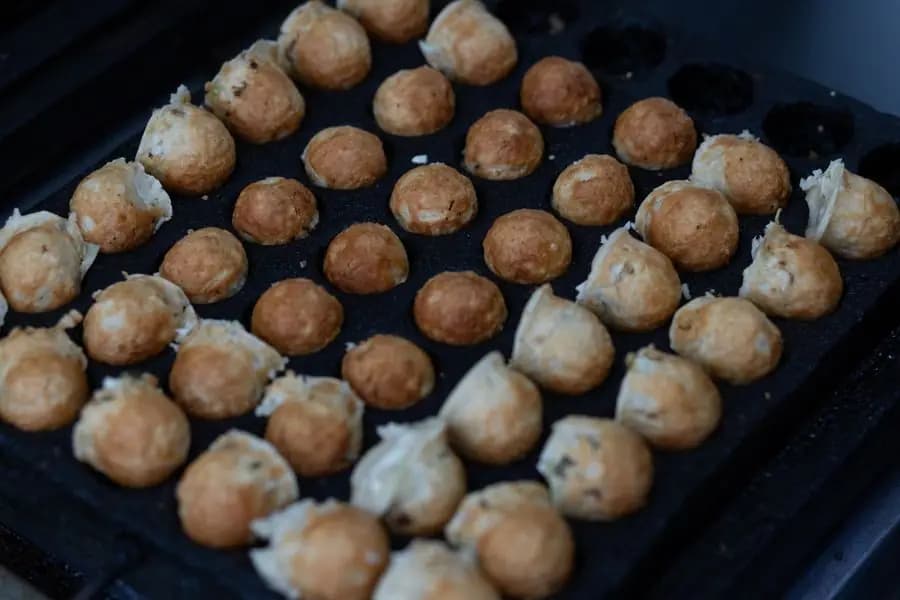
- 10:00 am — Street food walk in small guided groups from Dotonbori towards Nipponbashi (takoyaki, okonomiyaki, kushikatsu), with a final stop in the retro and second-hand game shops of Den Den Town
- 1:00 pm — Transfer to Kansai International Airport (about 50 to 60 min by coach from Namba); for Haneda flights, Shinkansen from Shin-Osaka (about 2.5 hours to Tokyo)
Osaka
Budget
From €3,900 per person, excluding flights
Indicative rate based on 50 participants in double rooms, 4 nights (2 in Tokyo, 1 in Kyoto, 1 in Osaka). Included: transfers, reserved ordinary-class Shinkansen seats, luggage shipping, meals as per program, speaker and interpreter, esports tournament production, karaoke, Universal Studios Japan ticket with Express Pass and Super Nintendo World timed entry, gala, guides and bilingual staff. Not included: international flights, Nintendo Museum tickets (bought by each participant), shop purchases, drinks beyond packages. Express Passes sell out fast and cost more on weekends, public holidays and school holidays; Kyoto in April and November requires blocking rooms very early.
Quick estimate
20100
€234,000
i.e. €3,900 per person, excluding flights
Indicative estimate based on the per-person rate shown for this programme. The exact quote follows your brief.
Frequently asked questions
Can you book the Nintendo Museum for the whole group?
No. The Nintendo Museum, which opened in Uji in October 2024, does not currently accept group bookings. Tickets are allocated by lottery, with entries during the month three months before the visit; they are named (ID checked at the entrance) and limited to 8 per application, and the terms forbid buying them on behalf of others. We send participants the calendar, they apply themselves, and we build the slots they obtain into the schedule. The museum closes on Tuesdays, so the Kyoto day is scheduled accordingly, with an alternative planned for everyone else.
Can we visit a Japanese game studio?
Japanese studios rarely open their premises, for confidentiality reasons, and we do not promise any visit. Instead we arrange a talk by an industry professional, on request and subject to availability, and can look into a B2B meeting if your company already has a partner in Japan. No talk implies a partnership or the use of licensed characters.
Can the trip be timed with Tokyo Game Show or BitSummit?
Yes. Tokyo Game Show is held in late September at Makuhari Messe (Chiba, about 40 min from central Tokyo); in 2026 it ran for five days, including two business days reserved for registered trade visitors. BitSummit, the major indie games event, takes place at Miyako Messe in Kyoto with a business day; the 2026 edition was held in May, earlier ones in July. We check each year's dates and handle trade registrations, plus a night near Makuhari if needed.
What are the photography and filming rules?
Each venue sets its own rules: some areas of museums, parks or shops forbid photos or video, and many game centres ask visitors not to film other players. Tripods and professional shoots require prior permission. For content meant for the company's social media, we focus on the tournament and the gala, where a photographer and videographer can work freely.
Does the program suit participants who do not play games?
Yes. The tournament uses accessible titles and team roles away from the controller (strategy, supporters, commentary), the Uji route offers a cultural alternative, and Osaka street food appeals to everyone. We can also swap a stop for a cooking class or a neighbourhood tour.