Why visit Kitakyushu: an industrial city that tells its own story
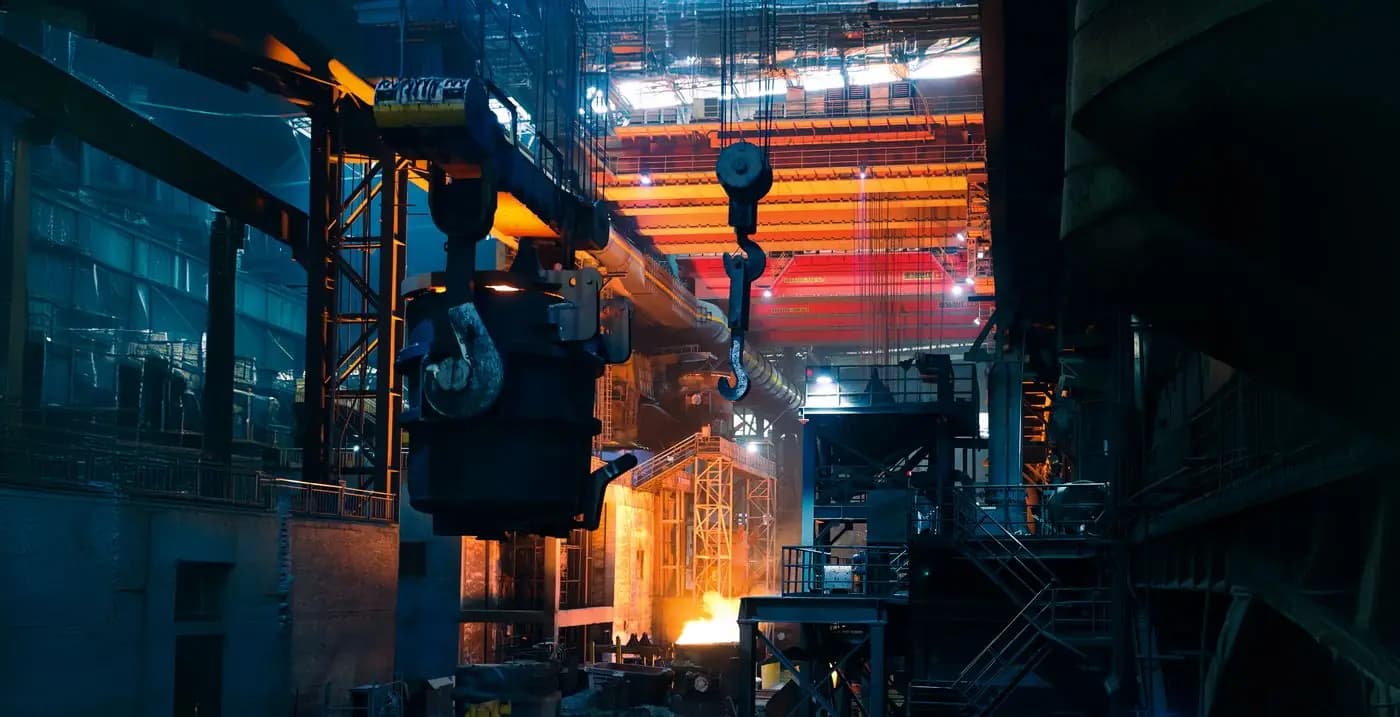
Kitakyushu has neither Fukuoka's buzz nor the charm of Kyushu's hot spring towns. It has something else: an industrial history you can read on every street corner. The city was created in 1963 by merging five municipalities (Moji, Kokura, Wakamatsu, Yawata and Tobata) and has around 900,000 inhabitants today. This is where Meiji Japan fired its first large state-run blast furnace, in 1901, using coal from the nearby Chikuho mines and ore imported from China.
The story does not stop at the chimneys. In the 1960s, Dokai Bay was so polluted it was nicknamed the "sea of death", and the sky over Yawata "the sky of seven colors". Women's associations in the Tobata district started the campaign, and the city and industry followed. In 2011, the OECD chose Kitakyushu as one of its first green growth model cities, alongside Paris, Chicago and Stockholm. That trajectory, from pollution to recycling, is exactly what corporate groups find interesting.
In practice, a visit combines four kinds of sites:
- Meiji-era heritage in Yawata (UNESCO since 2015) and the Higashida blast furnace;
- corporate museums, starting with the TOTO Museum in Kokura;
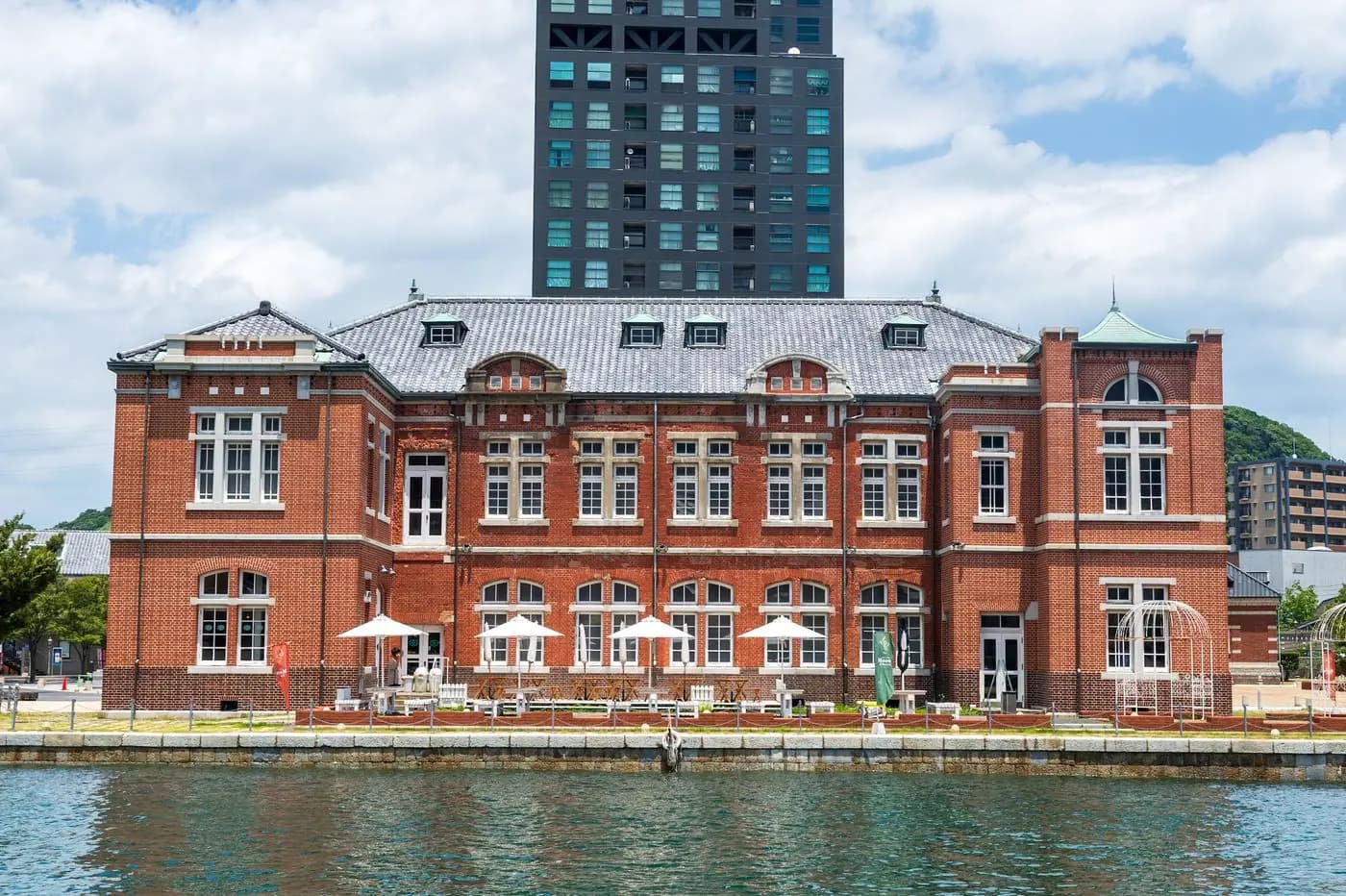
- the historic port of Moji, with its brick and timber buildings from the 1910s and 1920s;
- the Wakamatsu Eco-Town, where you visit working recycling plants.
One day is enough for Yawata and Mojiko. You need two to add the TOTO Museum and the Eco-Town without rushing.
Yawata Steel Works: what can you see of the UNESCO site?
The Yawata Steel Works are part of the UNESCO property "Sites of Japan's Meiji Industrial Revolution: Iron and Steel, Shipbuilding and Coal Mining", inscribed in 2015 and covering 23 components in eight prefectures. In Yawata, four structures are listed: the Former Head Office (1899), the Repair Shop (1900), the Former Forge Shop (1900) and the Onga River Pumping Station (1910), the latter in Nakama, about 20 kilometers away.
One key point before promising a group a visit: these buildings stand inside a working plant, run by Nippon Steel. You cannot go in. For the Former Head Office, a symmetrical red-brick building topped with a dome, the city has built a viewing area:
- open 9:30am–5pm (last entry 4:30pm);
- closed on Mondays (Tuesday if Monday is a holiday) and from December 29 to January 3;
- free entry, with information panels and models;
- about a 10-minute walk from JR Space World Station, with free coach parking (priority to reservations).
You see the building from a distance, behind a fence. Allow 30 to 40 minutes with explanations. Without a guide it is of limited interest: the story (German engineers, Chikuho coal, the failed first casts of 1901) is what makes the place come alive.
A 10-minute walk away, the Higashida Blast Furnace No. 1 park is open to all. The preserved structure dates from 1962, but it carries a "1901" plate in memory of the first firing. It is the only place where a group can get close to a real blast furnace and take a group photo.
The Inochi no Tabi natural history museum and the Higashida district
The Higashida district, once covered by blast furnaces, has been converted into an area of leisure facilities and museums. The most interesting is the Kitakyushu Museum of Natural History and Human History, nicknamed "Inochi no Tabi" ("the journey of life"). Its great hall lines up life-size dinosaur skeletons, including a sauropod of about 35 meters, and the human history section devotes several rooms to the region's industrialization.
- Hours: 9am–5pm, last entry 4:30pm.
- Closed: year-end, and a few days in late June for annual pest control.
- Fees: ¥600 per adult, ¥480 each for groups of 30 or more.
- Access: a 5-minute walk from JR Space World Station.
We suggest allowing 1 hour 30 minutes. For a group it is the ideal fallback on a rainy day, and the great hall works well for photos.
Next door, the Kitakyushu Science and Technology Museum ("Space LABO") is aimed more at families. Finally, The Outlets Kitakyushu mall, built on the site of the former Space World theme park, makes a quick lunch possible for a large group.
TOTO Museum: the history of Japanese toilets, taken seriously
TOTO was founded in 1917 in Kokura, and its head office is still there. The TOTO Museum, opened in 2015 in a white building with wave-like curves, traces a century of bathroom history: the first Western-style porcelain toilets, the bathrooms of grand Showa-era hotels, prototypes, and of course the arrival of the Washlet in 1980. There is plenty to smile at, but you also learn how a company set a standard that now equips the vast majority of Japanese homes.
Practical information:
- hours: 10am–5pm (last entry 4:30pm);
- closed: Mondays, during the company's summer holidays and at year-end;
- free entry;
- groups: booking required for 20 or more people arriving by coach; guided tours must also be booked ahead; the car park takes three coaches, by reservation;
- access: 10 minutes on foot from Kawaraguchi-Mihagino monorail station, or 10 minutes by taxi from Kokura Station.
Allow 1 to 1.5 hours. The shop and the neighboring showroom often interest participants who work in real estate, hospitality or design.
Avoid: arriving on a Monday, which happens more often than you would think when the program follows a weekend in Fukuoka. Most Kitakyushu museums close that day.
Mojiko Retro: Moji port, its 1914 station and the tunnel under the strait
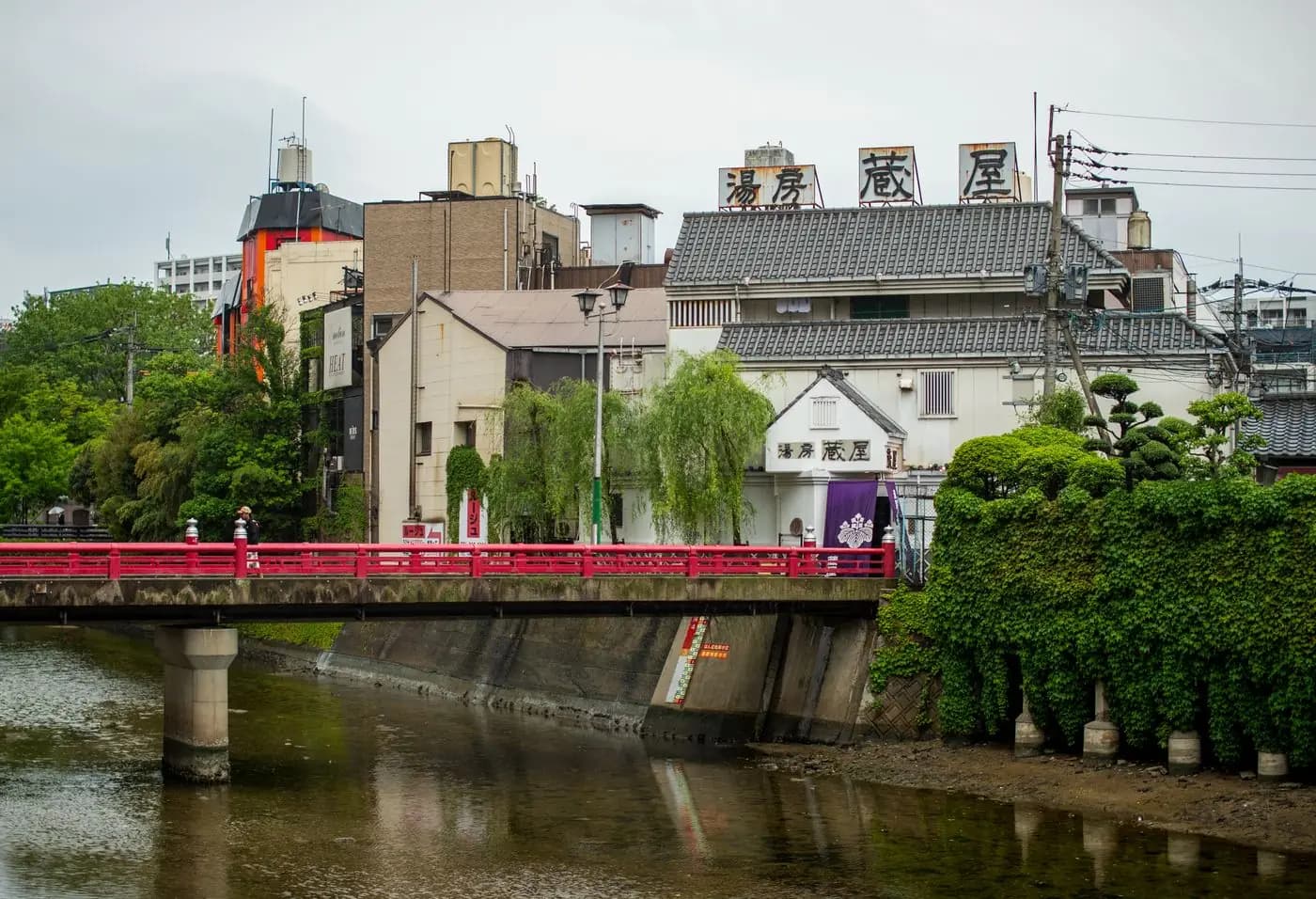
In the north-east of the city, Moji was one of the three great ports of pre-war Japan, a gateway to China and Europe. The "Mojiko Retro" district was restored in the 1990s and can be seen entirely on foot in 2 to 3 hours.
- Mojiko Station (1914): the first station building in Japan designated an Important Cultural Property, restored to its original state in 2019. JR trains still pull in at its platforms.
- The Former Moji Customs House (1912): red brick, free entry, 9am–5pm, with a café and a small gallery upstairs.
- The Former Moji Mitsui Club (1921): a half-timbered house where Albert Einstein stayed in 1922; his room is recreated upstairs (paid entry, ¥150).
- The Mojiko Retro Observation Room: ¥300, with a view over the Kanmon Strait and the Kanmon Bridge, open into the evening.
- The Kanmon pedestrian tunnel: 780 meters under the sea, free for pedestrians, open 6am–10pm. A line on the floor marks the border between Fukuoka and Yamaguchi. It is 10 minutes by bus or taxi from the retro district.
For food, yaki-curry (curry rice baked in the oven) is the local specialty; across the strait, Karato Market in Shimonoseki is known for fugu and weekend sushi stalls. A small ferry links Mojiko and Karato in about 5 minutes.
Access: 13 minutes by JR train from Kokura, or about 1 hour 10 minutes from Hakata with a change at Kokura.
Kitakyushu Eco-Town and other factory visits for groups
The Kitakyushu Eco-Town, in the Hibiki area of Wakamatsu, was in 1997 one of the very first projects approved by the national government under that name. Several dozen facilities recycle PET bottles, home appliances, cars, computers, solar panels and used oils. The entry point is the Eco-Town Center, which presents the project and organizes plant tours.
What to know before booking:
- free tours, Monday to Saturday (not on public holidays or at year-end);
- two slots: 9:30–11:30am and 1:30–3:30pm;
- book at least two weeks ahead, with a list of participants;
- city buses run from JR Tobata Station, but a group needs a coach: the plants are far apart.
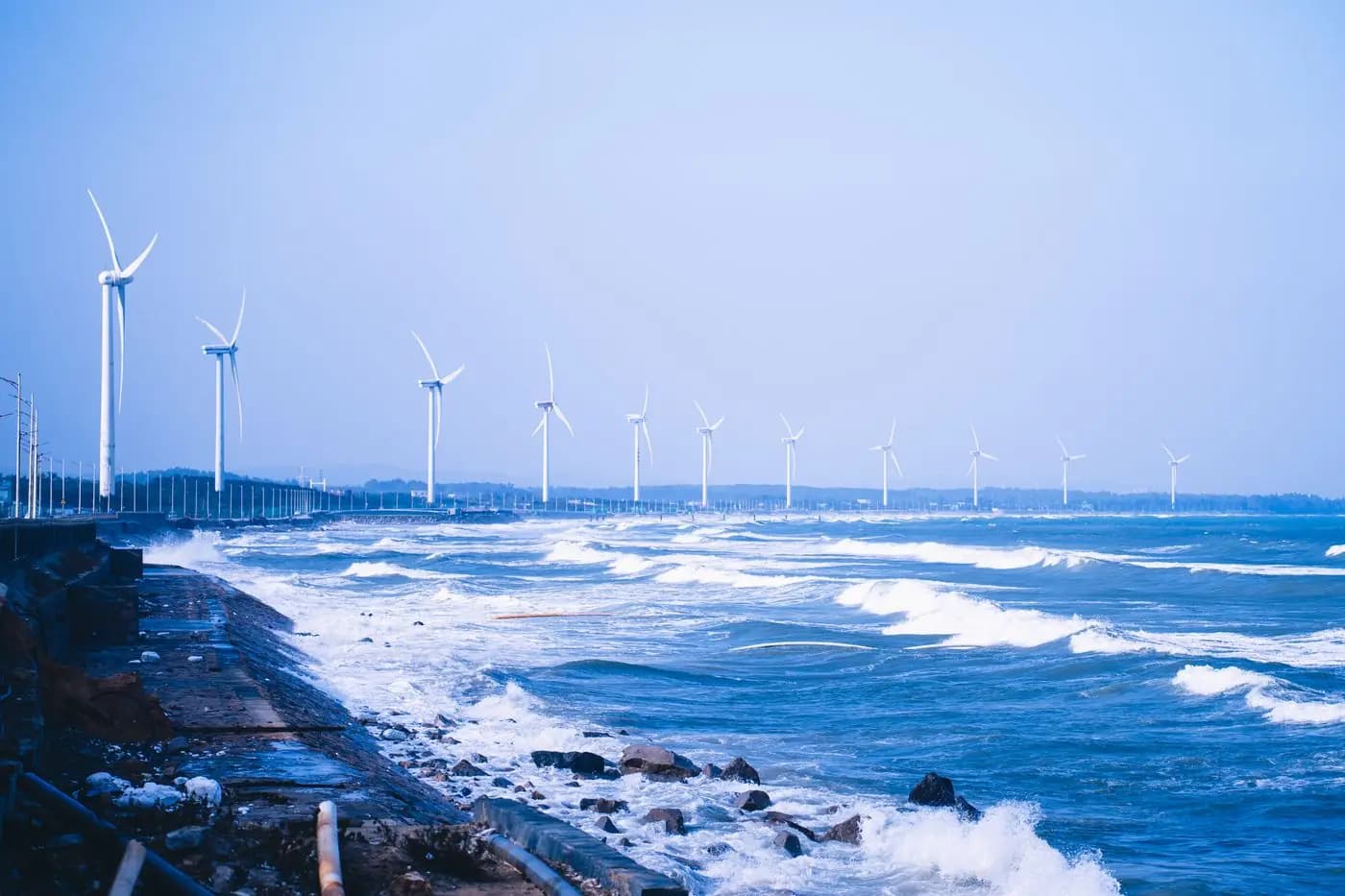
Explanations are in Japanese, so you need an interpreter, ideally briefed on technical vocabulary (sorting, shredding, refrigerants). On the nearby coast, the Hibikinada wind turbines round off the visit.
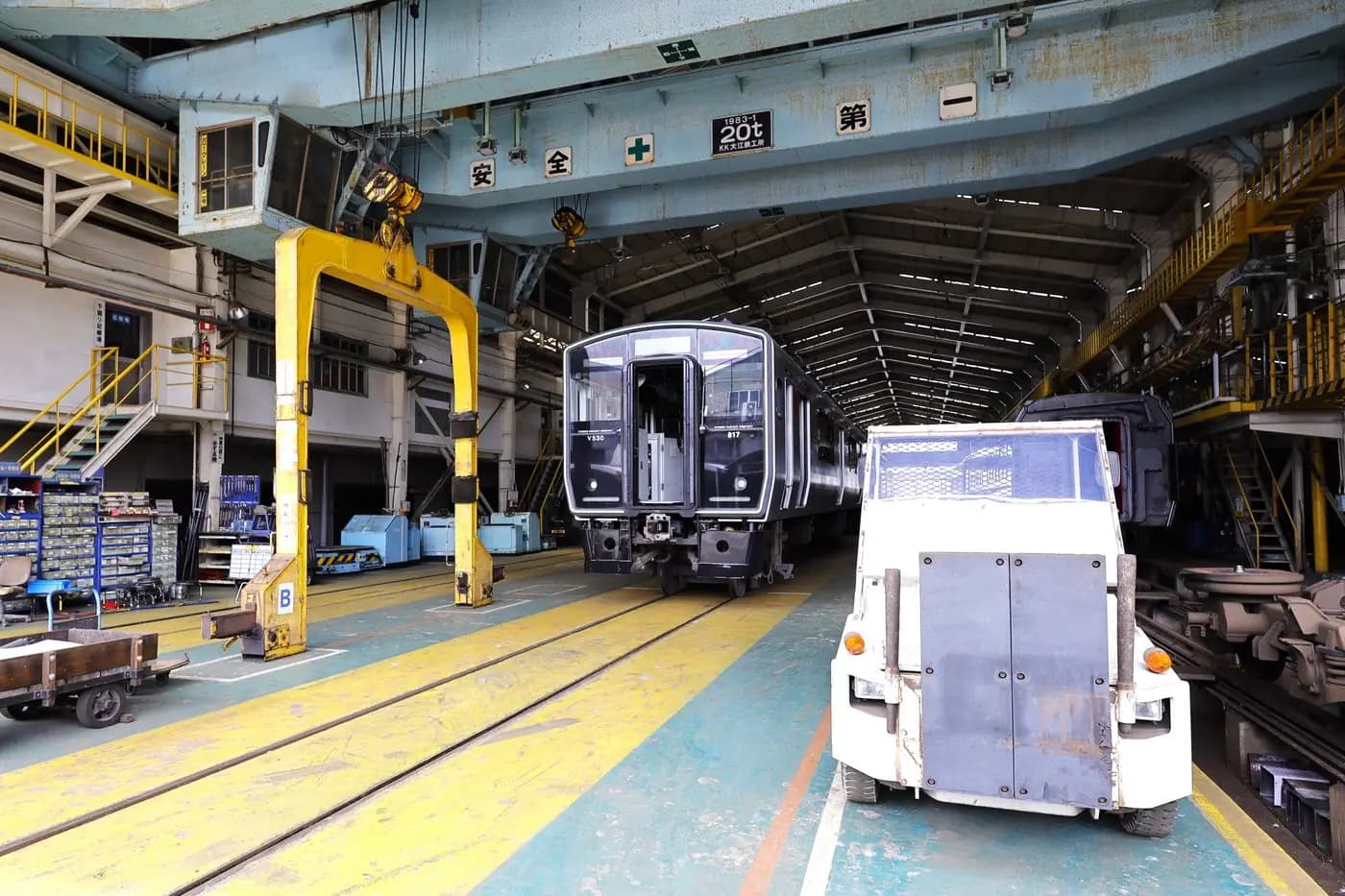
Other options exist depending on the group: JR Kyushu's Kokura rolling stock depot sometimes opens its doors during events, and the city coordinates an industrial tourism program that connects groups with companies accepting visitors. Rules vary from site to site (minimum age, closed shoes, no photos, maximum headcount), and working steel plants are rarely accessible. Allow one to two months of lead time.
How to get to Kitakyushu from Fukuoka and how long to stay
From Hakata, the shinkansen reaches Kokura in 15 to 20 minutes (a little over ¥2,000 for a non-reserved seat). The Sonic limited express takes about 45 to 50 minutes and costs less. By coach, it takes 1 hour to 1 hour 15 minutes on the expressway, depending on traffic. Kitakyushu Airport is about 35 minutes by bus from Kokura, handy for a return flight to Tokyo.
Once there, distances are surprising: Kitakyushu covers nearly 500 km². From Kokura, it is 10 to 15 minutes by JR train to Yawata (Space World Station) or to Mojiko, and 30 to 40 minutes by coach to the Wakamatsu Eco-Town.
Two formats work well:
- One day from Fukuoka: leave at 8:30am, Yawata viewing area and Higashida blast furnace, Inochi no Tabi museum, lunch, then Mojiko Retro in the afternoon, back around 6pm.
- Two days with a night in Kokura: add the TOTO Museum, the Eco-Town (morning slot) and an evening at Kokura Castle or on Mount Sarakura, whose night view ranks among the "new top three night views of Japan". The cable car and slope car get you up in about ten minutes.
Combine with: Shimonoseki across the strait, and the former coal-mining town of Tagawa (Coal Mining Historical Museum), an hour to the south, to complete the Meiji story.
Organizing an industrial visit to Kitakyushu for a group
Kitakyushu works particularly well for groups of 20 to 40 from manufacturing, energy, logistics or CSR backgrounds: the "pollution, recovery, recycling" story speaks to everyone and lends itself to a workshop or round table at the end of the day.
A few organizational points:
- Timing: avoid Mondays (museums closed) and Sundays for the Eco-Town; book the Eco-Town at least two weeks ahead, company visits one to two months ahead.
- Transport: a private coach for the day, as Space World Station and the Wakamatsu plants are poorly connected. Parking at the Yawata viewing area and at the TOTO Museum must be reserved.
- Guide and interpreter: essential. A guide who knows the Meiji story transforms the viewing area; a technical interpreter is needed for the Eco-Town.
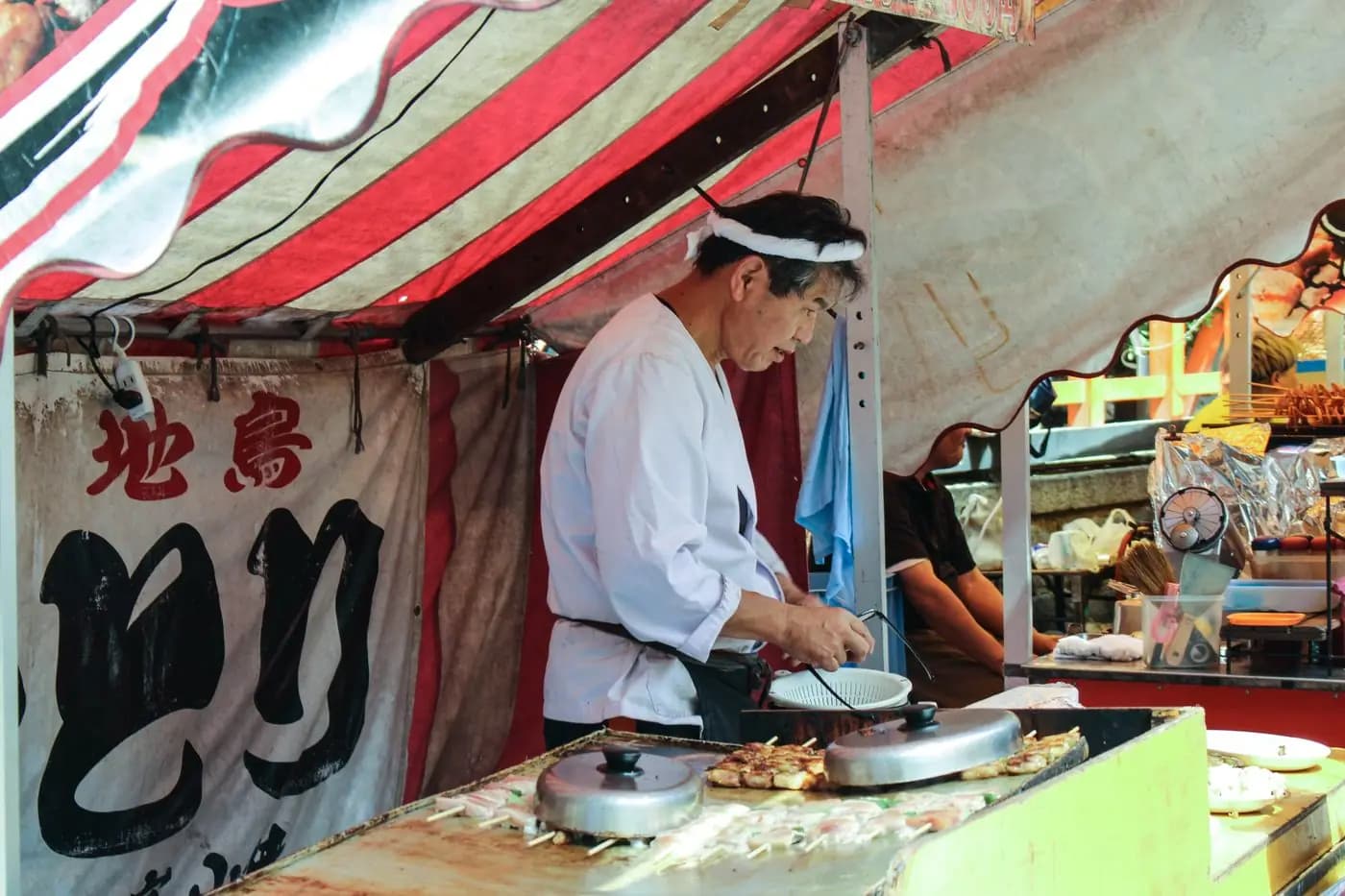
- Meals: the Kokura area (Tanga Market, the izakaya of Uomachi) offers more choice for a group dinner than Yawata. In Mojiko, several yaki-curry restaurants take groups with a reservation.
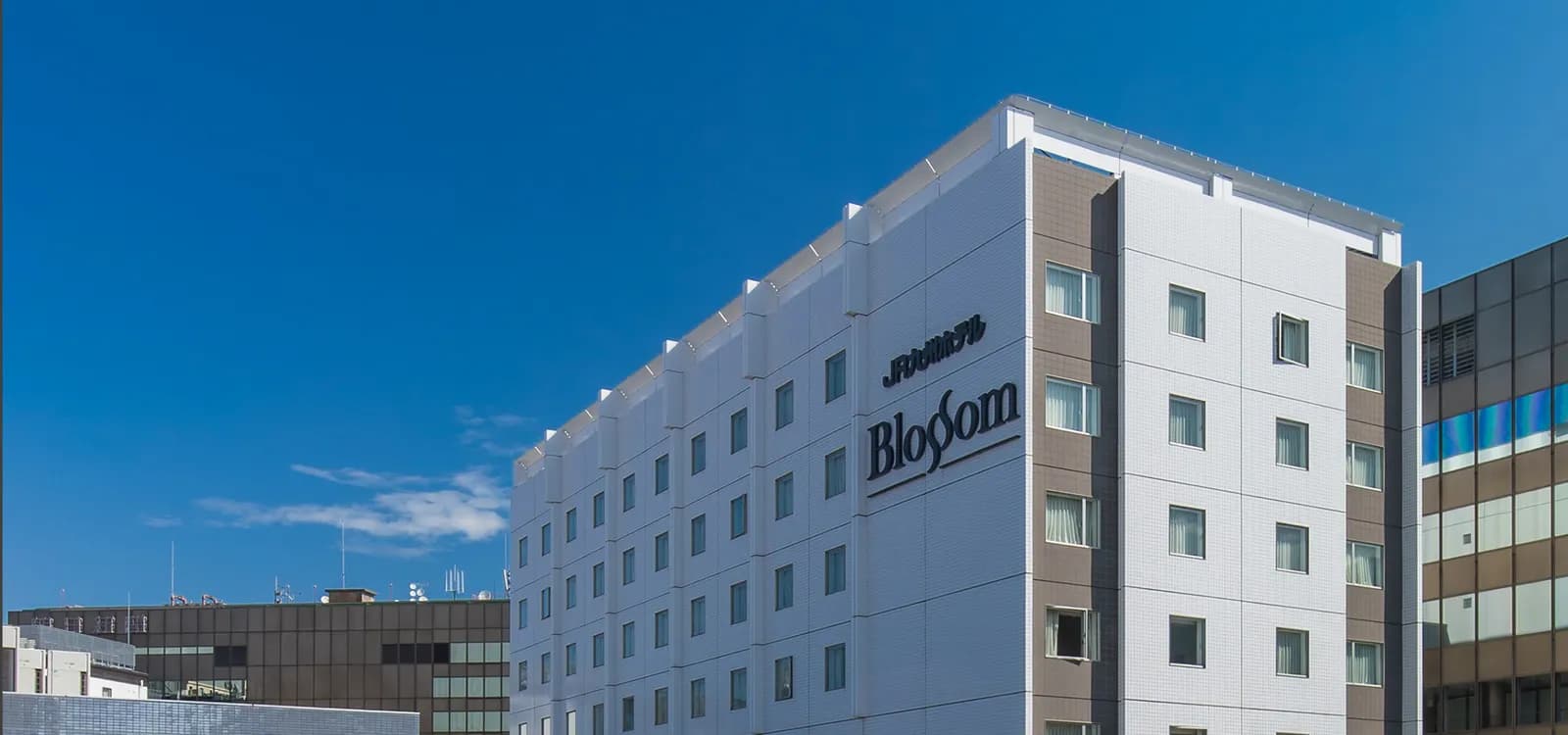
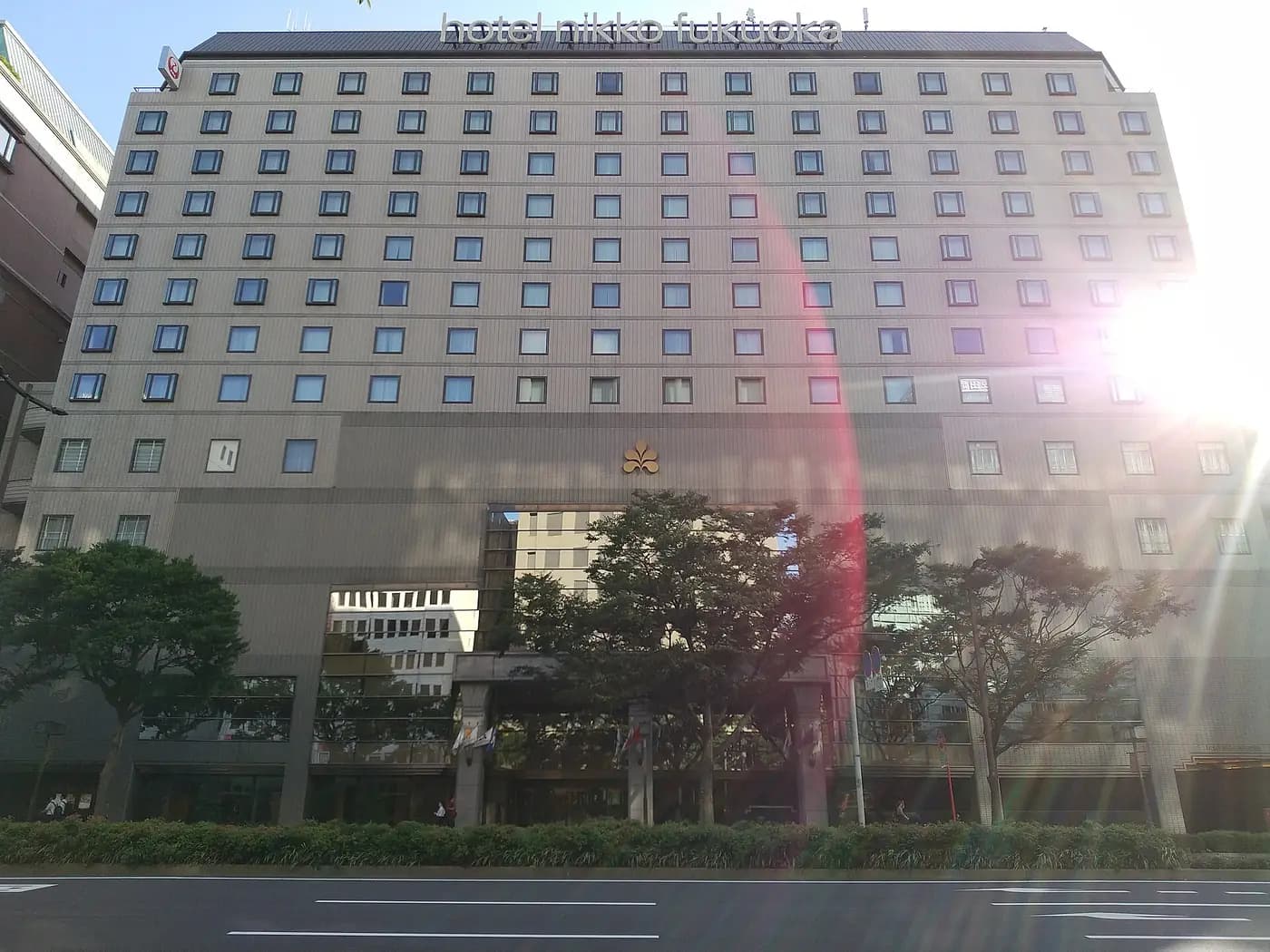
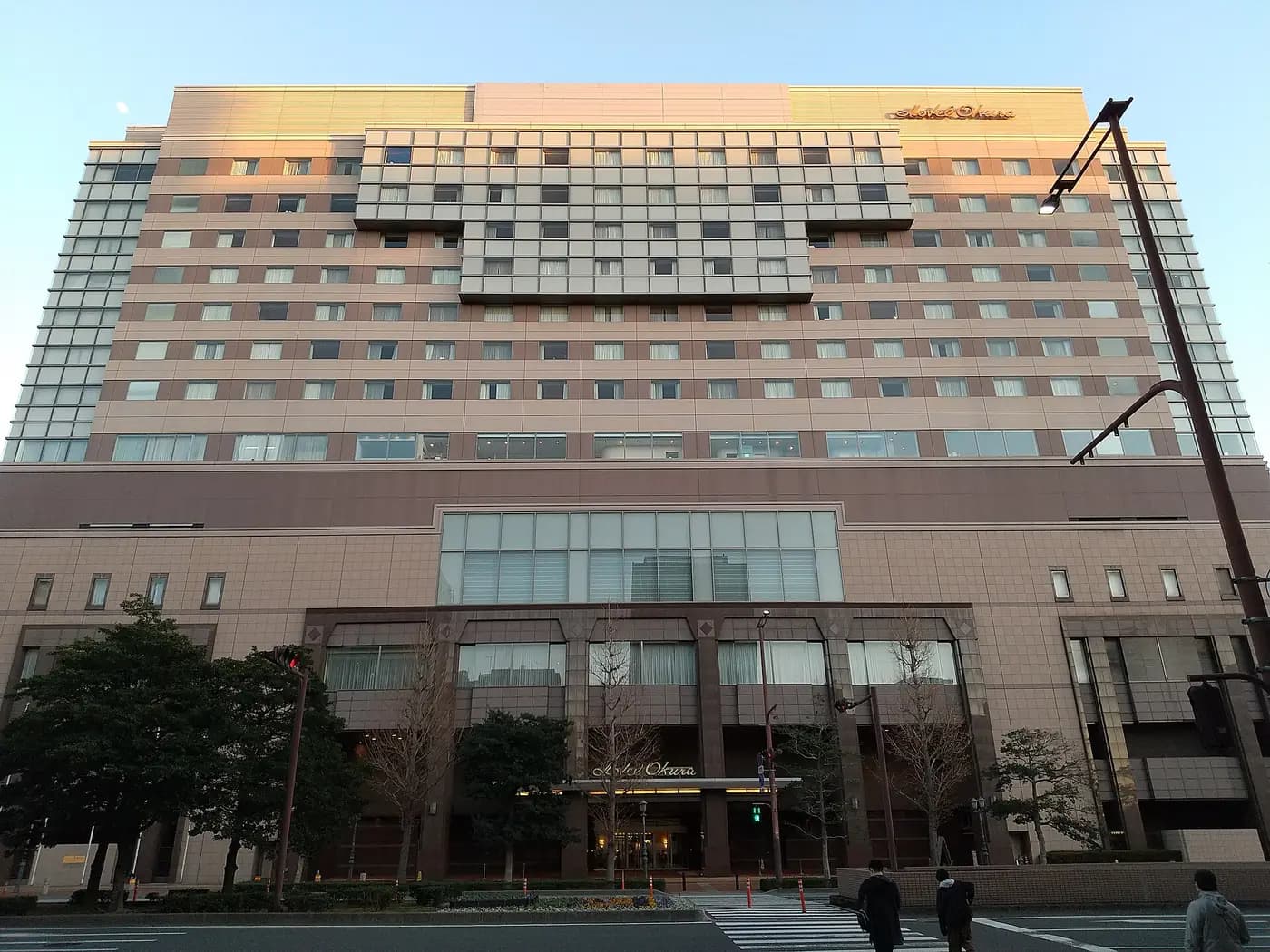
- Accommodation: you can stay in Kokura or return to Hakata, where the hotel choice is much wider.
SHINOGI DMC can build this kind of "heritage and industry" day from Fukuoka, with coach, French- or English-speaking guide, site bookings and meetings with local companies.
Frequently asked questions
Can you visit inside the Yawata Steel Works?
No. The listed buildings stand inside a working Nippon Steel plant. You view the 1899 Former Head Office from a free viewing area (9:30am–5pm, closed Mondays), a 10-minute walk from JR Space World Station.
Is Kitakyushu doable as a day trip from Fukuoka?
Yes. Kokura is 15 to 20 minutes from Hakata by shinkansen. In one day you can see Yawata (viewing area, Higashida blast furnace, Inochi no Tabi museum) in the morning and Mojiko Retro in the afternoon.
Is there an entry fee for the TOTO Museum?
No, entry is free. The museum is open 10am–5pm and closes on Mondays, during the summer holidays and at year-end. Groups of 20 or more arriving by coach must book, as must guided tours.
How do you book a Kitakyushu Eco-Town tour?
Through the Eco-Town Center in Wakamatsu, at least two weeks ahead, with a list of participants. Tours are free, Monday to Saturday except public holidays, 9:30–11:30am or 1:30–3:30pm, and are given in Japanese.
What can you see in Mojiko Retro in 2 hours?
Mojiko Station (1914), the Former Customs House (1912, free), the Former Mitsui Club where Einstein stayed in 1922, then the Observation Room (¥300) for the view over the Kanmon Strait. With an extra hour, add the 780 m pedestrian tunnel to Shimonoseki.
What is the best day to visit Kitakyushu with a group?
Tuesday to Saturday. On Mondays, the Yawata viewing area, the TOTO Museum and several museums are closed; on Sundays and public holidays, the Eco-Town offers no tours.
Rédaction SHINOGI DMC · Updated
Sources
- Crossroad Fukuoka — Espace d'observation de l'ancien siège des aciéries de Yawata
- Ville de Kitakyushu — Patrimoine de la révolution industrielle Meiji
- Crossroad Fukuoka — TOTO Museum (horaires, groupes)
- Musée d'histoire naturelle et d'histoire humaine de Kitakyushu (fiche)
- Crossroad Fukuoka — Kitakyushu Eco-Town Center
- Ville de Kitakyushu — Eco-Town
- Crossroad Fukuoka — Mojiko Retro Area
- Crossroad Fukuoka — Ancien Mitsui Club de Moji (salle Einstein)