What is Hakata mentaiko, and where does it come from?
Mentaiko (or karashi mentaiko) is a sac of Alaska pollock roe (suketodara) marinated in a seasoning of red chili, sake, mirin and stock. You recognize it by its orange-pink color and the tiny eggs that pop between your teeth. Tarako, its cousin, is simply salted.
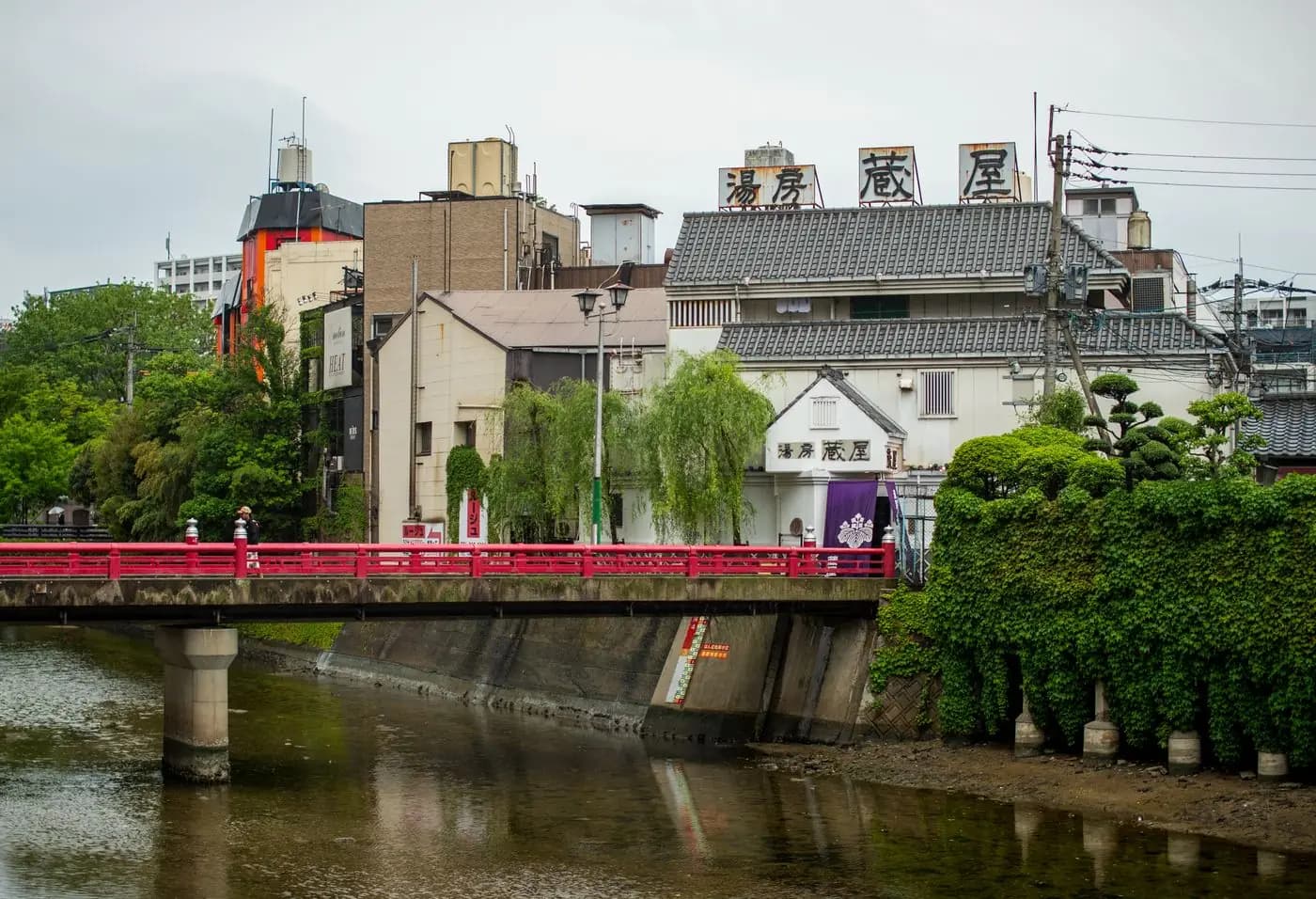
Its origin is Korean. In Busan in the 1920s and 1930s, then under Japanese rule, people ate "myeongran-jeot", salted and spiced pollock roe. Toshio Kawahara, born in Busan in 1913, remembered it. Repatriated after the war, he opened a small grocery, Fukuya, in Hakata's Nakasu market, and on January 10, 1949 began selling a mentaiko adapted to Japanese tastes. Its distinctive feature: the roe is marinated in a seasoning liquid rather than coated in chili powder. The date has become "Mentaiko Day".
What made Hakata mentaiko, above all, is what Kawahara did not do: he never filed a patent. He explained his method to the merchants who asked, and dozens of companies were born in Fukuoka. With the Sanyo Shinkansen reaching Hakata in 1975, mentaiko became Fukuoka's signature souvenir gift.
Today most roe comes from Alaska or Russia; what sets producers apart is the marinade recipe, its duration and the level of heat.
Where to taste mentaiko in Fukuoka: Fukuya, Chikae and the markets
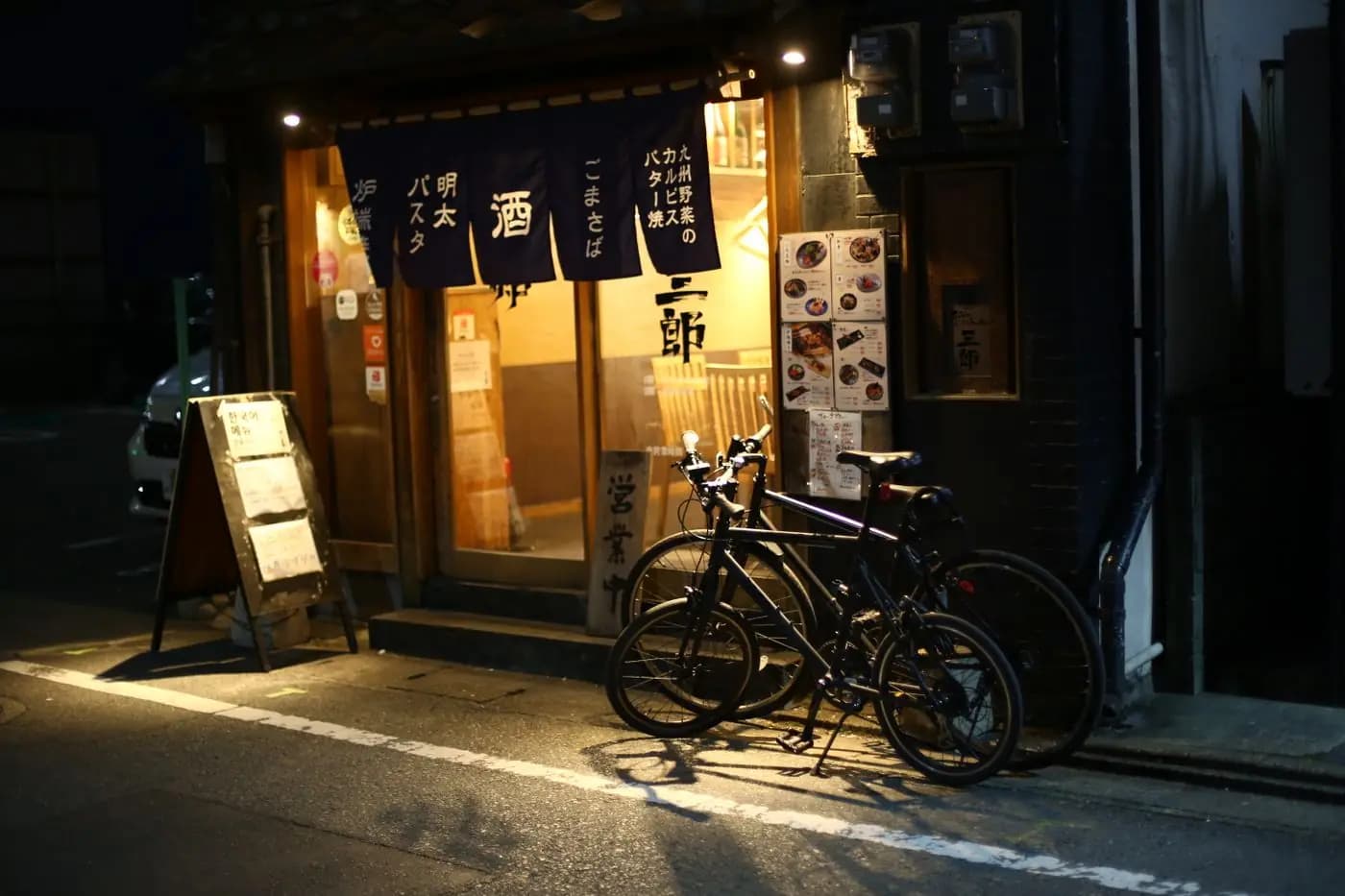
Mentaiko is eaten raw with white rice, or lightly grilled. In Fukuoka you find it everywhere:
- at breakfast in hotels and ryokan, often unlimited;
- as mentai-ju (a rice box topped with mentaiko and eel or nori);
- in mentaiko tamagoyaki (rolled omelet), onigiri, or mentaiko spaghetti, a classic of Japanese cafés;
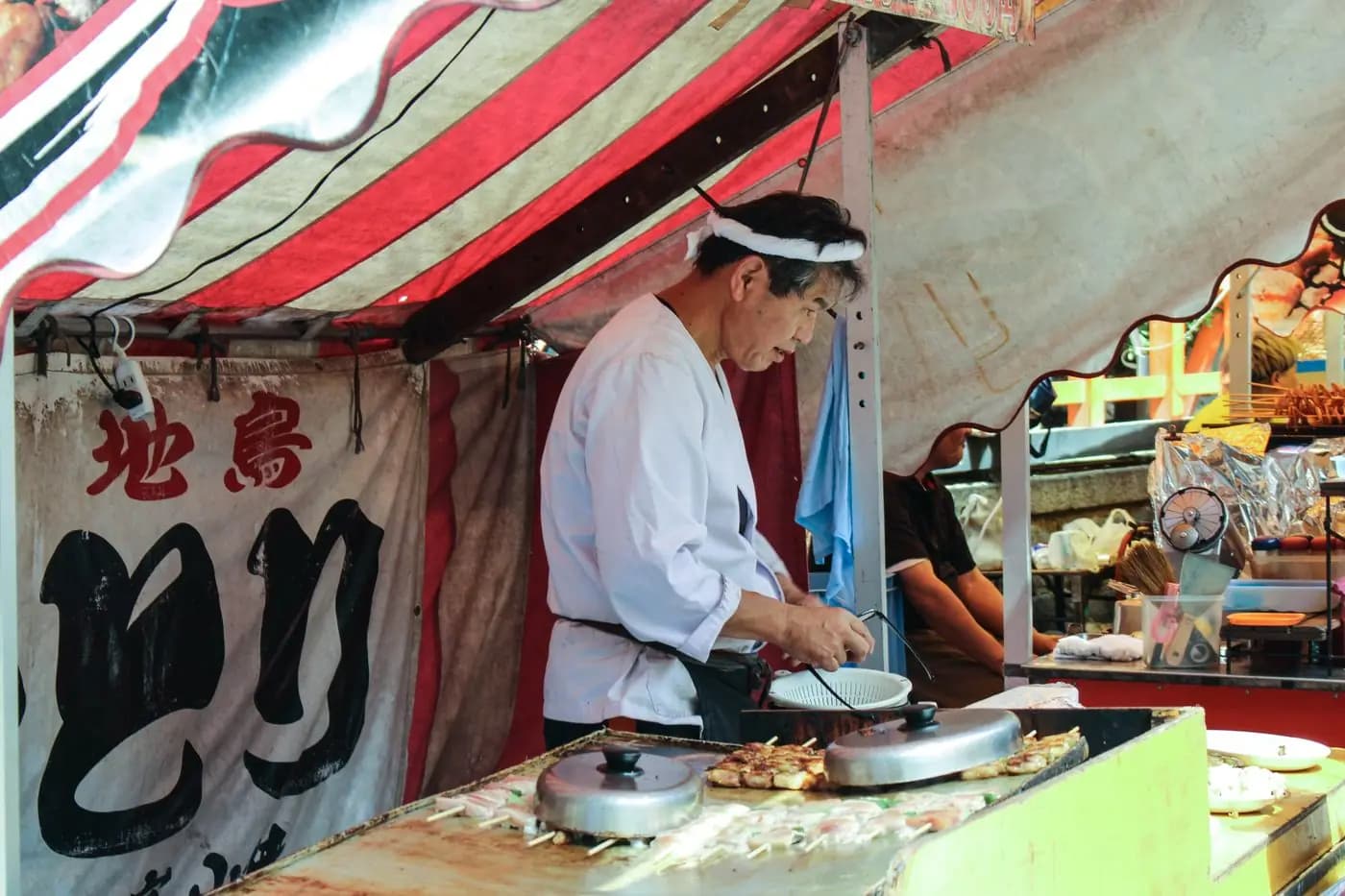
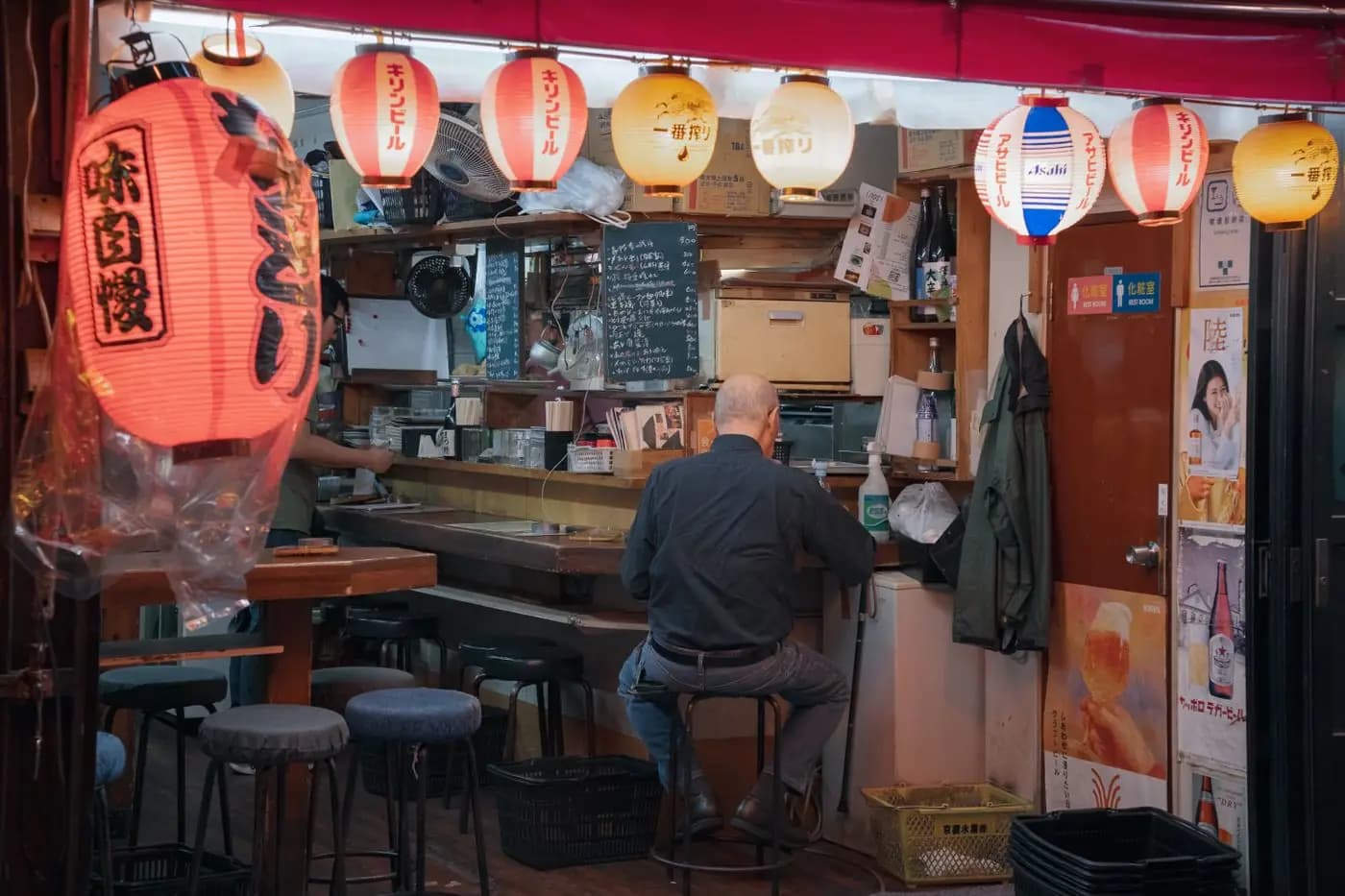
- at the yatai (street stalls), torched with mayonnaise.
A few addresses to understand the styles:
- Fukuya, the founding company, still has its main shop in Nakasu. Its range runs from mild to very hot; you buy by weight or in gift boxes.
- Hakata Ryotei Chikae, a traditional restaurant in the Daimyo district, is known for its house mentaiko, sold in its shop, and for meals served around a large fish tank.
- Yanagibashi Market, nicknamed "Hakata's kitchen", brings together fishmongers and mentaiko sellers; you taste before you buy.
- Hakata Station and the airport gather the big brands; they are the most convenient places for a last-minute purchase.
Expect ¥1,000 to ¥2,000 per 100 g for good-quality whole mentaiko, less for broken pieces ("kireko"), perfect for cooking. Gift boxes start at around ¥3,000.
Seeing mentaiko made: Hakuhaku and the Mentai Parks
The most complete visit in Fukuoka itself is Hakuhaku, the Hakata food and culture museum created by Fukuya, in Higashi ward.
- What you see: a mentaiko production line behind glass (sorting the roe sacs, marinating, packing), an exhibition on Hakata cuisine, a room about the Gion Yamakasa festival, Hakata dolls and Hakata-ori.
- Workshop: you prepare your own mentaiko by mixing the marinade, then take it with you or have it delivered depending on the option; a few sessions a day, booking advised.
- Hours: 10am–4pm (last entry 3:30pm); closed on Tuesdays, Wednesdays and at year-end.
- Entry: free; discounted workshop for groups of 20 or more, booking recommended from 10 people.
- Access: 20 minutes on foot from JR Yoshizuka Station, or about fifteen minutes by taxi from Hakata Station.
Note: production can be suspended in certain weeks (especially at year-end); check before building a program around the production line.
What about Kanefuku's Mentai Parks? These free theme parks, with a visible factory, tastings and a shop, are often cited as "the" mentaiko visit. But they are all on Honshu: Oarai (Ibaraki), Kanra (Gunma), Izu (Shizuoka), Tokoname (Aichi), Biwako (Shiga) and Kobe-Sanda (Hyogo). Kanefuku is indeed a Fukuoka-born company, but there is no Mentai Park in Fukuoka. For a group passing through Nagoya or Kobe, Tokoname and Kobe-Sanda are easy to include.
Hakata-ori: Fukuoka's silk weaving since 1241
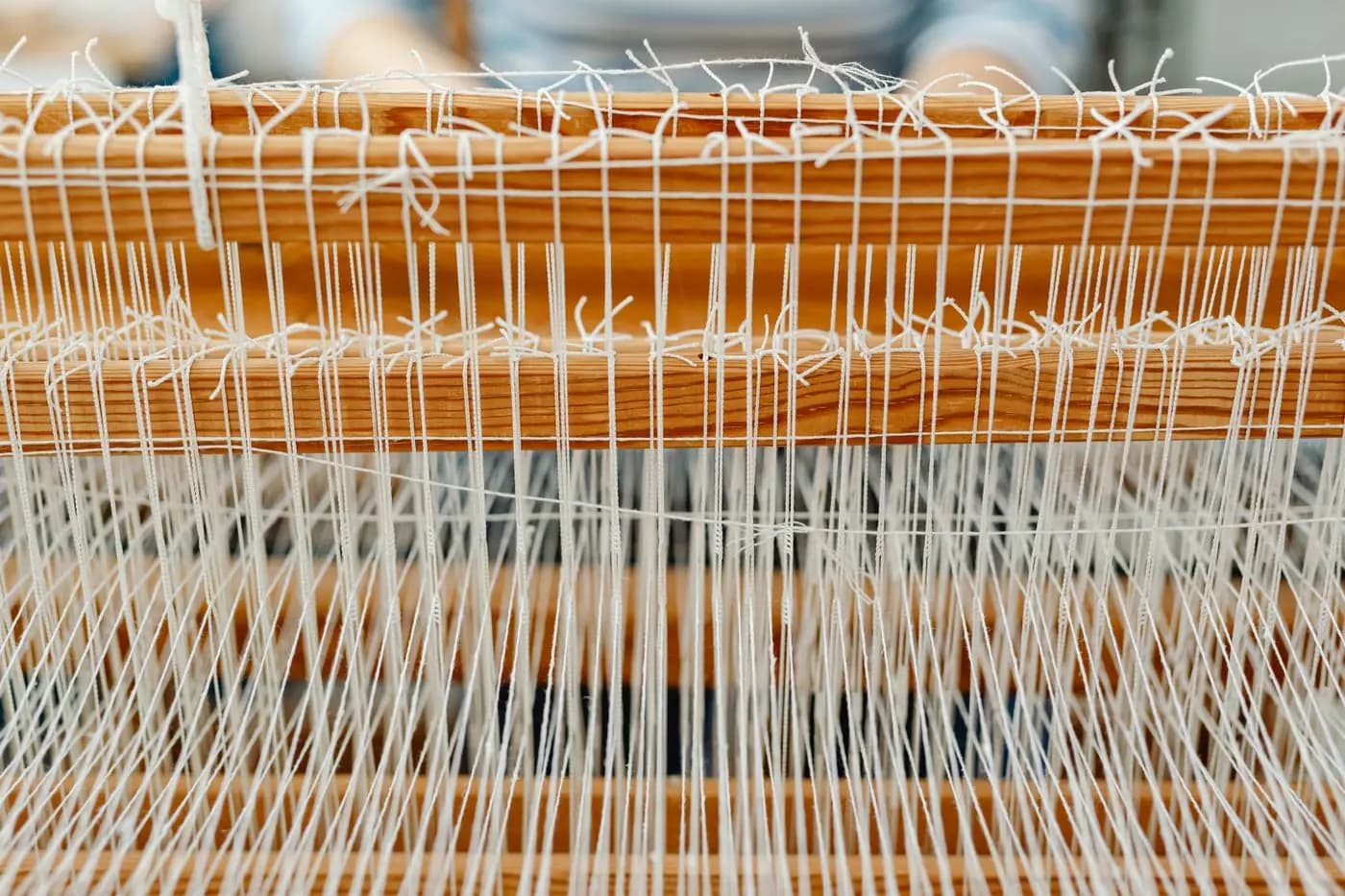
Hakata-ori is a very dense silk fabric, best known for its kimono sashes (obi). Its history begins in 1241, when Hakata merchant Mitsuda Yazaemon returned from Song China, where he had learned weaving, together with the monk Shoichi Kokushi (Enni). Tradition says it was the monk who suggested drawing on Buddhist ritual objects: the tokko (vajra) and the hanazara (flower dish). These motifs make up the famous kenjo ("tribute") design, so called because Lord Kuroda Nagamasa presented it to the shogunate every year in the Edo period.
What makes it unique:
- a very dense warp: far more warp threads than in most weaves, with a weft beaten in hard. The pattern is formed by the warp;
- an obi that does not slip: once tied, it holds all day and gives a faint rustle of silk;
- the status of national traditional craft since 1976, with a label issued by the producers' association.
Where to see it: at the Hakata Machiya Folk Museum, where a craftsman weaves on a hand loom in a reconstructed Meiji-era weaver's house, and where you can try a few passes of the shuttle for free; at the Hakata Traditional Craft Center, opposite Kushida Shrine (free entry); and in makers' shops in the city center.
What to buy: a hand-woven obi easily exceeds ¥100,000, but small Hakata-ori items (card holders, cases, ties, pouches) cost between ¥3,000 and ¥15,000, light corporate gifts with a story.
Hakata dolls and the Hakata Machiya Folk Museum: workshops and prices
Hakata dolls (Hakata ningyo) are unglazed terracotta figurines, hand-painted with great finesse: women's faces, children, kabuki actors, warriors, Yamakasa festival characters. The tradition goes back to the early Edo period, and they have been a national traditional craft since 1976. A craftsman's piece sells for anywhere from a few tens of thousands to several hundred thousand yen.
The best place to try it is the Hakata Machiya Folk Museum ("Hakata Machiya Furusato-kan"), a stone's throw from Kushida Shrine. It recreates life in a Hakata merchant quarter in the Meiji and Taisho eras.
- Hours: 10am–6pm (last entry to the exhibition building 5:30pm); closed on the 4th Monday of the month.
- Entry: ¥200 per adult, ¥150 for groups of 20 or more.
- Workshops (entry included, by reservation): Hakata doll painting Friday to Monday (¥2,200), "hariko" papier-mâché on Tuesdays (¥2,200), Hakata spinning top on Wednesdays (¥2,200), "magemono" bentwood box on Thursdays (¥3,700).
- Groups: from 6 people, or to change the day, requests go through a form, and the booking is only confirmed once the craftsman agrees.
- Free: Hakata-ori weaving demonstrations and trial, and a guided walk of the area every day at 2pm by volunteers (about 1 hour, no booking). An English version is available for ¥2,200.
Right next door, Kushida Shrine displays a decorated float from the Hakata Gion Yamakasa for most of the year; the festival climaxes at dawn on July 15. The museum, the shrine and Tochoji temple fit into half a day.
How much time to allow, and how to bring mentaiko home?
Everything is close together: the Kushida area, Nakasu and Hakata Riverain are linked on foot, and Hakuhaku is a quarter of an hour away by taxi. One day lets you see it all without rushing:
- morning: Hakata Machiya Folk Museum (Hakata-ori demonstration, doll workshop), Kushida Shrine, Tochoji temple;
- lunch: mentai-ju or a meal in a traditional restaurant;
- afternoon: Hakuhaku (not on Tuesday or Wednesday) for the production line and mentaiko workshop;
- evening: the yatai of Nakasu or Tenjin.
Bringing mentaiko home takes a little method:
- it keeps in the fridge for only a few days; frozen versions last longer;
- shops provide insulated bags and ice packs; buy as late as possible, ideally at Fukuoka Airport;
- in the cabin, some airlines and security checks treat marinated mentaiko as a liquid or paste: packing it well in checked luggage avoids unpleasant surprises;
- for travel abroad, check your country's rules on importing seafood products.
For a gift that travels without worry, mentaiko in a tube or as dried flakes, and mentaiko sauces, keep at room temperature.
Hakata mentaiko and crafts for a group: what works
For a group of 20 to 40 on a seminar or incentive trip in Fukuoka, the "mentaiko and Hakata" theme makes a good cultural afternoon between two working sessions.
- Mentaiko workshop at Hakuhaku: ideal for 20 to 40 people, with a group rate; book several weeks ahead and avoid Tuesdays and Wednesdays. A coach is simpler than public transport.
- Hakata doll painting: at the Hakata Machiya Folk Museum, request by form from 6 people; for a large group, plan rotations or a craftsman who comes to run the workshop in a hotel function room.
- The Fukuya story: the anecdote of the patent that was never filed works very well as an introduction to a session on open innovation or knowledge sharing.
- Gifts: mentaiko boxes delivered straight to participants' homes in Japan, or Hakata-ori items (card holders, ties) for overseas participants, easier to carry.
- Dinner: a traditional restaurant with a private room, then a yatai evening booked in small groups.
SHINOGI DMC organizes these afternoons in Fukuoka, with bookings, interpreters, transport and personalized gifts, alongside a seminar or convention.
Frequently asked questions
Who invented Hakata mentaiko?
Toshio Kawahara, founder of Fukuya, who began selling it on January 10, 1949 in Nakasu, inspired by a spiced pollock roe dish he had known as a child in Busan. He never patented his method and taught it to other producers.
Where can you see mentaiko being made in Fukuoka?
At Hakuhaku, Fukuya's museum in Higashi ward: free entry, a visible production line and a workshop to make your own mentaiko. Open 10am–4pm, closed on Tuesdays and Wednesdays.
Is there a Mentai Park in Fukuoka?
No. Kanefuku's Mentai Parks are on Honshu: Oarai, Kanra, Izu, Tokoname, Biwako and Kobe-Sanda. In Fukuoka, the equivalent visit is Hakuhaku.
How much does mentaiko cost in Fukuoka?
About ¥1,000 to ¥2,000 per 100 g for good-quality whole mentaiko, less for broken pieces (kireko). Gift boxes start at around ¥3,000.
Where can you paint a Hakata doll?
At the Hakata Machiya Folk Museum near Kushida Shrine, Friday to Monday, for ¥2,200 including entry, by reservation. Groups of 6 or more submit a request form.
Can you take mentaiko on a plane?
Yes, but it is better in checked luggage, well packed with ice packs, since some security checks treat it as a liquid or paste. It keeps for a few days chilled; for travel abroad, check your country's import rules.
Rédaction SHINOGI DMC · Updated
Sources
- Crossroad Fukuoka — Le mentaiko, spécialité de Fukuoka
- Crossroad Fukuoka — Hakuhaku, musée de l'alimentation et de la culture de Hakata
- Hakata Machiya Folk Museum — Ateliers et tarifs (site officiel)
- Crossroad Fukuoka — Hakata Machiya Folk Museum
- Ville de Fukuoka — Culture de Hakata : Hakata-ori
- Association des fabricants de Hakata-ori
- Travel Watch — Ouverture de la Mentai Park Gunma (6e site Kanefuku)