Katsuobushi: what is dried bonito and why Makurazaki and Yaizu?
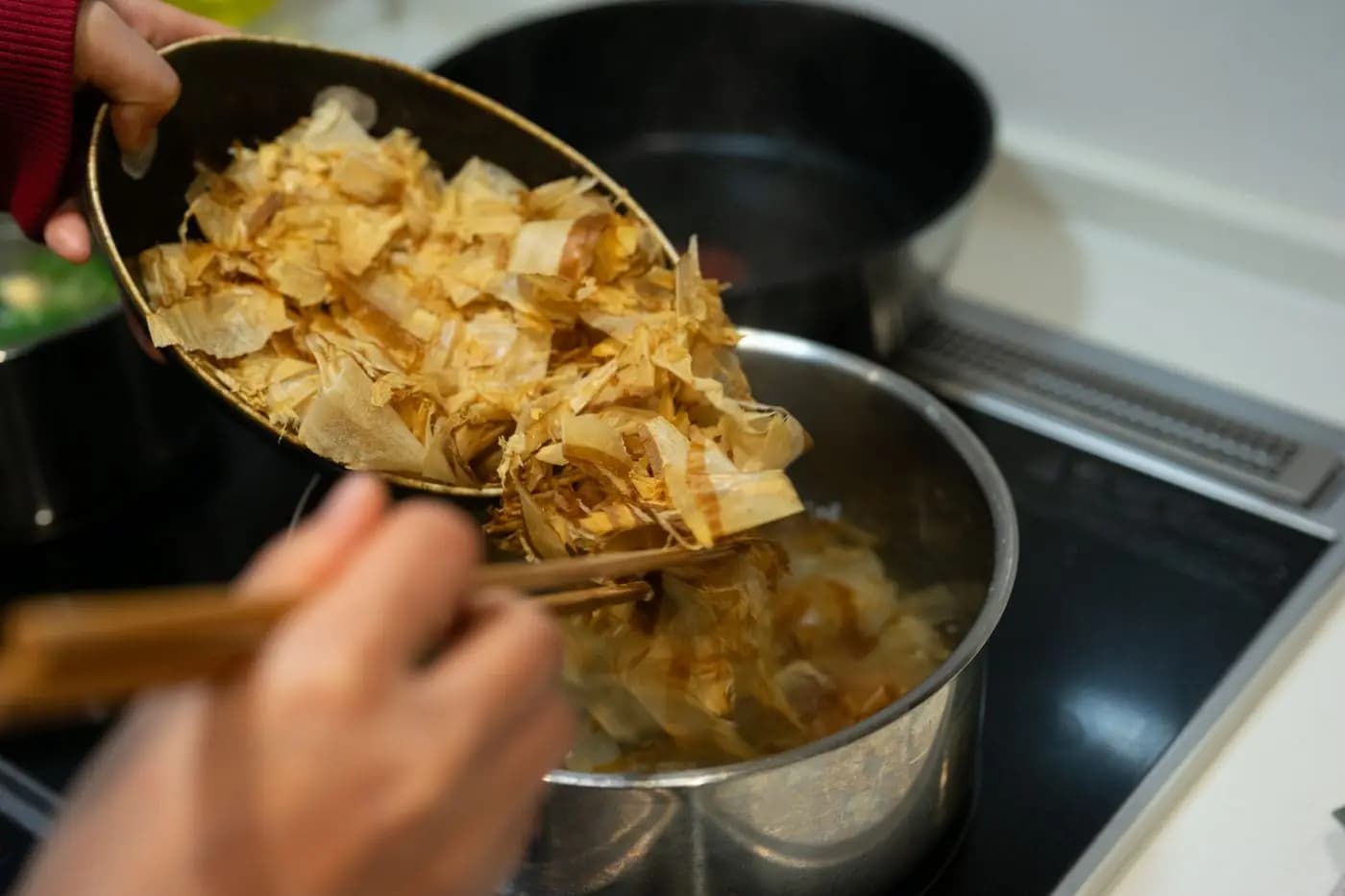
Katsuobushi is a fillet of skipjack tuna (katsuo) that is cooked, deboned, smoked for weeks and then, for the best grades, aged under mould until it is as hard as a piece of wood. It is shaved into very thin flakes, and those flakes make dashi, the stock behind miso soup, noodle broths, simmered dishes and much of Japanese cooking. If you have seen flakes waving on top of takoyaki or okonomiyaki, that was katsuobushi.
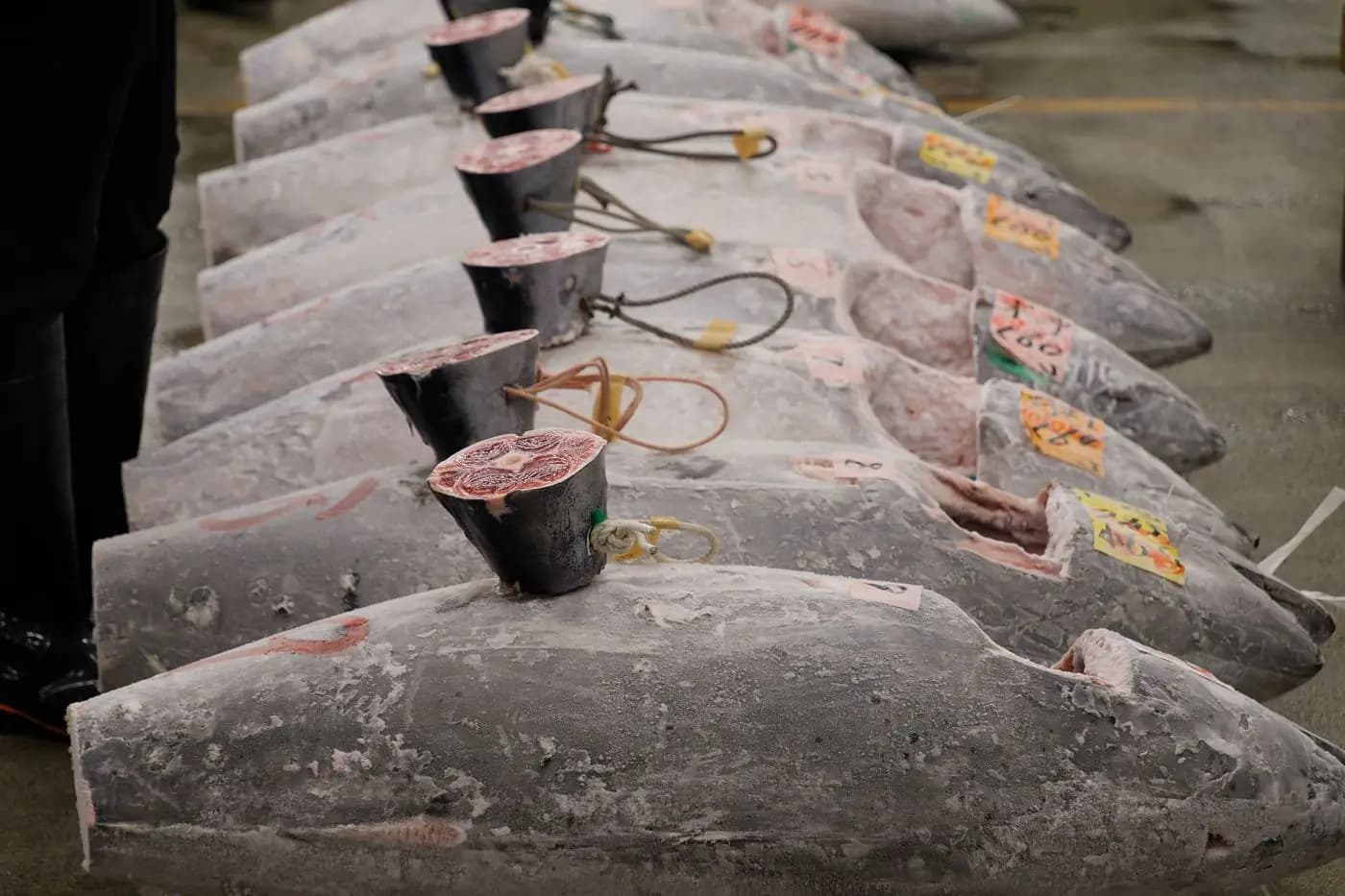
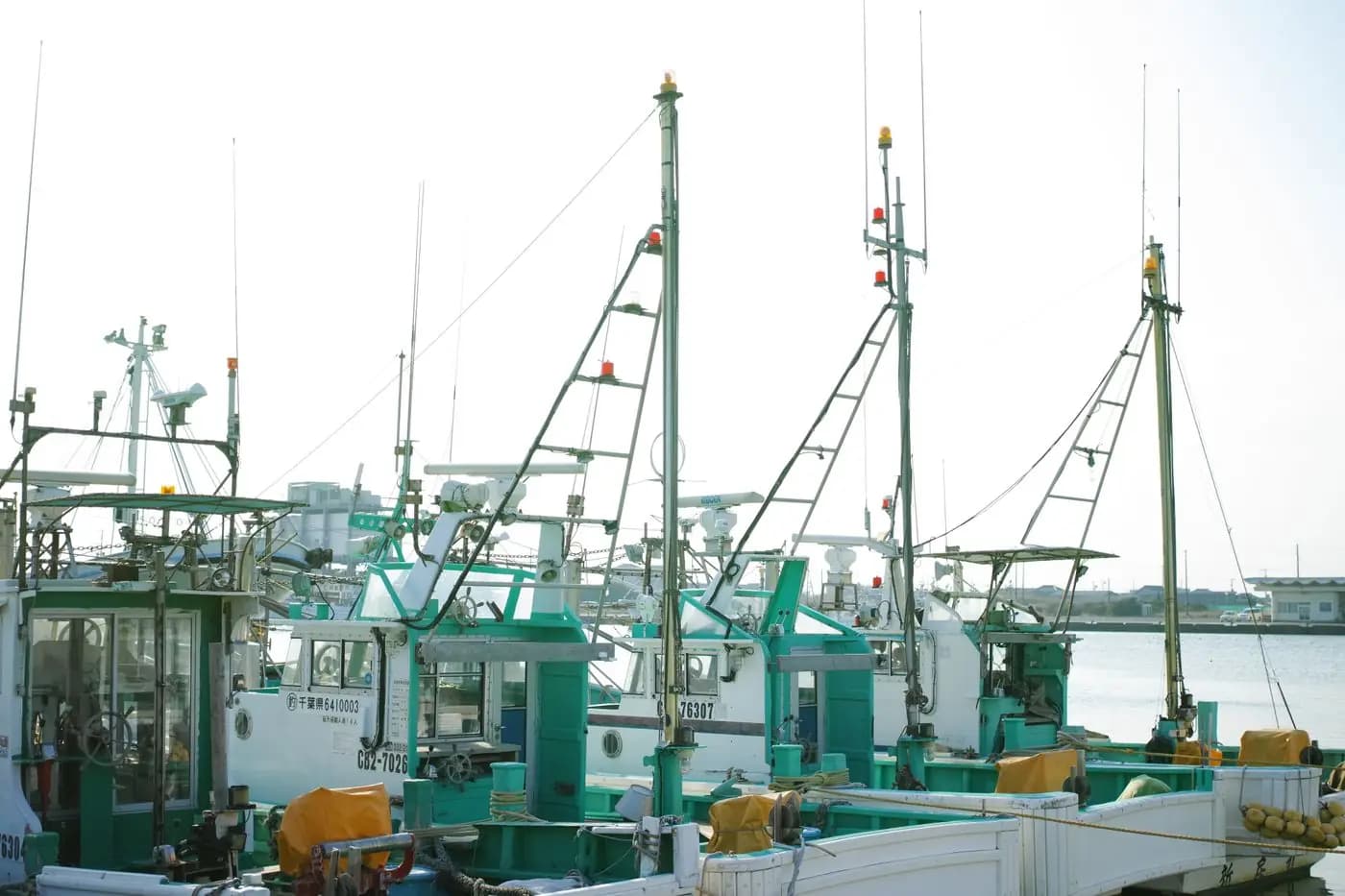
Two ports account for almost all of Japan's output. According to the Ministry of Agriculture (MAFF), Japan produced 25,772 tonnes of katsuobushi in 2021: 18,921 tonnes in Kagoshima Prefecture (about 73%) and 6,598 tonnes in Shizuoka Prefecture (about 26%). In Kagoshima, two towns lead: Makurazaki, at the south-western tip of the Satsuma Peninsula, and its neighbour Ibusuki (the Yamakawa district). In Shizuoka, the centre is Yaizu, a tuna port on Suruga Bay.
What they share: a port where deep-sea boats land frozen skipjack, oak forests nearby for smoking, and three centuries of know-how. Local tradition in Makurazaki dates the adoption of the Tosa (now Kochi) method to 1707, and the cooperative celebrated its 300th anniversary in 2007. In the early 20th century Makurazaki even brought in instructors from Shizuoka and Tosa to refine its technique, so the two areas have long been linked.
For a traveller the choice is simple: Yaizu is the easy visit (1.5 hours from Tokyo, doable as a day trip), Makurazaki is the benchmark visit (at the far end of Kyushu, best combined with Ibusuki and Chiran over two days).
How katsuobushi is made: from arabushi to honkarebushi
The process looks simple on paper; in the workshop it takes weeks and a lot of labour. The main stages:
- Cutting: the thawed skipjack is headed, gutted and filleted. A large fish gives four loins (two dorsal, obushi, and two ventral, mebushi); a small one gives two, called kamebushi because their shape resembles a turtle shell.
- Cooking (shajuku): the fillets are laid in baskets and cooked for about an hour and a half in water held just below the boil.
- Deboning: bones are removed one by one, by hand, often under water. It is the slowest stage and the one visitors see best.
- Smoking (baikan): the fillets are smoked over oak fires, roughly one session a day, for ten to fifteen cycles. They lose most of their water and become arabushi, the base for most bagged flakes.
- Scraping: the tarry outer layer is scraped off to give a clean fillet, hadakabushi.
- Moulding (kabitsuke): the fillets go into chambers where a beneficial mould covers them, then are sun-dried, brushed and returned to the chamber. Once moulded the product is karebushi; after at least three cycles, often four spread over four to six months, it is honkarebushi.
The mould is not decorative: it keeps drawing moisture from inside the fillet, softens the smoky smell and makes the stock clearer and rounder. A well-made honkarebushi rings when you knock two together. In Makurazaki, the cooperative states that honkarebushi certified "Honba no honmono" (a label for authentic regional foods) account for only about 3% of local output.
As for appellations, "Makurazaki katsuobushi" has been a registered Geographical Indication (GI) since 18 March 2025 (No. 168 on the MAFF register), after first being registered as a regional collective trademark.
Makurazaki (Kagoshima): visiting the katsuobushi capital
Makurazaki is a small port town of about 20,000 people. You notice it as soon as you arrive: on production days the smell of smoke drifts over the workshop districts around the harbour. It is not a museum town; these are working factories, which is the whole point of going and also brings constraints: many workshops close at weekends and nothing can be visited without booking.
Useful addresses:
- Katsuichi (Nakahara Suisan): a tour of a workshop where production is still largely manual, followed by a dashi class (shaving, making stock, comparative tasting). Monday to Friday, 10am–4:30pm, closed weekends, public holidays, Obon and New Year; book at least 7 days ahead, price on request. The prefectural tourism site lists capacity of up to 130 people, which is rare for this kind of experience.
- Makurazaki Osakana Center: a seafood market near the port with a katsuobushi shop and bonito-themed activities, including straw-seared tataki.
- Makurazaki municipal bonito corporation (Katsuo Kosha): production visible from the shop area, car park.
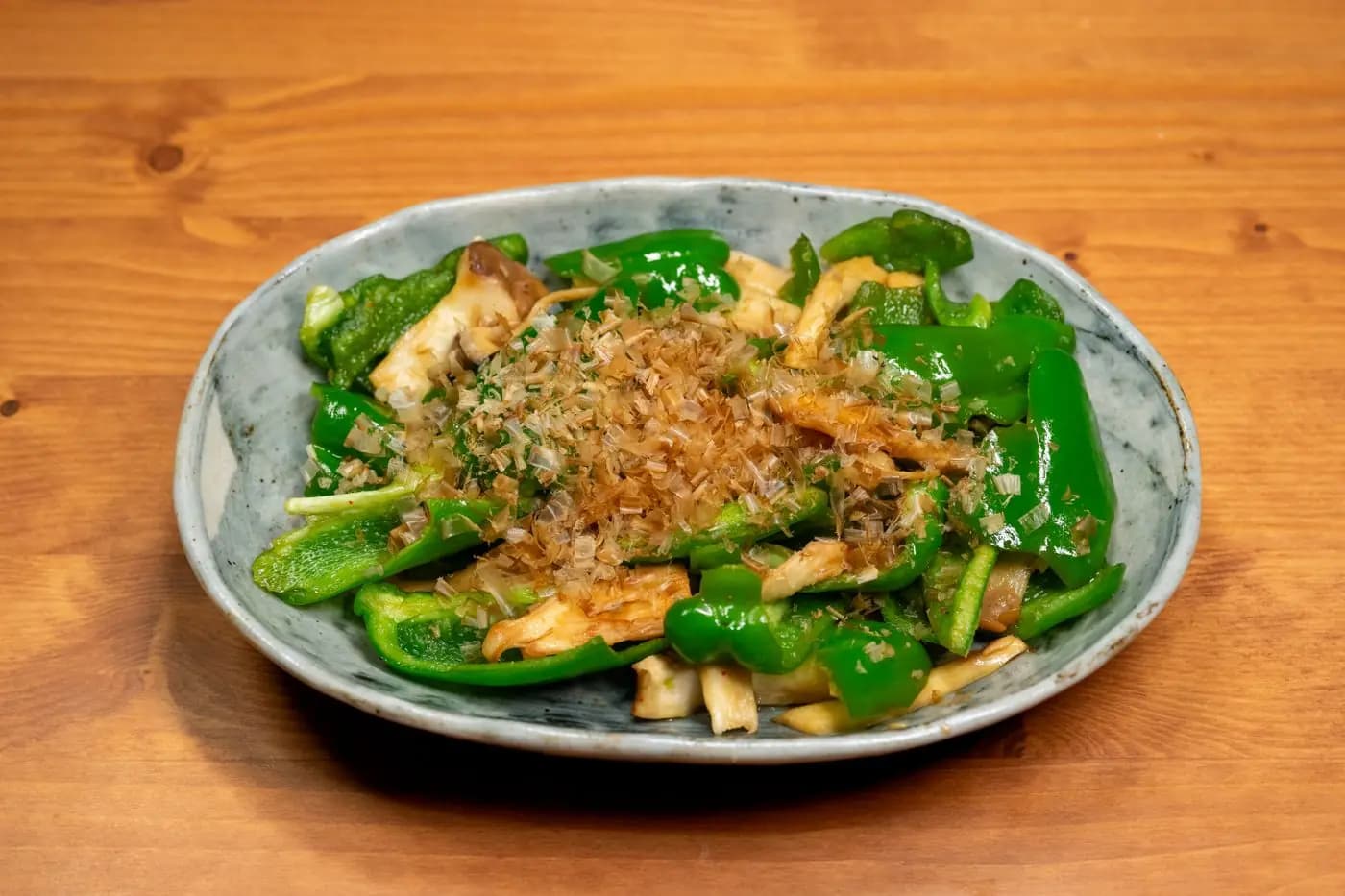
Next door, Ibusuki claims around 70% of Japan's honkarebushi output. The "factory tour and chabushi" visit at Daimaru Katsuobushi, sold by the Ibusuki Kanko & Taiken no Kai association, costs ¥2,200 with a shuttle from Ibusuki Station. Chabushi is the simplest local recipe: katsuobushi flakes and miso in a bowl, topped up with hot water or tea.
Getting there: allow about 1.5 hours by car from Kagoshima-Chuo Station. The JR Ibusuki-Makurazaki Line ends at Makurazaki, but beyond Ibusuki trains are infrequent and the journey often exceeds 2.5 hours, so in practice go by car or coach. A night in Ibusuki (onsen and sand baths) lets you do Makurazaki in the morning and Chiran in the afternoon.
Yaizu (Shizuoka): katsuobushi 1.5 hours from Tokyo
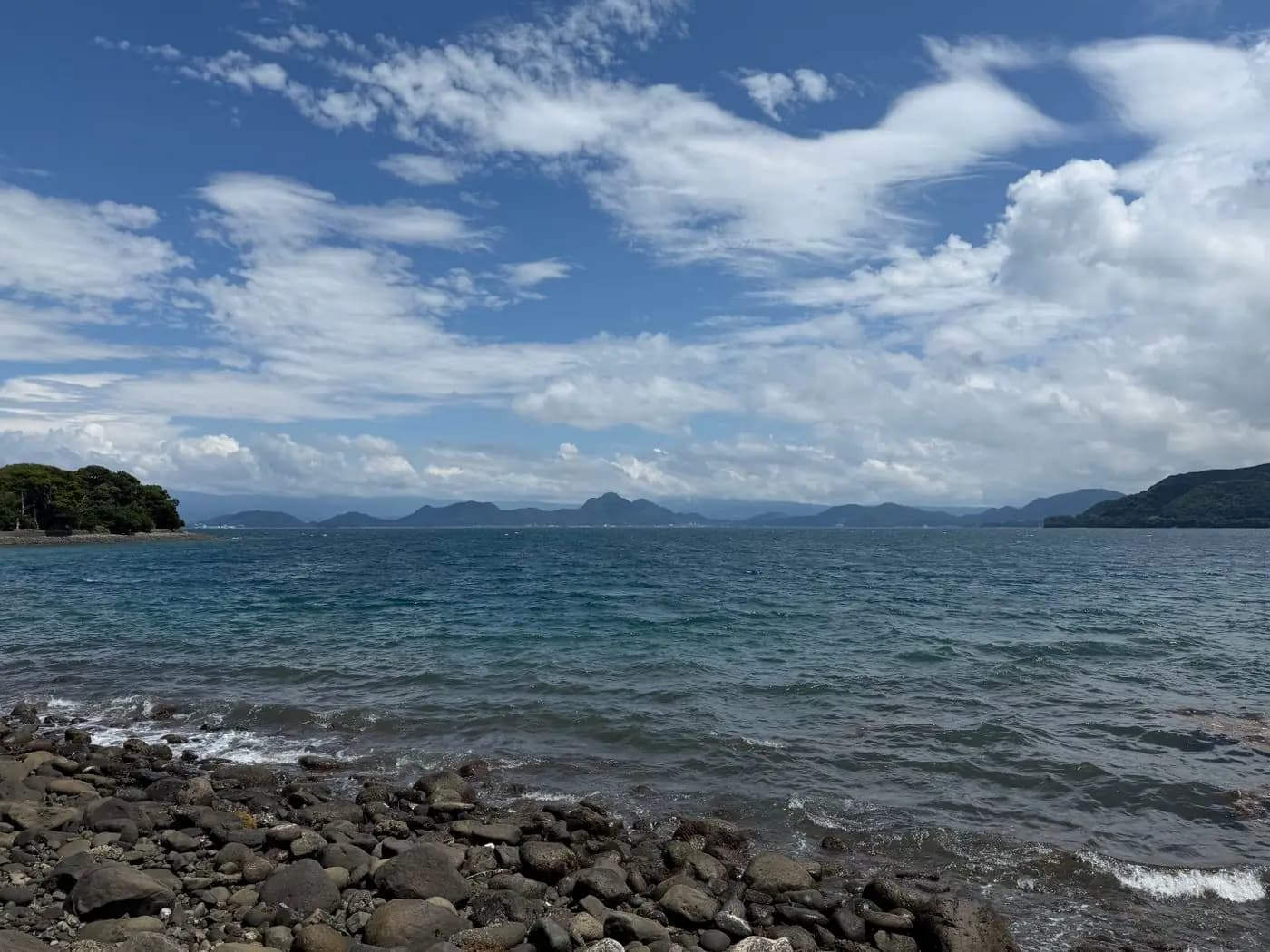
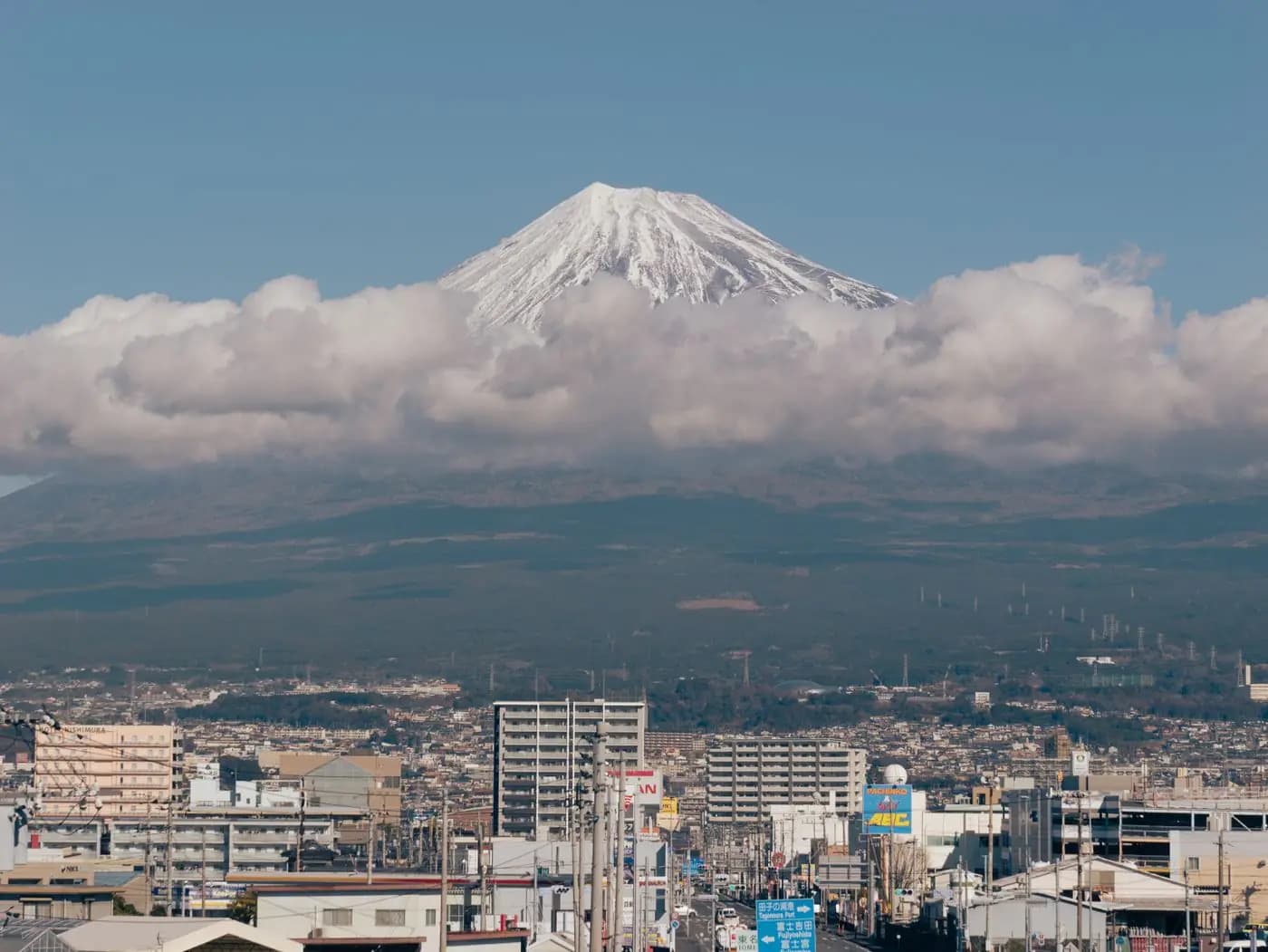
Yaizu is one of Japan's major tuna ports: frozen tuna and skipjack are landed all year round and the town lives off processing them (katsuobushi, canning, fish cakes). On clear days Mount Fuji rises behind the harbour. It is the simplest way to understand the industry without crossing the country.
What you can do:
- Yaizu Sakana Center: a seafood market hall by the Yaizu interchange of the Tomei Expressway, with stalls selling katsuobushi and namaribushi (bonito that is just cooked and lightly smoked). Open 9am–5pm, closed 1 January; until November 2026 only about half the stalls open on Wednesdays. Management announced in April 2026 that it is studying a relocation, so check before building a programme around it.
- Kawanao: a bonito and smoked-fish house founded in 1877 that runs straw-seared tataki sessions (60 to 90 minutes, about ¥2,300–2,800 per adult depending on the option).
- Yanagiya Honten: a katsuobushi shop with a café, known for letting you compare freshly shaved flakes with bagged ones. Open 11am–4pm, closed Sunday and Monday.
- Several flake manufacturers welcome groups for factory tours on request; conditions (group size, days, clothing) vary from one company to the next and are arranged directly.
Getting there: Tokyo to Shizuoka by Hikari shinkansen (about 1 hour), then the JR Tokaido Line to Yaizu (around ten minutes). The day combines well with a Shizuoka tea plantation or the Nihondaira plateau and its Fuji views.
Dashi, shaving and tasting: which experiences to choose?
The most telling experience takes ten minutes: you are handed a block of honkarebushi and a kezuriki, the wooden box topped with a plane, and you try to produce thin, even flakes. First attempts give powder; the right move is to push the block along the grain, head first, without pressing down. Then you compare two stocks, and the difference from supermarket bags is obvious.
To make ichiban dashi at home, the classic base:
- 1 litre of water and 10 g of kombu soaked for 30 minutes, heated gently and removed just before the boil;
- 20 to 30 g of katsuobushi added off the heat or at a simmer, for one to two minutes;
- strain without pressing, or the stock turns cloudy and bitter.
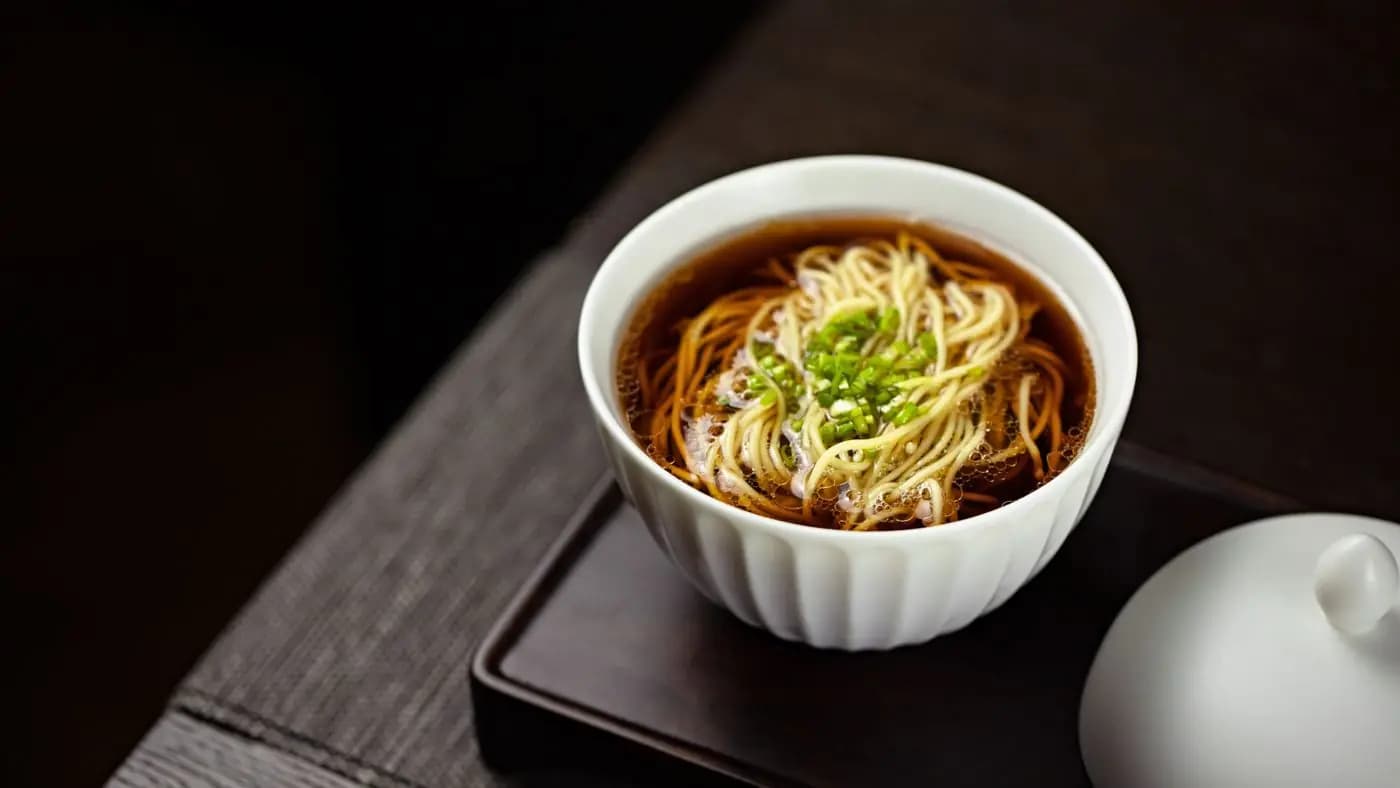
What you notice in comparative tastings: arabushi gives a smokier, stronger stock, very good for noodles; honkarebushi a clearer, finer one, the stock of kaiseki clear soups. Some workshops add a bonito and mackerel (sababushi) dashi, which is punchier.
Avoid booking a shaving demonstration in a shop thinking you will see a factory. The two complement each other, but if the goal is to understand production you need a weekday workshop visit, ideally in the morning, when cooking and deboning are under way.
Buying katsuobushi: grades, prices and bringing it back to Europe
On site you will find three main product families:
- Bagged flakes (kezuribushi, hanakatsuo): from a few hundred yen to about ¥1,000 a bag depending on grade and weight. The words "本枯節" (honkarebushi) or "枕崎産" (made in Makurazaki) on the pack make the difference.
- Whole blocks: a honkarebushi often sells for roughly ¥3,000–6,000 depending on size and producer, more for competition pieces. A block keeps for months if dry and wrapped.
- Kezuriki (shaving boxes): from a few thousand yen for a basic model, much more for a handmade box with a forged blade. Heavy and bulky: ship it or put it in checked luggage.
A few pointers: a good block is dry, heavy for its size and rings clearly; the surface of a honkarebushi is covered in a fine grey-beige mould, which is normal. Flakes oxidise quickly once opened, so several small bags beat one large one.
Bringing katsuobushi back to Europe: EU rules allow travellers to import fishery products for personal use up to 20 kg per person; keep the original sealed, labelled packaging. Commercial export is harder because EU standards for smoked products apply. That is why Makurazaki producers opened a factory in Concarneau, Brittany, in 2016 to make katsuobushi that meets EU standards. If you live in the UK, Switzerland or elsewhere, check your own country's rules.
How long to allow and how to combine the visit
Yaizu: half a day is enough for the fish market, a katsuobushi shop and a tataki or shaving session. A full day from Tokyo lets you add a Shizuoka tea house and a Fuji view from Nihondaira. Arrive early: the market is livelier in the morning and fish lunches fill up fast at weekends.
Makurazaki: allow two days from Kagoshima, with a night in Ibusuki. A realistic sequence:
- Day 1: Kagoshima to Ibusuki (about 1h15 by car), factory tour and chabushi, hot sand bath in the late afternoon, night in a ryokan.
- Day 2: Makurazaki in the morning (dashi workshop, harbour, market), bonito lunch, then Chiran in the afternoon (samurai district and Peace Museum), back to Kagoshima in the evening.
Mount Kaimon, a volcanic cone by the sea, is visible from both towns and takes four to five hours return for walkers. Go on weekdays if you can, since most Makurazaki workshops do not run at weekends.
As for seasons, fresh bonito (first bonito in spring, returning bonito in autumn) is mostly eaten as tataki; katsuobushi is made all year from frozen fish, so the visit has no particular season.
Katsuobushi visits for groups: logistics and ideas for companies
Katsuobushi lends itself well to industrial tourism: the process is visual, the smell and taste stay with people, and a dashi tasting sparks real discussion about quality, patience and craftsmanship. A few rules for a group of 20 to 40:
- Book early and on weekdays: workshops are production sites. One week's notice is the stated minimum in Makurazaki; for a group, allow one to two months, especially around Golden Week and Obon.
- Split the group: workshop tour in groups of 10 to 15 while the other half does shaving or tasting, then swap.
- Plan clothing: hairnet, sometimes coat and shoe covers; no strong perfume, closed shoes. Flag participants with fish allergies.
- Transport: private coach from Kagoshima (1.5 hours) or from Shizuoka Station (about 25 minutes). Check coach access to the workshop, as some lanes in the port district are narrow.
- Interpretation: explanations are given in Japanese; a guide-interpreter who knows the vocabulary (shajuku, baikan, kabitsuke) transforms the visit.
For gifts, a box of Makurazaki honkarebushi flakes or a small wrapped block with a note on how it is made is an original, light and long-lasting souvenir. For a closing dinner, a chef can build a menu around the different dashi.
SHINOGI DMC arranges these visits for corporate groups (workshop bookings, interpreters, transport and combinations with Kagoshima, Ibusuki or Mount Fuji).
Frequently asked questions
Where can you see katsuobushi being made in Japan?
In Makurazaki and Ibusuki (Kagoshima), which produce most of Japan's katsuobushi, and in Yaizu (Shizuoka), 1.5 hours from Tokyo. Workshop visits are by reservation, on weekdays.
What is the difference between arabushi, karebushi and honkarebushi?
Arabushi is cooked and smoked bonito. Karebushi has also been coated with a beneficial mould. Honkarebushi has gone through at least three mould-and-drying cycles over several months, giving a clearer, finer stock.
Does Makurazaki katsuobushi have a protected name?
Yes. "Makurazaki katsuobushi" has been a registered Geographical Indication (GI) in Japan since 18 March 2025, No. 168.
Can you bring katsuobushi back to France?
Yes, for personal use: the EU allows up to 20 kg of fishery products per traveller. Keep the original packaging sealed and labelled.
How much does a block of katsuobushi cost?
A whole honkarebushi often costs roughly ¥3,000–6,000 depending on size and producer. Bags of flakes range from a few hundred yen to about ¥1,000.
Can a group visit a katsuobushi workshop?
Yes. In Makurazaki, the Katsuichi workshop lists capacity of up to 130 people, booked at least 7 days ahead and on weekdays. For a corporate group, allow one to two months' notice and an interpreter.
Rédaction SHINOGI DMC · Updated
Sources
- MAFF — Registre GI n° 168 « Makurazaki katsuobushi »
- MAFF — Katsuobushi, aliments traditionnels régionaux (production par préfecture)
- Coopérative de transformation des produits de la mer de Makurazaki — Le katsuobushi de Makurazaki
- Coopérative de Makurazaki — Historique
- Kagoshima Yokanavi (tourisme officiel de Kagoshima) — Katsuichi, atelier de dashi
- Toretabi (JR) — Ibusuki, visite d'usine et chabushi
- Yaizu Sakana Center — Site officiel
- Le Journal des entreprises — Makurazaki, une usine japonaise à Concarneau
- Commission européenne — Importations personnelles de produits d'origine animale