Buddhism and Shinto: what is the difference between a temple and a shrine?
Shinto is Japan's indigenous religion. It has no founder and no holy book: it honours kami, deities present in a mountain, a tree, a river, an ancestor or a deified historical figure. Its place of worship is the shrine (jinja), where people come to ask for protection, success or good health, or to give thanks.
Buddhism arrived from the continent via Korea in the 6th century. Its places of worship are temples (tera or -ji), where the Buddha and bodhisattvas are venerated, monks live, and funerals and family graves are kept.
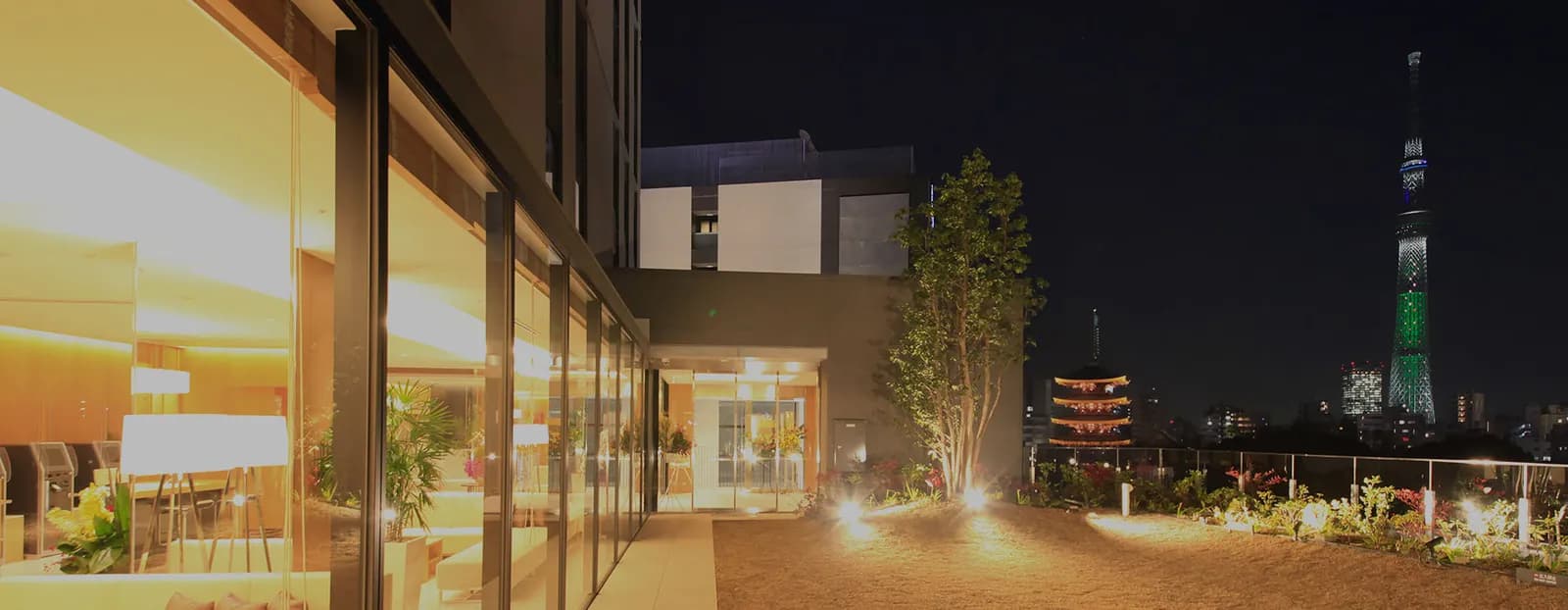
For more than a thousand years, the two coexisted to the point of blending: pagodas were built in shrines and small shrines inside temple grounds. In 1868 the Meiji government ordered them separated, which explains the pairs still seen today, such as Senso-ji and Asakusa Shrine side by side in Tokyo.
For most Japanese people there is no contradiction: births and New Year are celebrated at the shrine, the dead are buried at the temple. According to the Agency for Cultural Affairs, the country has about 80,000 shrines and more than 75,000 temples, from small neighbourhood altars to large World Heritage complexes.
For a visitor, the rule is simple: follow the customs of the place you are in, without worrying about whether you “believe”. Japanese people do exactly the same.
How to tell a temple from a shrine in Japan
The name often gives the answer before you even arrive:
- Shinto shrine: -jinja (Yasaka-jinja), -jingū (Meiji-jingū), -taisha (Fushimi Inari-taisha), -gū (Tōshō-gū);
- Buddhist temple: -ji (Kinkaku-ji), -dera (Kiyomizu-dera), -in (Byōdō-in).
On site, a few signs are unmistakable.
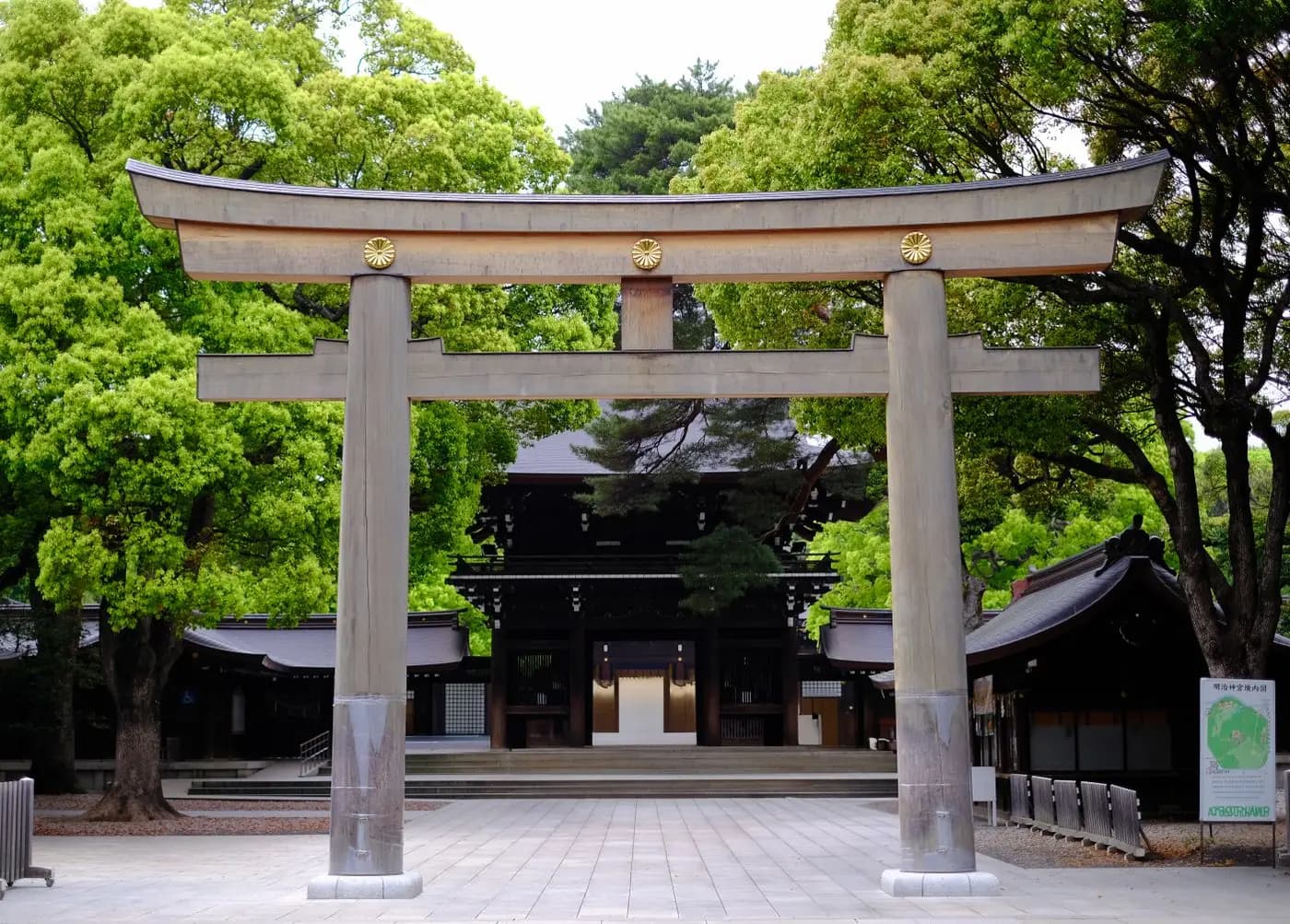
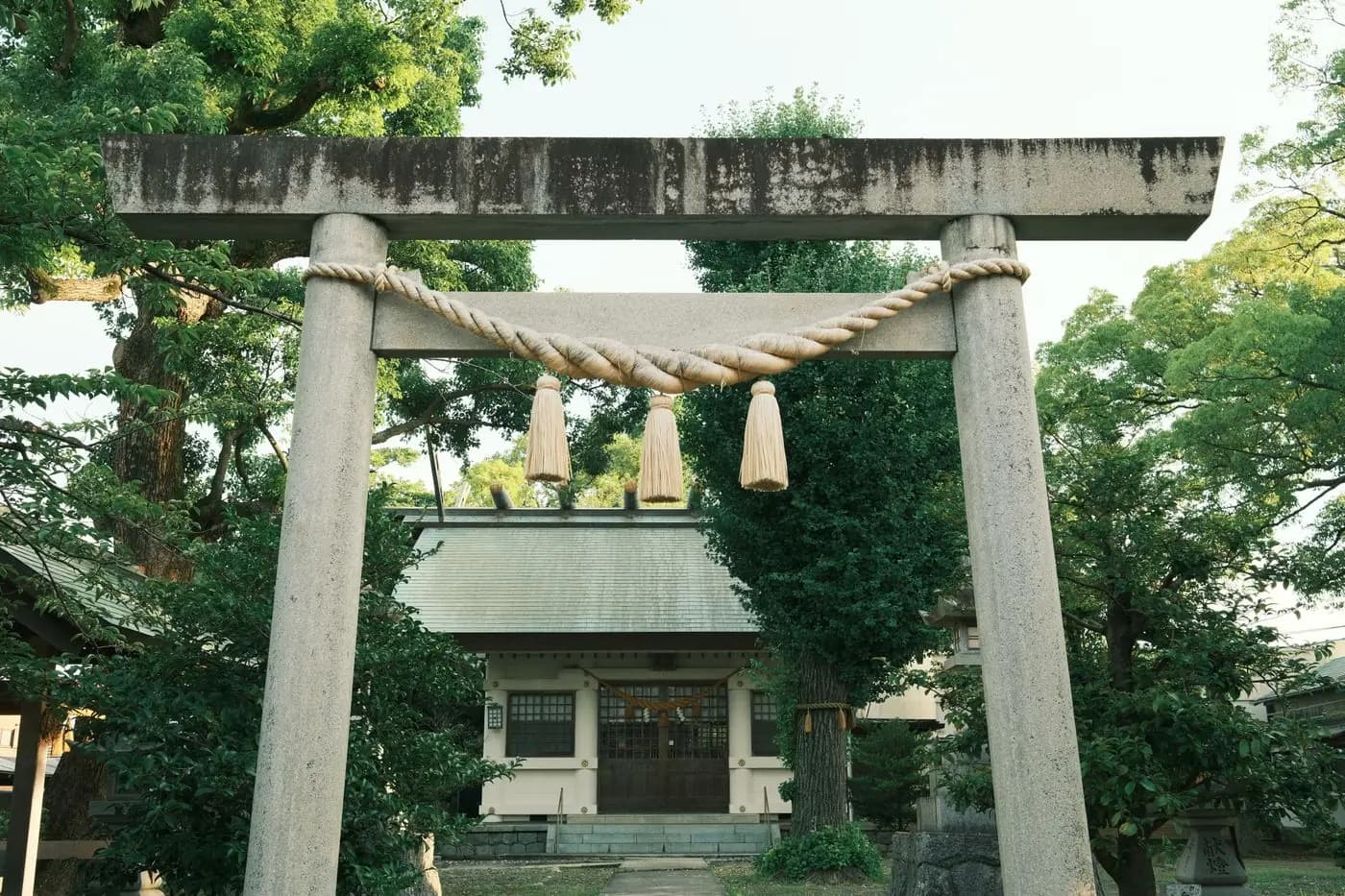
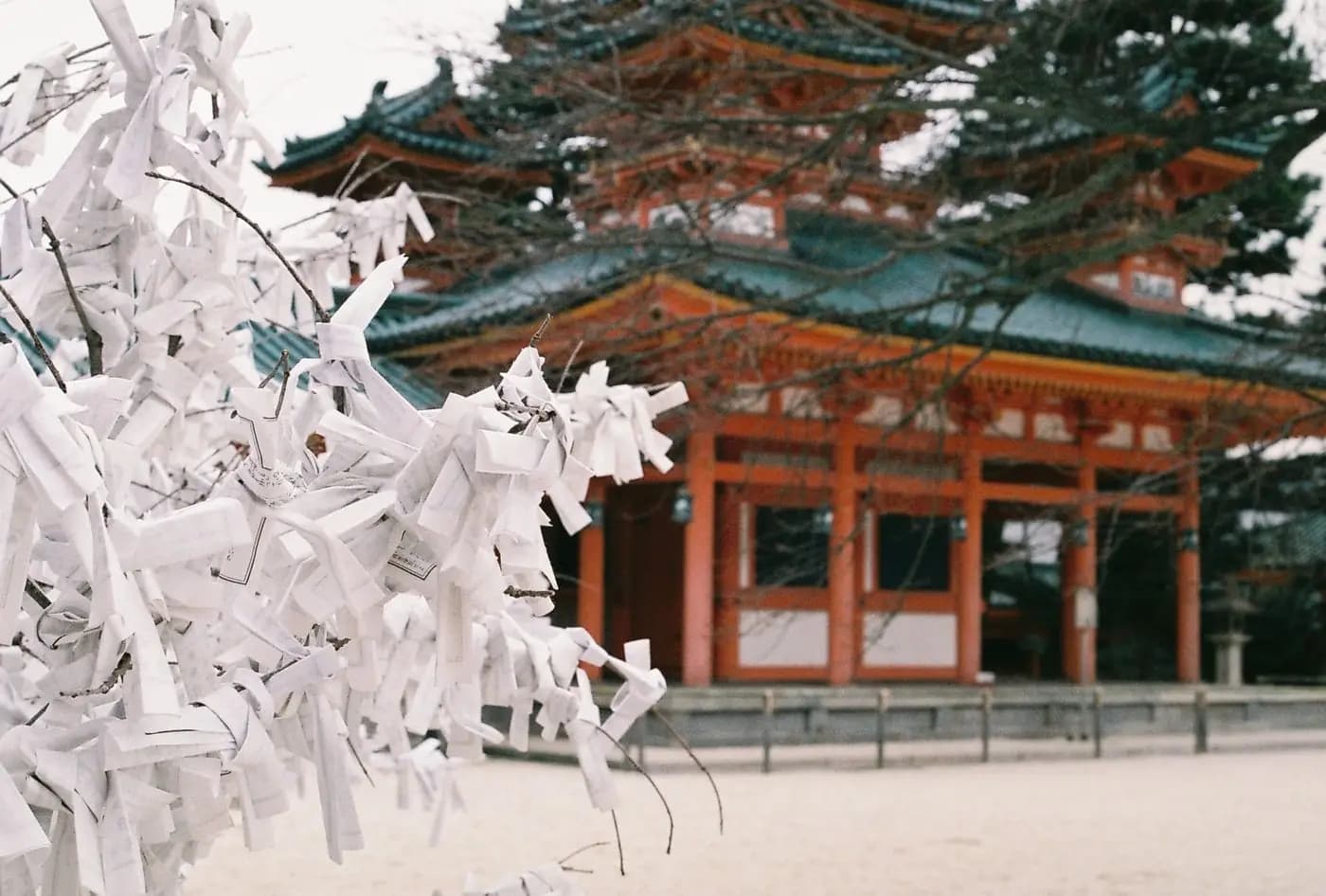
At a shrine, you walk under one or more torii, gates with two posts and two crossbeams, in vermilion, bare wood or stone. A braided straw rope (shimenawa) hung with white zigzag papers (shide) marks the sacred space. Two stone guardians, the komainu (half lion, half dog), flank the path; at Inari shrines they are foxes. The main building is plain, often unpainted cypress, with a large offering box and a bell hanging from a rope.
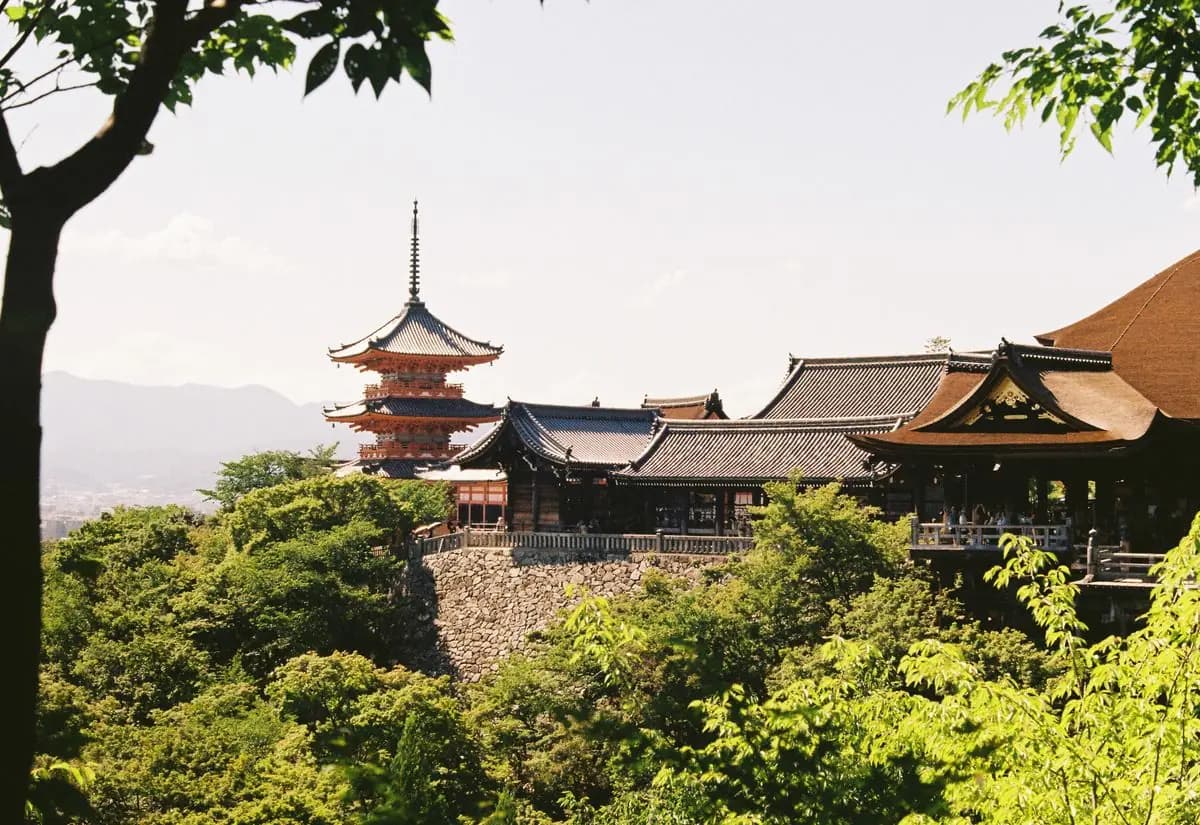
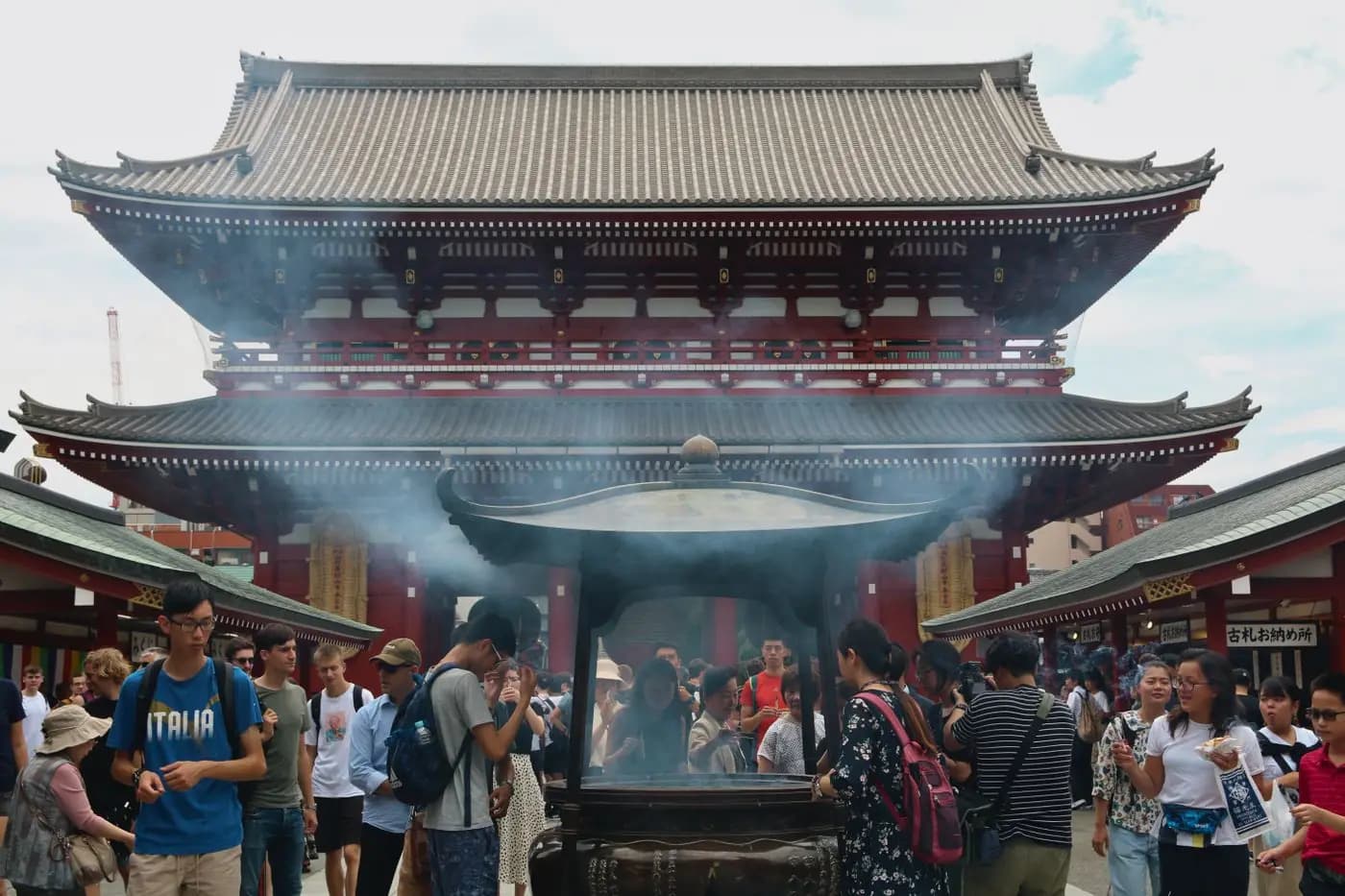
At a temple, the entrance is a roofed gate, the sanmon, often guarded by two Niō, muscular giants with furious faces. In the courtyard, a large incense burner smokes in front of the main hall; you may see a three- or five-storey pagoda, a big bronze bell in its own pavilion, Jizō statues wearing red bibs, and a cemetery at the back. Inside are statues of the Buddha.
Two nuances so you are not caught out: some temples have a small torii in front of a guardian shrine within their grounds, and Nikkō or Miyajima keep pagodas near their shrines, a legacy of the era when everything was mixed.
How to pray at a Shinto shrine: temizu, bell and two claps
1. The torii. Bow slightly before walking through. On the approach path (sandō), keep to the sides: the centre is said to be reserved for the kami.
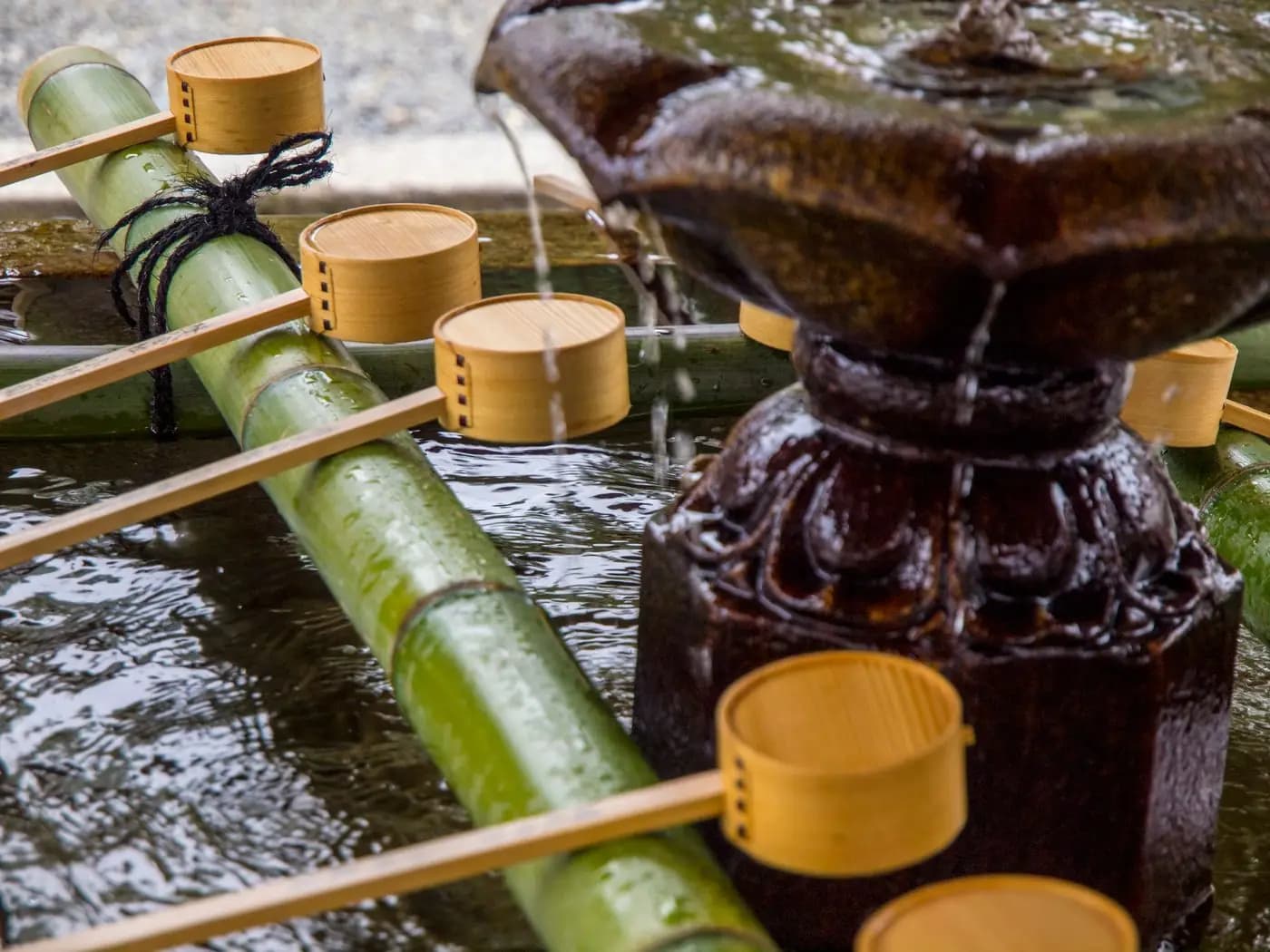
2. Purification at the temizuya. This covered basin with bamboo or metal ladles stands near the entrance. The order is:
- take the ladle in your right hand, fill it, pour a little water over your left hand;
- switch hands and rinse your right hand;
- take the ladle in your right hand again, pour a little water into your left palm and rinse your mouth from it, never touching the ladle to your lips, then spit discreetly beside the basin;
- rinse your left hand once more, then tilt the ladle upright so the remaining water runs down the handle.
All of this is done with a single ladleful. Since 2020 many shrines have replaced the ladles with a running stream of water, sometimes decorated with flowers (hanachōzu): you then simply wash your hands under it.
3. In front of the prayer hall. Bow slightly, slip a coin into the offering box without throwing it hard (the ¥5 coin, “go-en”, is popular because the word evokes a good connection or fate), then shake the rope to ring the bell if there is one.
4. The “ni-rei ni-hakushu ichi-rei” ritual. Two deep bows, two claps, a moment of prayer with hands joined, then one final bow. A few shrines follow a different ritual, such as Izumo-taisha with four claps; a sign usually says so.
That's it. Step back before turning around, and make room for the next person.
How to pray at a Buddhist temple: incense, joined hands and silence
Temples follow a more inward logic. Bow at the gate (sanmon) on the way in and out, and avoid stepping on the wooden threshold of gates and halls: step over it.
In the courtyard, the large incense burner (jōkōro) is often the first stop. Buy a small bundle of incense sticks (a few hundred yen at most, often from an honesty stand), light them at the flame provided, put out the flame by waving your hand, never by blowing, then plant them in the ash. Many Japanese people then waft the smoke towards themselves, over the head or a part of the body that aches: it is believed to bring healing. At Senso-ji in Tokyo, the scene repeats all day long.
In front of the main hall:
- drop a coin quietly into the offering box;
- join your hands in front of your chest (gasshō) and bow slightly;
- no clapping: this is the most common mistake of visitors who have just come out of a shrine;
- a few seconds of silence, then a bow.
Some temples have a gong or small bell hanging in front of the hall. The large bronze bell is generally not open to the public, except on New Year's Eve (joya no kane) at temples that let visitors take part in the 108 strikes.
Inside the halls, take your shoes off, speak quietly, do not photograph statues unless a sign allows it, and do not sit with your legs stretched towards the altar. If a service is under way, stay back or come back later.
Goshuin, omikuji, ema and omamori: what you take home from a temple or shrine
A goshuin is a red-ink seal with black-ink calligraphy (name of the site, date, deity), written by hand by a monk, priest or office staff member (shuin-sho or juyo-sho). It records a prayer visit; it is not a tourist stamp. A few rules:
- collect it in a goshuinchō, a concertina book sold on site, usually for ¥1,000 to ¥2,000;
- the offering is most often ¥300 to ¥500, increasingly ¥500, sometimes more for special seals;
- pray first, then ask for the goshuin;
- at busy times many sites hand out a pre-written sheet (kakioki) that you stick in yourself;
- some temples refuse to write in a book that contains shrine seals, hence the habit of keeping two books.
Omikuji are paper fortunes drawn at random, ¥100 to ¥300 depending on the site, ranging from daikichi (great blessing) to daikyō (great curse). Keep a good fortune in your wallet; tie a bad one to the string or frame provided and leave it behind. Several major sites offer an English version.
Ema are wooden plaques on which you write a wish before hanging them up, often ¥500 to ¥1,000. Omamori are fabric amulets (exam success, road safety, health, business) that you must not open and ideally return after a year to be burned ritually.
For a group, these make excellent souvenirs, but allow time: at a big shrine's counter, the goshuin queue easily exceeds 30 minutes at weekends.
Temple and shrine etiquette: photos, dress, opening hours and fees
Temples and shrines are active places of worship, not museums. The rules worth repeating:
- photos: usually allowed in courtyards and gardens, forbidden inside halls and in front of many statues; no photos during a ceremony (Shinto wedding, funeral, service) unless invited;
- tripods, selfie sticks and drones: often banned, and drones almost everywhere without written permission;
- dress: no strict code, but neat clothing is appreciated; a few sites ask you to cover your shoulders inside halls;
- behaviour: do not sit on the steps of halls, do not touch statues, do not climb on anything, keep your voice down;
- food: do not eat while walking in the grounds, nor during visits to the halls.
As for opening hours, shrines are often accessible very early and some never close, such as Fushimi Inari in Kyoto. Paying temples usually open between 8 and 9am and close between 4:30 and 5pm, with seasonal night openings in spring and autumn.
As for fees, most shrines are free; temples often charge admission, typically ¥300 to ¥1,000 per adult (¥500 at Kiyomizu-dera or Kinkaku-ji). Bring cash: several major temples still do not take cards.
To see both traditions in one visit, a few telling places: Senso-ji and Asakusa Shrine in Tokyo; Kiyomizu-dera then Yasaka-jinja in Kyoto via the lanes of Higashiyama; Tōdai-ji and Kasuga-taisha in Nara, 20 minutes' walk apart.
Visiting temples and shrines with a group: timing, guides and private experiences
With a group, the challenge is not only to behave well: it is to enjoy the visit in good conditions without disturbing worshippers.
Timing. The big sites in Kyoto and Tokyo fill up from 9:30am. Arriving at opening time changes everything, and for shrines that never close, leaving the hotel at 7am often gives you the path almost to yourselves. Avoid cherry blossom and autumn leaf weekends, New Year (hatsumōde) and 15 November (Shichi-Go-San) at shrines.
Guiding. One guide per 15 to 20 people, with whisper-set audio receivers, makes it possible to explain without raising your voice. The guide demonstrates temizu and the bows before entering, then lets everyone do it themselves. Coaches often park far from the entrances: allow 10 to 15 minutes' walk at Kiyomizu-dera.
Group photos. Some temples regulate group photos (location, duration, no blocking of paths). It is best to scout the spot beforehand and take the photo in two minutes.
Private experiences, to be booked several weeks ahead:
- a private prayer (gokitō) at a shrine, for instance for business prosperity, in the inner hall with a priest in full dress;
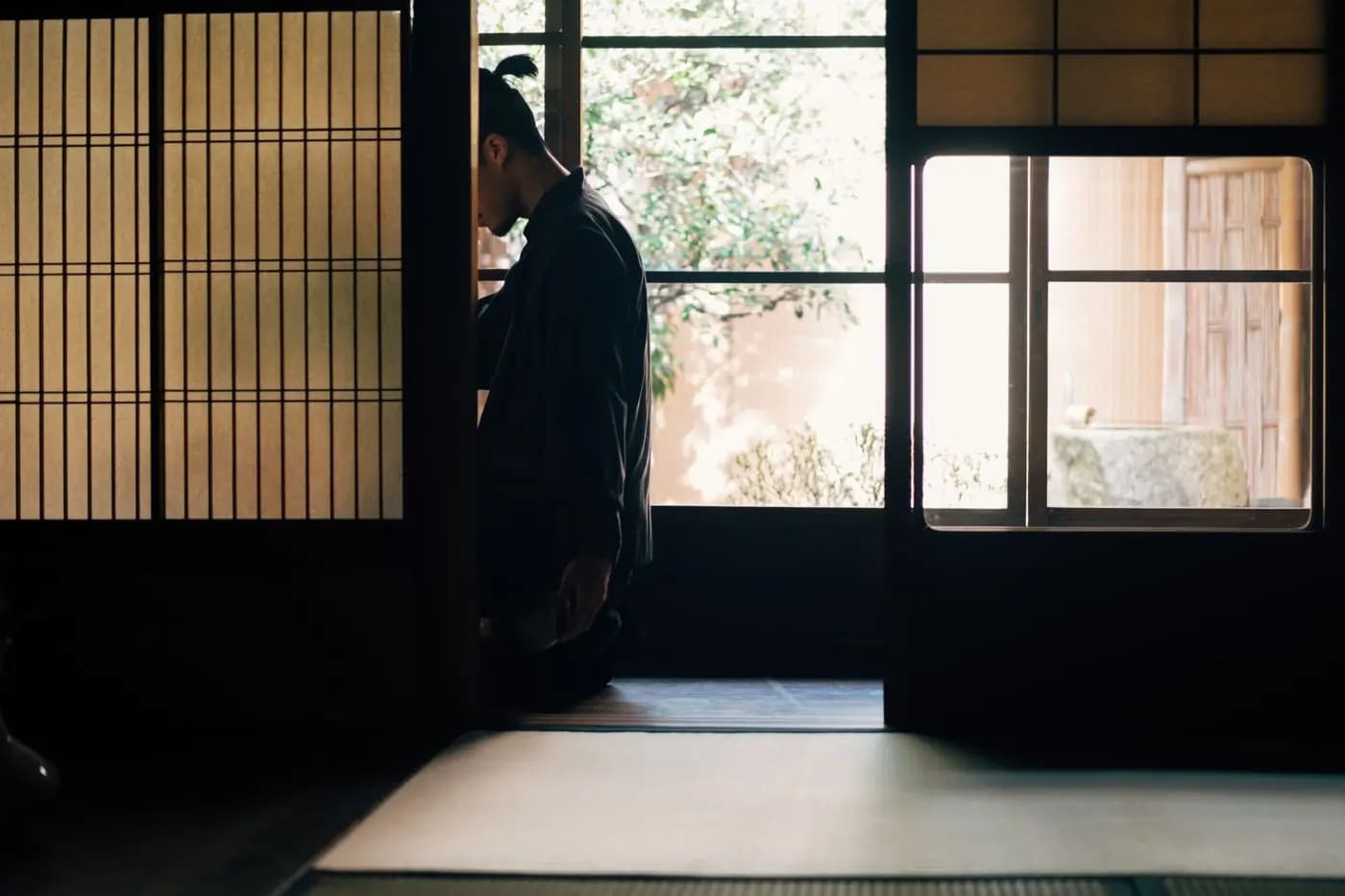
- a zazen or sutra-copying (shakyō) session with a monk at a Kyoto sub-temple;
- a Buddhist vegetarian lunch (shōjin ryōri) in a temple;
- an after-hours visit to gardens normally closed to the public.
These formats work best in sub-groups of 10 to 30. SHINOGI DMC arranges these accesses with partner temples and shrines and briefs participants on etiquette before the visit.
Frequently asked questions
What is the difference between a temple and a shrine in Japan?
A shrine (jinja) is a Shinto place of worship dedicated to the kami, recognisable by its torii. A temple (-ji, -dera) is Buddhist, entered through a roofed gate, and houses statues of the Buddha.
Should you clap at a Japanese temple?
No. Clapping is only for Shinto shrines (two bows, two claps, one bow). At a Buddhist temple, you join your hands in silence.
How much does a goshuin cost in Japan?
Usually ¥300 to ¥500, with a clear trend towards ¥500. The book (goshuinchō) generally costs ¥1,000 to ¥2,000. Special or seasonal seals can cost more.
How do you purify yourself at the temizuya?
With one ladleful: rinse your left hand, then your right, pour water into your left palm to rinse your mouth without touching the ladle, rinse your left hand again, then tilt the ladle upright to rinse the handle.
Can you take photos in Japanese temples?
In courtyards and gardens, generally yes. Inside halls and in front of many statues it is often forbidden, and signs say so. Drones and tripods are frequently banned.
What do you do with a bad omikuji fortune?
Fold it and tie it to the string or frame provided in the grounds, leaving the bad luck behind. A good fortune is usually kept with you.
Rédaction SHINOGI DMC · Updated
Sources
- Agence pour les affaires culturelles — Annuaire statistique des religions (宗教年鑑)
- Jinja Honcho (Association des sanctuaires shinto) — site officiel
- JNTO — Understanding and Mastering Japanese Manners and Etiquette
- Kiyomizu-dera — FAQ (groupes, photos)
- Fushimi Inari Taisha — Access (site officiel)
- Yasaka-jinja — site officiel
- Kanpai — Visites au Japon (inspiration)