Unique experiences in Japan: how to choose
The most memorable experiences in Japan are not necessarily the most spectacular: they are the ones that open a place or a practice usually closed to visitors. Watching a sumo stable train at 7am, sleeping in a temple on Koyasan, dining with a maiko in Kyoto or forging a knife in Sakai stays with you longer than a tenth temple. Most must be booked ahead, several are seasonal, and many change character with group size.
Before choosing, ask three questions:
- Which season? Cormorant fishing in summer, snow monkeys in winter, dragon boats in spring: the calendar quickly rules out half the list.
- How many people? A kintsugi workshop rarely takes more than 15–20 people at once; a taiko session or an urban rally works for 100.
- What energy? Contemplation (zazen, tea, gardens), craftsmanship (workshops), collective energy (taiko, dragon boat) or food.
Here are 30 experiences sorted by theme, with what you need to know to book them. They complement classic sightseeing rather than replace it: a balanced trip includes one a day, rarely more.
Spirituality and ritual: 5 quiet experiences
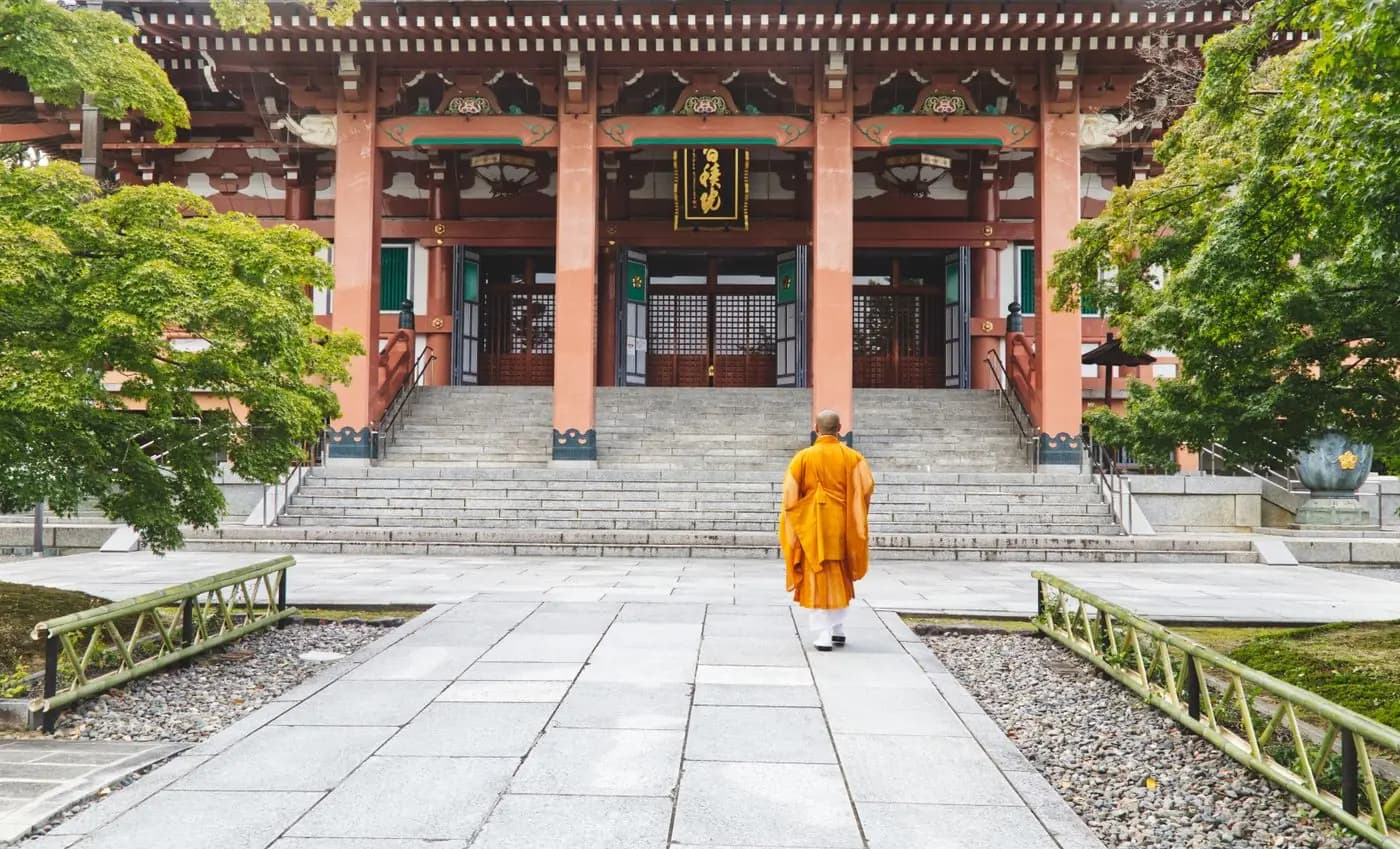
1. Zazen meditation in a Kyoto Zen temple. Several Kyoto sub-temples offer a 45-minute to one-hour session, seated facing a wall or garden, guided by a monk. Wear loose clothing and clean socks.
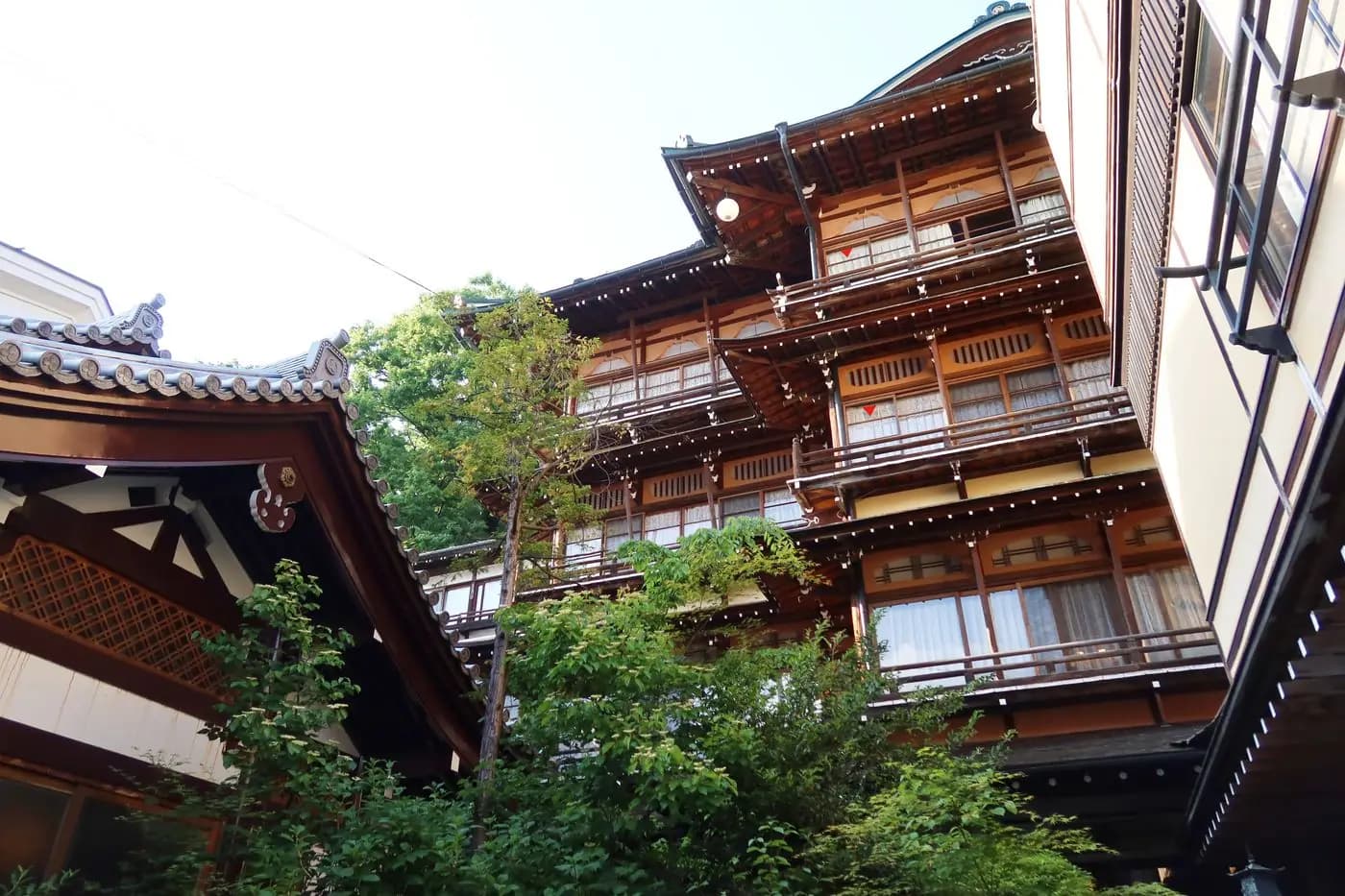
2. A night in a Koyasan temple. Around fifty temples on the sacred mountain welcome travellers as shukubo: tatami room, vegetarian dinner and morning service around 6am. Allow half a day to get there from Osaka; our Koyasan article covers bookings.
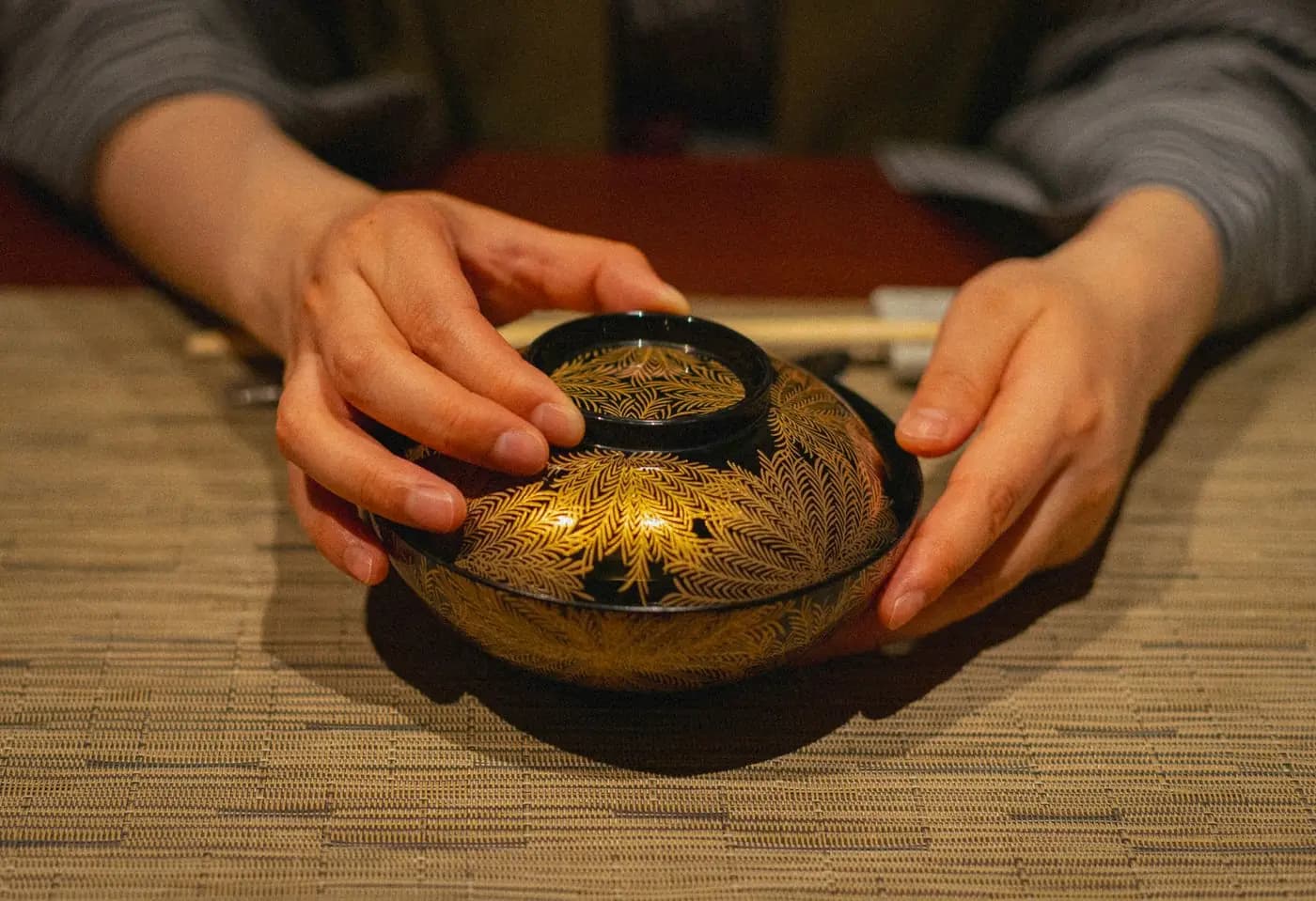
3. Temple cuisine (shojin ryori). A Buddhist meal without meat or fish, served as many small dishes. In Kyoto several temples serve it by reservation, often at lunch.
4. Walking the Kumano Kodo. The pilgrimage routes of the Kii Peninsula can be sampled on a short day section (the 7.5 km from Hosshinmon-oji to Kumano Hongu Taisha, for example) or walked over several stages, with nights in minshuku. Accommodation must be booked in spring and autumn.
5. Sutra copying (shakyo) and calligraphy. Copying a Buddhist text with a brush takes about an hour of silent concentration; several temples in Kyoto and Nara offer it. A more creative version is a calligraphy workshop with a master, adaptable for groups.
Performing arts and traditions: 5 experiences to understand Japan
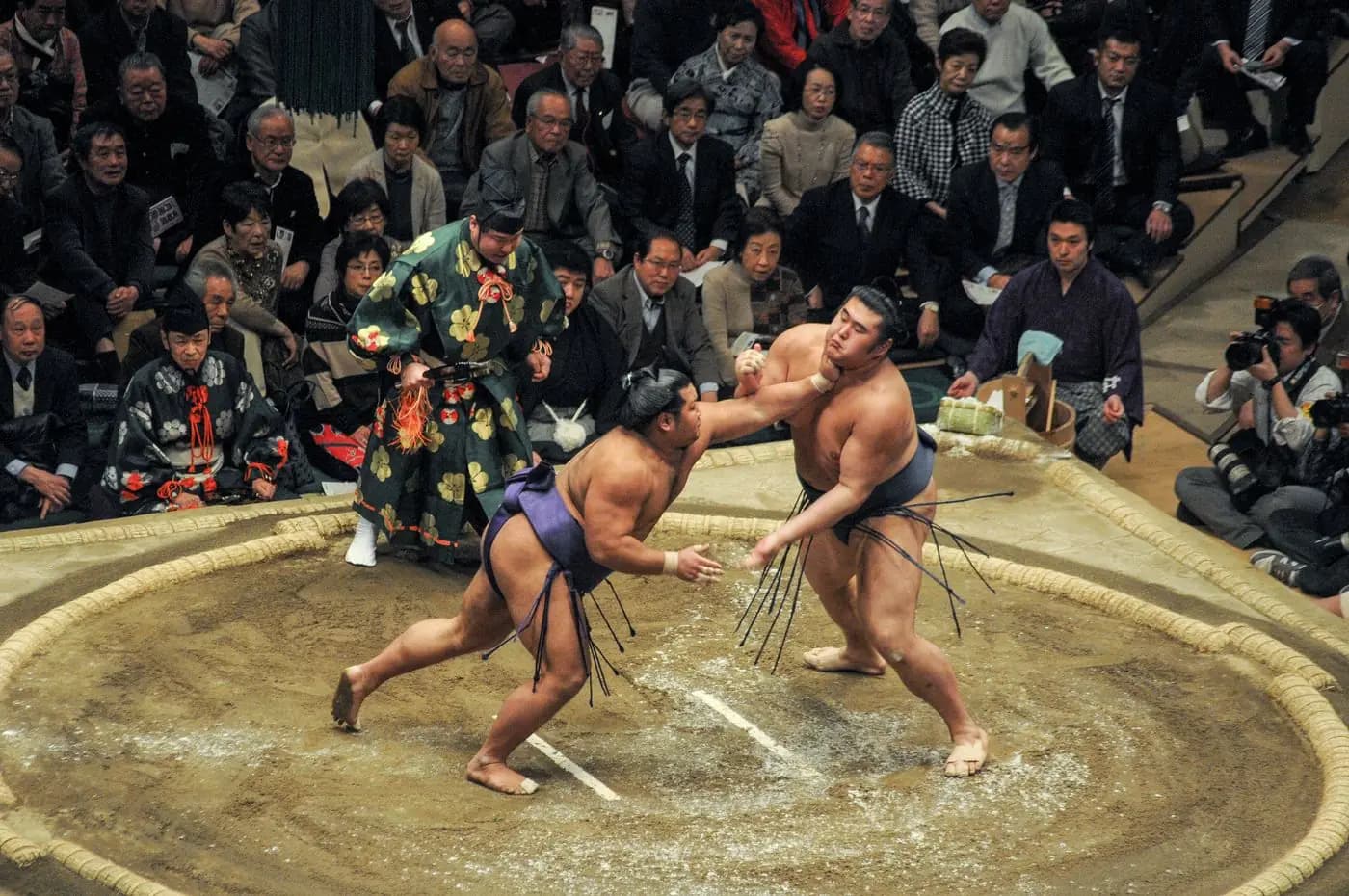
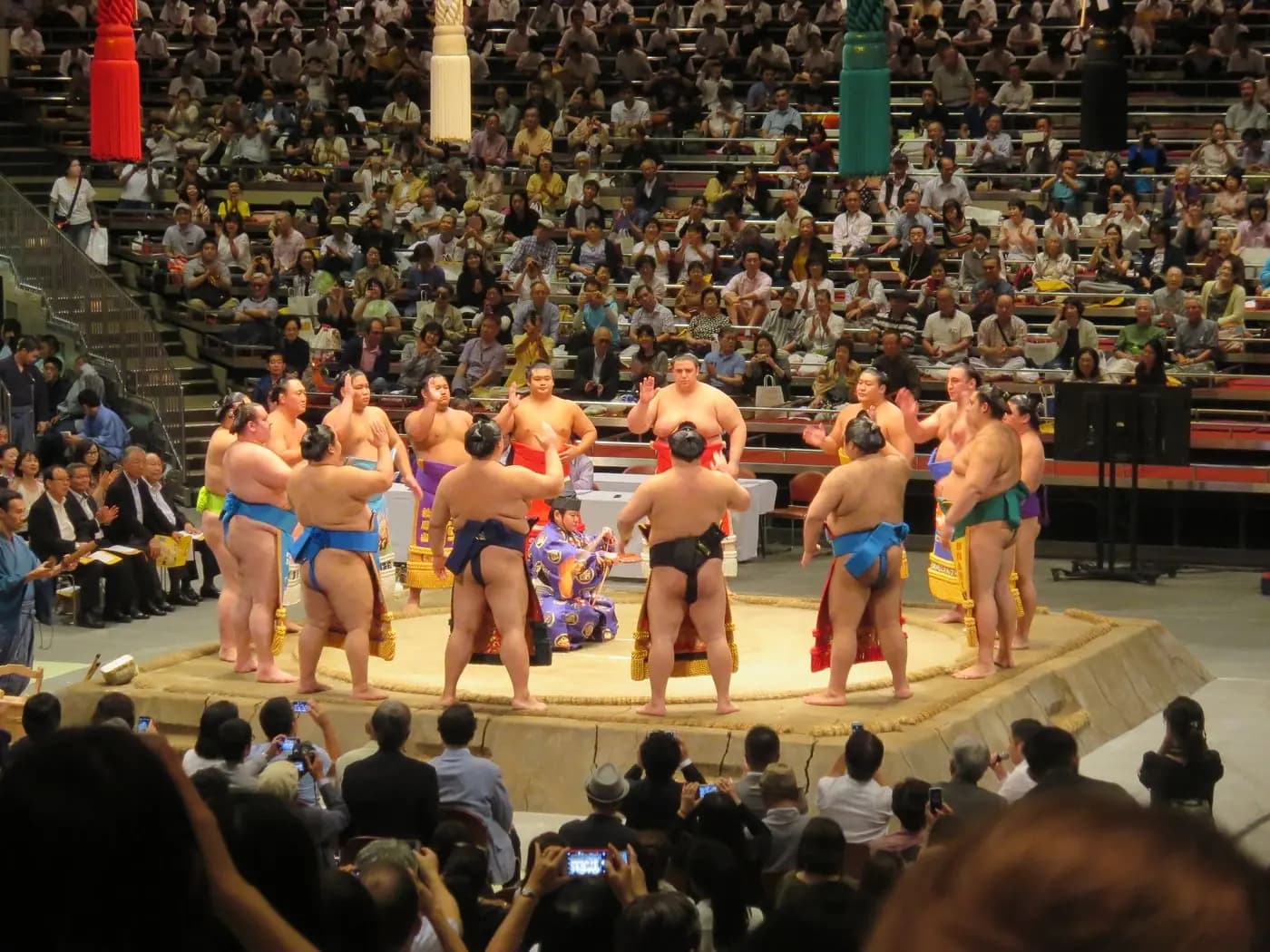
6. Morning practice at a sumo stable. In Tokyo, some stables (heya) in Ryogoku accept visitors at morning practice, silent and seated at the edge of the ring, often from 7 to 10am. Not during tournaments: these are held in January, May and September in Tokyo, March in Osaka, July in Nagoya and November in Fukuoka.
7. One act of kabuki at the Kabuki-za. No need to stay four hours: top-floor seats are sold act by act (makumi-seki), some online the day before, some at the box office on the day. Prices depend on the act and month. The English subtitle guide, rented on site, helps a lot.
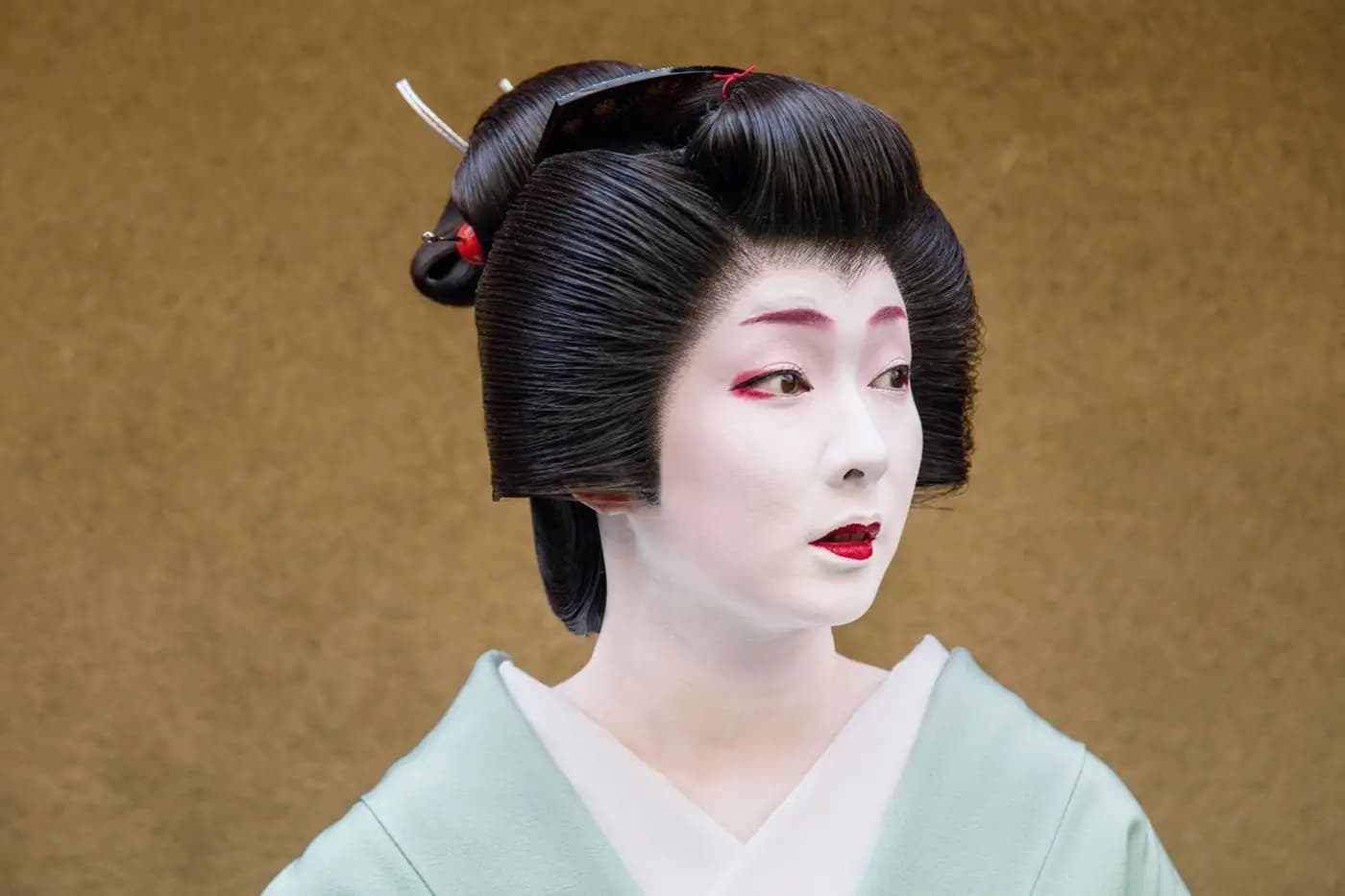
8. A dinner with maiko and geiko in Kyoto. In a teahouse or traditional restaurant in Gion, with dance, conversation and banquet games. This cannot be improvised: you need a recognised intermediary, several weeks ahead. Our article on Kyoto's geisha explains the rules.
9. Playing taiko. An introduction to Japanese drums lasts 1 to 1.5 hours and ends with a short group performance. It is one of the few traditional activities suited to 50 or 100 people.
10. Handling a sword with a master. An introduction to kenjutsu or iaido: posture, bowing, cutting the air. Very popular; book in small groups so that everyone actually handles the sword.
Crafts and workshops: 5 hands-on experiences
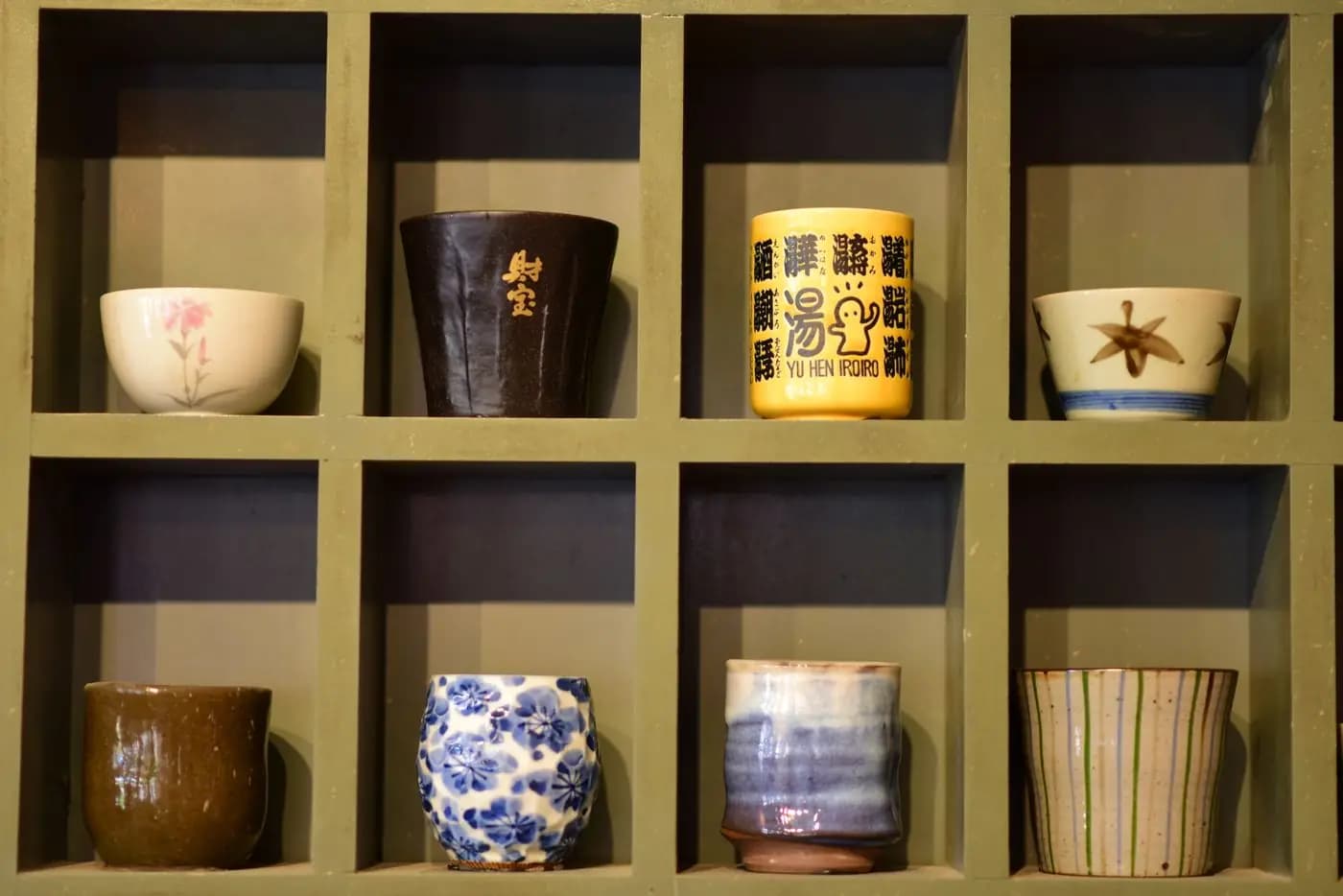
11. Kintsugi. Repairing broken ceramics with lacquer and gold powder. Introductory workshops often use a simplified lacquer for a result in 2–3 hours; with real urushi lacquer, drying takes weeks and the artisan ships the piece afterwards.
12. Forging or sharpening a knife in Sakai or Kyoto. Sakai, south of Osaka, has made kitchen knives for centuries. Depending on the workshop, you watch the forging, sharpen your own blade or engrave your name. Our article on Sakai and Seki knives covers the visits.
13. Dyeing in Kyoto. Indigo dyeing, yuzen stencilling or shibori (tie resist): in 1.5 hours, everyone leaves with a hand-dyed scarf or tenugui.
14. Wagashi. The seasonal sweets that accompany tea are shaped by hand from bean paste. A workshop with an artisan lasts about 1.5 hours and ends with a tasting with matcha.
15. Visiting a sake brewery in Fushimi. Kyoto's southern district has around twenty breweries built around renowned spring water. Tour, explanation of fermentation and guided tasting; brewing season runs from autumn to spring.
Food: 5 experiences at the Japanese table
16. The Toyosu tuna auction. Tokyo's wholesale market opens an observation deck close to the auction, from 5:45 to 6:25am, accessible only by online lottery (up to 5 people per application). Without winning, the glass-walled gallery on the second floor is open from 5am to 5pm, except Sundays and closing days.
17. A kaiseki dinner in a Kyoto ryotei. Around ten seasonal courses, served in private tatami rooms. The most renowned houses often require an introduction and a booking several weeks ahead.
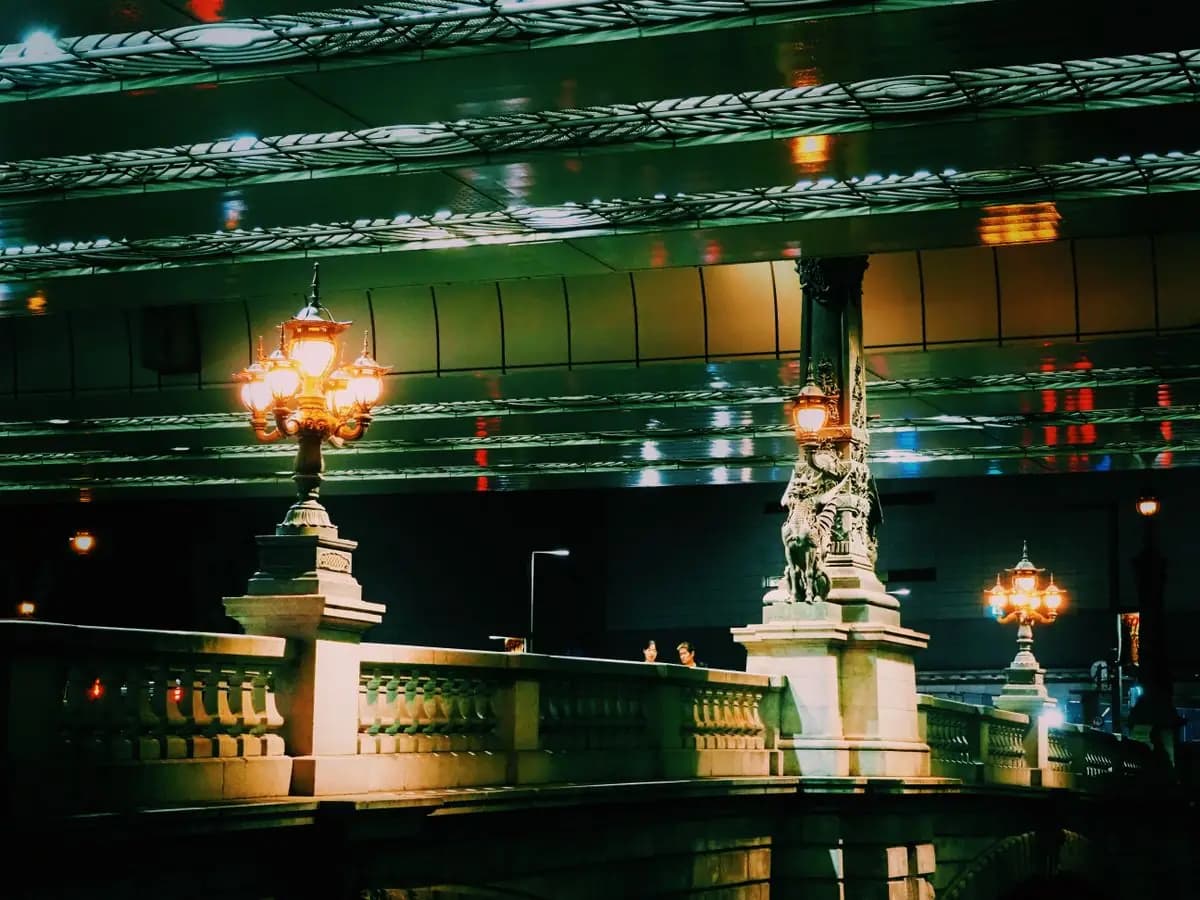
18. A yakatabune cruise in Tokyo. A covered traditional boat, tempura dinner served on board and views of the bay and illuminated bridges for about two hours. Boats can be privatised for 20 to over 100 people.
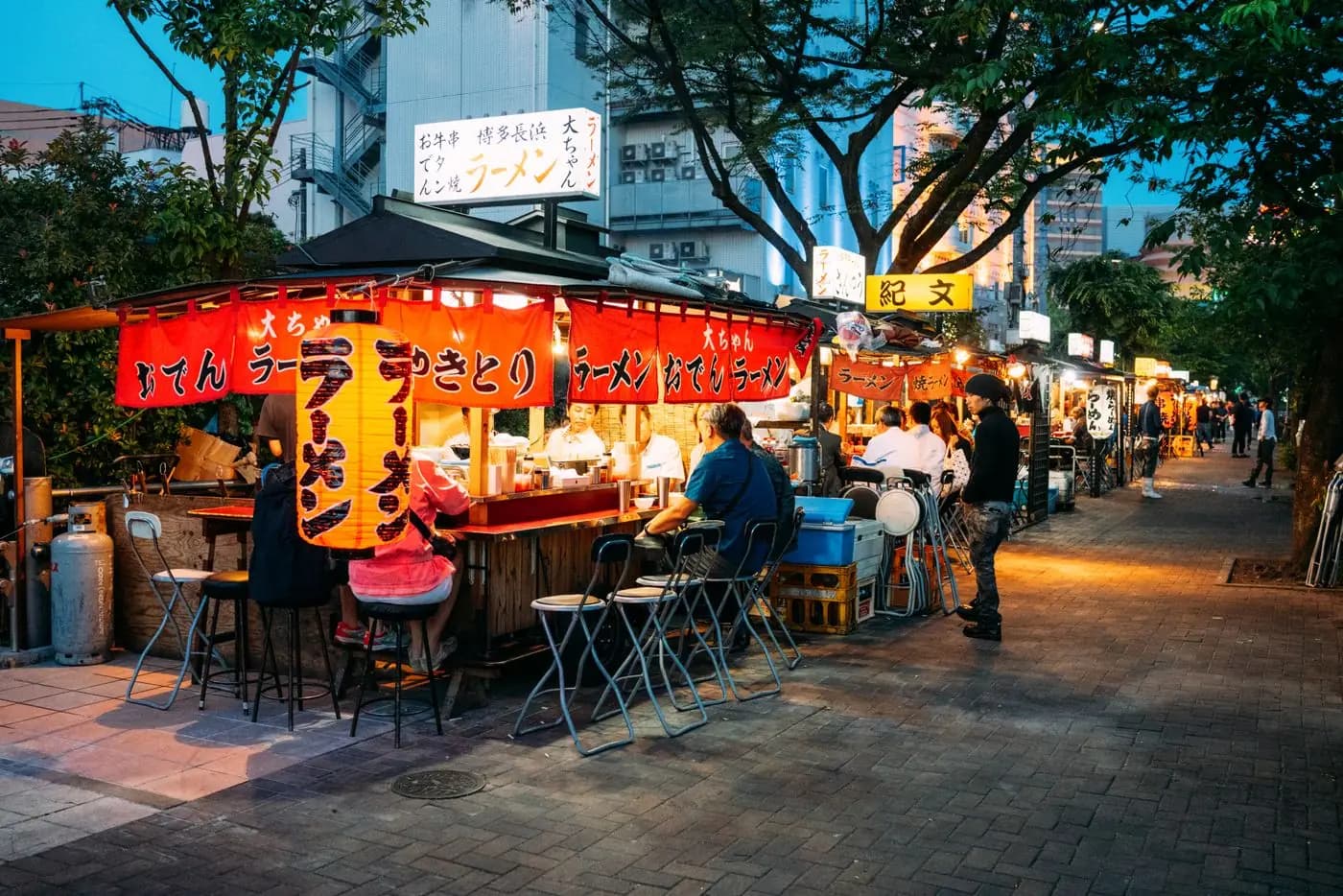
19. Fukuoka's yatai. The city has around a hundred street stalls that set up in the evening, notably in Nakasu and Tenjin. Each seats about ten: as a group, rotate in teams of 6 to 8 from one yatai to the next.
20. Making sushi with a chef. Nigiri, makizushi or oshizushi (Osaka's pressed sushi) classes: 1.5 to 2 hours, preparation then tasting. The most popular format pairs a morning market visit with the workshop.
Nature and seasons: 5 outdoor experiences
21. Cormorant fishing on the Nagara River (Gifu). At night, by firelight, master fishermen guide their cormorants from boats. The 2026 season runs from 11 May to 15 October; you watch from a viewing boat (shared or chartered), bringing your own bento and drinks, since nothing is served on board. Fishing starts around 7.45 pm. Gifu is 20 minutes from Nagoya by train.
22. The Jigokudani snow monkeys (Nagano). Macaques bathe in a hot spring in winter. Entry is ¥800 per adult, ¥1,000 from 1 December 2026, after a forest walk of about 35 minutes. The scene is most striking from December to February, when it snows.
23. Climbing Mount Fuji for the sunrise. The climbing season runs from early July to early September. The trails now require online registration and a ¥4,000 fee, and access is closed from 2 pm to 3 am without a mountain hut booking: climbers go up in the afternoon, sleep a few hours in a hut and set off again at night for sunrise. A real effort: 5 to 7 hours up.
24. Ishigaki's starry skies. Iriomote-Ishigaki National Park was the first site in Japan certified as a Dark Sky Park by the International Dark-Sky Association, in 2018. A guided stargazing session away from lights shows the Southern Cross in spring.
25. Snowshoeing in Hakuba. For the non-skiers in a group, a guided snowshoe hike through the snowy forests of the Japanese Alps lasts 2 to 3 hours. Our Niseko vs Hakuba comparison covers the season.
Off the beaten path in Japan: 5 offbeat experiences
26. The art islands of the Inland Sea. Naoshima and Teshima bring together Ando museums and works by Monet, Turrell and Kusama in an island landscape. Timed-entry museums, mostly closed on Mondays: our Naoshima guide covers access and bookings.
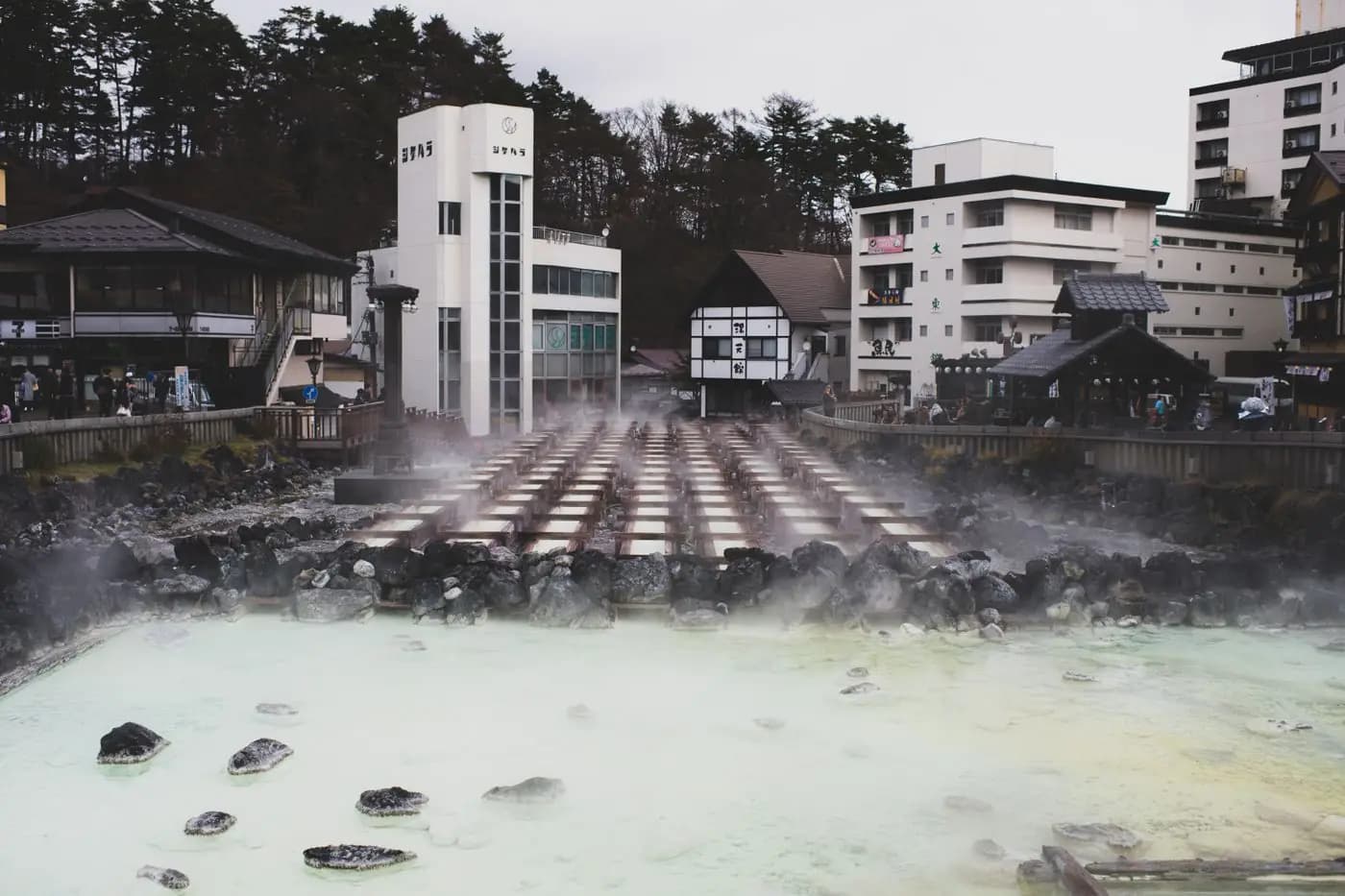
27. A night in a ryokan with onsen. A hot-spring bath, a kaiseki dinner served in your room or a private room, futons on tatami: the experience that best sums up Japanese hospitality, in Hakone, Kinosaki or Beppu. A few rules apply in the baths, covered in our onsen and ryokan guides.
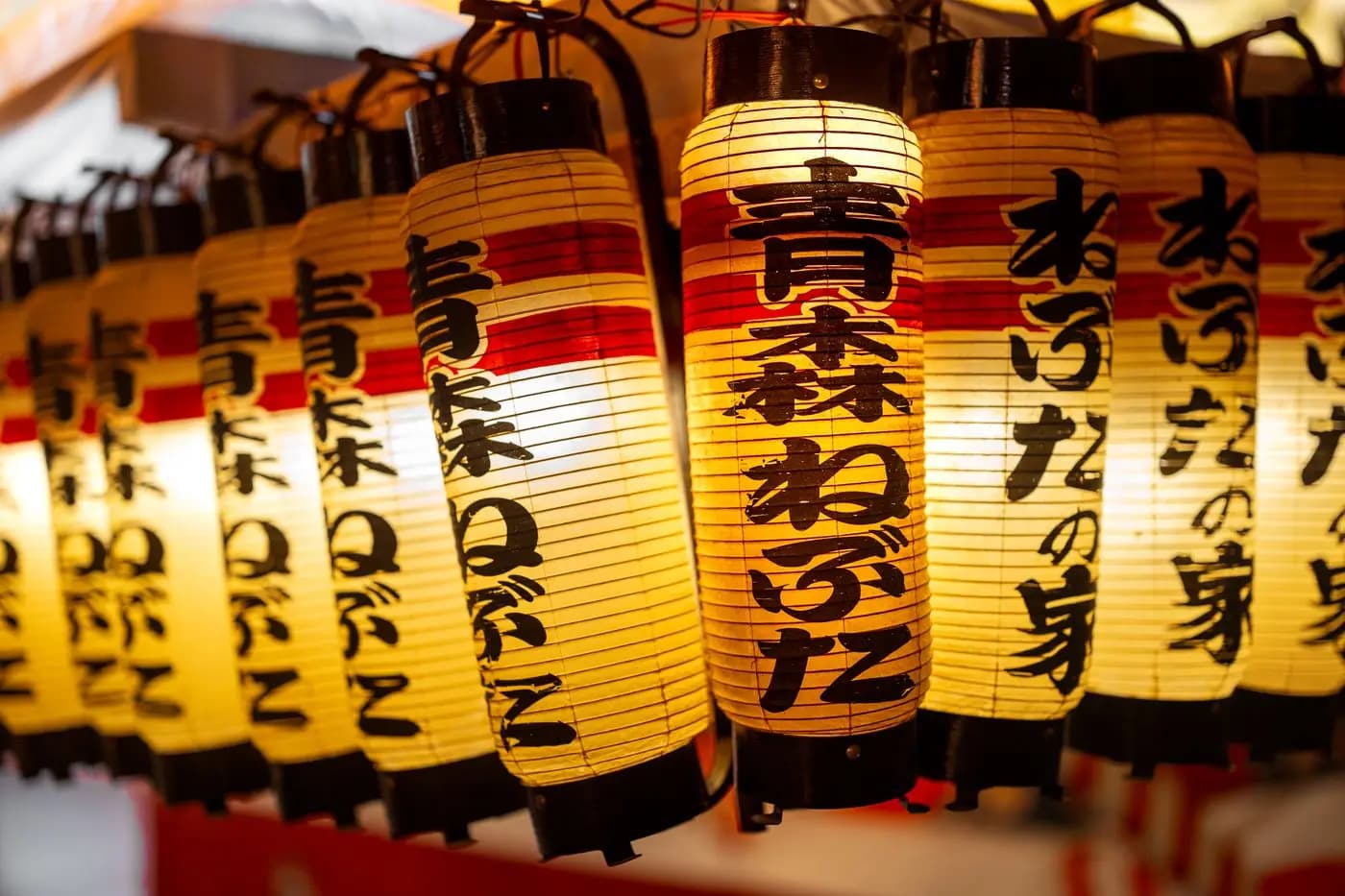
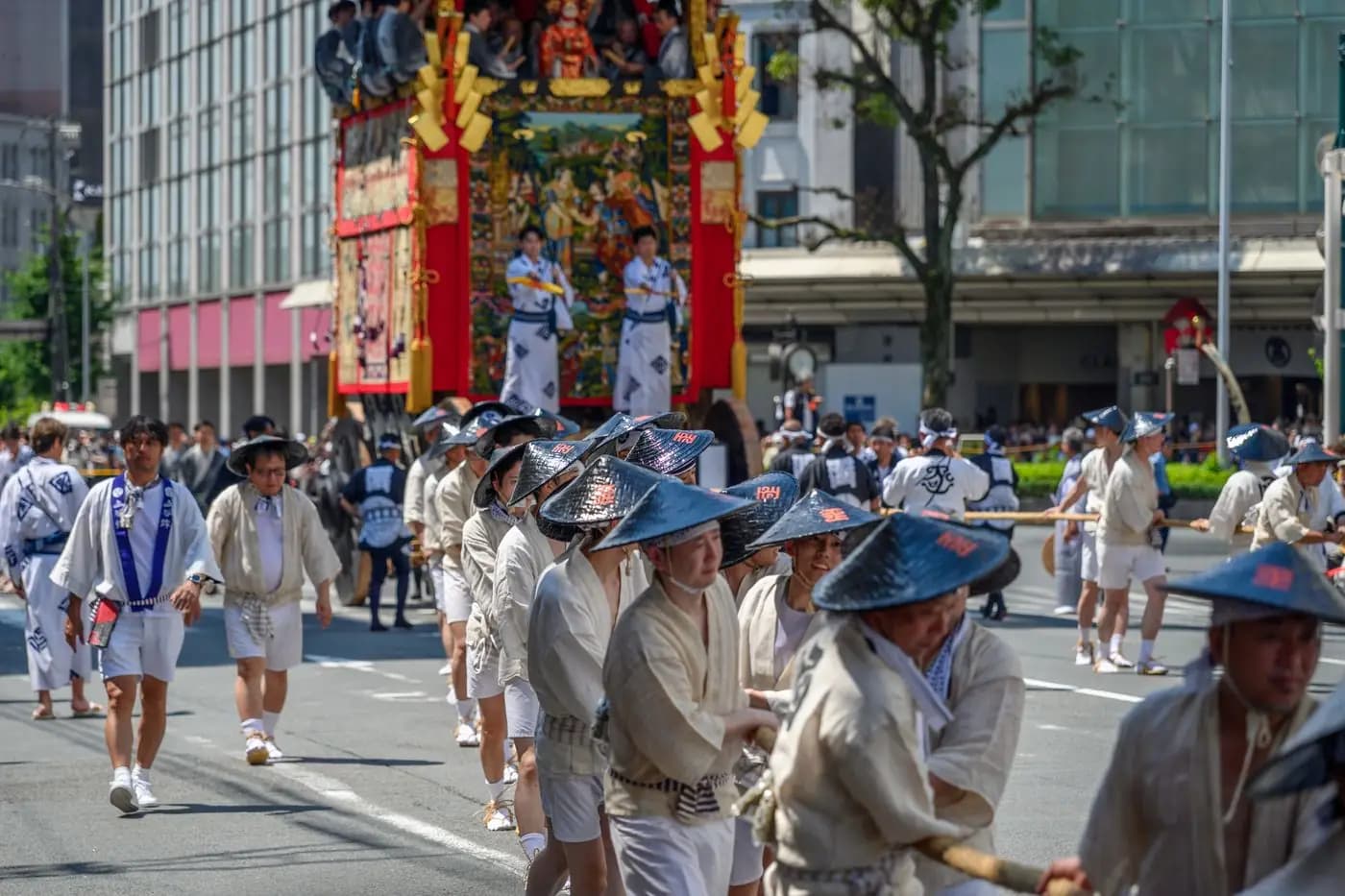
28. A summer festival. Aomori's Nebuta (2–7 August), Kyoto's Gion Matsuri (all of July), Tokushima's Awa Odori in mid-August: a chance to see popular, festive Japan. Accommodation sells out months ahead.
29. An urban rally or treasure hunt. In Tokyo (Shibuya, Ginza) or Kyoto, teams solve puzzles while discovering the city, using a smartphone as a road map. A half-day that works for 20 as well as 200 people.
30. Dragon boat racing in Okinawa. Dragon boat racing (hari or haari) is a tradition of Okinawa's fishermen; Naha's big race is held in early May. Outside the festival, local clubs run races between teams of 10 to 30 paddlers, the most festive format for a group.
Unique things to do in Japan as a group: booking, size and timing
An experience that works for an independent traveller does not always translate to 30 or 60 people. A few practical rules:
- Book early. Maiko dinners, renowned artisans' workshops and sumo stables are booked weeks or even months ahead. For April and November, allow six months.
- Split the group. A tatami room often holds 15 to 20 people, and an artisan cannot supervise more than 10 to 15 participants at once. Beyond that, organise rotations: while one sub-group does the workshop, the other visits a nearby garden.
- Privatise when possible. A yakatabune, a brewery, an izakaya or a taiko session can be privatised; a temple or a market cannot.
- Plan interpretation. Masters and artisans rarely speak English: an interpreter or guide present during the workshop makes all the difference.
- Respect the venues. Shoes off, silence during zazen or sumo practice, no photos where forbidden. A 5-minute briefing before entering avoids blunders.
- One experience a day. More than that and fatigue wins, and each loses its impact.
For companies, many of these experiences double as team building: our Japan team building ideas sort them by objective. SHINOGI DMC selects and books this type of experience for groups from 10 to several hundred people, with interpreters and rotations organised.
Frequently asked questions
What are some unique experiences to have in Japan?
Among the most memorable: morning practice at a sumo stable, a night in a Koyasan temple, dinner with a maiko in Kyoto, the Toyosu tuna auction, cormorant fishing in Gifu, a kintsugi workshop and a night in a ryokan with onsen.
What can you do in Japan as a group?
Activities that work best for groups are taiko, urban rallies, privatised yakatabune cruises, dragon boats in Okinawa, sushi classes and privatised izakaya dinners. Craft workshops run in sub-groups of 10 to 20 people.
Can you watch sumo practice in Tokyo?
Yes, some Ryogoku stables accept visitors in the morning, usually from 7 to 10am, by booking and in silence. There is no open practice during tournaments.
How can you see the Toyosu tuna auction?
The auction observation deck (5:45–6:25am) is allocated by online lottery, up to 5 people per application. The second-floor gallery is freely accessible from 5am to 5pm, except Sundays and closing days.
When can you see cormorant fishing in Japan?
On the Nagara River in Gifu, the 2026 season runs from 11 May to 15 October, in the evening, from viewing boats that must be booked.
What are some unusual things to do in Japan off the beaten track?
The art islands of Naoshima and Teshima, Ishigaki's starry skies (a Dark Sky Park since 2018), the Jigokudani snow monkeys in winter, Fukuoka's yatai and a temple stay on Koyasan.
Rédaction SHINOGI DMC · Updated
Sources
- Marché central de Tokyo — Observation des enchères de thon de Toyosu (tirage au sort, août 2026)
- Ville de Gifu — Pêche aux cormorans sur la Nagara : saison du 11 mai au 15 octobre, tarifs (長良川鵜飼)
- Jigokudani Yaen-koen — site officiel (horaires, tarif modifié au 1er décembre 2026)
- Site officiel de l'ascension du mont Fuji — À savoir avant de grimper (droit de 4 000 ¥, inscription, accès fermé 14 h-3 h)
- Ville de Fukuoka — Questions fréquentes sur les yatai (environ 100 échoppes)
- Ministère de l'Environnement — Parc national d'Iriomote-Ishigaki, premier «星空保護区 » (Dark Sky Park) du Japon (dossier de presse)
- Japan Sumo Association — Calendrier des tournois
- Kabuki-za / Shochiku — site officiel du théâtre (programme, places à l'acte)
- Koyasan Shukubo Association — Réservation de shukubo
- Aomori Nebuta Matsuri — site officiel