What gift to give a Japanese person? The short answer
For a Japanese business partner, the best gift is a quality product from your own region, nicely wrapped and easy to share: individually wrapped sweets, chocolates from a local maker, wine or spirits for a senior executive, an object from a local manufacturer. Budget ¥3,000 to ¥10,000 (about $20 to $65) per counterpart, more for a company president, and hand it over with both hands, preferably at the end of the meeting rather than at the first greeting.
In Japan a gift is not an exceptional gesture; it is a normal part of a relationship. People bring one on a first visit, as thanks for hospitality, after a trip (omiyage) and twice a year to keep ties alive (ochugen in summer, oseibo at year end). Value matters less than intention and presentation: a well-chosen box of regional biscuits will make more of an impression than a pen engraved with the company logo.
Three principles guide everything else:
- Proportionate: a gift that is too expensive makes the recipient uncomfortable, because it creates an obligation to reciprocate.
- Shareable: many business gifts end up in the team's break room. A box of individually wrapped sweets is ideal.
- With a story: one sentence on where the product comes from, the region or the maker gives the gift its meaning. Prepare it.
Our guide to etiquette in Japan covers the basics; this article focuses on gifts, especially in a business setting.
Business gifts in Japan: how much to spend?
There is no official scale. The ranges below are indicative, based on common practice; what moves them is the recipient's rank, the stakes of the relationship and whether you are giving to one person or a whole team.
- Team or department (gift to share): ¥2,000 to ¥5,000. A box of 12 to 20 individually wrapped biscuits or chocolates, so everyone can take one.
- Direct counterpart, first visit: ¥3,000 to ¥5,000. A carefully chosen regional product.
- Long-standing partner, thanks after a project: ¥5,000 to ¥10,000.
- President, board member, host of a factory visit: ¥10,000 to ¥30,000. A fine wine, a champagne, an object from a well-known maker in your region.
Above that, things get delicate. In Japan, receiving creates an obligation to give back (okaeshi), often of equal or half the value depending on the occasion. A very expensive gift therefore imposes a cost on the recipient and can seem out of place.
Two situations call for particular care:
- Civil servants. Japan's National Public Service Ethics Code prohibits officials from accepting gifts and hospitality from businesses they deal with in an official capacity (permits, contracts, inspections), whatever the amount. For a delegation hosted by a ministry, prefecture or public agency, keep to a symbolic memento and ask first whether it is acceptable.
- Companies with strict compliance policies. A growing number of Japanese groups, listed companies in particular, limit or ban gifts received. The simplest approach is to ask your contact, or whoever arranges the visit on the Japanese side.
What to bring from abroad (and what Japanese customs will refuse)
The gifts that work best come from your region and are hard to find in Japan. Proven ideas:
- Regional sweets wrapped one by one: biscuits, caramels, nougat, shortbread, fruit jellies. This is the quintessential Japanese gift format.
- Chocolate from a local maker, in a sober box. Avoid summer: the July and August heat in Japan is hard on suitcases.
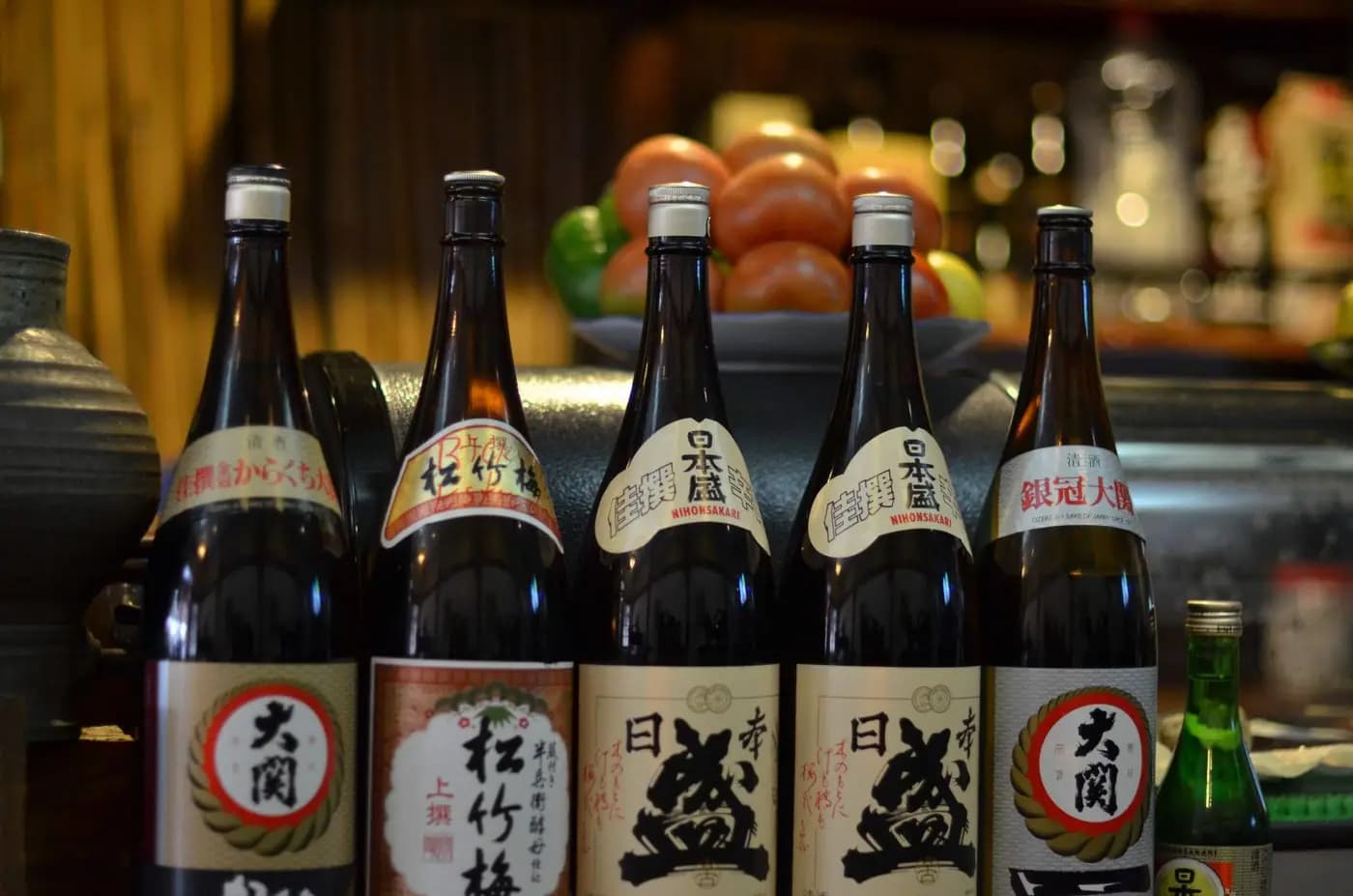
- Wine, champagne or spirits for an executive who enjoys them. Ask discreetly whether they drink: many Japanese people drink little or not at all.
- An object from a maker in your region: ceramics, glassware, table cutlery, linens, fine stationery.
- A coffee-table book on your city or region, ideally with an English edition.
- Your company's products, if they are desirable in their own right. Logo goodies (lanyards, USB sticks) do not make a gift.
As for Japanese customs, each adult traveller can bring in duty-free 3 bottles of alcohol of about 760 ml, 2 ounces of perfume (about 56 ml) and other goods up to a total value of ¥200,000; items under ¥10,000 each are not counted towards that total. A delegation of ten can therefore bring thirty bottles, provided they are spread across the luggage.
One rule often catches travellers out: cured meats are banned. Japan's Animal Quarantine Service refuses almost all meat products (salami, ham, pâté, dried meat), even vacuum-packed, even bought duty-free, even meant as gifts, because they require a health certificate from the exporting country's government, which is practically impossible for an individual to obtain. These products must be declared, and bringing them in without permission is punishable by up to three years in prison or a ¥3 million fine. Fresh fruit and plant products are also subject to plant quarantine. Stick to dry goods, sweets and bottles.
Gifts to avoid in Japan: numbers, objects and colours
Few Japanese people will take offence at a foreigner's misstep. But some associations are rooted enough to avoid, especially with older or very traditional counterparts.
- The numbers 4 and 9. Four is pronounced "shi", like death; nine is "ku", like suffering. No sets of four glasses or boxes of nine chocolates.
- Combs (kushi), which combine precisely the sounds "ku" and "shi".
- Wrapping dominated by white and black, and white chrysanthemums: these are funeral codes. Choose coloured paper or a department store's neutral tones.
- Knives and scissors, which "cut" the relationship according to a common belief. The rule is flexible in business, and Japanese knives are a very popular gift in the other direction, for Europeans; but for a Japanese partner, choose something else.
- Handkerchiefs, associated with farewells in some regions (the word "tegire" suggests a break-up).
- Shoes, socks or rugs for a superior: you "step on" them.
- Potted plants for someone in hospital: roots suggest a stay that takes root.
- Strong perfumes, rarely worn in Japanese offices.
- Anything too personal or too expensive: jewellery, luxury watches, cash outside codified customs (weddings, funerals).
Clocks, often cited as taboo, are mainly a Chinese taboo; in Japan they are not a problem. If a partner is of Chinese or Taiwanese origin, it is best to avoid them.
How to give a gift in Japan: wrapping, noshi and the right gestures
Presentation is part of the gift. Japanese department stores wrap for free, with remarkable precision: buying locally is often the simplest option.
- Wrapping. Good paper, not too many ribbons. In Japan people also use furoshiki, a knotted square of cloth that can itself be part of the gift. For a gift brought from abroad, the shop's own sober paper is perfectly fine.
- Noshi. This is the printed sheet placed on the box, with a decorative cord (mizuhiki) and a written inscription: 御礼 (o-rei, thanks), 御挨拶 (go-aisatsu, greetings) or the giver's name. It is not expected from a foreign visitor; if you buy in Japan, the shop assistant will ask the occasion and choose the right design. For occasions that can recur (thanks, a visit), use a red and white bow knot that can be untied; the tied knot is reserved for weddings.
- The bag. Take the gift out of the shop bag to hand it over, then offer the bag for carrying if the person has to leave with it.
- The gesture. With both hands, the gift turned towards the person, with a slight bow. A simple sentence is enough: "This is a small souvenir from our region; I hope you enjoy it." The traditional phrase "tsumaranai mono desu ga" ("it's nothing much") now sounds a little old-fashioned.
- Timing. Preferably at the end of a meeting or dinner, once business has been done. In a meeting with several people, the gift goes to the most senior person on the Japanese side, from the most senior person in your delegation.
- Opening. Many Japanese people do not open a gift in front of you. It is not a lack of interest; there is no need to insist.
If you receive a gift, the same logic applies: take it with both hands, thank the giver, and you can ask "May I open it?". A note or email of thanks in the following days is much appreciated.
Omiyage, ochugen, oseibo: Japan's gift calendar
Three traditions shape gift-giving in Japan. A foreign visitor is not bound by any of them, but knowing them avoids misunderstandings.
- Omiyage is the souvenir brought back from a trip for colleagues, family or hosts. It is mostly sweet specialities from the region visited, in boxes of 8 to 30 individually wrapped pieces, sold at every shinkansen station and airport. A Japanese employee back from a business trip often leaves a box on the office's shared table.
- Ochugen (summer gift) is delivered from early July to around 15 July in eastern Japan (Tokyo), later in the west (mid-July to mid-August in Kansai), according to the guidance published by department stores.
- Oseibo (year-end gift) is delivered from early December to around 20 December, avoiding the very last days of the year.
Ochugen and oseibo are often exchanged between companies: beer, (Japanese) ham, seasonal fruit, oil, coffee. Department stores open dedicated counters for the occasion and deliver nationwide. A foreign company with a long-standing relationship with a Japanese supplier or client can adopt the oseibo custom, delivered from a Japanese department store: it is appreciated, and far simpler than an international shipment.
A good habit on a business trip: bring a few spare gifts. Someone unexpected often joins the meeting, and leaving them empty-handed is awkward. Our shopping in Japan article has addresses to top up on the spot.
Gifts in volume: seminars, roadshows and welcome gifts
For a company, the gift question often arises at scale: partners met on a roadshow, conference speakers, hosts of factory visits, and sometimes a welcome gift for 50 or 200 incentive participants.
A few practical pointers:
- For Japanese partners met on a roadshow, draw up a named list with each counterpart's rank and two or three gift tiers. Add 10 to 20% spare gifts.
- For the hosts of a factory or institutional visit, one gift in the delegation's name, handed by the head of delegation to the person receiving you, is enough. Check the host company's or administration's policy.
- For your own participants, Japanese crafts make welcome gifts with meaning: Edo kiriko cut glass, Arita porcelain, Imabari towels, washi paper, lacquered chopsticks, sake from the region visited. Several of these are featured in our crafts articles. A version engraved with the event name often takes 4 to 8 weeks.
- Logistics. Welcome gifts are delivered straight to the hotel by courier (takkyubin), to be placed in rooms or handed out at dinner. Mind the weight for participants' return journey, especially for ceramics and bottles: a 720 ml sake is better than a large 1.8-litre bottle.
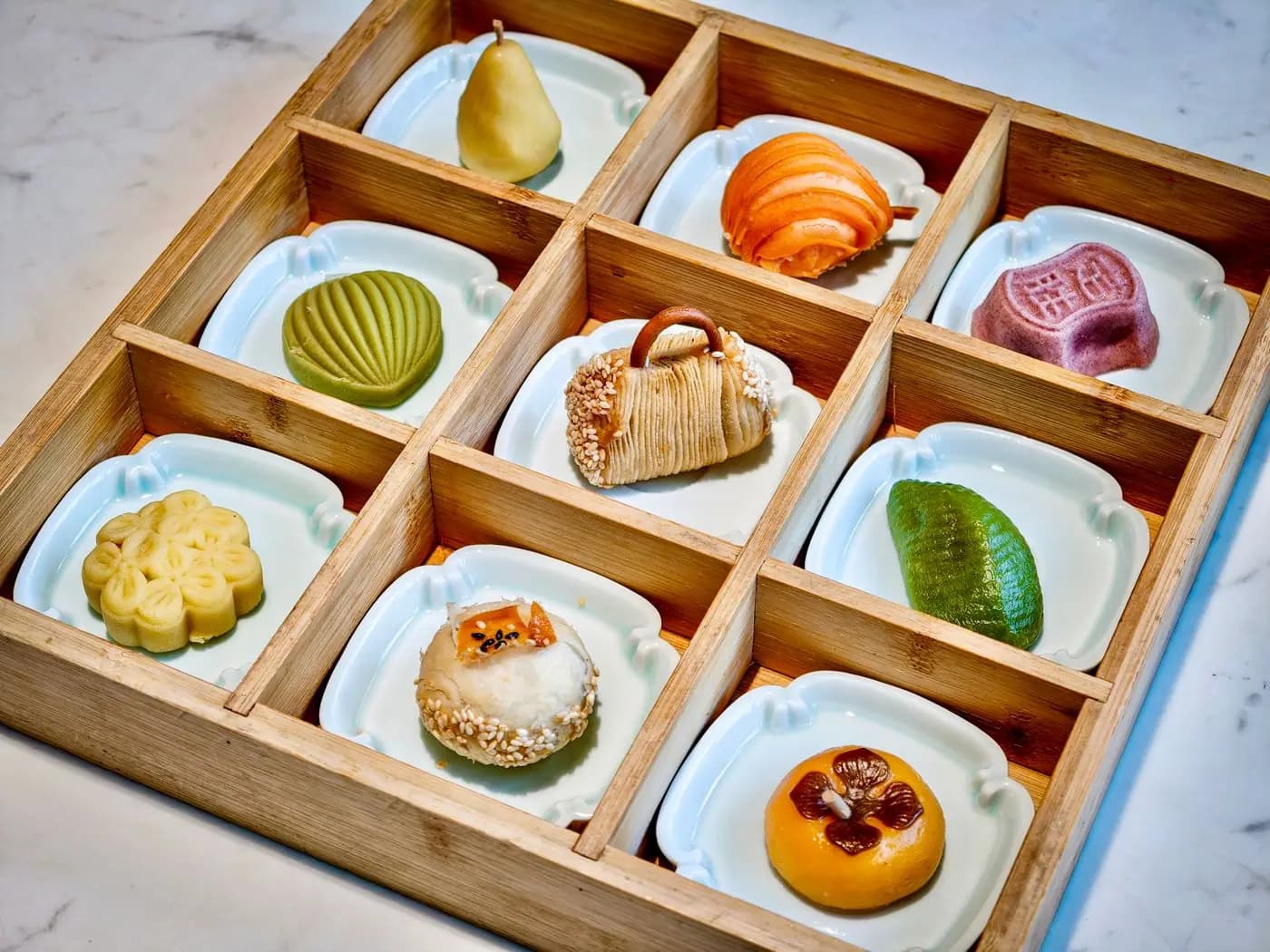
- A workshop rather than an object. A workshop where everyone makes their own piece (kintsugi, glass engraving, wagashi) is a great alternative to a bought gift, and becomes a team memory in itself.
SHINOGI DMC supports companies on these questions during seminars, roadshows and executive trips: sourcing from craftspeople and department stores, wrapping and noshi suited to the occasion, delivery to the hotel and protocol advice for the presentation.
Frequently asked questions
What gift should I give a Japanese person at a business meeting?
A quality product from your region, easy to share and nicely wrapped: individually wrapped sweets, artisan chocolates, wine for an executive. Indicative budget: ¥3,000 to ¥10,000 per counterpart.
What gifts should you avoid in Japan?
Sets of 4 or 9 items, combs, black and white wrapping, white chrysanthemums, knives and scissors, handkerchiefs, and any gift that is too expensive or too personal.
Can I bring salami or ham as a gift to Japan?
No: almost all meat products are refused by Japan's Animal Quarantine Service, even vacuum-packed or bought duty-free, and fines apply. For other fresh products, check current rules before you travel.
How many bottles of wine can you bring into Japan?
Each adult can bring in 3 bottles of about 760 ml duty-free. Beyond that, duties and taxes apply.
Should you open a gift in front of a Japanese giver?
It is not required: many Japanese people open gifts later. You can ask "May I open it?" and send a thank-you note afterwards.
Can you give a gift to a Japanese civil servant?
With caution. The National Public Service Ethics Code forbids officials to accept gifts from businesses they deal with, whatever the amount. Keep to a symbolic memento, after asking.
Rédaction SHINOGI DMC · Updated
Sources
- Japan Customs — Duty-free allowances for arriving travellers
- Animal Quarantine Service (MAFF) — Bringing animal products into Japan
- Autorité nationale du personnel (Jinji-in) — Code d'éthique de la fonction publique, informations pour le public
- Takashimaya — Calendrier et usages de l'ochugen
- Mitsukoshi Isetan — Usages de l'ochugen (mistore)