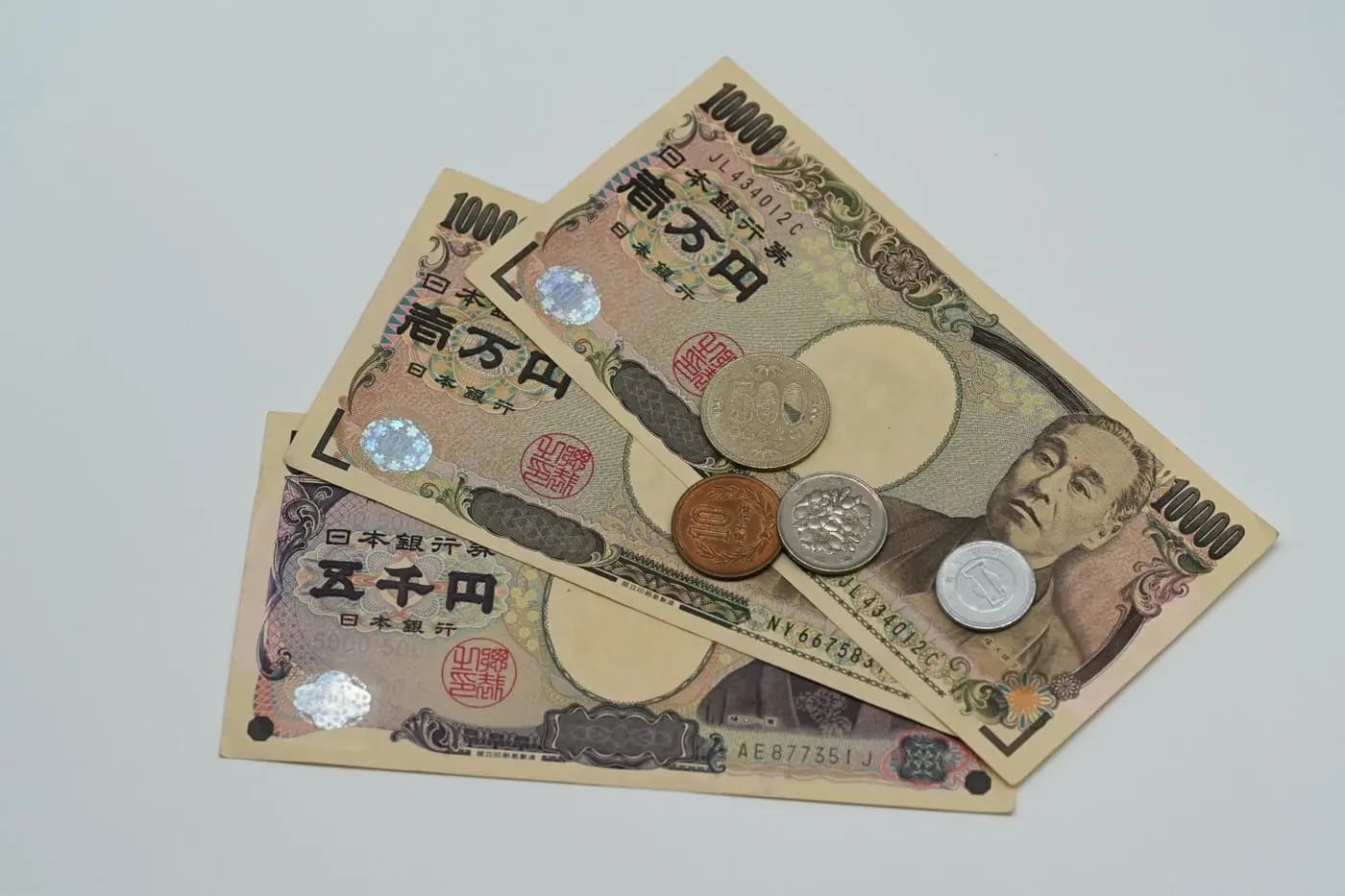
Do you still need cash in Japan in 2026?
Japan was long the cash country of the developed world. That has changed a lot: according to the Ministry of Economy (METI), cashless payments accounted for about 58% of household spending in 2025, over 80% of it by credit card. In hotels, department stores, restaurant chains, convenience stores, big-city taxis and stations, cards work everywhere, usually contactless.
But there are still areas where cash is king:
- Small ramen, udon or okonomiyaki restaurants, often with a ticket machine at the entrance that only takes notes and coins.
- Temples and shrines: entrance fees, amulets, goshuin (calligraphy stamps), offerings.
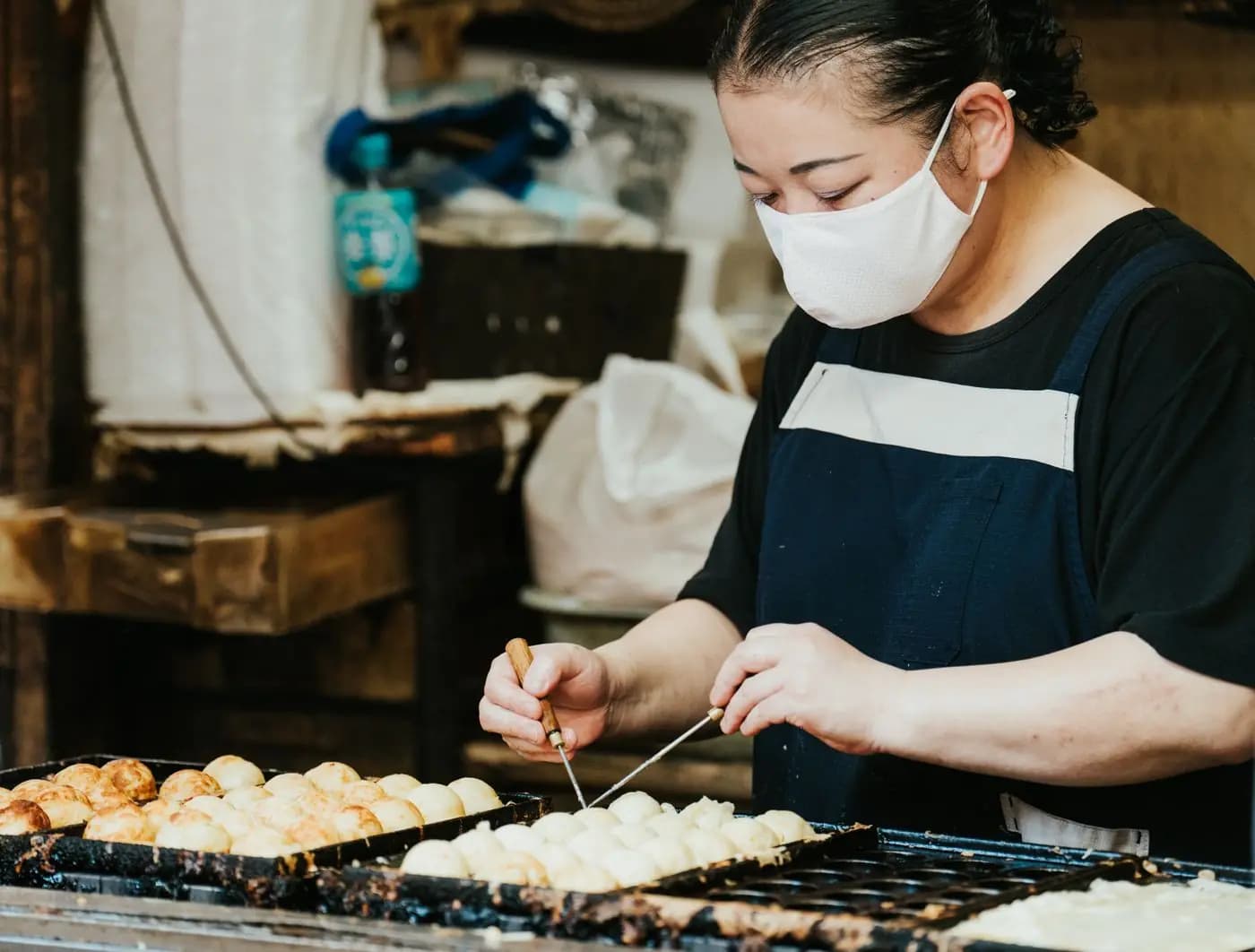
- Markets, street stalls and festivals.
- Countryside, islands and small towns: family-run inns, local buses, cafés.
- Older luggage lockers and some machines.
Our advice: arrive with ¥10,000 to ¥20,000 per person and withdraw more as you go. There is no point ordering yen at home at a poor rate: Japanese ATMs accept foreign cards and generally offer a better exchange rate.
A practical detail: many Japanese pay cash with clockwork precision, and change is returned in a small tray on the counter. Place your notes there rather than handing them over directly. And keep a small coin purse: ¥1, 5, 10, 50, 100 and 500 coins pile up quickly.
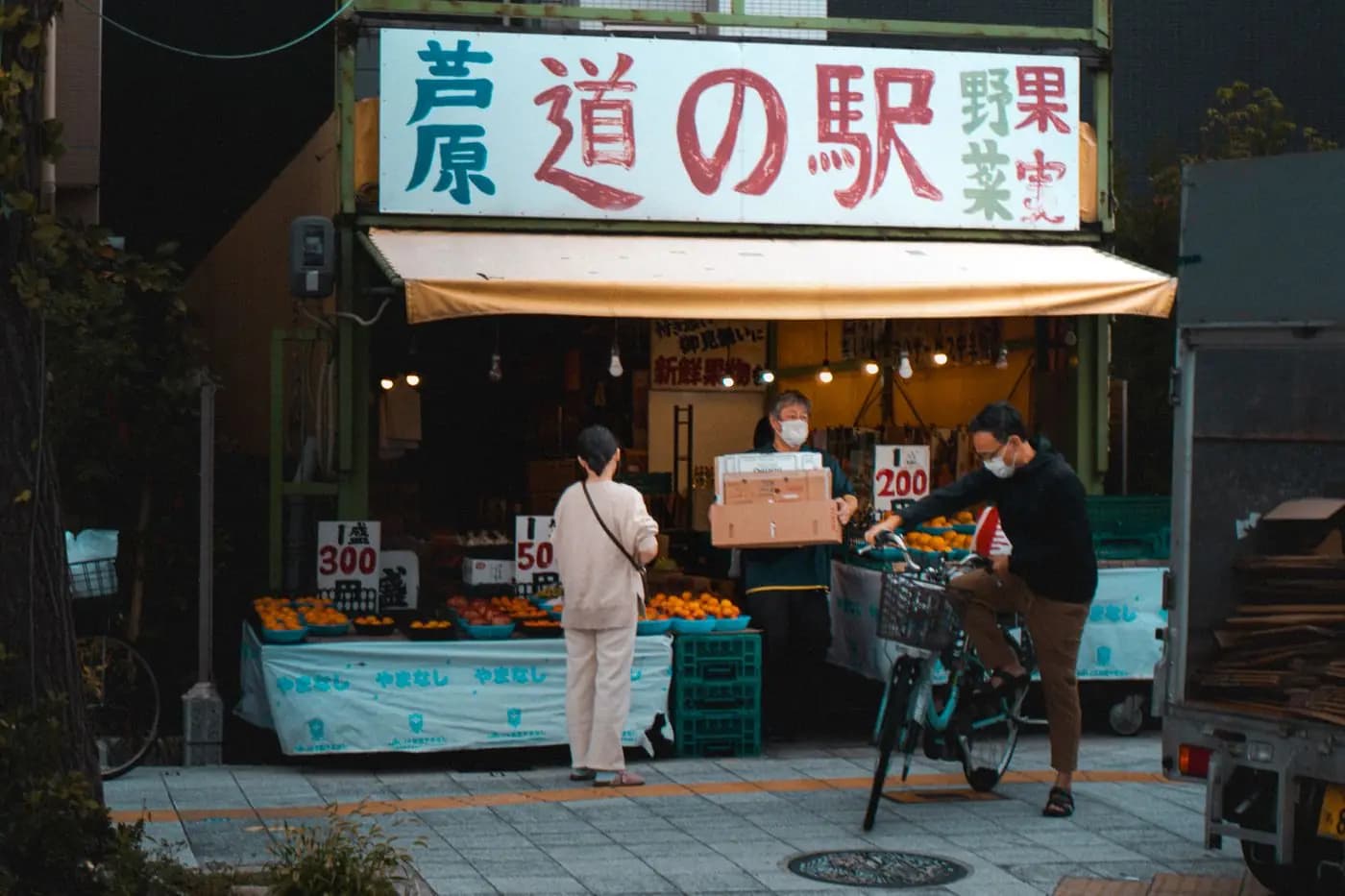
Withdrawing money in Japan: 7-Eleven and Japan Post ATMs, fees
Not all Japanese ATMs accept foreign cards. Those of the big Japanese banks in particular often refuse them. Three networks are reliable:
- Seven Bank, in 7-Eleven stores: over 27,000 machines, most open 24/7, menus in English and French. This is the go-to option.
- Japan Post Bank (Yucho), in post offices and some stations: handy in rural areas, where there is always a post office. Hours often follow the office's, with closures in the evening and on Sundays.
- Lawson Bank and E-net (FamilyMart): most also accept Visa and Mastercard.
As for fees, ATMs generally charge ¥110 to ¥220 per withdrawal depending on the amount and card network, plus your own bank's fees (fixed charge and currency percentage). A withdrawal of ¥30,000 or ¥50,000 is therefore proportionally cheaper than three withdrawals of ¥10,000. The per-transaction limit is often ¥100,000 at Seven Bank, but your own weekly limit applies first.
One trap to avoid at all costs: dynamic currency conversion. The screen sometimes offers to charge you "in euros at a guaranteed rate". Decline and choose to be charged in yen: the machine's rate is almost always worse than your bank's, often by 3 to 7%. The same goes for card terminals in shops.
For frequent travelers, a card with no foreign fees (online banks, neobanks) saves tens of euros over two weeks. Remember to notify your bank, check your limit and bring two cards on different networks, kept separately.
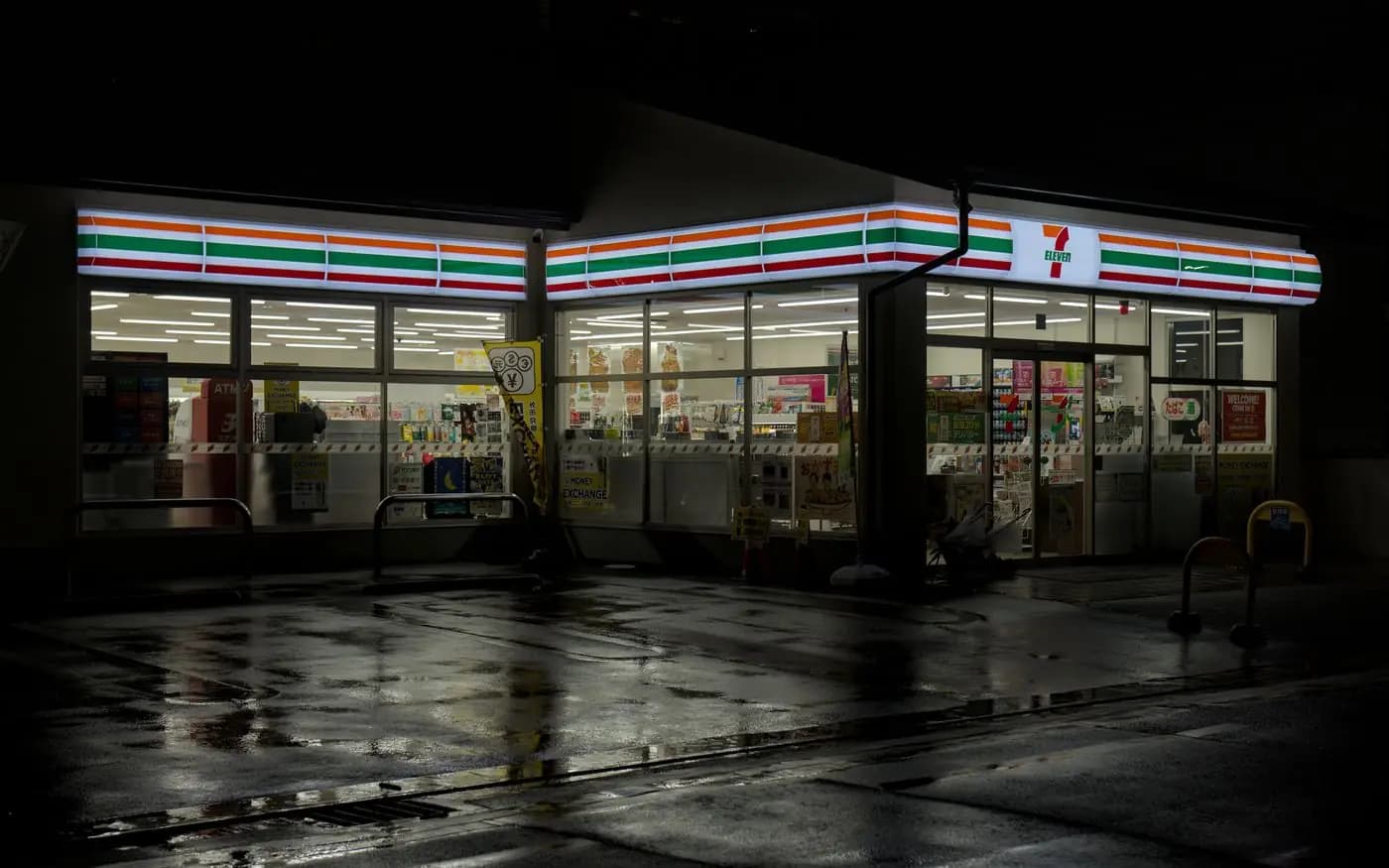
Suica, PASMO, ICOCA, Welcome Suica: which IC card to choose?
IC cards are contactless prepaid cards. You tap them on the subway gate and the fare is deducted automatically. They also work on buses, in convenience stores, drink machines, many lockers and some taxis.
Good news: Suica (JR East, Tokyo), PASMO (Tokyo subway and private lines), ICOCA (JR West, Kansai) and the other major regional cards are interoperable. A Suica bought in Tokyo works in Kyoto, Osaka, Fukuoka or Nagoya. Only a few rural lines remain outside the network.
The options in 2026:
- Welcome Suica: the physical card for tourists, sold at Narita, Haneda and major JR East stations. No deposit, but valid for 28 days with no refund of the remaining balance. Ideal for a short trip.
- Standard Suica, PASMO or ICOCA: ¥500 deposit, refunded with the balance (minus a small fee) at the issuing company's counter. Valid for 10 years after last use: useful if you come back.
- Suica on iPhone (Apple Wallet): you create the card in seconds from the Wallet app, with no deposit, and top it up with a bank card. The most convenient option for iPhone owners.
- Welcome Suica Mobile: JR East's iPhone app, valid for 180 days, which also lets you buy Green Car tickets and book some JR East trains.
On Android, mobile Suica in practice only works on phones sold in Japan: the physical card remains the answer.
Three usage rules: the maximum balance is ¥20,000; top-ups at machines are cash only (bank cards only work with the mobile version); and for the Shinkansen, the IC card alone is not enough unless linked to a smartEX or JR East booking.
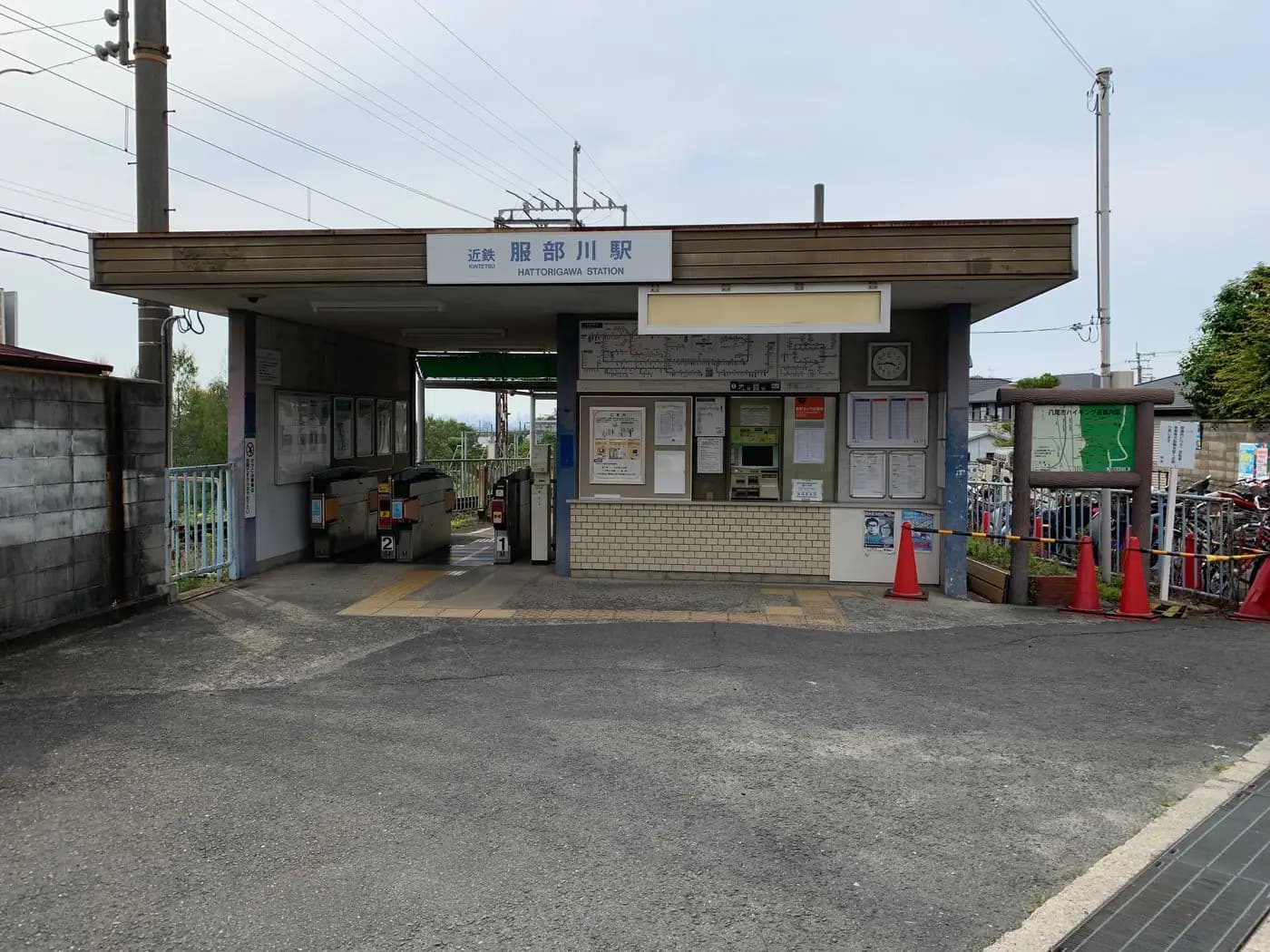
Bank cards, mobile payment and tipping in Japan
Bank cards. Visa and Mastercard are accepted almost everywhere cards are taken. JCB, the Japanese network, is accepted everywhere; American Express slightly less so. Contactless has become common, but some terminals still require inserting the card and entering a PIN. In big-city taxis, cards work without problem; in the provinces, check before getting in.
Mobile payments. Apple Pay and Google Pay work on contactless terminals compatible with Visa and Mastercard. Japanese people also use QR-code payments a lot (PayPay, Rakuten Pay, d Barai), but these services are designed for residents. European travelers do not need them.
Tipping. It is simple: you don't. Not in restaurants, taxis or hotels. Service is considered part of the price, and a note left on the table will often be brought back to you by someone running down the street. High-end hotels and some restaurants add a 10 to 15% service charge to the bill, which takes its place.
The only accepted exception: a private guide or driver who has accompanied you for several days, or the staff of a ryokan. Even then, never hand over a bare note: slip it into a small envelope (pochibukuro, sold in convenience stores and stationers) and give it discreetly with a thank-you note.
Consumption tax. It is 10% (8% for takeaway food). Displayed prices are in principle tax-inclusive, but you still see labels with both amounts, or the mention 税抜 (tax excluded) in small print.
Tax-free shopping in Japan: the new rules from November 1, 2026
Japan refunds the 10% consumption tax to foreign visitors on purchases intended to be taken out of the country. Since November 1, 2026, the process has changed completely.
Before (until October 31, 2026): you showed your passport at the till and paid the tax-free price directly in "Tax-Free" stores.
Now (since November 1, 2026): it is a refund system.
- In store, you pay the tax-inclusive price and show your passport. The store records the purchase electronically.
- On departure, before checking in for your flight, you go to a dedicated kiosk at the airport and present your purchases to customs, which checks they are leaving the country.
- The refund then comes from the store or its service provider, to your bank card, an e-wallet or sometimes in cash.
The main conditions: hold temporary visitor status, buy at least ¥5,000 before tax in the same store on the same day, and have customs validate the purchases within 90 days of buying them (previously 30 days). The distinction between "general goods" and "consumables" (cosmetics, food, alcohol) disappears, as do the sealed-packaging requirement and the ceiling for consumables. However, anything consumed in Japan is not eligible for a refund.
In practice: keep tax-free purchases in a bag that is easy to open at the airport (customs may ask to see them), arrive a little earlier for the check, and do not plan to put these purchases in a suitcase sent by courier without checking the store's conditions.
Money and payments for a group: per diems, invoices and IC cards
For a seminar or company trip, the question is no longer "cash or card" but "who pays for what, and how is it documented".
- Prepay the essentials: hotels, group meals, coaches, guides and activities are settled in advance on invoice. Japanese restaurants are not keen on splitting a bill across 40 cards; one prepaid invoice saves 30 minutes of queuing at the till.
- Per diems for free meals: ¥3,000 to ¥5,000 for lunch and ¥6,000 to ¥10,000 for a free dinner in town are realistic amounts in 2026. They can be paid in cash, in a named envelope handed out on arrival, or each person can use their own card and claim it on expenses.
- Receipts: ask for a receipt (ryoshusho) in the company's name. Invoices compliant with the Japanese system (with a T registration number) make it easier for a Japanese subsidiary to recover consumption tax.
- IC cards for everyone: handing out a pre-loaded card on arrival avoids single-ticket purchases at the machines. JR East sells a long-term Welcome Suica (180 days), available only for bulk purchase and pre-loaded with ¥1,000 to ¥10,000: the simplest option for a group.
- Currency: set the budget in yen and allow a margin for exchange-rate swings.
This prepayment, expense tracking and preparation of IC cards and envelopes is what SHINOGI DMC handles for groups, so nobody spends their seminar counting coins in front of an ATM.
Frequently asked questions
How much cash should you take to Japan?
Bring ¥10,000 to ¥20,000 per person on arrival, then withdraw as you go at 7-Eleven stores or post offices. Cards cover hotels, department stores and most restaurants.
Which ATMs accept foreign cards in Japan?
Seven Bank ATMs in 7-Eleven stores, Japan Post Bank ATMs in post offices, and most Lawson Bank and E-net machines. Those of the big Japanese banks often refuse foreign cards.
Welcome Suica or regular Suica: which to choose?
Welcome Suica has no deposit but expires after 28 days and the balance is not refunded. A regular Suica requires a refundable ¥500 deposit and stays valid for 10 years. With an iPhone, Suica in Apple Wallet is the most convenient.
Should you tip at restaurants in Japan?
No. Tipping is not practiced and can cause embarrassment. To thank a guide or ryokan staff, slip a note into a small envelope and hand it over discreetly.
How does tax-free shopping work in Japan since November 2026?
You pay the tax in store (minimum ¥5,000 before tax), then have customs check your purchases at the airport before check-in, within 90 days. The refund then goes to your card or e-wallet.
What per diem should you plan for a group in Japan?
In 2026, allow ¥3,000 to ¥5,000 for a free lunch and ¥6,000 to ¥10,000 for a free dinner in town, paid in cash in a named envelope or reimbursed on expenses.
Rédaction SHINOGI DMC · Updated
Sources
- METI — Cashless payment ratio for 2025 (press release, March 31, 2026)
- Seven Bank — Using overseas-issued cards at Seven Bank ATMs (FAQ)
- JR East — Welcome Suica
- JR East — Welcome Suica Mobile
- JR East — Welcome Suica (for extended use)
- Japan Tourism Agency — Tax-free shopping, refund method from November 1, 2026
- JNTO — Changes are coming to Japan's tax-free shopping
- National Tax Agency — Consumption tax
- JNTO — Préparer son voyage au Japon