What to see in Nagoya in 2 days: how the city works
Nagoya has long had a reputation as a stopover city, crossed by shinkansen between Tokyo and Kyoto. That is unfair. Japan's fourth-largest city has a castle, one of the country's three most important shrines, the archipelago's densest industrial cluster around Toyota, and a cuisine unlike any other. Two days cover the essentials.
Access: about 1h35 from Tokyo by Nozomi shinkansen, 35 minutes from Kyoto, 50 minutes from Shin-Osaka. Chubu Centrair International Airport is 28 minutes from Nagoya Station on the Meitetsu μSKY limited express.
The city has a few hubs:
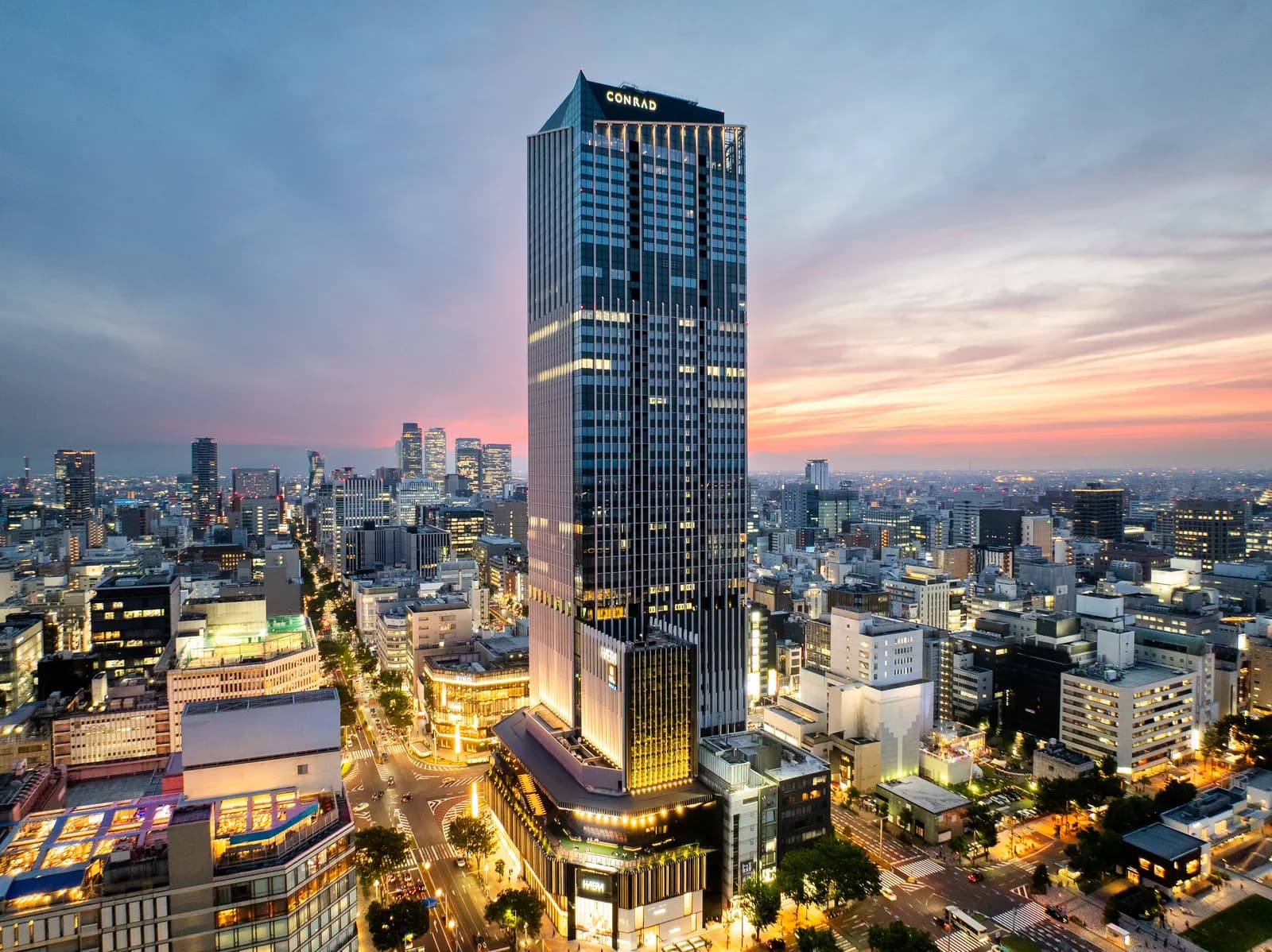
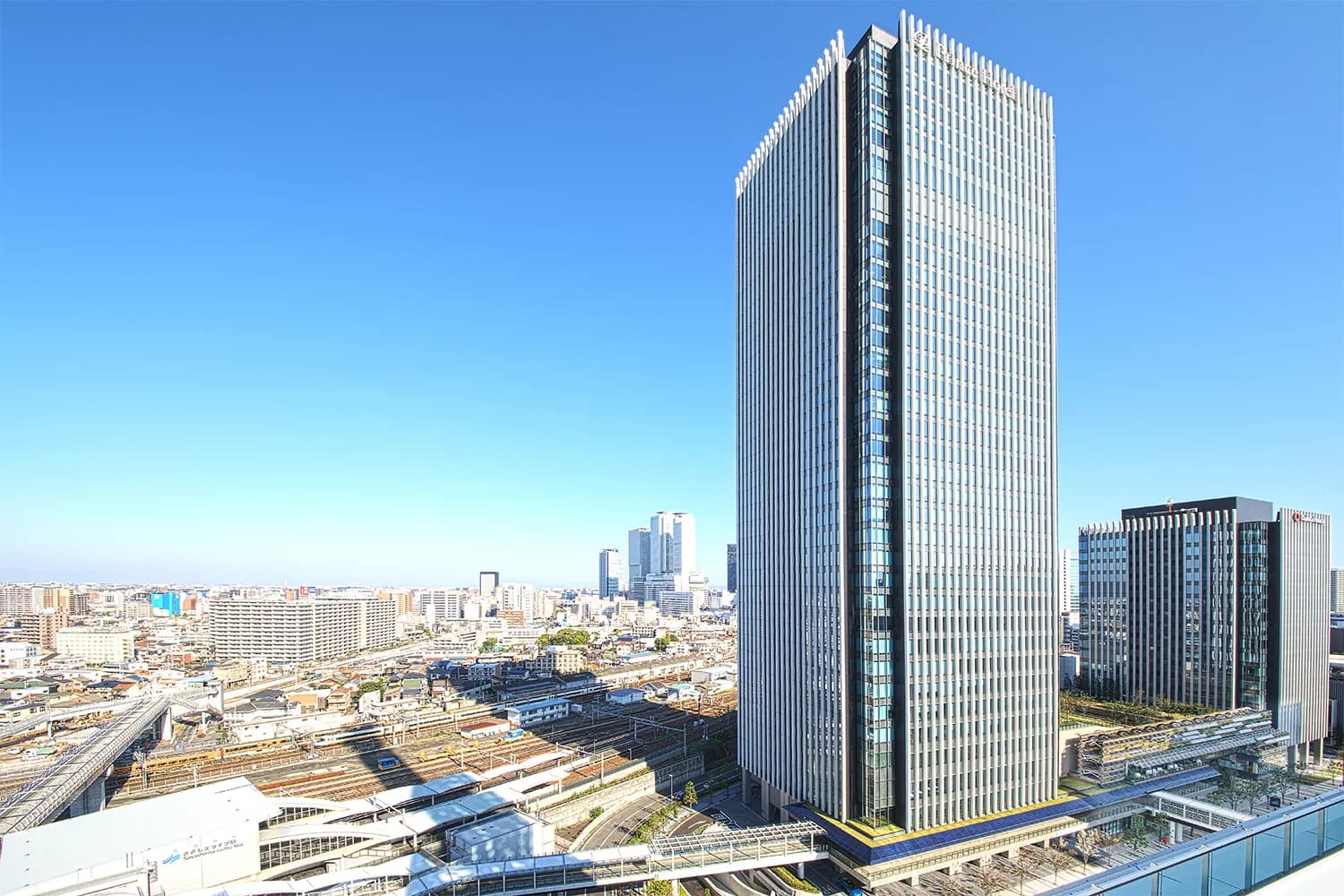
- Meieki, the Nagoya Station district, with office towers and large hotels;
- Sakae, the shopping centre, with the TV tower (Mirai Tower) and Oasis 21;
- the castle to the north, Atsuta to the south, Osu in between.
The subway (Higashiyama, Meijo and Tsurumai lines) links them all. For a short stay, a simple split:
- Day 1: Nagoya Castle in the morning, the Toyota Commemorative Museum in early afternoon (15 minutes' walk from the station), Osu Kannon and its arcades late in the day, a dinner of local specialities.
- Day 2: Atsuta Jingu and hitsumabushi in the morning, then SCMaglev and Railway Park, or Ghibli Park for the day if you have tickets.
A third day lets you add the Toyota Kaikan Museum in Toyota City, Inuyama and its original castle, or Ise.
Nagoya Castle and Honmaru Palace: what you can visit in 2026
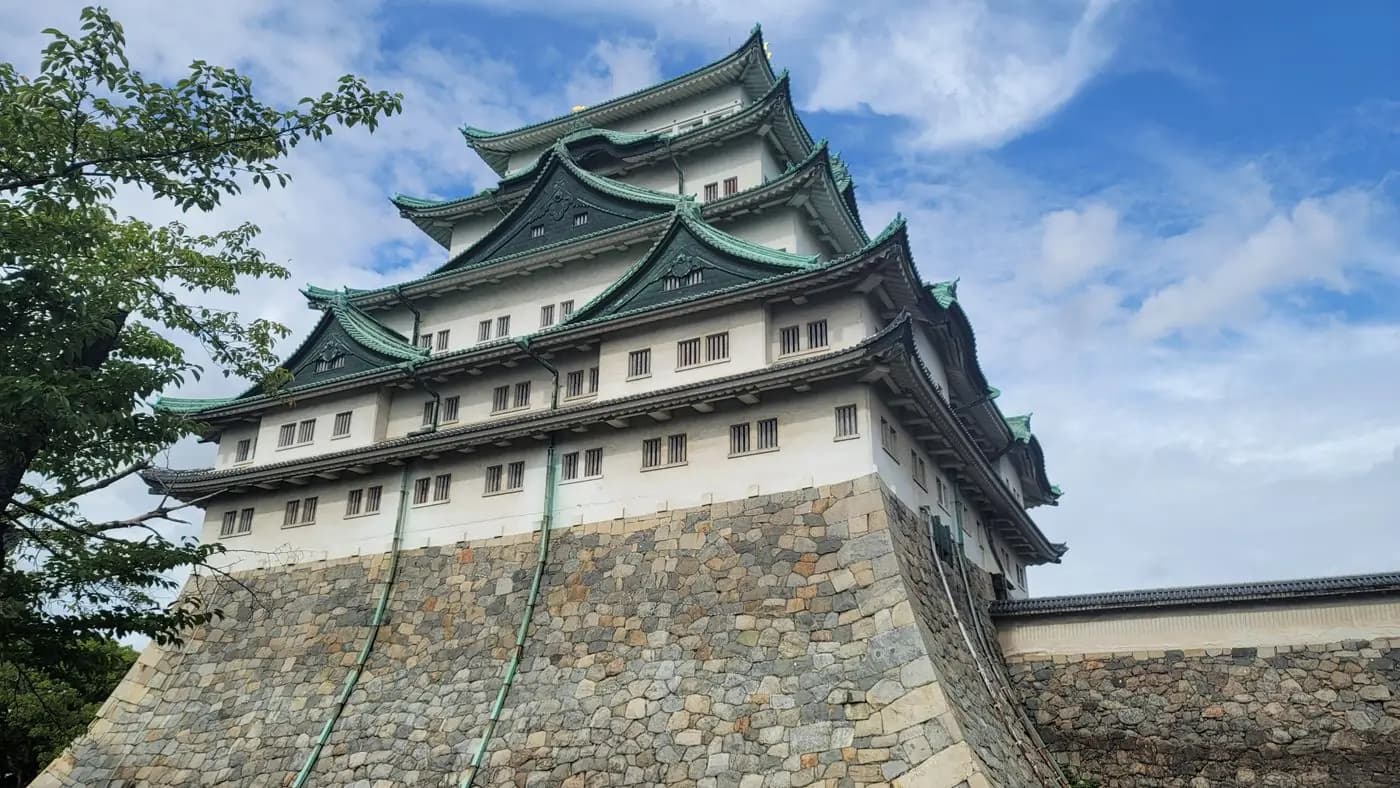
Nagoya Castle was built in the early 17th century on the orders of Tokugawa Ieyasu, to secure the new shogunate's power on the road between Edo and Kyoto. Its two golden shachihoko, tiger-headed fish on the keep's roof, became the city's emblem. The original keep burned in the 1945 air raids; the one you see today is a 1959 concrete reconstruction.
What to know before you go:
- the keep has been closed since May 2018. The city plans a faithful wooden reconstruction, but the project has been delayed and no reopening date is set. You see it from outside; you cannot go in;
- the Honmaru Palace, the lord's residence, has been fully rebuilt with traditional techniques and opened in full in 2018. It is the real reason to come: hinoki cypress rooms, coffered ceilings, walls painted with tigers and landscapes, copied from the Kano school originals. Shoes off at the entrance;
- the gardens, stone ramparts and corner turrets, several of them original.
Practical: open 9am to 4:30pm (last entry 4pm). Adult admission ¥1,000 since 1 October 2026 (¥500 until 30 September), free for junior high students and younger. Honmaru Palace is included. Shiyakusho subway station (Meijo Line), exit 7, 5 minutes' walk from the East Gate. Allow 2 hours.
Next door, Kinshachi Yokocho gathers restaurants serving local specialities, handy for lunch. In spring, the park's roughly 1,000 cherry trees are the setting for a festival with illuminations.
Atsuta Jingu: the shrine of the sacred sword
Atsuta Jingu is, after Ise, one of the most revered shrines in Japan. It keeps the Kusanagi no Tsurugi, the sacred sword that is one of the three imperial regalia, alongside the mirror at Ise and the jewel at the Imperial Palace. No one sees it: it is never shown, not even during ceremonies.
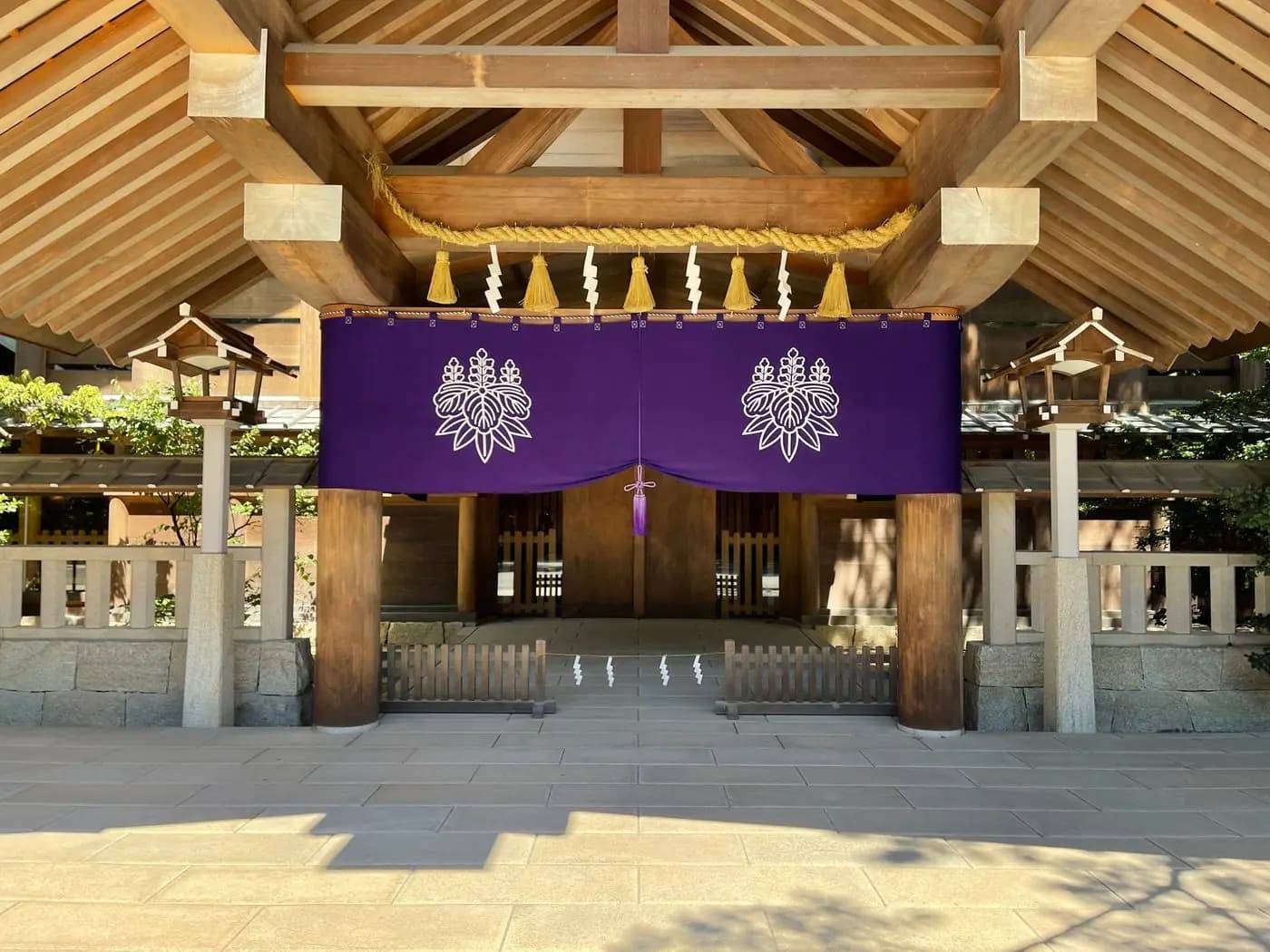
The visit is more of a walk than a monument. You enter through a large forest of camphor trees, some over 1,000 years old, and reach the main hall in cypress wood, very plain, built in the shinmei-zukuri style like Ise's. One hour is enough; the site draws nearly nine million visitors a year but is large enough to stay calm.
Practical:
- the shrine is free and open at all hours;
- the Treasure Hall (around 4,000 items, including listed pieces) and the Kusanagi-kan, opened in 2021 and devoted to swords, are open 9am to 4:30pm: ¥500 each for adults, ¥800 for a combined ticket;
- Meitetsu Jingu-mae Station or Jingu-nishi subway station (Meijo Line), about 20 minutes from Nagoya Station.
Nearby, Atsuta Horaiken has served hitsumabushi since 1873; the main house, south of the shrine, often has an hour's wait at weekends. Arrive at opening time or go on a weekday. Inside the grounds, a small stall serves kishimen, the local flat noodles, a favourite quick snack.
Avoid the first days of January (hatsumode), when more than two million people crowd in.
Toyota and SCMaglev: industrial Nagoya
The Nagoya region produces a large share of Japan's cars, machine tools and aircraft parts. Three museums help you understand it, and they appeal well beyond enthusiasts.
Toyota Commemorative Museum of Industry and Technology. Housed in Toyoda's former red-brick spinning mill, 15 minutes' walk from Nagoya Station. It traces the group's history from Sakichi Toyoda's automatic looms to the motor car, with working machines and demonstrations. Adult admission: ¥1,000. Open 9:30am to 5pm, closed Mondays. Allow 2 hours; it is the most interesting of the three for non-specialists.
Toyota Kaikan Museum, at the group's headquarters in Toyota City (about 1 hour from Nagoya). Exhibitions on current vehicles, production and technology; a new space, "TOYOTA's Creative Carmaking", opened in June 2026. Free entry, 9:30am to 5pm, closed Sundays and during company holidays. Note: plant tours (Motomachi, Takaoka, Tsutsumi) have been suspended since July 2021 until further notice. So you cannot currently book an assembly-line tour at Toyota; groups arriving by coach must, however, book their museum visit through Toyota's online system.
SCMaglev and Railway Park, run by JR Central, at the port (Aonami Line, 24 minutes from Nagoya Station). Some forty trains on display, from steam locomotives to the maglev prototype that reached 581 km/h, shinkansen of every generation and driving simulators (by lottery). Adult admission: ¥1,200. Open 10am to 5:30pm, closed Tuesdays. Allow 2 to 3 hours.
For a real factory visit, other manufacturers in the region open their doors by reservation (ceramics, aerospace, food): often the best option for a corporate group.
Ghibli Park: tickets, access and planning
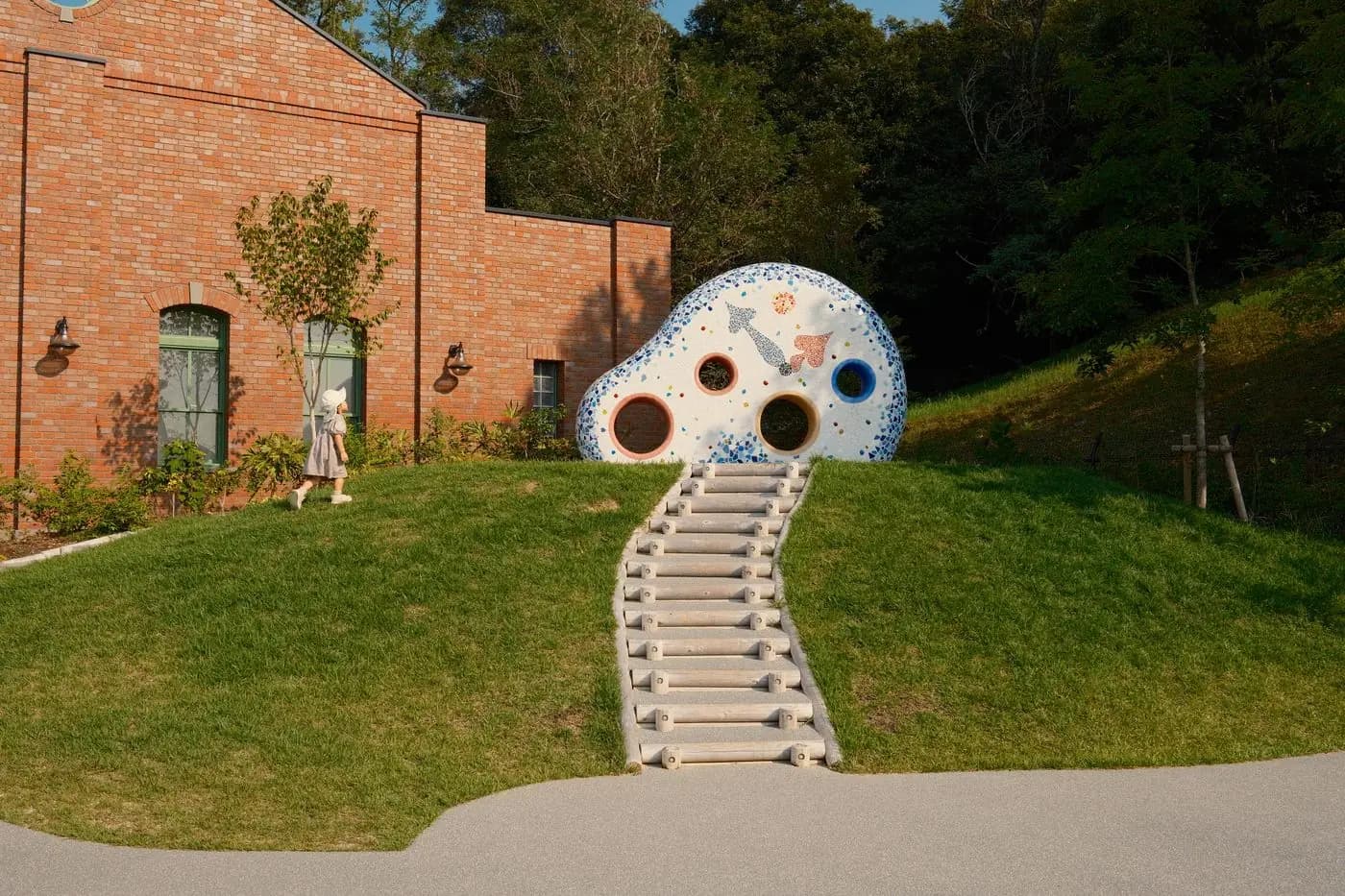
Ghibli Park opened in 2022 in the Aichi Expo 2005 Commemorative Park, in Nagakute, east of Nagoya. It is not an amusement park: no rides, but life-size sets from Studio Ghibli films spread across a large wooded park. You come here to wander.
Five areas:
- Ghibli's Grand Warehouse, indoors, with exhibitions, sets and a cinema, the densest area;
- Hill of Youth (The Cat Returns, Whisper of the Heart);
- Dondoko Forest (My Neighbor Totoro), with Satsuki and Mei's house;
- Mononoke Village;
- Valley of Witches (Kiki's Delivery Service, Howl's Moving Castle).
Tickets: advance sales only, nothing at the gate. Tickets go on sale on the 10th of the month at 2pm Japan time, two months before the month of your visit, and weekend dates sell fast. The O-Sanpo Day Pass Standard (access to all five areas, timed entry to the Grand Warehouse) costs ¥3,300 on weekdays and ¥3,800 at weekends; the Premium pass, which adds access inside certain buildings, ¥7,300 and ¥7,800. Prices and formulas change regularly: check the official site when booking.
Access: Higashiyama subway to the Fujigaoka terminus, then the Linimo line to Ai-Chikyuhaku-Kinen-Koen; about 50 minutes from Nagoya Station. The park opens at 10am on weekdays and 9am at weekends, closes at 5pm, and is closed on Tuesdays.
Allow a full day. The areas are far apart (up to 20 minutes' walk): comfortable shoes and a water bottle in summer. Dondoko Forest is up a hill; an internal bus helps those with limited mobility.
Nagoya meshi: hitsumabushi, miso katsu and other specialities
Nagoya has a cuisine of its own, known as Nagoya meshi. It is built on red miso (hatcho miso), long-fermented, dark and powerful, and on an unapologetic taste for sweet-savoury. To try:
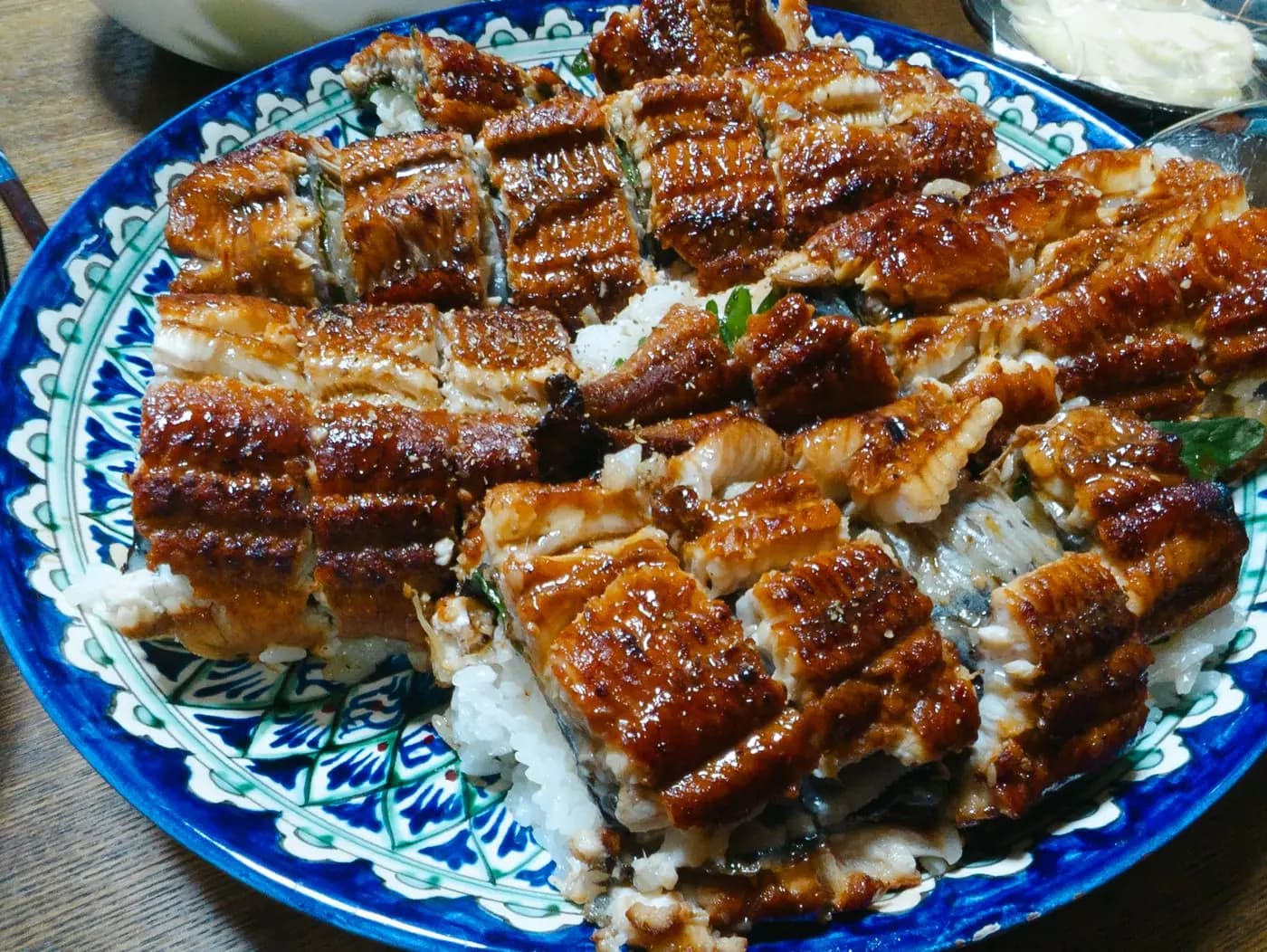
- Hitsumabushi: glazed grilled eel, sliced over rice, served in a wooden bowl. It is eaten in three stages: plain, then with spring onion, wasabi and nori, then as chazuke with broth poured over. You finish the last quarter the way you liked best. Budget ¥4,000 to ¥6,500.
- Miso katsu: breaded pork topped with red miso sauce. More filling than it looks.
- Tebasaki: fried chicken wings, peppery and glazed, the local izakaya speciality.
- Miso nikomi udon: thick udon simmered in miso broth in a clay pot, served scalding. The noodles are deliberately firm.
- Kishimen: wide flat noodles in a light broth.
- Tenmusu: small rice balls topped with a tempura shrimp.
- Morning service: in Nagoya cafés, a drink ordered in the morning comes with free toast and an egg. The local version is ogura toast, buttered toast with red bean paste.
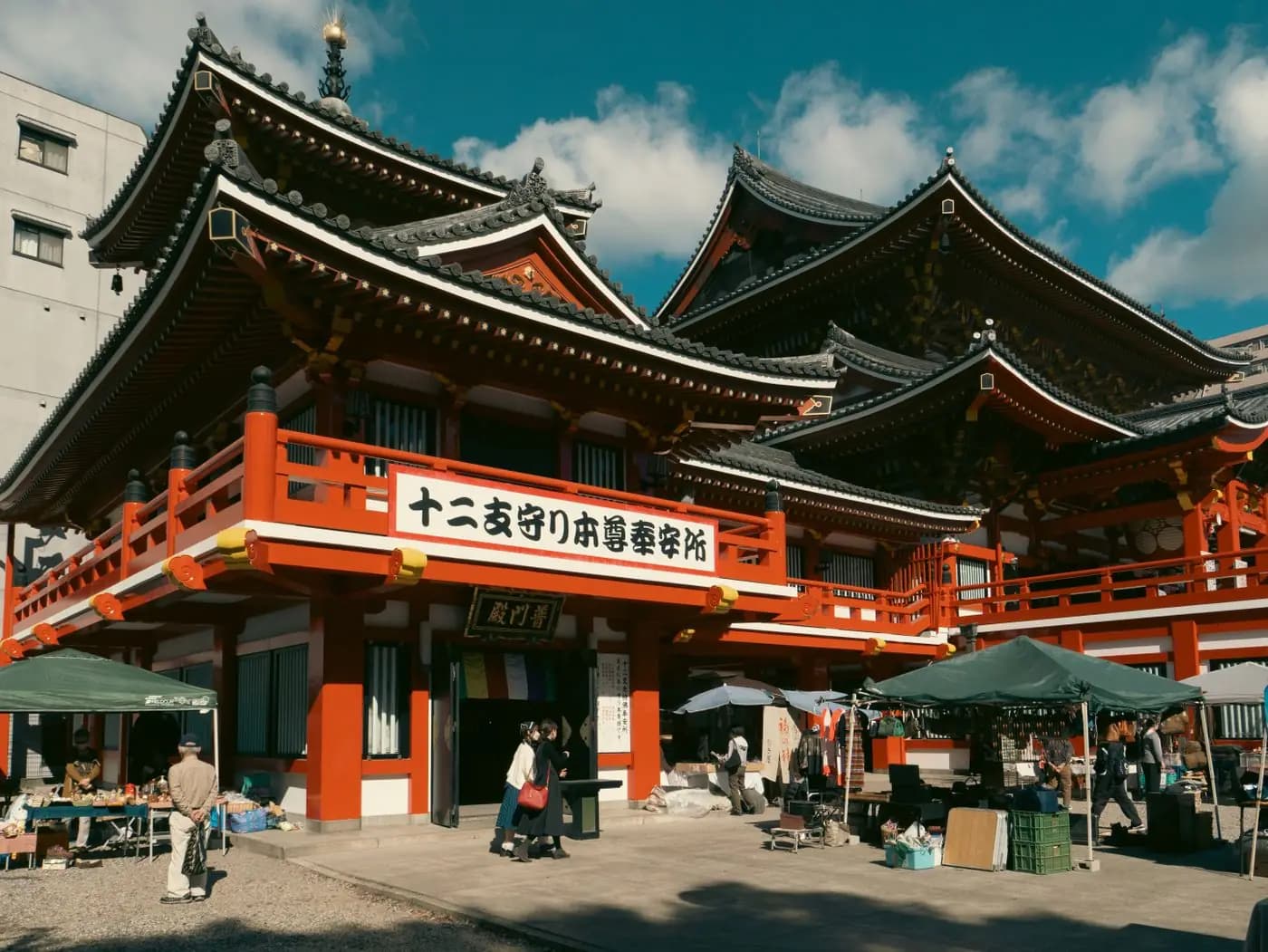
To walk it off, Osu is the city's liveliest district: the bright red Osu Kannon temple, with a flea market on the 18th and 28th of each month, then a maze of covered arcades with second-hand clothes, electronics, manga, cafés and street snacks. A good place for reasonably priced souvenirs too.
In the evening, izakaya in Sakae and Meieki serve most of these dishes in small portions: a good way to taste everything in one night.
Day trips from Nagoya: Inuyama, Gifu, Ise and Takayama
Nagoya sits in the middle of Honshu, which makes it a handy base for sites rarely visited from Tokyo or Kyoto.
- Inuyama (about 30 minutes by Meitetsu train): its castle, perched above the Kiso River, has one of the oldest original keeps in Japan, a national treasure. Adult admission ¥1,000 since March 2026. The old merchant street below and Uraku-en garden, with its listed teahouse, complete the visit. The nearby Meiji Mura open-air museum gathers Meiji-era buildings, including the lobby of Frank Lloyd Wright's former Imperial Hotel.
- Gifu (20 minutes by JR train): cormorant fishing on the Nagara River, practised for more than 1,300 years, takes place every evening from 11 May to 15 October. You watch from covered boats, dining on board before the show.
- Seki (about 1 hour): Japan's cutlery capital, with forging demonstrations.
- Ise (about 1h20 by Kintetsu limited express): Ise Grand Shrine, Shinto's holiest site, and Oharai-machi street.
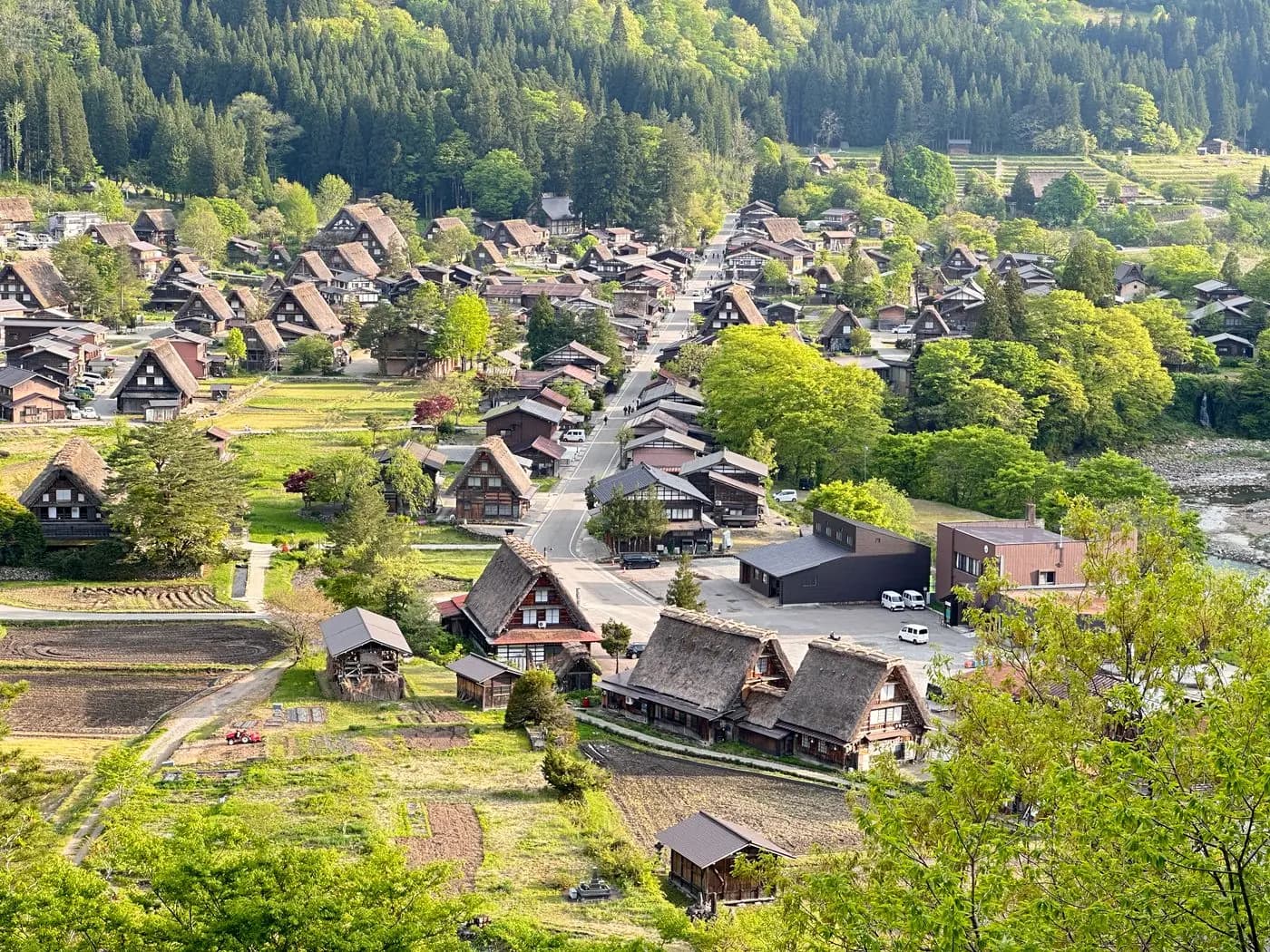
- Takayama and Shirakawa-go (about 2h30 by Hida limited express to Takayama): old town, morning markets and thatched-roof villages. Better with a night there.
For a group, Inuyama and Gifu combine well in one day: the castle in the afternoon, cormorant fishing and dinner on the water in the evening.
Visiting Nagoya with a group: bookings and logistics
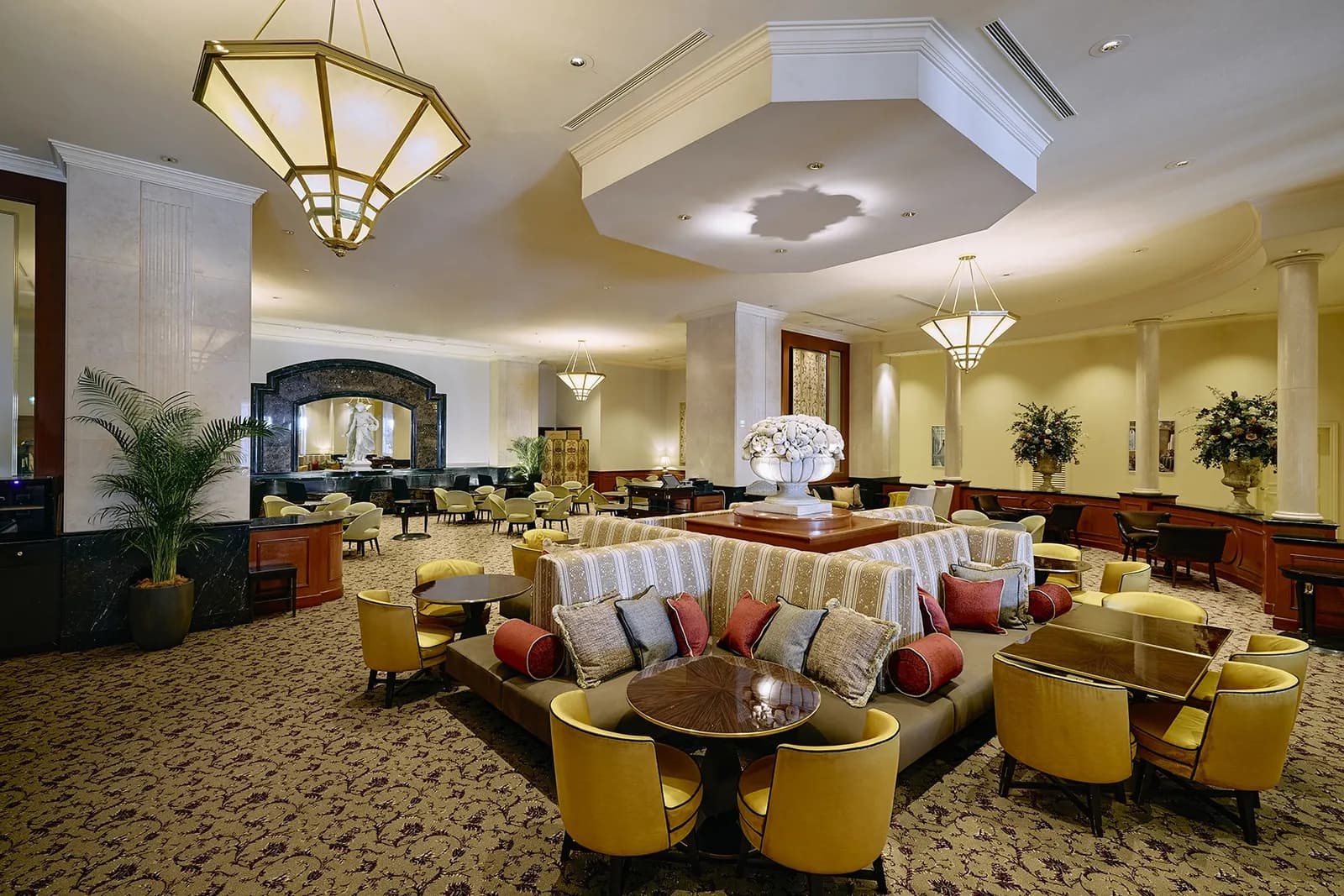
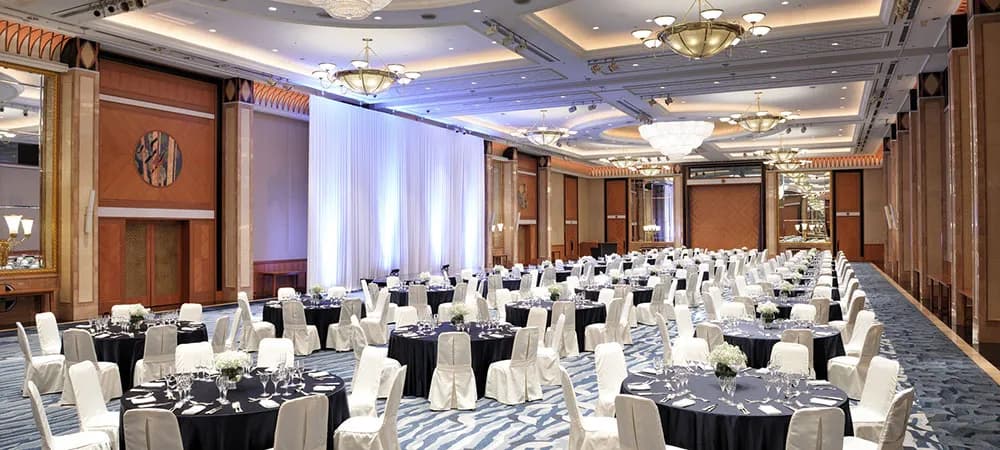
Nagoya is a business city before it is a tourist city, which works in groups' favour: large hotels around the station, convention centres (Port Messe, Nagoya Congress Center), smooth traffic and fewer crowds than Kyoto.
- Castle and Atsuta. Both have coach parking. At Honmaru Palace, shoes come off and corridors are narrow: send the group in waves of 20, with a guide per wave. At Atsuta, let the shrine know if you want to attend a prayer (kito) as a group.
- Toyota. No plant tour is currently possible at Toyota. The Commemorative Museum of Industry and Technology accepts guided groups (booking advised), and Toyota Kaikan requires online booking for any coach arrival. For a study tour, add suppliers or regional companies that host visits by appointment.
- Ghibli Park. Group tickets follow a separate channel (bookings through approved agencies and tour operators); start months ahead and accept assigned Grand Warehouse slots. Don't promise Ghibli Park to a group before you hold the tickets.
- SCMaglev. Open to groups with reduced rates; avoid Japanese school holidays, when the simulators are mobbed.
- Meals. The big hitsumabushi houses have private rooms that can be booked; a multi-course "Nagoya meshi" dinner in a privatised izakaya is a good way to taste every speciality.
- Combinations. Nagoya fits naturally between Tokyo and Kyoto in a 5- to 7-day programme, or as a gateway to Takayama and the Japanese Alps.
SHINOGI DMC organises industrial study tours and Nagoya-Kyoto programmes, with bookings, guides and transport coordinated.
Frequently asked questions
Can you go inside Nagoya Castle's keep?
No. The keep has been closed since May 2018 pending a wooden reconstruction, with no reopening date. Honmaru Palace, the grounds and ramparts are included in the admission ticket.
How much is Nagoya Castle admission in 2026?
¥1,000 for adults since 1 October 2026, up from ¥500. Free for junior high students and younger.
Can you tour a Toyota factory near Nagoya?
Not at present: Toyota suspended its plant tours in July 2021 until further notice. The Toyota Kaikan Museum (free) and the Toyota Commemorative Museum of Industry and Technology (¥1,000) remain open.
How do you get Ghibli Park tickets?
Only in advance, on the official site or through approved resellers. Tickets go on sale on the 10th of the month at 2pm Japan time, two months before the month of your visit. There are no tickets at the gate.
What is hitsumabushi?
A Nagoya speciality: glazed grilled eel, sliced over rice, eaten three ways: plain, with condiments, then with broth poured over.
Is Nagoya worth a stop between Tokyo and Kyoto?
Yes, for at least a day: the castle and Honmaru Palace, Atsuta Jingu, the Toyota museum and the local food. It is 1h35 from Tokyo and 35 minutes from Kyoto by shinkansen.
Rédaction SHINOGI DMC · Updated
Sources
- Nagoya Castle — site officiel
- Nikkei — Nagoya Castle admission raised to ¥1,000 from October 2026
- Atsuta Jingu — site officiel
- Toyota Kaikan Museum — Facility Information (plant tours suspended)
- Toyota Commemorative Museum of Industry and Technology — Admission
- SCMaglev and Railway Park — site officiel (JR Central)
- Ghibli Park — site officiel
- Inuyama Castle — Opening hours and entrance fees
- JNTO — Ukai Cormorant Fishing
- Kanpai — Visites au Japon (inspiration)