How to choose a team-building activity in Japan
Before going through the list, four questions prevent most disappointments.
What is the goal? Bringing together two teams that have just merged, rewarding a sales force, re-energising a tired team: these call for different activities. A loud collective activity such as taiko creates energy; a workshop in pairs such as sushi creates conversation; a team rally creates strategy and a bit of competition.
How many participants? This is often the first filter in Japan, where many venues are small. A kendo dojo or sake brewery rarely takes more than 30 to 40 people at a time. Beyond that, rotate subgroups or choose an activity that runs outdoors or in a hotel function room.
What fitness level? Mix profiles without excluding anyone. An 8 km walking rally in Tokyo in August is not a good idea; a dragon boat race requires being able to swim and wearing a life jacket.
Which language? Most workshop masters speak Japanese. One interpreter per 20 to 30 participants changes the quality of the experience: technical explanations, anecdotes and humour either get through or they don't.
Finally, schedule the activity at the right point in the programme: ideally the second day, once jet lag fades and before fatigue sets in.
Collective energy: taiko, karaoke battle and undokai
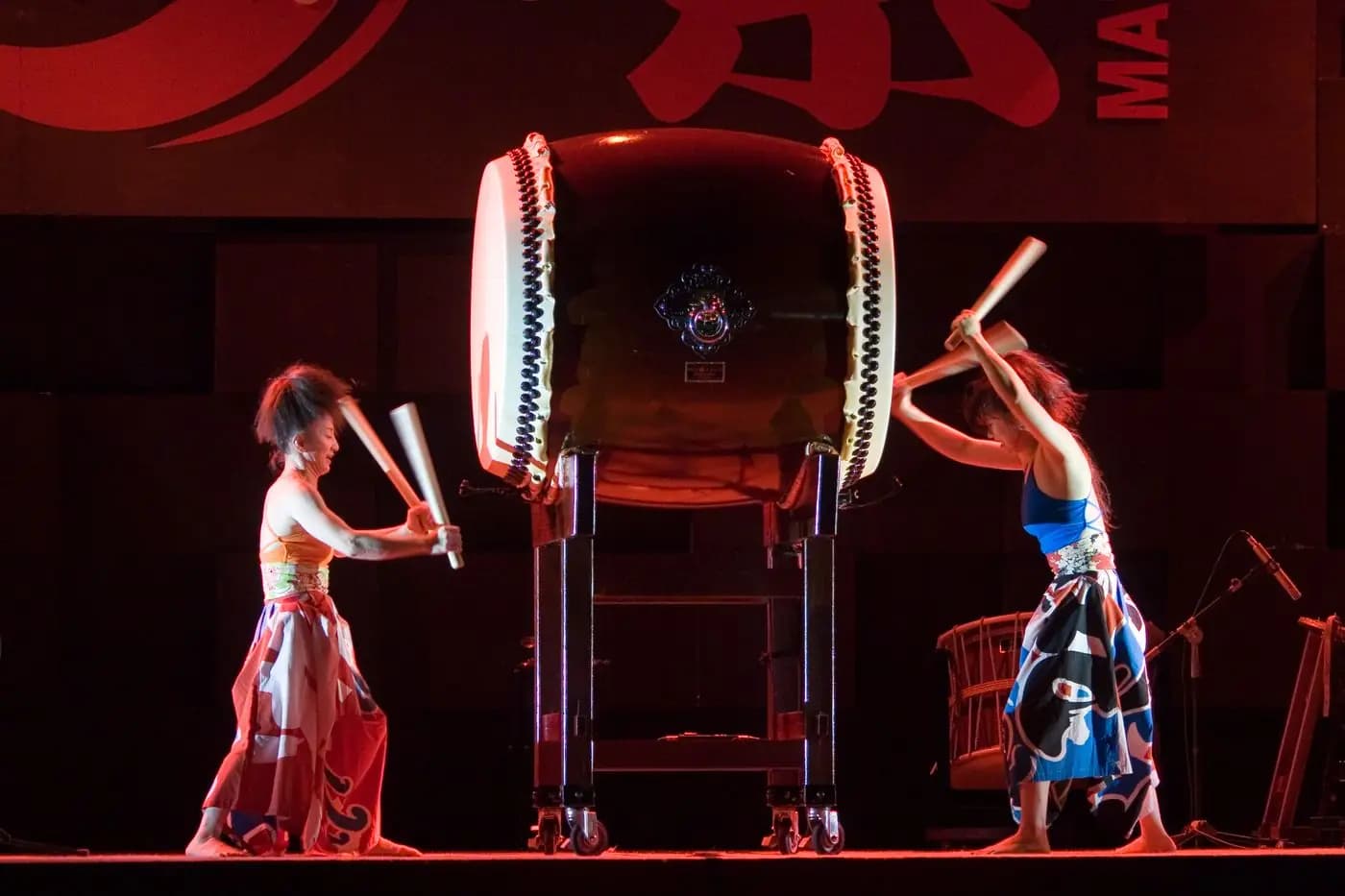
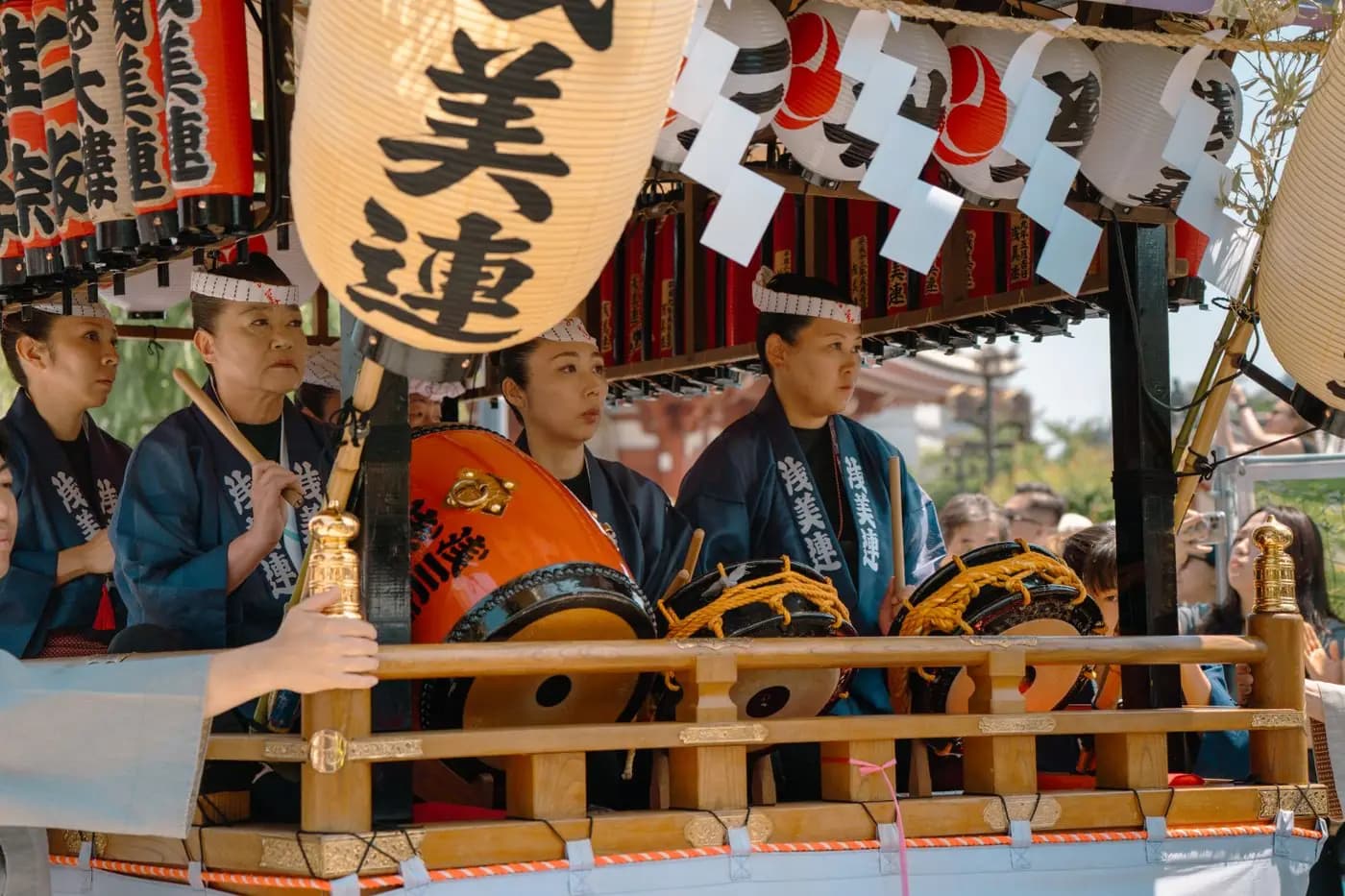
1. Taiko, the Japanese drum. Professional players teach posture, striking and rhythmic shouts (kakegoe), then each team works on a sequence. At the end, the whole group plays a short piece together. It works every time, even with the shyest. From 10 to 300 people, 1 h 30 to 2 hours. In Tokyo, Kyoto, Osaka, Fukuoka or Okinawa, in a studio or the hotel's banquet room. Bring earplugs and loose clothing.
2. Karaoke battle. Karaoke was born in Japan, and the Japanese sing in small private rooms, with colleagues, after dinner. For a group, the evening becomes a team competition with a jury, categories (best Japanese song, best duet, best choreography) and costumes. From 10 to 40 people in the large rooms of karaoke chains, up to 150 by booking out an equipped bar or hotel lounge, about 2 hours.
3. Undokai, the Japanese sports day. Every school and many Japanese companies hold an undokai: relay races, tug of war, tamaire (throwing balls into a basket on a pole), three-legged races. Teams wear red or white headbands. It is simple, accessible to all ages and very funny. From 30 to 300 people, 2 to 3 hours, in a gym or rented field, or on a beach in Okinawa.
Martial arts: samurai sword, kendo and ninja
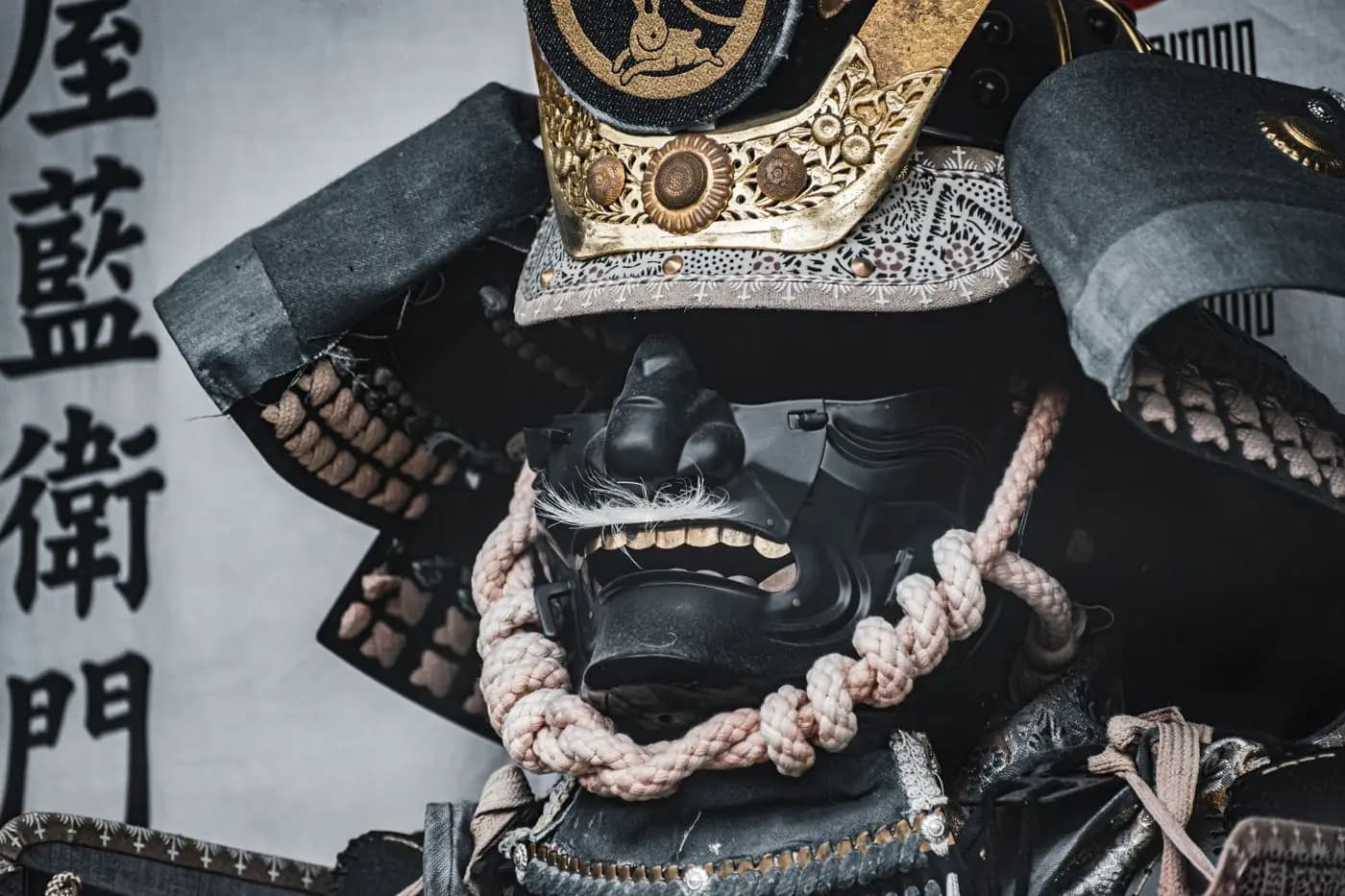
4. Samurai sword. A sword master teaches the basics: bow, stance, cuts, and a short form (kata). Participants use wooden swords or blunt blades; some schools offer one or two volunteers the chance to cut a rolled straw mat with a real sword, under strict supervision. From 6 to 80 people, 1 h 30 to 2 hours, in Tokyo or Kyoto. The talk on the samurai code of honour often makes a good common thread for a management seminar.
5. Kendo. Japanese fencing is practised with a bamboo sword (shinai) and armour. For beginners, the session sticks to footwork, strikes on targets and shouts, without full-armour sparring. It is demanding, loud and very revealing of how each person reacts to a partner. From 6 to 30 people per dojo, 1 h 30 to 2 hours. Bare feet on wooden floors and sportswear.
6. Ninja. The most playful in this category: silent movement, shuriken throwing at targets, hiding techniques, a team course. It suits mixed groups and families. From 10 to 60 people, about 1 h 30, in Tokyo, Kyoto or the historic ninja towns of Iga (Mie) and Koka (Shiga). A good choice for a first evening or a group whose members don't know each other.
Food and flavours: sushi workshop, mochi and sake brewery
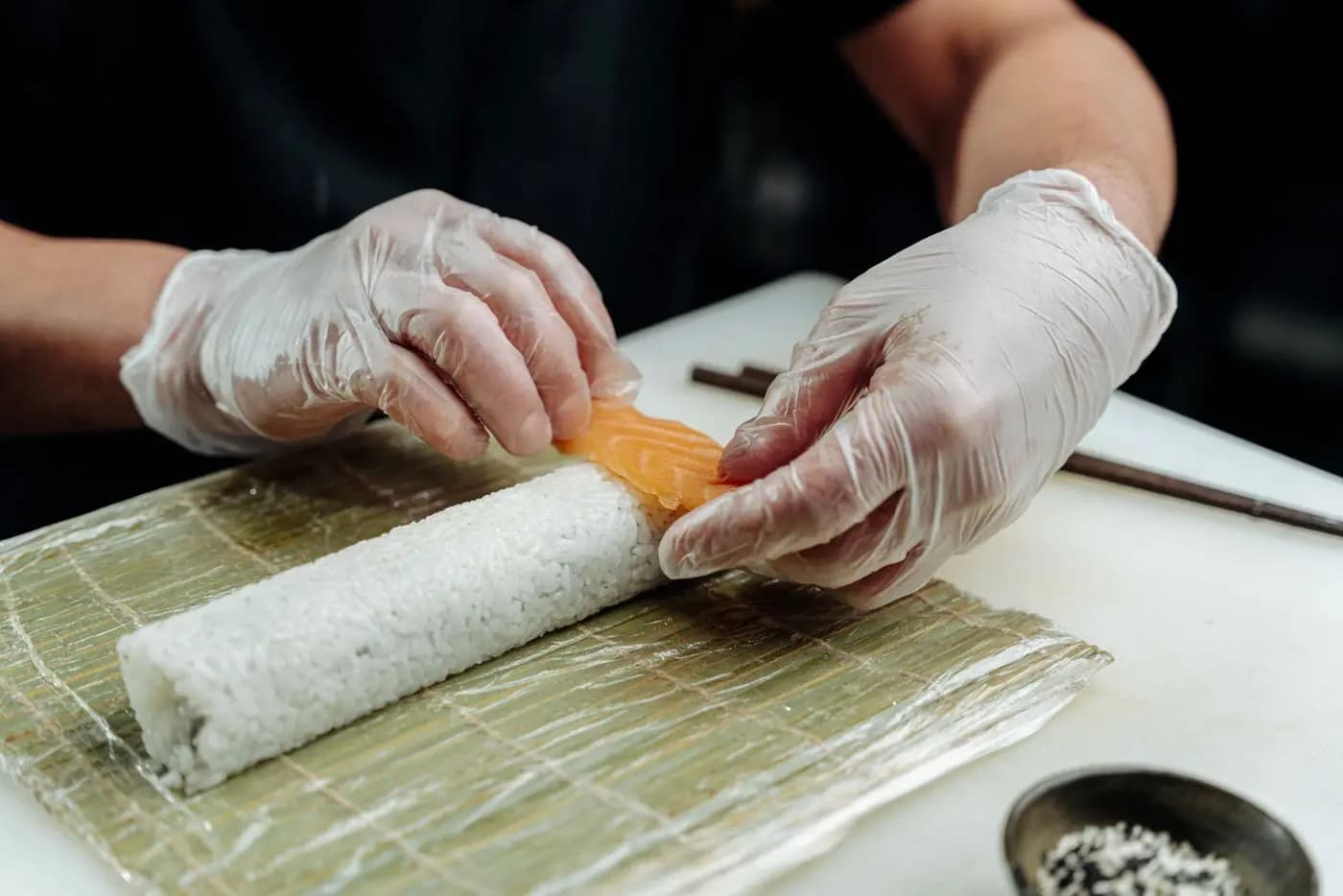
7. Sushi workshop. A chef demonstrates seasoned rice, fish cutting and the nigiri gesture, then everyone shapes their own pieces and eats them. For team building, add a challenge: the best plate per team, judged by the chef. From 8 to 100 people, 2 h to 2 h 30 including tasting, in Tokyo, Kyoto or Osaka. Report fish and shellfish allergies in advance: the menu is prepared the day before.
8. Mochitsuki, pounding sticky rice. Two people work in rhythm: one strikes the cooked rice in a mortar with a heavy wooden mallet, the other turns the dough between blows. The gesture demands complete trust between partners, which makes it a perfect metaphor. You then eat the mochi with red bean paste, kinako or soy sauce. From 10 to 100 people, about 1 h 30, all year round, though it is a year-end and New Year tradition.
9. Sake brewery. A visit to a working brewery, an explanation of rice polishing and fermentation, then a guided tasting of several styles. The two great brewing districts are Fushimi in southern Kyoto and Nada in Kobe. From 6 to 80 people, 1 h 30 to 2 hours, in subgroups of 20 to 30 in the cellars. The brewing season generally runs from autumn to spring: the best time to see work under way.
City games: Tokyo rally, Kyoto treasure hunt, street-food challenge
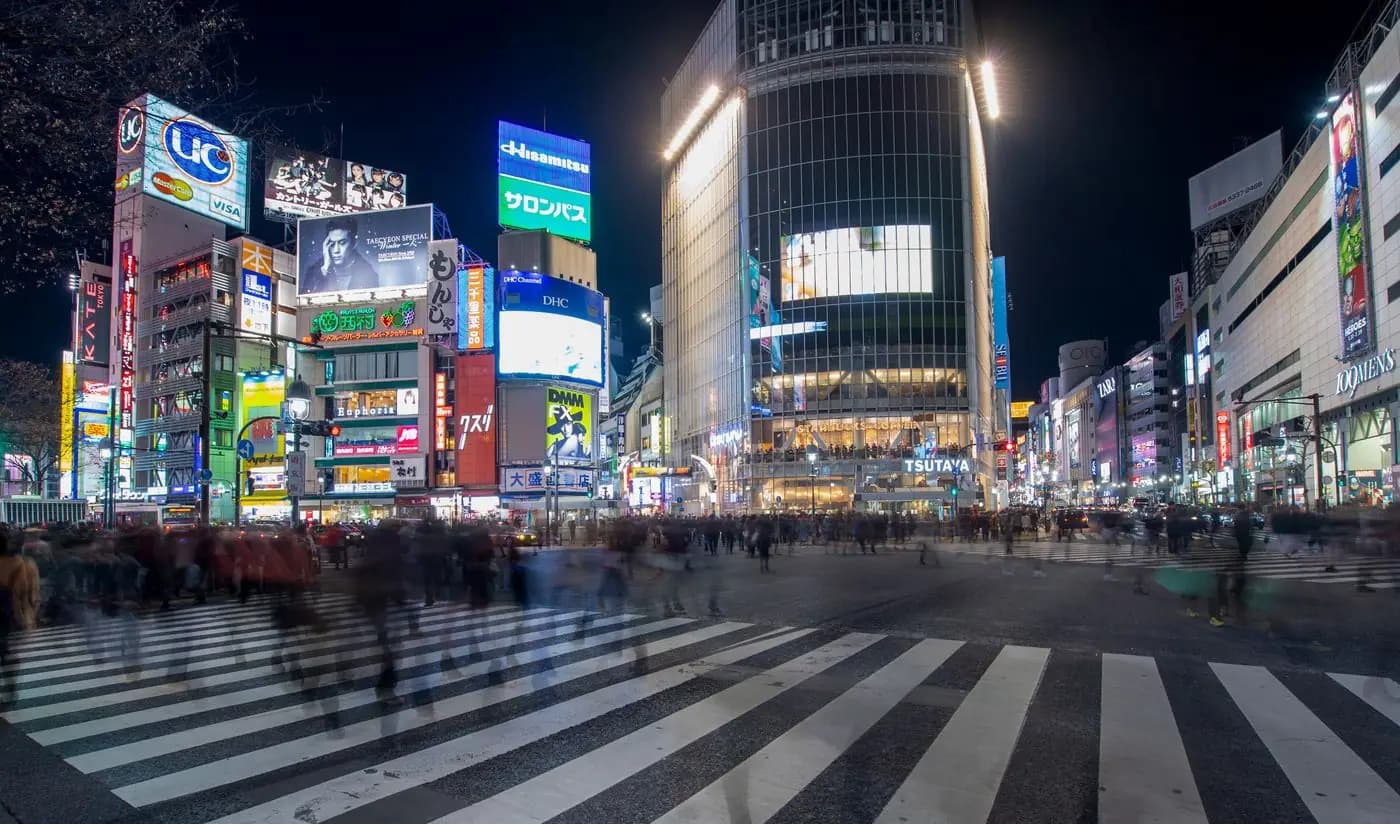
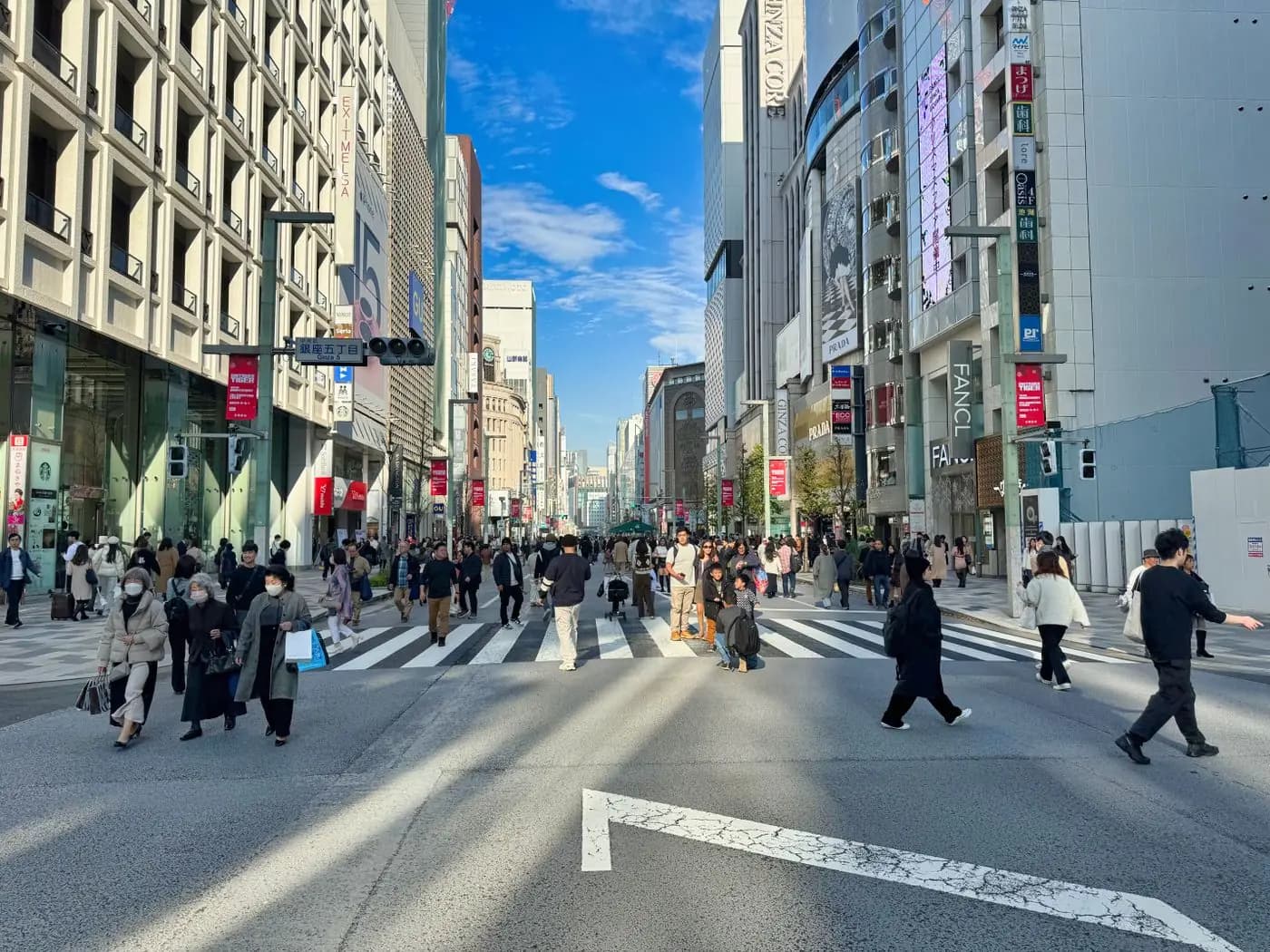
10. Urban rally in Tokyo. In teams of 5 to 8, with a tablet or app, participants cover Shibuya, Harajuku, Ginza or Asakusa: riddles, photos to recreate, words to get from shopkeepers, an item to buy on a tight budget. The subway is part of the game. From 12 to 300 people, 3 to 4 hours. Set the finish at a privately booked bar or restaurant for the prize-giving.
11. Treasure hunt in Kyoto. The same idea in the lanes of Gion, Higashiyama or Nishiki, with stops at a temple, a craft shop and a teahouse. Riddles can draw on the city's history. From 10 to 200 people, about 3 hours. Avoid cherry blossom and autumn leaf weekends, when Higashiyama's streets are packed.
12. Street-food challenge in Osaka or Fukuoka. Osaka is known as the city where you eat until you drop; Fukuoka has its yatai, food stalls on wheels set up in the evening along the river. Each team gets a budget and a list of specialities to taste and photograph (takoyaki, okonomiyaki, kushikatsu, Hakata ramen), with bonus points for exchanges with the cooks. From 10 to 150 people, 2 h 30 to 3 hours, in the evening.
For all three formats, safety is straightforward in Japan, but two rules apply: a team captain reachable by phone, and a non-negotiable return time.
Nature and seasons: dragon boats and kayaks in Okinawa, snow in Hakuba
13. Dragon boats (hari) in Okinawa. Dragon boat races are a tradition in Okinawa's harbours, with large regattas in May. A crew of about ten rowers, a helmsman and a drummer setting the pace: you only win by rowing exactly together. After an introduction, teams race in short heats. From 20 to 200 people, 2 h 30 to 3 hours, preferably from April to October. Life jackets mandatory, swimming ability recommended.
14. Sea kayaking and islands in Okinawa. For a calmer mood: kayaking along mangroves or coastline, snorkelling, a boat trip to the Kerama Islands, 35 to 50 minutes from Naha by fast ferry. Small craft limit group size. From 4 to 80 people per rotation, 1 h 30 to a full day, depending on route and tide. Sea outings are the first cancelled in a typhoon: a land-based backup plan is essential from July to October.
15. Snow in Hakuba. Host of the 1998 Winter Olympics in the Japanese Alps, Hakuba receives abundant, light snow from December to March. For a group with very mixed abilities, combine ski lessons by level, a snowshoe outing in the forest for non-skiers and, late in the afternoon, a team snowman contest or sled race, before the onsen. From 6 to 150 people, a half day (2 h 30 to 3 hours) or a full day. Allow 3 to 3 h 30 from Tokyo, via Nagano by Shinkansen then coach.
Organising team building in Japan: budget, timing and logistics
A few benchmarks from our programmes, to move from idea to schedule.
Budget. For a 2-hour supervised workshop, group rates usually run between 8,000 and 25,000 yen per person, excluding transport and interpreter. Activities requiring heavy equipment or an exclusive venue (dragon boat, undokai on a rented field, karaoke night in a bar) carry a high fixed cost: they become worthwhile from 40 to 50 participants.
Booking. Allow 2 to 3 months for standard workshops, 4 to 6 months for an exclusive venue or a group of more than 100, longer in March–April and November. Martial arts masters and breweries often have tight calendars.
Timing in the day. Physical activities in the morning, cooking workshops late morning or late afternoon (they replace a meal), city games in the afternoon, karaoke after dinner. In summer, no outdoor activity between 11 a.m. and 3 p.m.
Combining. A typical day for 80 people in Tokyo: taiko in the morning in two groups, lunch, urban rally in the afternoon, finish at a privately booked izakaya where results are announced. For a smaller group in Kyoto: kendo at 9 a.m., lunch, sushi workshop late in the afternoon.
Measuring. A 15-minute debrief after the activity, with two or three simple questions, makes the difference between a nice moment and real team building.
To combine these activities with transfers, interpreters and weather backup plans, companies generally rely on a destination management company; SHINOGI DMC designs these team-building programmes across Japan, for 10 to several hundred participants.
Frequently asked questions
What team-building activity can a large group do in Tokyo?
Taiko (up to 300 people in 1 h 30 to 2 hours) and an urban rally in Shibuya, Ginza or Asakusa (12 to 300 people, 3 to 4 hours) are the two formats that work best. An undokai in a rented gym is an original alternative.
How much does team building cost in Japan?
For a supervised workshop of about 2 hours, expect 8,000 to 25,000 yen per person in most cases, excluding transport and interpreter. Activities with an exclusive venue or heavy equipment have a fixed cost that falls sharply above 40 to 50 participants.
Can you try kendo with no experience?
Yes. Group introductions focus on footwork, strikes on targets and shouts, without full-armour sparring. They last 1 h 30 to 2 hours and take 6 to 30 people per dojo.
What team-building activity in Okinawa?
The dragon boat race (hari) is the most unifying: 20 to 200 people, 2 h 30 to 3 hours, April to October. Beach games and sea kayaking are good alternatives, with a land-based backup in typhoon season.
How far ahead should you book team building in Japan?
Two to three months for a standard workshop, four to six months for an exclusive venue or more than 100 participants, and longer during cherry blossom season (late March–April) and in November.
Rédaction SHINOGI DMC · Updated
Sources
- JNTO — Things to do in Japan
- All Japan Kendo Federation — What is kendo
- Iga-ryu Ninja Museum — Official website
- Fushimi Sake Brewers Association — 伏見酒造組合
- Visit Okinawa Japan — Official tourism website (Okinawa Convention & Visitors Bureau)
- Hakuba Valley — Official website
- JNTO — Préparer son voyage au Japon