A destination that reassures as much as it inspires
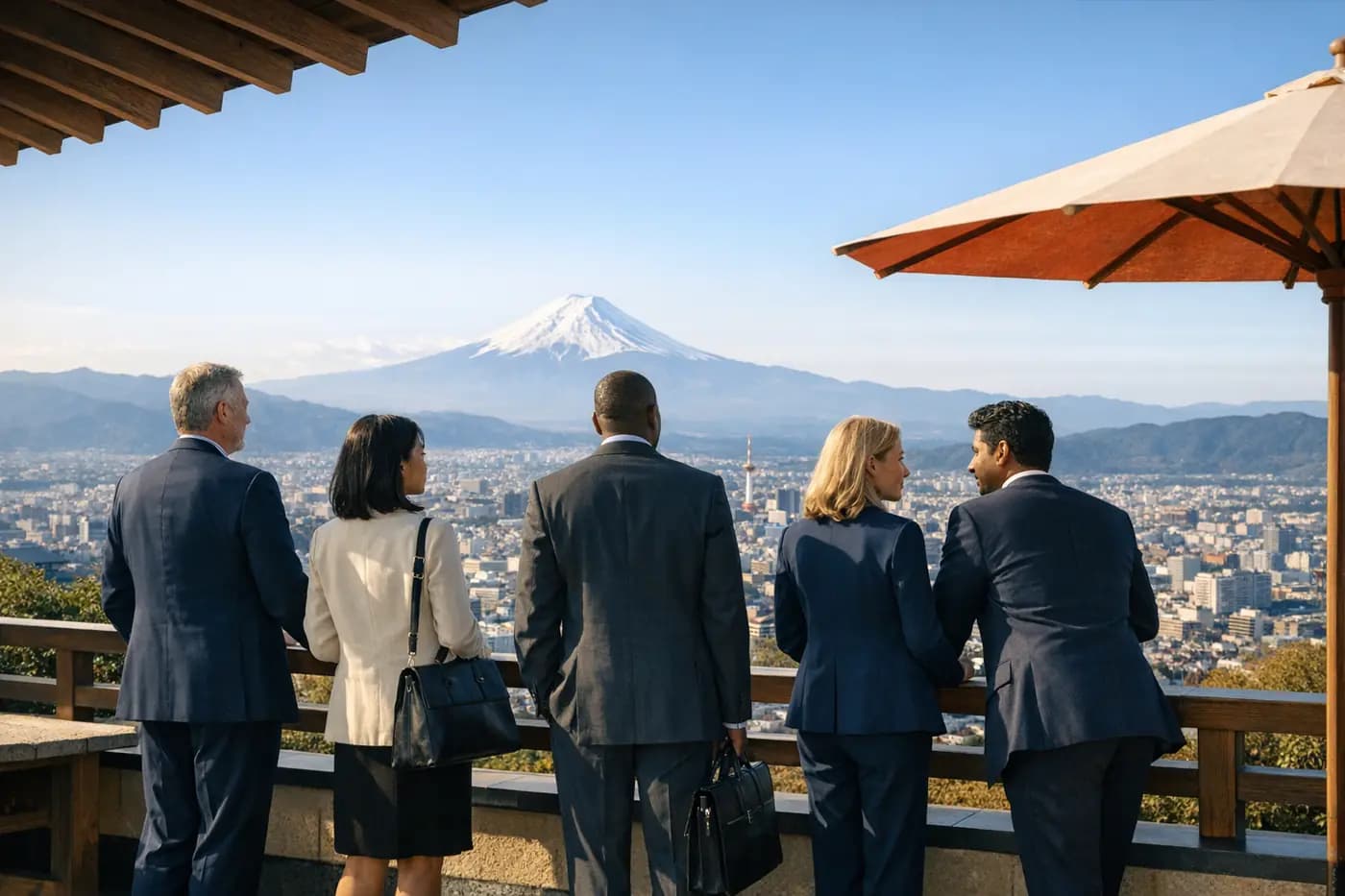
An offsite abroad has two jobs: deliver productive working time and leave a lasting impression. Japan does both with unusual consistency. Trains run on time, hotels deliver what they promise, cities are clean and safe, and every day can end with a cultural experience you will not find anywhere else.
For an executive committee or a sales team, that reliability changes the nature of the trip. Participants do not spend energy managing the unexpected; they focus on content and on each other. It is one of the reasons many European companies come back to Japan for a convention or an incentive after a first seminar.
Demand for the destination has never been higher. According to the Japan National Tourism Organization (JNTO), the country welcomed 42.7 million international visitors in 2025, an all-time record. That appeal is a strong argument with participants, but it also calls for tighter planning than a decade ago.
Logistics you can plan to the minute
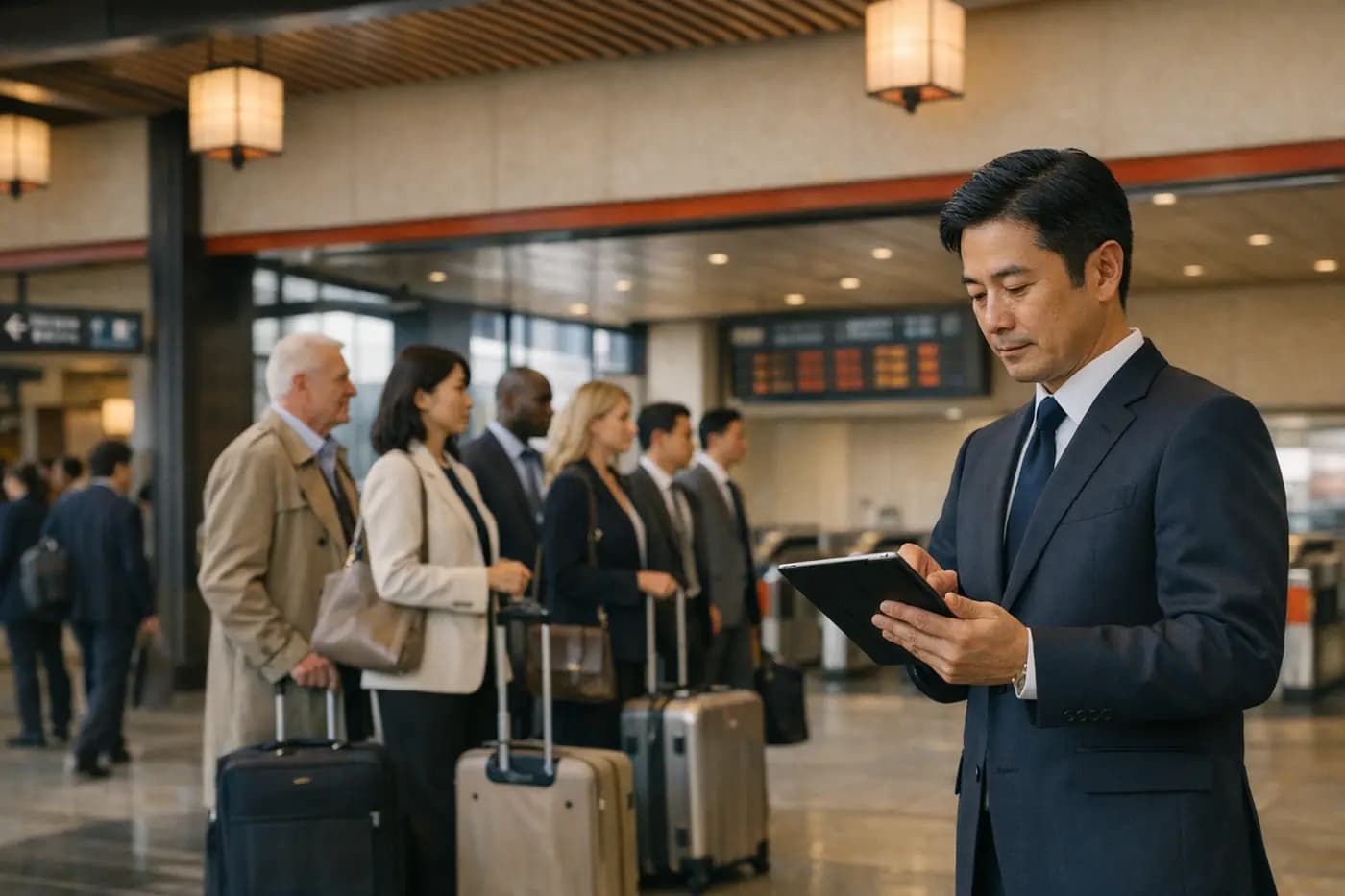
Japan's rail network makes multi-city programs possible without any domestic flight. On Nozomi services, the Shinkansen links Tokyo to Kyoto in about 2h15 and to Shin-Osaka in about 2h30. For groups, we reserve full cars or seat blocks, and luggage travels separately by courier (takkyubin), so participants move hands-free.
Tokyo has two international gateways, and Kansai has its own:
- Haneda, about 30 minutes from central Tokyo, and the preferred option whenever flight schedules allow.
- Narita, 60 to 90 minutes depending on the hotel and traffic; private coaches are the simplest way to move a group.
- Kansai International (KIX) for Osaka and Kyoto, with direct rail links to both cities.
On the ground, 45- to 50-seat coaches are standard, but some streets in Kyoto and Tokyo require smaller vehicles. A proper site inspection prevents discovering that constraint on the day.
A deep but highly segmented hotel market
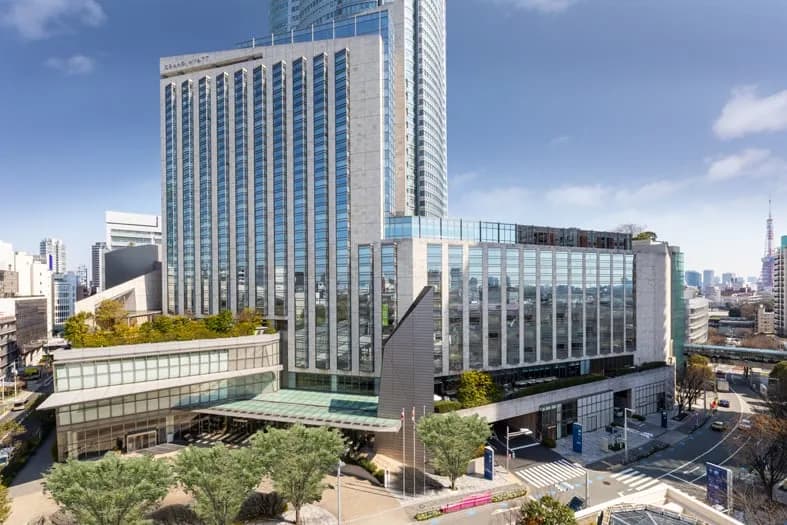
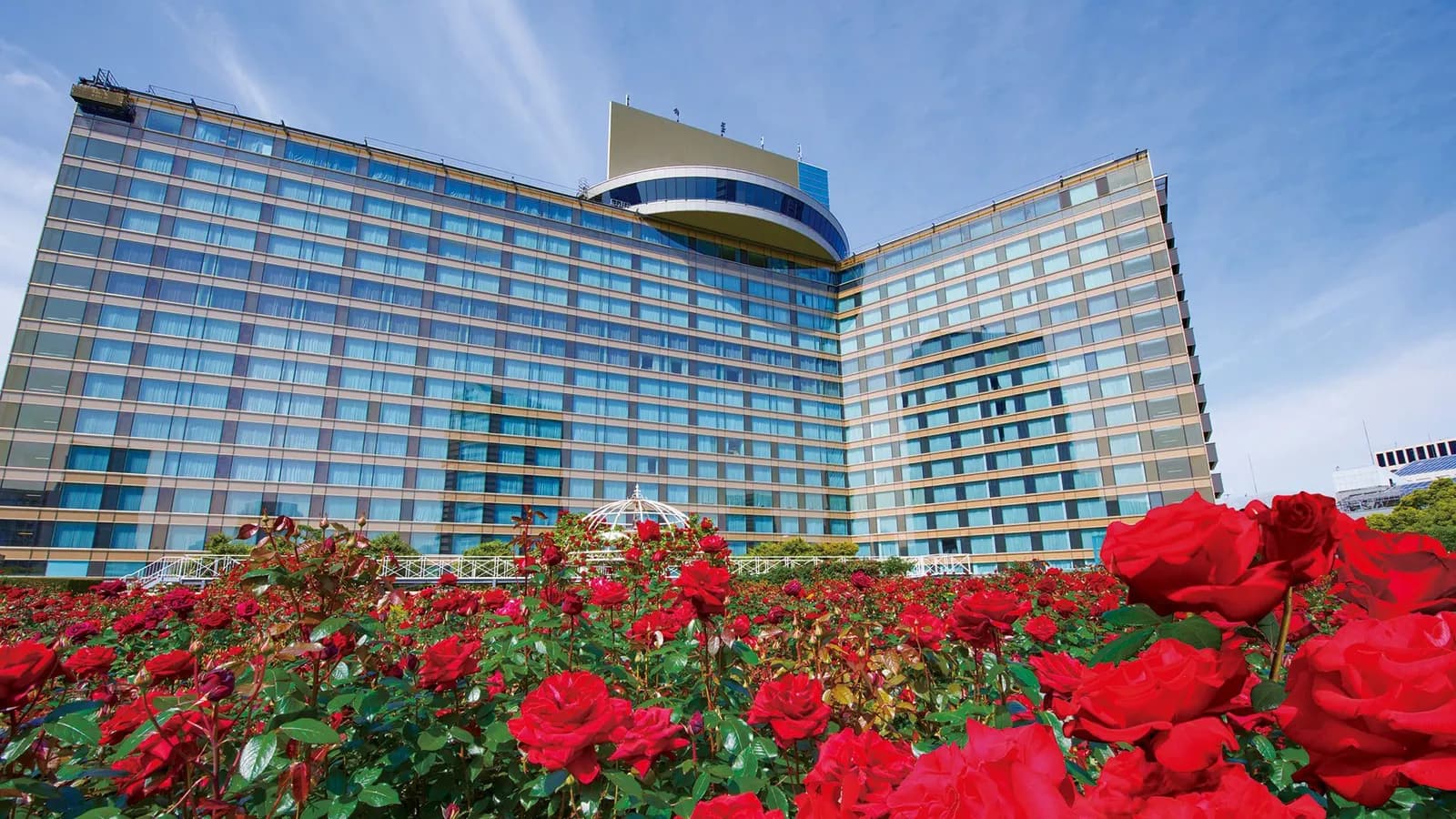
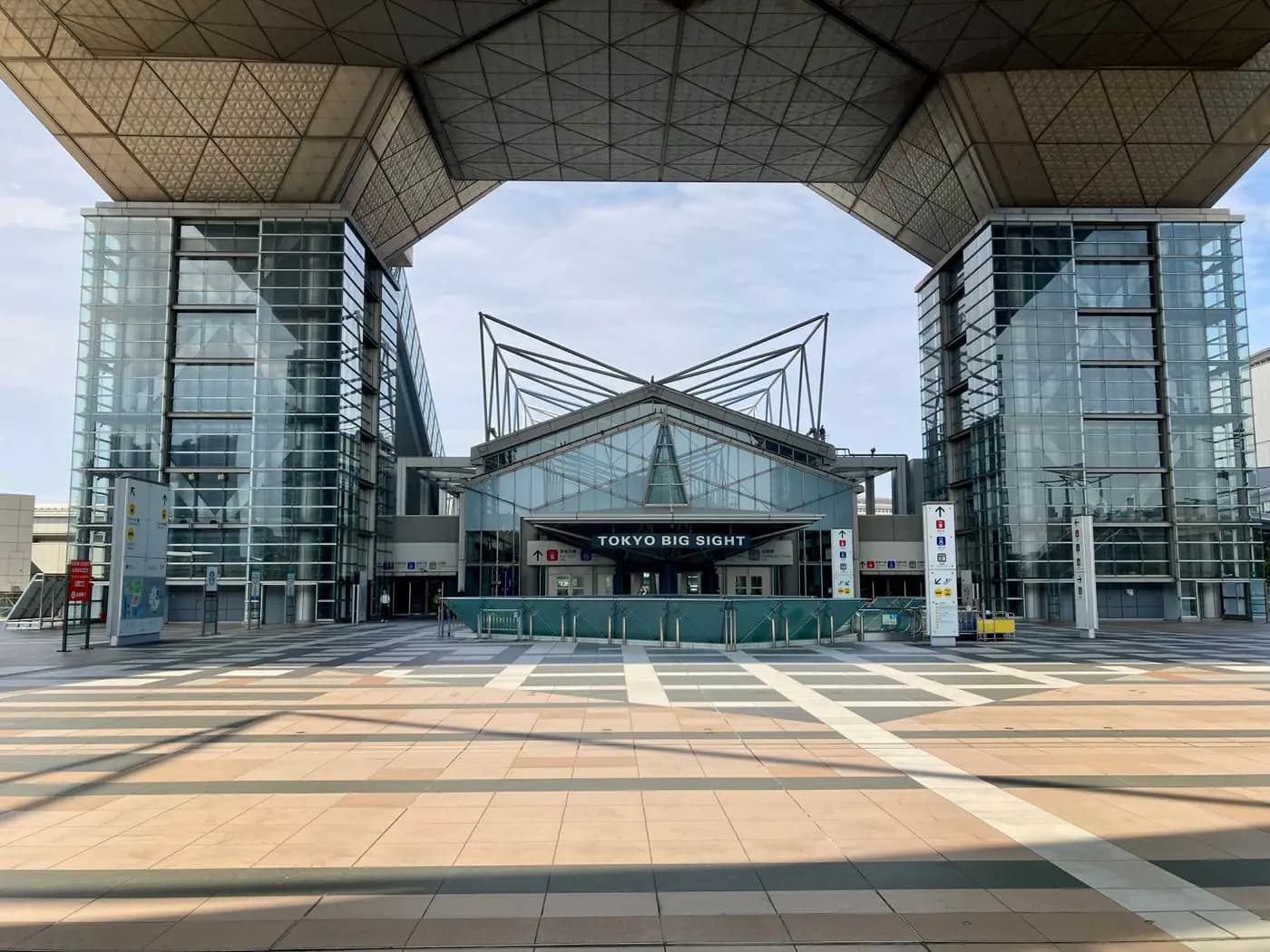
Tokyo has some of Asia's best conference hotels, with ballrooms that seat several hundred guests theater-style. For the largest formats, Tokyo International Forum offers Hall A with 5,012 seats.
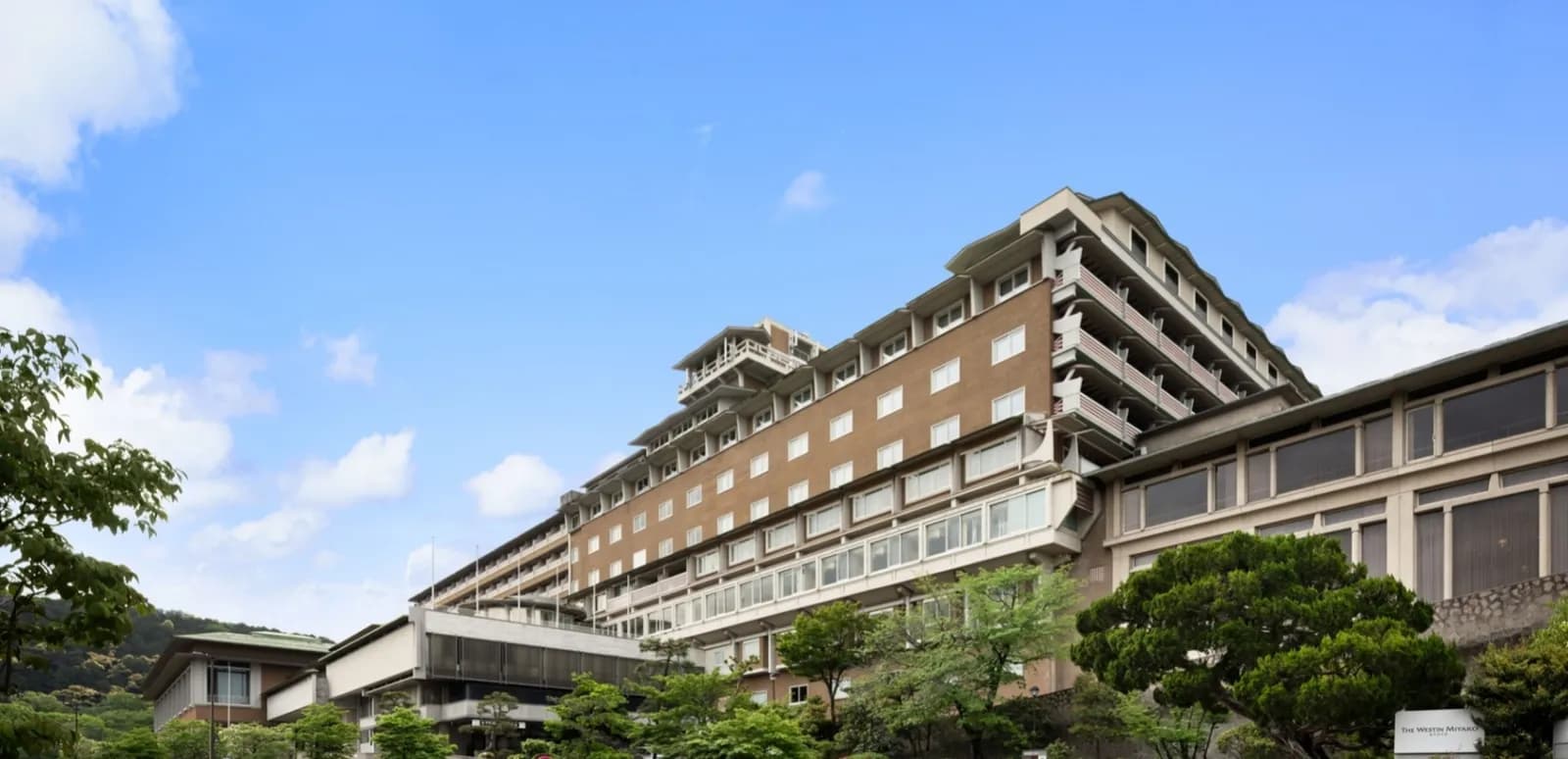
Behind that depth lies a reality worth understanding: Japan's hotel market is highly segmented. Business hotels offer excellent value but often compact rooms; conference hotels have flexible meeting space and seasoned banquet teams; luxury hotels focus on the individual guest experience and sometimes cap group sizes. The right choice depends on the participant profile and on the balance between working time and experiences.
- For a working seminar of 40 to 120 guests: a conference hotel in Marunouchi, Shinjuku or Minato.
- For an executive committee: a luxury hotel with private salons, possibly with a Kyoto extension.
- For a convention of several hundred: a convention center paired with several nearby hotels.
Experiences that serve the seminar's objectives
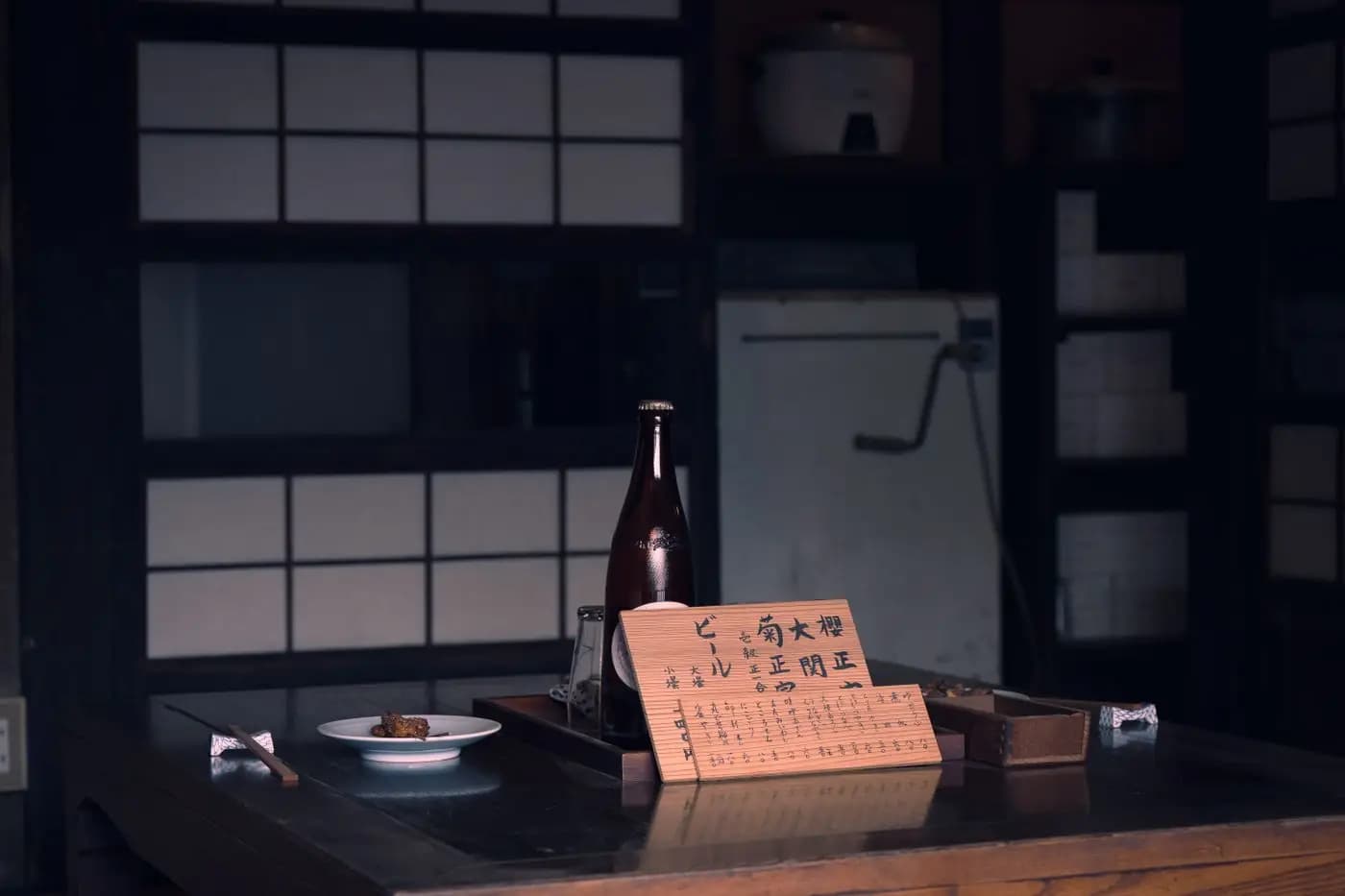
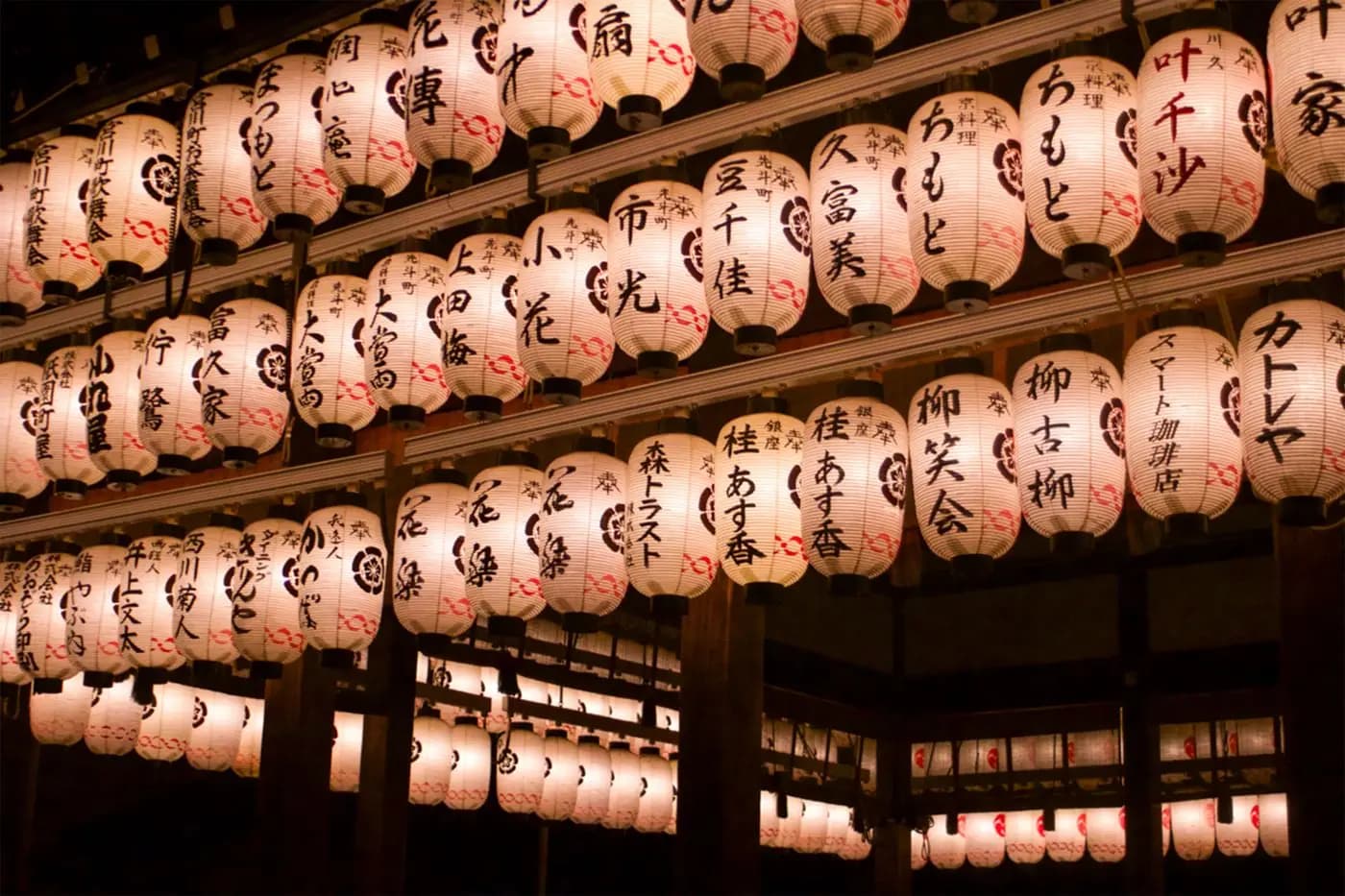
A successful seminar in Japan does not simply alternate meetings and sightseeing; it connects the two. Japanese culture offers formats that naturally extend a company's key messages, provided they are chosen for the objective rather than for folklore.
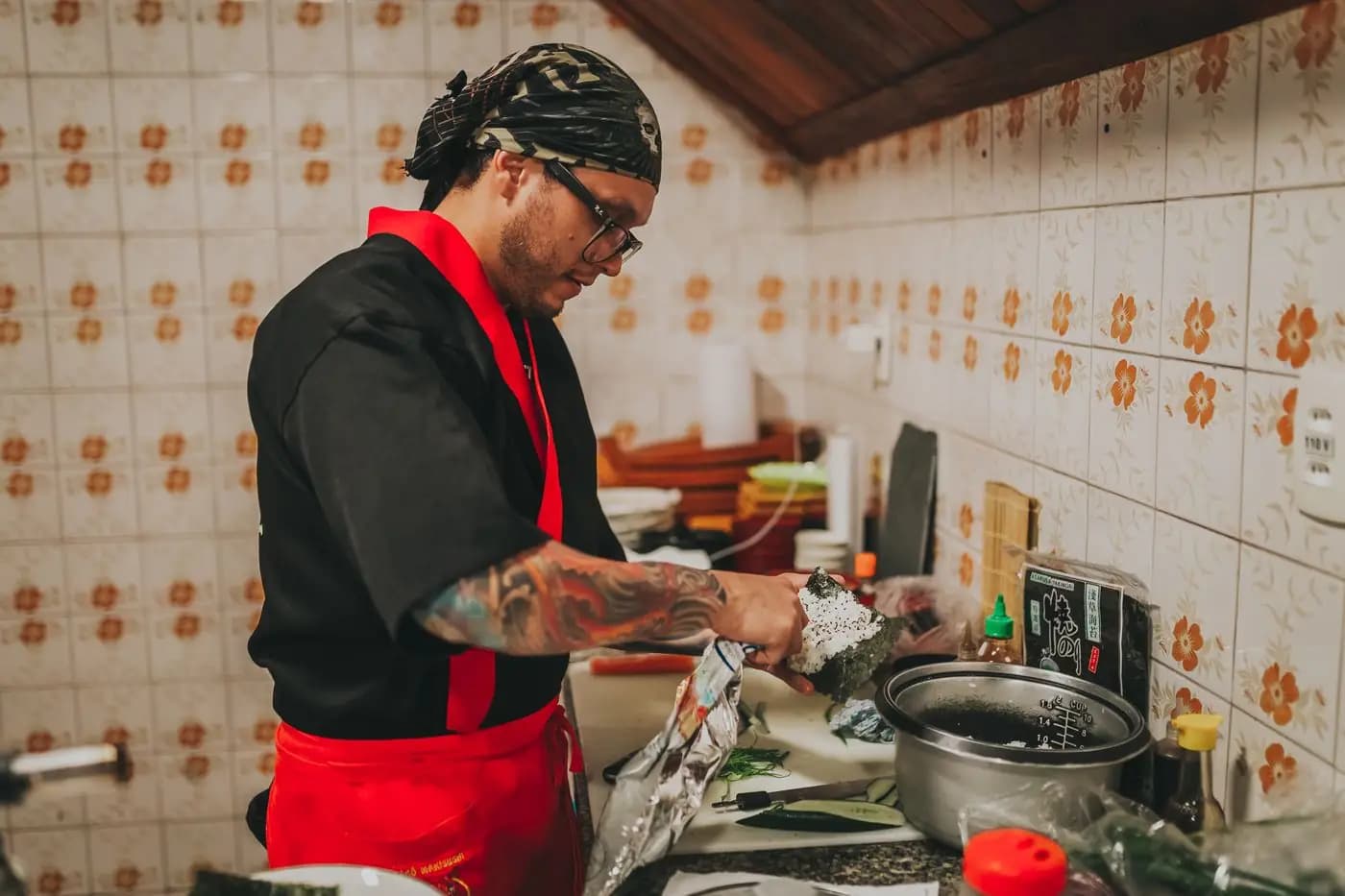
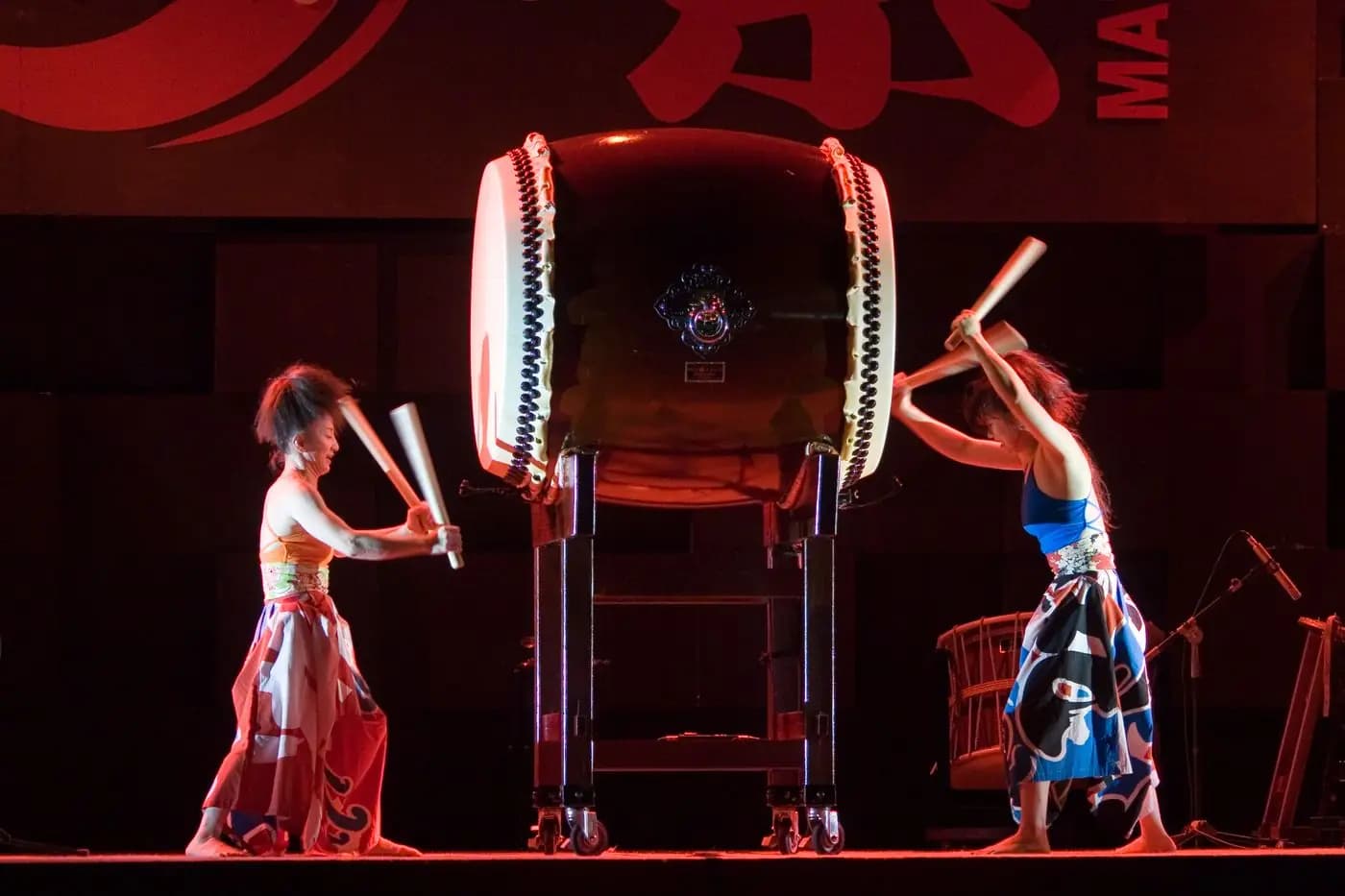
- Team cohesion: a taiko drumming workshop, where the rhythm only works if everyone listens, or a sushi and washoku class in small groups.
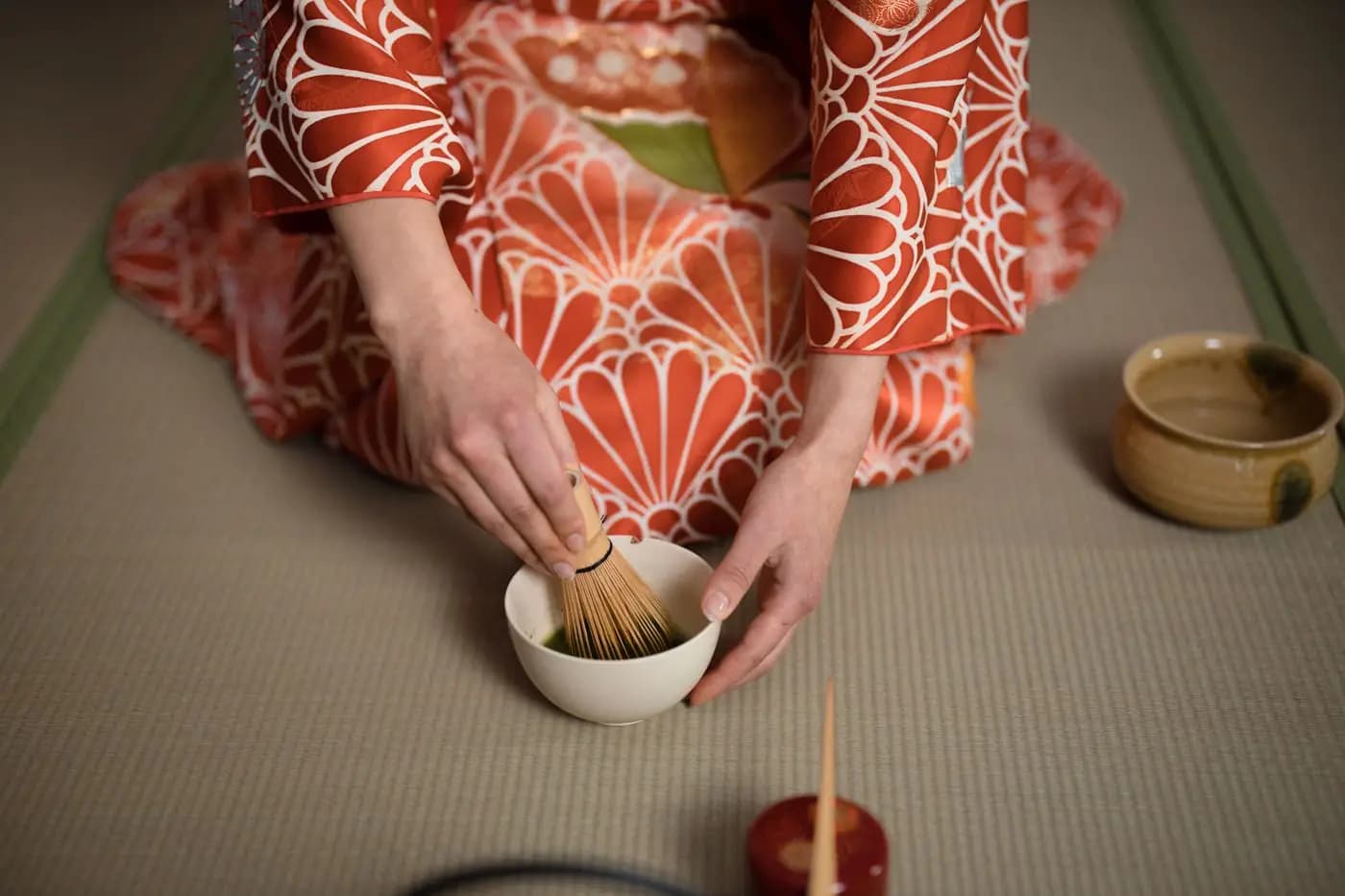
- Leadership and perspective: a tea ceremony or a session built around a Zen garden, which encourages a calmer conversation between executives.
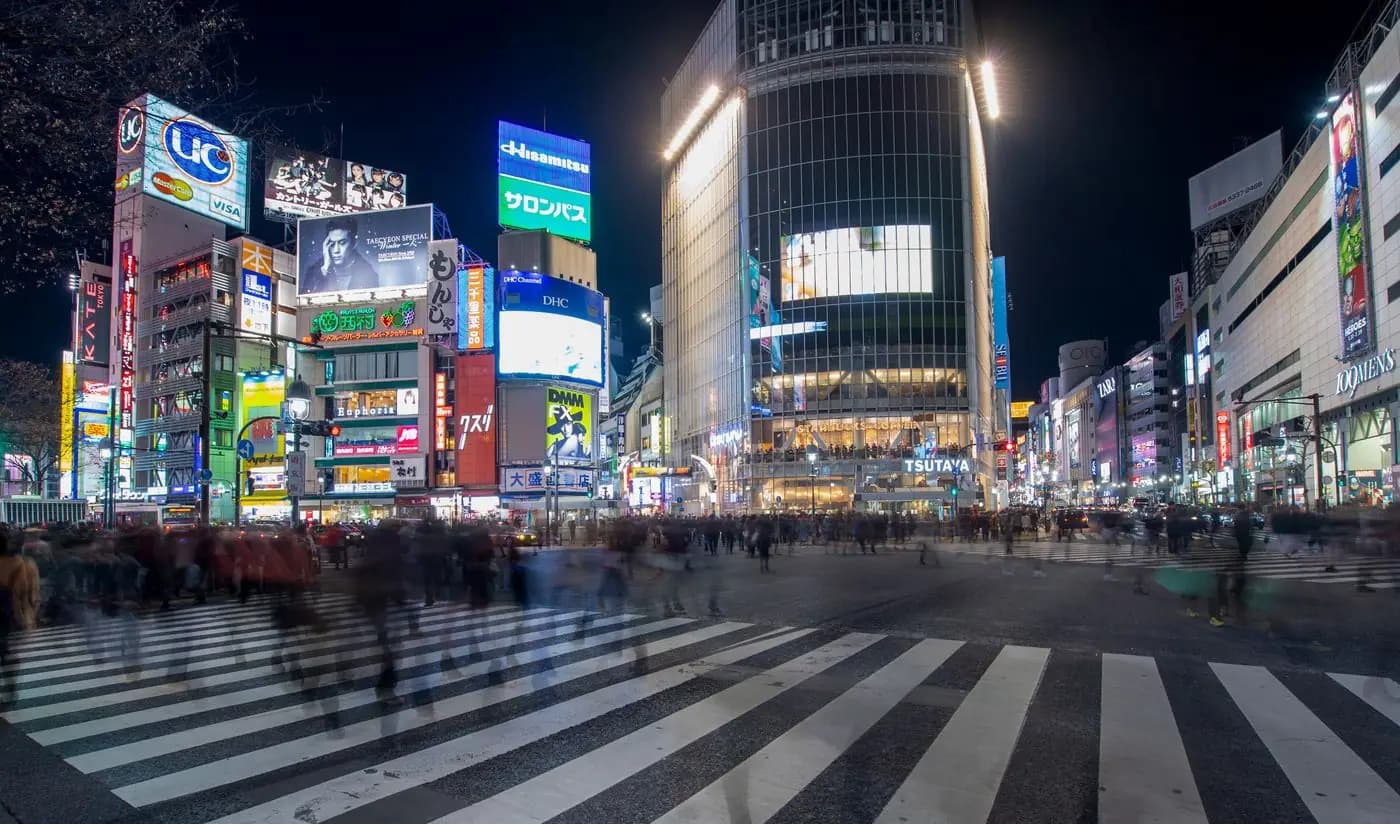
- Energy and discovery: a team-based urban rally between Shibuya and Ginza that shows the city from a different angle.
These activities are booked as private sessions, with facilitators used to international groups and interpretation provided. Capacity per session is often limited to a few dozen people; for larger groups, we run rotations or parallel workshops. Book them at the same time as the hotel, since the best facilitators are committed months ahead.
What changes in 2026
Several concrete changes need to be built into 2026 budgets:
- Departure tax: Japan's international tourist tax rises from ¥1,000 to ¥3,000 per person for departures from July 1, 2026. It is collected through the airline ticket.
- Kyoto lodging tax: since March 1, 2026, it is charged per person, per night, based on the room rate, from ¥200 up to ¥10,000 for rooms priced at ¥100,000 or more. For an executive committee staying in a luxury hotel, the impact is no longer marginal.
- Pressure on peak dates: with record demand, Tokyo and Kyoto hotels are confirming group blocks earlier and with stricter cancellation terms.
None of this calls the destination into question. It simply means locking in dates, room blocks and contract terms earlier.
Choosing the right season
The calendar has a direct impact on budget and availability:
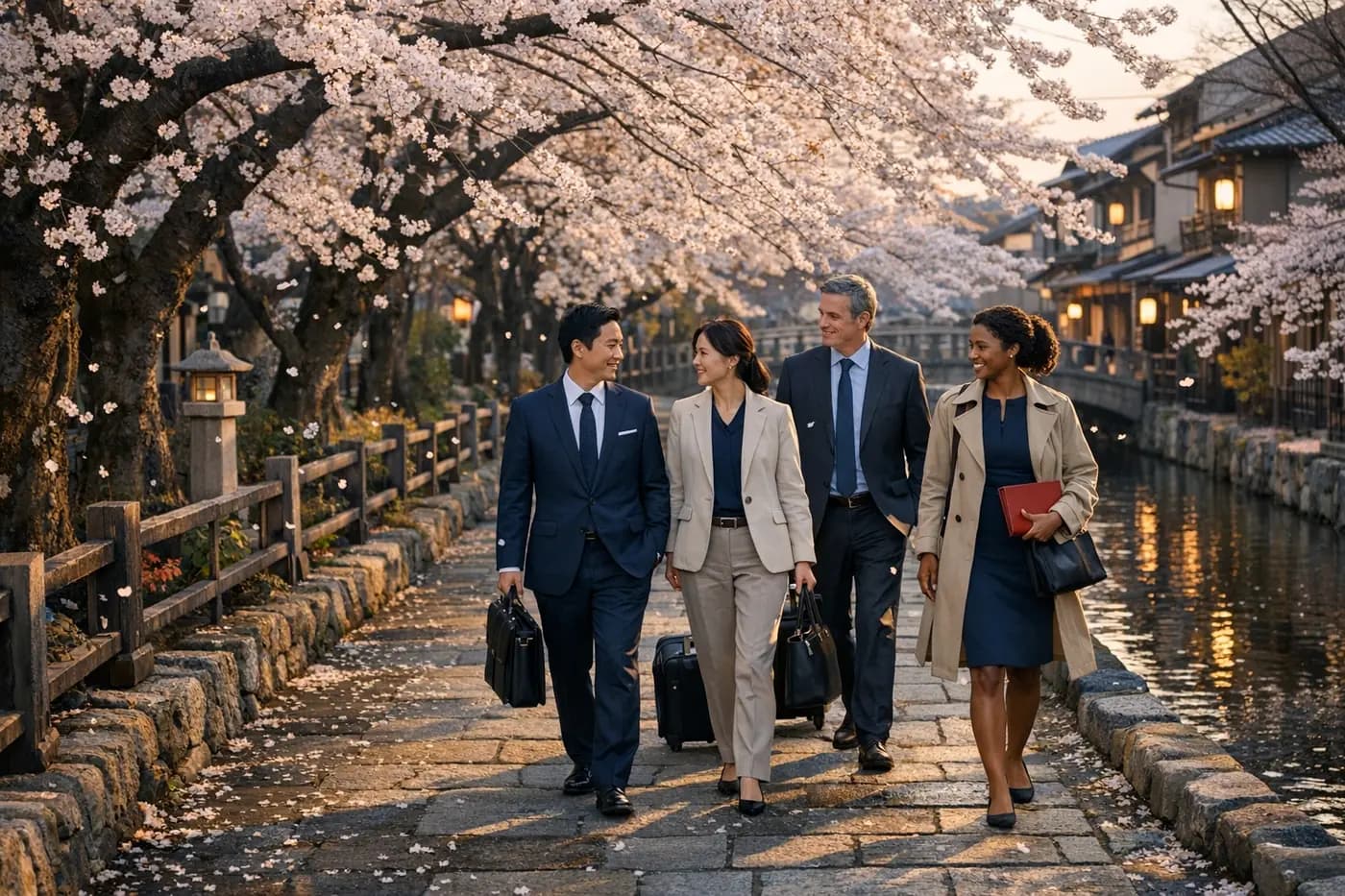
- Spring (late March to early April): cherry blossom season, the most sought-after and most expensive period. Book 12 months ahead for groups.
- Golden Week (late April to early May): domestic travel peaks and transport and sites are saturated. Best avoided.
- June to July: rainy season followed by humid heat. Hotel rates soften; the program should lean on indoor activities.
- Autumn (October to November): ideal weather and fall colors in Kyoto in late November; demand is high as well.
- January to February: clear skies in Tokyo and wider availability, a sound choice for a working seminar.
In practice, mid-May, October and late January to early March often offer the best balance of comfort, availability and budget.
Budget and planning timeline
As an indication, a 3-day / 2-night seminar in Tokyo, in a 4- or 5-star conference hotel, including transfers, meeting rooms, meals, one team-building activity and bilingual staff, starts at around €2,400 per person excluding flights, based on 80 participants. The figure varies with the season, the level of the dinners and the exchange rate, and should always be confirmed by a dated quote.
A typical planning timeline for 50 to 150 guests:
- 12 to 9 months out: brief, city selection, options on hotels and meeting space.
- 9 to 6 months out: site inspection, hotel contracts, group restaurants and exclusive activities.
- 6 to 3 months out: detailed program, participant list, Shinkansen and coach bookings.
- 3 to 1 months out: final rooming list, cultural briefing, participant guide.
French nationals and citizens of most European countries do not need a visa for a short business stay. Check the situation of every nationality in the group, however.
Frequently asked questions
How far in advance should a seminar in Japan be planned?
For 50 to 150 guests, allow 9 to 12 months. For cherry blossom season or autumn in Kyoto, 12 months is a realistic minimum. An executive committee of 10 to 20 can be organized in 4 to 6 months outside peak periods.
What budget should we plan for a seminar in Japan?
As an indication, a 3-day / 2-night seminar in a 4- or 5-star Tokyo conference hotel starts at around €2,400 per person excluding flights for 80 participants. Season, restaurant level and exchange rate all move that figure. A dated quote is the only reliable reference.
Do participants need a visa for a corporate seminar in Japan?
French nationals and citizens of most EU countries are visa-exempt for short business stays that involve no paid work in Japan. Participants of other nationalities should check with the Japanese embassy. We recommend collecting nationalities at registration.
Tokyo only, or several cities?
For 3 days, Tokyo alone is the most efficient choice. From 4 or 5 days, a Tokyo–Kyoto combination by Shinkansen (about 2h15) adds real cultural depth without a domestic flight, with luggage sent ahead separately.
Do participants need to speak Japanese or English?
No. English is spoken in major hotels but much less in restaurants and on public transport. Bilingual or trilingual staff at every key moment, and signage prepared in advance, are enough to keep the trip seamless.
Rédaction SHINOGI DMC · Updated