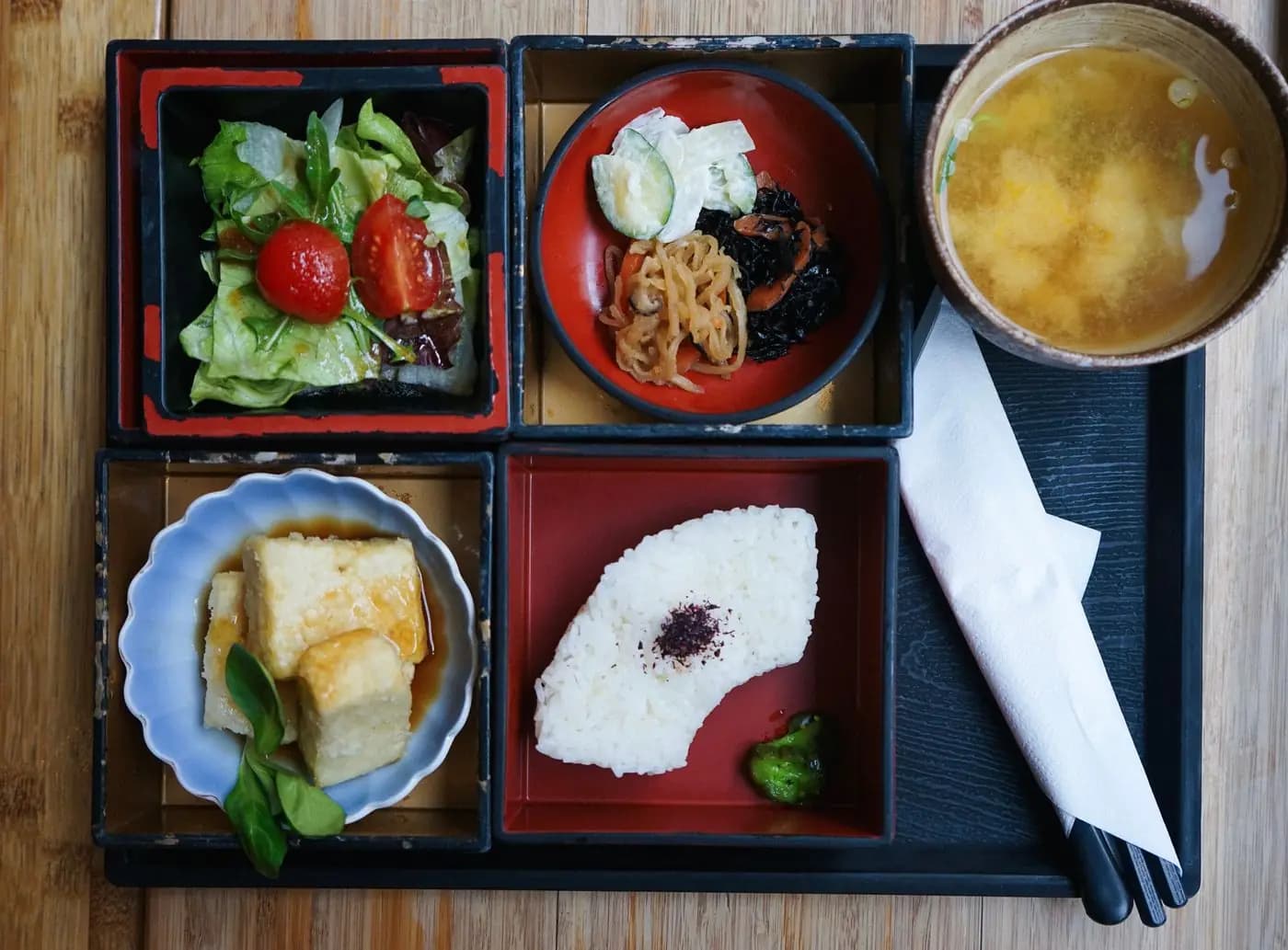
Vegetarian and vegan in Japan: the dashi trap
On paper, Japanese food looks easy for vegetarians: rice, tofu, vegetables, seaweed, noodles. In practice, almost every dish relies on dashi, a stock made from dried bonito (katsuobushi) and often small dried sardines (niboshi). You find it in:
- miso soup, served with almost every meal;
- udon, soba and ramen broths, and dipping sauces;
- tentsuyu sauce for tempura, even vegetable tempura;
- tamagoyaki omelette, chawanmushi, simmered vegetables (nimono) and most marinades;
- bonito flakes sprinkled on okonomiyaki, cold tofu or spinach.
Add barely visible animal ingredients: chicken or pork extract in "vegetable" broths, lard in some gyoza and fried noodles, gelatine in desserts, oyster sauce. The word "vegetarian" is sometimes understood as "with vegetables", not "without meat or fish".
What works:
- State precisely what you don't eat: meat, fish, seafood and fish dashi ("sakana no dashi mo dame desu"). Add that kombu (kelp) or shiitake stock is fine.
- Look for vegan places: Tokyo, Kyoto and Osaka now have dozens, including vegan ramen, cafés and tofu restaurants. Outside big cities, choice drops sharply.
- At a ryokan, warn them at least one to two weeks ahead: most can prepare a vegetarian dinner, strict vegan less often.
- At a konbini, read labels: kombu or salted-plum onigiri sometimes contain bonito extract (かつおエキス). Plain tofu, natto, fruit, nuts and some seasoned-rice onigiri remain safe bets.
Terms to spot on a label: 肉 (meat), 豚 (pork), 牛 (beef), 鶏 (chicken), 魚 (fish), かつお (bonito), だし (dashi), エキス (extract), ゼラチン (gelatine).
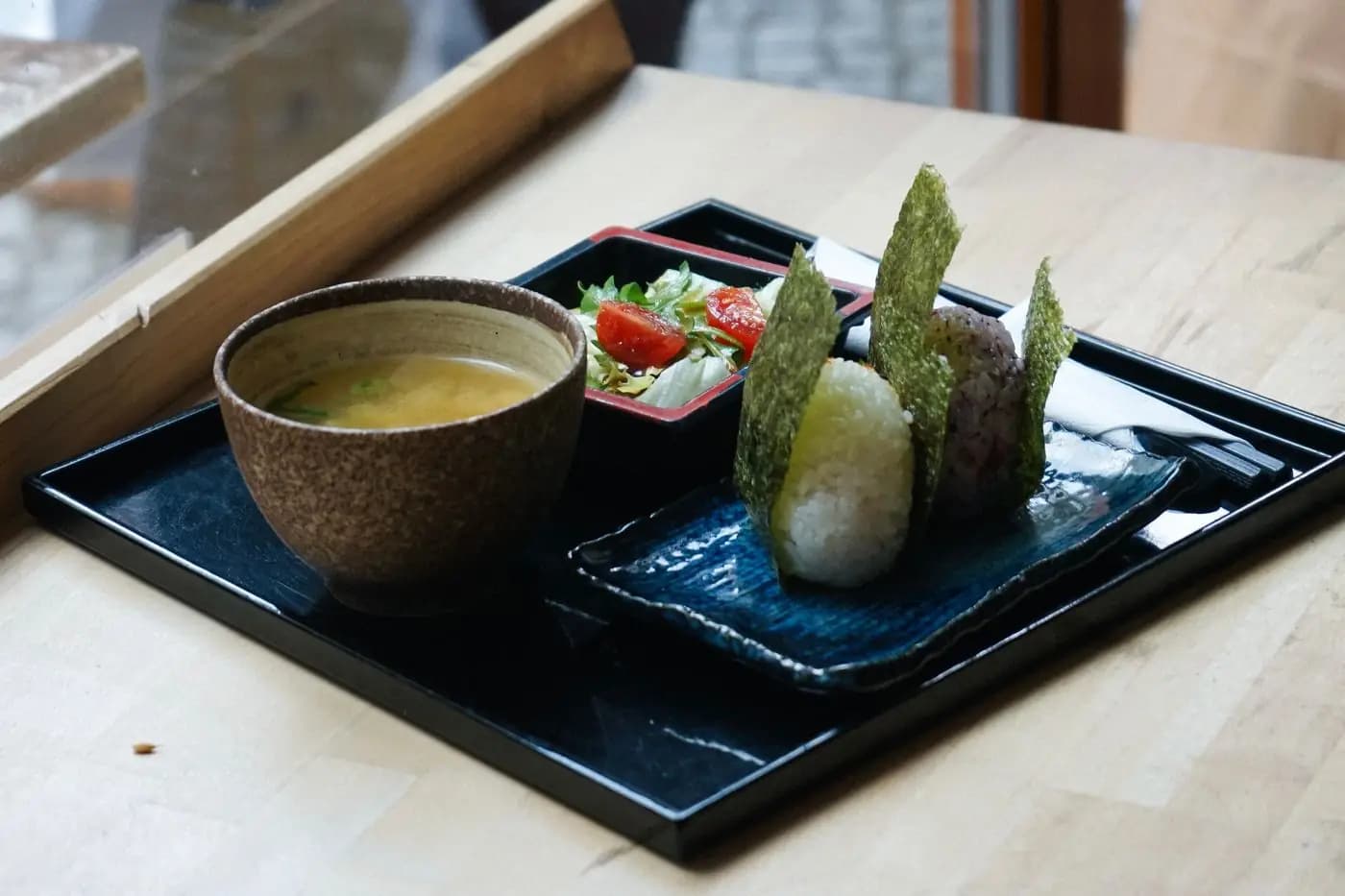
Shojin ryori and temple cuisine: the 100% plant-based option
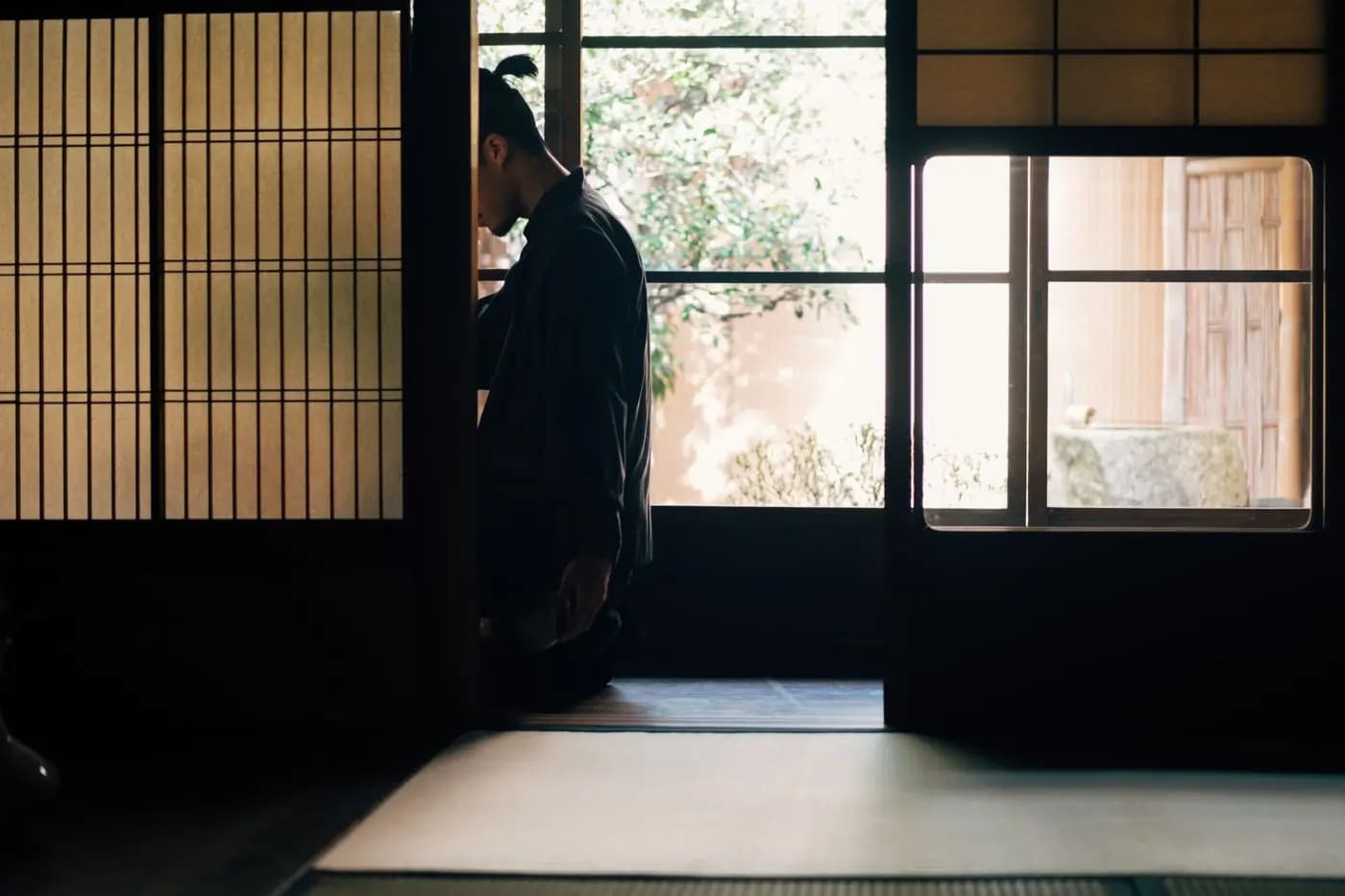
Shojin ryori is the cuisine of Zen Buddhist monasteries, which arrived in Japan with Buddhism and was codified from the 13th century. It excludes meat, fish and all animal products, and traditionally the five "pungent" vegetables (garlic, onion, scallion, leek, shallot), believed to disturb meditation. The stock is made from dried kombu and shiitake. It is therefore vegan by nature, and one of the most refined cuisines in the country.
A typical meal follows the principle of "five colours, five flavours, five methods": sesame tofu (goma-dofu), simmered seasonal vegetables, vegetable tempura, pickles, miso soup with seaweed stock, rice. Soy-based specialities such as yuba (soy milk skin) and fu (wheat gluten, beware for coeliacs) feature heavily.
Where to eat it:
- Kyoto: several Zen temples in Arashiyama, Daitoku-ji or Myoshin-ji serve shojin ryori in their sub-temples or adjoining restaurants, often by reservation, for ¥3,500–10,000 depending on the number of dishes. Yudofu (hot tofu in kombu broth) is the speciality around Nanzen-ji and Arashiyama.
- Mount Koya (Wakayama): you sleep in a temple (shukubo), with shojin dinner and breakfast included, and can attend the morning service.
- Tokyo and Kamakura: a few specialist restaurants and temples offer shojin menus, notably around Kamakura's great Zen temples.
Two precautions: shojin ryori often contains sesame, soy and wheat (fu, soy sauce), so it is not automatically suitable for people with allergies or coeliac disease; and many temples require booking several days ahead, with limited covers.
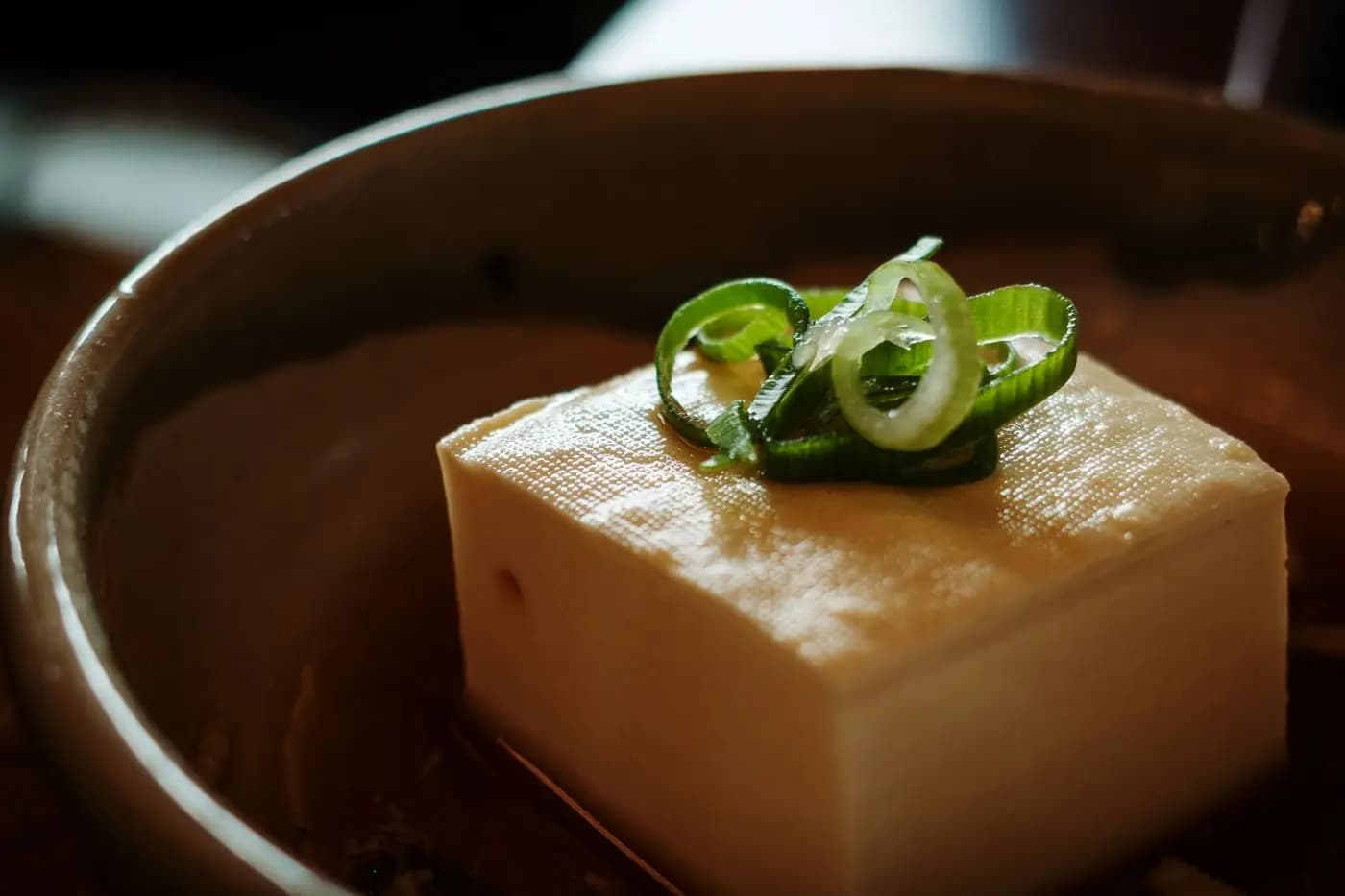
Halal and pork-free in Japan: what to know
Halal options in Japan have grown considerably since the 2010s, driven by tourism from South-East Asia. But they remain concentrated in big cities and tourist areas, and come with a few specifics.
- No single certification body. Several associations issue halal certification, with different requirements. There are also "Muslim-friendly" restaurants that use no pork or alcohol without being certified. Each traveller or group decides what level is acceptable.
- Alcohol in cooking: mirin (sweet rice wine) and cooking sake go into a large share of Japanese sauces (teriyaki, sukiyaki sauce, nimono). A halal restaurant replaces them; an ordinary restaurant cannot remove them from a sauce prepared in advance.
- Hidden pork: ramen broths (tonkotsu, but also many shoyu), gyoza, lard, pork extract (ポークエキス), gelatine. So-called "chicken" broths sometimes contain pork too.
- Meat: a beef or chicken dish is not halal unless the slaughter is. A few restaurants serve halal-certified wagyu and chicken; book ahead, especially for groups.
On the practical side, several international airports (Narita, Haneda, Kansai) have prayer rooms, as do some stations, department stores, shopping centres and big-city hotels. The national tourism organisation (JNTO) publishes a guide for Muslim travellers, and services such as Halal Gourmet Japan list restaurants by city and certification level.
The simplest options on the ground: certified Indian, Turkish, Indonesian or Malaysian restaurants, halal Japanese food at a few addresses in Tokyo, Kyoto and Osaka, and, as a fallback, fish sushi and sashimi (checking the soy sauce, which often contains a little alcohol, and that there is no mirin in the rice).
Gluten-free in Japan: soy sauce, soba and other traps
Rice dominates Japanese cooking, which suggests that a gluten-free diet is easy there. For a coeliac it is the opposite: wheat is everywhere, starting with the country's most used ingredient.
- Regular soy sauce (shoyu) is brewed with soy and wheat. It goes into marinades, teriyaki, noodle broths, yakitori sauces, and onto sushi. Tamari is traditionally made with little or no wheat, but not always: check the label. The safest solution is to bring a small bottle of certified gluten-free soy sauce.
- Soba is not gluten-free by default: most buckwheat noodles contain 20 to 50% wheat flour. Even juwari soba (100% buckwheat) is often cooked in the same water as wheat noodles.
- Miso may contain barley (mugi miso); panko, tempura, karaage, gyoza, okonomiyaki and takoyaki all contain wheat.
- Fu, found in soups and temple cuisine, is pure wheat gluten.
Generally safe, provided no sauce is added: plain rice, sashimi without sauce, salt-grilled fish (shioyaki), salt-seasoned yakitori (shio, not tare), plain tofu, eggs, steamed vegetables, plain mochi, and juwari soba in the rare places that cook it separately.
In practice, coeliac travellers are advised to stay in hotels with a breakfast buffet (where you can see the products), research gluten-free restaurants in Tokyo, Kyoto and Osaka in advance, and carry a card in Japanese explaining that this is a disease, not a preference: even a small amount of soy sauce is a problem. Words to recognise on a label: 小麦 (wheat), 大麦 (barley), 醤油 (soy sauce).
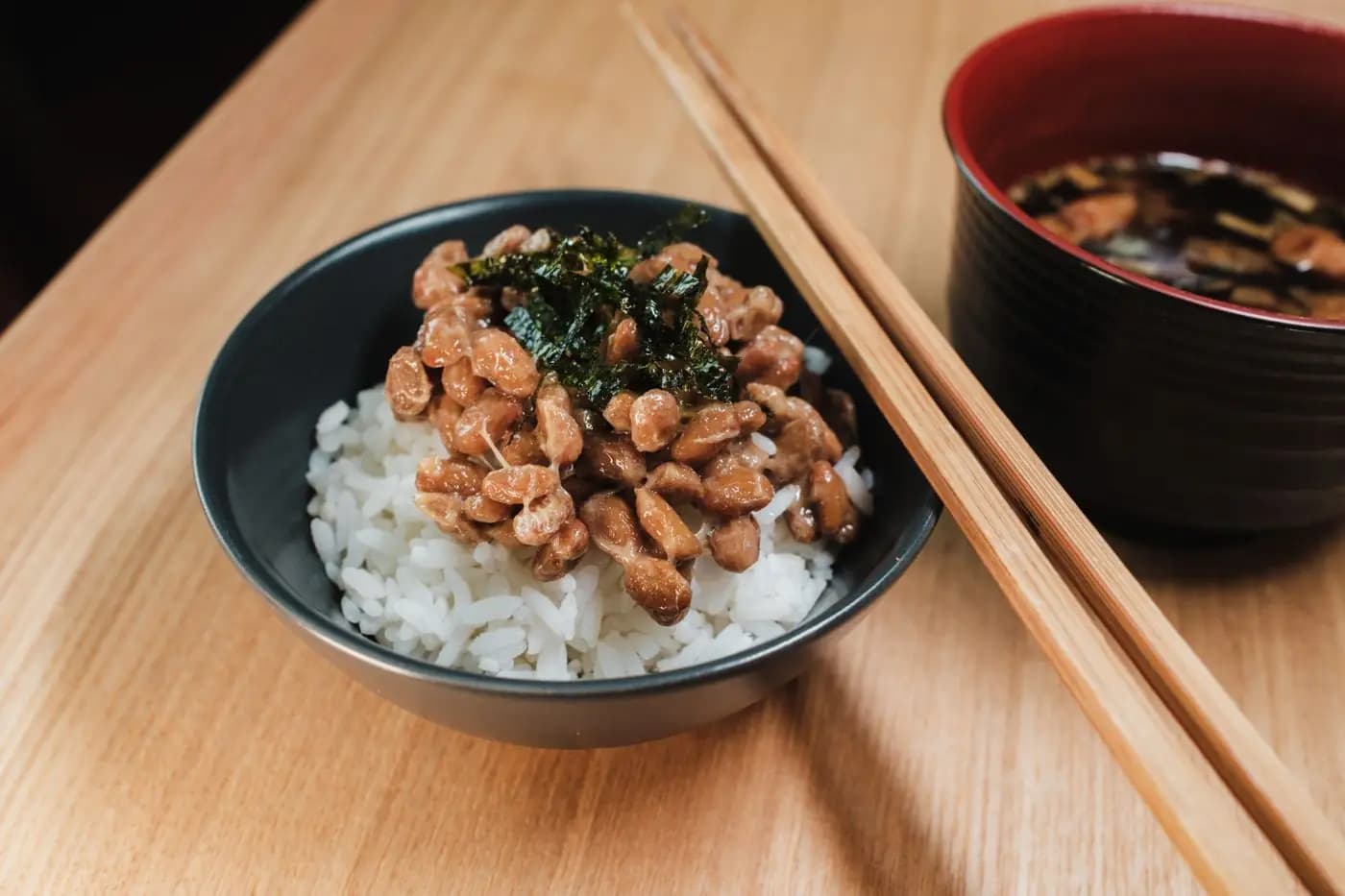
Food allergies: Japanese labelling in 2026 and allergy cards
Japan has one of the strictest allergen-labelling systems in the world, but it has one important limit.
Mandatory allergens (tokutei genzairyo). Since 1 April 2026, nine ingredients must appear on all prepackaged processed food: shrimp (えび), crab (かに), walnut (くるみ), wheat (小麦), buckwheat (そば), egg (卵), milk (乳), peanut (落花生) and cashew (カシューナッツ), added this year. Manufacturers have until 31 March 2028 to update their packaging, so some products do not yet show cashew. Pistachio has joined the list of recommended allergens, which includes around twenty other ingredients (soy, sesame, salmon, mackerel, beef, pork, chicken, banana, peach, apple, kiwi, almond, macadamia, gelatine, among others), whose labelling remains optional.
The limit: mandatory labelling covers packaged products. It does not apply to restaurant dishes, street stalls, or food made and sold on the premises (bakeries, depachika deli counters). Many chains still publish an allergen chart, often available on request or on their website, but nothing obliges them to.
What we advise travellers with allergies:
- A card in Japanese, printed and on your phone, naming the allergen, stating the severity and mentioning cross-contamination. Example: 私は〇〇に重度のアレルギーがあります。少量でも命に関わります。同じ油や調理器具の使用も避けてください。 ("I have a severe allergy to ○○. Even a small amount can be life-threatening. Please also avoid oil and utensils used for this food.")
- Japan-specific watch points: buckwheat (soba, galettes, some biscuits), crustaceans in broths and powders (sakura ebi), shared frying oil for tempura, sesame everywhere, peanut in some sauces and desserts.
- Adrenaline auto-injectors: you can bring them into Japan without formalities up to a one-month supply for personal use, with the prescription; beyond that, an import certificate (yakkan shomei) is required. The emergency number is 119.
- Apps: photo translation (Google Lens, Google Translate) to read labels, HappyCow for vegetarian and vegan places, Find Me Gluten Free for gluten-free, Halal Gourmet Japan for halal. They help, but do not replace asking the cook.
Managing diets for 100 participants: the method
In a group of 100 people from Europe, 10 to 20 special requests are common: vegetarian, vegan, no pork, halal, gluten-free, lactose-free, nut or shellfish allergies, pregnant women (no raw fish). In Japan, where kitchens work on fixed menus prepared in the morning, success depends almost entirely on anticipation.
1. Collect early and precisely. The registration form offers closed categories (vegetarian, vegan, certified halal, no pork, gluten-free coeliac, gluten-free by preference, allergy with list of foods and severity, pregnancy), plus a free field. "Vegetarian" must specify: fish accepted or not, fish dashi accepted or not, eggs and dairy accepted or not.
2. Translate and send a named list. Every restaurant, hotel, ryokan and caterer receives the list in Japanese 3 to 4 weeks ahead: name, table or room number, diet, forbidden foods, severity. Ryokan and kaiseki dinners need that lead time to adapt a ten-course menu.
3. Identify special meals at the table. Name cards with a pictogram, assigned seats, or badge colours. At a 100-cover seated dinner, the server must know without asking who gets the shellfish-free plate.
4. Label buffets. Allergen pictograms and "vegan", "no pork", "contains alcohol" labels on every dish, in English and Japanese. Large Japanese hotels do this more and more, but you must ask explicitly.
5. Think of "invisible" meals. Bento for coach and Shinkansen transfers (labelled with the participant's name), meeting coffee breaks, cocktails, in-room food gifts, tastings during activities (sake, wagashi, street food).
6. Brief the guides. Each host has the list for their sub-group, an allergy card per person concerned, and knows where the nearest hospital and pharmacy are. For Muslim participants, build prayer times and a prayer space into the programme.
7. Have a plan B. A box of safe snacks (peanut-free dried fruit, rice crackers, gluten-free bars) on the coach, and a known fallback restaurant in each city.
SHINOGI DMC centralises this information for seminars and incentives: form, translation, transmission to suppliers, menu checks and on-site follow-up by the team.
Frequently asked questions
Is it easy to eat vegetarian in Japan?
It is possible but takes preparation: fish dashi is in most soups, noodles and sauces. Big cities have vegan restaurants, and temple shojin ryori is fully plant-based.
Which allergens are mandatory on Japanese labels in 2026?
Nine since 1 April 2026: shrimp, crab, walnut, wheat, buckwheat, egg, milk, peanut and cashew. Manufacturers have until 31 March 2028 to add cashew; around twenty other allergens are only recommended.
Do Japanese restaurants have to list allergens?
No. Mandatory labelling covers prepackaged food. Restaurants, stalls and food sold on the premises are not covered, although many chains publish an allergen chart. Always ask.
Is soy sauce gluten-free?
No, regular Japanese soy sauce contains wheat. Some tamari is wheat-free, but check the label; the safest option is to bring certified gluten-free soy sauce.
Can you find halal food in Japan?
Yes, especially in Tokyo, Osaka and Kyoto, but there is no single certification body. Watch for mirin and cooking sake, pork extract in broths, and book ahead for a group.
How do you manage dietary needs for a group of 100 in Japan?
Collect diets at registration with precise categories, send a named list translated into Japanese to every supplier 3 to 4 weeks ahead, identify special meals at the table and label buffets.
Rédaction SHINOGI DMC · Updated
Sources
- Consumer Affairs Agency — Informations sur l'étiquetage des allergènes alimentaires (officiel)
- Préfecture de Mie — Ajout de la noix de cajou aux allergènes obligatoires (avril 2026)
- JNTO — A Vegetarian and Vegan Guide to Japan
- JNTO — Muslim Travelers in Japan
- JNTO — Japanese Cuisine for All, Including Vegan, Vegetarian and Halal Selections
- Ministry of Health, Labour and Welfare — Bringing medicines for personal use into Japan
- Halal Gourmet Japan — Recherche de restaurants halal