Uji in one day: why go and how to get there from Kyoto
Uji is a small town south of Kyoto, set on a fast-flowing river between wooded hills. It owes its reputation to two things: Byodo-in, the temple whose Phoenix Hall appears on the ¥10 coin, and tea. Since the 13th century, the tea bushes that produce Japan's finest matcha and gyokuro have been grown here, and tea merchants have kept shop for centuries.
It is an ideal excursion for a half day or a calm full day after several intense days in Kyoto. Everything is done on foot, within about 1.5 km between the station and the river.
Access from Kyoto:
- JR Nara Line from Kyoto Station to JR Uji Station: about 17 minutes by rapid (Miyakoji), 30 minutes by local. The Japan Rail Pass is valid. This is the simplest option from the station area.
- Keihan from Gion-Shijo or Sanjo: main line to Chushojima, then the Uji Line to the terminus, about 35 to 40 minutes. Handy if you are staying in Gion or Higashiyama; Keihan Uji Station is right by the river, on the other bank.
- From Nara: JR Nara Line in the other direction, about 30 to 40 minutes. So Nara and Uji can be combined on the same day.
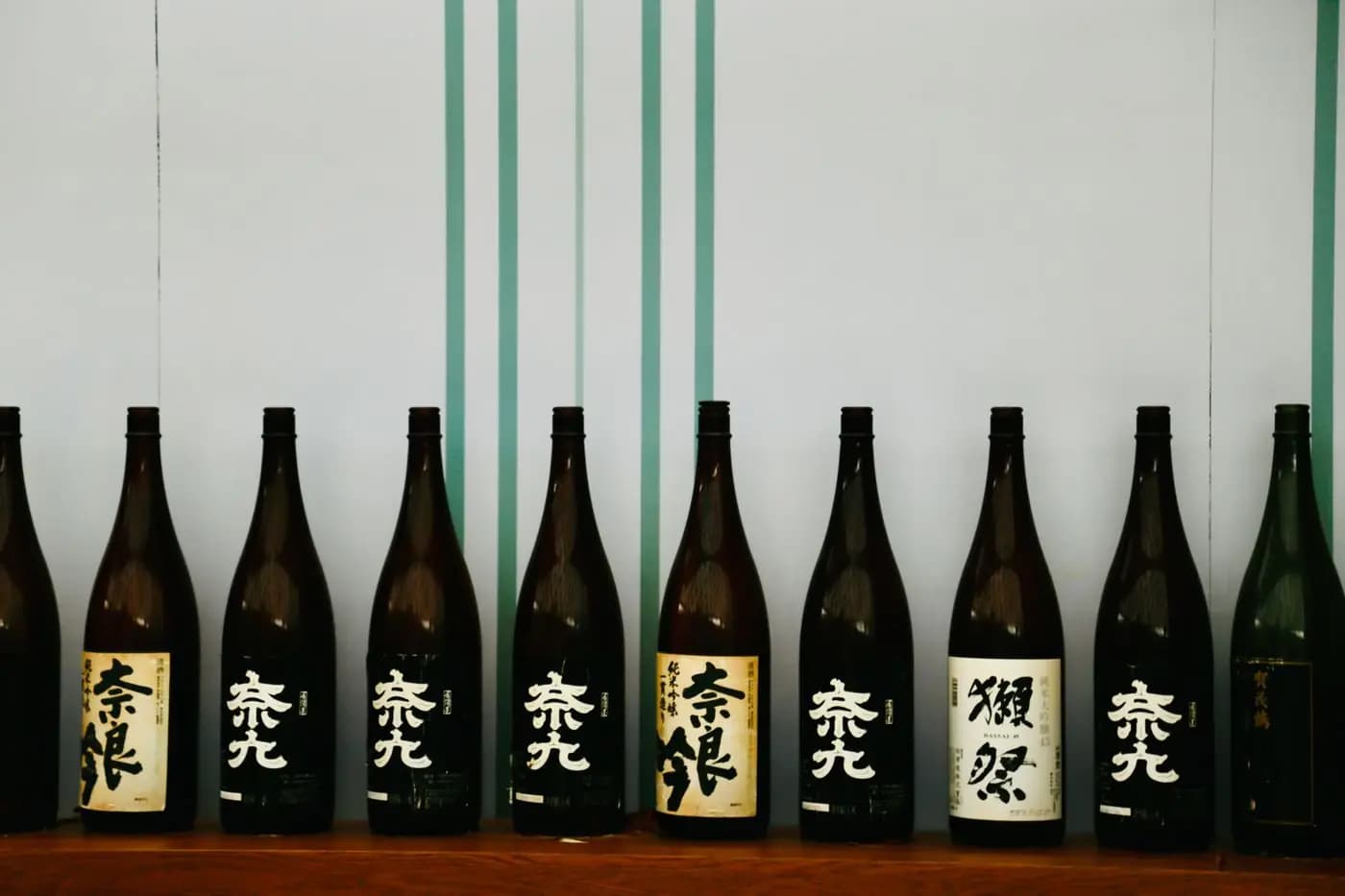
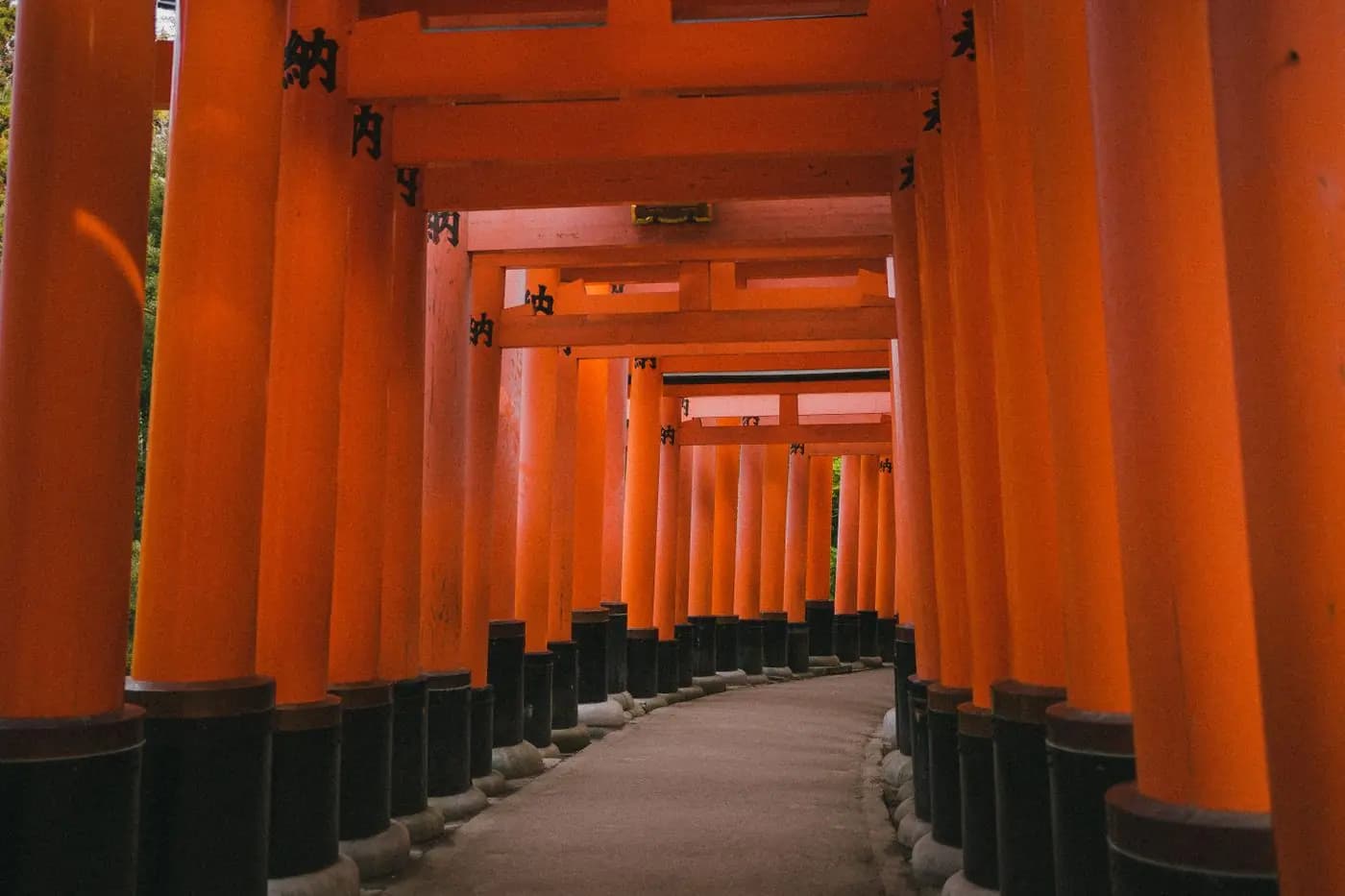
Combining Uji: the JR Nara Line stops at Inari. A classic option is Fushimi Inari early in the morning, then on to Uji in 15 minutes for the rest of the day. The Fushimi sake brewery district, on the Keihan line, also combines easily in the afternoon.
Suggested itinerary:
- 9am: arrive at JR Uji Station, short walk to the Byodo-in Omotesando shopping street.
- 9:15–11am: Byodo-in, including the Phoenix Hall interior.
- 11am–12pm: tea streets, tasting and shopping.
- 12–1pm: lunch (green tea soba, tofu or matcha dishes).
- 1–2:30pm: Tachibana Island, Uji and Ujigami shrines.
- 2:30–3:30pm: tea ceremony at Taiho-an, or the Tale of Genji Museum.
Byodo-in and the Phoenix Hall: hours, fees and interior visit
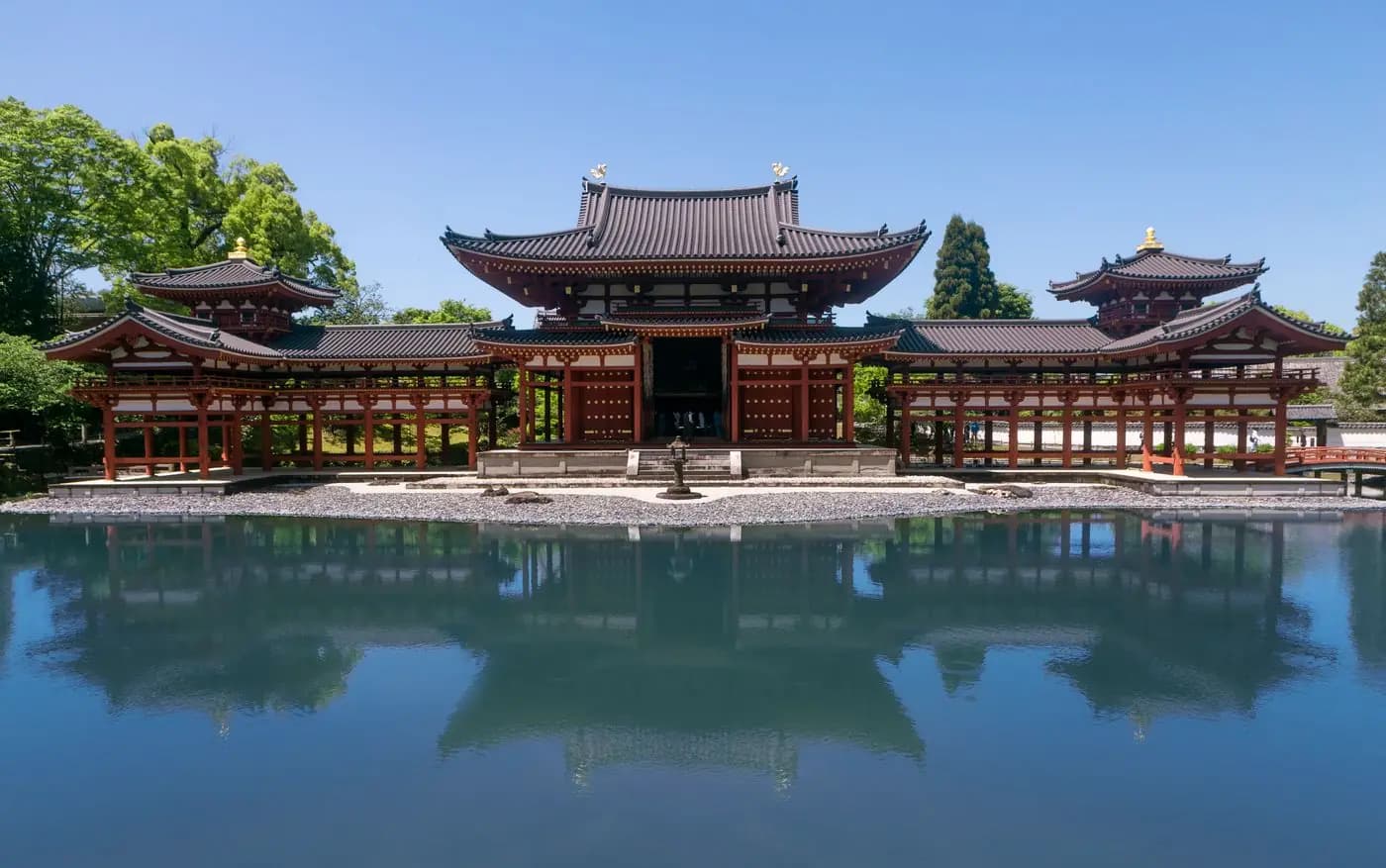
Byodo-in was originally a Fujiwara family villa, converted into a temple in 1052 by the regent Fujiwara no Yorimichi. Its Phoenix Hall (Hoo-do), completed in 1053, is one of the few Heian-period buildings to have survived. It is a World Heritage site, listed with the historic monuments of ancient Kyoto.
The building is reflected in a pond, with two wings and a rear corridor that give it the shape of a bird with outstretched wings; two bronze phoenixes stand on the roof. Inside, the Amida Nyorai statue by the sculptor Jocho is surrounded by 52 small bodhisattvas playing music on clouds. The whole was meant to represent Amida's Pure Land on earth.
Practical details:
- Garden and Hoshokan museum: ¥700 per adult. Garden open 8:45am to 5:30pm (last entry 5:15pm), museum 9am to 5pm.
- Phoenix Hall interior: ¥300 extra, a guided visit in Japanese of about 20 minutes, in groups of up to 50 people every 20 minutes, from 9:30am to 4:10pm. Tickets are issued at a counter in the garden with a set time. In high season, morning slots go fast: go to the counter on arrival, then visit the rest while you wait.
- The interior may close without notice for ceremonies.
The Hoshokan museum, largely underground so as not to spoil the view, is remarkable: you see the original roof phoenixes up close (those on the roof are replicas), the temple bell and some of the bodhisattvas on clouds. It is often what impresses visitors most.
Tips: the best view of the hall is from across the pond, facing the entrance; early in the morning the light is soft and the pond reflects the facade better. Allow 1.5 to 2 hours in all. Photos are allowed in the garden, forbidden inside the hall and the museum.
Keep a ¥10 coin in your pocket: comparing it with the building always raises a smile.
Uji's tea streets: historic houses, tasting and buying matcha
Between JR Station and Byodo-in, Byodo-in Omotesando and Uji-bashi-dori are lined with tea merchants, some established for centuries. A few landmarks:
- Tsuen, at the foot of Uji-bashi bridge, presents itself as one of Japan's oldest tea houses, run by the same family since the 12th century. The current building dates from the Edo period. You can sit down for tea facing the river.
- Nakamura Tokichi, founded in 1859, has its main house near JR Station, in an old tea warehouse, and a shop on the Byodo-in bank. It is known for matcha parfaits and jellies, and for queues that often exceed an hour at weekends. Go at opening time or on a weekday.
- Other, more discreet houses offer comparative tastings: sencha, gyokuro, hojicha, matcha.
Understanding what you taste:
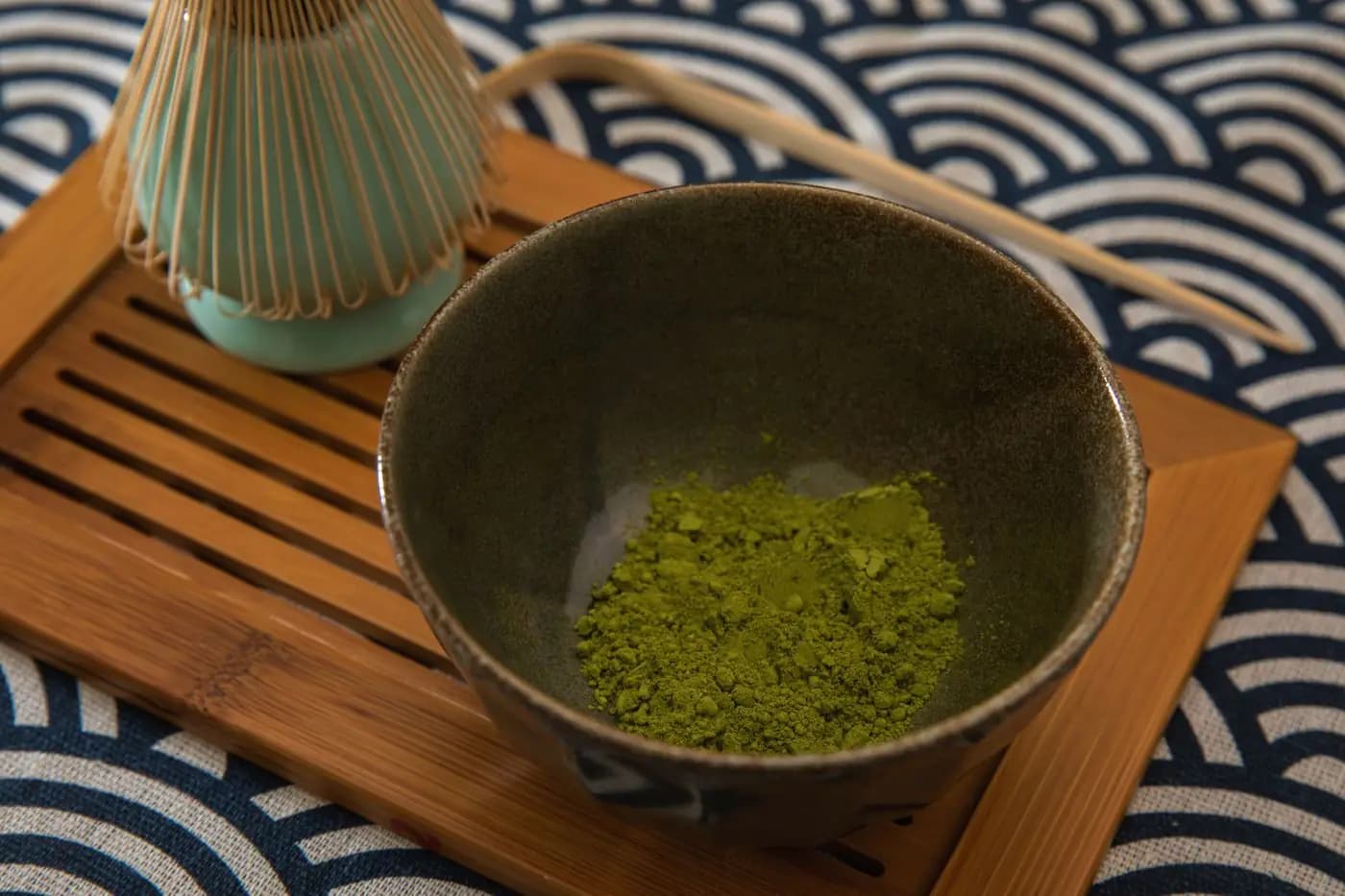
- Matcha: leaves from shaded tea bushes, dried without rolling (tencha), then ground into fine powder on a stone mill. "Thin" matcha (usucha) is whisked; "thick" matcha (koicha), reserved for the best grades, is kneaded more than whisked.
- Gyokuro: also from shaded leaves, brewed at low temperature (about 50 to 60°C) in small amounts. An intense, almost broth-like taste (umami).
- Sencha: everyday green tea, grown in the sun.
- Hojicha: roasted tea, low in caffeine, perfect in the afternoon.
Buying matcha: global demand has exploded since 2024, to the point that several Uji and Kyoto houses limit how much matcha each customer can buy and some grades are out of stock. Do not be surprised by a limit of one or two tins. A few tips:
- Matcha oxidises quickly: buy small 20 to 40 g tins, keep them in the fridge once opened and use within a few weeks.
- Labels such as "ceremonial" or "koicha" mean higher grades; for baking and lattes, a culinary grade is enough and costs much less.
- Gyokuro and hojicha travel better and make excellent gifts.
On the street, matcha ice cream, tea dango and green tea soba are everywhere. It is not the best way to taste Uji tea, but it is a good start.
Tea ceremony in Uji: Taiho-an and other experiences
To sit down and drink a properly prepared matcha, the simplest and most authentic option is Taiho-an, the tea house run by the city of Uji, on the Byodo-in bank next to the tourist information centre. Opened in 1957, it hosts tea masters from Uji's various schools every day.
- Thin tea (usucha) or sencha with wagashi: ¥1,000, served in about twenty minutes. You sit on tatami or on benches depending on the room.
- Gyokuro and combined options are also available, as well as a short tea ceremony experience where you learn to whisk your own matcha.
- Tickets are sold at the neighbouring tourist centre. Open during the day, closed for part of the winter (usually mid-December to mid-January): check before coming.
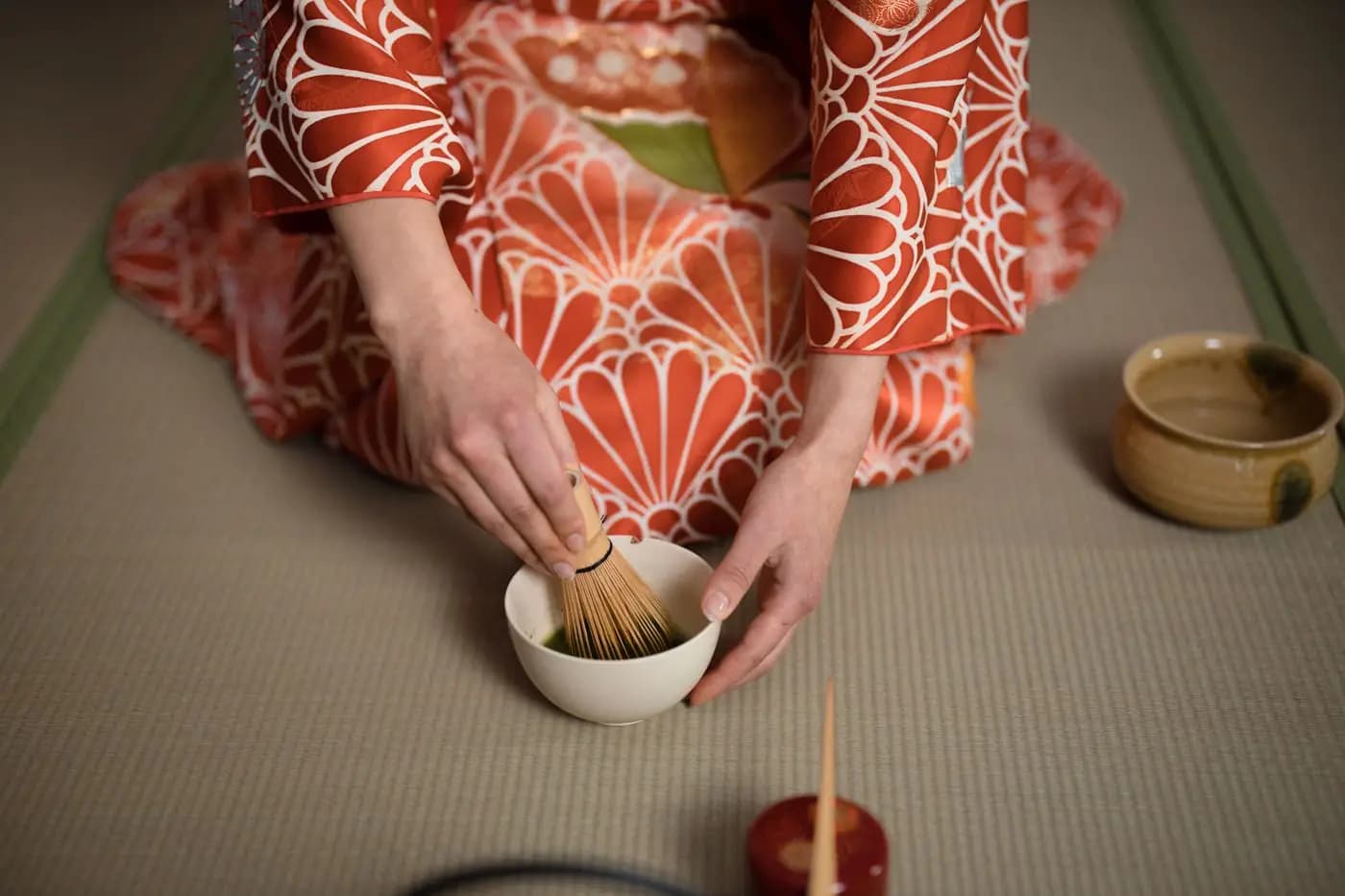
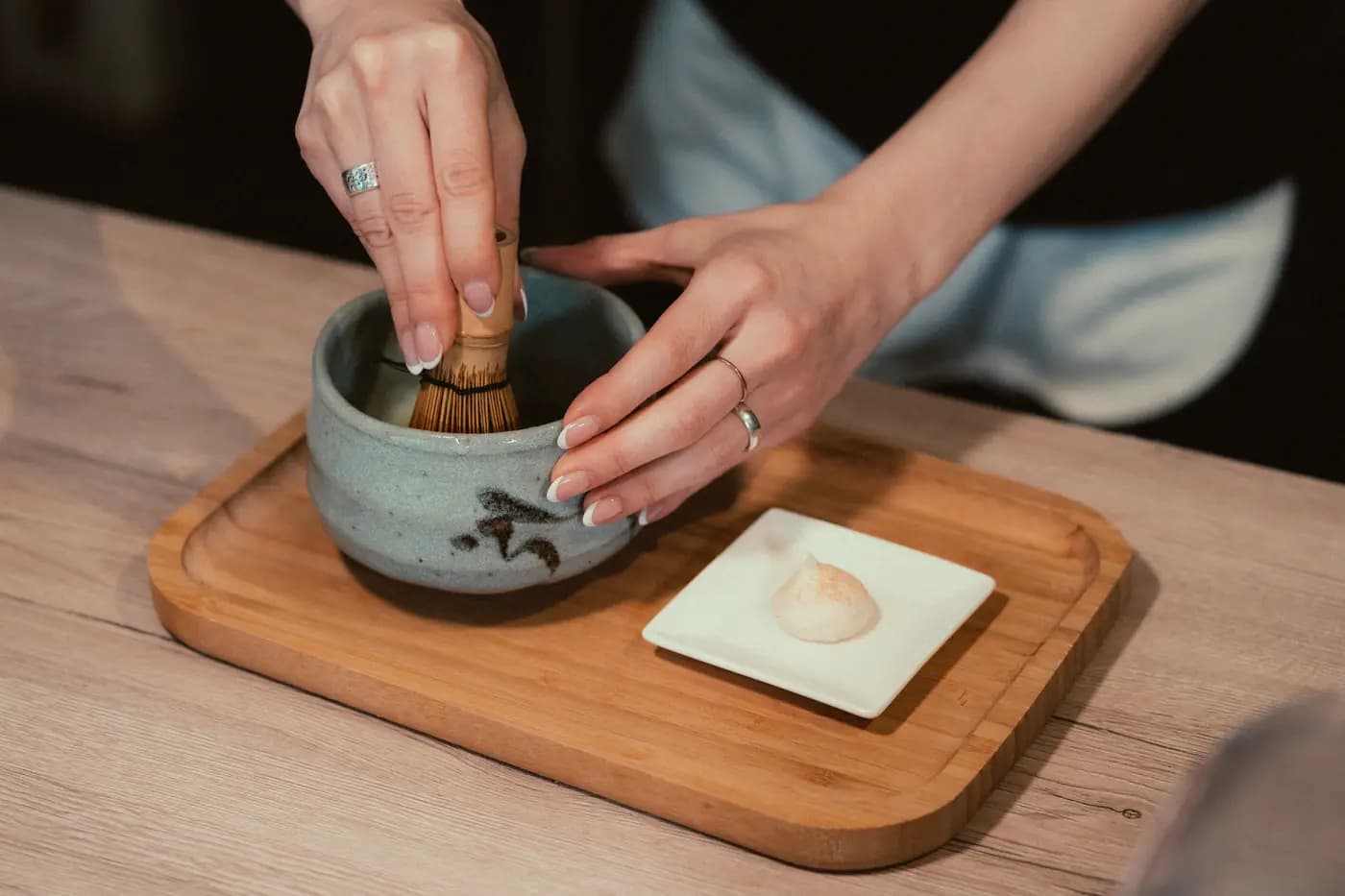
The ritual is explained simply: first eat the wagashi, then pick up the bowl with your right hand, rest it in your left palm, turn it twice so as not to drink from the decorated "front", drink in three or four sips, wipe the rim with your fingertips, and turn the bowl back before setting it down. Nobody expects visitors to master everything; watching and copying is enough.
Other experiences:
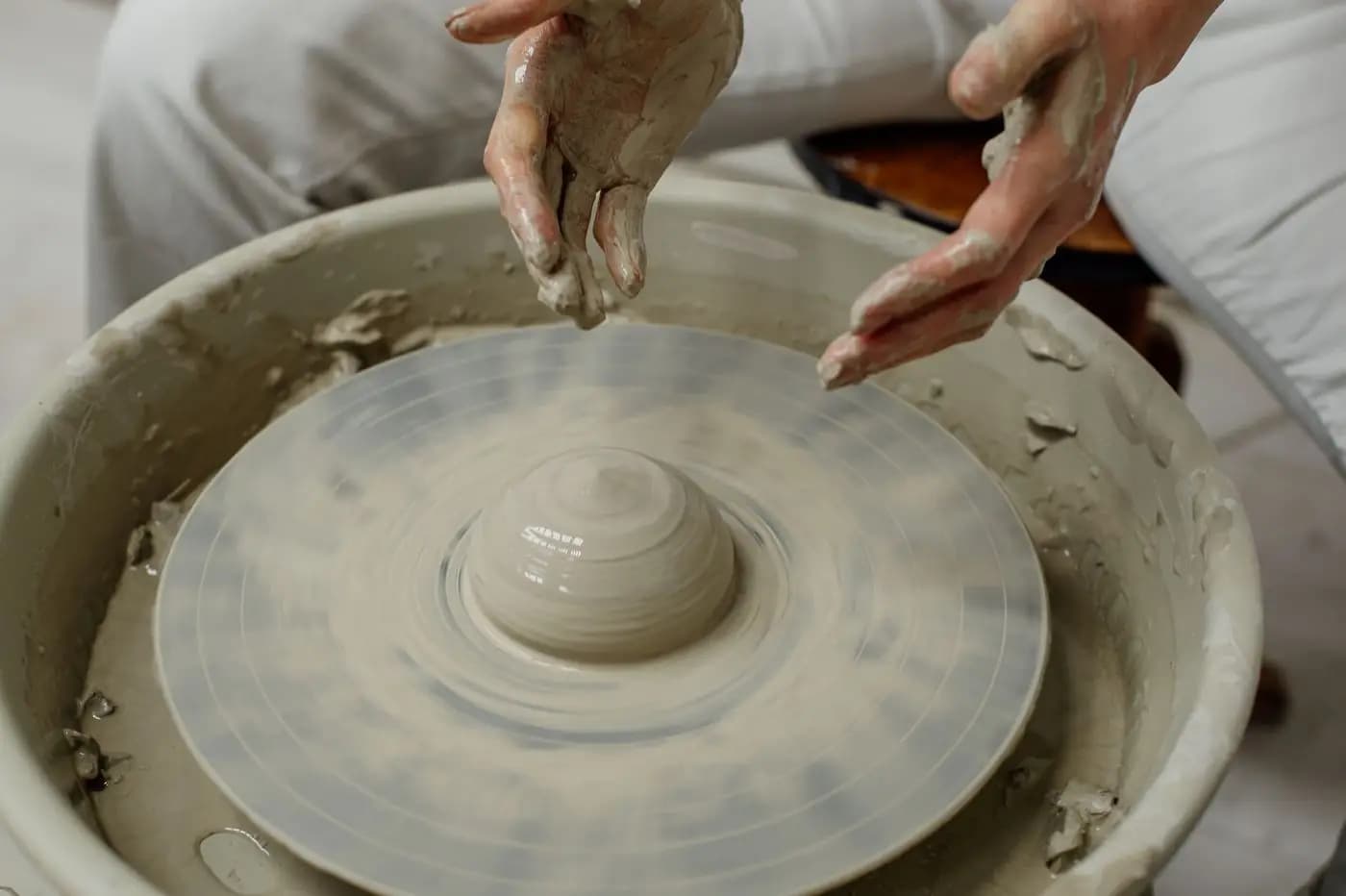
- Grinding your own matcha on a stone mill: several tea houses offer a workshop where you turn a small millstone for 15 to 20 minutes to get a few grams of powder, which you then whisk. It shows very clearly why matcha is expensive.
- Guided tasting in a tea house: a comparison of three or four teas, with brewing temperatures and times. Often by reservation.
- Private ceremony in a tea pavilion, with a master and an explanation in English or French via a guide, longer (about an hour) and more formal.
For those who have already done a tea ceremony in Kyoto, Uji brings something else: you drink the tea where it grows and is processed, and tea houses are happy to explain the differences between harvests and growing areas.
Tea fields around Uji: Wazuka and the harvest
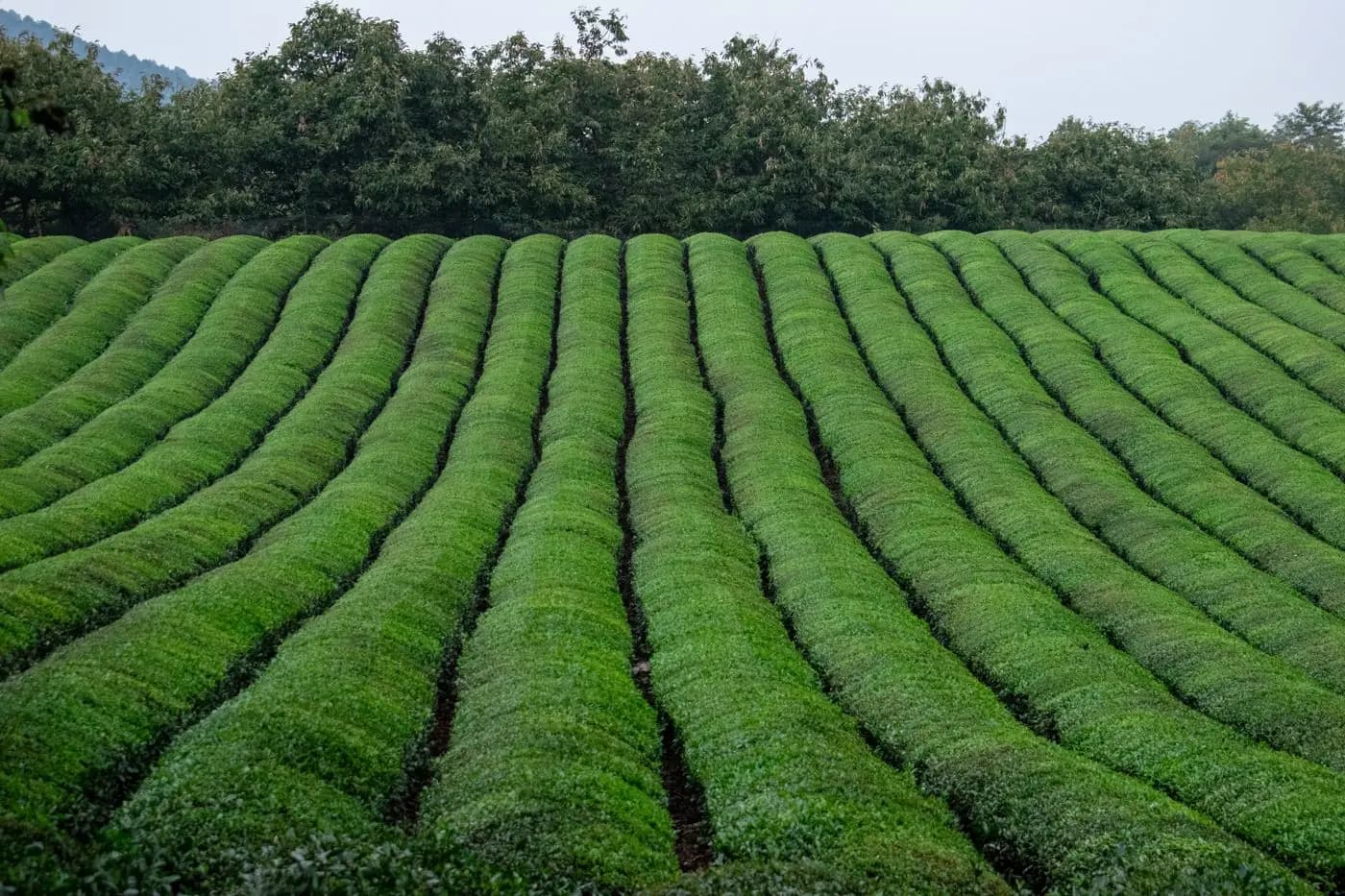
People often expect to see tea fields when leaving Uji Station. They will not: the town has become urban, and only a few plots remain, some under shading structures. Tea sold as "Uji-cha" is now grown throughout southern Kyoto Prefecture, above all in Wazuka, about 40 minutes by car east of Uji.
Wazuka is a hill village where rows of tea bushes cover the slopes up to the ridges. It produces a large share of the prefecture's tea, and its landscapes are protected as cultural landscape heritage. Growers welcome visitors for:
- a walk through the plantations, with explanations of cultivation and shading;
- a tasting at the grower's, often more instructive than in shops;
- in season, picking, and sometimes a visit to the processing workshop.
Why shade? For matcha and gyokuro, tea bushes are covered with nets or straw for about three weeks before harvest. Deprived of sunlight, the leaves produce more chlorophyll and amino acids (including theanine) and fewer bitter catechins: hence the deep green colour and the sweet, rich taste. It is a historic Uji technique.
Calendar:
- Late April to late May: first harvest (ichibancha), the most prized; the best time to see the fields, the shading structures and the workshops at work.
- June to August: later harvests, very green fields.
- Autumn and winter: tea bushes flower (small white flowers in autumn), activity slows down.
Access: without a car, Wazuka is reached by JR train to Kamo, then an infrequent local bus. For a half day, a private vehicle or booked taxi is better. Combining Uji in the morning and Wazuka in the afternoon is comfortable with a driver.
If you do not have time for Wazuka, some Uji tea houses offer a visit to nearby plots or their processing workshop. Ask in advance: it is not available every day.
Other Uji sights: Ujigami, the river, the Genji museum and cormorant fishing
After Byodo-in and tea, Uji is discovered by crossing the river:
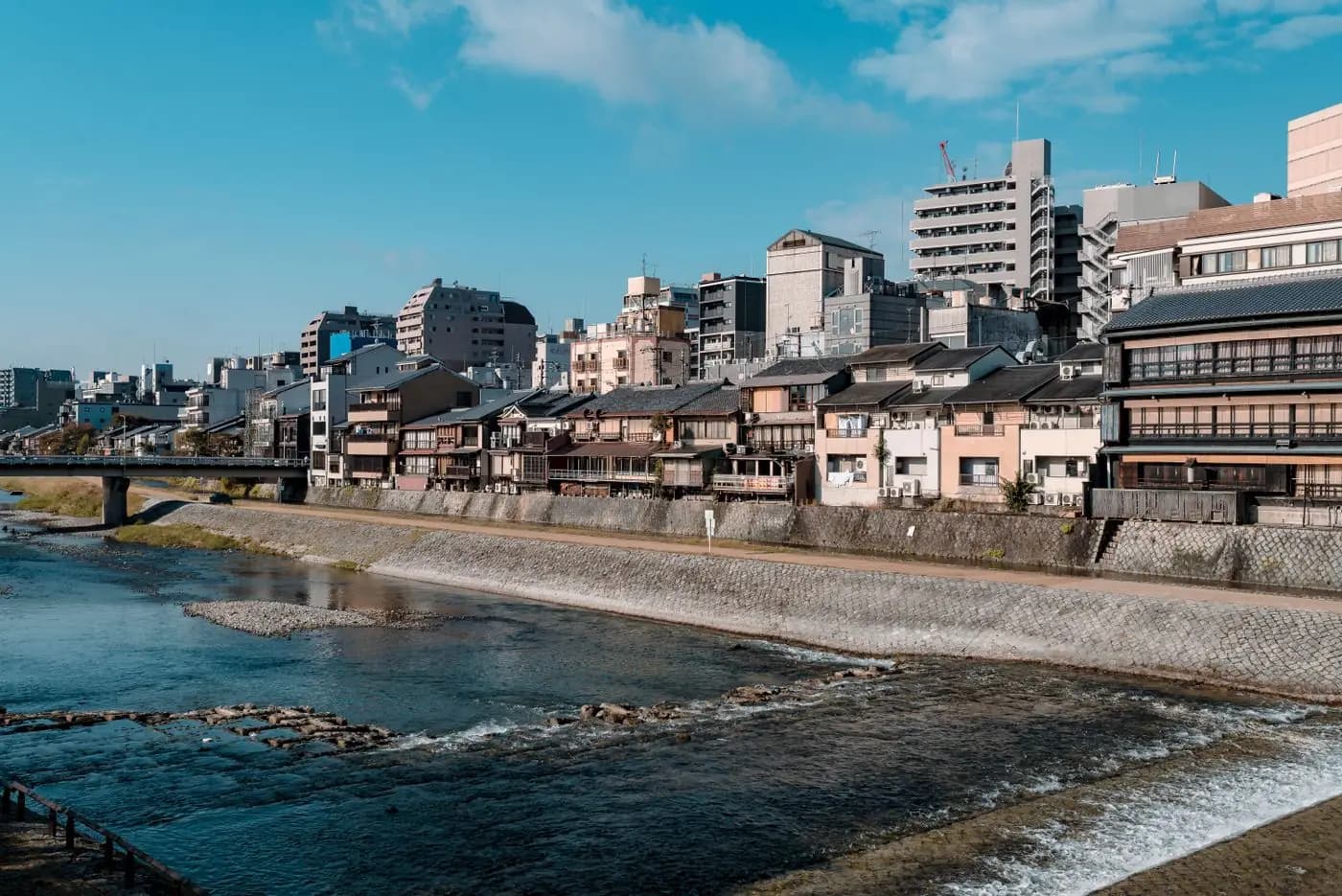
- Uji-bashi bridge: one of Japan's oldest bridges by foundation (7th century), rebuilt many times. From here you see the wide, fast Uji River emerging from the gorge.
- Tachibana and Tonoshima islands: two islands linked by vermilion wooden footbridges, with a thirteen-storey stone pagoda. A good spot for a break by the water and for photographing the hills.
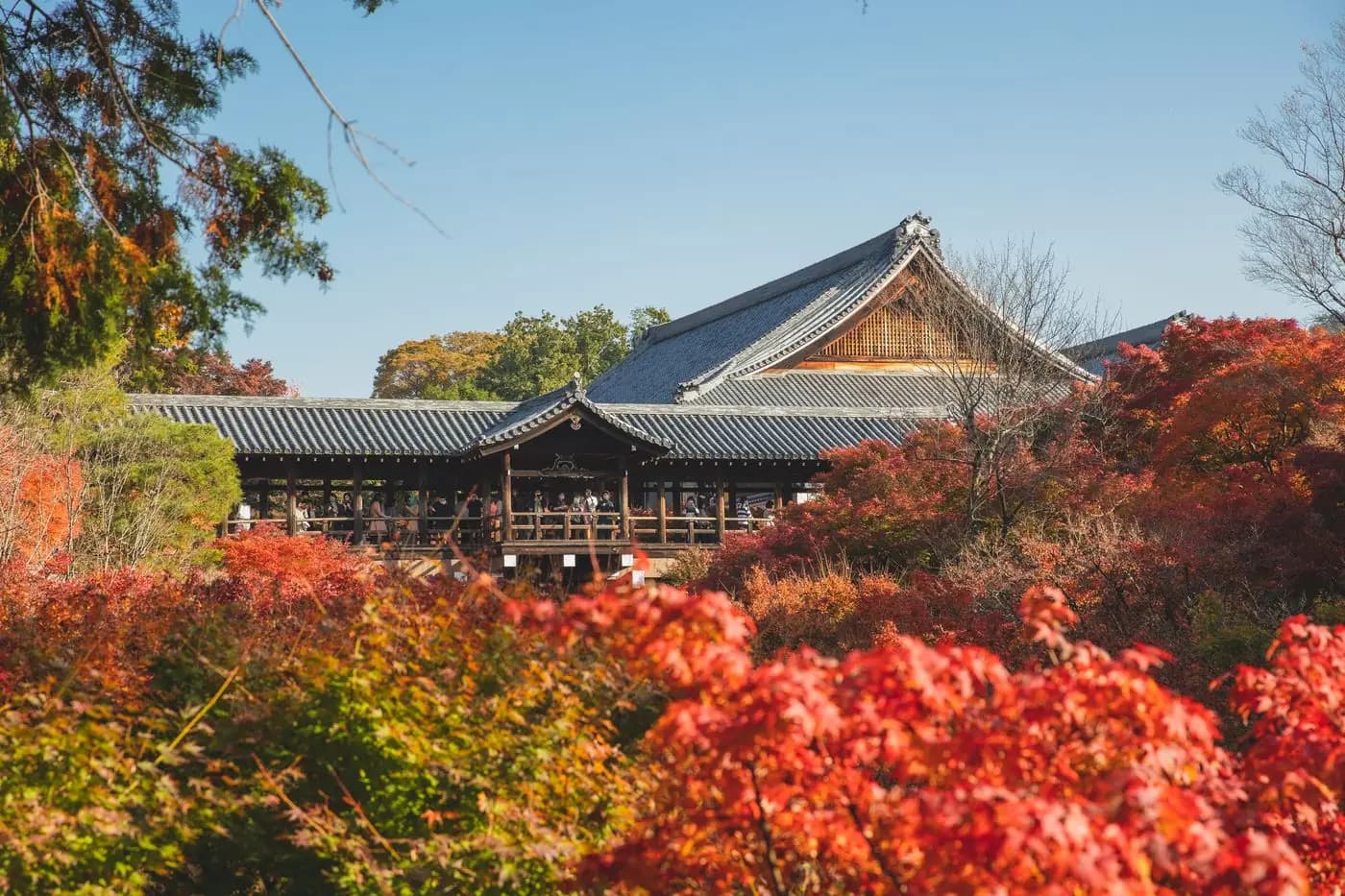
- Ujigami Shrine: across the river, 10 minutes on foot. Its honden (main building) is regarded as the oldest existing Shinto shrine building in Japan, dated to the late Heian period. It is a World Heritage site. Entry is free; the site is small, discreet and often almost empty. Uji Shrine, just below, is associated with a prince of local legend and with learning.
- Tale of Genji Museum: the last ten chapters of *The Tale of Genji*, the novel written by Murasaki Shikibu in the early 11th century, are set in Uji. This small modern museum (about ¥600) presents the novel and Heian court life through models, costumes and a short film. Interesting for lovers of Japanese literature, or on a rainy day.
- The Genji trail, marked by stone monuments, links the novel's locations on both banks.
In summer, cormorant fishing (ukai): from roughly July to September, in the evening, fishermen in traditional dress guide cormorants that catch fish by the light of fires hung from the boats. You watch from small roofed boats leaving near Tonoshima Island, with a package of about an hour. Seats go quickly at weekends; book ahead.
Where to eat: restaurants on Byodo-in Omotesando and along the river serve green tea soba, tofu and yuba dishes and matcha desserts. For a proper meal, book; at lunchtime on weekends the queues are long. Unagi (eel) is also a river speciality.
Uji with a group: organisation, tea ceremony and logistics
Uji is very well suited to a tea-themed half day for a group, provided you allow for the modest size of the venues:
- Byodo-in: the limiting factor is the Phoenix Hall interior, 50 people per 20-minute slot. For a group of 80 or 100, spread the interior visit over two or three slots while the others explore the Hoshokan museum and the garden. The temple offers group rates; contact it in advance about slots.
- Tea ceremony: Taiho-an can receive groups, but the room is small. For 30 or more, privatise a tea salon or a room in a tea house instead, with several tea masters serving in parallel, or organise a matcha workshop (grinding, whisking, tasting) across several tables.
- Tasting: several tea houses run comparative tastings for 15 to 40 people on reservation, with a speaker. With an interpreter, it is often the most popular moment.
- Transport: the JR train from Kyoto works for up to 30 or 40 people outside rush hours. Beyond that, a private coach drops the group near Uji-bashi bridge and goes to a coach park; Wazuka is only reachable by coach or minibus, as the hill roads are narrow.
- Lunch: Uji's restaurants are small. For a group, book a room in a riverside restaurant, or a tea-themed kaiseki lunch at a venue that can privatise.
- Calendar: avoid weekends from late April to May (harvest and Golden Week) and in November (maples). On a Tuesday or Wednesday in October, Uji is calm and bright.
By combining Byodo-in, a private tasting, a matcha workshop and, in the right season, a plantation visit in Wazuka, you get a coherent day away from Kyoto's crowds. SHINOGI DMC builds this type of programme for seminars and incentive trips in Kansai, often pairing it with Fushimi Inari or Nara.
Frequently asked questions
How do I get to Uji from Kyoto?
On the JR Nara Line from Kyoto Station to Uji: about 17 minutes by rapid, 30 minutes by local. From Gion, the Keihan line with a change at Chushojima takes 35 to 40 minutes.
How much does Byodo-in cost?
¥700 for the garden and Hoshokan museum, plus ¥300 for the Phoenix Hall interior, visited in groups of 50 every 20 minutes between 9:30am and 4:10pm.
Where can I do a tea ceremony in Uji?
At Taiho-an, the city tea house near Byodo-in: thin matcha and wagashi for ¥1,000, plus a short experience where you whisk your own tea. Several tea houses also offer workshops and tastings on reservation.
Can you see tea fields in Uji?
Not much in the town itself. The large Uji-cha plantations are mainly in Wazuka, about 40 minutes by car, where growers welcome visitors. The best period is late April to late May.
Why is matcha purchase limited in Uji?
Global demand for matcha has risen sharply since 2024, and production, which depends on shaded tea bushes and stone mills, cannot keep up. Several houses therefore limit the number of tins per customer.
Is Uji suitable for a corporate group outing?
Yes, for a tea-themed half day: Byodo-in across several slots, a private tasting and a matcha workshop. SHINOGI DMC organises these programmes, often combined with Fushimi Inari or Nara.
Rédaction SHINOGI DMC · Updated
Sources
- Byodo-in — Guide de visite (site officiel)
- Byodo-in — Visite intérieure du pavillon du Phénix
- Ville d'Uji — office du tourisme (Taiho-an, sites, ukai)
- Préfecture de Kyoto — Ocha no Kyoto (thé d'Uji, Wazuka)
- UNESCO — Historic Monuments of Ancient Kyoto (Byodo-in, Ujigami)
- JR West — ligne JR Nara (Kyoto – Uji)
- JNTO — Kyoto (Uji)
- Kanpai — Visites au Japon (inspiration)