What are the major trade shows in Japan in 2027?
Trade shows in Japan are concentrated in two exhibition centres in the Tokyo area, Tokyo Big Sight in Ariake and Makuhari Messe in Chiba, and in one very busy season, from late January to late March. In 2027, dates already confirmed by organisers and venues include the Supermarket Trade Show (17–19 February), NEPCON Japan (17–19 February), the Tokyo International Gift Show Spring (24–26 February), FOODEX JAPAN (9–12 March), HCJ for hospitality and food service (16–19 March) and Smart Energy Week (24–26 March).
Why a verified calendar matters: trade show aggregators often show dates "to be confirmed", wrong venues or old editions. Here, every date comes from the organiser's website, the venue's official calendar or a public document from a prefecture exhibiting there, as of mid-October 2026. Summer and autumn 2027 dates are still partial: many organisers publish them six to nine months ahead.
For an exhibitor, a Japanese trade show is often the most effective way to meet, in three days, buyers who would never answer an email. For a visitor, it is a shortcut to the state of a market: one day at FOODEX shows more of the Japanese food industry than a week of meetings.
For corporate delegations, the show is also a logistical anchor: it sets the dates, the area to stay in and the rhythm of the days. The rest of the trip (company visits, client dinners, meetings) is organised around it. This guide gives the calendar by sector, then the practical rules for visiting, exhibiting and accommodating a group.
Japan trade show calendar 2027, by sector
Dates confirmed as of mid-October 2026 (TBS = Tokyo Big Sight, MM = Makuhari Messe):
Food, retail, hospitality
- Supermarket Trade Show 2027 (61st edition): 17–19 February 2027, MM, whole venue. Organised by the National Supermarket Association of Japan; from 2027, a second edition, SMTS Fresh Solution, devoted to fresh food departments, is held in July 2027 at Makuhari.
- FOODEX JAPAN 2027: 9–12 March 2027, TBS (East and West halls). One of Asia's largest food and beverage shows, with pavilions from many countries and Japanese prefectures.
- HCJ 2027 (International Hotel & Restaurant Show, Food Catering Show, Kitchen Equipment Show): 16–19 March 2027, TBS.
- Nikkei Messe 2027, the store and urban development show: 2–5 March 2027, TBS.
Electronics, energy, manufacturing
- NEPCON JAPAN (41st edition, electronics): 17–19 February 2027, TBS.
- Smart Energy Week Spring 2027 (hydrogen, photovoltaics, batteries, wind, smart grids): 24–26 March 2027, TBS.
- Still in late 2026: SEMICON Japan 2026 from 9 to 11 December and nano tech (26th edition) from 16 to 18 December 2026, at TBS.
Consumer goods, cosmetics, gifts
- COSME Week Tokyo: 17–19 February 2027, TBS (West halls).
- Tokyo International Gift Show Spring 2027 (103rd edition), with LIFE×DESIGN: 24–26 February 2027, TBS.
- International Jewellery Tokyo (38th edition): 27–29 January 2027, MM.
Events, sport, entertainment
- Event & Live Entertainment Expo and sports business shows: 27–29 January 2027, MM.
- Tokyo Game Show 2027: scheduled for 16–20 September 2027 (the 2026 edition was held at Makuhari Messe).
Automotive: the public Japan Mobility Show normally returns in odd-numbered years at Tokyo Big Sight, but the 2027 dates had not been published by the organiser (JAMA) as of mid-October 2026. The same caution applies to CEATEC (electronics, Makuhari, October): check before booking anything.
Tokyo Big Sight, Makuhari Messe, Intex Osaka: where are the shows held?
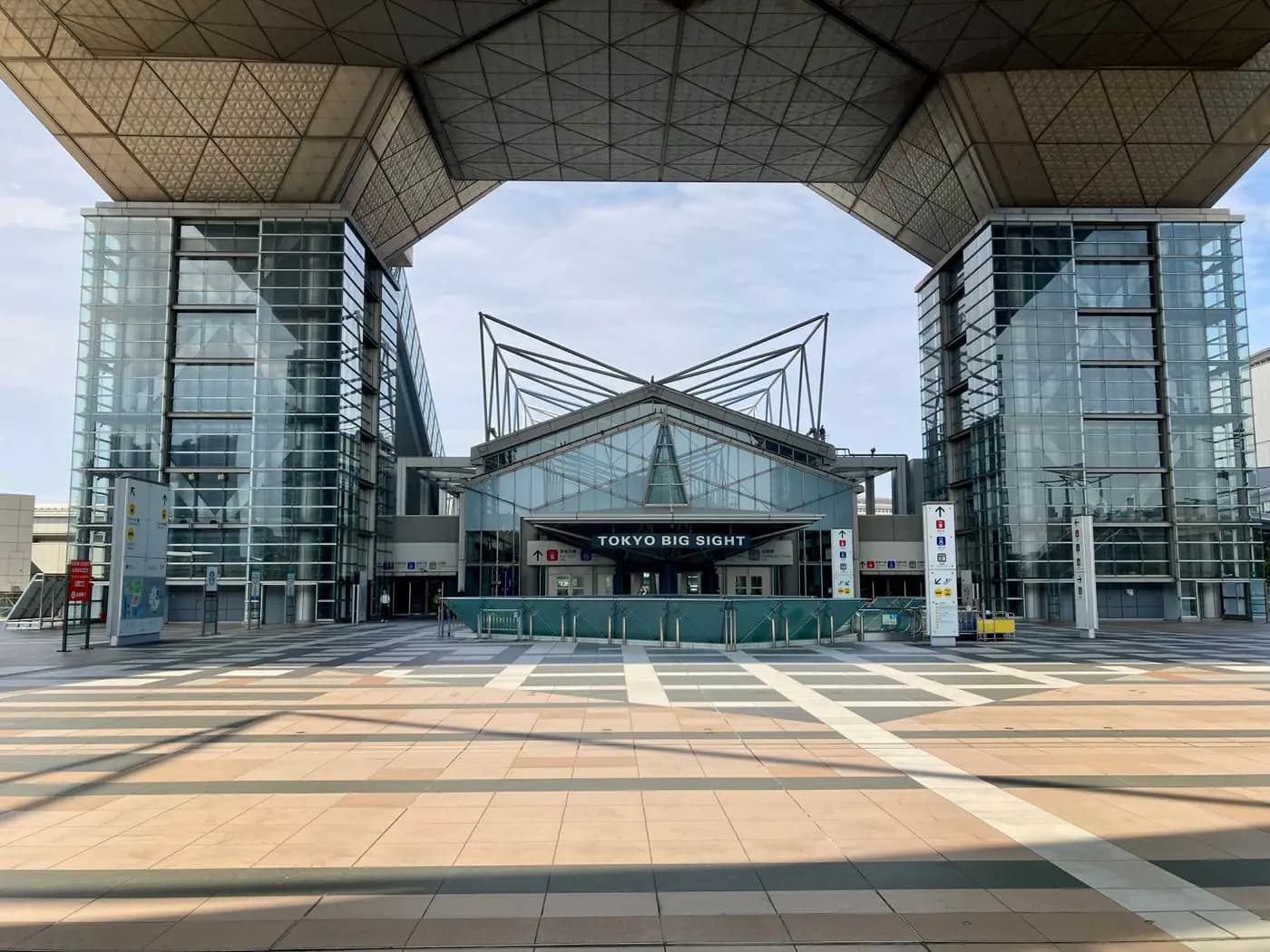
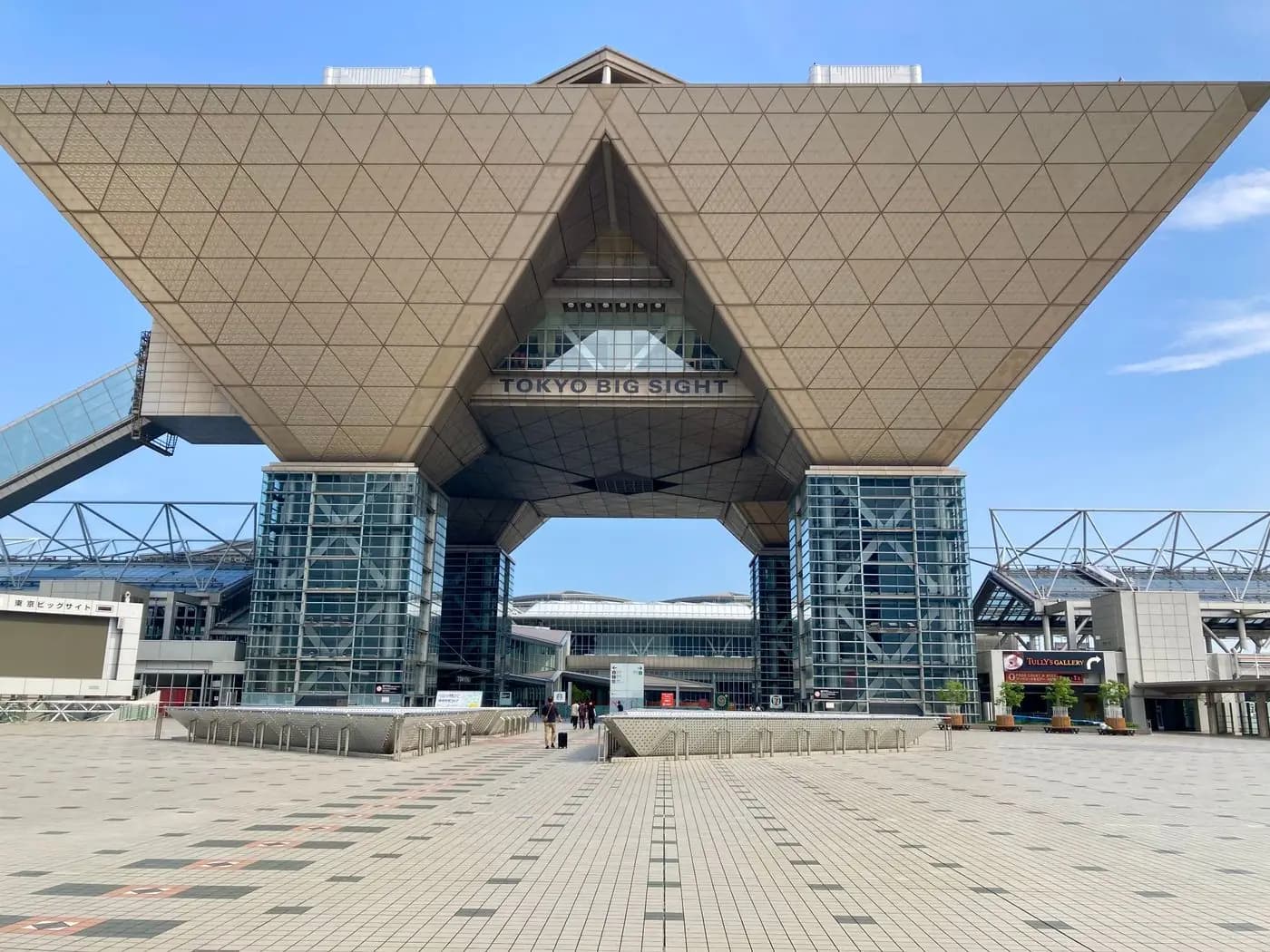
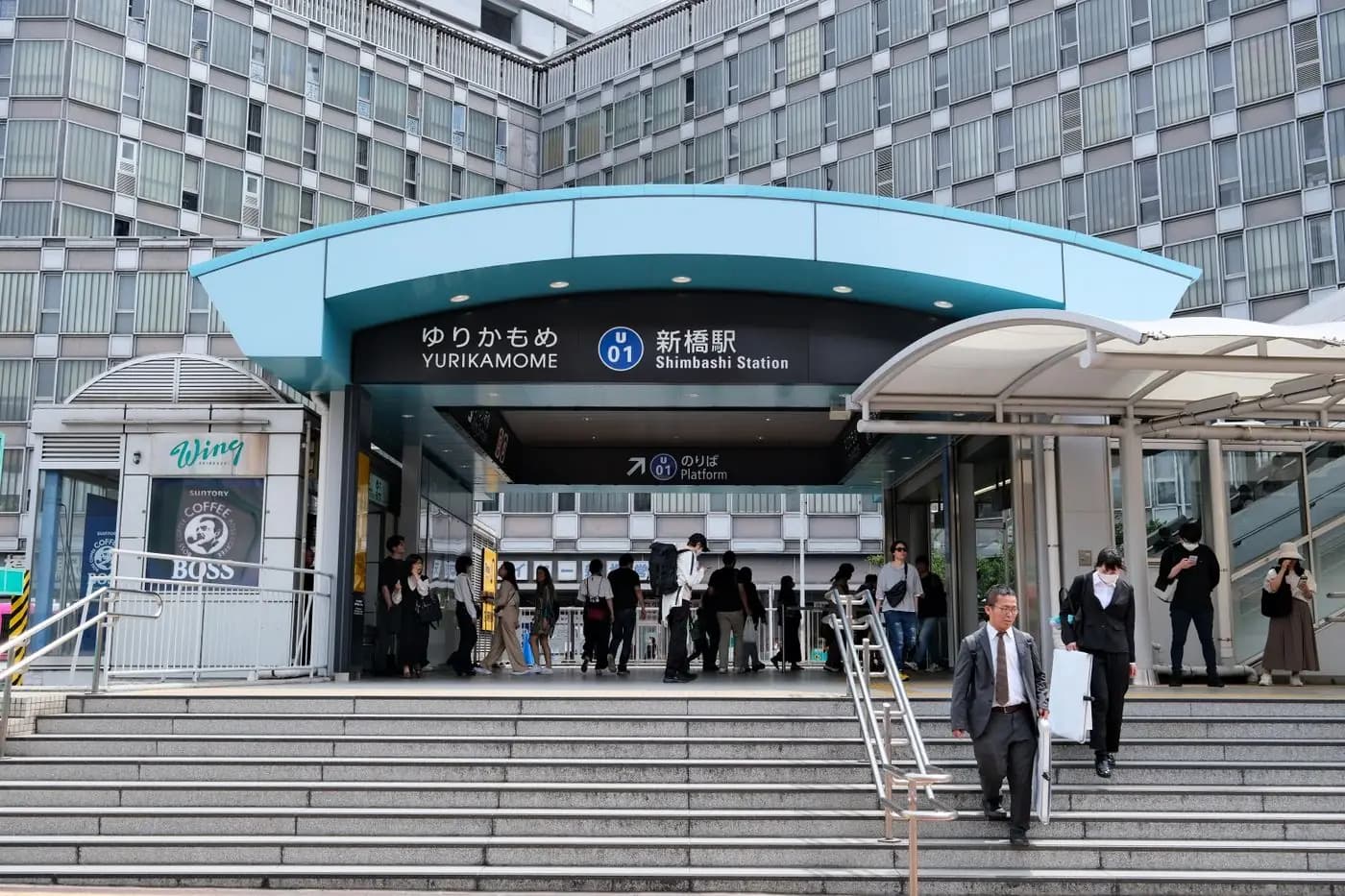
Tokyo Big Sight (Ariake, Tokyo) is Japan's largest exhibition centre, with three groups of halls (East, West and South). It is 3 minutes on foot from Tokyo Big Sight station on the Yurikamome line (from Shimbashi), or 7 minutes from Kokusai-Tenjijo station on the Rinkai line, which runs directly to Osaki and Shinjuku. The East and West halls are 10 to 15 minutes' walk apart: check which halls host your sector before setting meetings.
Makuhari Messe (Mihama-ku, Chiba) hosts shows that need a lot of contiguous floor space, such as the Supermarket Trade Show, which fills the whole venue. Nearest station: Kaihin-Makuhari on the JR Keiyo line, about 30 minutes from Tokyo Station, then 5 minutes on foot. The area's hotels are within walking distance, which makes life easier for an exhibitor team.
Intex Osaka (Nanko, Osaka) is the main venue in the Kansai region, served by the New Tram (Nakafuto station). It hosts regional food, health and consumer goods shows, often spin-offs of Tokyo events.
Other venues to know: Pacifico Yokohama (Minato Mirai), more focused on congresses than trade shows, Port Messe Nagoya and Aichi Sky Expo, next to Chubu airport, and Marine Messe Fukuoka for Kyushu.
A tip from the field: at both Tokyo Big Sight and Makuhari, nearby restaurants are packed between 11:30am and 1:30pm on big show days. For a business lunch with a client, book a private room in a neighbouring hotel or move it to 1:45pm.
Visiting a trade show in Japan: badges, registration, language and business cards
Most Japanese B2B shows run on the same model: free admission with online pre-registration, a badge to print or a QR code on your phone, and access restricted to professionals. The venues' official calendars state this for each show, often adding that high school students and younger are not admitted. A few public shows, such as consumer games or motor shows, charge admission.
What to prepare for a delegation:
- Individual pre-registration for each participant, a few weeks ahead; forms are in English for the big international shows, sometimes Japanese only for more domestic ones.
- Bilingual business cards (meishi), at least 100 per person for a three-day show: in Japan, exchanging cards opens every conversation.
- Interpreters: many Japanese exhibitors have an English speaker on the stand, but not all. For targeted meetings, one interpreter per 2 or 3 visitors lets you get to the substance.
- Buyer programmes: for FOODEX and the Supermarket Trade Show, JETRO invites selected foreign buyers (flights, accommodation and business meetings covered for successful applicants); ask the JETRO office in your country several months ahead.
- Visa: EU, UK, US, Swiss and Canadian nationals can visit or exhibit visa-free for up to 90 days, as long as they receive no payment in Japan.
To get the most out of a visit, split the delegation by halls and themes, with a meeting point at noon and a debrief in the evening. Three days at a show with 10 people and no plan amounts to 30 scattered person-days.
Exhibiting in Japan: lead times, pavilions, stands and equipment
Exhibiting at a trade show in Japan takes a year of preparation for the major events. The signal is clear: exhibitor applications for the Supermarket Trade Show 2027, held in February, had already closed in August 2026.
Key steps:
- 12 to 9 months before: choose the show, apply for space, set the budget. Major shows publish an exhibitor prospectus with the price per square metre, stand packages and deadlines; it is the only reliable source for costing.
- National or regional pavilion: several countries and regions group their companies under a shared pavilion, with a turnkey stand and joint promotion. Ask your national export promotion agency or your chamber of commerce in Japan. Japanese prefectures do the same for their producers, which explains the many regional pavilions at FOODEX.
- 6 to 3 months before: stand design with a local contractor (height, fire safety and build-up rules specific to each venue), translation of materials into Japanese, appointments with buyers.
- Equipment and samples: Japan accepts the ATA Carnet for temporary admission of samples and exhibition equipment. For food products, import rules (labelling, additives, quarantine) apply even to samples: plan ahead with your forwarder.
- Stand team: at least one Japanese speaker for every two or three foreign sales staff, sober attire, materials in Japanese, and follow-up of contacts within a week of the show.
On budget, the main items are floor space, stand construction, freight, accommodation and interpreters. Not all shows publish their rates online: ask for the exhibitor prospectus before comparing.
Where to stay near Tokyo Big Sight or Makuhari Messe during a show?
During FOODEX, the Gift Show or the Supermarket Trade Show, hotels near the venues fill up months ahead and rates climb. For an exhibitor team or a delegation, book 6 to 9 months ahead, ideally as soon as you register for the show.
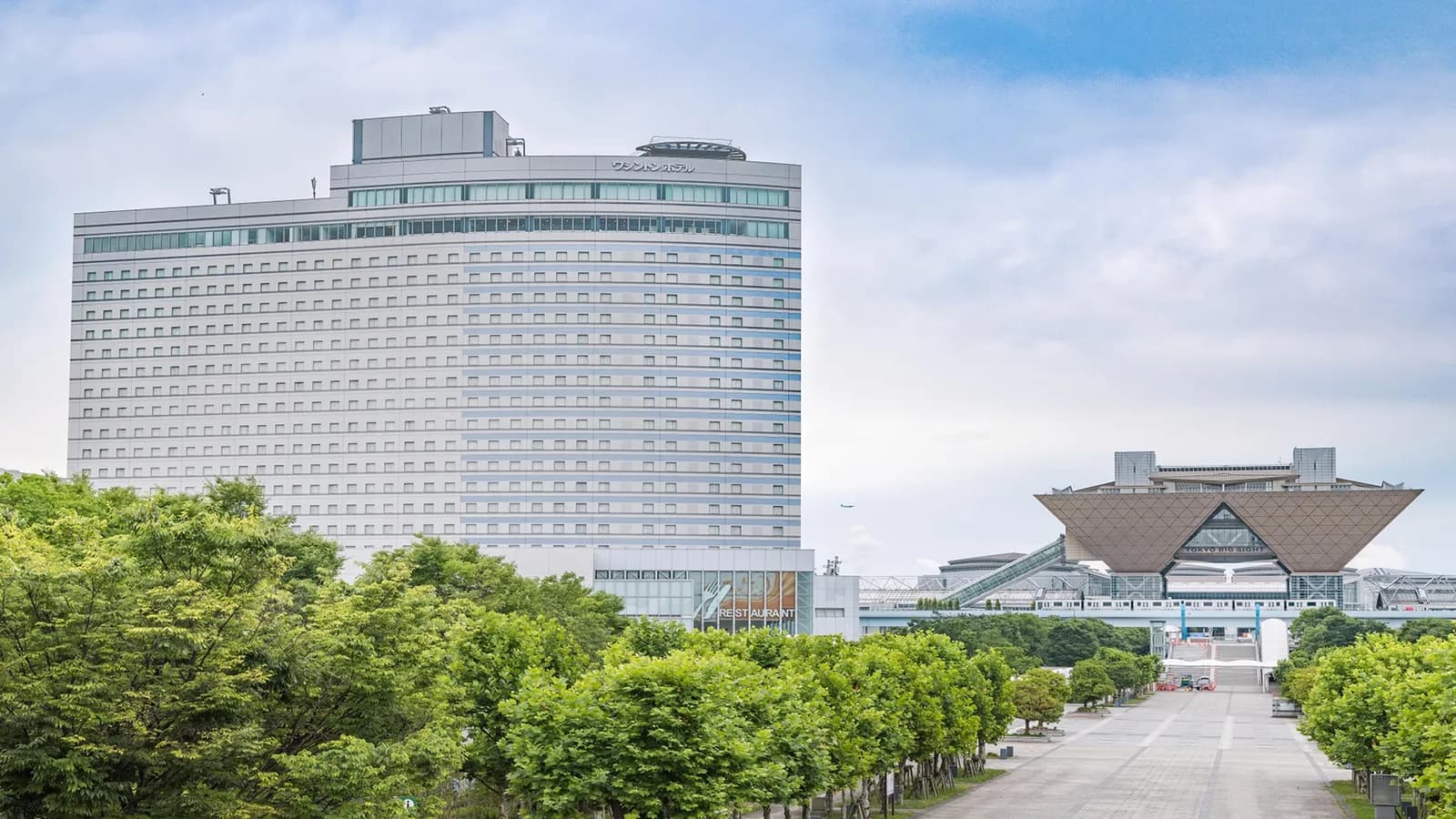
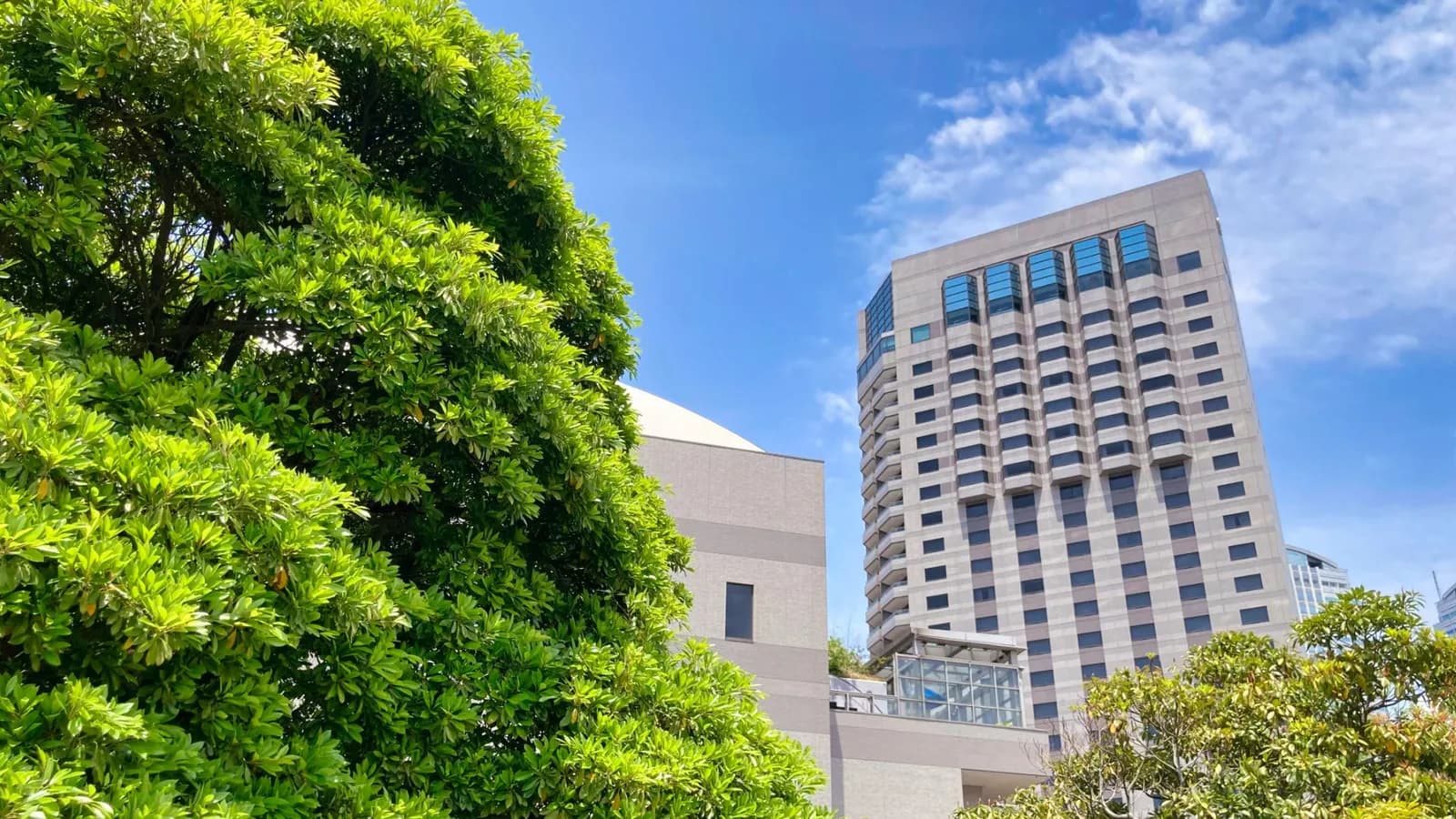
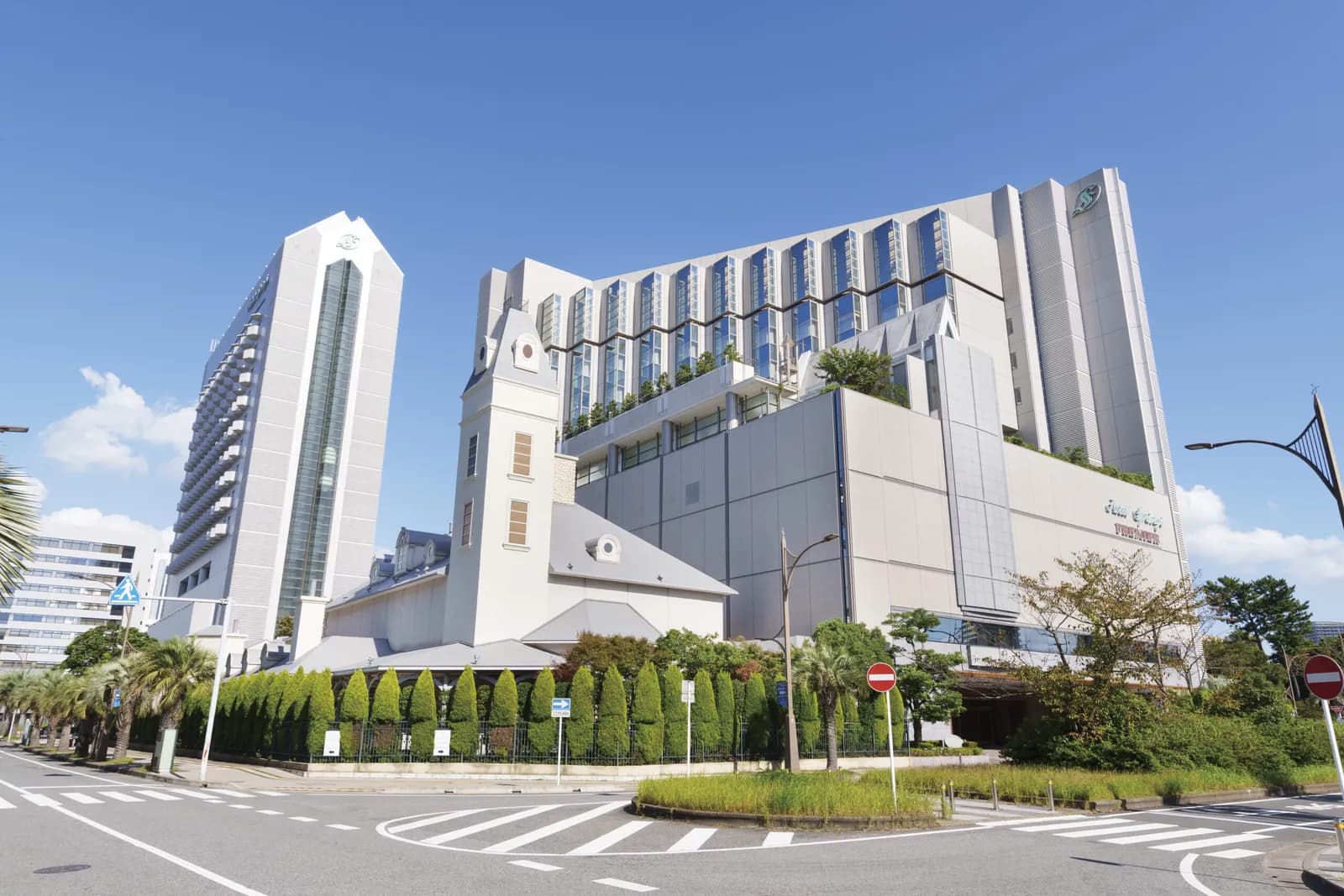
Around Tokyo Big Sight (Ariake): several hotels are a few minutes' walk from the halls, such as Hotel Villa Fontaine Grand Tokyo-Ariake, Tokyo Bay Ariake Washington Hotel and Sotetsu Grand Fresa Tokyo-Bay Ariake. The upside: you can go back to change between the show and dinner. The downside: the area is quiet at night, and client dinners tend to happen in Ginza, Shimbashi or Toyosu, 15 to 25 minutes away.
Alternative: stay in Shimbashi, Shiodome or Ginza and take the Yurikamome (about 25 minutes), or in Osaki or Shinjuku with the direct Rinkai line. More restaurant choice, longer daily commute.
Around Makuhari Messe: Hotel New Otani Makuhari, Hotel Springs Makuhari and APA Hotel & Resort Tokyo Bay Makuhari are within walking distance of the venue. For a three-day show it is the most efficient option; Tokyo is still 30 minutes away by train for an evening out.
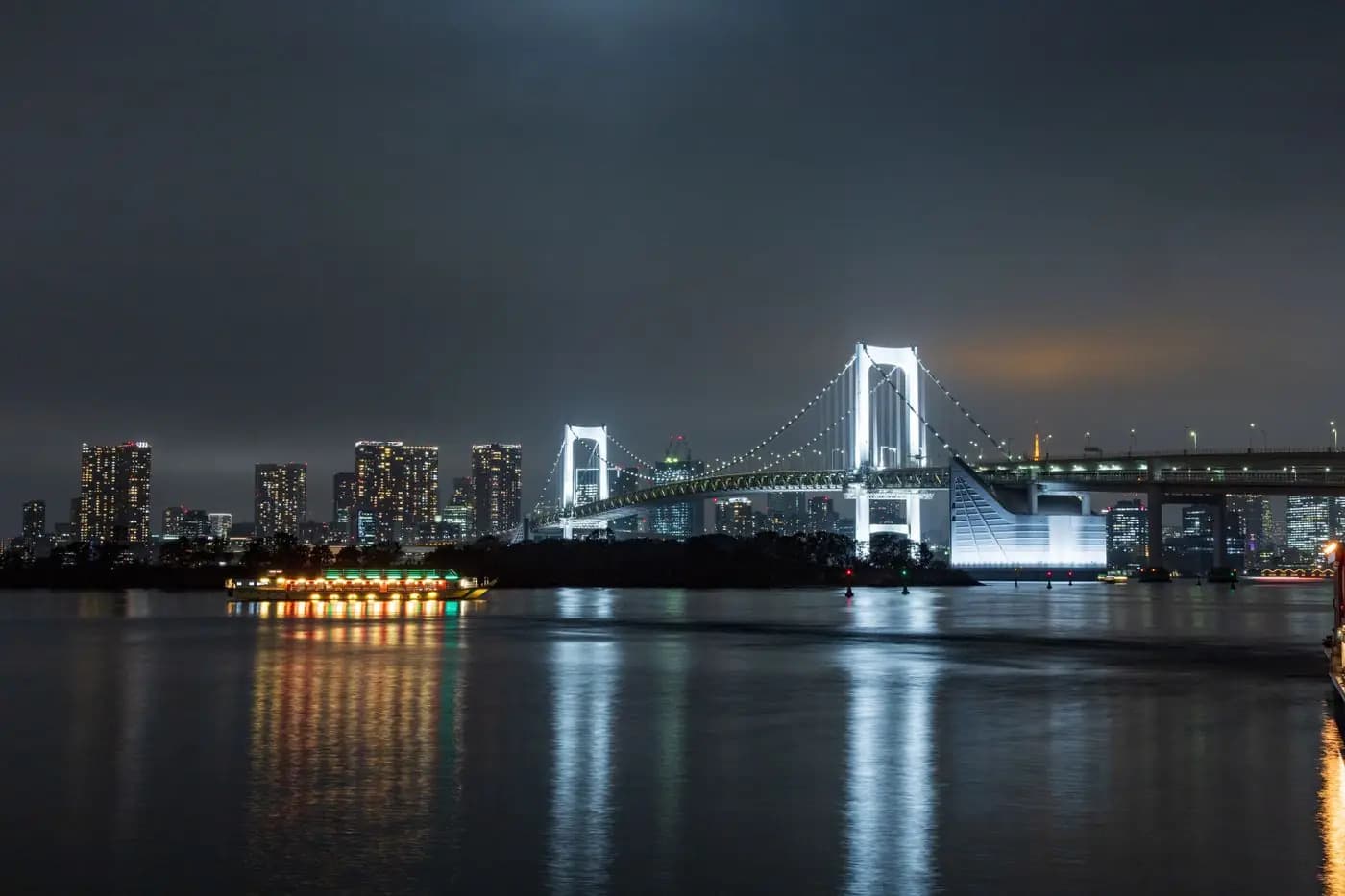
Client dinners: in Japan, a business dinner is booked in a private room (koshitsu), for 2 hours, with a menu set in advance. For 6 to 12 people, allow 2 to 4 weeks' notice during major shows. A private cruise on Tokyo Bay, departing from Hinode, Takeshiba or Shinagawa, makes a fine delegation evening, 20 minutes from Ariake.
Transfers: for group arrivals, a coach from Haneda reaches Ariake in under an hour outside rush hour; from Narita, Makuhari is closer than central Tokyo.
Corporate delegation or exhibitor team: building the trip around the show
A show lasts three or four days; a trip to Japan from Europe or North America takes at least six. Good practice is to build a week around the show:
- D-2 and D-1: arrival, recovery from jet lag, stand build-up for exhibitors, delegation briefing and a look around the area.
- D1 to D3 (or D4): the show, with one client lunch a day and a delegation or client dinner in the evening.
- D+1 and D+2: visits to companies or sites linked to the sector (a food plant, a market, a department store, a logistics centre), follow-up meetings with contacts made at the show.
- Option: a one-day cultural extension (Kamakura, Hakone, Nikko) or a return trip to Osaka or Kyoto for Kansai meetings.
For a group of 15 to 40 people, the pressure points are always the same: named pre-registrations, hotels near the venue, daily transfers if the hotel is further away, interpreters allocated by meeting, restaurants with private rooms. Company visits are negotiated case by case, often through contacts made at the show itself or through chambers of commerce.
This is exactly the kind of week SHINOGI DMC coordinates for delegations and exhibitor teams: accommodation, transfers, interpreters, client dinners and complementary visits, while show registration and the stand remain with the exhibitor and organiser.
Related reading: our articles on choosing between Tokyo and Osaka for a convention, on factory tours in Japan and on planning a study tour.
Frequently asked questions
When is FOODEX JAPAN 2027?
From 9 to 12 March 2027 at Tokyo Big Sight (East and West halls). It is open to trade visitors only, with registration.
When is the Supermarket Trade Show 2027?
From 17 to 19 February 2027 at Makuhari Messe (Chiba), across the whole venue. A second edition devoted to fresh food, SMTS Fresh Solution, is planned for July 2027.
Are Japanese trade shows open to the public?
Most B2B shows are trade-only, free with pre-registration and closed to high school students and younger. A few, such as Tokyo Game Show, have paid public days.
Do you need a visa to exhibit at or visit a trade show in Japan?
Not for EU, UK, US, Swiss or Canadian nationals, among others, for a stay under 90 days with no payment received in Japan. Other nationalities should check with the embassy.
Where to stay near Tokyo Big Sight?
In Ariake, several hotels are a few minutes' walk from the halls; otherwise Shimbashi, Shiodome or Ginza, about 25 minutes away on the Yurikamome. During major shows, book 6 to 9 months ahead.
How far ahead should you book a stand at a Japanese trade show?
Allow 9 to 12 months for major shows: exhibitor applications for the February 2027 Supermarket Trade Show had closed by August 2026. National or regional pavilions have their own deadlines.
Rédaction SHINOGI DMC · Updated
Sources
- Tokyo Big Sight — Calendrier officiel des événements (dates 2026-2027 par hall)
- Makuhari Messe — Calendrier des événements
- Supermarket Trade Show — site officiel (SMTS 2027 et SMTS Fresh Solution)
- Préfecture de Gifu — Supermarket Trade Show 2027 : 17-19 février 2027, Makuhari Messe
- JETRO — Buyers wanted: SMTS (17-19 février 2027) et FOODEX (9-12 mars 2027), programme d'invitation d'acheteurs
- Business Guide-sha — Tokyo International Gift Show Spring 2027
- Tokyo Game Show — site officiel (TGS 2027 : 16-20 septembre 2027)
- Japan Mobility Show — site officiel (JAMA)
- Ministry of Foreign Affairs of Japan — Visa exemption arrangements