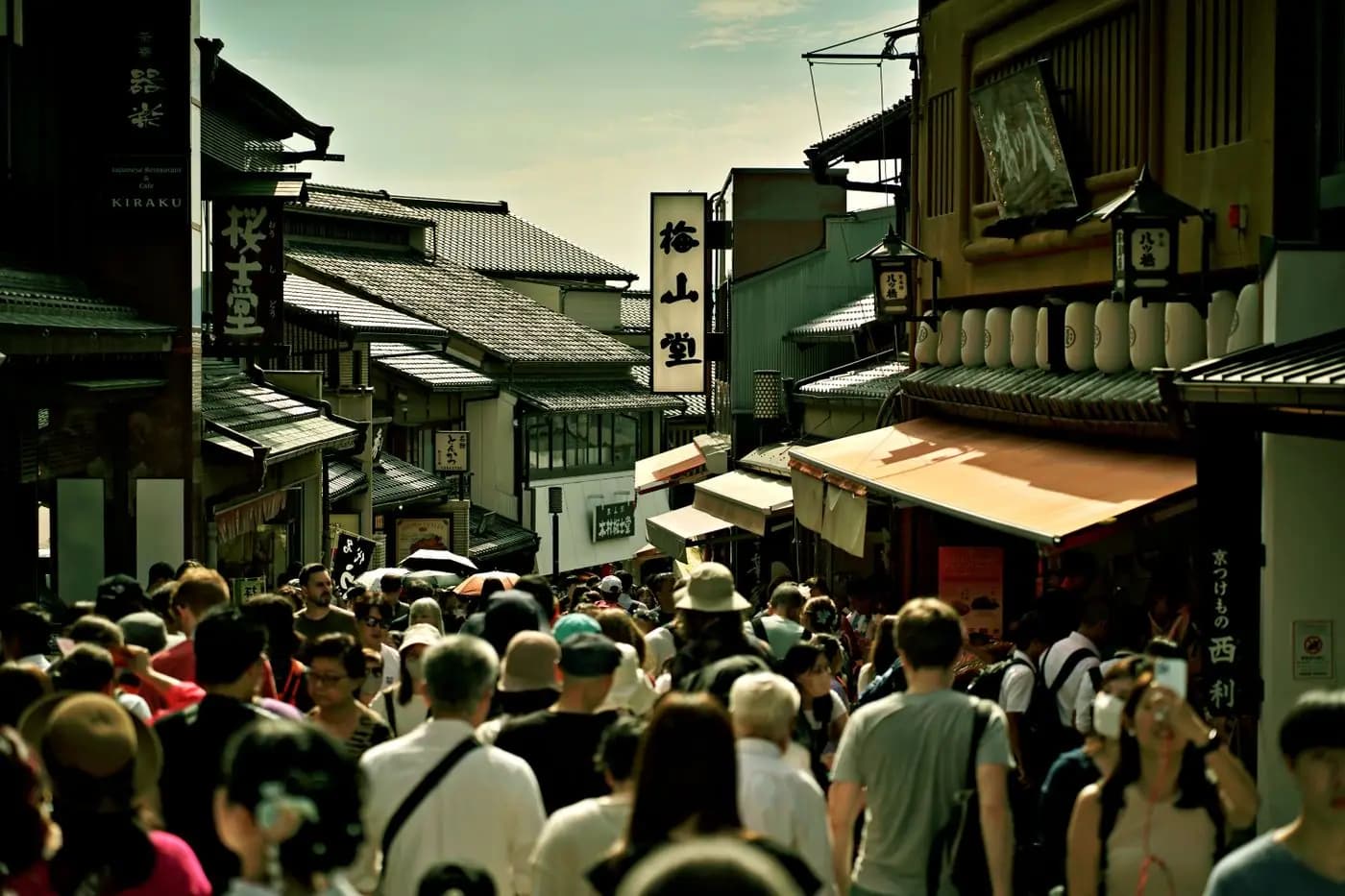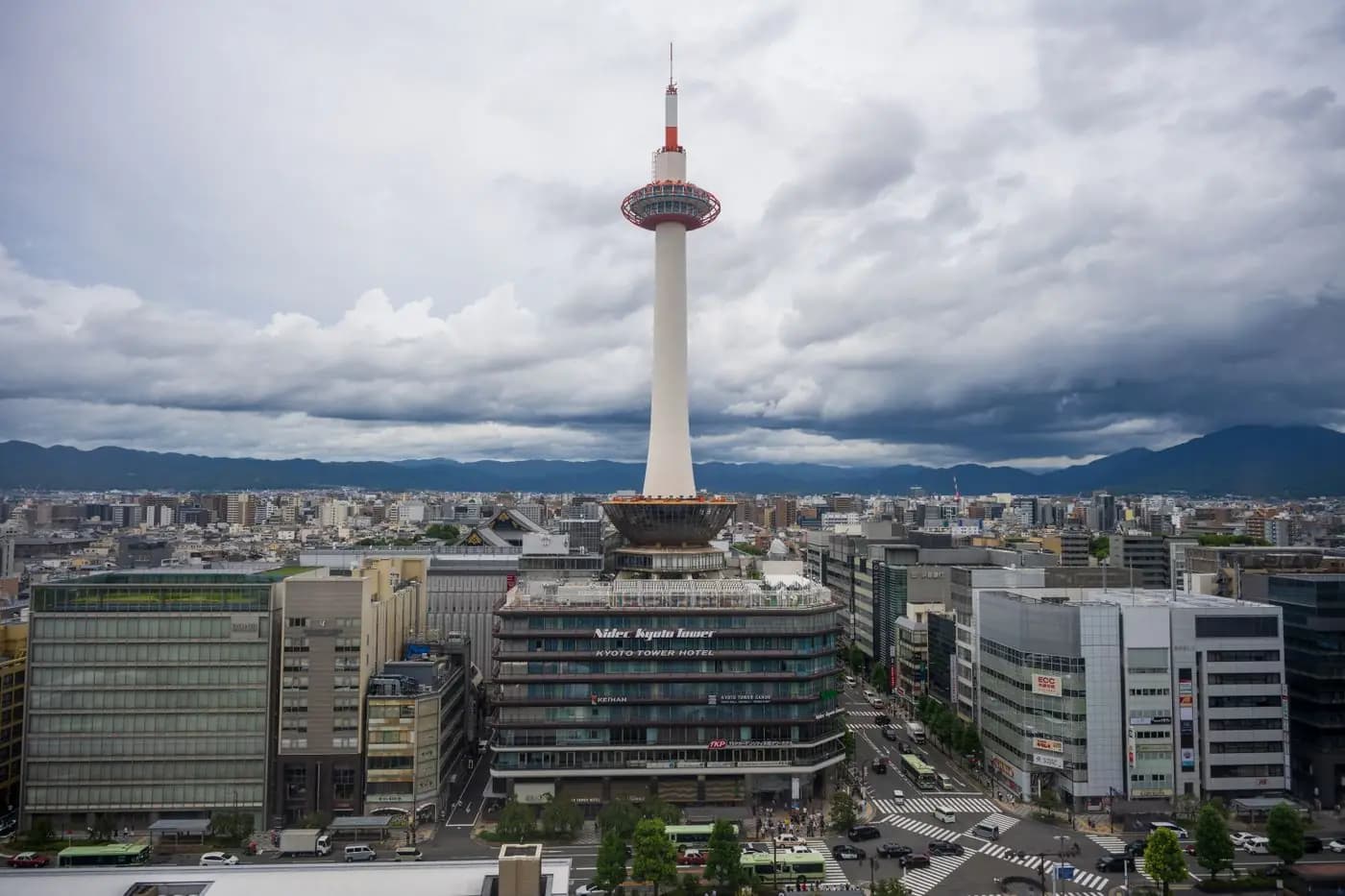
Kyoto conference hotels: the short answer
For a seminar in Kyoto, about ten hotels have proper conference facilities, with plenary rooms seating 500 to 2,000 people theatre-style. The ones corporate groups use most are The Westin Miyako Kyoto, Hotel Granvia Kyoto (inside the station), Hotel Okura Kyoto, The Prince Kyoto Takaragaike (next to ICC Kyoto) and Rihga Royal Hotel Kyoto. Above 150 to 200 rooms you almost always need two hotels, and since 1 March 2026 Kyoto's accommodation tax can reach ¥10,000 per person per night.
The choice comes down to three questions, in this order:
- How many rooms on the same night? Kyoto has few hotels with more than 400 rooms. A group of 100 in single rooms already takes a third of an average city hotel.
- What room for the plenary? A 300-seat theatre room is easy to find; an 800-person plenary with breakout rooms narrows the list to four or five addresses.
- Where do people spend the evening? A station hotel simplifies transfers, a hotel in Higashiyama or Okazaki puts you closer to temples and restaurants, and a Takaragaike hotel puts you next to the convention centre.
The figures below come from the hotels and from the MICE venue database of the Japan National Tourism Organization (JNTO). They are theatre-style maximums: for classroom or seated banquet layouts, plan on 40 to 60% fewer people.
Which Kyoto hotels have real conference rooms?
Kyoto's conference hotels fall into four areas. Figures give the number of rooms, then the largest function room (maximum theatre capacity).
Kyoto Station: logistics first
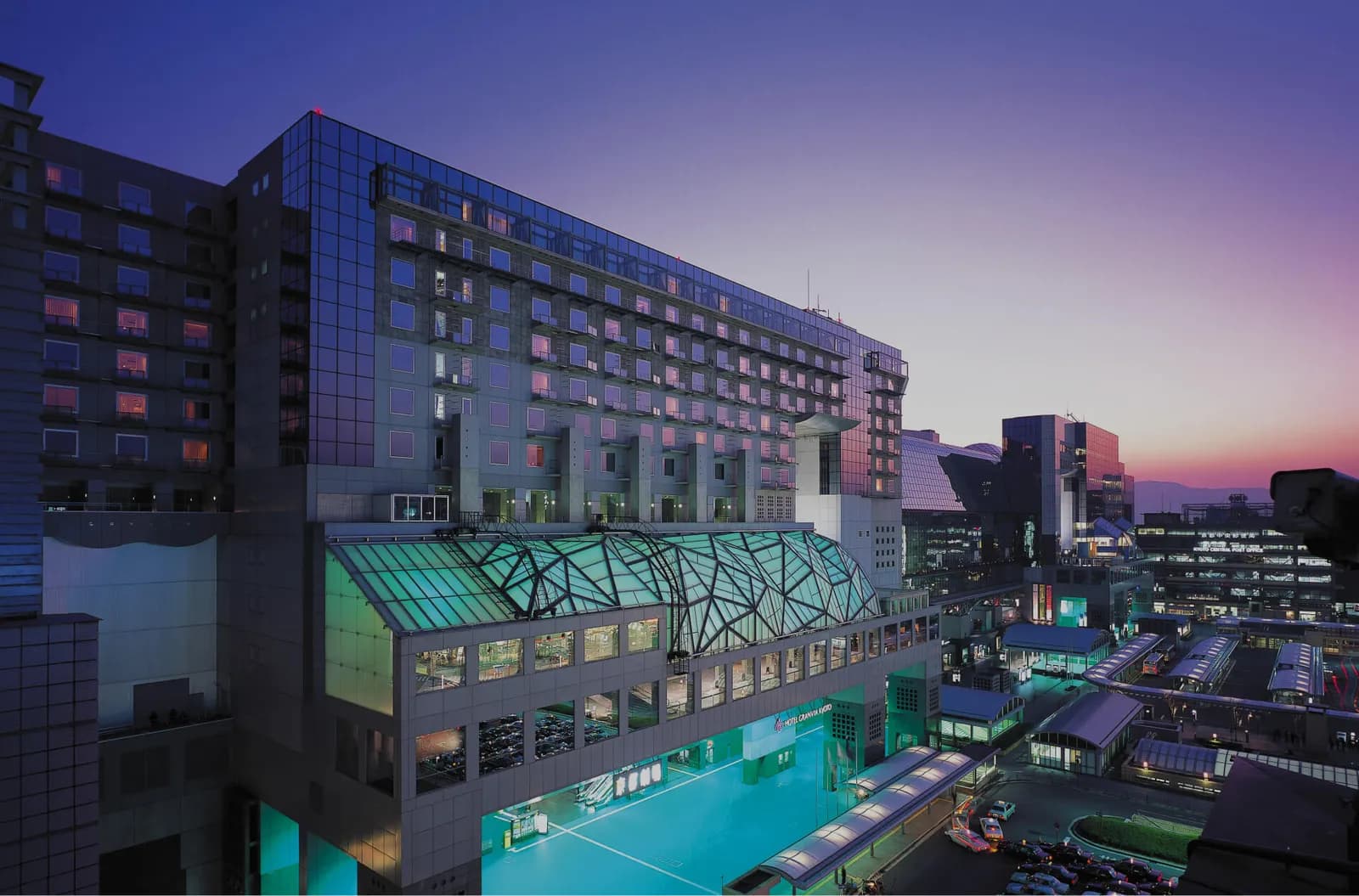
- Hotel Granvia Kyoto: 541 rooms, 15 function rooms, the Genji room of about 1,200 m², up to 1,400 people. Built into the station: Shinkansen, the Haruka train from Kansai Airport and the subway without going outside.
- Rihga Royal Hotel Kyoto: 489 rooms, about twenty function rooms, up to 1,000 people. 7 minutes on foot from the station, with a shuttle.
- The Thousand Kyoto: 222 rooms and 9 function rooms, 2 minutes from the station, but nothing for more than 500 people. A good fit for committees and seminars of 50 to 150.
City centre (Kawaramachi, Oike, Nijo)
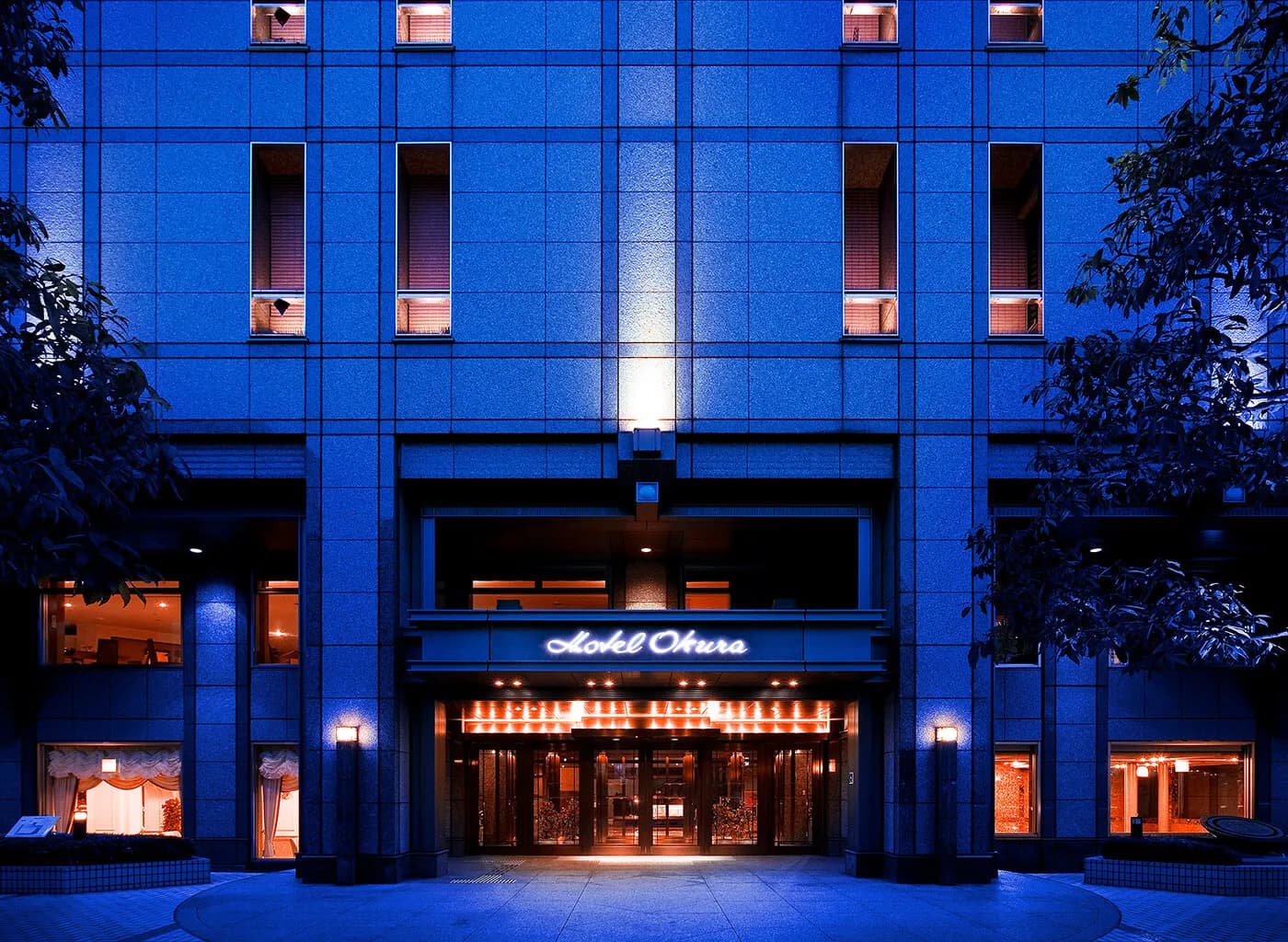
- Hotel Okura Kyoto: 321 rooms, 13 function rooms, up to 1,500 people. Direct access to Kyoto Shiyakusho-mae station (Tozai line), 15 minutes from Kyoto Station.
- ANA Crowne Plaza Kyoto: 287 rooms, 10 function rooms, up to 1,400 people, opposite Nijo Castle.
Higashiyama and Okazaki: temple Kyoto
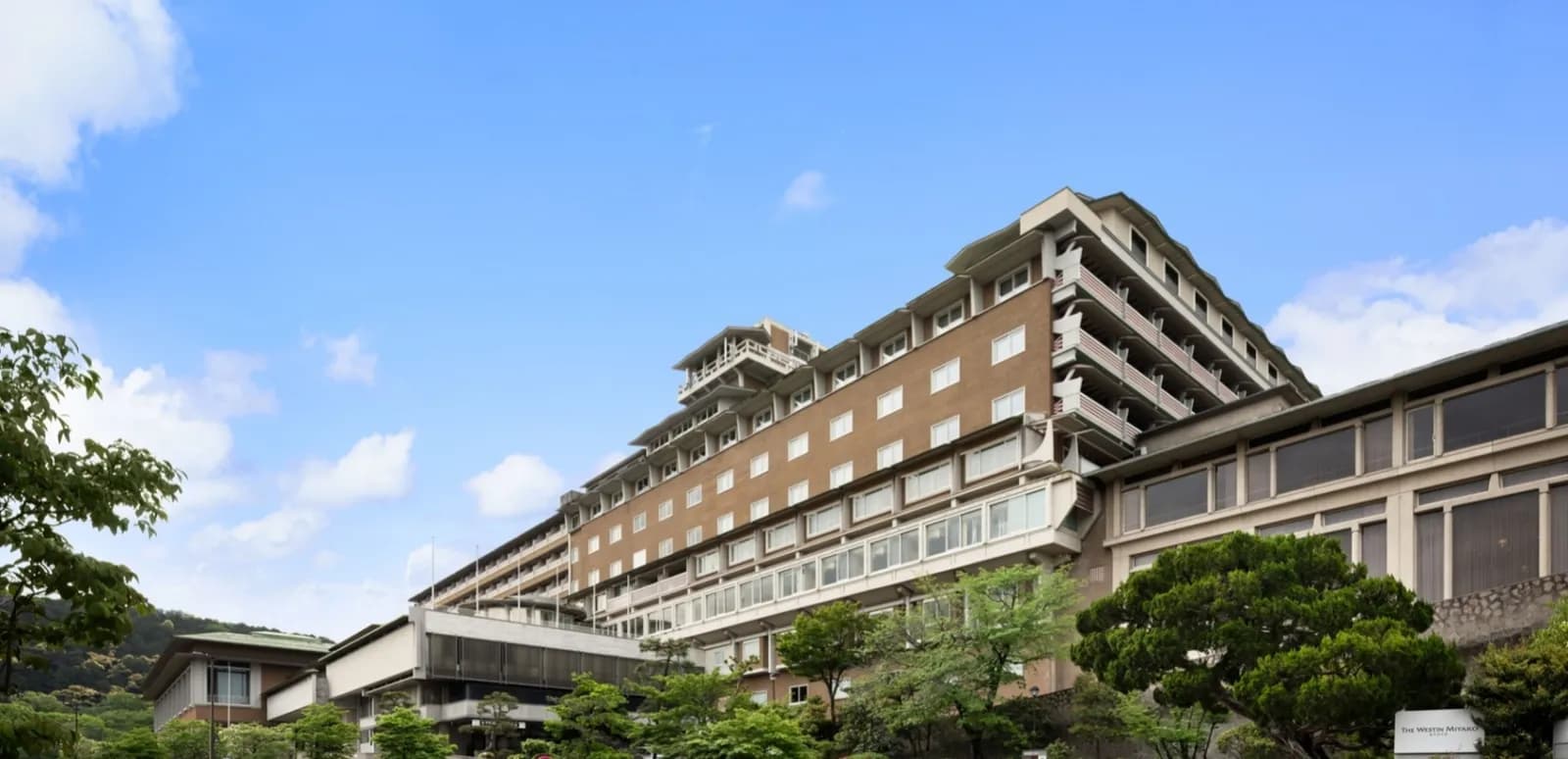
- The Westin Miyako Kyoto: 266 rooms, 19 function rooms, the Mizuho hall of about 1,650 m², up to 2,000 people. The largest hotel plenary capacity in the city. 2 minutes from Keage subway station, shuttle from Kyoto Station (about 25 minutes).
- Hyatt Regency Kyoto: 187 rooms, 9 function rooms, up to 700 people, opposite the Kyoto National Museum.
- Four Seasons Hotel Kyoto: 123 rooms and a ballroom of about 366 m². For an executive committee or a high-end incentive, not for a convention.
North Kyoto (Takaragaike)
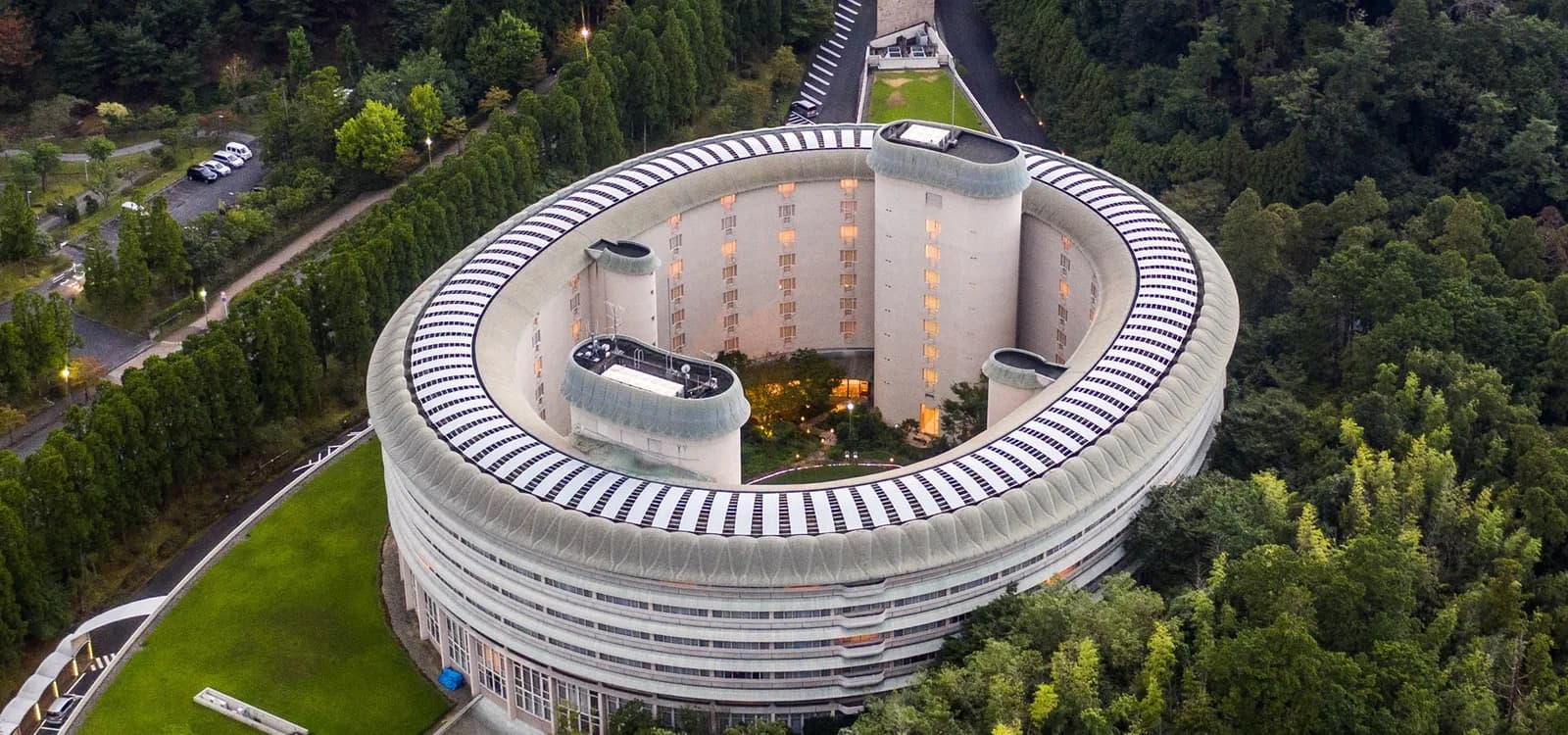
- The Prince Kyoto Takaragaike: 310 rooms, Prince Hall of about 1,140 m², up to 1,400 people. A few minutes' walk from ICC Kyoto, 20 minutes by subway from the centre.
Two more addresses suit mid-sized groups: Kyoto Tokyu Hotel (408 rooms, up to 750 people, near Nishi Hongan-ji) and Kyoto Brighton Hotel (182 rooms, up to 500 people, near the Imperial Palace).
Not for a plenary: boutique hotels and the new business hotels in the centre, often excellent for sleeping but with no meeting room, or a single room for 30 to 100 people.
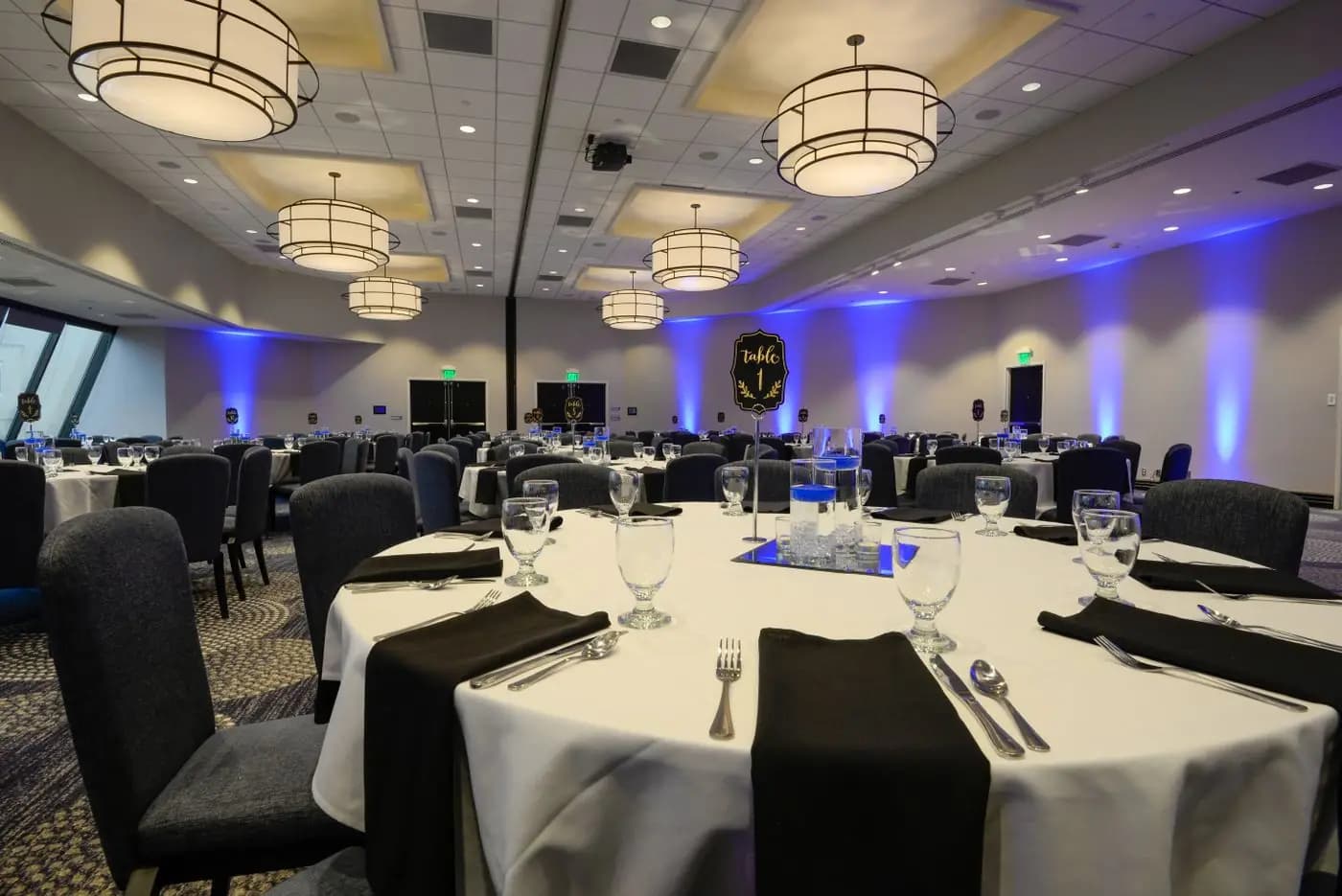
Kyoto meeting room for 20 to 150 people: hotel or outside venue?
For a committee of 20 or a seminar of 80, the question is no longer capacity but atmosphere and logistics. Three options come up:
- A room in the hotel where the group sleeps. The simplest option: no morning transfer, coffee breaks served on site, AV on hand. Hotels offer divisible rooms for 30 to 150 people. The trade-off is that the room is often windowless, in a basement or in a banquet wing.
- A meeting venue outside the hotel. Kyoto has a few converted historic buildings that host seminars and dinners. Fortune Garden Kyoto, a 1927 former company headquarters in the city centre, offers for instance a room of about 227 m² for 180 people theatre-style and 128 seated, one minute from Kyoto Shiyakusho-mae station. You gain character and lose some flexibility on timing.
- A temple, a museum or Nijo Castle. These "unique venues" are booked through the Kyoto Convention & Visitors Bureau on application, and suit a reception or dinner better than a working day with screens and breakouts.
What makes the difference in practice:
- Daylight. Ask explicitly for a room with windows; most large hotels have them, but they are not offered by default.
- Breakout rooms. For 100 people in plenary with four workshops, you need five rooms on the same day. Mid-sized hotels sometimes have only three free on a wedding day, especially at weekends.
- Interpreting. Fixed booths exist in the large hotels and at ICC Kyoto; elsewhere you rent mobile booths, which take space at the back of the room.
- How quotes are built. Japanese hotels usually invoice room hire, AV, breaks and meals separately, then add 10% consumption tax and, at many upscale properties, a service charge. A European-style day delegate rate is rare: ask for an itemised quote so you can compare.
A Kyoto hotel for a group of 100: rooms, seasons and room blocks
The bottleneck for a Kyoto seminar is rarely the meeting room: it is the number of rooms available on the right dates. With 100 participants, count 80 to 100 rooms depending on how many share, which European participants rarely welcome on a business trip.
Periods to avoid, or to book very early:
- Late March to mid-April (cherry blossoms) and mid-November to early December (autumn leaves): room rates can double and hotels often refuse group blocks on Friday and Saturday nights.
- Golden Week (late April to early May) and mid-August (Obon): heavy domestic demand.
- July, around the Gion Matsuri, especially the week of the processions.
- May-June and October-November on weekdays: school trips fill mid-range hotels and the main sights.
- The dates of large congresses at ICC Kyoto: a medical congress with several thousand delegates absorbs much of the hotel stock in the north and around the station.
A few rules that prevent bad surprises:
- Block 9 to 12 months ahead for 50 rooms or more in high season, 6 months in quiet periods (January-February, June, early September).
- Read the release clause: most hotels ask for the rooming list 30 to 60 days before arrival and charge for unused rooms beyond a threshold.
- Plan two nearby hotels beyond 150 rooms, for instance the Granvia plus a neighbouring station hotel, or the Westin Miyako plus a hotel in Okazaki. Participants meet for the plenary and dinners.
- Do not overestimate twin rooms: in Japan a standard 25-30 m² twin is fine for two tourists, much less so for two colleagues over three nights.
There is no public rate for a group block. As an indication, count ¥20,000 to ¥40,000 per night for a well-located business hotel and ¥40,000 to over ¥100,000 for a large conference hotel, depending on season, day of the week and room category. The same hotel can vary by a factor of three between a Tuesday in February and a Saturday in November.
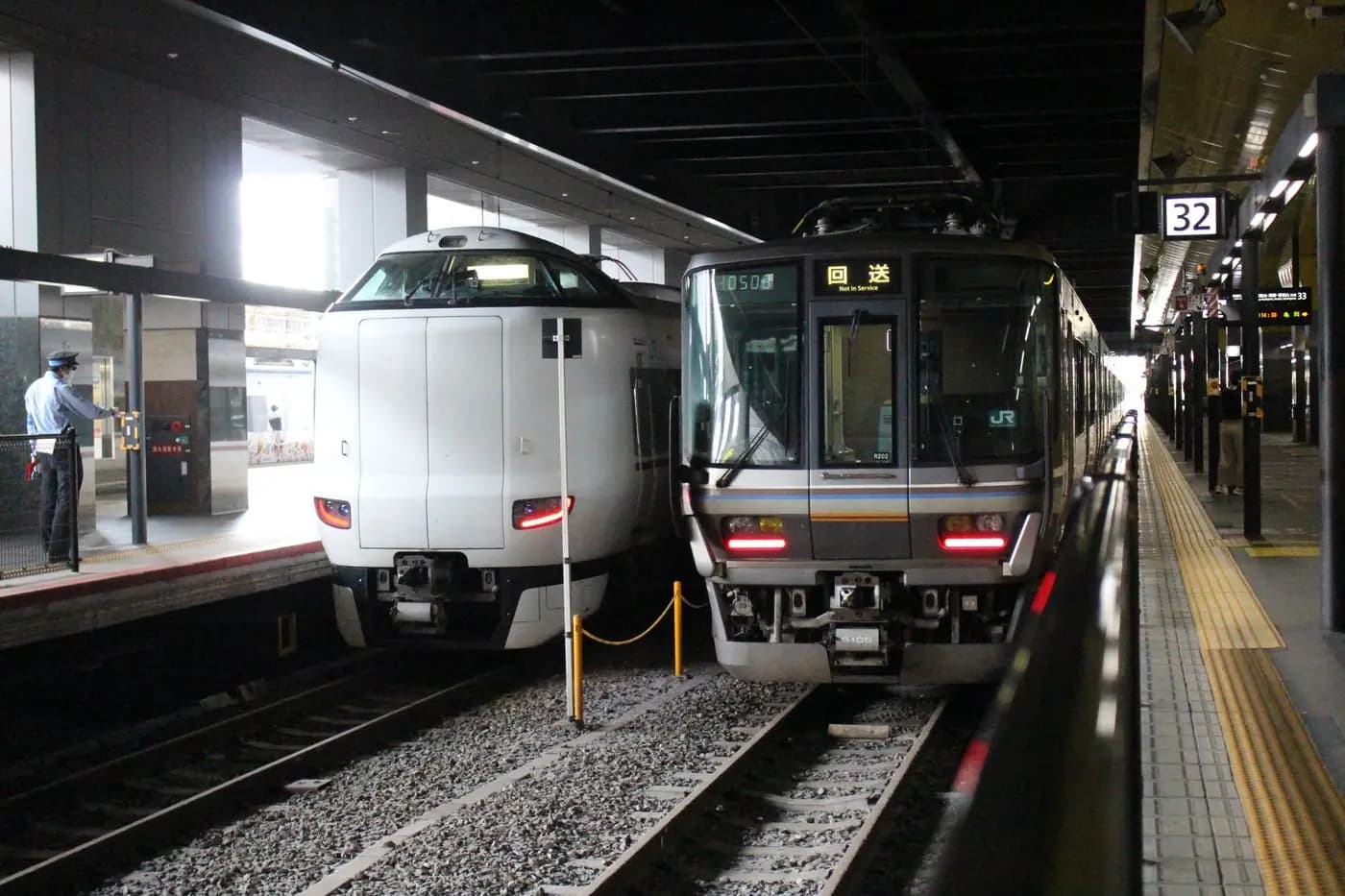
Kyoto accommodation tax 2026: how much should a group budget?
Since 1 March 2026, Kyoto City has applied a new accommodation tax scale, per person per night, based on the room price excluding meals and consumption tax (service charge included):
- under ¥6,000: ¥200
- ¥6,000 to under ¥20,000: ¥400
- ¥20,000 to under ¥50,000: ¥1,000
- ¥50,000 to under ¥100,000: ¥4,000
- ¥100,000 and above: ¥10,000
The ceiling, which used to be ¥1,000, has been multiplied by ten. Two effects matter for a seminar:
- The ¥50,000 threshold. A single room at ¥48,000 a night triggers ¥1,000 of tax; at ¥52,000, the tax jumps to ¥4,000. For a group of 100 over three nights, that is a ¥900,000 difference. Executive rooms and suites easily cross the line.
- The per-person calculation. A double room at ¥60,000 shared by two comes to ¥30,000 per person: the tax is ¥1,000 each, not ¥4,000.
Example: 100 participants, 3 nights, single rooms between ¥20,000 and ¥50,000 excluding meals: 100 × 3 × ¥1,000 = ¥300,000 of accommodation tax to add to the budget. It is paid at the hotel, unless already settled through the travel agency or booking platform.
By comparison, Osaka Prefecture has applied a lighter scale since 1 September 2025: exempt under ¥5,000, then ¥200, ¥400 and at most ¥500 per person per night from ¥20,000. For a group in upscale hotels, sleeping in Osaka and spending the day in Kyoto therefore changes the tax line. It is one of the reasons the two cities are often compared as a base; a separate Journal article looks at the Kyoto-or-Osaka choice in detail.
ICC Kyoto and Kyoto conferences in 2027: which hotels, which dates to avoid?
Kyoto's convention centre, ICC Kyoto (Kyoto International Conference Center), is in Takaragaike, at the northern end of the Karasuma subway line: 20 minutes from Kyoto Station, then 5 minutes' walk from Kokusaikaikan station through a covered passage. It has a 1,840-seat main hall, a 3,000 m² column-free Event Hall (up to 2,500 people) and more than 70 meeting rooms, set in a 20,000 m² Japanese garden.
To house delegates of a congress at ICC Kyoto:
- The Prince Kyoto Takaragaike is the only large hotel within walking distance. It sells out early as soon as a major congress is announced.
- Hotels on the Karasuma line (the Granvia and other station hotels, Kyoto Brighton near Marutamachi or Imadegawa) reach ICC by direct subway, with no change.
- Hotels in Higashiyama and the centre require a change of line or chartered morning shuttles; plan coaches for a group.
For a corporate seminar unrelated to the congress, the risk runs the other way: landing in a week when 3,000 delegates fill the city. Before signing for 2027, we recommend:
- checking the event calendars of ICC Kyoto and Miyakomesse (the exhibition hall in Okazaki);
- asking hotels whether a congress or trade show is already holding the dates, which they will usually tell you;
- keeping a fallback date one week away until contracts are signed.
The 2027 events themselves can only be checked on their organisers' sites: trade-show aggregators often publish outdated dates.
Alternatives to Kyoto: Otsu on Lake Biwa, or Osaka as a base
When Kyoto hotels are full or too expensive, two alternatives hold up.
Otsu, on Lake Biwa (Shiga Prefecture)
- JR Otsu station is about ten minutes from Kyoto Station on the JR Biwako line. By coach, Higashiyama is 30 to 40 minutes away depending on traffic.
- Biwako Otsu Prince Hotel, a 38-storey tower on the lakeshore, has a convention hall, "Omi", which the hotel describes as one of the largest in the country. It is about ten minutes from JR Otsu station by free shuttle or taxi.
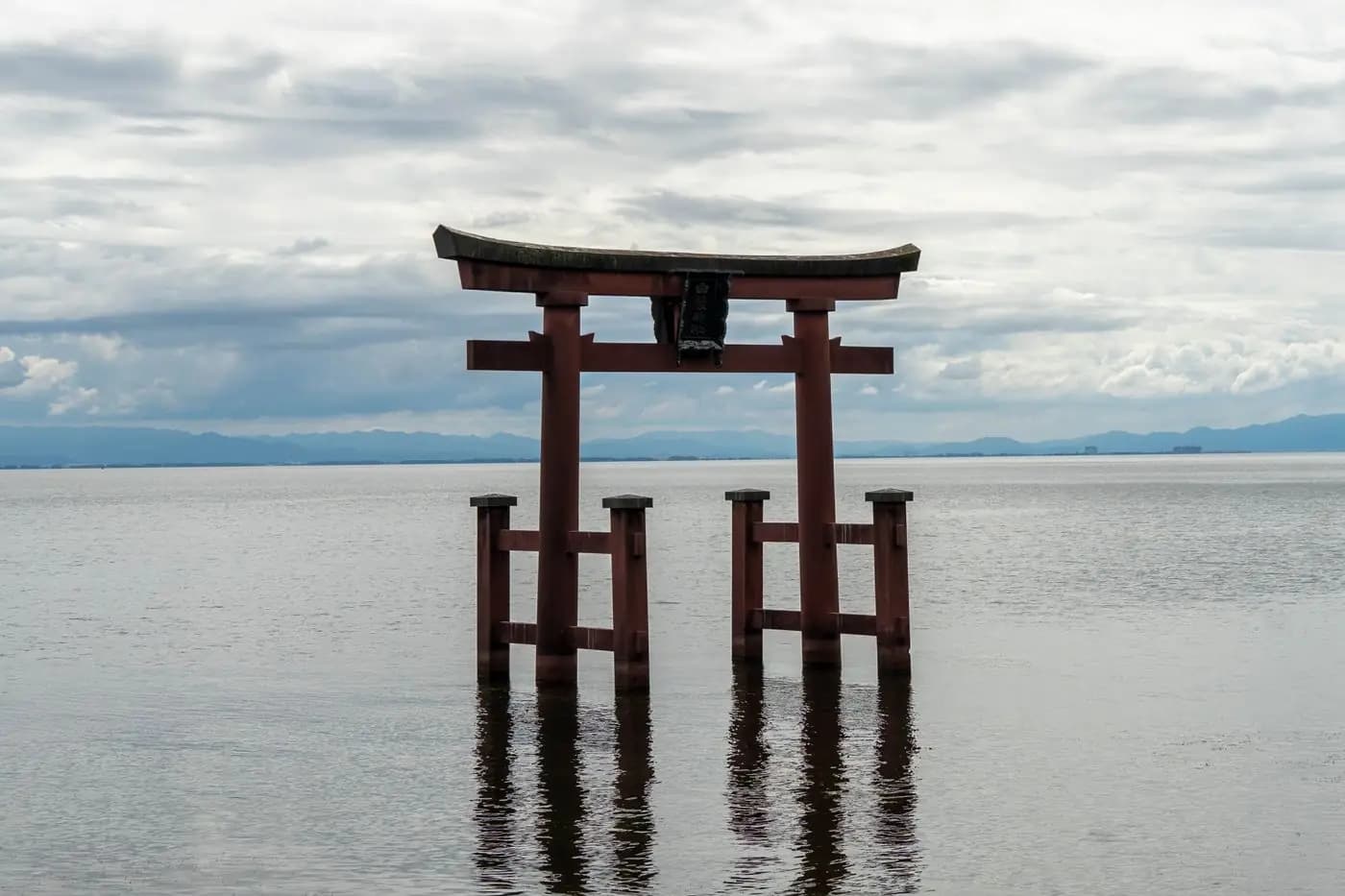
- The setting is a change from Kyoto: lake views, walks, cruises, lakeside shrines. For a working seminar this is a real advantage: fewer crowds, and Kyoto is kept for a half-day of sightseeing or a dinner.
- Tax: at the time of writing, Otsu City is studying an accommodation tax (a committee started meeting in April 2026). Check the situation when you sign.
Osaka
- Shin-Osaka is about 15 minutes from Kyoto by Shinkansen; Osaka Station (Umeda) about thirty minutes by JR rapid train.
- The hotel stock is larger, the big convention venues (Grand Cube Osaka, Knowledge Capital in Umeda) offer more capacity, and the accommodation tax is capped at ¥500.
- The downside: every day in Kyoto adds 1 to 1.5 hours of round-trip travel for a group, and evenings in Kyoto's old districts end with a coach ride.
A compromise that often works: plenary and nights in Osaka or Otsu, a cultural day in Kyoto with dinner, and one night in Kyoto at the end of the programme if the budget allows.
Running a seminar in Kyoto: logistics, transfers and a sample programme
A Kyoto seminar works when the logistics disappear behind the place. Here is what we settle first for a group of 50 to 150.
- Arrival. From Kansai Airport, the JR Haruka train reaches Kyoto in 75 to 80 minutes; a private coach takes a little longer depending on traffic but avoids handling luggage. From Tokyo, the Shinkansen takes just over 2 hours; sending suitcases the day before by delivery service (takkyubin) lets participants travel light.
- Coaches. The streets of Gion, Higashiyama and Pontocho are narrow: coaches drop the group on main roads. Plan 10 minutes' walk and a guide at the front and back.
- Meals. Breakfast at the hotel, lunch served in the meeting room or a private dining room, dinner out at least one evening. Private rooms in Kyoto restaurants rarely exceed 40 to 60 covers: beyond that, split the group or hire a whole venue.
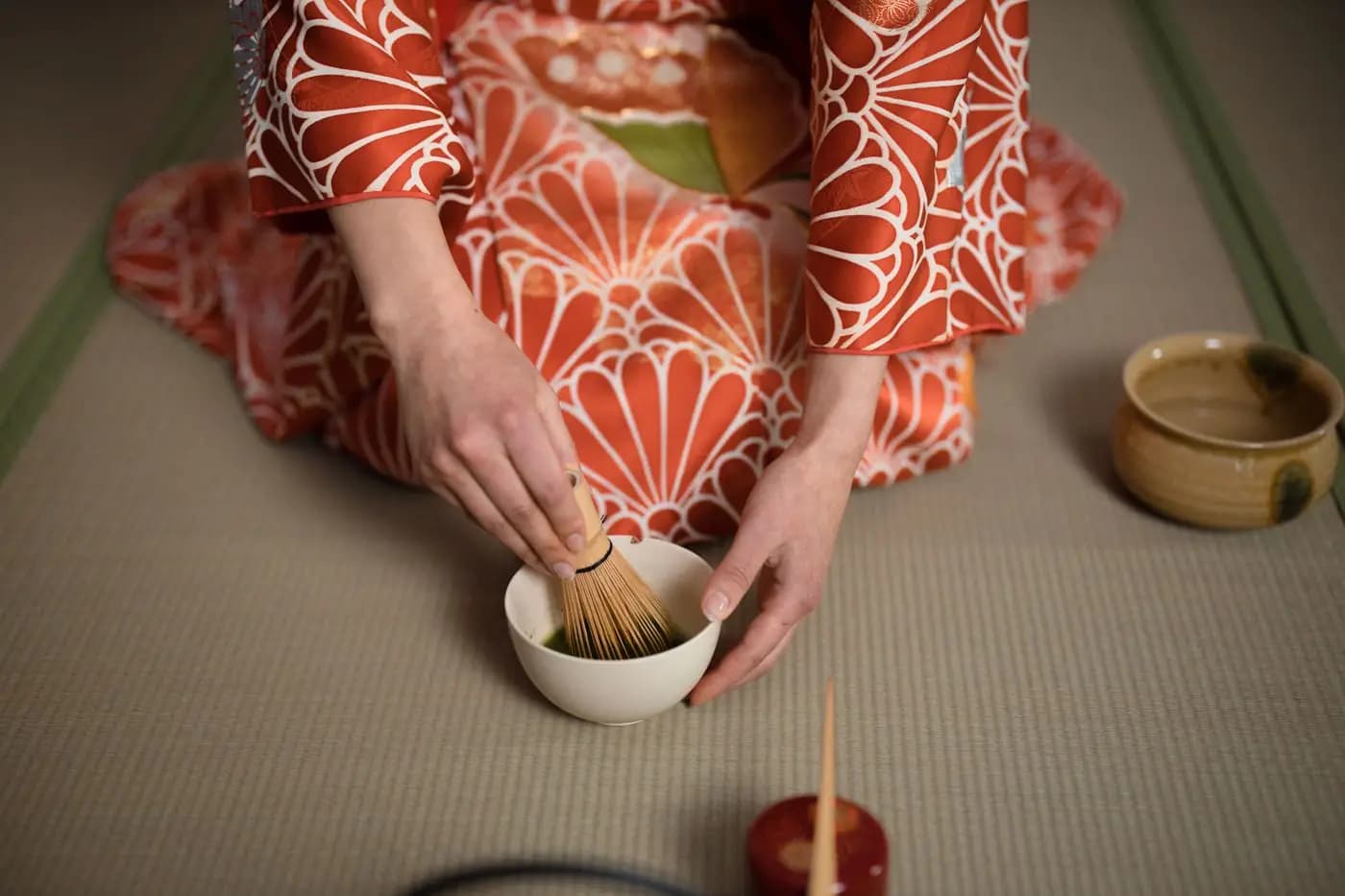
- Activities. A meditation session in a sub-temple, a tea ceremony or a craft workshop fits well in the late afternoon, between the last session and dinner.
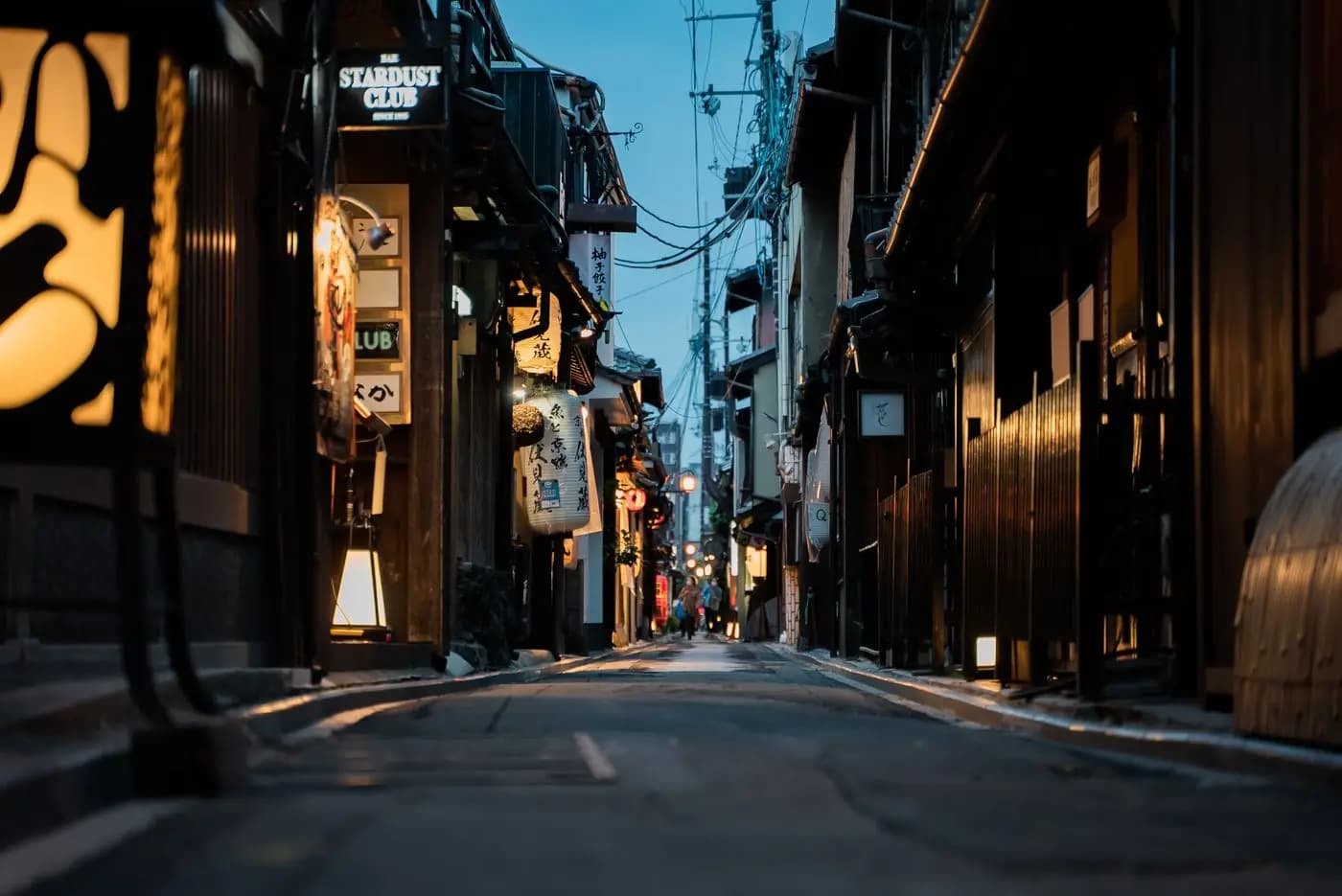
- Evenings. Pontocho, Kiyamachi and Gion suit dinners in small groups; a dinner with maiko is booked months ahead through a teahouse or an authorised restaurant.
Sample 3-day programme for 100 people
- Day 1: arrival late morning, lunch, plenary from 2pm to 6pm at the hotel, welcome dinner in the banquet room or a historic venue.
- Day 2: workshops in the morning, cultural afternoon in sub-groups of 20 (temple, garden, workshop), dinners spread across three or four restaurants in Pontocho and Gion.
- Day 3: closing session from 9am to 11am, departure for the station or airport after lunch.
SHINOGI DMC runs this kind of seminar in Kyoto: hotel and venue selection, room-block negotiation, transfers, cultural experiences and on-site coordination in French, English and Japanese. For a smaller board, the Journal also has an article on organising an executive committee in Kyoto.
Frequently asked questions
Which Kyoto hotel suits a 300-person seminar?
Hotels that can host 300 people in plenary with breakout rooms include The Westin Miyako Kyoto (up to 2,000 theatre-style), Hotel Okura Kyoto (1,500), Hotel Granvia Kyoto (1,400), The Prince Kyoto Takaragaike (1,400) and Rihga Royal Hotel Kyoto (1,000). For 300 rooms, plan on two nearby hotels.
How much is Kyoto's accommodation tax in 2026?
Since 1 March 2026: ¥200 under ¥6,000 per person per night, ¥400 up to ¥20,000, ¥1,000 up to ¥50,000, ¥4,000 up to ¥100,000 and ¥10,000 above. The reference price excludes meals and consumption tax.
Which hotel is closest to ICC Kyoto?
The Prince Kyoto Takaragaike, a few minutes' walk from the convention centre. Kyoto Station hotels reach ICC Kyoto in 20 minutes on the Karasuma subway line, with no change.
Where can I find a meeting room in Kyoto for 20 to 50 people?
In conference hotels (divisible rooms for 30 to 150), in smaller hotels such as The Thousand Kyoto or Hyatt Regency Kyoto, or in a converted historic venue such as Fortune Garden Kyoto. Ask for a room with daylight, which is rarely offered by default.
Should a group stay in Kyoto or Osaka?
Kyoto if the programme centres on temples, evenings in the old districts and fewer than 150 rooms. Osaka if the group is large, the plenary needs a convention centre or the hotel budget is tight: the tax there is capped at ¥500 and Kyoto is 15 to 30 minutes away by train.
How far ahead should you book a Kyoto conference hotel?
For 50 rooms or more, 9 to 12 months ahead in cherry-blossom season (late March-April) or autumn-leaf season (mid-November to early December), 6 months in quiet periods. The rooming list is usually due 30 to 60 days before arrival.
Rédaction SHINOGI DMC · Updated
Sources
- Ville de Kyoto — Taxe de séjour à partir du 1er mars 2026 (dépliant multilingue)
- Préfecture d'Osaka — Taxe de séjour (宿泊税)
- Ville d'Otsu — Comité d'étude de la taxe de séjour (avril 2026)
- JNTO MICE — The Westin Miyako Kyoto
- JNTO MICE — Hotel Okura Kyoto
- JNTO MICE — Hotel Granvia Kyoto
- JNTO MICE — The Prince Kyoto Takaragaike
- JNTO MICE — ANA Crowne Plaza Kyoto
- JNTO MICE — Rihga Royal Hotel Kyoto
- JNTO MICE — Hyatt Regency Kyoto
- ICC Kyoto — Halls and rooms
- ICC Kyoto — Accommodation
- Fortune Garden Kyoto — Salles et réceptions
- Biwako Otsu Prince Hotel — Installations et salle Omi
- Kyoto Convention & Visitors Bureau — Unique venues