Niseko vs Hakuba: the short answer
Niseko has the most reliable, lightest snow of Japan's mainstream resorts, but it takes a domestic flight and two to three hours by road. Hakuba can be reached from Tokyo in under three hours without flying and offers more alpine, more varied terrain, with slightly heavier and less consistent snow. For a ski holiday or incentive, the decision mostly comes down to three things: snow, travel time and the rest of the programme.
In short:
- Niseko if the main goal is skiing powder several days in a row, if the group already skis, and if you are combining with Sapporo or Otaru.
- Hakuba if you are starting from Tokyo on a short format (2 to 4 nights), if the group mixes skiers and non-skiers, or if you want to add culture (Matsumoto, Nagano, snow monkeys).
- Both are international: English-speaking instructors, equipment rental, English trail maps, restaurants used to foreign groups. Hakuba reports more than 700,000 international visitors every winter.
The comparison at a glance:
- Snow: Niseko, drier and more consistent; Hakuba, plentiful but more variable from week to week.
- Terrain: Niseko, 4 linked resorts on a single mountain; Hakuba, 10 resorts spread along the valley and linked by shuttle buses.
- Access from Tokyo: Niseko, a flight then 2.5–3 hours by road; Hakuba, from 2 h 50 by train and bus.
- Day pass: Hakuba Valley, ¥11,100 in 2026-27; Niseko United, around ¥12,000 the previous season.
- Accommodation: Niseko, more luxury residences and higher prices; Hakuba, more mid-sized hotels.
- Atmosphere: Niseko, very international and concentrated in Hirafu; Hakuba, more spread out and more Japanese.
For a snow-based meeting that also needs a half-day working session, Hakuba is the easiest format to run from Tokyo. For a six- or seven-night reward trip designed for confident skiers, Niseko remains the benchmark.
Snow and terrain: Niseko vs Hakuba
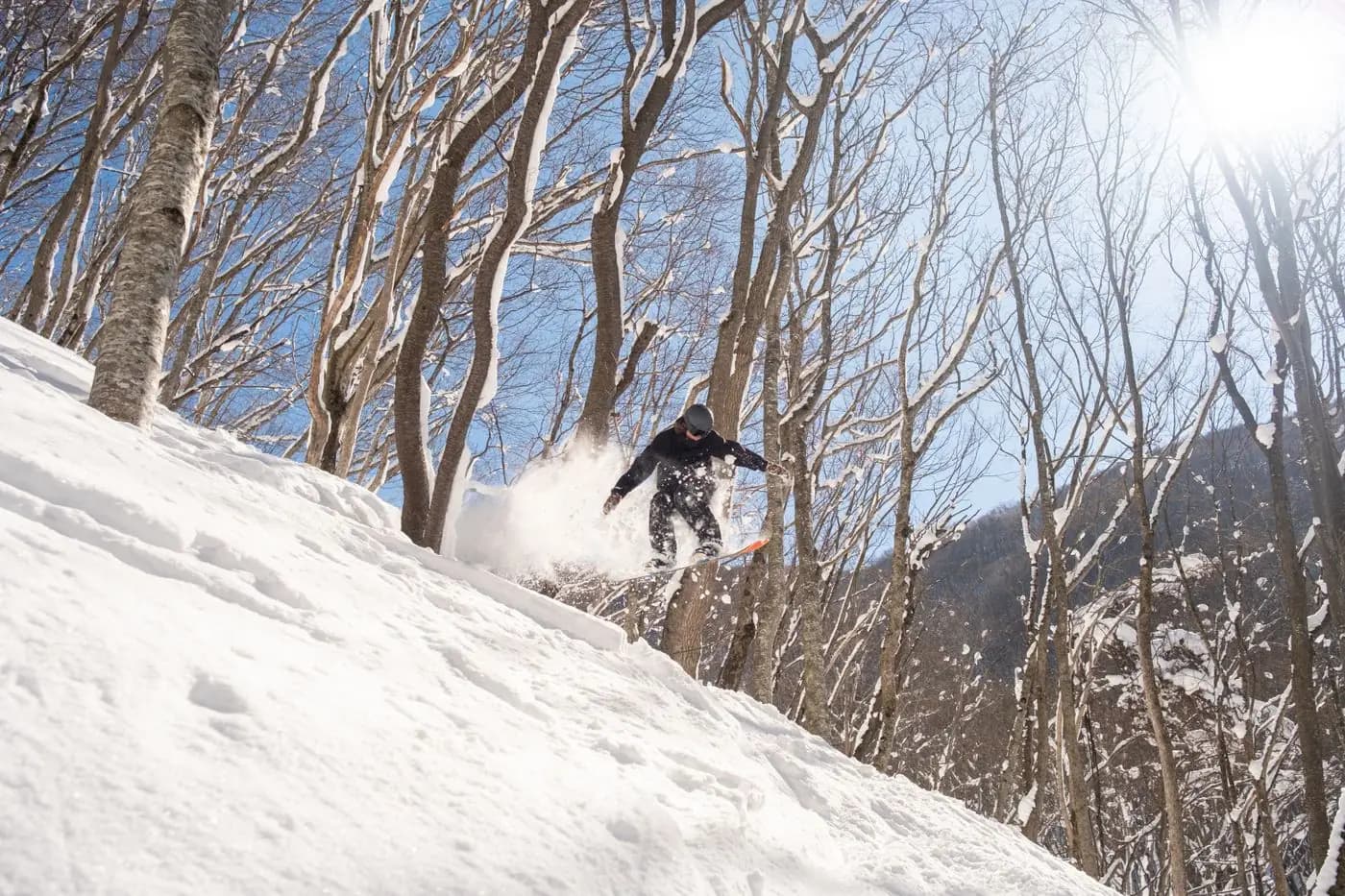
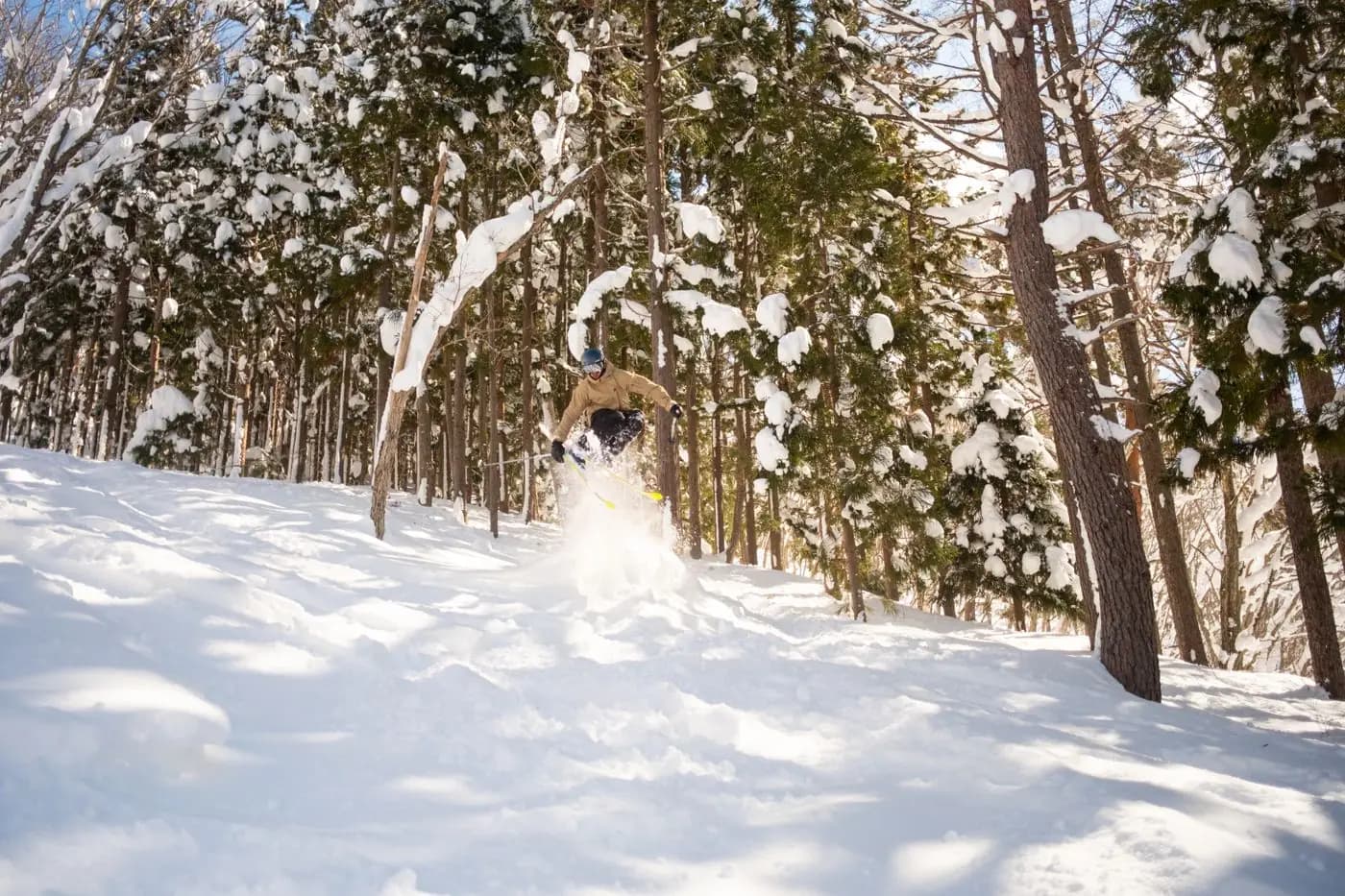
Niseko sits in western Hokkaido, exposed to cold Siberian winds that pick up moisture over the Sea of Japan. The result is frequent snowfall and dry snow. In winter 2025-26 the resort recorded 13.5 m of cumulative snowfall at its 850 m weather station, with 80 fresh-snow days; January alone delivered 6.2 m. The 2020-21 season reached 15.9 m.
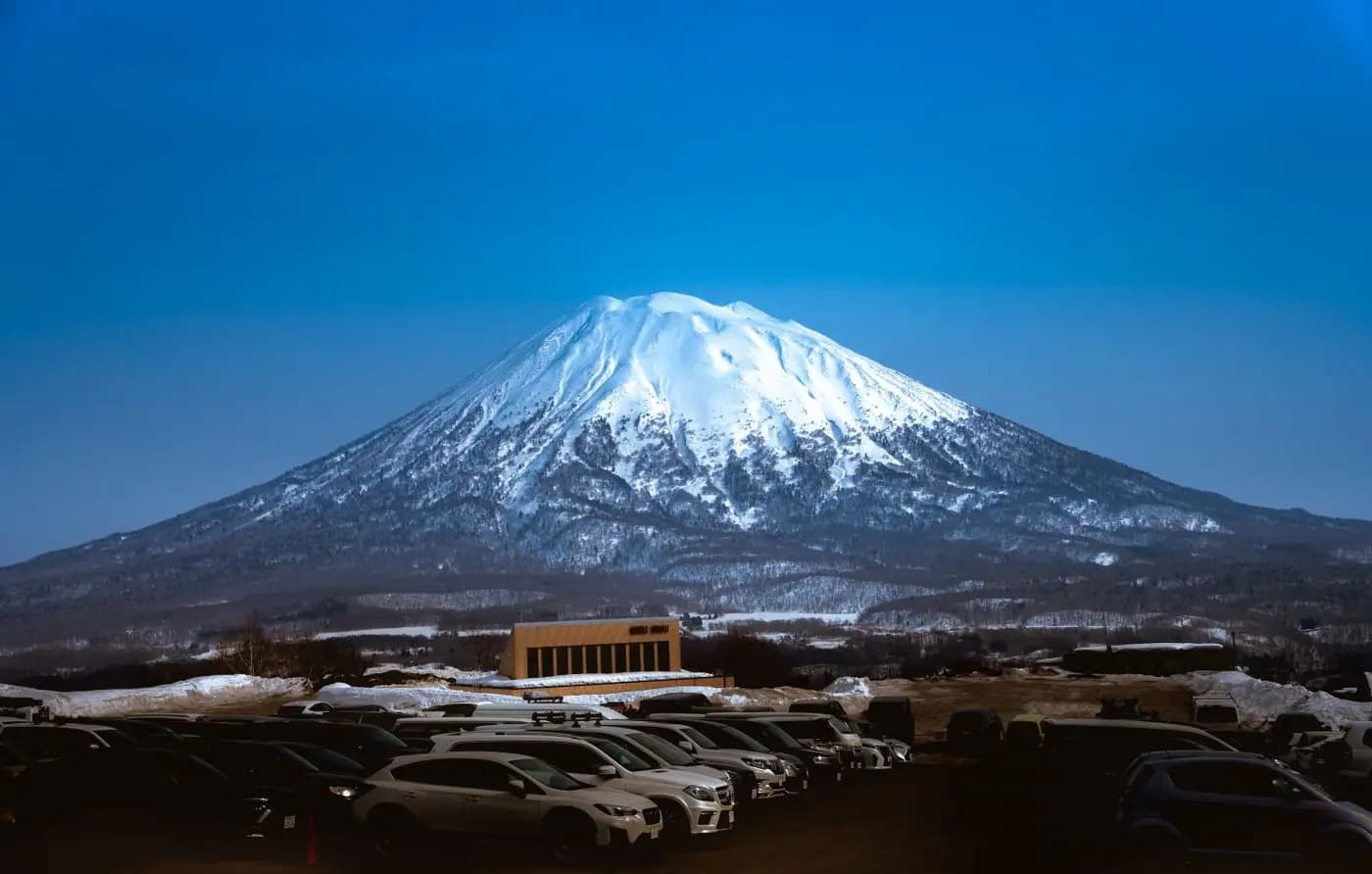
The Niseko United area brings together four resorts linked on the same mountain, Niseko-Annupuri: Niseko Hanazono, Niseko Tokyu Grand Hirafu, Niseko Village and Annupuri. A shared All Mountain pass and an inter-resort shuttle connect them. The relief is modest, with the summit at 1,308 m, but the controlled backcountry gates and tree skiing in the birch forests make its reputation. Mount Yotei, opposite, is the landmark on clear days.
Hakuba Valley, at the foot of the Northern Alps in Nagano Prefecture, is a group of ten resorts across three municipalities (Omachi, Hakuba and Otari): Jigatake, Kashimayari, Sanosaka, Hakuba Goryu, Hakuba 47, Happo-one, Iwatake, Tsugaike, Norikura and Cortina. The longest runs exceed 8 km. Happo-one hosted the alpine events of the 1998 Nagano Winter Olympics, and the Olympic ski jump can still be visited.
Snow is abundant but more variable: great powder days alternate with milder spells, especially early and late in the season. On the other hand, the high-mountain scenery and vertical drop are more pronounced than at Niseko.
For beginners, both work: Niseko Village and Grand Hirafu, like Goryu, Iwatake or Tsugaike in Hakuba, have wide easy runs and English-speaking ski schools.
Access: Tokyo, Osaka and airports
For a group, this is often the deciding factor.
Hakuba is reached without flying:
- From Tokyo: Hokuriku Shinkansen to Nagano, then express bus to Hakuba, from 2 h 50 in total according to the Hakuba Valley promotion board.
- From Nagoya: Shinano limited express, from 3 h 34.
- From Osaka: Tokaido Shinkansen and Shinano limited express trains, from 4 h 47.
- From Kanazawa: Hokuriku Shinkansen and the JR Oito Line, from 2 h 42.
A private coach from Tokyo usually takes 4 to 5 hours depending on traffic and snow; above 40 people with ski bags, plan two coaches or a separate truck for equipment.
Niseko requires a flight:
- Tokyo Haneda → Sapporo New Chitose: about 1 h 30 in the air.
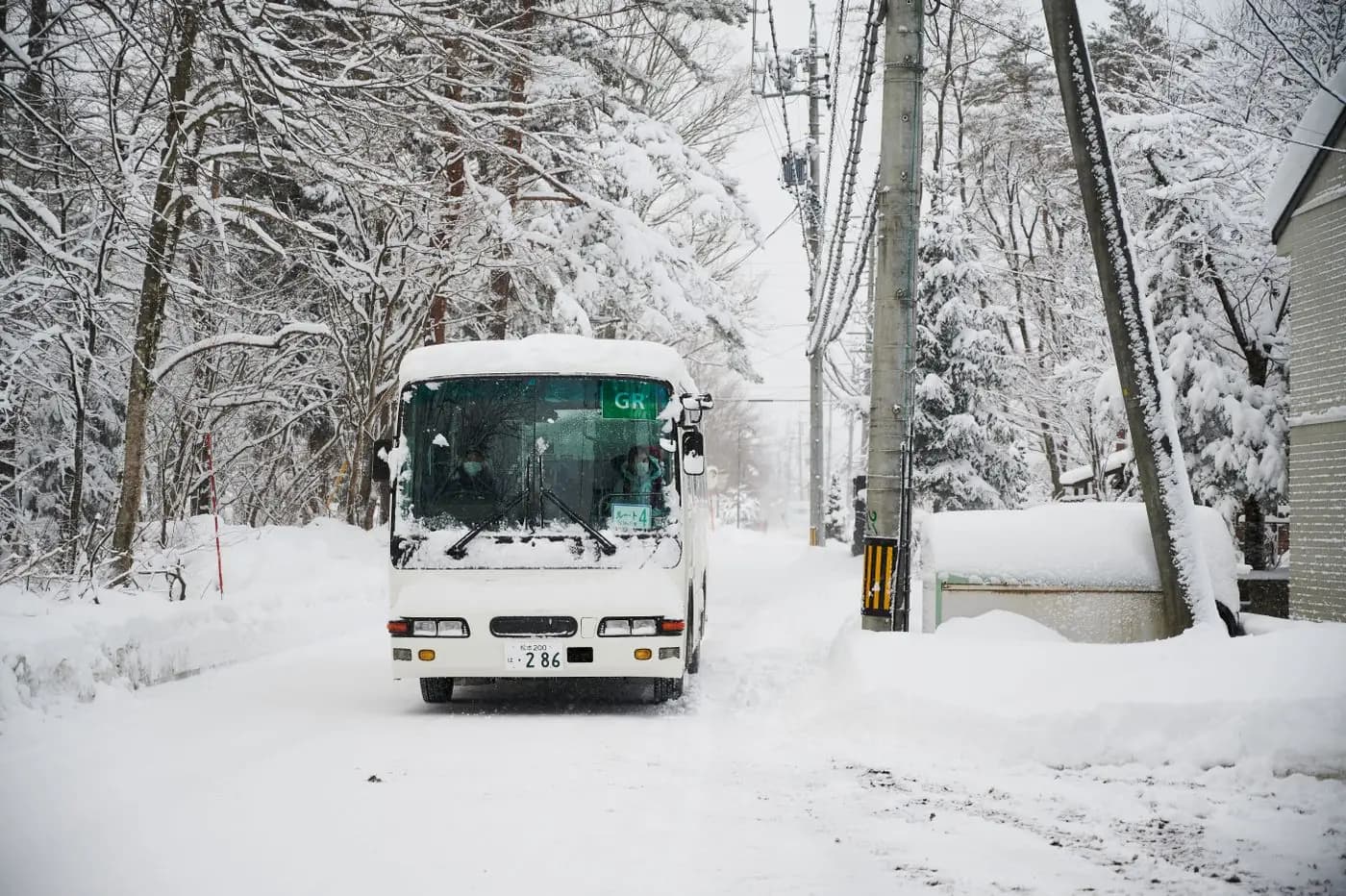
- New Chitose → Niseko: about 2.5 to 3 hours by road in winter, by bus or private coach depending on stops. Scheduled buses must be booked in advance.
- Direct international flights serve New Chitose from several Asian cities, which simplifies groups coming from Singapore, Hong Kong or Seoul.
In practice, you lose a full day each way to Niseko from Tokyo, against half a day for Hakuba. On a three-night stay, the difference is decisive.
Lift pass prices and the cost of a Japan ski trip
2026-27 lift passes (adult, official prices published at the time of writing):
- Hakuba Valley All-Mountain Day Pass: ¥11,100 for one day, ¥21,800 for 2 days, ¥32,200 for 3 days, ¥42,800 for 4 days, ¥53,400 for 5 days. It covers all ten resorts. Online sales are planned around November. Single-resort passes are cheaper.
- Niseko United: the 2026-27 adult season pass costs ¥184,400. 2026-27 All Mountain day prices will be shown when online sales open in early November; for reference, a day pass sold for around ¥12,000 at the counter in peak season 2025-26. A ¥1,000 card deposit applies.
The rest of the budget, indicative and per person:
- Equipment rental: about ¥5,000 to ¥10,000 a day depending on the range, more for powder skis.
- Lessons: group lessons in English are sold by the half-day or full day; private instructors book out quickly in peak season and should be reserved before arrival.
- Accommodation: this is where the gap is widest. Niseko has many upscale residences and apartments, expensive in January–February and often sold with minimum stays. Hakuba has more mid-sized hotels and lodges, generally cheaper for a similar standard.
- Meals: expect higher prices in Hirafu (Niseko) than in Echoland or Happo (Hakuba), where international restaurants sit alongside local izakaya.
What pushes up the cost of a ski incentive: dates (New Year, Chinese New Year, February), hotel category, private lessons, premium rental and private coach transfers.
Après-ski and nightlife: Hirafu or Echoland?
In Niseko, evening life is concentrated in Hirafu: restaurants of every cuisine, bars, food trucks and izakaya a few minutes' walk from the lifts. It is Japan's most international village in winter, with an atmosphere close to Australian or North American resorts. Night skiing is a real bonus: for 2026-27 it is scheduled from 12 December to 22 March, on runs floodlit from late afternoon.
The most popular restaurants book out weeks ahead in peak season; for a group of 20, it is better to privatise a restaurant or hold the dinner at the hotel.
In Hakuba, the offer is more scattered: Echoland and Happo village concentrate bars and restaurants, but hotels are spread across the valley and you often need a shuttle or taxi in the evening. In return, the atmosphere is more Japanese: public onsen, village izakaya, local breweries.
At both resorts, onsen are the favourite après-ski activity. For the rules (tattoos, nudity, towels), our onsen guide covers the basics to share with participants before departure.
Things to do off the slopes in Niseko and Hakuba
A ski incentive rarely works with skiing alone: part of the group does not ski, and a storm day always comes.
Around Niseko:
- Otaru, its canal and glass workshops, about 1 h 30 by road; Sapporo at 2 hours, with the Snow Festival from 4 to 11 February 2027.
- Snowshoeing, snowmobiles, winter rafting and dog sledding, depending on operators.
- Hokkaido distilleries and sake breweries, combined with a stop in Yoichi.
Around Hakuba:
- Forest snowshoeing and cross-country ski taster sessions, well suited to non-skiers.
- The Jigokudani snow monkeys, which bathe in a hot spring, about two hours away by road; entry is ¥1,000 per adult from 1 December 2026 (¥800 before), with a forest walk of about 35 minutes to get there.
- Matsumoto and its castle, one of Japan's twelve original surviving keeps, about an hour by road.
- Nagano and Zenko-ji temple, on the way back to Tokyo.
Our article on Hokkaido in winter covers Sapporo, Otaru and the Abashiri drift ice to extend a Niseko stay; the one on Hakuba in summer shows what the valley offers the rest of the year.
Corporate ski trips to Japan: logistics for 20 to 80 people
Whether you choose Niseko or Hakuba, a successful company ski trip depends on a few organisational points.
- Calendar: both resorts open in late November or early December and close between late March and early May. The best snow is from mid-January to late February, which is also the most expensive period. Early December and March are good compromises.
- Booking: accommodation 9 to 12 months ahead for February, then lessons, rental, transfers and restaurants. Niseko itself recommends booking in that order.
- Ability levels: set up ability groups at registration (beginner, intermediate, advanced, non-skier) and book instructors and guides accordingly. Backcountry skiing only with a qualified guide and safety equipment.
- Equipment: prepare rental with sizes collected before departure and have equipment delivered to the hotel the day before the first ski day.
- Transfers: a standard Japanese coach has about 45 seats, but with ski bags you will not fit more than 35 to 40 people. Add 30% extra time on snowy roads.
- Weather: a storm can close the upper lifts or delay a flight to New Chitose. Keep an indoor fallback activity and half a day of margin before the international flight home.
- Insurance: check that the policy covers skiing, guided off-piste and repatriation.
- Meetings: in Hakuba and Niseko, a few hotels have rooms for a plenary session; the supply is far more limited than in a city, so book the room together with the bedrooms.
SHINOGI DMC organises ski incentives in Hakuba from Tokyo, with transfers, lessons, rental and activities for non-skiers coordinated on site.
Frequently asked questions
Niseko or Hakuba: which has better snow?
Generally Niseko: its snow is drier and more consistent, with 13.5 m of cumulative snowfall in 2025-26. Hakuba also gets plenty of snow, but it is more variable, and it makes up for it with more alpine terrain.
Is Niseko more expensive than Hakuba?
Yes, especially for accommodation and meals in January–February. Lift passes are close: ¥11,100 a day for Hakuba Valley in 2026-27, around ¥12,000 at Niseko United the previous season.
How do you get to Hakuba from Tokyo?
Hokuriku Shinkansen to Nagano, then an express bus to Hakuba, from 2 h 50 in total. By private coach, allow 4 to 5 hours depending on snow and traffic.
How do you get to Niseko from Tokyo?
A flight from Haneda to New Chitose of about 1 h 30, then 2.5 to 3 hours by bus or private coach in winter. Plan a full travel day.
When is the best time to ski in Japan?
From mid-December to March. The best powder is from mid-January to late February; early December and March are cheaper and quieter.
How much does a group ski trip to Japan cost?
There is no official price. The budget depends on dates, hotel category, lessons and transfers; in Hakuba, a 5-day lift pass costs ¥53,400 in 2026-27, plus accommodation, rental and meals.
Rédaction SHINOGI DMC · Updated
Sources
- Hakuba Valley — 2026-27 All-Mountain Day Pass (tarifs officiels)
- Hakuba Valley — Access (temps de trajet depuis Tokyo, Osaka, Nagoya, Kanazawa)
- Hakuba Valley — About Hakuba Valley (10 stations, visiteurs internationaux)
- Niseko United — 2026-2027 All Mountain Season Pass
- Niseko United — Online Lift Pass (ventes 2026-27)
- Niseko United — How much did it snow in Niseko this winter? (bilan 2025-26)
- Niseko United — 7 things you should book before your Niseko winter trip (dates d'ouverture 2026-27)
- Sapporo Snow Festival — Site officiel
- Ville de Sapporo — 2027 Sapporo Snow Festival (77e édition)
- Jigokudani Yaen-koen — site officiel (tarif d'entrée modifié au 1er décembre 2026)