- Duration
- About 2 hours
- Group size
- 6–60 pax
- Cities
- Tokyo
- Indicative budget
- From ¥36,500 per person
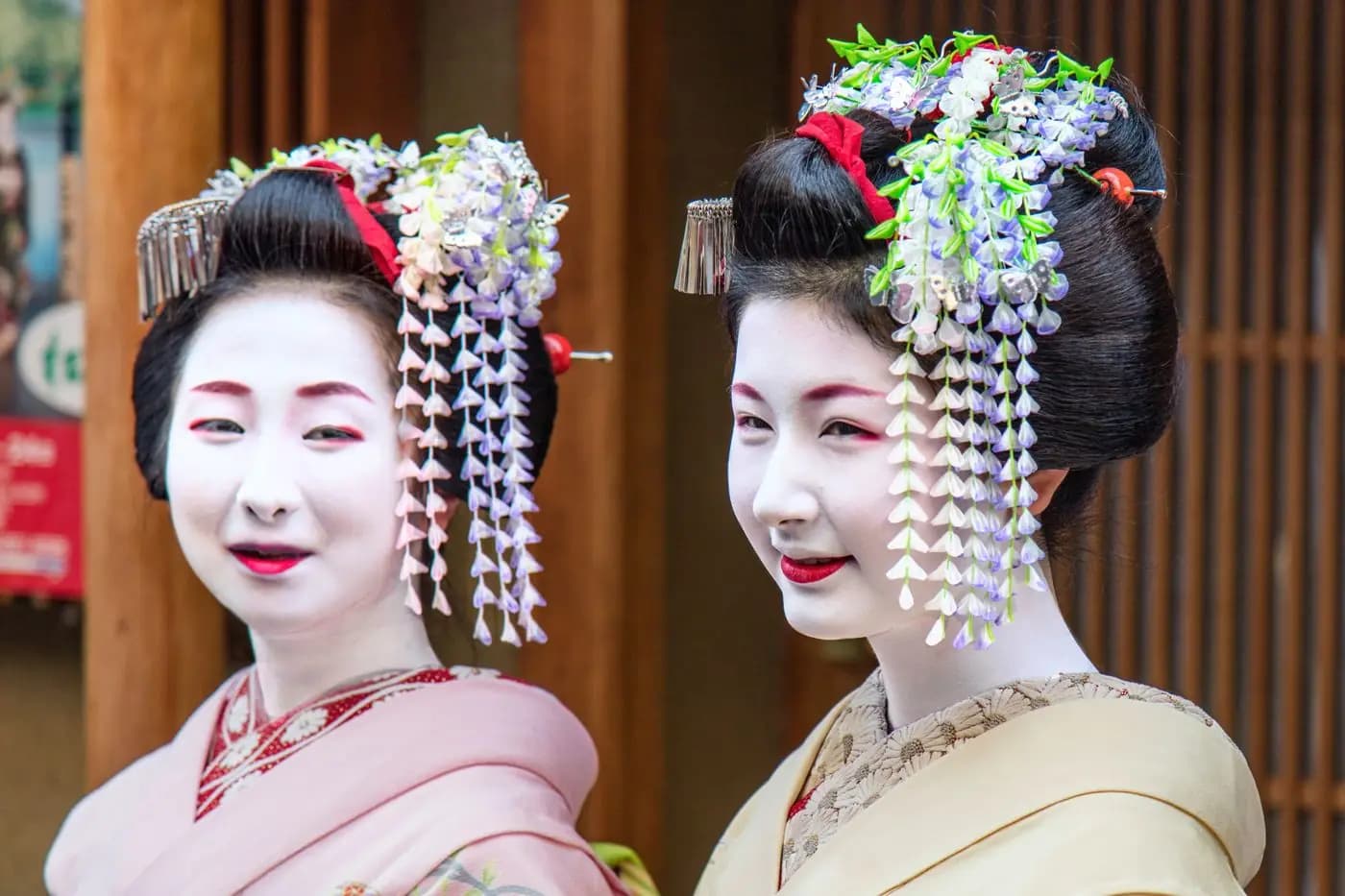
The evening takes place in the private room of a traditional restaurant (ryotei) or, for a larger group, in a Japanese-style banquet hall. Dinner, served as several seasonal courses, starts before the geisha arrive. They introduce themselves, pour drinks and perform one or more dances accompanied by shamisen and song. Then come the ozashiki games, simple party games in which a guest plays against a geisha in time with the music: the loser drinks, and the group referees. An interpreter translates the introductions, explains the dances and keeps the conversation flowing.
For a company, this is a prestige evening format that stays participatory: the games put even reserved guests at ease, and executives readily take part in front of their teams. It works for an incentive closing dinner, for hosting key clients or for celebrating award winners. It is best scheduled early in the evening, around 6 or 6:30 pm, and can be followed by a transfer to a bar or rooftop for a more relaxed end to the night.
Geisha are performers who train for years in dance, music and the art of conversation. Several Tokyo districts keep the tradition alive, including Asakusa, Kagurazaka, Shimbashi and Akasaka. Apprentices there are called hangyoku, not maiko as in Kyoto. Access to traditional houses usually requires an introduction: we handle the booking, choose the venue according to group size and make sure customs are respected.
Objectives
- Host a prestige evening for clients, award winners or executives
- Introduce Japanese performing arts: dance, song and shamisen
- Create a relaxed, participatory mood through ozashiki games
How it works
- 1Format chosen according to group size: private room in a traditional house or Japanese-style banquet hall.
- 2Welcome and start of the multi-course dinner.
- 3Geisha arrive, introduce themselves and perform a dance with shamisen.
- 4Ozashiki games and conversation with the geisha, with interpretation.
- 5Photos at the agreed moment, then end of the evening or transfer to a bar.
Good to know
- Geisha are dance and music performers; the evening follows set customs, which we explain to the group beforehand.
- Tatami rooms: shoes off; depending on the venue, legless chairs with backrests or a sunken table to stretch your legs.
- Geisha mainly speak Japanese, so an interpreter is strongly recommended.
- Book 4 to 8 weeks ahead, longer in spring, autumn and at year-end.
- The menu can be adapted for dietary needs and allergies, to be shared at booking.
Indicative budget
From ¥36,500 per person (private evening, group basis). The final price depends on the number of geisha, the venue and the menu; lower group rates quoted according to numbers; interpreter and transfers optional.
Frequently asked questions
How does a geisha evening in Tokyo differ from one in Kyoto?
The principle is the same: dance, music, games and conversation over dinner. In Kyoto you often meet maiko, apprentices with very recognizable make-up and hairstyles; in Tokyo, apprentices are called hangyoku and the style is known to be more understated. For a Tokyo-based seminar, it also saves a day of travel.
How many guests can attend?
From 6 to 60 people. A room in a traditional house usually seats up to about twenty; beyond that we use a Japanese-style banquet hall and increase the number of geisha so every table takes part in the games.
Can we take photos with the geisha?
Usually yes, at an agreed moment, often towards the end of the evening. Rules vary by venue and performers; we confirm them in advance, including whether photos may be shared on the company's internal or external channels.
Do guests need to speak Japanese to enjoy the evening?
No. Ozashiki games take seconds to explain and are played with gestures. An interpreter translates the introductions, explains the dances and lets guests ask the geisha their own questions.