- Duration
- About 1.5 hours
- Group size
- 6–60 pax
- Cities
- Tokyo
- Indicative budget
- From ¥21,500 per person
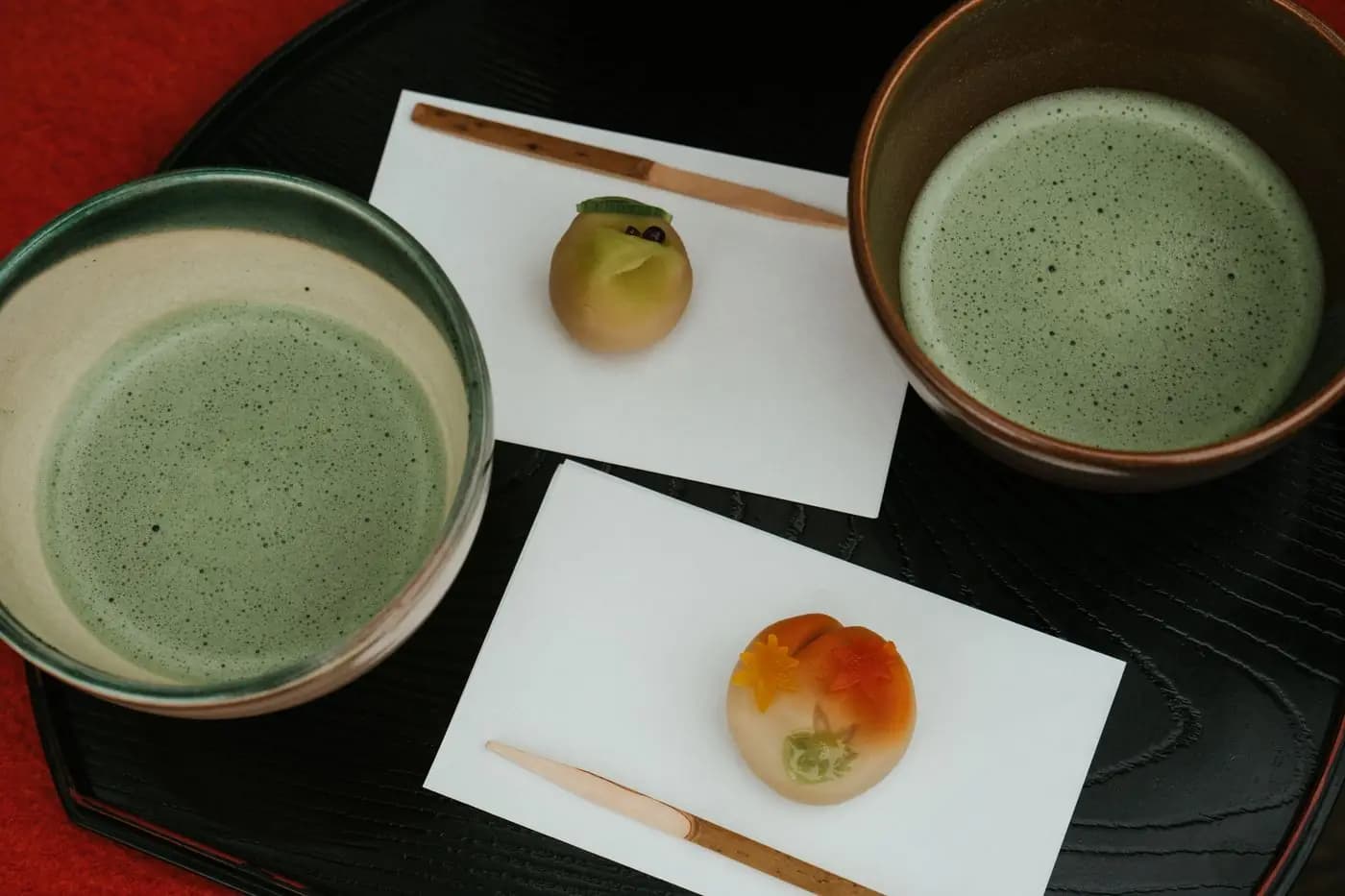
The confectioner first introduces the basic ingredients: sweet white bean paste (shiro-an), red bean paste for the filling and natural colorings. They then shape a nerikiri in front of the group, the most elaborate ceremonial sweet, showing the key techniques: wrapping the filling, shaping in the palm, marking petals or veins with a triangular wooden spatula and pressing the paste in a damp cloth. Each participant then makes two or three pieces on a seasonal theme, helped by the confectioner and assistants. The class ends with a tasting of the creations alongside a bowl of matcha. An interpreter translates throughout.
For a group, the class works well as a low-key team-building activity: the instructions are precise, the result is visible straight away, and comparing pieces gets people talking. We can add a vote for the best piece, by team or by table. No physical effort or cooking skill is needed, which makes it accessible to a wide range of participants. It fits easily into an afternoon between work sessions and can be held in a hotel function room with tables, without a kitchen.
Wagashi traditionally accompany tea and follow the calendar: cherry blossoms in spring, hydrangea in the rainy season, maple leaves in autumn, camellia in winter. The finest ones, namagashi, are eaten the same day. For a gift to take home, we suggest a box of dry sweets (higashi) that keep for several weeks, which can be customized in the company's colors.
Objectives
- Offer a calm team-building activity open to every profile
- Show the precision of Japanese artisanal craftsmanship
- End the session with a shared tasting as a team
How it works
- 1Workstations and ingredients set up before the group arrives.
- 2Introduction to the ingredients and demonstration by the confectioner, with interpretation.
- 3Each participant shapes two or three wagashi, helped by the confectioner and assistants.
- 4Optional: a vote by table for the best piece.
- 5Tasting of the creations with a bowl of matcha, and group photo.
Good to know
- Wagashi are made from beans, sugar and rice flour, generally without dairy or eggs; please share allergies and dietary needs in advance.
- Matcha contains caffeine; caffeine-free tea or water can be offered.
- About 20 participants per confectioner; larger groups use several confectioners in one room or rotations.
- Seated at tables, no cooking involved: a hotel room with tables and access to water is enough.
- Fresh wagashi are eaten on site; a box of dry sweets can be given as a gift.
Indicative budget
From ¥21,500 per person (private session, small-group basis). Lower group rates quoted according to numbers; interpreter and transfers optional.
Frequently asked questions
Do participants need cooking skills?
No. There is no cooking or cutting: the paste is prepared in advance and the work is shaping by hand, following the confectioner step by step. Even beginners produce a neat result.
Is the class suitable for vegetarians and people with allergies?
Wagashi are generally vegetarian and free of dairy and eggs. Some recipes include glutinous rice flour or other ingredients: we pass the list on to the confectioner and adapt the pieces to the allergies declared.
Can you host a large group?
Yes, up to 60 people. We plan about one confectioner per 20 participants, with assistants, in a large hotel function room. For larger numbers, the group can rotate with another activity.
Can participants take their wagashi with them?
They can take them in a small box to eat the same day, but fresh wagashi do not travel. For a gift to take home, we recommend a box of dry sweets that keeps for several weeks.