Is Japan realistic for a US company retreat?
Yes, if the trip is long enough. A corporate retreat in Japan costs more in flight time than Mexico or Hawaii, and gives something those places do not: a setting far enough from daily routine that people actually disconnect, in a country where everything runs on time.
Three things make it workable from the United States:
- No visa: US passport holders enter visa-free for short stays of up to 90 days, which covers meetings and incentive travel
- Nonstop flights: more than a dozen US airports fly nonstop to Tokyo
- Low friction on site: safe streets, punctual trains, no tipping, and the same plugs as at home
It is a poor fit for a two-night offsite, or for a team that must stay on US business hours: when it is 9 am in New York, it is 10 or 11 pm in Tokyo.
How long, and how to shape the days
A structure that works for most American groups:
- Day 1: departure from the US
- Day 2: afternoon arrival, transfer, light dinner near the hotel, early night
- Day 3: morning walk or cultural visit to reset the body clock, first working session in the afternoon
- Days 4 and 5: working sessions in the morning, when people from US time zones are most alert, then guided experiences in the afternoon and a dinner out
- Day 6: bullet train to a second city or a full free day
- Day 7: closing session, gala dinner
- Day 8: flight home, landing the same calendar day
Jet lag is hardest on days 2 and 3 going west. Schedule the sessions that need the sharpest thinking from day 4, and keep the first evening free of speeches.
What a retreat in Japan costs
The ground programme (hotels, meeting rooms, meals, transport, guides, activities) is quoted per person, separately from international flights. As a reference, the programmes published on this site start from:
- €1,800 per person for a three-day seminar in Fukuoka or a sales kickoff in Okinawa
- €2,400 per person for a three-day seminar in Tokyo
- €3,100 per person for a green-season retreat in Hakuba, in the Japan Alps
- €4,900 per person for an executive retreat in Kyoto, and more for a private ryokan or an island resort
What moves the price most:
- Season: late March to early April and November carry the highest hotel rates
- Hotel category: an international five-star in Tokyo or Kyoto against a four-star business hotel
- Group size: coaches, guides and private venues cost less per head as the group grows
- Exclusive access: private dinners, closed venues and performances are priced per event, not per person
Prices in Japan are quoted in yen with a 10 % consumption tax, and there is no tipping to add.
Where to go: four settings that suit a retreat
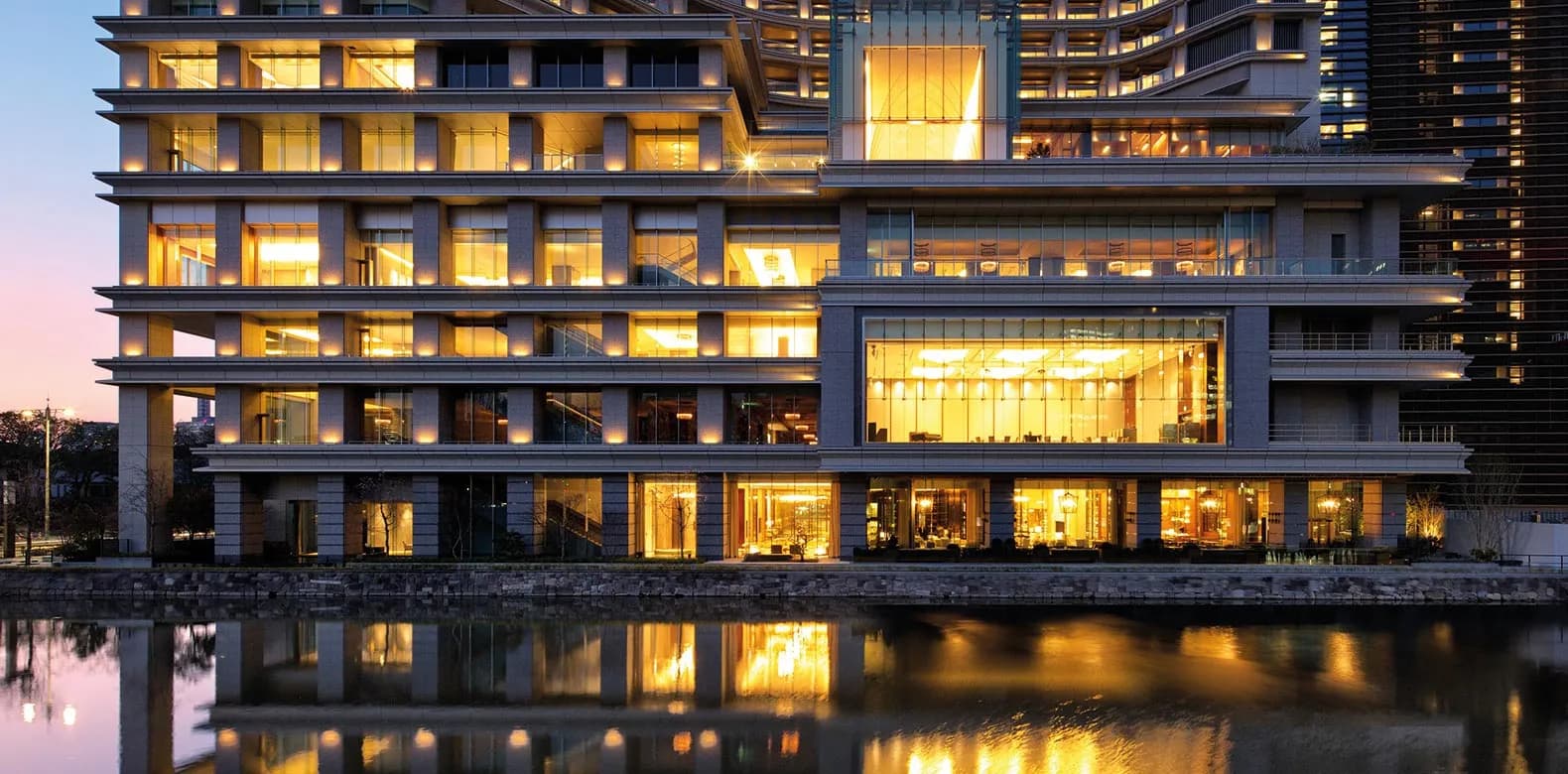
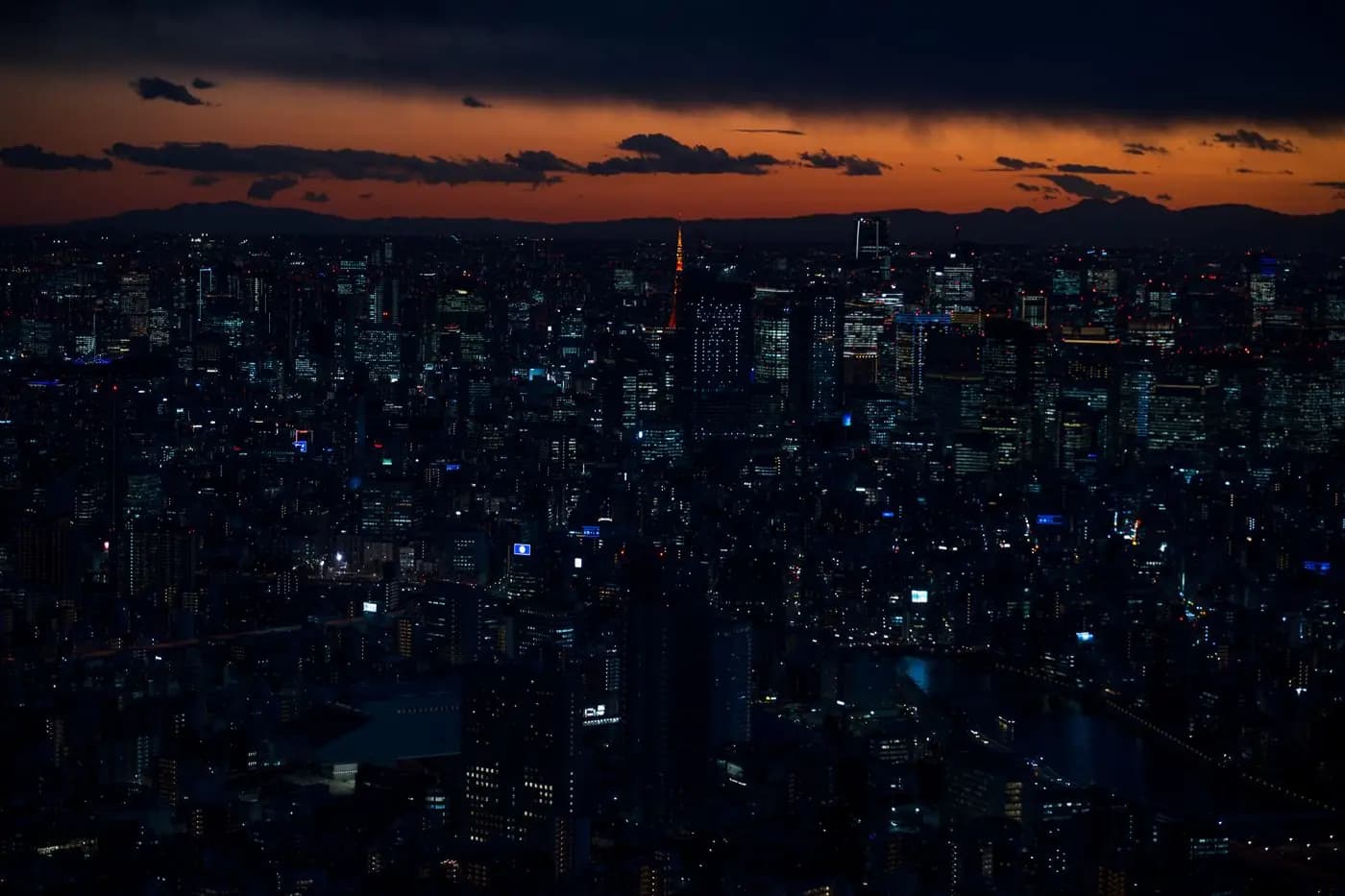
- Tokyo: for teams that want energy, meeting rooms with a skyline view and a wide choice of dinners. Best for a first visit and for groups above 50
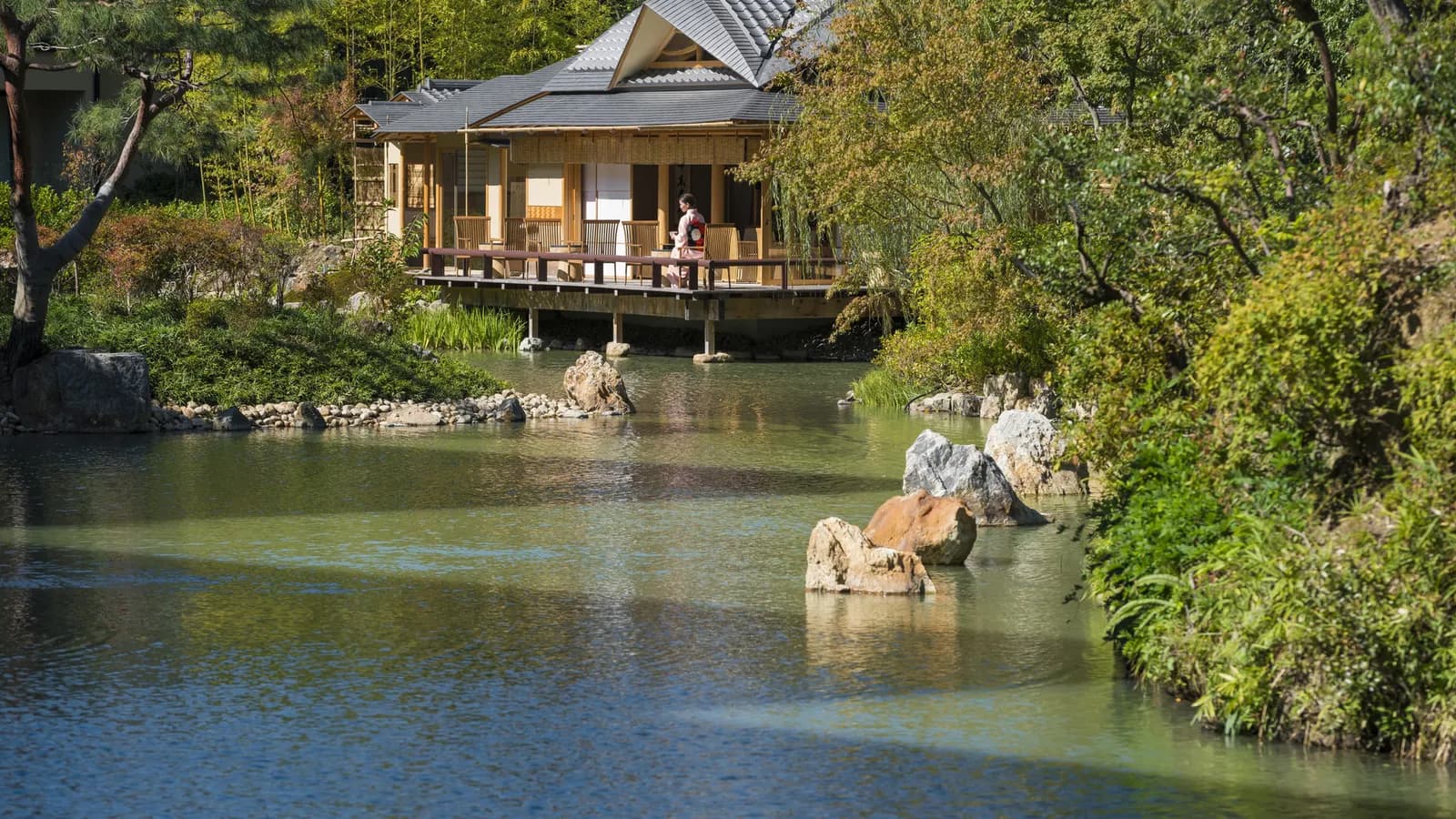
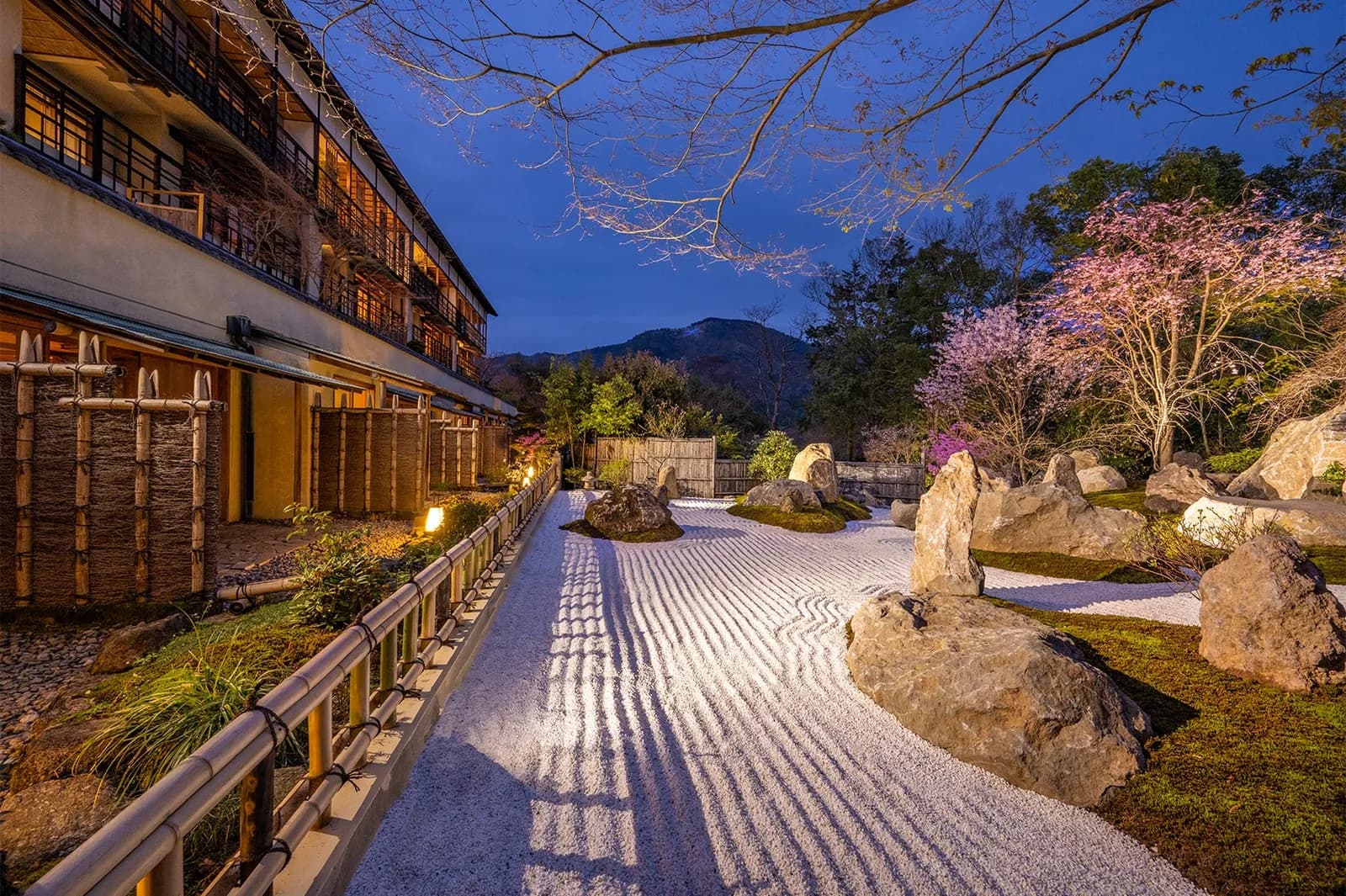
- Kyoto: temples, gardens and traditional townhouses, two hours and fifteen minutes from Tokyo by bullet train. The classic choice for a leadership retreat of 8 to 30 people
- Hakone or a private ryokan: hot springs, tatami rooms and a full buyout for a board or executive committee
- Okinawa or Hakuba: beach resorts in the subtropical south, or the Japan Alps for hiking in summer and skiing in winter, when the brief is closer to an incentive than to a meeting
Many groups combine two: three nights in Tokyo, then three in Kyoto.
When to book and when to travel
- 12 months ahead or more: groups above 100, and any date in cherry blossom season or in November
- 6 to 9 months: groups of 30 to 100
- 3 to 6 months: a leadership retreat of fewer than 30 people outside the peak weeks
The weeks to avoid, because Japan itself is on holiday and prices rise: Golden Week (April 29 to May 5), Obon in mid-August, and the New Year period. The best-value windows for a US group are January and February, late May to June, and early December. September is typhoon season: it can work, with indoor alternatives planned for every outdoor activity.
What changes compared with a domestic offsite
- Passports: everyone needs a passport valid for the whole stay; check this months ahead, since renewals take time
- Dietary needs: Japanese kitchens plan menus in advance. Vegetarian, gluten-free, halal and allergy requests are handled well when sent two to three weeks before arrival, and badly at the table
- Payments: suppliers are booked and paid by the DMC; participants only need a card for personal spending, and cards are widely accepted in cities
- Meeting rooms: hotel meeting space in Tokyo and Kyoto is smaller than in US resorts; a plenary for 200 means a conference hotel or a convention venue
- Punctuality: a coach that leaves at 8:30 leaves at 8:30. Build the habit into the briefing
- Connectivity: hotel Wi-Fi is reliable; eSIMs or pocket Wi-Fi cover the days outside
Frequently asked questions
How much does a corporate retreat in Japan cost per person?
Excluding international flights, published programmes start from about €1,800 per person for a three-day seminar, €2,400 for three days in Tokyo and €4,900 for an executive retreat in Kyoto. Season, hotel category and exclusive venues move the price most.
How many days do you need for a company retreat in Japan from the US?
At least five nights on the ground, and ideally six or seven. Shorter trips lose too much time to the flight and to jet lag.
Do employees need a visa for a company retreat in Japan?
US citizens do not: they are visa-exempt for short stays of up to 90 days. Employees with other passports should check Japan's visa exemption list, since requirements depend on nationality.
What is the best month for a corporate retreat in Japan?
For scenery, late March to early April and November. For value and availability, January, February, late May, June and early December.
Can a remote US team keep working during a retreat in Japan?
Only partly. Tokyo is 13 to 14 hours ahead of New York, so US business hours fall in the Japanese evening and night. Most companies treat the retreat week as offline for day-to-day work.
Rédaction SHINOGI DMC · Updated