Why US companies choose Japan for retreats and incentives
Japan is one of the few long-haul destinations that works for a board retreat, a 200-person incentive and a technical study tour alike. It is safe, punctual and easy to move around, and it still feels like a reward to people who have already been to Hawaii, Cancún and Europe.
- Easy entry: US passport holders are visa-exempt for short stays of up to 90 days, which covers meetings, conferences and incentive travel
- Good air access: nonstop flights to Tokyo from Los Angeles, San Francisco, Seattle, New York, Chicago, Houston, Dallas, Washington, Boston, Atlanta and more, plus Osaka from Los Angeles and San Francisco
- Reliable logistics: bullet trains link Tokyo and Kyoto in about 2 h 15, and coaches, hotels and venues run to the minute
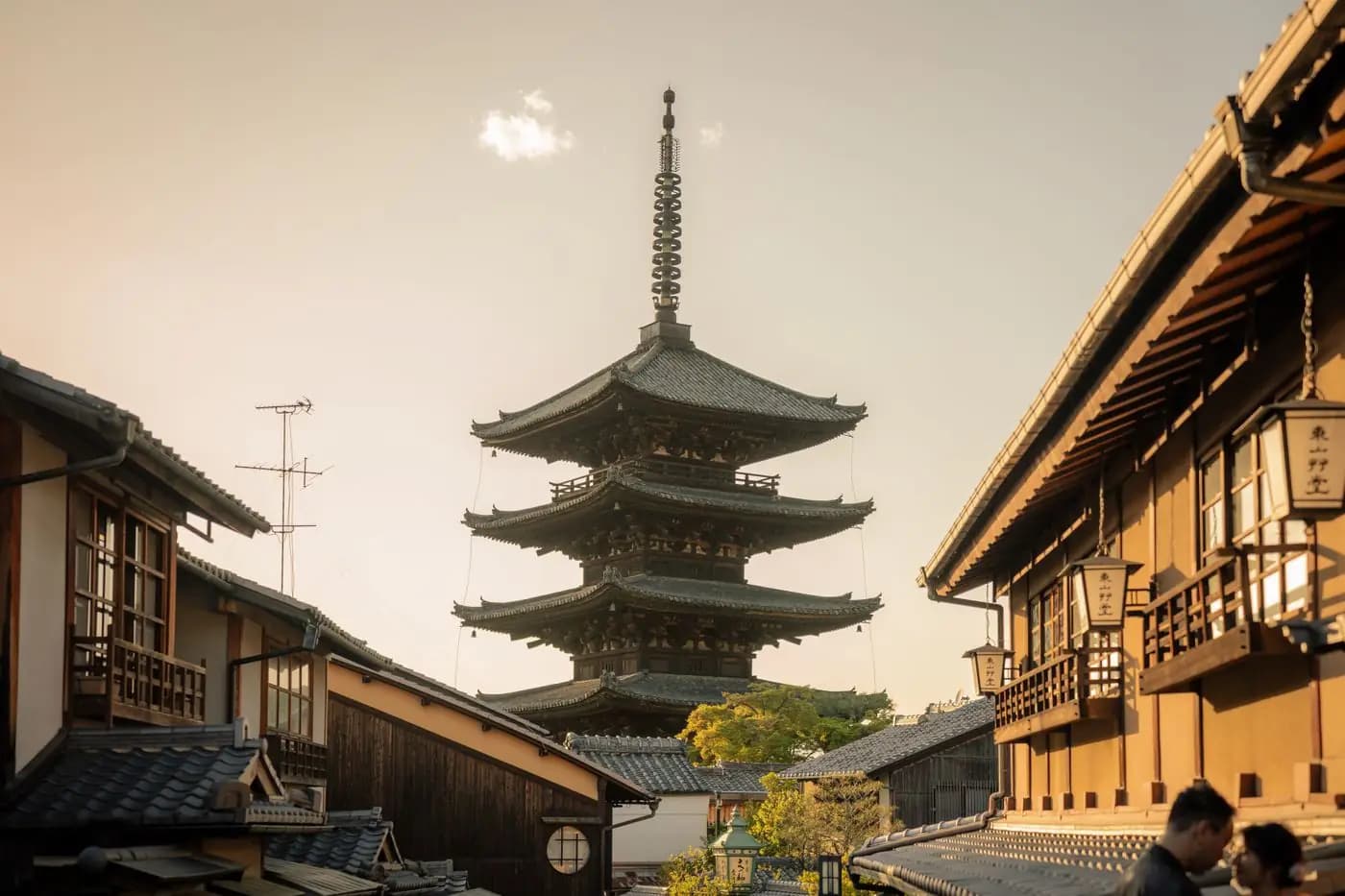
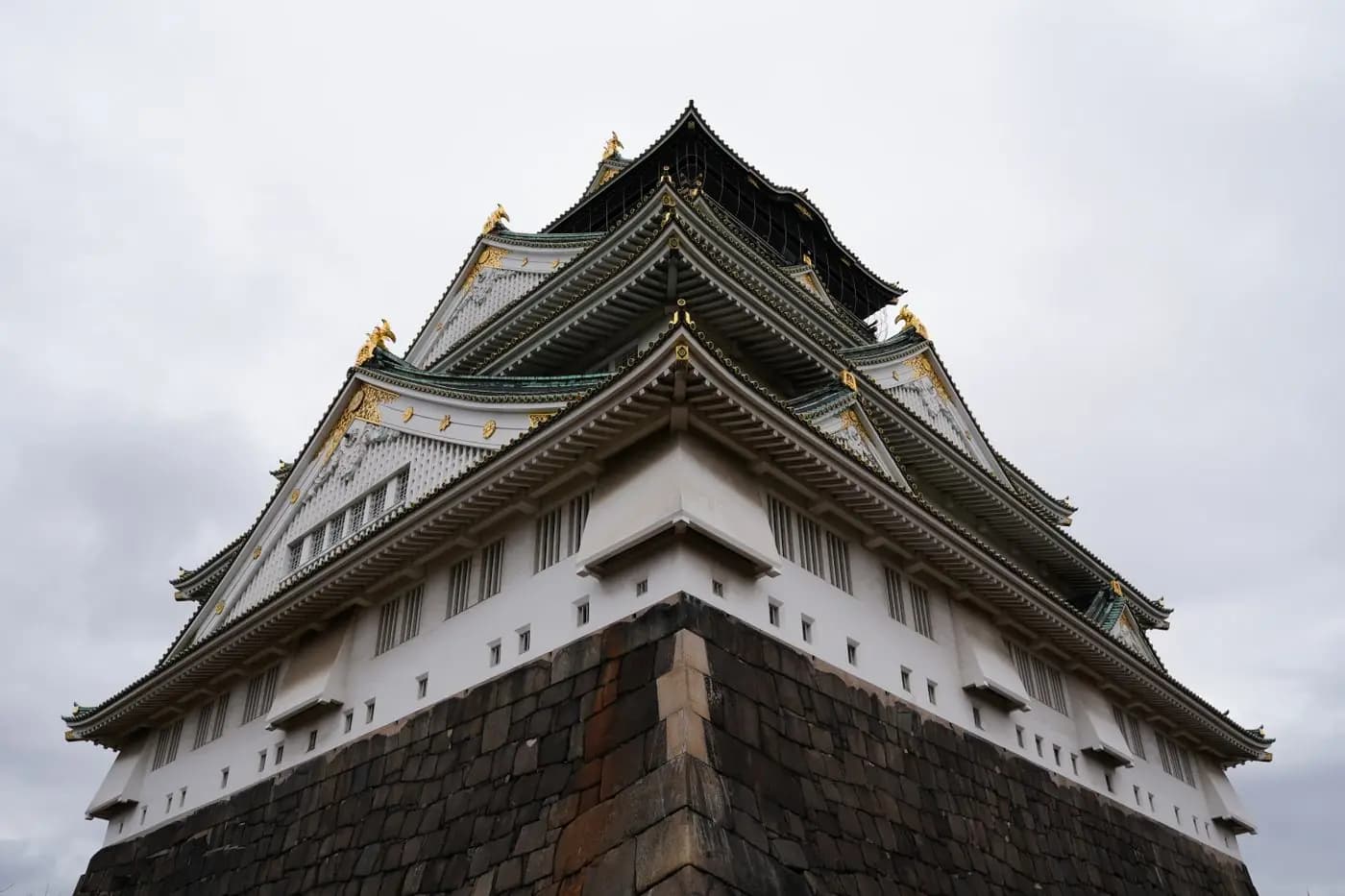
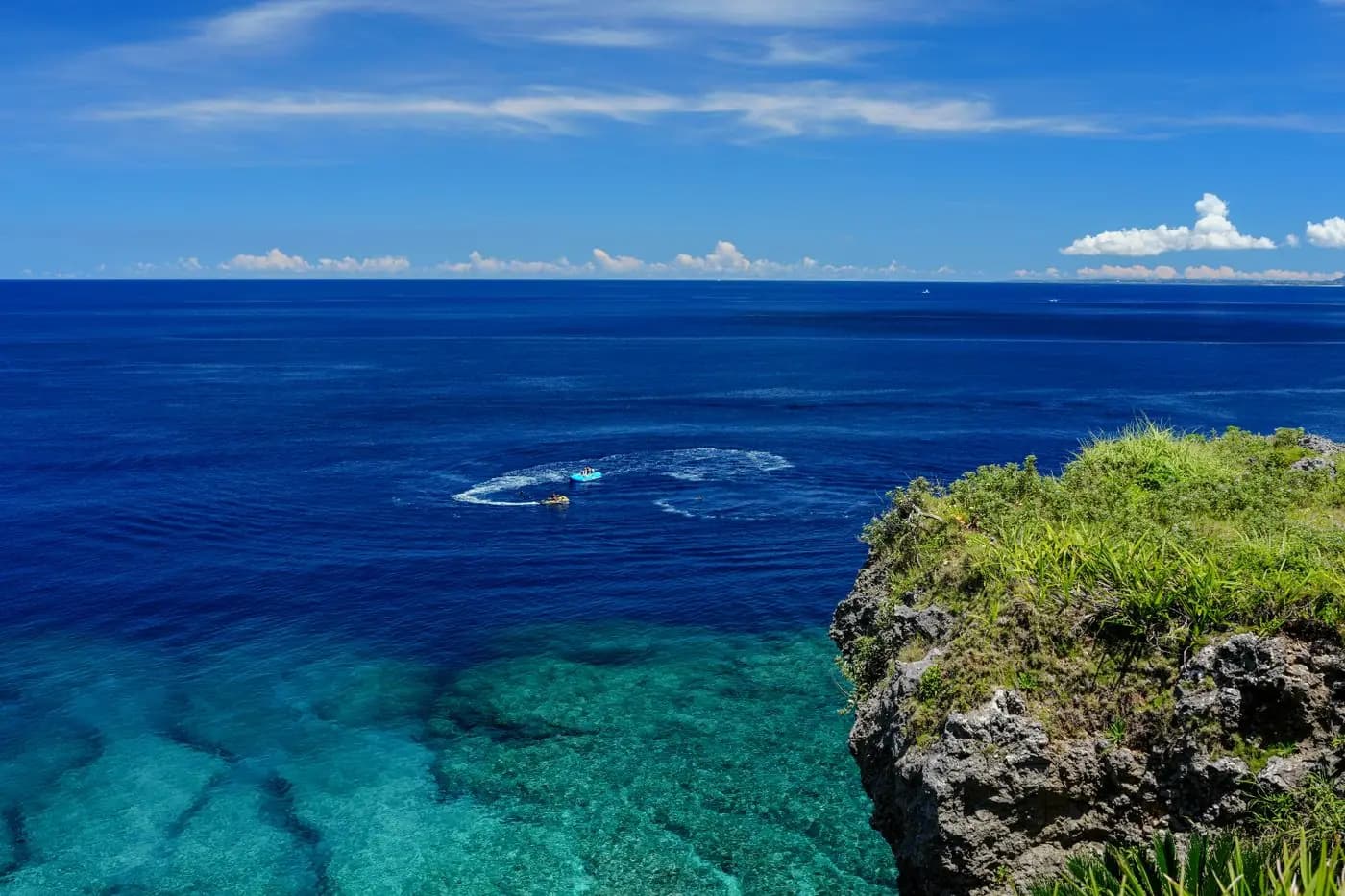
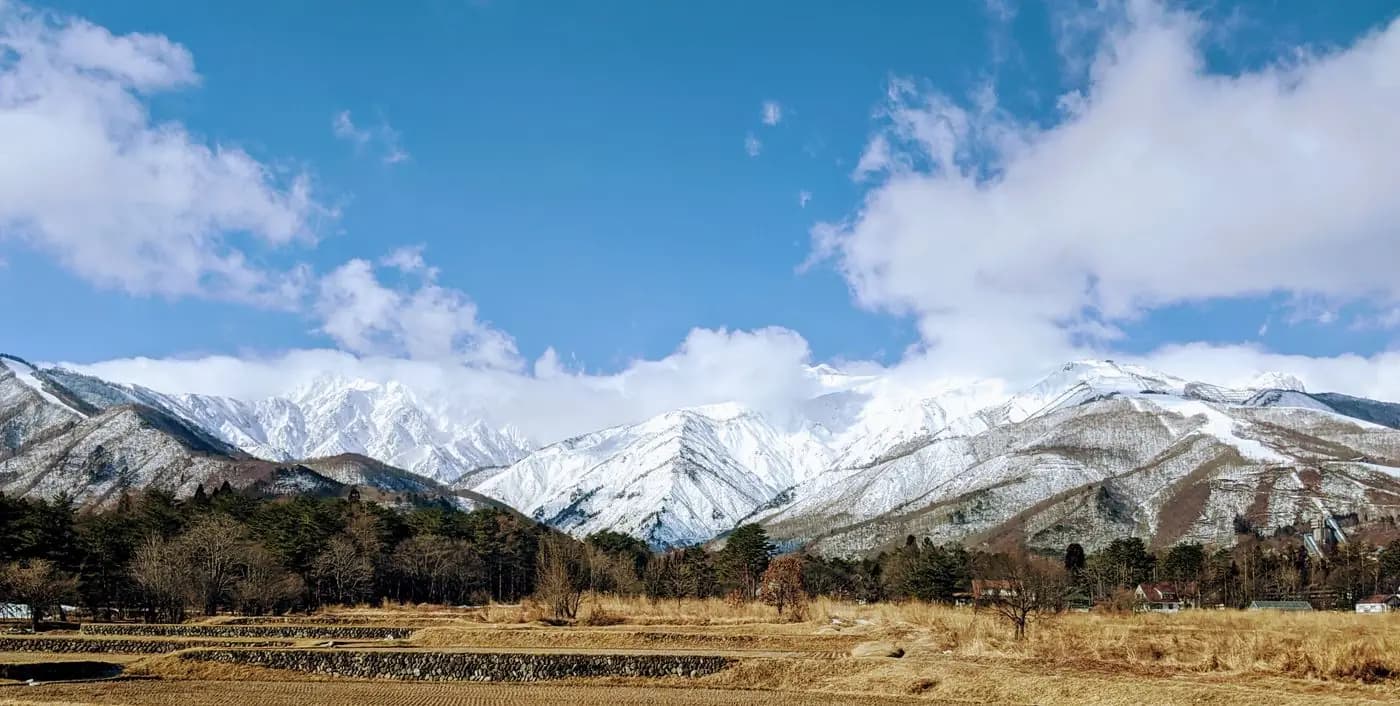
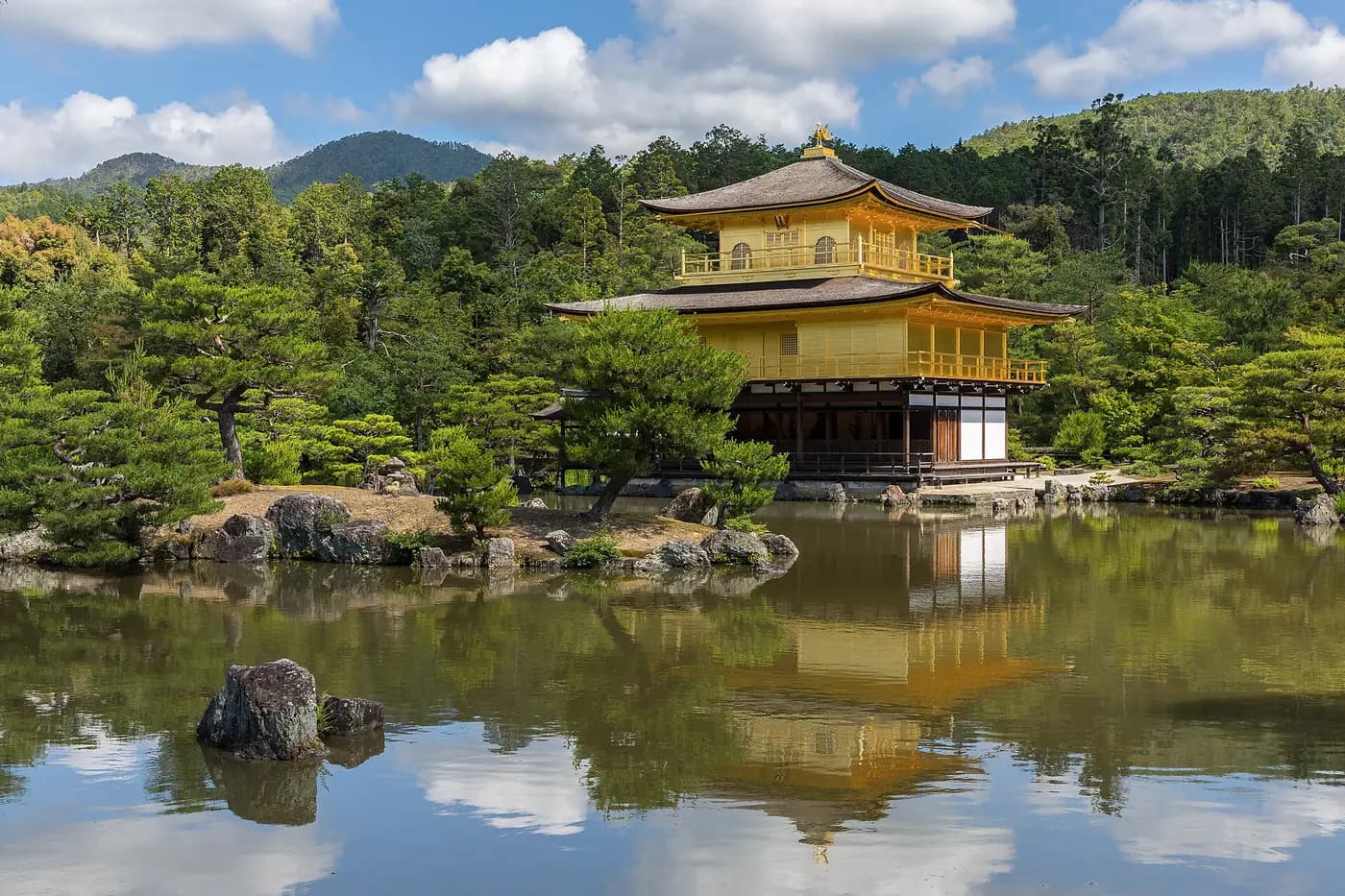
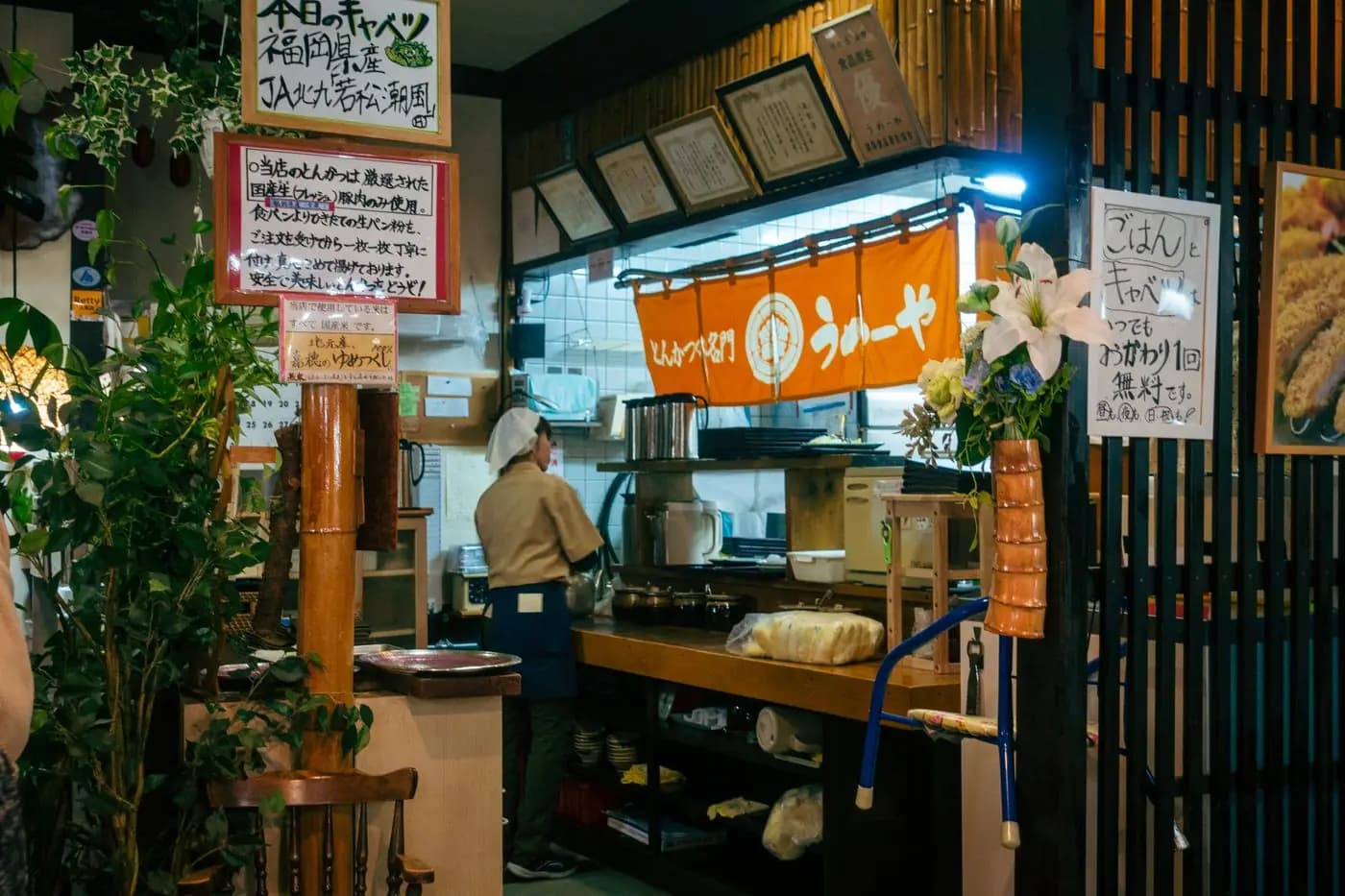
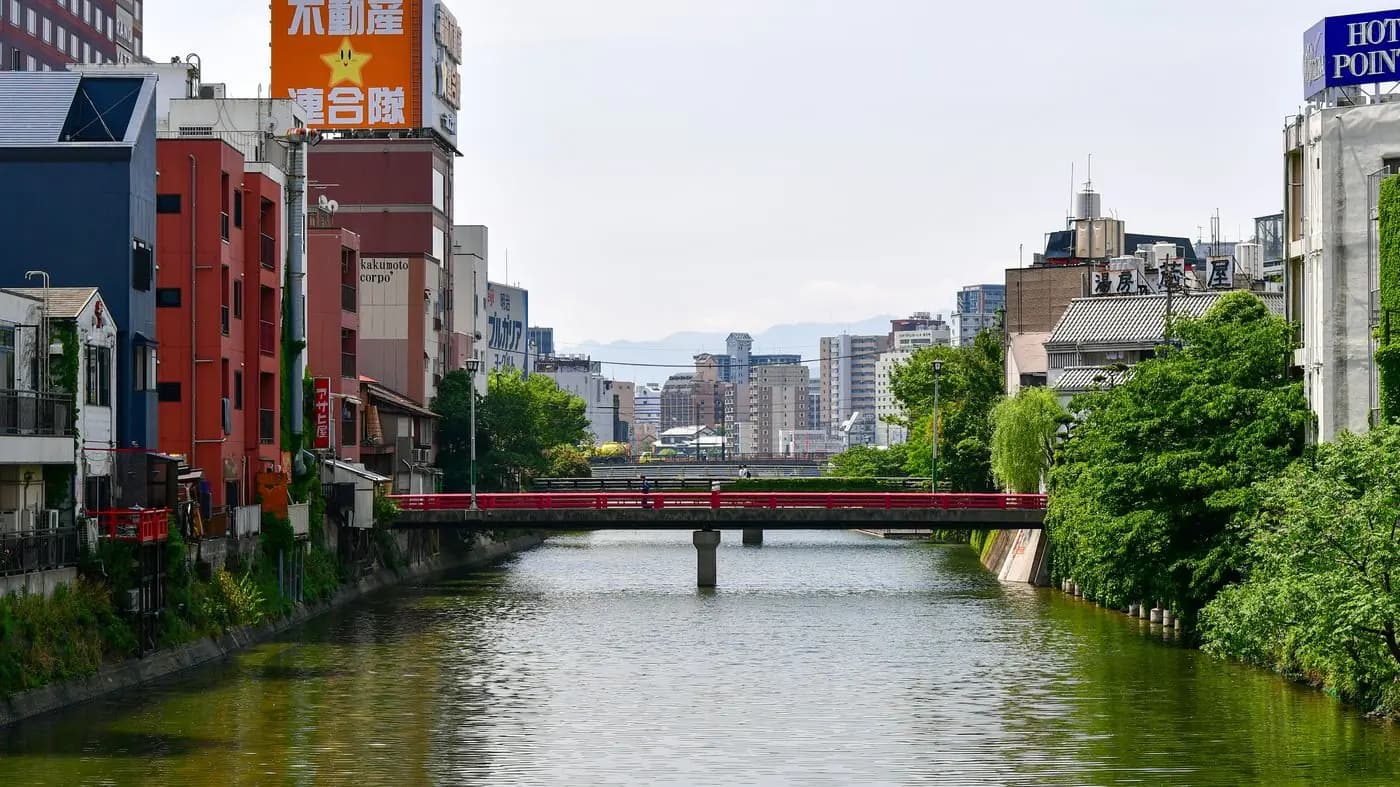
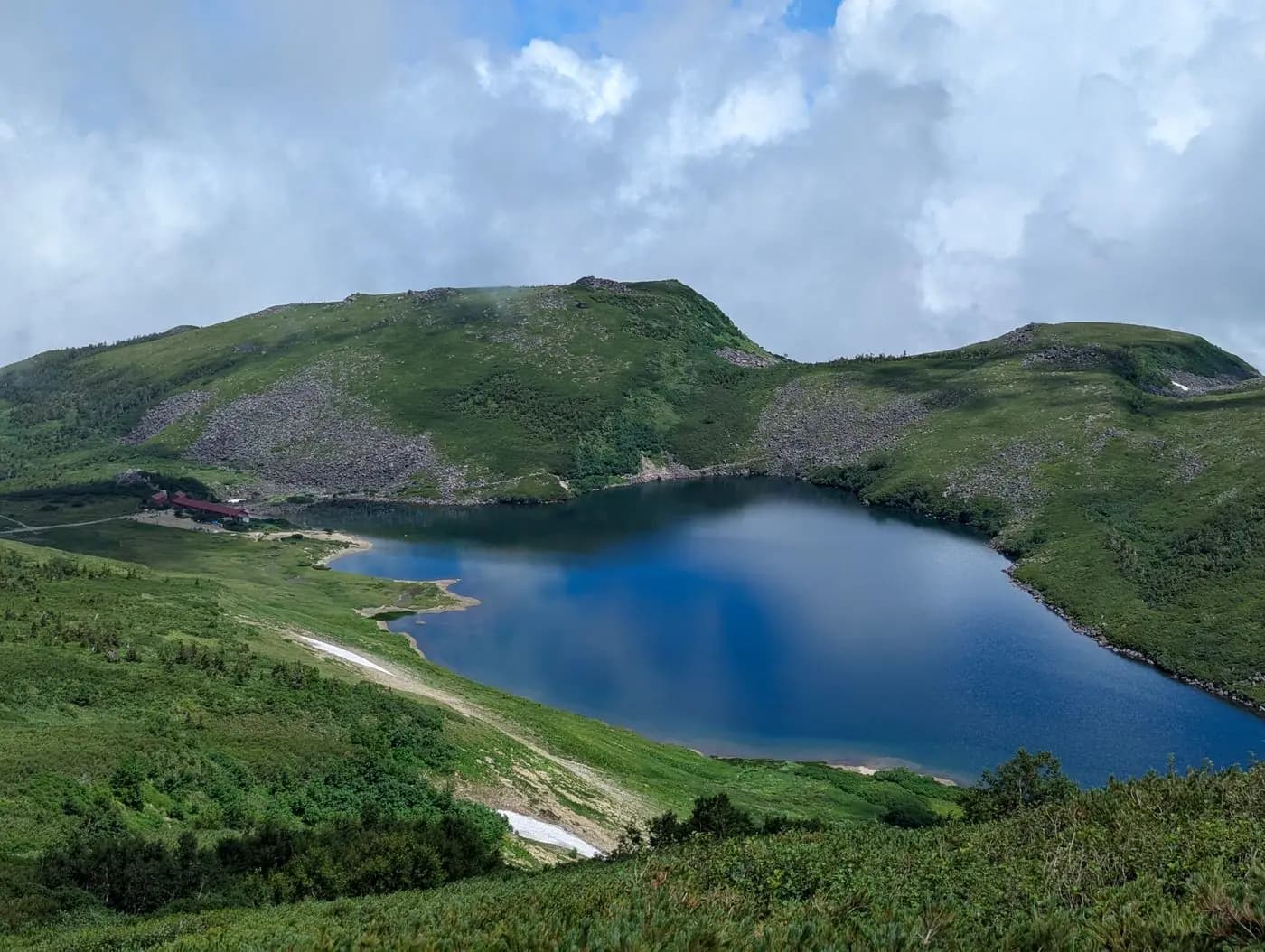
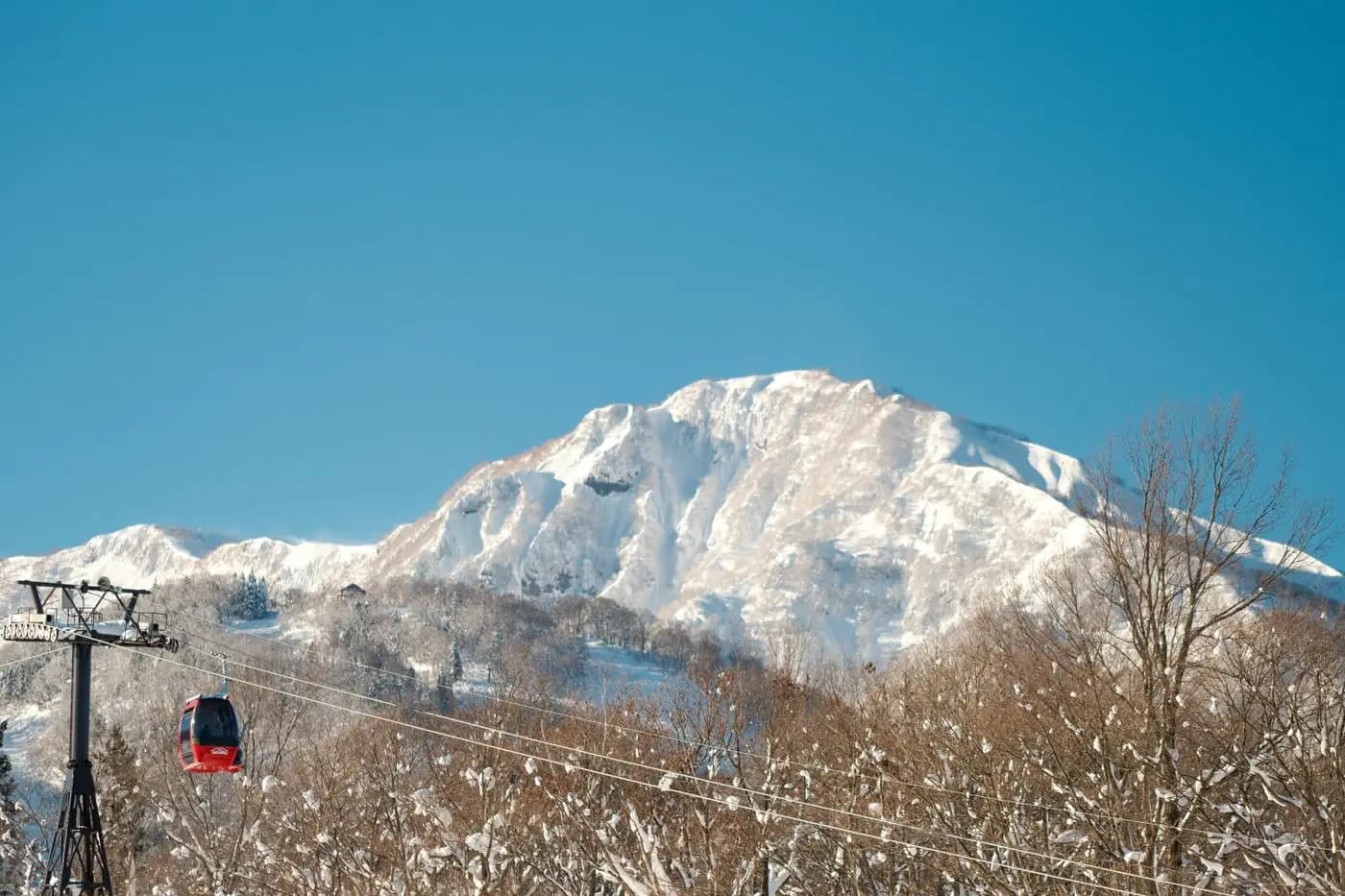
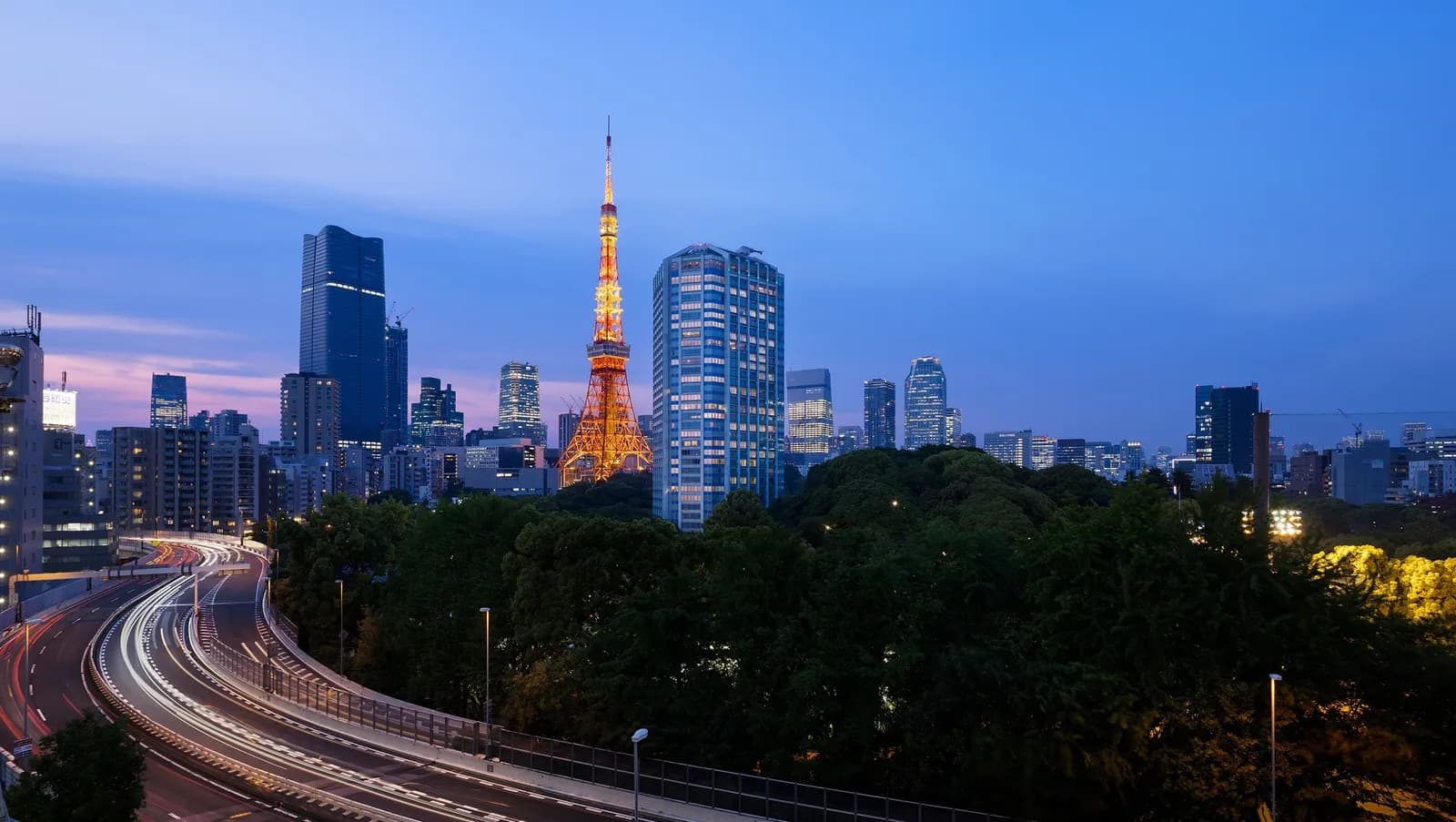
- Variety in one trip: Tokyo for business and nightlife, Kyoto for culture, Okinawa for beaches, Hakuba for snow
What a DMC in Japan does for a US planner
A destination management company is the local team that turns your brief into a booked, costed and staffed programme. You keep one contact; we deal with the dozens of Japanese suppliers behind it, in Japanese, on local time.
- Design: a day-by-day programme built around your goals, group size and dates
- Sourcing: hotels, meeting rooms, convention centres, restaurants that take groups, private venues and exclusive access
- Operations: airport meet-and-greet, coaches, bullet train tickets, bilingual guides and on-site coordinators
- Dining and dietary needs: group menus, vegetarian, halal and allergy requests handled in advance
- Risk and backup: weather plans, typhoon-season alternatives and a team reachable around the clock during the event
Flying in from the United States
Tokyo has two international airports. Haneda (HND) is 20 to 30 minutes from central Tokyo; Narita (NRT) is about an hour away. Osaka's Kansai airport (KIX) is the gateway for programmes centred on Osaka and Kyoto.
- West Coast (Los Angeles, San Francisco, Seattle, San Diego): about 11 to 12 hours to Tokyo
- Central (Chicago, Dallas, Houston, Denver, Minneapolis, Detroit): about 13 to 14 hours
- East Coast (New York, Washington, Boston, Atlanta): about 14 hours
- Miami and the rest of Florida: no nonstop to Japan; one connection through Dallas, Atlanta, Chicago or New York
Because the flight crosses the International Date Line, a group that leaves the US on Monday lands in Japan on Tuesday afternoon. On the way back, it lands in the US on the same calendar day it left. Plan a light first evening and start the working sessions on day two.
Formats we run most often for American groups
- Executive and leadership retreats: 8 to 30 people in Kyoto, Hakone or a private ryokan, with meeting time in the morning and guided experiences in the afternoon
- President's Club and sales incentives: 30 to 200 qualifiers, usually Tokyo and Kyoto in five to seven nights, with one evening nobody could book on their own
- Sales kickoffs and all-hands: plenary rooms for 100 to 600, breakouts, a gala dinner and team activities
- Customer events and product launches: private venues in Tokyo, staging, interpreters and hospitality desks
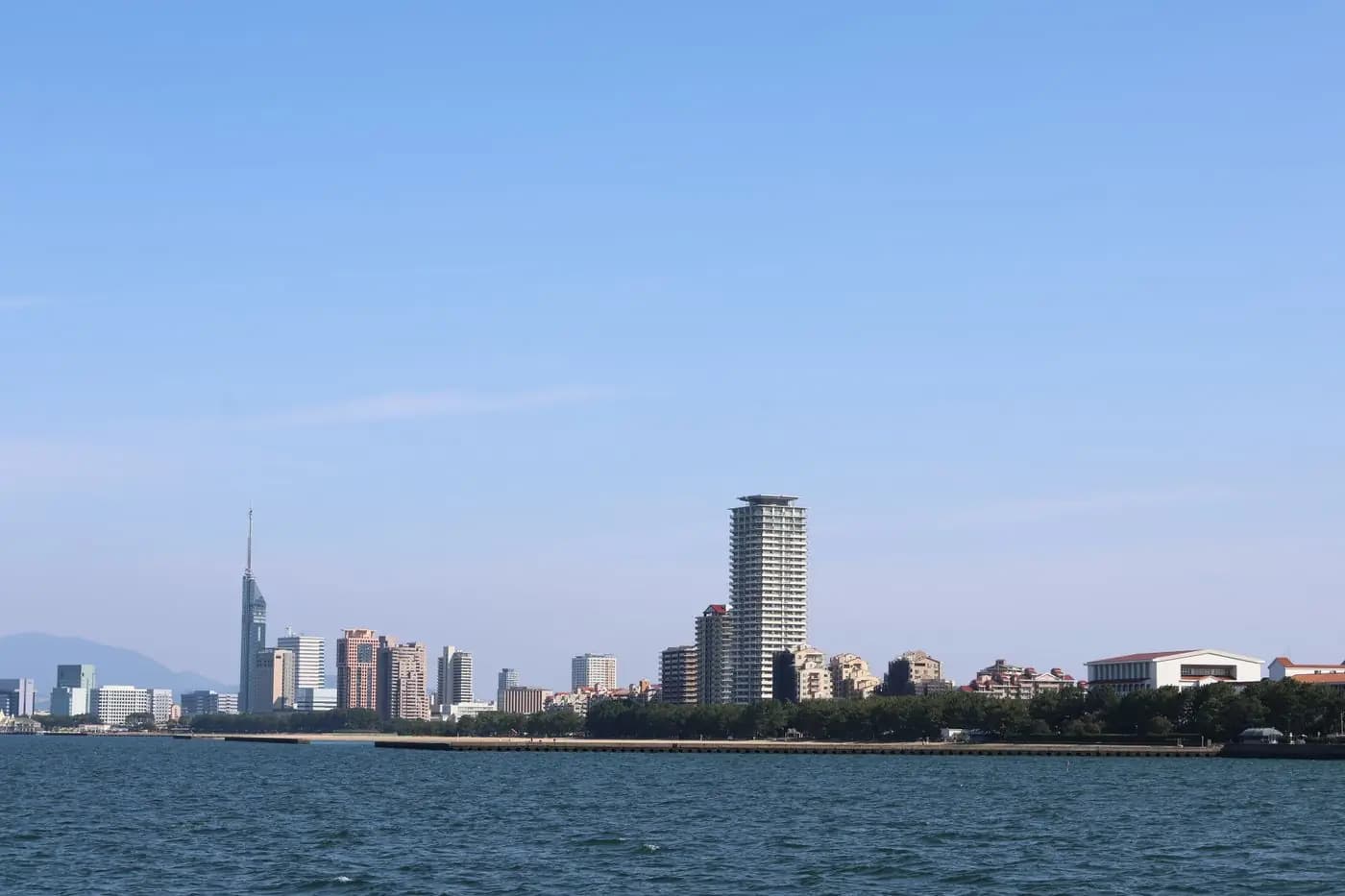
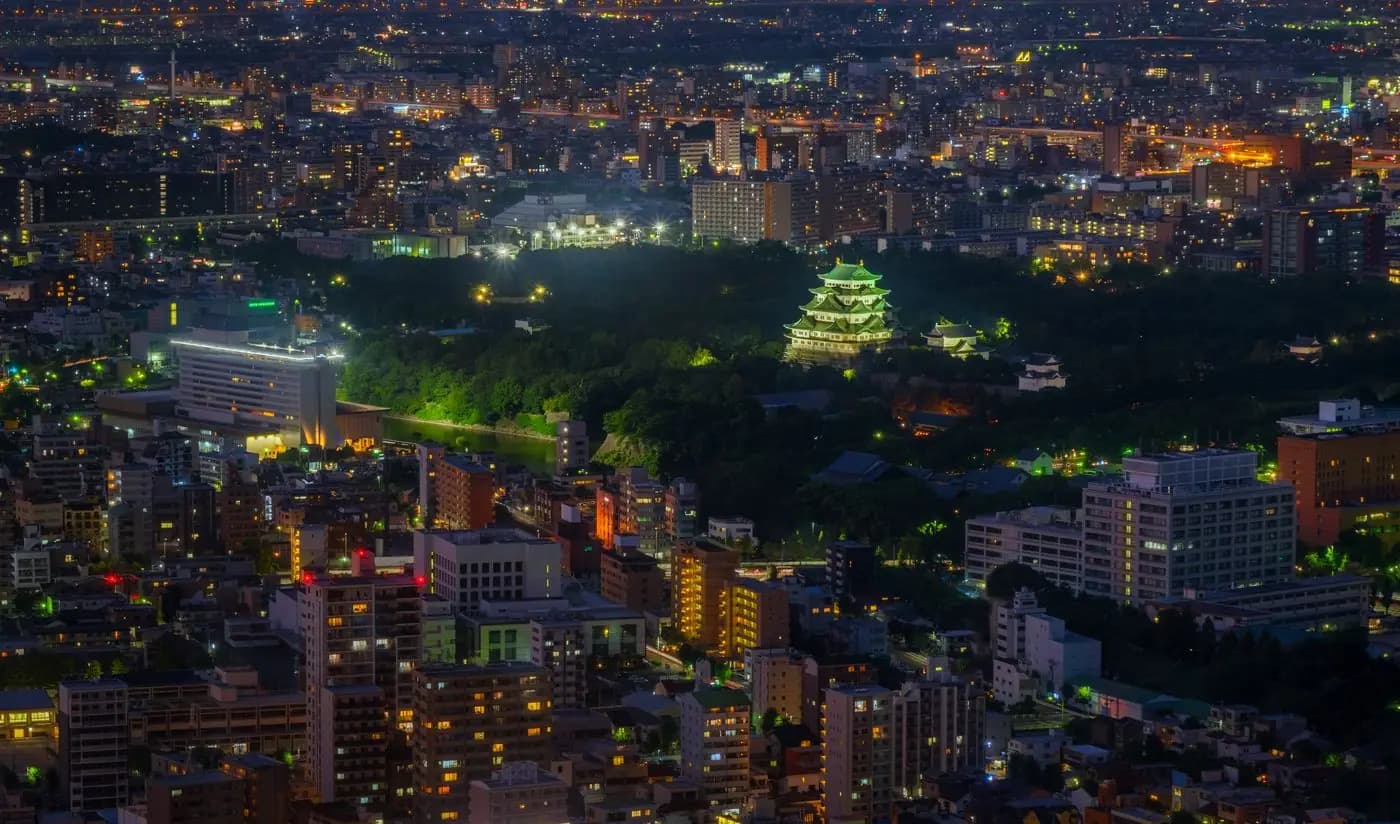
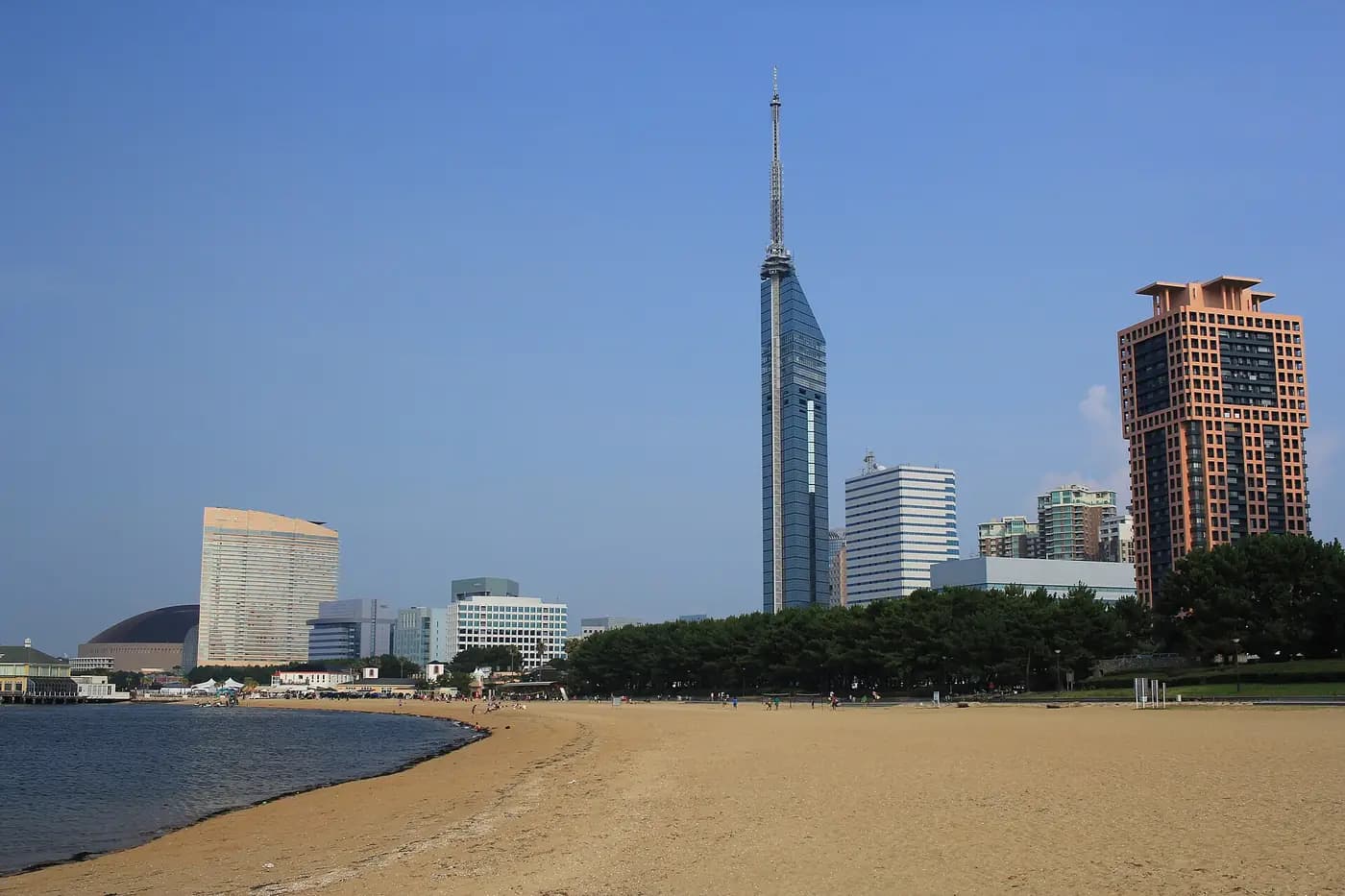
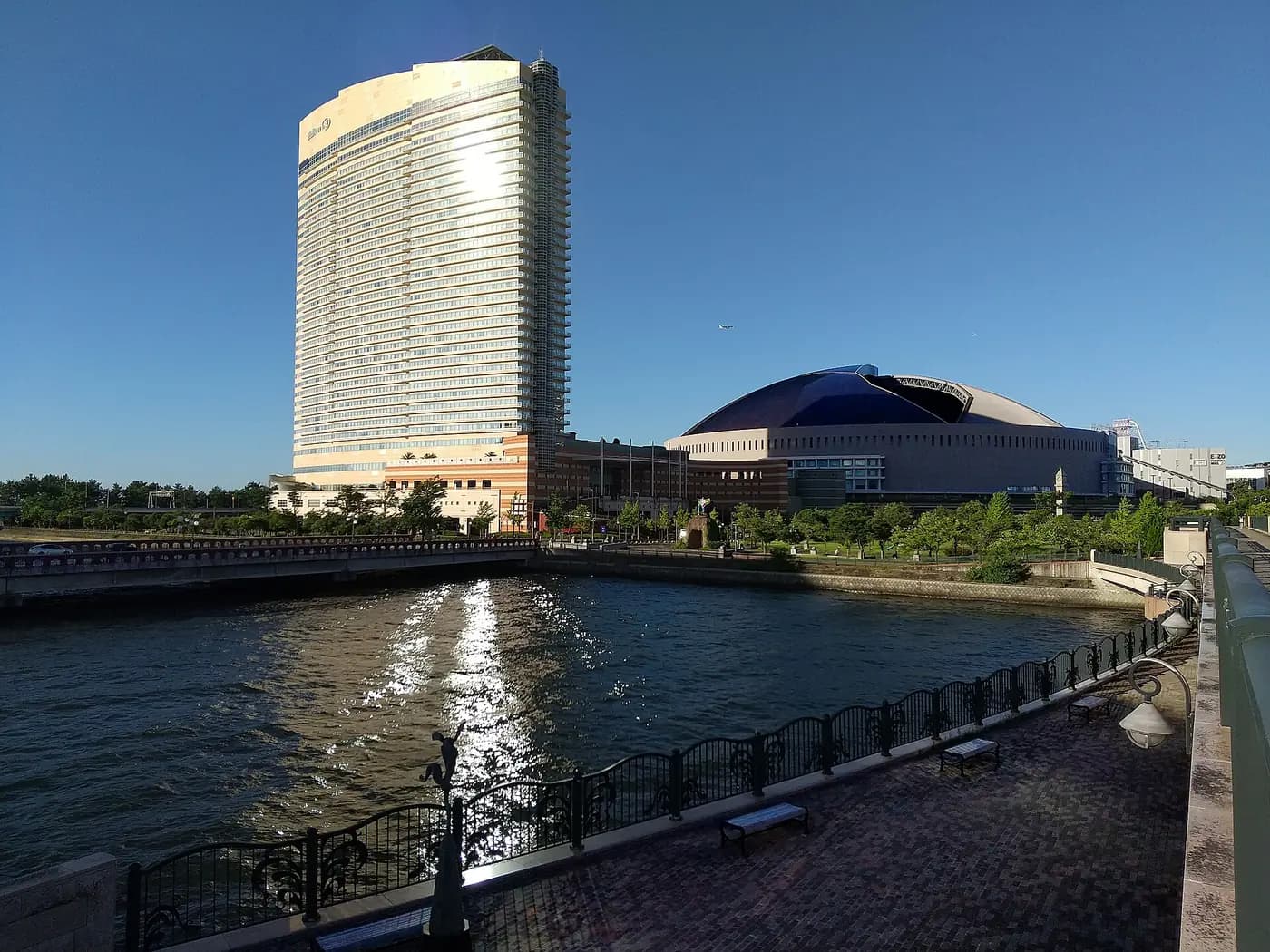
- Technology and manufacturing study tours: company visits in Tokyo, Nagoya and Fukuoka with a professional interpreter
Practical points for a US finance and travel team
- Time difference: Japan is 13 hours ahead of New York in summer and 14 in winter, 16 or 17 hours ahead of Los Angeles; Japan does not change its clocks
- Lead time: start six to twelve months ahead for groups above 50, and earlier still for cherry blossom (late March to early April) and autumn leaves (November)
- Budget: programmes published on this site start from about €1,800 per person for a three-day seminar and from €3,400 for a four-day incentive, excluding flights; your proposal is itemised line by line
- Tipping: not expected in Japan, in restaurants, taxis or hotels, which simplifies expense reporting
- Power and connectivity: Japan uses 100 V and the same two flat-pin plugs as the US; laptop and phone chargers work without an adapter
- Language: your on-site team speaks English; interpreters are added for meetings with Japanese partners