Is Kyoto a realistic place for a US board retreat?
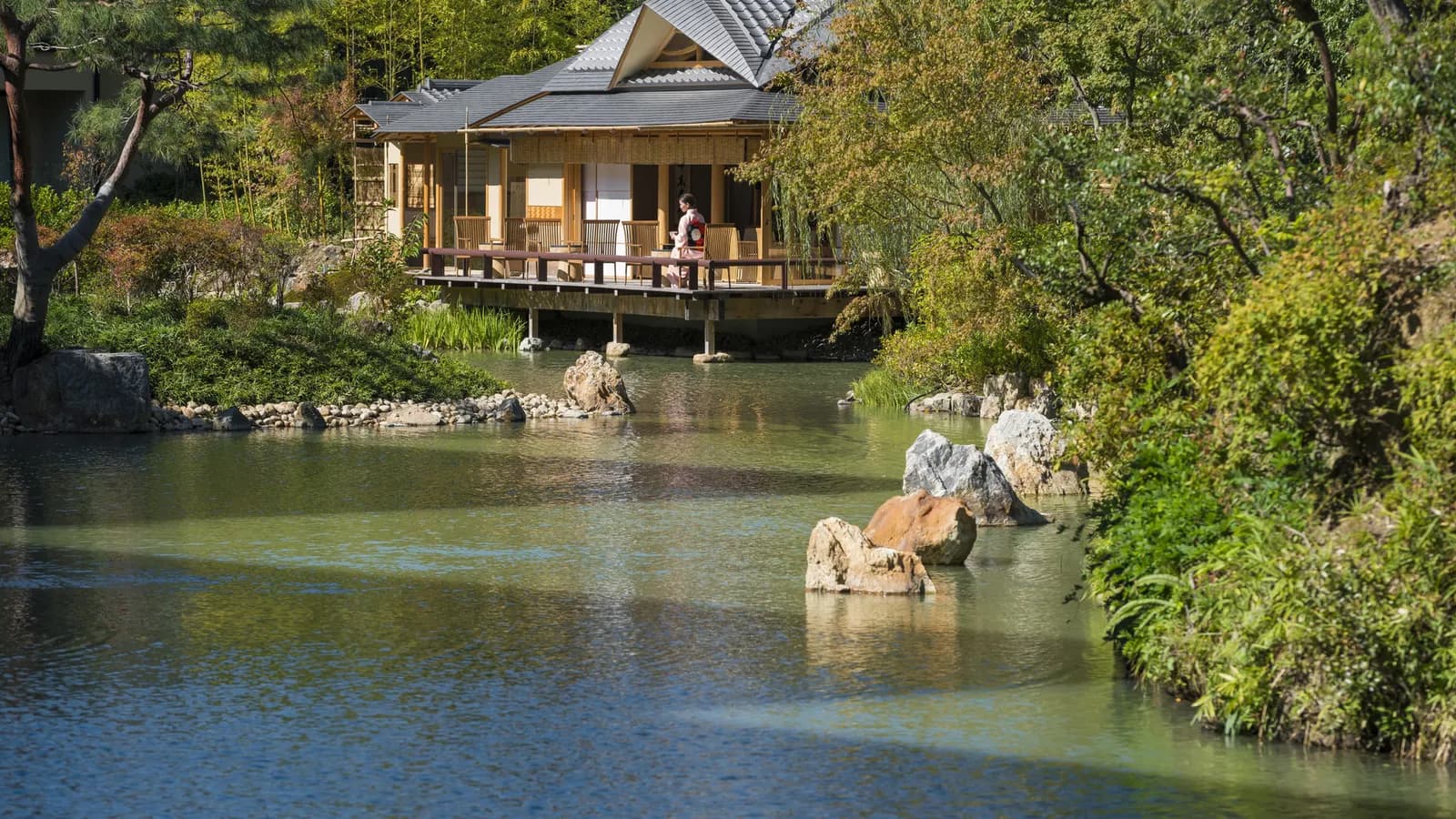
Yes, for a board that can give the trip a week. A board retreat in Kyoto suits 8 to 25 directors and executives who need privacy, long uninterrupted mornings and dinners where conversation is possible. The city offers small luxury hotels, ryokan that can be taken exclusively, and private dining rooms in temples, townhouses and traditional restaurants.
Kyoto fits the format for three reasons:
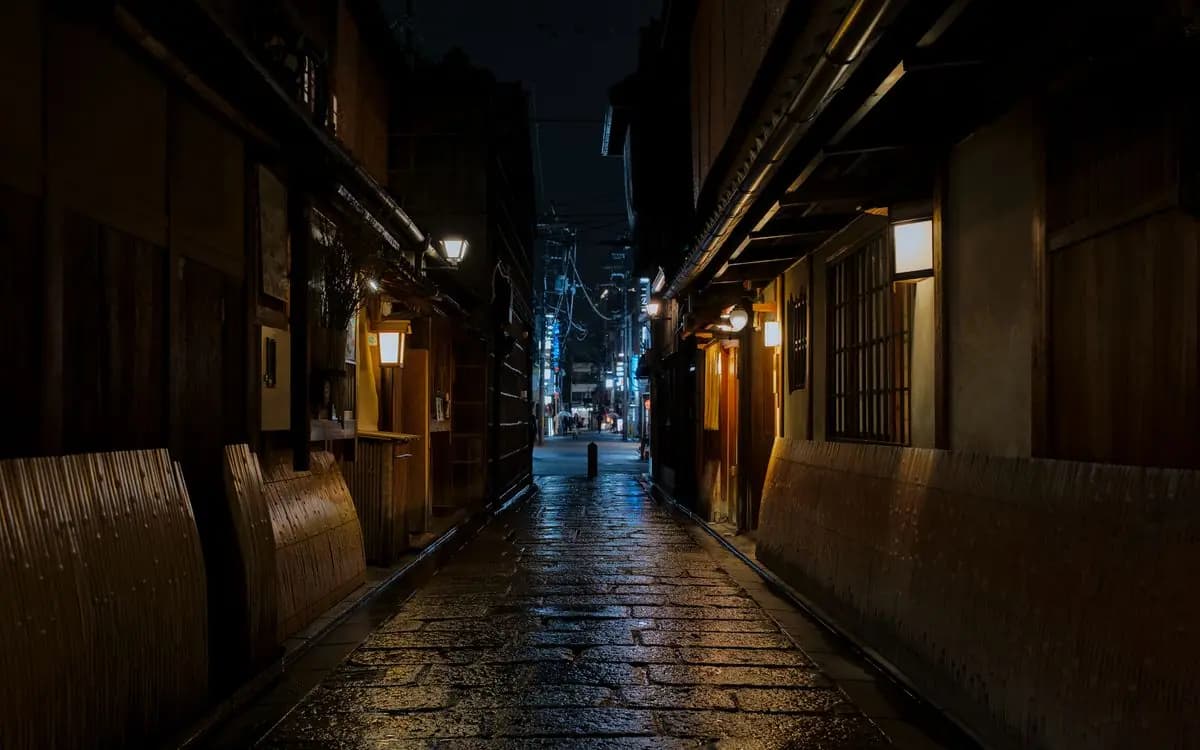
- Scale: a city of gardens and low buildings where a group of 15 moves on foot or in two vehicles, and where the best rooms seat 10 to 30 people, not 300
- Privacy: properties with few rooms, discreet entrances and dining rooms closed to other guests
- Access: one flight from Los Angeles or San Francisco to Osaka Kansai, or a bullet train of about 2 h 15 from Tokyo
It is a poor fit for a 48-hour meeting. Directors fly 11 to 14 hours and face a time difference of 13 to 17 hours. Plan at least five nights on the ground, and put the decisions that matter on the second full day or later.
Getting directors there: routes and travel time
Directors rarely travel as a group. They come from different cities, often with a spouse, and their time is the scarcest resource of the trip. Two routes work:
- Via Osaka Kansai (KIX): nonstop from Los Angeles on Japan Airlines (daily) and from San Francisco on United (daily). United has announced a daily Los Angeles flight from March 27, 2027. From Kansai airport, Kyoto Station is about 75 to 80 minutes away by Haruka express; a private car is the usual choice for a board
- Via Tokyo: nonstop flights from more than a dozen US airports, including New York, Chicago, Houston, Dallas, Washington, Boston and Atlanta. Haneda is 20 to 30 minutes from central Tokyo, and Kyoto is about 2 h 15 from Tokyo by Nozomi bullet train
East Coast directors usually do better through Tokyo, with a first night there before the train. West Coast directors can land at Kansai and reach Kyoto the same evening. Flights take about 11 to 12 hours from the West Coast and about 14 hours from New York. The return is shorter and lands the same calendar day.
Schedules were checked in November 2026 and change every season, so confirm each routing before you send invitations.
Where to stay and meet: hotel, ryokan or exclusive use
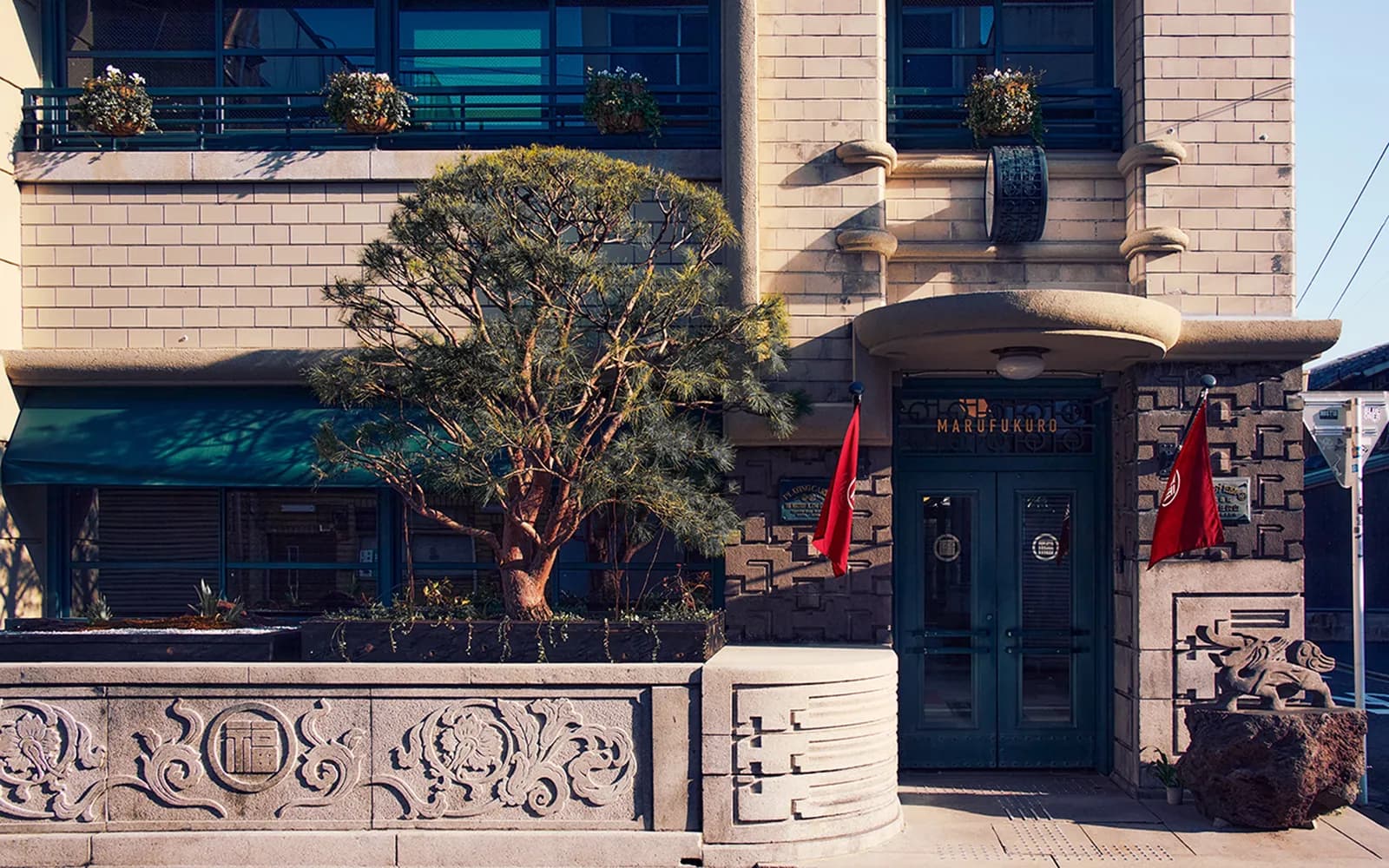
- Luxury hotel: Western beds, a concierge used to international guests, a boardroom or salon on site, a gym, and room service for the jet-lagged at 3 am. The safe choice for a first board trip to Japan
- Ryokan: a traditional inn with tatami rooms, hot baths and kaiseki dinners served in private rooms. Memorable, and demanding: futon bedding, low tables and fixed meal times do not suit every director. Ask for rooms with beds and for dining at tables with chairs
- Exclusive use: taking a whole small property gives the board the building to itself. No other guests in the corridors, no shared breakfast room, and working papers can stay in a locked room overnight
For the meeting room itself, ask for:
- A boardroom table for the full group, with natural light and a door that closes
- A second room for committee meetings and for the executive session without management
- Video conferencing tested in advance, for a director who could not travel
- Paper handling: a room that locks between sessions and shredding on site
Hotel meeting rooms in Kyoto are small by US standards. At this group size, that is an advantage.
A six-night outline with a spouses programme
- Day 1: departure from the US
- Day 2: arrival at Kansai or in Tokyo, private transfers, light dinner at the hotel
- Day 3: slow morning, a private garden or temple visit together, welcome dinner. No business
- Day 4: board session from 8:30 am to 1 pm. Lunch, then a free afternoon or a guided visit. Dinner in a private room of a traditional restaurant
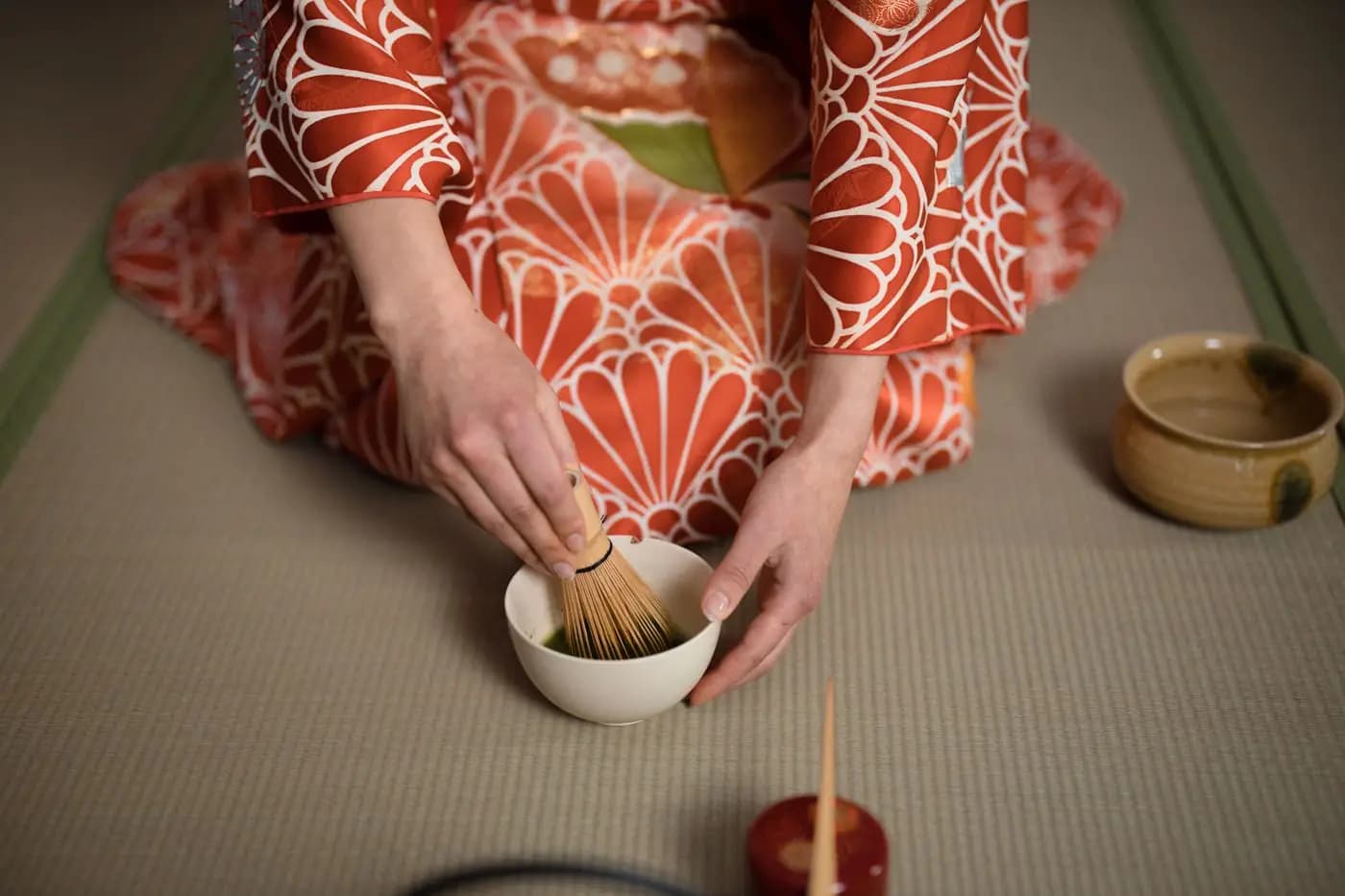
- Day 5: committee meetings in the morning. Afternoon with spouses: tea ceremony, a craft workshop, or Nara. Dinner with a maiko performance
- Day 6: strategy session in the morning, executive session before lunch. Free afternoon. Closing dinner in a temple or a private townhouse
- Day 7: optional day in Osaka, or rest
- Day 8: flight home
Mornings carry the work because travelers from US time zones wake early in Japan and tire by mid-afternoon.
Spouses and partners need their own programme during the sessions, not a list of suggestions: a guide, a vehicle and a plan for each morning. Kimono dressing, kintsugi, incense, a sake brewery visit or a walk through the gardens all work for small groups. Everyone meets again for lunch or for the afternoon.
Security and confidentiality
A board meeting abroad raises questions that a leadership offsite does not. Most of them are for your general counsel and corporate secretary, not for the travel planner. On the practical side, these are the points to put in the brief to your DMC:
- Discretion: no company name on signs, vehicles or screens in public areas, and reservations made under a project name
- Supplier confidentiality: non-disclosure agreements with the hotel, interpreters, drivers and guides, if your policy requires them
- Rooms: meeting rooms cleared of documents after each session and locked between sessions
- Transport: private vehicles with the same drivers all week, and a split across several vehicles if your policy does not allow the whole board to ride together
- Medical: a hospital able to receive English-speaking patients identified before arrival, and one named contact reachable day and night
What to check with your own advisers before you commit: whether your bylaws and governing law allow a board meeting outside the United States, how directors who stay home will take part and vote, what your insurers require when directors travel together, and how your security team rates the destination. That assessment is theirs to make.
Budget references and when to go
Published programmes on this site give a starting point, per person and excluding international flights:
- From €4,900: executive retreat in Kyoto for 8 to 30 participants
- From €7,900: luxury programme in Tokyo, Kyoto and Osaka for 10 to 40
- From €8,900: seven-day executive committee programme in Japan for 8 to 25
Exclusive use of a property, dinners in private venues and performances are priced per event, not per person, so a board of 10 pays more per head than a group of 25. Prices are quoted in yen locally, with 10 % consumption tax and no tipping. The figures on this site are in euros.
Timing matters more in Kyoto than anywhere else in Japan:
- Peak: late March to early April for cherry blossom, and November for autumn leaves. These are the highest rates of the year and the first dates to sell out. Book 12 months ahead or more
- Best value: January and February, late May to June, early December. Three to six months is enough for fewer than 30 people
- Avoid: Golden Week (April 29 to May 5), Obon in mid-August and the New Year period
US passport holders need no visa for a short stay of up to 90 days. Directors and spouses with other passports should check Japan's visa exemption list.
Frequently asked questions
How do US directors get to Kyoto?
Either nonstop to Osaka Kansai from Los Angeles or San Francisco, then about 75 to 80 minutes to Kyoto Station, or nonstop to Tokyo and about 2 h 15 by bullet train. Schedules were checked in November 2026 and change every season.
How many days does a board retreat in Kyoto need?
At least five nights on the ground from the US, and six if you want three working mornings and a day without business at the start.
Can spouses join a board retreat in Kyoto?
Yes. Plan a guided programme for them during the morning sessions, such as a tea ceremony, a craft workshop or a garden visit, and bring everyone together for lunch, afternoons and dinners.
Can a board take a ryokan for exclusive use?
Small ryokan and boutique hotels can be booked for exclusive use, with a long lead time outside peak weeks. Check comfort first: ask for beds and for dining at tables with chairs.
How much does a board retreat in Kyoto cost?
Excluding international flights, the published executive retreat in Kyoto starts from €4,900 per person for 8 to 30 participants. Exclusive use, private venues and peak-season dates raise the figure.
Rédaction SHINOGI DMC · Updated