Which conference hotel in Tokyo for your seminar?
Short answer: it all depends on the size of the plenary and how many rooms you need under one roof. Up to 300 people, the luxury hotels of Marunouchi, Shiodome or Roppongi are enough; from 300 to 1,000, the big conference hotels of Shinjuku, Shinagawa or Akasaka; above 1,000, only about ten Tokyo hotels can combine plenary and accommodation, and a hotel is often paired with a convention centre.
The two figures to check first:
- the largest room's theatre capacity: it sets the ceiling for your plenary. A seated dinner usually fits about half that number;
- the number of guest rooms: a 300-room hotel cannot house a group of 400, even if its ballroom seats 1,400.
This comparison relies on capacities published by Business Events Tokyo (Tokyo's convention bureau) and by the hotels themselves. Room rates quoted are indicative ranges per room per night, before tax and service, observed in 2026: they vary widely by season, day of the week and block size.
For choosing the district itself (Marunouchi, Toranomon, Shinjuku, Shinagawa, Odaiba), our article on the best Tokyo districts for a seminar complements this guide.
Seminars of 20 to 300 people in Tokyo: luxury hotels and their meeting rooms
For an executive committee, a sales kick-off or a high-end incentive, the appeal of a luxury hotel lies less in room size than in the quality of guest rooms, service and private dining. The names that come up most:
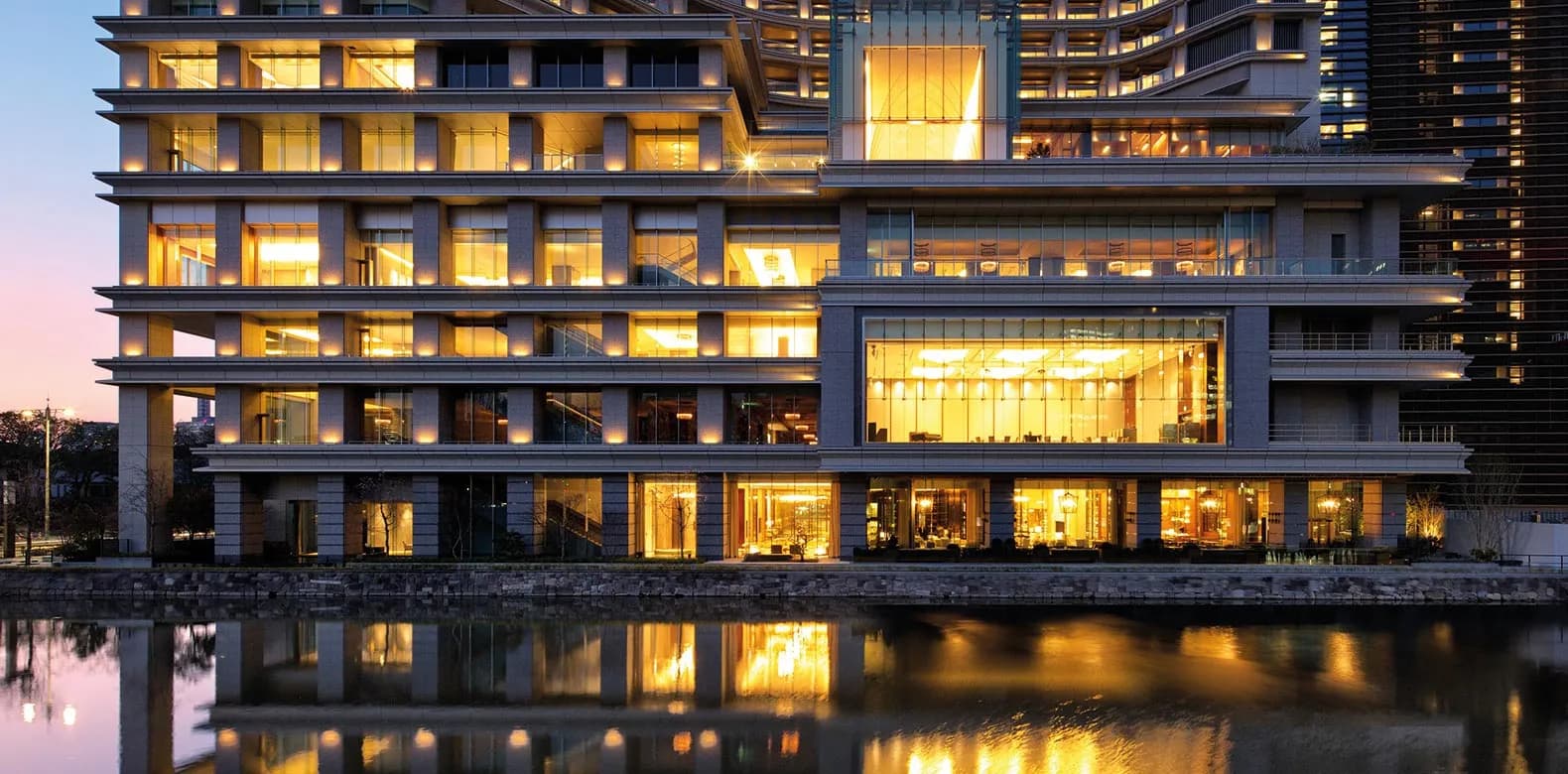
- Palace Hotel Tokyo (Marunouchi): 284 rooms, 12 function rooms, the 1,160 m² Aoi room for up to 1,440 theatre-style. Facing the Imperial Palace, connected to Otemachi subway. Indicative: ¥100,000–180,000 per night.
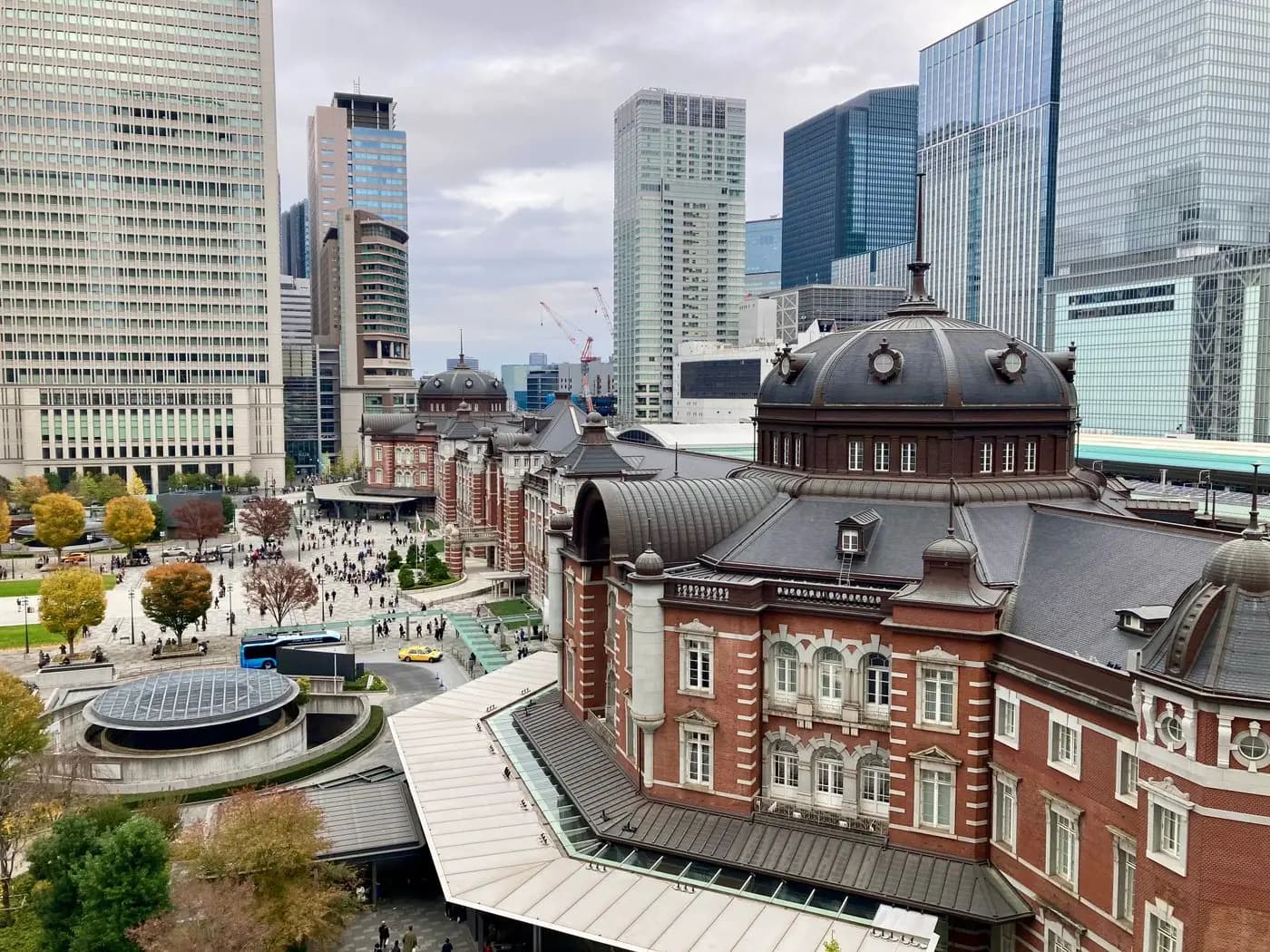
- The Tokyo Station Hotel: 150 rooms, the 288 m² Houo room for 324 theatre-style, inside the 1914 brick station building. Ideal for an executive group leaving by Shinkansen. Indicative: ¥80,000–140,000.
- Conrad Tokyo (Shiodome): 291 rooms, the 577 m² Kazanami room (7.2 m ceiling) for up to 460, overlooking Hama-rikyu gardens. Indicative: ¥80,000–140,000.
- Grand Hyatt Tokyo (Roppongi Hills): 387 rooms, a 1,000 m² Grand Ballroom for 1,200, and a goods lift that can bring vehicles in for a car launch. Indicative: ¥90,000–150,000.
- The Aoyama Grand Hotel: a 220 m² room for about 200, a more intimate address for a seminar of 40 to 80 people.
A practical benchmark: for a 120-person plenary with three breakout rooms, look for a hotel with at least 8 to 10 function rooms; otherwise workshops end up in poorly equipped restaurant salons.
Outside hotels, Akasaka Prince Classic House, a 1930 Tudor-style mansion listed by the Tokyo Metropolitan Government, hosts up to 238 theatre-style or 200 for a reception in its Grand Garden Room: a good option for an evening or a half-day seminar in a historic setting.
300 to 1,000 people: central Tokyo's large conference hotels
This is the bracket for corporate conventions, annual seminars and awards ceremonies. You need a plenary for 500 to 1,000, a separate dinner room, breakout rooms and 300 or more guest rooms. Hotels that tick these boxes:
- Hilton Tokyo (Nishi-Shinjuku): 830 rooms, 25 function rooms, the 945 m² Kiku room for up to 1,000 theatre-style, naturally lit foyers on floors 3 and 4. Indicative: ¥45,000–75,000.
- Keio Plaza Hotel Tokyo (Nishi-Shinjuku): 1,454 rooms, the 1,320 m² Concord Ballroom for 1,800, the 960 m² Hana room for a second plenary or dinner, panoramic rooms on floors 42–43. Indicative: ¥30,000–55,000. Standard rooms are smaller than in newer hotels.
- Tokyo Marriott Hotel (Gotenyama, Shinagawa): 249 rooms, the 895 m² Gotenyama Ballroom (7 m ceiling) for 1,000, green surroundings. Plan overflow accommodation above 200 participants. Indicative: ¥45,000–80,000.
- ANA InterContinental Tokyo (Akasaka): 844 rooms, 22 function rooms, the 1,565 m² Prominence Ballroom for up to 2,000, 37th-floor rooms for receptions. Indicative: ¥45,000–85,000.
- Tokyo Dome Hotel (Suidobashi): 1,006 rooms, the 1,003 m² Tenku room for 1,382; a lively area on game and concert nights. Indicative: ¥28,000–50,000.
Our take: Shinjuku offers the best capacity-to-price ratio and varied nightlife, Akasaka and Toranomon a more institutional image, Shinagawa the best links to the Shinkansen and Haneda Airport (14 minutes by Keikyu, according to JNTO).
One point often overlooked: set-up times. In large Japanese hotels, function rooms are often rented by slot (morning, afternoon, evening) and an overnight technical set-up has to be negotiated. For a plenary with an LED wall and control desk, book the room the day before.
Over 1,000 people: the hotel complexes of Shinagawa, Shiba and Akasaka
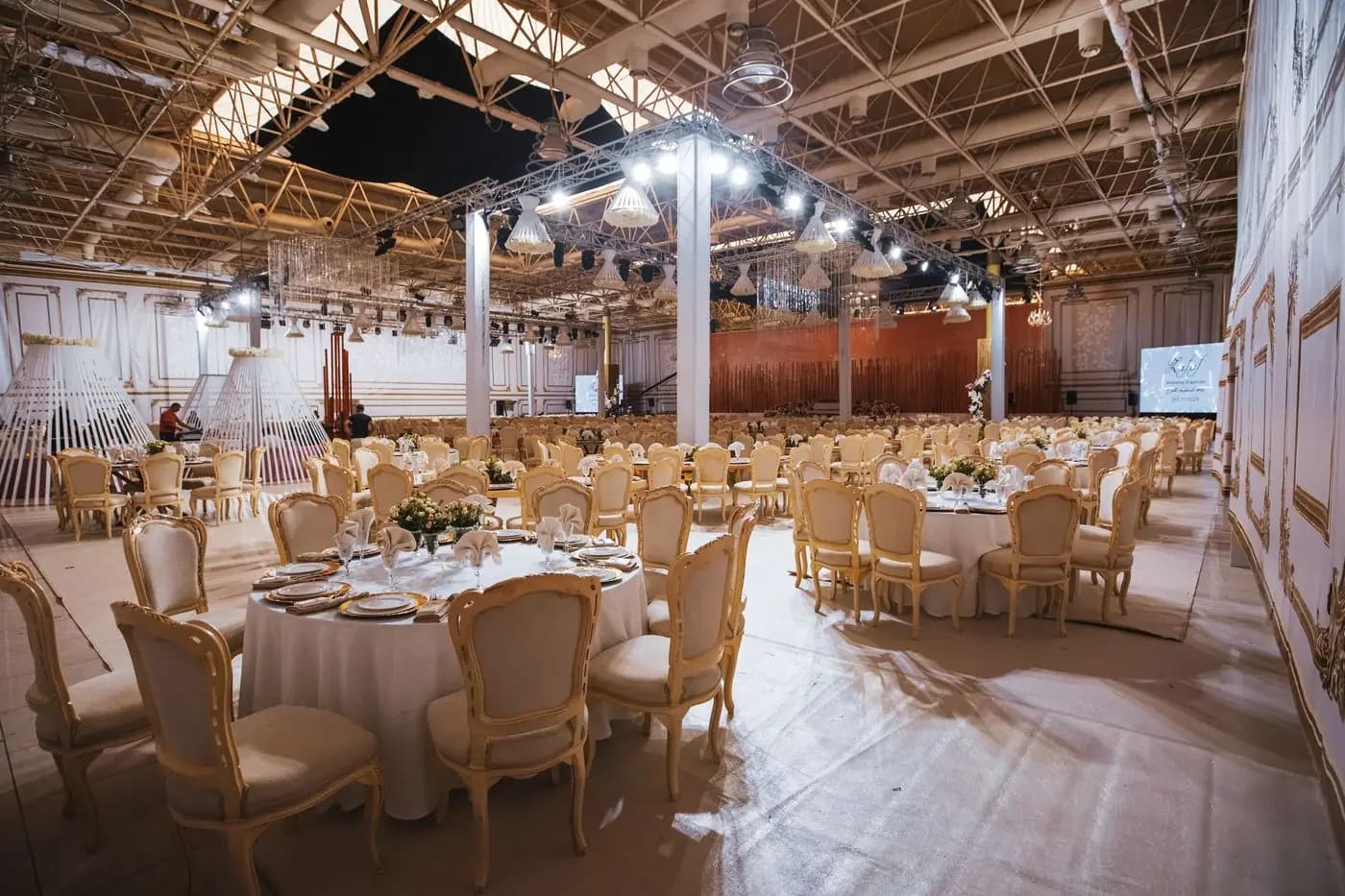
Above 1,000 participants, Tokyo has a particularity: a few hotels are small cities in their own right, with over 1,000 rooms and halls of 2,000 m² or more. That is what makes it possible to run a convention without a convention centre.
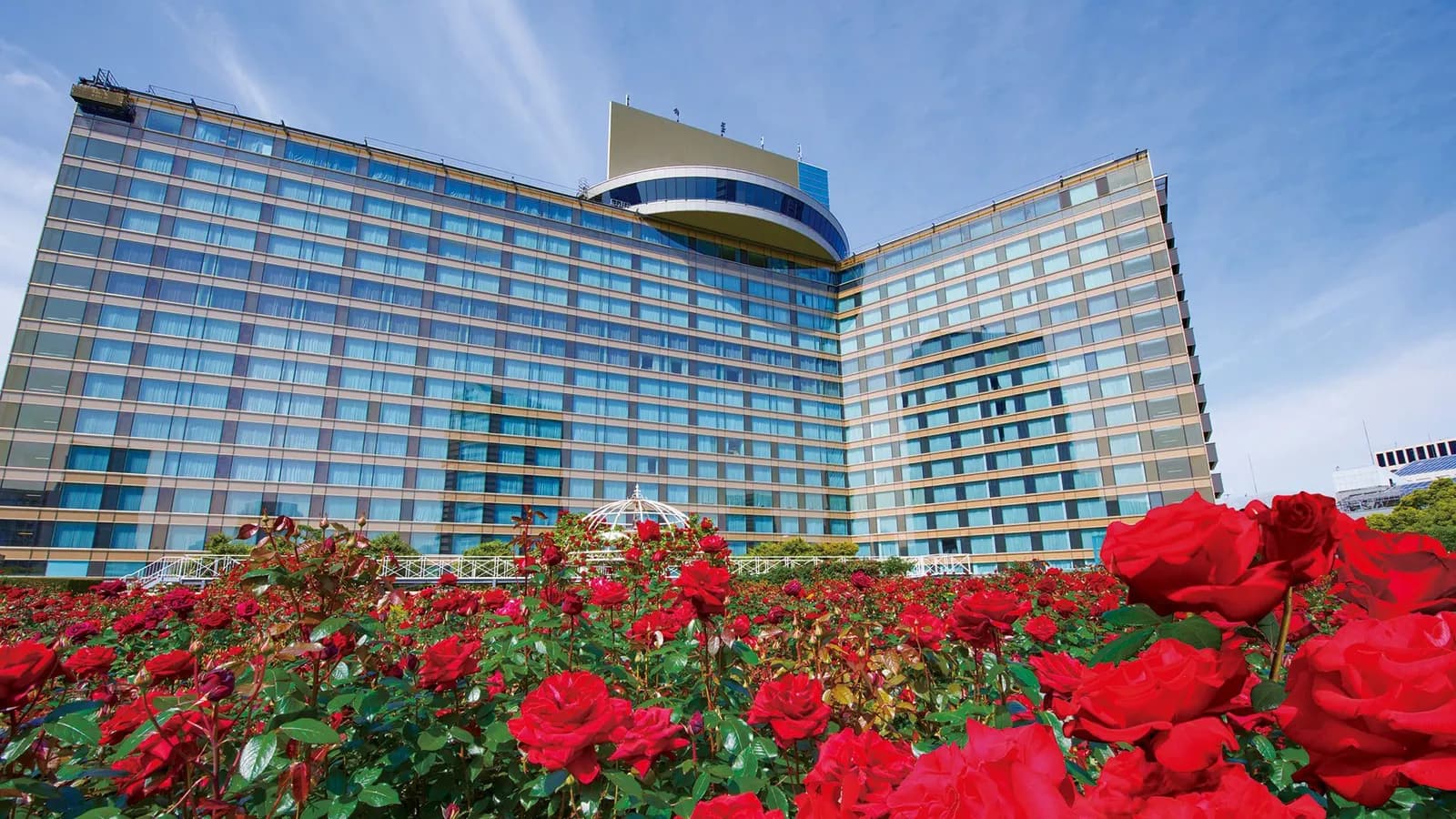
- Hotel New Otani Tokyo (Kioicho/Akasaka): 1,474 rooms, 34 function rooms, a 1,992 m² main hall for 2,184 theatre-style and 2,500 for a reception, a four-century-old Japanese garden. Indicative: ¥45,000–90,000 depending on the wing.
- The Prince Park Tower Tokyo (Shiba Park): 603 rooms, a 2,394 m² Ballroom (9.9 m ceiling) for 3,600, divisible into seven 342 m² rooms. Accommodation topped up by neighbouring Prince hotels. Indicative: ¥45,000–80,000.
- Grand Prince Hotel Shin-Takanawa (Shinagawa): 908 rooms and the Pamir convention centre, whose Konron hall (2,397 m²) seats 2,880, plus the 2,013 m² Hiten hall for the gala. Indicative: ¥35,000–65,000.
- Shinagawa Prince Hotel: 3,521 rooms, a 2,046 m² Prince Hall for 2,400 and 13 rooms of 330 seats for parallel sessions, two minutes from Shinagawa Station. Indicative: ¥20,000–40,000.
- The Okura Tokyo (Toranomon): 508 rooms, a 1,968 m² Heian Room for 2,300, and over 3,000 m² of conference and exhibition space on the ground floor. Indicative: ¥90,000–160,000.
- Hotel Chinzanso Tokyo (Mejiro): only 267 rooms, but 32 function rooms and a 1,350 m² Grand Hall for 2,000, set in a historic garden with a pagoda.
In Odaiba, Grand Nikko Tokyo Daiba (882 rooms, the 2,580 m² Palais Royal for 3,300) and Hilton Tokyo Odaiba (453 rooms, Pegasus room for 1,564) mainly serve events linked to Tokyo Big Sight trade shows. They become scarce and expensive during major shows.
The golden rule at this scale: sign a contract that ties the room block to the function space, with a release (cut-off) schedule matched to your convention's registrations.
Tokyo meeting room rental outside hotels: convention centres and forums
When the hotel is not enough, or when you want to separate work and accommodation, Tokyo has dedicated venues, almost all connected to the subway:
- Tokyo International Forum (Marunouchi/Yurakucho): Hall A with 5,012 seats, one of Japan's largest auditoriums, Hall C with 1,502 seats, 31 rooms from 26 to 206 m² and the 5,000 m² Hall E for exhibitions. Five minutes from Tokyo Station.
- Takanawa Gateway Convention Center: the new centre of Takanawa Gateway City, with the 1,640 m² LINKPILLAR Hall (up to 1,656 seats) and 20 rooms, connected to the station and one stop from Shinagawa.
- Toranomon Hills Forum: about 3,300 m² of pillar-free space on the 5th floor of the Mori Tower, up to 792 people, with the Andaz Tokyo in the same tower.
- Tokyo Midtown Hall & Conference (Roppongi): the 770 m² Hall A for 816, the 540 m² Hall B, 11 rooms and a terrace, with the Ritz-Carlton Tokyo in the tower.
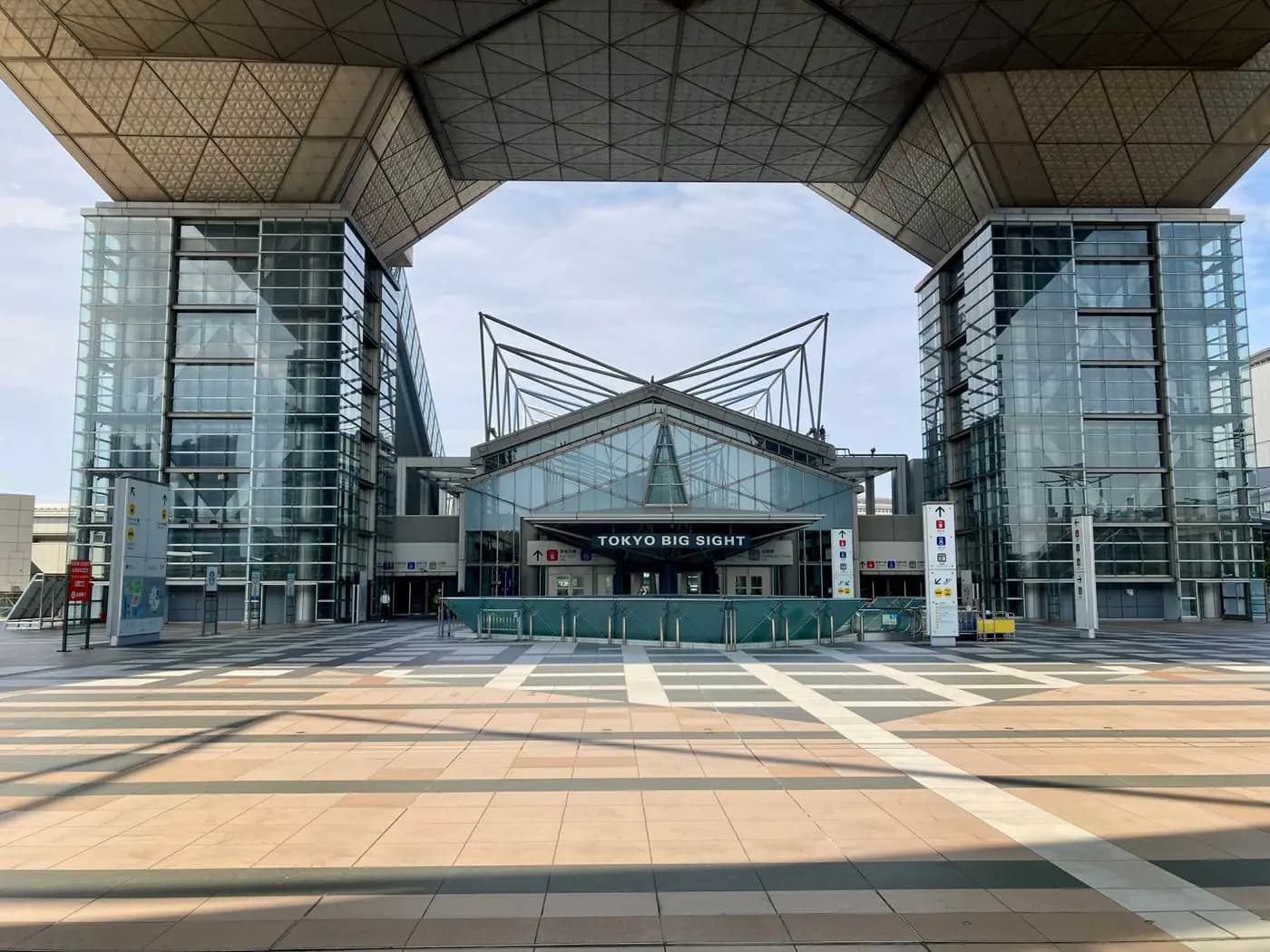
- Tokyo Big Sight (Ariake): for very large volumes and trade shows, with a 1,000-seat International Conference Hall.
For small meetings (10 to 50 people), Tokyo also has many rental meeting room centres (kashi-kaigishitsu) near stations, rented by the hour or half day. Handy for a workshop or working session, they have neither the service nor the catering of a hotel: keep them for functional needs.
What drives the price of a room in Tokyo, in the absence of a comparable public rate card:
- the slot (morning, afternoon, evening or full day) and the day (weekends cost more at business forums);
- set-up and tear-down, often charged as slots;
- AV and interpretation, almost always extra;
- catering, served by the venue's appointed caterer;
- the season: March, October and November are in high demand.
Large convention centres are often booked 12 to 24 months ahead for peak dates.
Reading a Tokyo conference hotel quote: capacities, packages and hidden costs
A Japanese hotel quote does not read like a European one. Points we always check:
- Capacity by set-up: theatre, classroom, seated banquet, reception. A 1,000 m² room takes roughly 1,000 to 1,200 theatre-style, 500 to 600 classroom and about the same for a seated dinner at rounds of 10, more for a reception. Check capacity in the actual set-up, with stage and control desk.
- Day package: a European-style day delegate package (room, breaks, lunch per person) exists at some international hotels, but the room is often charged separately, by slot, with AV and catering on top.
- Tax and service: rates are often quoted before 10% consumption tax and 10–15% service charge. Add Tokyo's accommodation tax, small in 2026 but rising to 3% of the nightly rate from April 2027.
- F&B minimum: some rooms are "free" provided a minimum food and beverage spend is reached.
- Strict hours: a room booked until 9 pm must be vacated at 9 pm; extensions are charged by the hour, and leeway is rare.
- Guest rooms: check size and bed configuration; in Tokyo, a standard room often exceeds 40 m² in recent luxury hotels, but is around 20 to 30 m² in the big hotels of the 1970s and 1980s and in business hotels.
- Noise and decor: amplified music, haze, rigging and decor deliveries follow each hotel's own rules, to be cleared with the banquet team.
Finally, compare at equal capacity, not on room rate alone: a cheaper hotel that forces you to rent an outside venue and coaches can end up costing more than a pricier hotel where everything is on foot.
Booking a conference hotel in Tokyo: lead times, seasons and our advice
Lead times we see for Tokyo:
- 12 to 18 months for a convention of more than 500 people in March–April or October–November;
- 6 to 9 months for 100 to 300 people outside peaks;
- 3 to 4 months for an executive committee of 20 to 40, provided you are flexible on the hotel.
The tightest periods: cherry blossom (late March–early April), the Japanese fiscal year-end (March, when local companies run their own events), October–November, and the weeks of major trade shows at Tokyo Big Sight and Makuhari Messe, which fill Ariake, Odaiba and the bay area.
Windows worth taking: mid-May to June, early July, the first half of December and February, when conference hotels have more availability and are more willing to negotiate a package.
Three practical tips:
- Ask for floor plans and ceiling heights with the first proposal: a 1,000 m² room with a 4 m ceiling does not allow the same staging as one at 9 m.
- Do the site visit on a weekday, in real conditions: guest flows, lifts and taxi queues are best judged at 8:30 am and 6 pm, not on a Sunday afternoon.
- Plan an overflow hotel in the same district, with a linked contract, if your numbers are not final yet.
To go further, our article on Tokyo or Osaka for a convention compares the two cities, and our guide to the budget of a seminar in Japan covers the other cost lines.
SHINOGI DMC compares offers from several hotels on a like-for-like basis (function space, rooms, catering, taxes) for its clients and organises site inspections in Tokyo.
Frequently asked questions
Which Tokyo hotel has the largest ballroom?
The Prince Park Tower Tokyo's ballroom seats up to 3,600 theatre-style (2,394 m²). For room count, Shinagawa Prince Hotel has 3,521 rooms, Hotel New Otani Tokyo 1,474 and Keio Plaza 1,454.
Which Tokyo hotel for a 100-person seminar?
A luxury hotel with at least 8 to 10 function rooms is enough: for example Palace Hotel Tokyo, Conrad Tokyo, Grand Hyatt Tokyo or The Okura Tokyo. Pick the district first, based on airport, station and evening programme.
How much is a conference hotel room in Tokyo?
As an indication in 2026, before tax and service: ¥20,000 to ¥55,000 per night at the big hotels of Shinagawa or Shinjuku, ¥45,000 to ¥90,000 at international conference hotels, and ¥80,000 to ¥180,000 at luxury hotels, depending on season.
Can you rent a meeting room in Tokyo without booking guest rooms?
Yes. Hotels rent function rooms on their own, by slot, and Tokyo has dedicated venues: Tokyo International Forum, Toranomon Hills Forum, Tokyo Midtown Hall & Conference, Takanawa Gateway Convention Center, plus hourly meeting room centres near stations.
How far ahead should you book a Tokyo conference hotel?
12 to 18 months for more than 500 people in peak season (March–April, October–November), 6 to 9 months for 100 to 300 people off-peak, 3 to 4 months for a small executive committee.
Which Tokyo district is best for a conference hotel?
Marunouchi for Tokyo Station and an institutional image, Shinagawa for Haneda and the Shinkansen, Shinjuku for capacity versus price, Akasaka–Toranomon for large ballrooms, Odaiba for Tokyo Big Sight trade shows.
Rédaction SHINOGI DMC · Updated
Sources
- Business Events Tokyo — Palace Hotel Tokyo
- Business Events Tokyo — Hotel Okura Tokyo
- Business Events Tokyo — Hotel New Otani Tokyo
- Business Events Tokyo — The Prince Park Tower Tokyo
- Business Events Tokyo — Grand Prince Hotel Shin-Takanawa
- Business Events Tokyo — Shinagawa Prince Hotel
- Business Events Tokyo — Keio Plaza Hotel Tokyo
- Business Events Tokyo — Hilton Tokyo
- Business Events Tokyo — ANA InterContinental Tokyo
- Business Events Tokyo — Conrad Tokyo
- Business Events Tokyo — Grand Hyatt Tokyo
- Business Events Tokyo — Tokyo Marriott Hotel
- Business Events Tokyo — The Tokyo Station Hotel
- Tokyo International Forum — Facilities
- Business Events Tokyo — Takanawa Gateway Convention Center
- Business Events Tokyo — Toranomon Hills Forum
- Akasaka Prince Classic House — Venues