- Duration
- About 2 hours
- Group size
- 6–80 pax
- Cities
- Kyoto
- Indicative budget
- From ¥45,500 per person
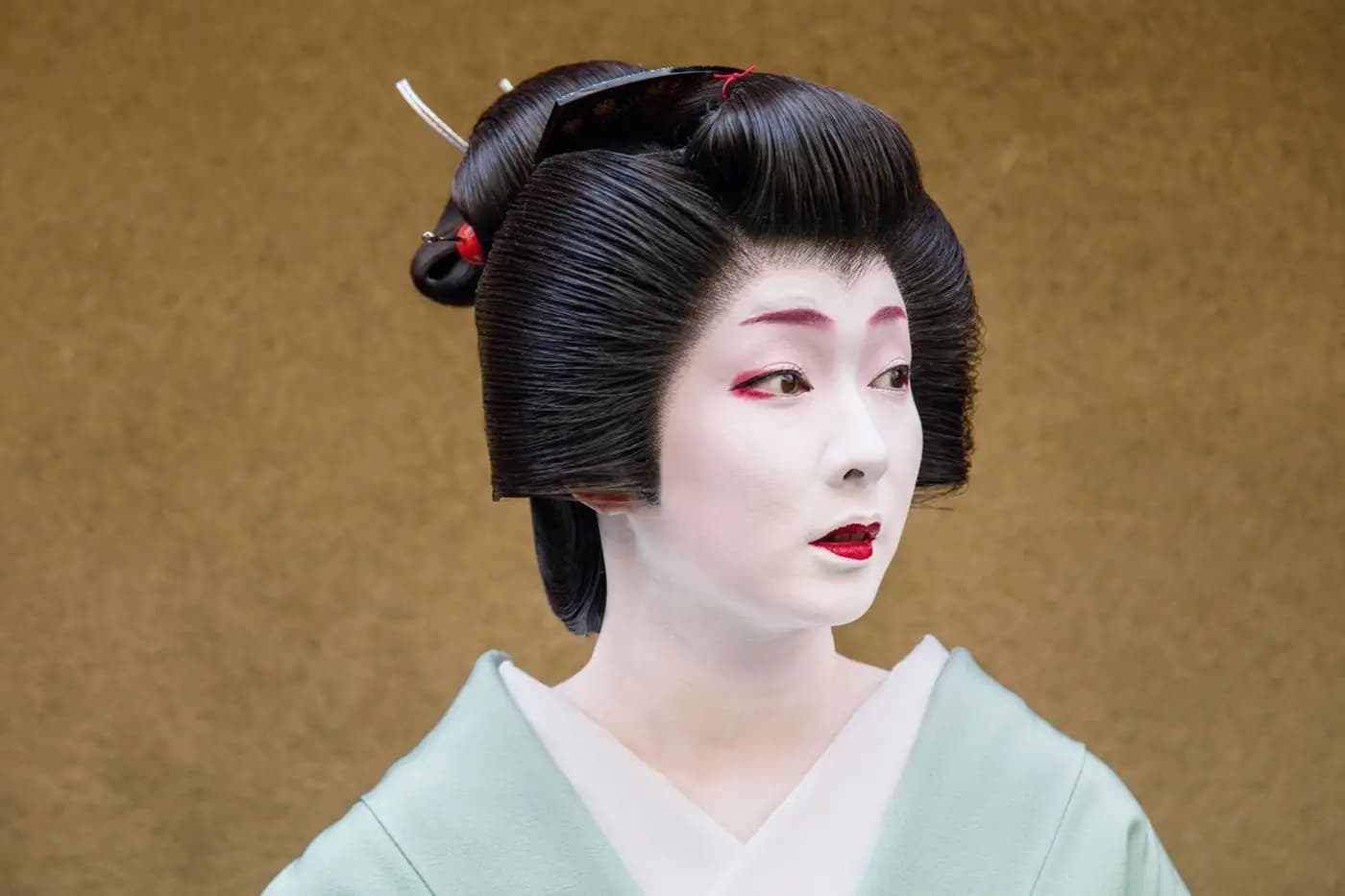
The evening takes place in a private room of a teahouse or a traditional restaurant in a hanamachi such as Gion or Miyagawa-cho. During the kaiseki dinner, one or more maiko (apprentices) and geiko (fully trained performers, the Kyoto term for geisha) perform a dance accompanied by shamisen, visit each table to pour drinks and talk with guests, then invite everyone into ozashiki games: short, rhythmic parlour games that tend to end in laughter. An interpreter bridges the conversation throughout.
Maiko and geiko are professional artists of performance and hospitality, with years of training in dance, music, conversation and etiquette. These evenings have traditionally been reserved for introduced guests; we handle the booking, choose a venue that fits the group size and run a briefing beforehand, so participants understand what they are watching and how to behave.
For a corporate seminar or incentive, this is often the signature evening of the Kyoto stay: a rare moment shared around the table that gets colleagues and guests talking naturally. It works best on the last night or after a day of visits, and for larger groups it can open a gala dinner in a ryotei or hotel banquet room.
Objectives
- Give participants a rare and memorable reward evening
- Host clients or partners in a prestigious cultural setting
- Show Japanese hospitality through a living tradition
How it works
- 1Etiquette briefing in the afternoon or during the transfer: who maiko and geiko are, dress, photo rules.
- 2Arrival in the district, welcome and seating in a private room.
- 3Kaiseki dinner; dance performance by maiko and geiko with shamisen accompaniment.
- 4Table conversation and ozashiki games with participants, translated by the interpreter.
- 5Group photos at the agreed moment, then departure or the rest of the evening.
Good to know
- Maiko and geiko are artists: the evening is a performance and an act of hospitality, with no ambiguity. Avoid physical contact and persistent personal questions.
- Photos are allowed at the moment agreed with the performers, never during the dance without consent. In Gion's lanes, do not follow or photograph maiko up close; some private lanes ban photography.
- Teahouse rooms suit about 6 to 20 guests. From 20 to 80, a banquet in a ryotei or hotel room with several performers.
- Smart attire and clean socks (shoes come off); low chairs or raised tables on request.
- Book 4 to 8 weeks ahead, longer in spring and autumn.
Indicative budget
From ¥45,500 per person (kaiseki dinner and maiko/geiko performance, small group in a private room). Group rates quoted on request depending on headcount and number of performers; interpreter and transfers optional.
Frequently asked questions
What is the difference between a maiko and a geiko?
A maiko is an apprentice, usually aged 15 to 20, recognisable by her long-sleeved kimono, trailing obi and hair ornaments. A geiko has completed her training and dresses more soberly. At an evening they complement each other: the maiko dances, while the geiko often plays shamisen and leads the conversation.
Can we organise a maiko evening for 60 people?
Yes, in the banquet room of a ryotei or hotel, with several maiko and geiko who dance on stage and then move between tables. The intimate teahouse setting is reserved for groups of up to about twenty.
Can participants take photos?
Yes, at a time agreed with the performers, usually after the dance, for individual or group photos. We ask guests not to film the dance without consent and not to use photos commercially without permission.
Do guests need to speak Japanese?
No. An interpreter translates introductions, conversation and game rules. Ozashiki games rely mostly on gestures and rhythm and are quick to pick up.