How much does a Japanese interpreter cost?
In 2026, budget about ¥40,000 to ¥80,000 per day for a guide-interpreter, ¥50,000 to ¥120,000 per day for a consecutive business interpreter and ¥100,000 to ¥200,000 per day per interpreter for simultaneous work, bearing in mind that a simultaneous booth needs at least two interpreters. These ranges are indicative (before Japan's 10% consumption tax and travel costs): there is no official rate in Japan, and each agency publishes or negotiates its own prices.
Rates are almost always quoted per half day or full day, not per hour. A half day generally covers up to 3 or 4 hours on site, a full day 7 to 8 hours. What counts is the time the interpreter is booked, not speaking time: a two-hour factory visit 90 minutes from Tokyo is a full day.
In practice, three situations come up most often for international companies:
- A delegation meeting partners: one consecutive interpreter, by the day, often for two or three days.
- A seminar or incentive with cultural visits: one or more guide-interpreters, one per group of 15 to 25 people.
- A conference, convention or launch: a team of conference interpreters in booths, equipment and a technician.
The sections below cover these formats, the price ranges, what drives them and how to book. For a seminar's overall budget, our article on Japan seminar budgets covers the other cost items.
Consecutive, simultaneous, whispered or guide-interpreter: what is the difference?
The interpreting mode determines price, equipment and the pace of the day.
- Consecutive interpreting. The speaker talks in segments of a few sentences, then the interpreter renders them. This is the format for meetings, negotiations, interviews, technical visits and business dinners. Advantage: no equipment, a direct relationship. Drawback: speaking time doubles. A one-hour meeting planned in English takes almost two in consecutive.
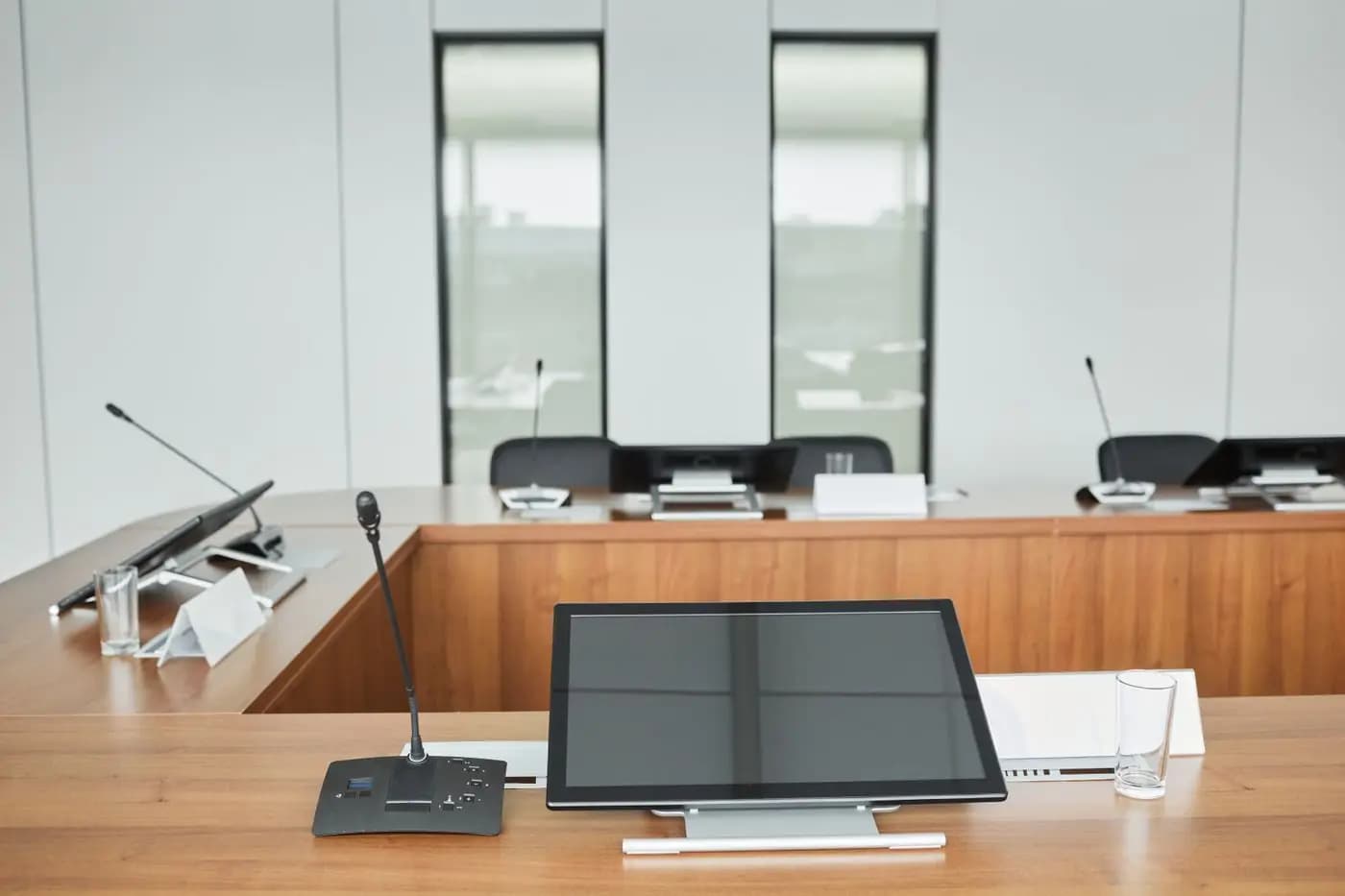
- Simultaneous interpreting. The interpreter translates in real time from a soundproof booth; the audience listens on headsets. This is the format for conferences, conventions and general meetings. It requires a team of at least two interpreters per booth and per language pair, equipment and a technician.
- Whispered interpreting (chuchotage). The interpreter sits next to one or two people and translates quietly, simultaneously. Useful for an executive attending a meeting held in Japanese. Beyond two listeners, you switch to a wireless microphone and receiver set (a "tour guide system"), with no booth.
- Guide-interpreter. They accompany a group on visits, explain the sites and liaise with suppliers. It is not the same job as a meeting interpreter: an excellent guide is not necessarily at ease in a technical negotiation, and vice versa.
In Japan, the title of National Licensed Guide Interpreter (zenkoku tsuyaku annaishi) is awarded by the state after a national examination. Since 4 January 2018, the law no longer restricts paid guiding to licence holders; only the use of the title is protected. A licensed guide has therefore passed a demanding exam (language, history, geography, culture and guiding practice), but an unlicensed guide can work legally.
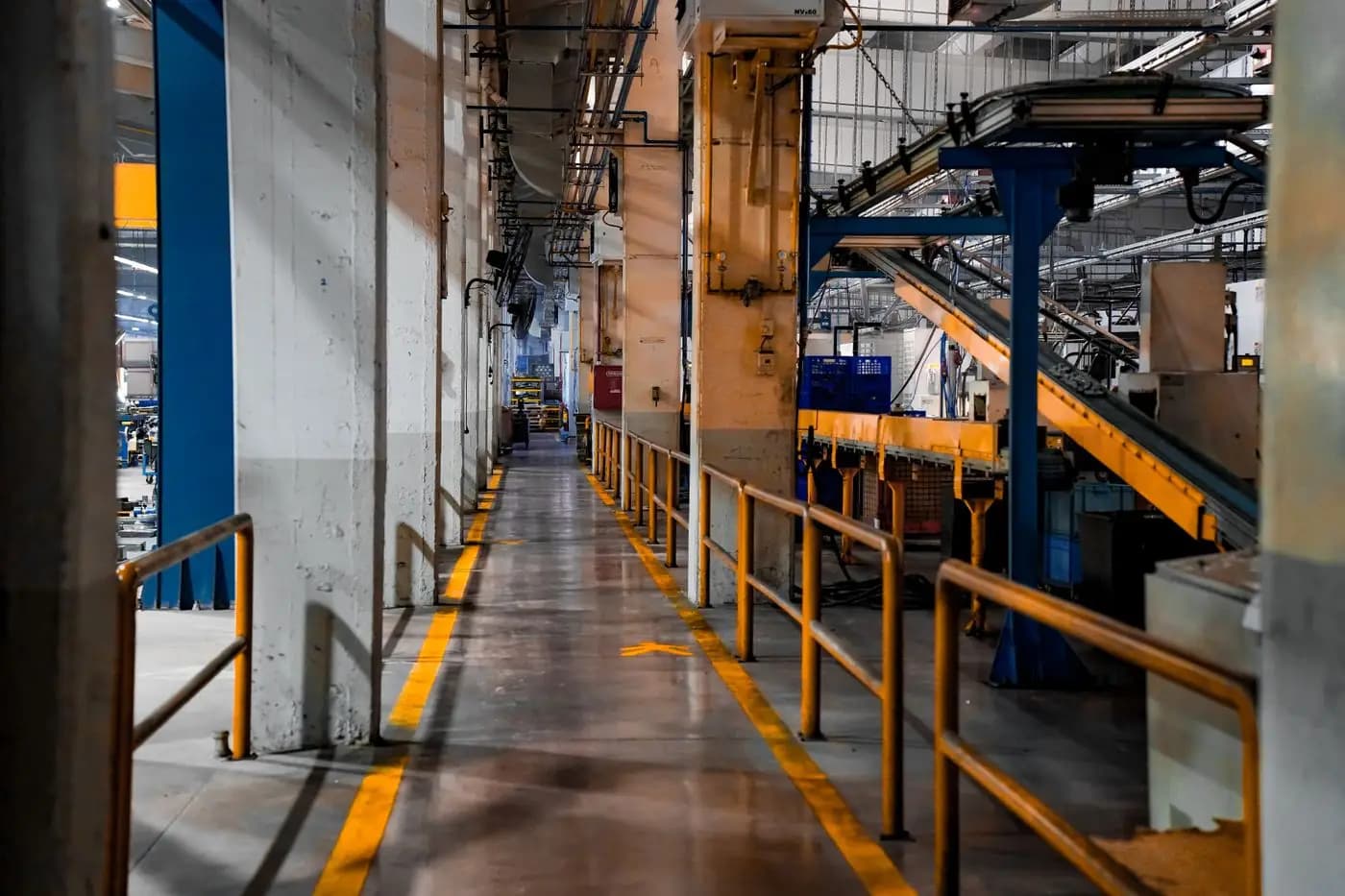
For a factory visit, the best choice is often a liaison interpreter with industrial experience, equipped with a receiver system so the whole group can hear over the noise of the machines.
Japanese interpreter rates in 2026: the ranges and what drives them
The ranges below are indicative, per interpreter, before Japan's 10% consumption tax and expenses. They reflect rate cards published by Japanese agencies and market practice in 2026.
- Guide-interpreter (sightseeing, escorting): ¥40,000 to ¥80,000 per day.
- Liaison interpreter (consecutive), half day: about ¥25,000 to ¥60,000.
- Liaison interpreter (consecutive), full day: about ¥50,000 to ¥120,000.
- Conference interpreter (simultaneous), full day: about ¥100,000 to ¥200,000 per interpreter. Multiply by at least two for a booth.
- Simultaneous equipment (booth, consoles, transmitters, receivers, technician): typically several hundred thousand yen per day, depending on the number of languages and receivers. A wireless tour guide system for a site visit costs far less.
What pushes the price up or down:
- The language pair. English–Japanese is the most common and competitive. Other pairs, such as French–Japanese or German–Japanese, draw on a much smaller pool, especially at conference level: book earlier, and expect a higher rate or relay interpreting (the source language into English, then English into Japanese).
- Specialisation. Medical, pharmaceutical, legal, financial, engineering: expertise costs more, and so does preparation.
- Experience. Agencies often grade interpreters by level; the gap between a junior and a senior interpreter easily exceeds a factor of two.
- Actual hours. Beyond the package, overtime is charged, often per 30 minutes or per hour. The business dinner after the meeting counts as working time.
- Travel. Outside the interpreter's home city, add transport, travel time (often partly billed), accommodation and allowances.
- Recording. If the interpretation is recorded, streamed or reused, an extra rights fee is common.
- Cancellation. Cancellation fees can reach 100% a few days before the date. Read the terms before signing.
Meeting, factory visit, conference: which format for which situation?
A few typical set-ups, with the team we recommend.
- Business meeting with 4 to 6 people: one consecutive interpreter. Allow 30 to 50% more time in the agenda. If the meeting lasts all day, a second interpreter lets them take turns after lunch.
- Sensitive or contractual negotiation: an experienced interpreter from the sector, briefed beforehand, and ideally an interpreter "on your side" even if the Japanese company has its own. Each then serves their own team.
- Factory visit for 20 to 40 people: a liaison interpreter plus a wireless tour guide system (microphone and receivers with earphones). Without it, half the group hears nothing at the far end of the production line. Many factories ban photography and cap group sizes: the interpreter also helps enforce safety instructions.
- Internal seminar with Japanese speakers: whispered interpreting or a tour guide system for a small number of non-Japanese speakers, booth-based simultaneous as soon as more than about thirty people need equipping.
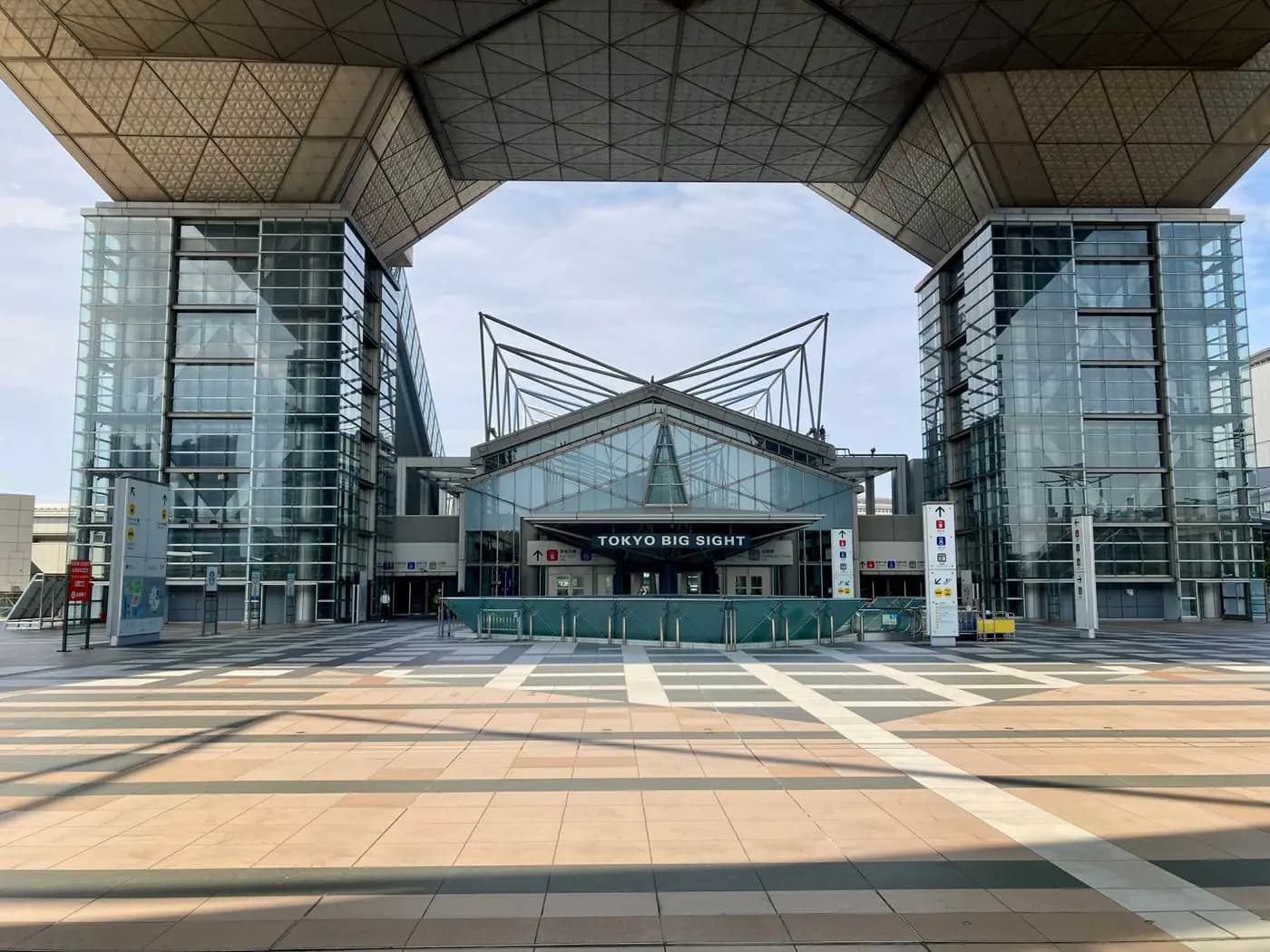
- Conference or convention: simultaneous interpreting in booths, one booth per target language. Several large Japanese convention centres have fixed booths in their main halls; elsewhere the supplier installs mobile booths.
- Hybrid or online event: remote simultaneous interpreting (RSI) on a dedicated platform avoids travel but needs a stable connection and a prior technical test.
- Cultural programme for an incentive: one guide-interpreter per group of 15 to 25. For a temple visit with a monk or a tea ceremony, the interpreter translates the host's explanations, which calls for specific vocabulary.
A common mistake is to ask the incentive's guide to interpret the next day's business meeting too. They are two different jobs; on a tight budget, a good liaison interpreter who also joins a few visits is a better choice than the reverse.
Simultaneous interpreting in Japan: booths, team and equipment
Simultaneous interpreting is the costliest item and the one that least forgives improvisation.
The team. The professional standards of AIIC, the International Association of Conference Interpreters, call for at least two interpreters per booth and per language, taking turns at regular intervals (often every 20 to 30 minutes). The one off-microphone follows the speech, notes figures and names, and takes over. A full day with a single interpreter in the booth is a saving paid for in quality from the second hour.
The equipment. A complete set-up includes:
- soundproof booths, fixed or mobile, built to ISO standards, with a direct view of the speaker and screen;
- interpreter consoles and speakers' microphones;
- transmitters (usually infrared) and one receiver with headset per listener, handed out and collected against a badge or ID;
- a technician on site all day.
Points specific to Japan:
- Book early. Experienced conference interpreters are few, especially for languages other than English. For a convention, three months is a minimum; six months in peak season (spring and autumn).
- Send the documents. Slides, speeches, programme, list of speakers with their titles in Japanese, glossary: at least a week ahead. An interpreter who sees the slides for the first time live cannot get the figures right.
- Prepare Japanese names. Names of people and companies are written in kanji and can sometimes be read several ways: a list with the correct reading avoids embarrassing mistakes.
- Clarify recording in the quote if the session is filmed or streamed.
For a room of 200 with one foreign language, the interpreting budget (two interpreters, booth, receivers, technician) easily runs to several hundred thousand yen per day. It is worth costing it from the first budget.
Working well with an interpreter: preparation and pitfalls
An interpreter can only be good if given the means to be. What makes the difference:
- The brief. The aim of the meeting, who is who, sensitive topics, what you want to achieve. A 20-minute call the day before is often enough.
- The documents. Company presentation, product sheets, a glossary of in-house terms and acronyms. If documents are confidential, have a non-disclosure agreement signed: it is common practice and agencies are used to it.
- Speak to be interpreted. Short sentences, one idea at a time, regular pauses in consecutive. Avoid jokes based on wordplay, local cultural references and irony, which translate badly and often fall flat.
- Numbers. Japanese counts in units of 10,000 (man), not 1,000: "1.5 million" is "150 man". Writing key figures on a board or slide avoids factor-of-ten mistakes.
- Look at your counterpart, not the interpreter. You are addressing the person; the interpreter is only the relay.
- Breaks. In consecutive, a 10-minute break every hour and a half; a real lunch, not a sandwich eaten while interpreting.
- Business dinners. If the interpreter comes along, they are working: they eat little and interpret a lot. Seat them between the two main counterparts, plan their meal and count those hours in the package.
- Do not ask them to take sides. They render what is said, including what displeases. If you want advice on how to phrase a request to Japanese partners, ask privately before or after the session.
Japanese meeting etiquette (exchanging business cards, seating, collective decision-making) is covered in our article on mistakes to avoid when organising an event in Japan.
How to find and book an interpreter in Japan (including for groups)
There are three routes:
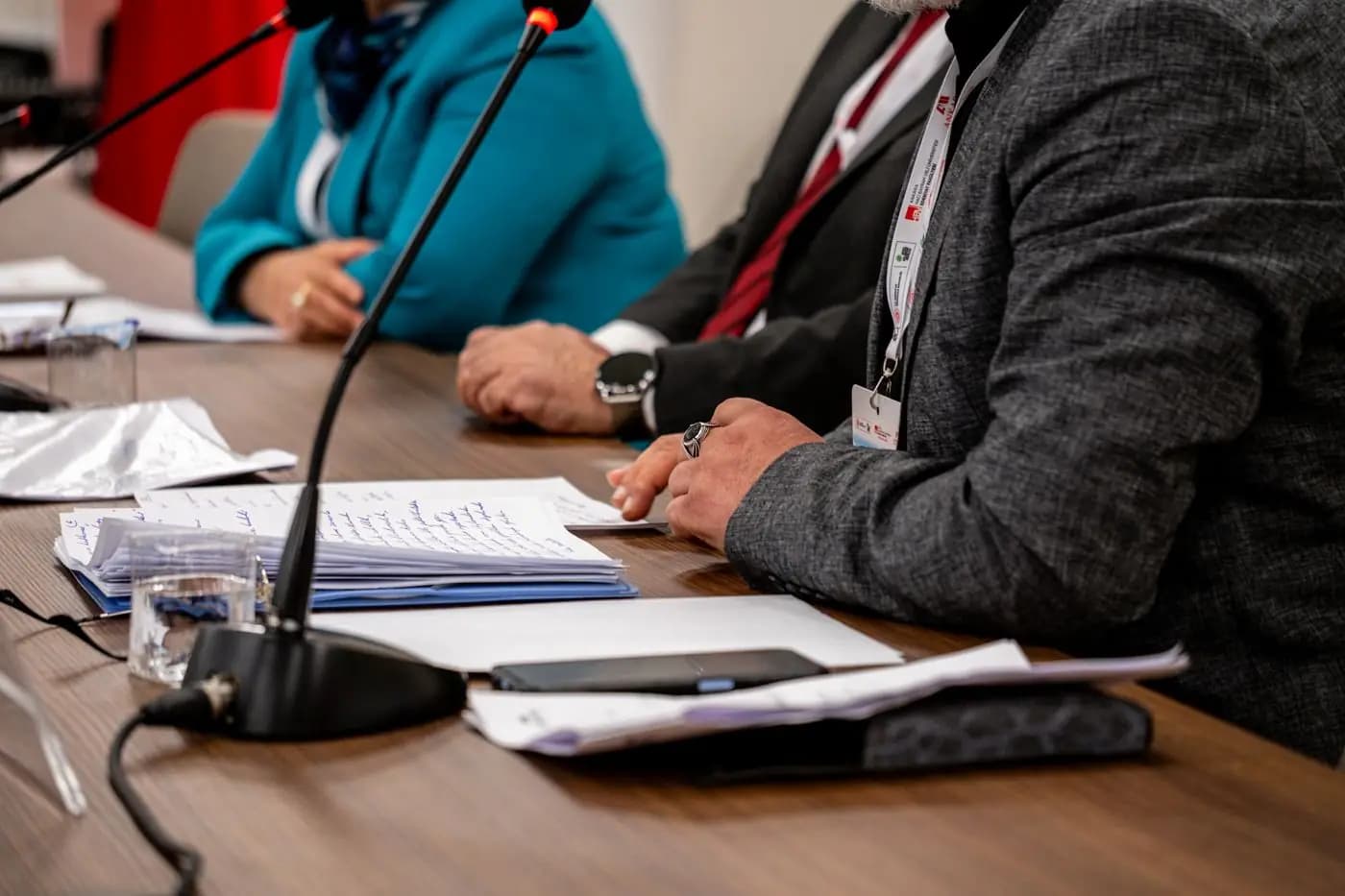
- Japanese interpreting agencies, which offer interpreters graded by level and specialism, handle simultaneous equipment and invoice the full service. This is the safest option for a conference.
- Freelance interpreters, often recommended by word of mouth or through professional associations. More flexible for a liaison assignment of a few days, provided you check references carefully.
- Licensed guide interpreters, registered with prefectures and searchable through resources from the Japan National Tourism Organization (JNTO) and the Japan Tourism Agency. Relevant for cultural escorting, less so for a negotiation.
Recommended lead times: two to four weeks for an English–Japanese liaison interpreter, one to three months for less common language pairs or a niche specialism, three to six months for a conference team. Before signing, check in writing: the length of a half and full day, overtime rates, travel costs, cancellation terms, recording rights and confidentiality.
For a corporate group, interpreting is planned with the rest of the programme. A delegation of 30 that combines two factory visits, a conference and a dinner with partners does not need the same profiles every day: a liaison interpreter and tour guide system for the factories, a booth for the conference, a table interpreter for the dinner. Keeping the same interpreter over several days ensures consistent terminology and cuts briefing costs.
SHINOGI DMC, whose team works in French, English and Japanese, arranges these set-ups for seminars, conventions and study tours: choosing interpreters by sector, briefs and glossaries, simultaneous or tour guide equipment, and on-site coordination.
Frequently asked questions
How much does a Japanese interpreter cost per day?
As an indication in 2026: ¥40,000 to ¥80,000 for a guide-interpreter, ¥50,000 to ¥120,000 for a consecutive business interpreter, ¥100,000 to ¥200,000 per interpreter for simultaneous work, before tax and expenses.
Do you need two interpreters for simultaneous interpreting?
Yes. AIIC standards call for at least two interpreters per booth and per language, taking turns regularly, usually every 20 to 30 minutes.
What is the difference between consecutive and simultaneous interpreting?
In consecutive, the interpreter speaks after each segment, with no equipment, which doubles speaking time. In simultaneous, they interpret in real time from a booth and the audience listens on headsets.
Does a guide in Japan need a licence?
No. Since 4 January 2018 paid guiding has been open to anyone. Only the title of National Licensed Guide Interpreter (zenkoku tsuyaku annaishi) is reserved for those who passed the state exam.
How far ahead should you book an interpreter in Japan?
Two to four weeks for an English–Japanese liaison interpreter, one to three months for less common language pairs or a specialism, three to six months for a conference team.
Are the interpreter's travel costs included?
Rarely. Outside the interpreter's home city, transport, travel time (often partly billed), accommodation and allowances are added. Hours beyond the package are charged extra.
Rédaction SHINOGI DMC · Updated
Sources
- Agence du tourisme du Japon (MLIT) — Système des guides-interprètes agréés nationaux
- JNTO — Examen de guide-interprète agréé national
- AIIC — Normes professionnelles (composition des équipes en cabine)
- imitsu — Tarifs de l'interprétation au Japon (repères de marché)
- Préfecture d'Osaka — Enregistrement des guides-interprètes agréés