Which observation deck should you choose for Tokyo at night?
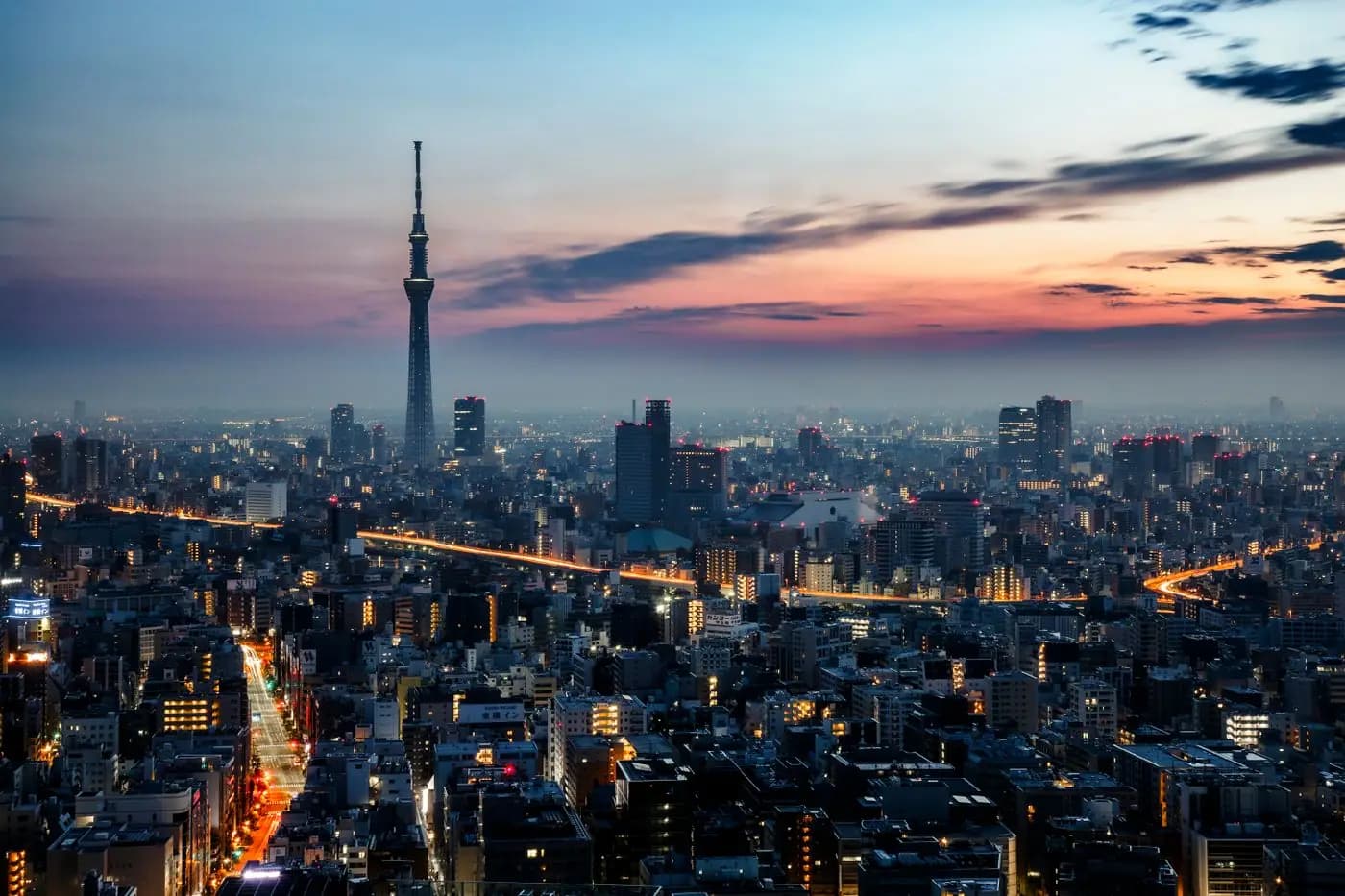
Tokyo is a city to be seen from above, and at night it is a sea of light with no visible end. Four observation decks share the visitors, each with its own character.
- Shibuya Sky (Shibuya Scramble Square, about 230 m): the open-air rooftop, with no glass between you and the city and the Shibuya crossing below. The most spectacular at sunset. Online tickets from ¥2,700 before 3pm and ¥3,400 after; dusk slots sell out weeks ahead. Bags, hats and tripods go in lockers; the rooftop closes in strong wind and rain.
- Tokyo Skytree (350 m and 450 m): the tallest tower in the country, in the east of the city. Tembo Deck from ¥1,800 online, combo ticket with the Tembo Galleria from ¥3,000; ¥500 more if bought on site. An immense view, a little far from the centre.
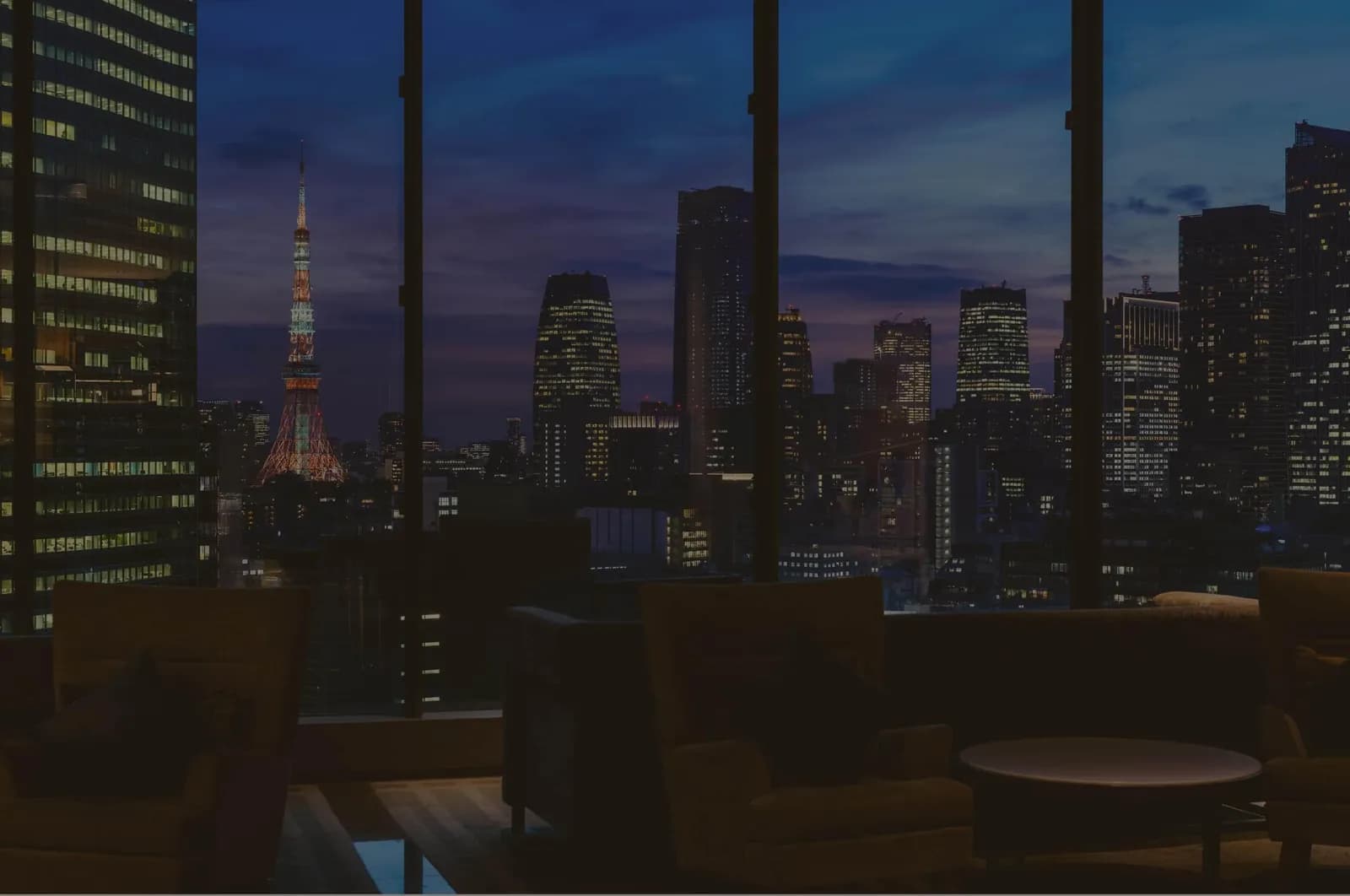
- Tokyo City View (Roppongi Hills, 52nd floor): the best view of orange-lit Tokyo Tower and the centre. ¥2,200 online, ¥2,400 on site; open until 10pm, last entry 9:30pm. The Mori Art Museum above it also stays open late.
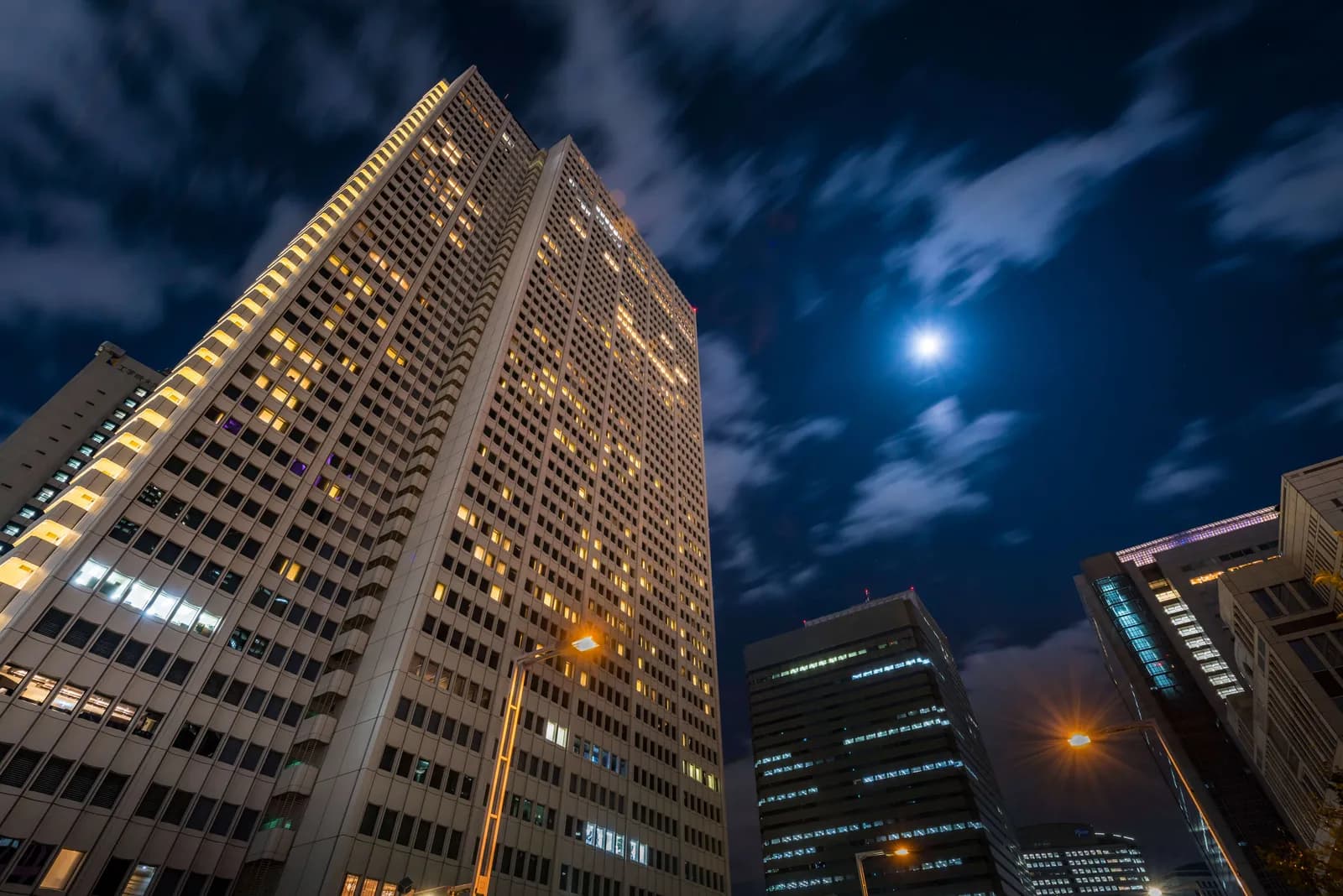
- Tokyo Metropolitan Government Building (Tocho, Shinjuku, 202 m): free, open until 10pm, behind glass. In the evening, the building's façade hosts a projection-mapping show.
Our advice: Shibuya Sky if you only do one, booking a slot that starts 30 to 45 minutes before sunset. You see the city by day, at dusk and by night without moving. Tocho if budget matters, or if the weather is uncertain: no booking needed.
Izakaya alleys: Omoide Yokocho, Golden Gai, Yurakucho and Shibuya
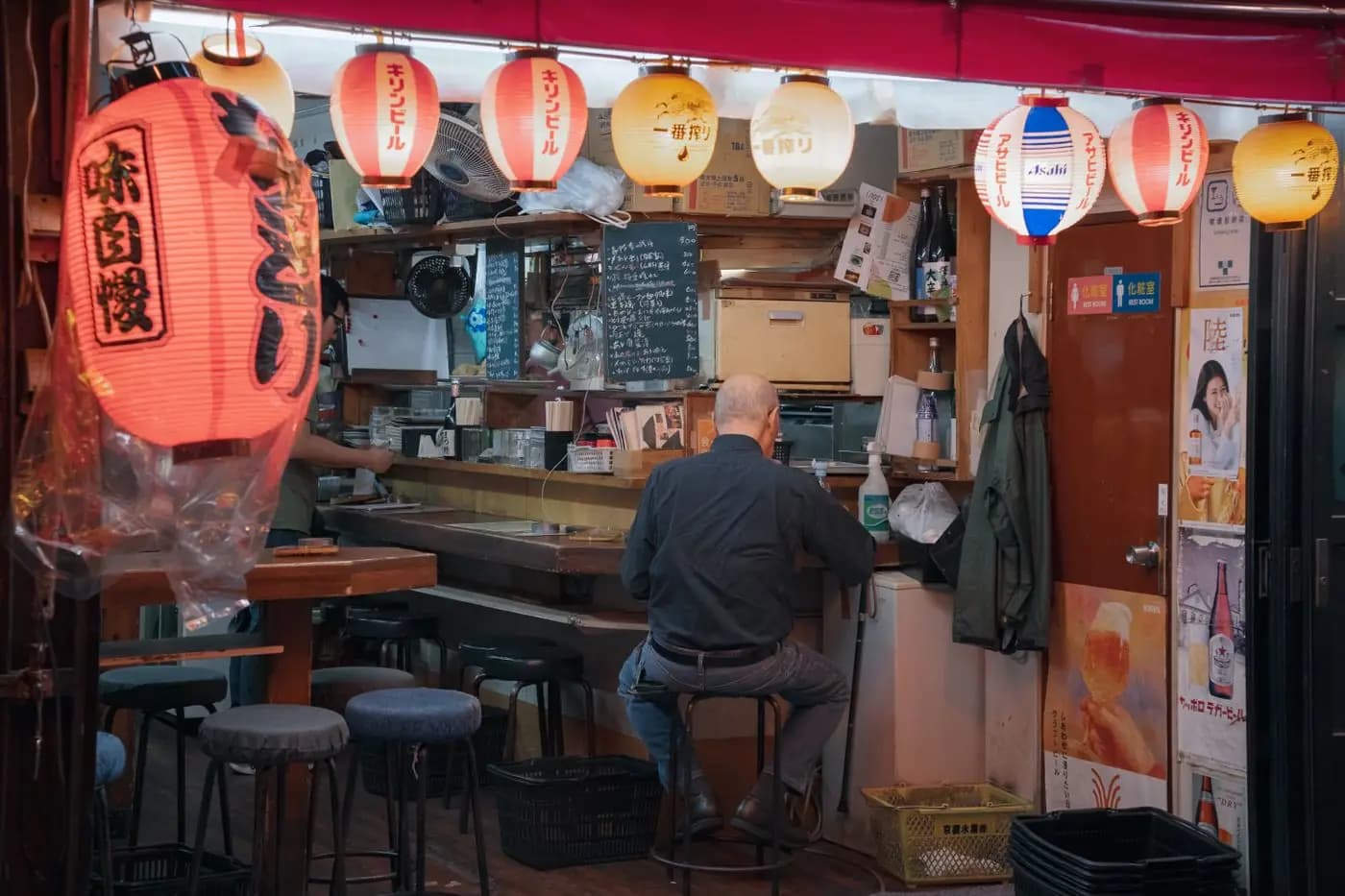
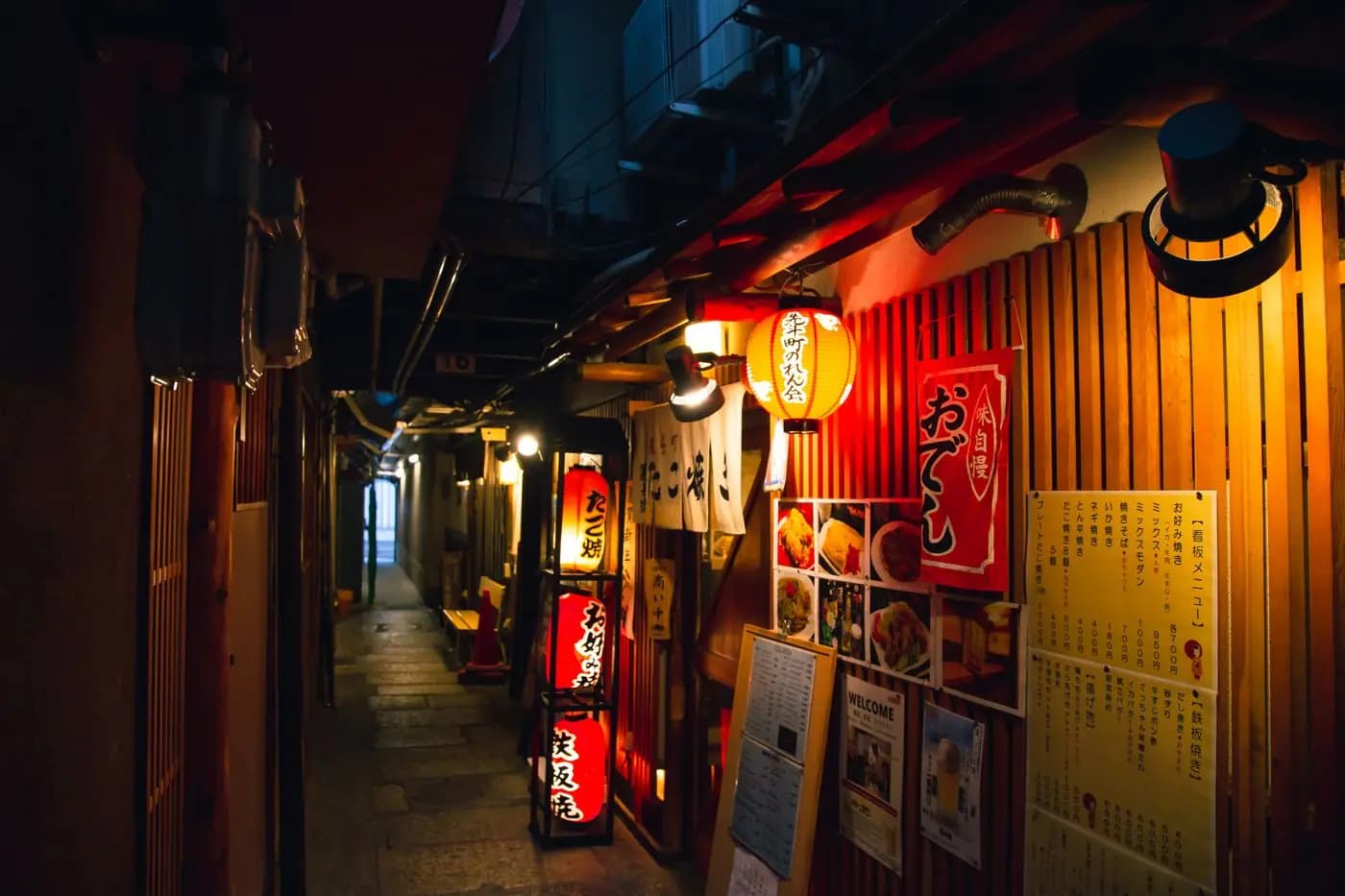
Yokocho, those narrow alleys lined with tiny counters, grew out of post-war black markets around the stations. They remain the best place to have a drink elbow to elbow with Tokyoites.
- Omoide Yokocho (west Shinjuku): around sixty stalls of yakitori and grilled offal along the tracks, smoke and red lanterns included. Sit at the counter, order a few skewers (¥150 to ¥300 each) and a beer. Many charge a small table fee or a compulsory starter (otoshi).
- Golden Gai (east Shinjuku): around 200 bars of 5 to 10 seats in six alleys. Each bar has its theme, its owner, its crowd. Many charge a ¥500 to ¥1,500 cover per person, posted at the door. Some are for regulars only; do not insist. No photos inside without asking.
- Yurakucho: under the brick arches of the JR line between Yurakucho and Shinbashi, office workers' izakaya, tables on the pavement, trains rumbling overhead. Easier to get into than Omoide Yokocho, with more seats.
- Nonbei Yokocho (Shibuya): around forty small bars along the tracks, two minutes from the crossing.
- Ebisu Yokocho: a covered arcade of shared stalls, lively and loud, good for a first night.
A few customs: pay cash in most of these places, do not hold a four-seat spot over a single beer while a queue waits outside, and avoid turning up six or more. The best hours: 6 to 8pm for Yurakucho, after 9pm for Golden Gai.
Free night views and evening walks
You do not need to climb 200 metres to see Tokyo at night. A few free walks we often recommend:
- Tokyo Tower from Zojo-ji temple and Shiba Park: the 333-metre orange tower behind the temple roofs and rows of Jizo statues. It is also very well seen from the terrace at Roppongi Hills, at the foot of Mori Tower.
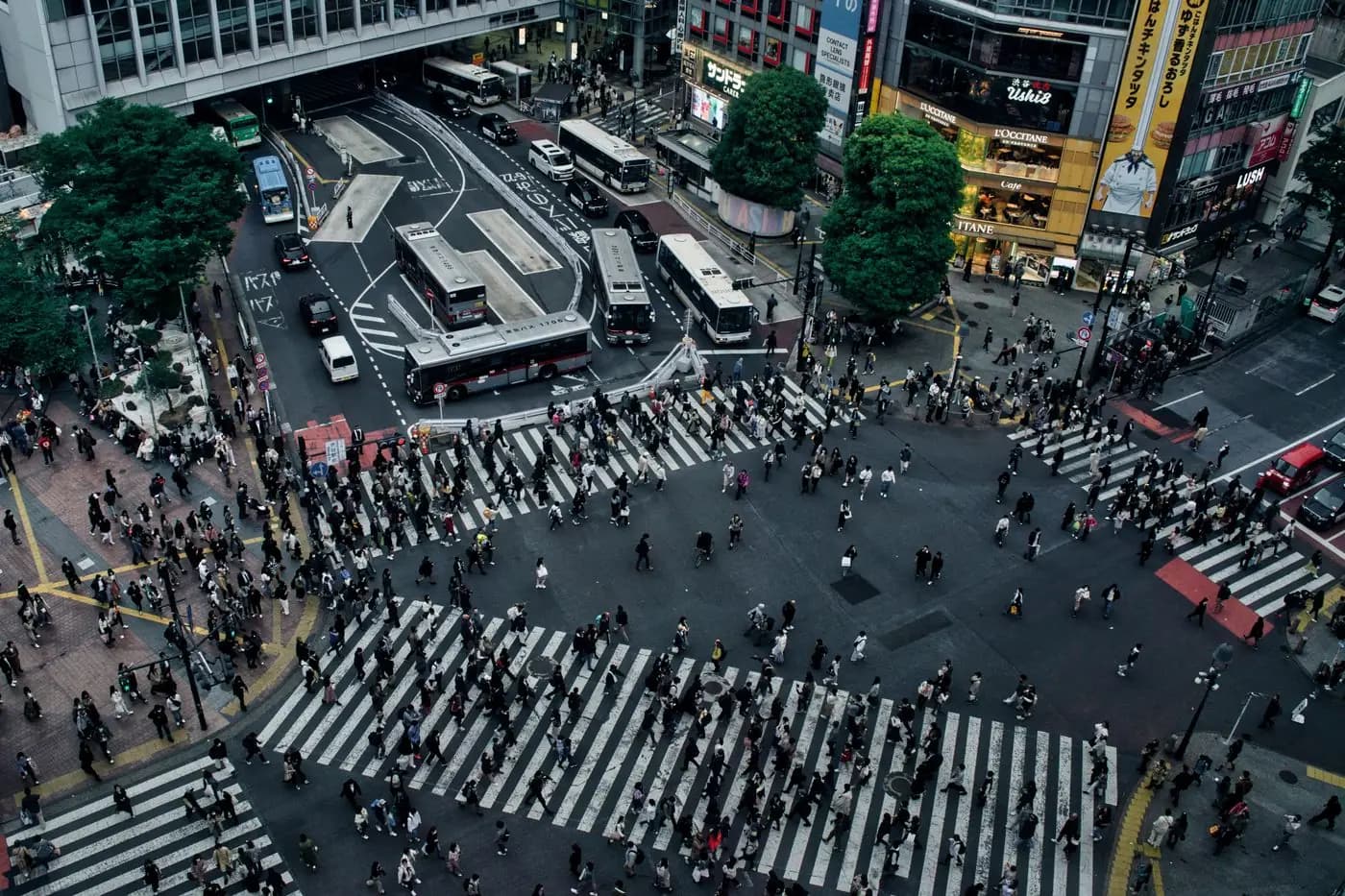
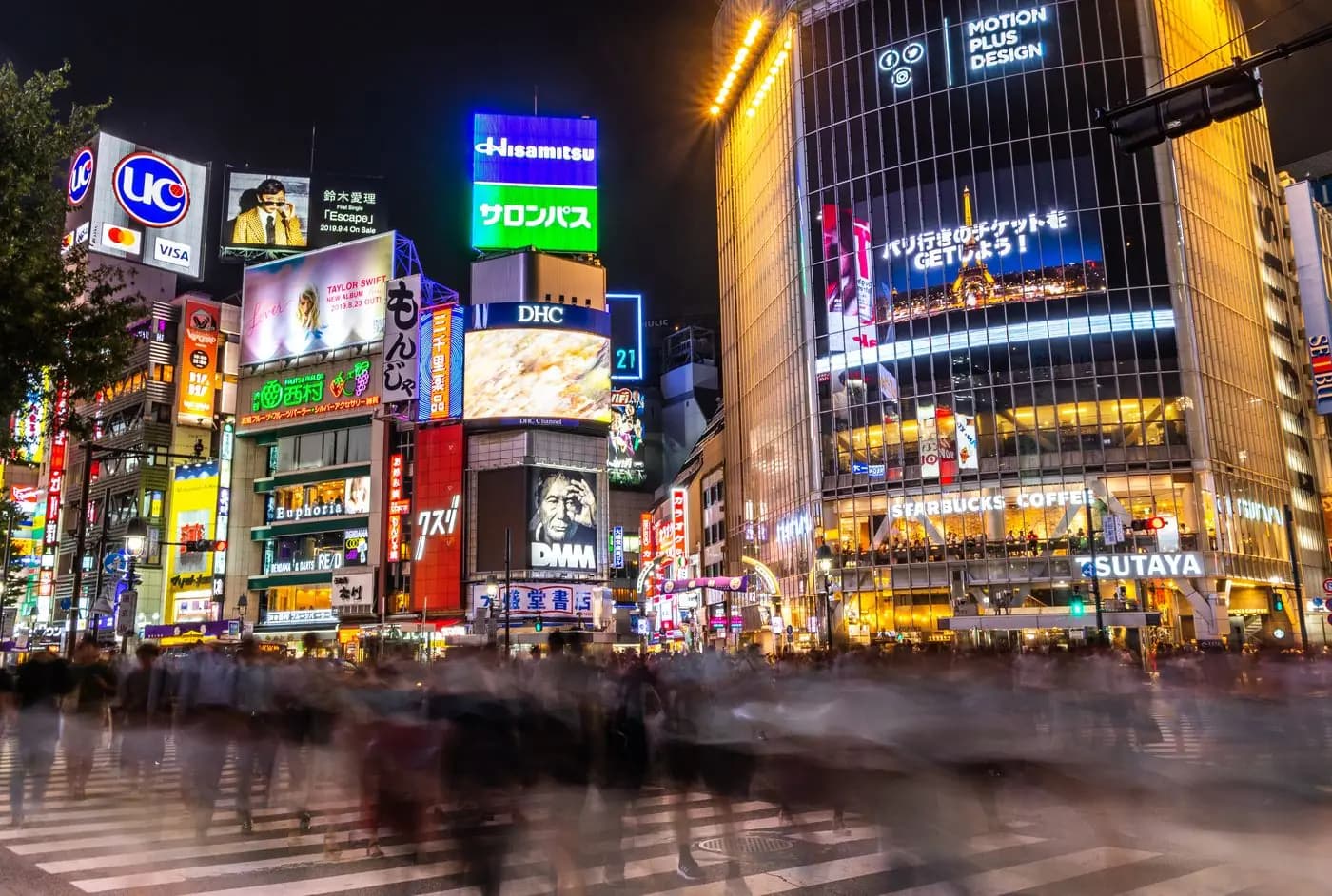
- The Shibuya crossing at 9pm: thousands of people cross every two minutes under the giant screens. Watch from the station walkway, then cross.
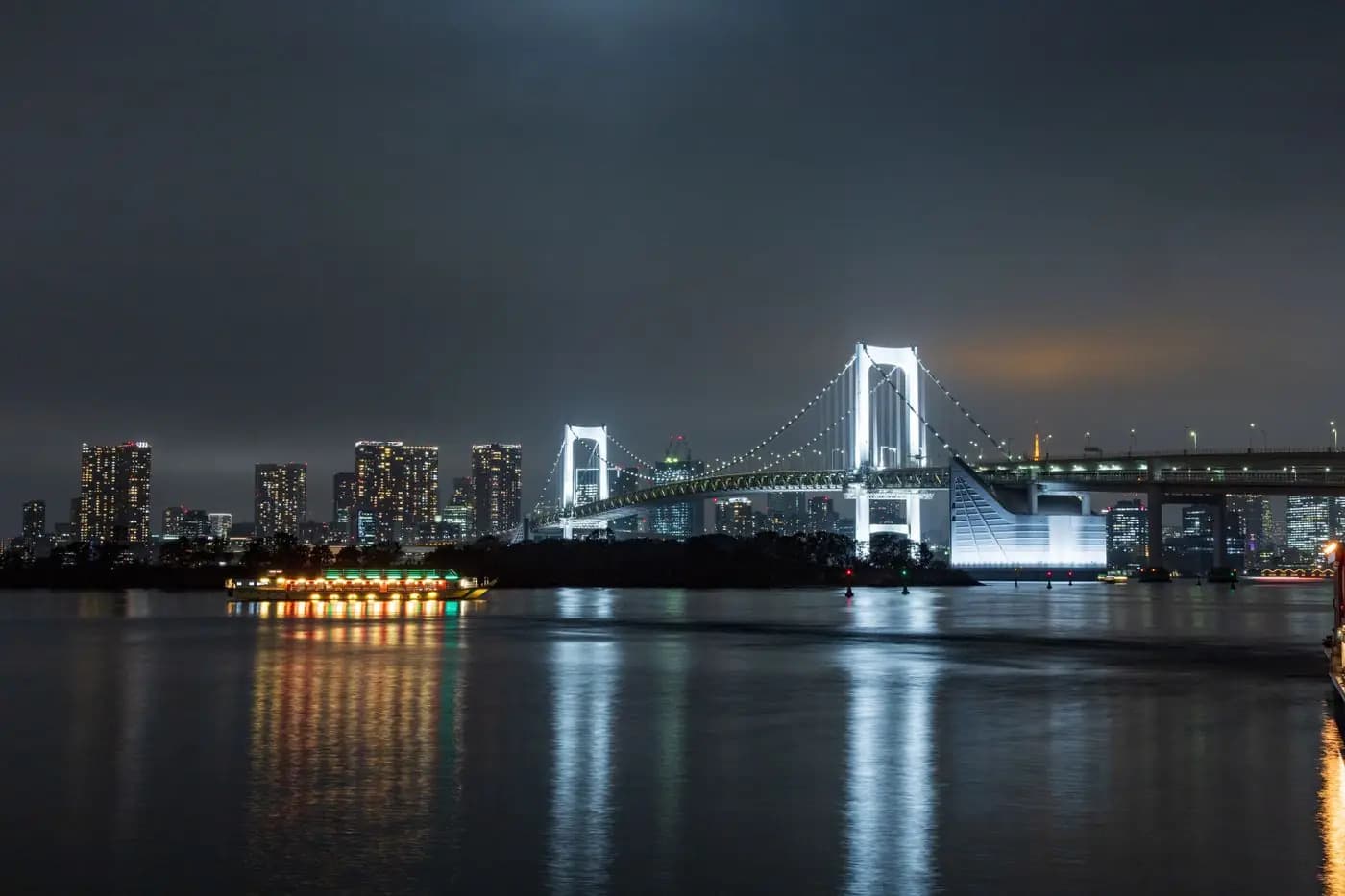
- Rainbow Bridge and Odaiba: you can walk across the bridge (pedestrian promenade, closed late in the evening) or watch the illuminated bay from Odaiba beach.
- Tokyo Station: the 1914 brick façade, lit up in the evening, is best seen from the Marunouchi plaza or from the free 6th-floor rooftop garden of the KITTE shopping centre.
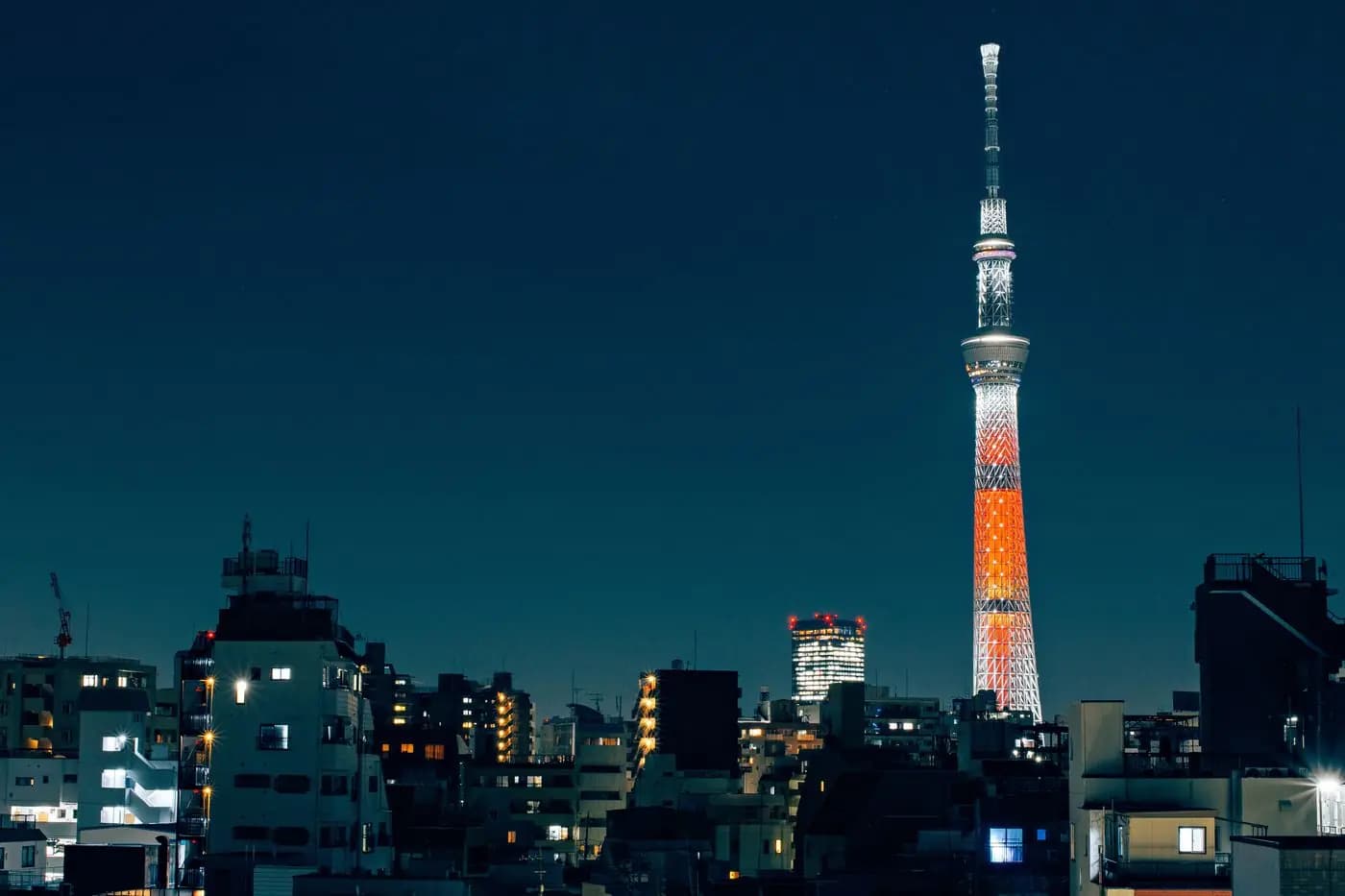
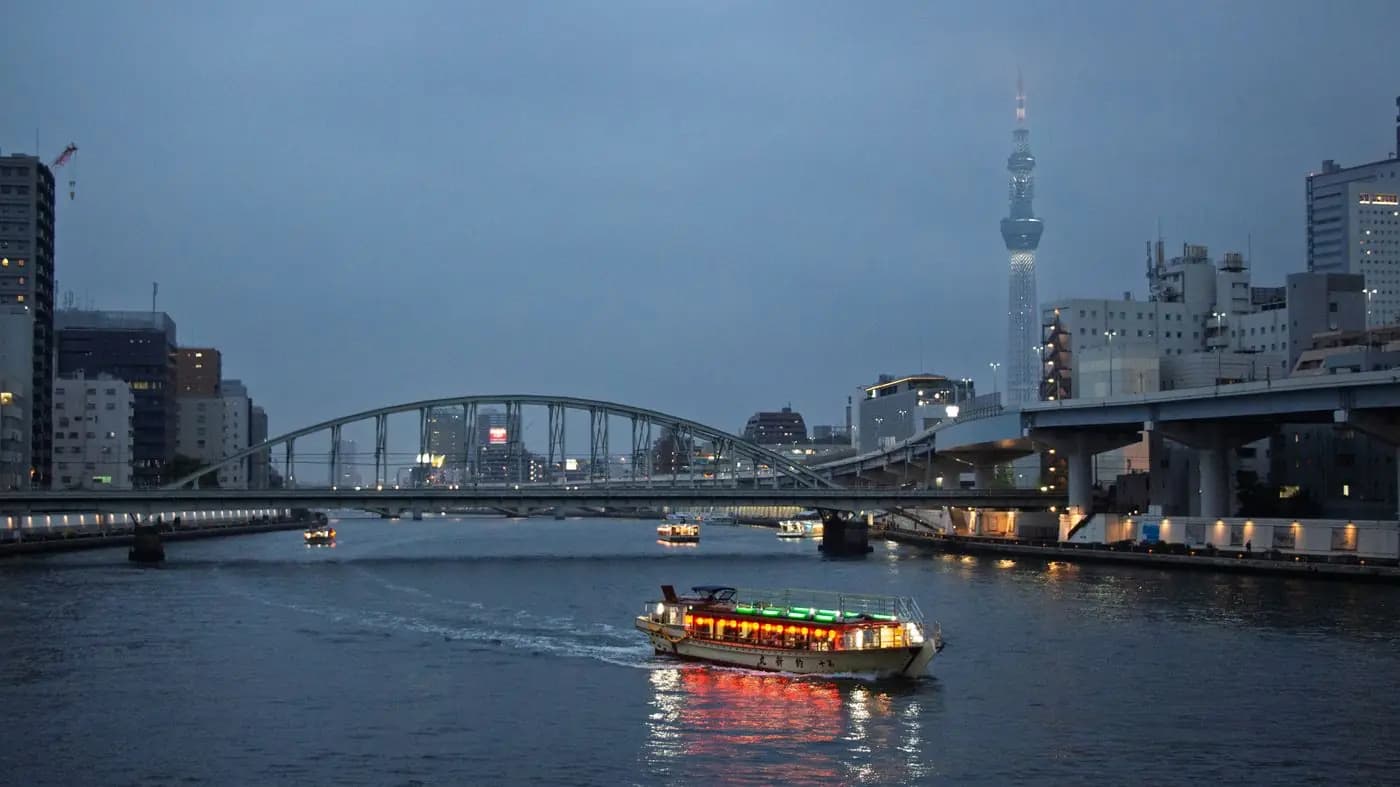
- The Sumida River: bridges lit in different colours, the Skytree as a backdrop, explored by water bus or on foot along the banks between Asakusa and Ryogoku.
- Senso-ji after 7pm: Asakusa's gates and pagoda are illuminated and the grounds are almost empty.
In winter, from mid-November to late December, illuminations transform several districts: Keyakizaka avenue in Roppongi, Marunouchi Naka-dori, Omotesando, Ebisu Garden Place. Visit on weekdays, before 7pm or after 9pm, to avoid the weekend crowds.
In summer, the Sumida River fireworks (late July) draw close to a million people: a fine show, but difficult logistics.
Karaoke, jazz bars and other very Tokyo evenings
Karaoke in Japan happens in private rooms, with friends or colleagues, not on a stage in front of strangers. The big chains (Big Echo, Karaoke-kan, Joysound, Karaoke no Tetsujin) have rooms for 2 to 30 people or more, often open until 5am.
How it works:
- you pay per person per 30 minutes (from a few hundred yen in the afternoon to ¥1,000 or more in the evening and at weekends), usually with one compulsory drink each;
- nomihodai plans (unlimited drinks for 2 or 3 hours) often work out cheaper once you have more than two drinks;
- the tablet lets you search songs by title or artist, with a large English catalogue and some French titles;
- order food and drink by wall phone or tablet, and pay on the way out.
Other evenings that say something about Tokyo:
- jazz and vinyl bars in Shinjuku, Shimokitazawa, Kichijoji or Ginza, often tiny, where you listen more than you talk;
- Ginza cocktail bars, famous for the precision of their bartenders; a ¥1,000 to ¥3,000 cover is common;
- sake bars (nihonshu) where you taste small pours from several breweries;
- live houses in Shimokitazawa and Koenji for the independent music scene;
- urban sento and onsen, open late, to end the evening in the bath.
For theatre lovers, Ginza's Kabuki-za sells single-act tickets (hitomakumi) on the day, a way to discover kabuki in an hour.
Last trains, taxis and getting back to the hotel
Tokyo's subway does not run all night. That is the first constraint of any evening.
Last trains leave between midnight and 12:30am on most subway and JR lines, a little later on some sections of the Yamanote line. Route apps (Google Maps, Navitime, Jorudan) show the last possible train from where you are: checking before 11pm avoids nasty surprises. First trains start again around 5am. Midnight trains, especially on Fridays, are packed.
Taxis are plentiful, clean and safe. The meter starts at around ¥500, and a 20% surcharge applies from 10pm to 5am. A night ride from Shinjuku to Ginza usually costs ¥4,000 to ¥6,000. Good to know:
- the rear door opens and closes by itself;
- show the hotel address in Japanese, or enter it in the app;
- the GO and Uber apps let you book and pay by card, useful after midnight when queues form outside stations;
- bank cards and IC cards are accepted in almost all taxis.
If you miss the last train: a taxi, a manga café or karaoke open until 5am, or wait for the first train. In a group, a taxi is usually the simplest answer.
For a stay with several evenings out, pick a hotel close to where you will go out: Shinjuku, Shibuya or Ginza. Walking home in 10 minutes changes the evening.
Safety and evening rules in Tokyo
Tokyo is one of the safest big cities in the world, including late at night. In most districts you can walk alone at 1am without worry. The rare problems almost always come from the same situations.
Touts. In Kabukicho (Shinjuku) and Roppongi, touts, sometimes English-speaking and very friendly, offer a bar with a happy hour or a club. Venues that recruit this way regularly run up bills of several hundred thousand yen, sometimes with spiked drinks: foreign embassies in Japan regularly issue warnings. The rule: never follow someone who approaches you in the street, pick your own bar and ask for prices before ordering.
Street rules:
- around Shibuya Station, drinking in the street is banned from 6pm to 5am all year since October 2024, with stricter measures around Halloween and New Year;
- smoke only in designated smoking areas: smoking in the street is banned across much of the centre, with fines in some wards;
- restaurants are non-smoking, except some small bars that display a permit;
- tourists must carry their passport; police checks are possible.
Common sense: the legal drinking age in Japan is 20; keep an eye on your glass in clubs; note your hotel address in Japanese. If anything goes wrong, neighbourhood police boxes (koban) are everywhere, and the police emergency number is 110.
Women travelling alone rarely report problems; suburban trains have women-only cars at rush hour, less relevant in the evening.
Corporate evenings in Tokyo: ideas for groups
The yokocho and Golden Gai do not suit 40 people. But Tokyo has evening formats that work very well for groups of 10 to more than 200.
- Yakatabune: a traditional wooden boat with a tatami room, a dinner of tempura and sashimi for 2 h 30 min on Tokyo Bay and the Sumida River, passing under the illuminated Rainbow Bridge. Boats take from 20 to more than 100 people and can be chartered. Book 2 to 3 months ahead for autumn and year-end dates.
- A private izakaya: a whole venue, or one floor, reserved for the group, with an unlimited-drinks plan and an 8 to 10-dish sharing menu. The most Japanese format, and the most relaxed.
- A guided yokocho crawl: 6 to 8 people per guide, through the alleys of Yurakucho, Shinbashi or Ebisu, with venues warned in advance. A group of 30 is split into four or five teams that meet up afterwards for a last drink.
- Karaoke in a party room: the big chains have rooms for 30 to 50 people, with a stage and buffet. A safe bet for a sales team at the end of a seminar.
- A private rooftop or observation deck: some observation decks and hotel rooftops can be hired outside opening hours for cocktails with a view. Limited availability and high budgets: plan well ahead.
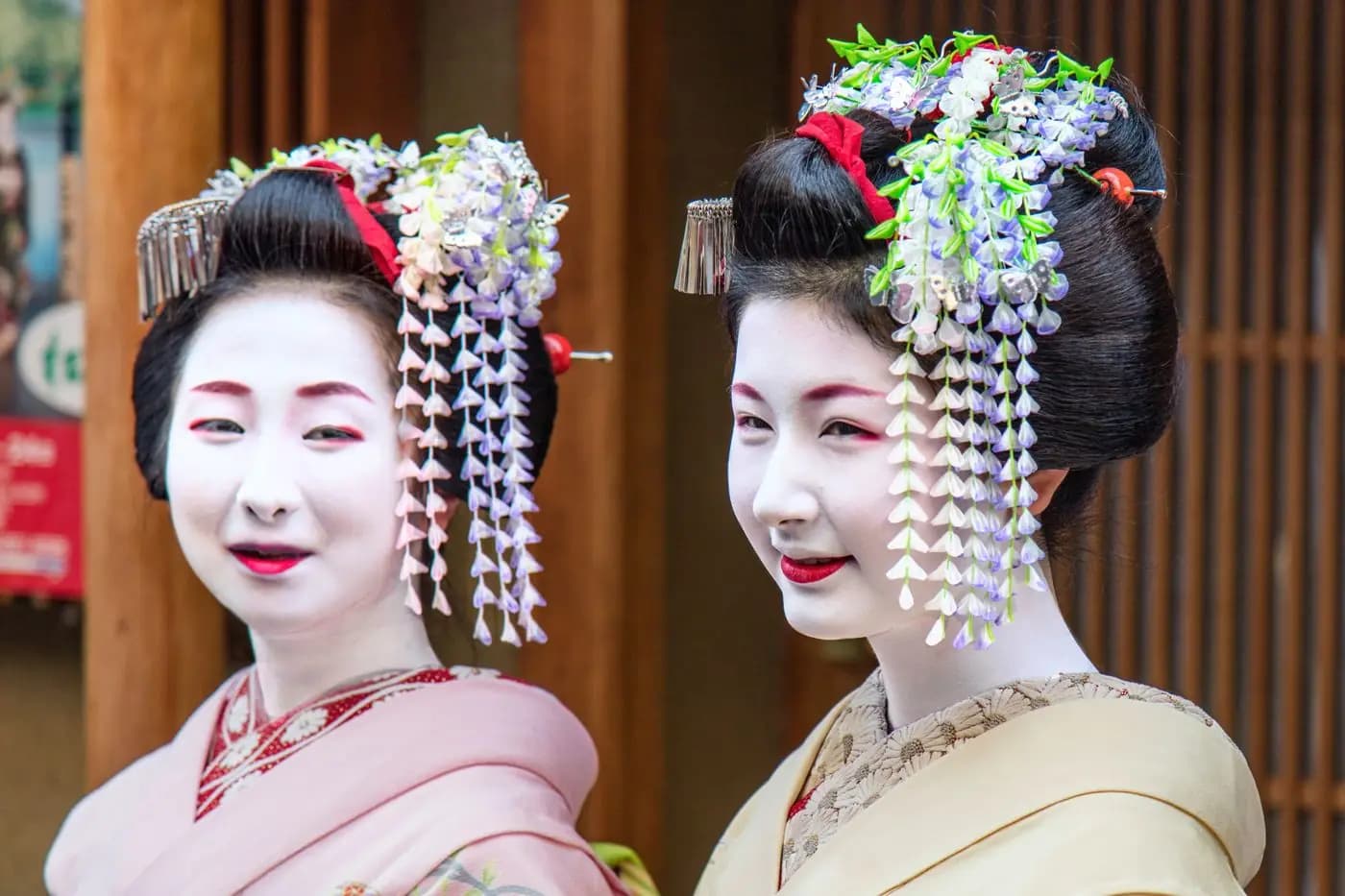
- Dinner with a show: a taiko demonstration, a geisha performance in a restaurant in an old district, or a Japanese cocktail workshop with a Ginza bartender.
What matters in practice: a return transport plan (coach or booked taxis) so you do not depend on the last train, a venue with a good non-alcoholic option, and a briefing on street rules, Shibuya first. SHINOGI DMC organises these evenings for seminars and incentive trips in Tokyo, from a chartered yakatabune to bar crawls in small groups.
Frequently asked questions
What is the best observation deck in Tokyo at night?
Shibuya Sky for its open-air rooftop and sunset (from ¥2,700 online), Tokyo City View for the view of Tokyo Tower (¥2,200 online), and the Tocho in Shinjuku for a free view until 10pm.
What time is the last train in Tokyo?
Between midnight and 12:30am on most subway and JR lines, a little later on some sections of the Yamanote line. First trains start around 5am. Route apps show the last train from where you are.
How much does a drink cost in Golden Gai?
A drink often costs ¥700 to ¥1,200, plus, in many bars, a ¥500 to ¥1,500 cover per person, posted at the door. Payment is usually cash.
Is Tokyo safe at night?
Yes, very. The main risk is touts in Kabukicho and Roppongi who steer people to bars with inflated bills: never follow someone who approaches you in the street, and ask for prices before ordering.
Can you drink alcohol in the street in Tokyo?
It is not banned everywhere, but around Shibuya Station it has been banned from 6pm to 5am all year since October 2024. Elsewhere it is frowned upon in residential areas and on public transport.
What evening should you organise in Tokyo for a corporate group?
The formats that work best: dinner on a chartered yakatabune on the bay, a whole izakaya booked with unlimited drinks, karaoke in a party room, or a guided yokocho crawl through Yurakucho in small groups. Arrange return transport in advance.
Rédaction SHINOGI DMC · Updated
Sources
- Tokyo Skytree — Billets et tarifs (site officiel)
- Roppongi Hills — Tokyo City View, horaires et tarifs
- SHIBUYA SKY — Site officiel
- Tokyo Metropolitan Government — Observatoires du bâtiment du gouvernement métropolitain
- Nippon.com — Shibuya interdit de boire dans la rue la nuit toute l'année
- GO TOKYO (office du tourisme de Tokyo) — Se déplacer à Tokyo
- JNTO — Safety tips (sécurité et numéros d'urgence)
- Kanpai — Visites au Japon (inspiration)