Japanese whisky: a hundred-year history and two rival houses
Japanese whisky has a precise birth date: in 1923, Shinjiro Torii, founder of Suntory, began building the Yamazaki distillery between Kyoto and Osaka. He put Masataka Taketsuru in charge of production; Taketsuru had studied chemistry and worked in distilleries in Scotland. The two men parted ways a few years later: Taketsuru founded his own company, the future Nikka, and in 1934 opened the Yoichi distillery in Hokkaido, whose cold, damp climate reminded him of the Highlands.
That rivalry still shapes the landscape. Suntory owns Yamazaki and Hakushu (1973, in the forests of Mount Kaikoma, Yamanashi); Nikka owns Yoichi and Miyagikyo (1969, near Sendai). Since 2010, dozens of small distilleries have joined them, the best known being Chichibu (Venture Whisky, producing since 2008), whose Ichiro's Malt bottlings fetch high prices at auction.
What makes Japanese whisky distinctive is less a recipe than a method:
- a wide range of stills and casks within a single distillery, because companies rarely trade stock with each other and must produce every style their blends require themselves;
- the use of Japanese mizunara oak, rare and expensive, which brings notes of incense and sandalwood;
- a culture of blending (Hibiki at Suntory, Taketsuru Pure Malt at Nikka) and the popularity of the highball, whisky topped with soda water, served in every izakaya.
Worth knowing before you buy: since the shortage of the 2010s, age-statement single malts remain scarce and expensive. No-age-statement versions and blends are easy to find.
Yamazaki Distillery: lottery, prices and what the tour involves
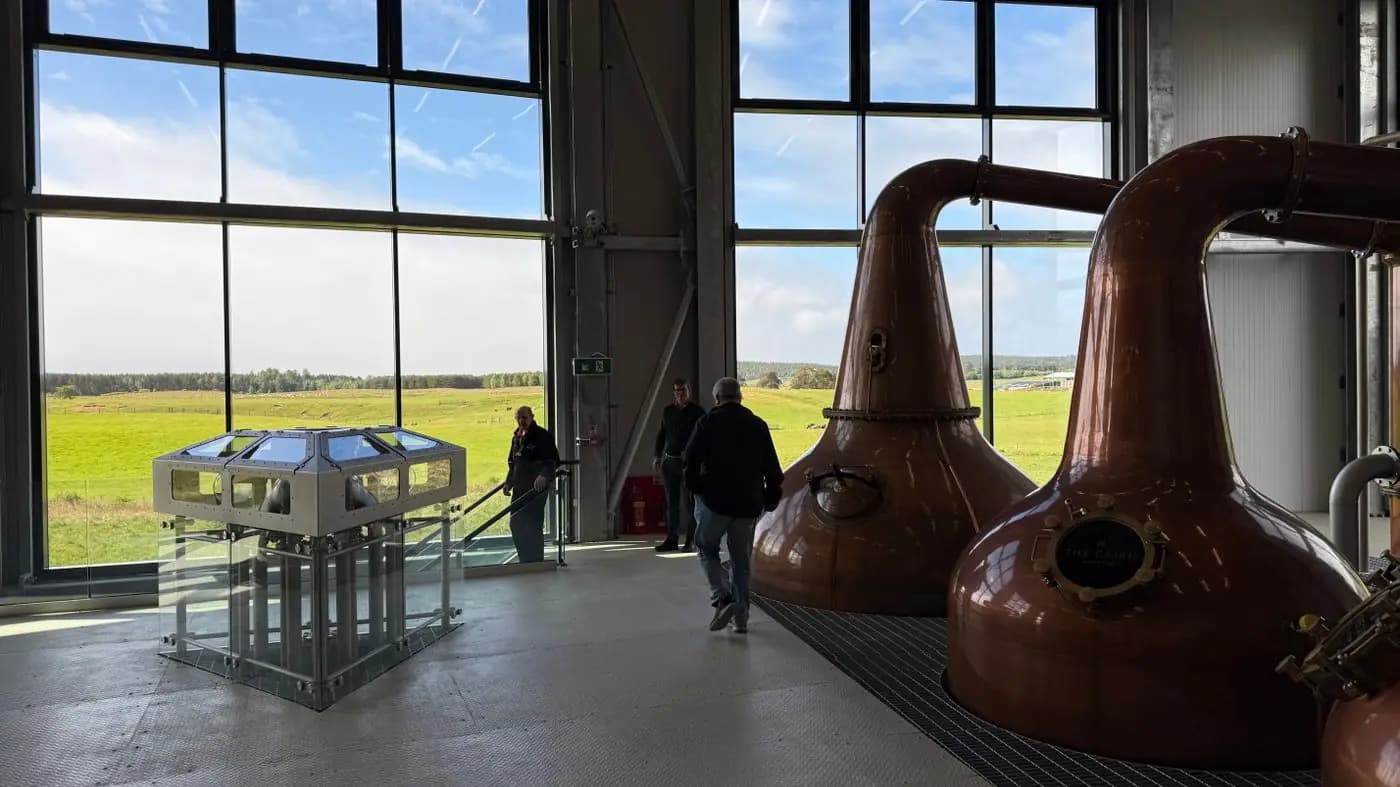
Reopened in late 2023 after work linked to its centenary, the Yamazaki distillery (Shimamoto, Osaka Prefecture) has become the hardest distillery in Japan to visit. It is a 10-minute walk from JR Yamazaki Station, itself 15 minutes from Kyoto and 25 minutes from Osaka.
Tours on offer:
- Monozukuri Tour: about 80 minutes, ¥3,000, through the mashing, fermentation and distillation rooms and the warehouse, followed by a comparative tasting;
- Monozukuri Tour Prestige: ¥10,000, longer, with older whiskies in the tasting.
How to book: only on Suntory's website, by lottery. Applications open about two months before the month of the visit, for a window of just a few days, and results come shortly afterwards. Remaining or cancelled places are sometimes released online later. Tours are for people aged 20 and over, and English-language slots exist.
Without a tour, there is the small museum, the shop and the paid tasting counter (priced by the glass), but in 2026 even museum entry requires a reservation: you can no longer just drop by. There is no visitor parking.
Our advice: apply for several dates, have a plan B in Kyoto or Osaka, and never build a group program around Yamazaki without written confirmation.
Hakushu, Yoichi, Miyagikyo: the other distilleries to visit
Hakushu (Suntory, Yamanashi). A "forest distillery" 700 meters above sea level, known for fresh, lightly peated single malts. Same rules as Yamazaki: a standard tour of about 90 minutes for ¥3,000, an extended one for ¥10,000, by lottery about two months ahead. Access: Azusa limited express from Shinjuku to Kobuchizawa (about 2 hours), then the distillery's free shuttle. There is a car park, which makes coach access easier.
Yoichi (Nikka, Hokkaido). A 3-minute walk from JR Yoichi Station, about an hour from Sapporo via Otaru. Its stone buildings with red roofs and its coal-fired stills, a method that has become very rare, make it the most photogenic visit. The guided tour is free, lasts about 70 minutes (50 minutes of walking, 20 minutes of tasting) and is booked online up to four weeks ahead, with several departures a day between 9:30am and 2:30pm. You can also walk around the site freely and visit the museum and Taketsuru's house. Closed at year-end.
Miyagikyo (Nikka, Miyagi). At the confluence of two rivers, 40 minutes by train from Sendai (JR Senzan Line). Free guided tour by reservation; groups of 10 or more must book by the day before at the latest. A softer, fruitier profile, steam-heated stills and a Coffey still for grain whisky.
Chichibu (Saitama). Venture Whisky's distillery does not accept individual visitors. You taste its whiskies in Tokyo's specialist bars.
Elsewhere: Kirin Fuji Gotemba (Shizuoka), Mars Shinshu (Nagano), Akashi (Hyogo) and Nagahama (Shiga) offer tours, often easier to secure. Always check the conditions on the producer's website.
"Japanese whisky" labels: what does the 2021/2024 JSLMA standard say?
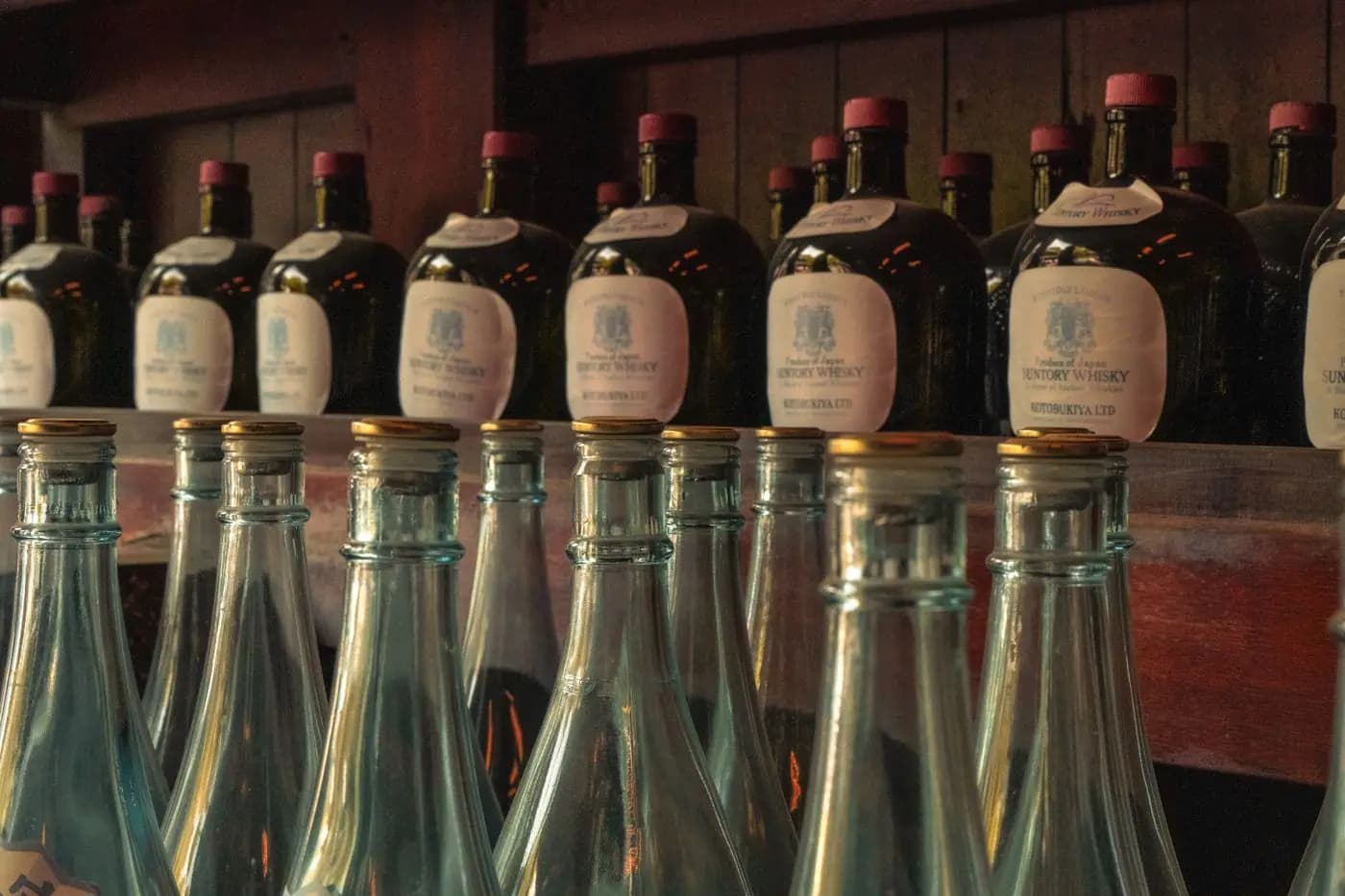
For a long time, Japan's liquor law was very permissive: a product sold as "whisky" in Japan can contain a large share of neutral spirit, and nothing prevented a company from bottling whisky imported from Scotland or Canada in Japan under a kanji label. To bring order, the Japan Spirits & Liqueurs Makers Association (JSLMA) adopted a voluntary standard in February 2021, which took effect in April 2021 with a transition period until March 31, 2024.
To carry the words "Japanese whisky" (ジャパニーズウイスキー), a whisky must meet the following:
- raw materials: malted grain is mandatory, other grains are allowed, and water must be drawn in Japan;
- production in Japan: saccharification, fermentation and distillation in a Japanese distillery, distilled to less than 95% ABV;
- aging in wooden casks of 700 liters or less, for at least 3 years in Japan;
- bottling in Japan, at 40% ABV or more; caramel coloring is allowed.
Products that do not meet these criteria must not use place names, personal names or symbols that suggest Japanese whisky. The standard applies to association members; it is not a law. In practice, the major houses follow it, and many "world blends" now state the origin of their whiskies clearly.
Buying tip: read the back label. Wording such as "blended whisky" without "Japanese" on a bottle with a very Japanese name is not a flaw in itself, but it often signals a blend that includes imported whiskies.
Tasting Japanese whisky: bars, highballs and useful vocabulary
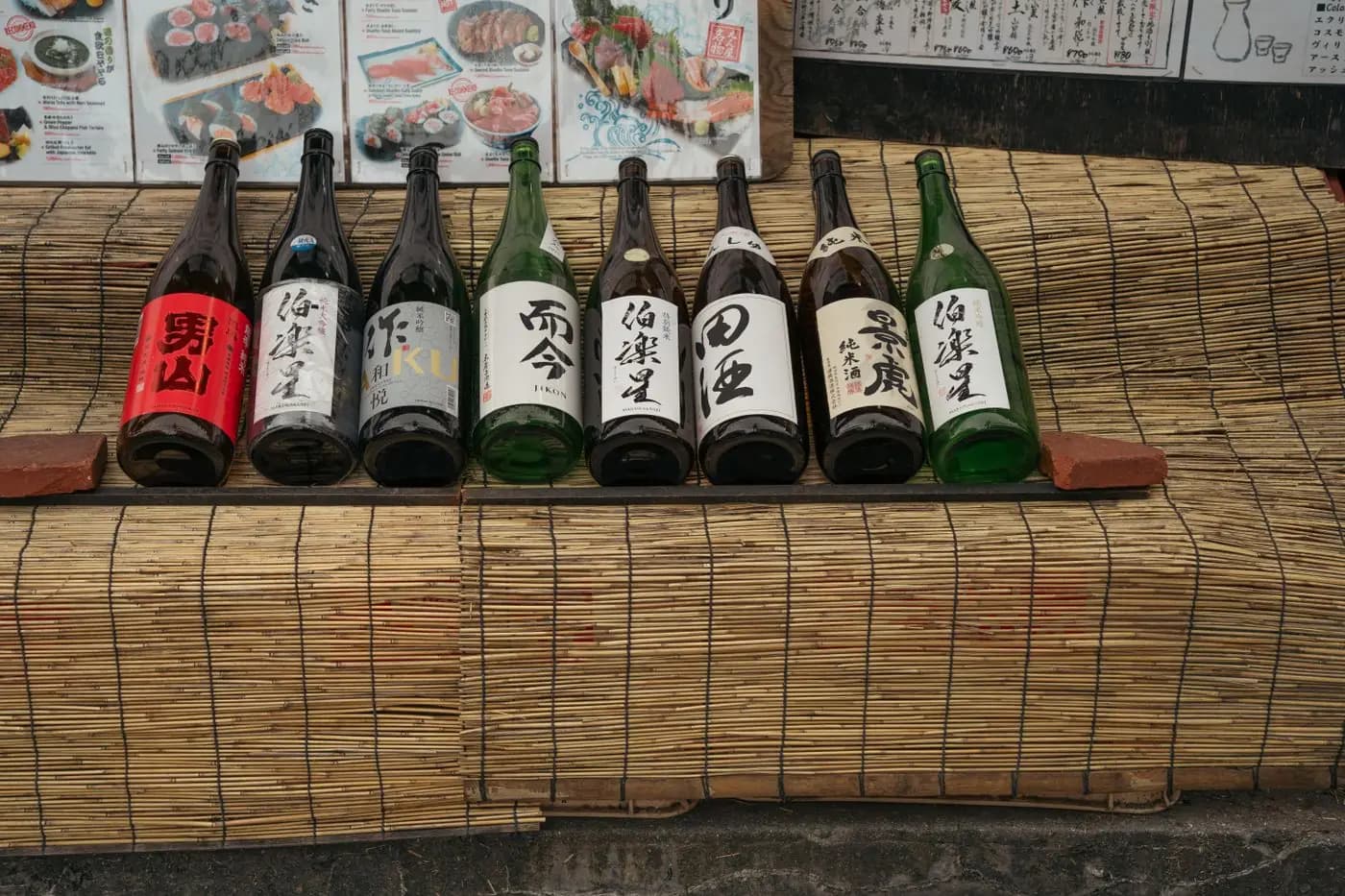
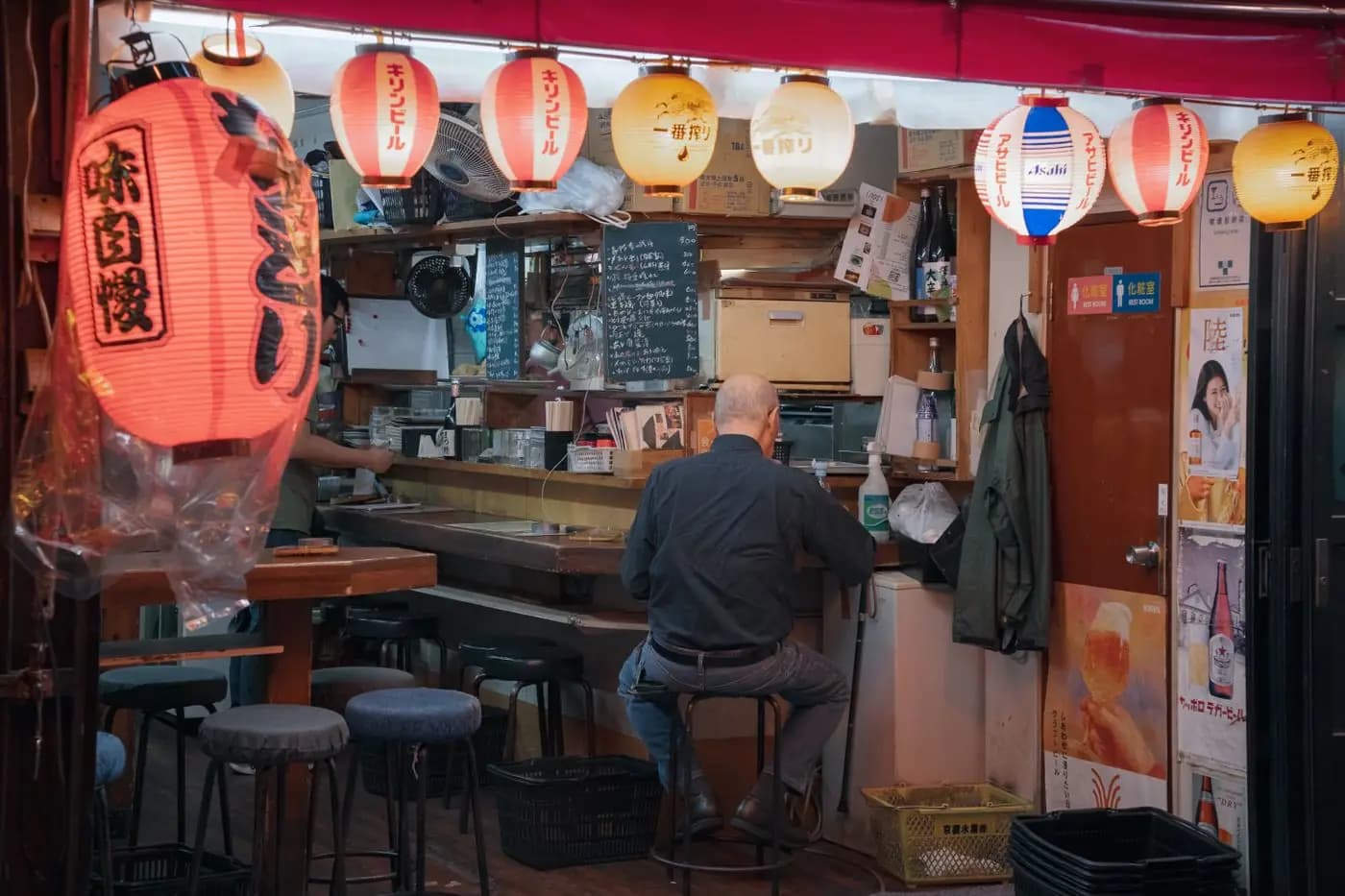
You do not need to visit a distillery to taste Japanese whisky properly. The big cities have hundreds of specialist bars, often tiny (8 to 12 seats at the counter), where the bartender pours 30 ml measures. Expect ¥1,000 to ¥3,000 a glass for a standard single malt, much more for old releases; a table charge of ¥500 to ¥1,500 per person is common.
A few ways of drinking it you will come across:
- straight (ストレート): neat, with a glass of water on the side (chaser);
- mizuwari (水割り): with cold water, very common with dinner;
- on the rock (ロック): over a single large hand-cut ice cube;
- highball (ハイボール): with very cold soda water, the most widely drunk format in Japan, served for ¥400 to ¥800 in izakaya.
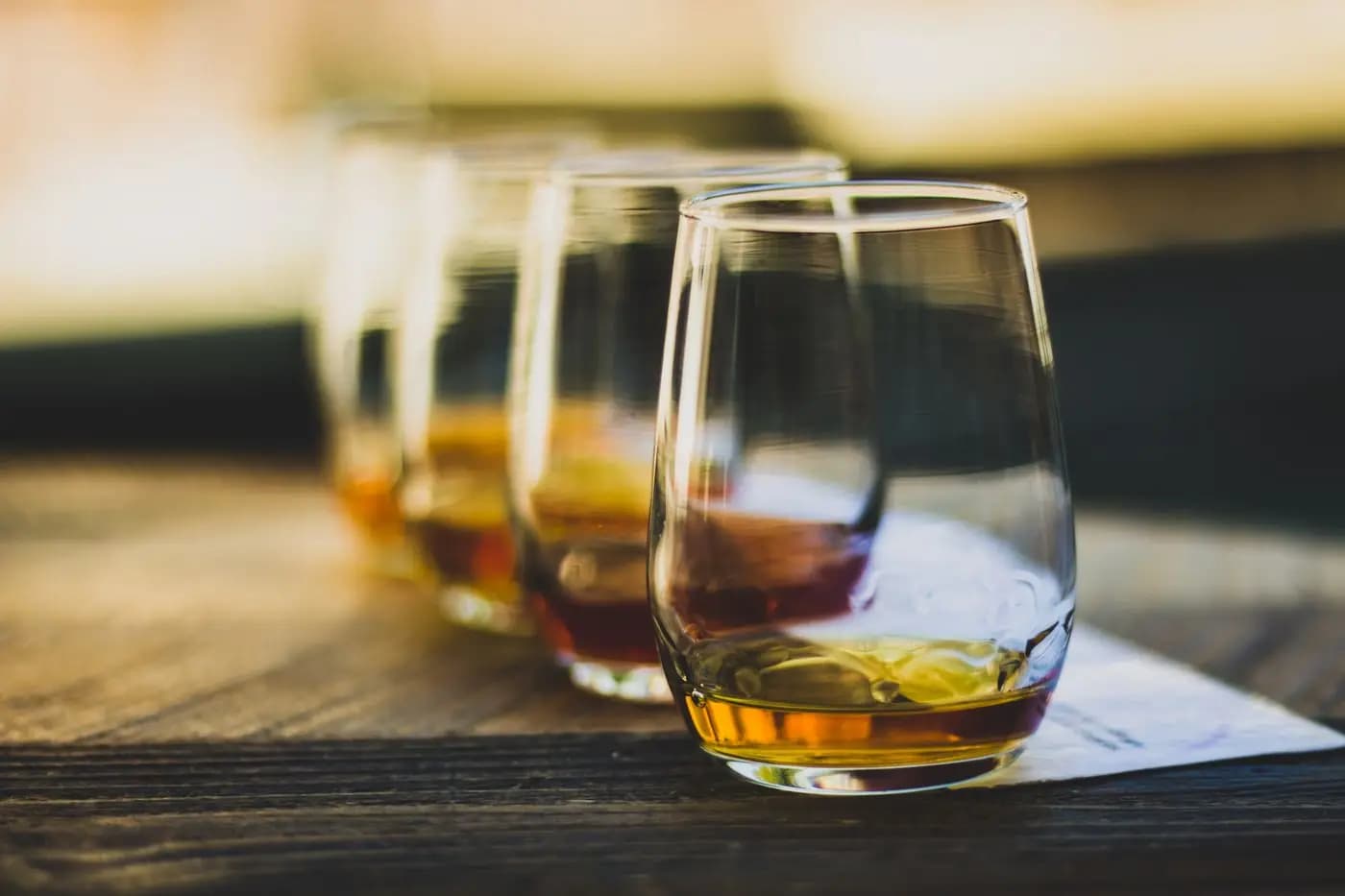
For a comparative tasting, the ideal is three pours of 15 to 20 ml: a Yamazaki or Hakushu, a Yoichi or Miyagikyo, and a whisky from a small distillery (Chichibu, Akashi, Mars). The differences in style become obvious.
When shopping, distillery shops often limit special editions to one bottle per person. Department stores and liquor chains in Tokyo and Osaka offer a wider choice; sought-after editions sell out fast and resell above retail price. When traveling, remember the duty-free allowances of your home country.
When to visit a distillery and how much time to allow
Distilleries run all year, but a few periods deserve attention:
- summer: some distilleries reduce or stop distilling for a few weeks of maintenance (often in July and August). Tours still run, but the stills are sometimes cold;
- Golden Week (late April to early May), Obon (mid-August) and year-end: peak demand, with possible closures from about December 25 to January 7 at Nikka;
- autumn: the best season for Hakushu (colored forests) and Yoichi (the valley's apples and grapes).
In terms of time, allow half a day for Yamazaki from Kyoto or Osaka, a full day for Hakushu from Tokyo, and a day for Yoichi from Sapporo, combined with Otaru. Miyagikyo pairs well with Sendai and Matsushima.
Two common-sense rules: nobody drives after a tasting (zero tolerance in Japan, and the passenger of a drunk driver is also penalized), and avoid strong perfume during the tour, out of respect for other participants nosing the samples.
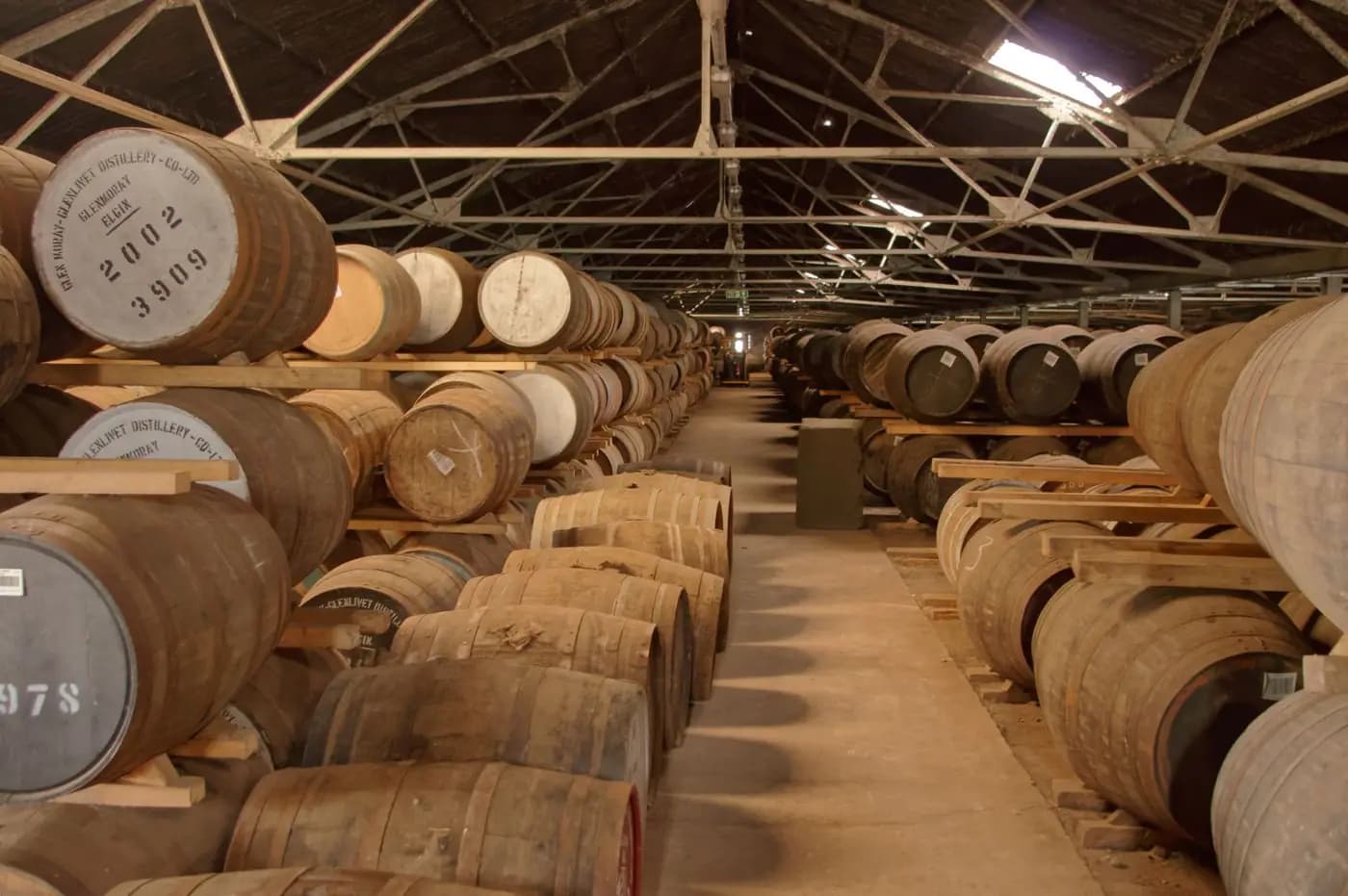
Distillery visits and Japanese whisky tastings for a group
For a corporate group, Japanese whisky is an excellent subject: it speaks of craftsmanship, patience and competition. But logistics impose a few realities.
- Suntory (Yamazaki, Hakushu): lotteries are registered by name and limited to a few people per application. A group of 30 cannot rely on them. Specific requests from agencies are considered case by case, with no guarantee.
- Nikka (Yoichi, Miyagikyo): more accessible. Groups book ahead (by the day before at the latest at Miyagikyo for 10 or more), and the group is often split across several departures.
- Craft distilleries: some accept groups of 15 to 20 on weekdays, on request, sometimes with a meeting with the master distiller.
The safest option for 20 to 40 people remains a private tasting in a hotel salon or a privatized bar in Tokyo, Kyoto or Osaka: 5 to 6 whiskies presented by a specialist, paired with a few bites, with interpretation, lasting 1.5 to 2 hours. It requires no lottery and combines well with a dinner. For an incentive program, you can then offer each participant a bottle from a small distillery, to travel in checked luggage.
SHINOGI DMC organizes these tastings and tracks distillery booking openings for small groups of executives.
Frequently asked questions
How do you book a Yamazaki Distillery tour?
Only on Suntory's official website, by lottery. Applications open for a few days about two months before the month of the visit. The standard tour costs ¥3,000 (about 80 minutes), the Prestige tour ¥10,000, for ages 20 and up.
Is the Nikka Yoichi distillery tour free?
Yes. The guided tour of about 70 minutes, tasting included, is free with an online reservation, up to four weeks ahead. The grounds, museum and shop are open freely.
Can you visit the Chichibu distillery?
No, Venture Whisky's distillery (Ichiro's Malt) is not open to the public. You can taste its whiskies in specialist bars, especially in Tokyo.
What counts as "Japanese whisky" under the 2021 standard?
A whisky made from malted grain and Japanese water, saccharified, fermented and distilled in Japan, aged at least 3 years in Japan in casks of 700 liters or less, and bottled in Japan at 40% ABV or more. The standard took full effect on April 1, 2024.
Which whisky distillery can you visit from Tokyo?
Hakushu (Suntory), about 2 hours by limited express to Kobuchizawa then a shuttle, by lottery. Easier to book: Kirin Fuji Gotemba (Shizuoka) or Mars Shinshu (Nagano). Chichibu, the closest, does not accept visitors.
How do you organize a Japanese whisky tasting for 30 people?
The most reliable option is a private tasting in a hotel salon or privatized bar, led by a specialist with an interpreter: 5 to 6 whiskies over 1.5 to 2 hours. Suntory tours, allocated by named lottery, do not suit a group of this size.
Rédaction SHINOGI DMC · Updated
Sources