What exactly is Kinosaki Onsen?
Kinosaki Onsen is a small hot spring town in the north of Hyogo Prefecture, two or three kilometres from the Sea of Japan. Everything fits into a valley floor: a willow-lined river (the Otani-gawa), stone bridges, a main street of about one kilometre and some 80 ryokan. You do not come here for a big spa complex but for one specific ritual: sotoyu-meguri, the round of the outdoor public baths, in yukata and geta.
Legend dates the spa to 717, when the monk Dochi is said to have made the spring rise after a thousand days of prayer; the town celebrated its 1,300th anniversary in 2020. Another story has a wounded stork healing its leg here, hence the name Kou-no-yu, "the stork's bath". The public baths are run collectively and residents bathe in them as they would at home, which gives Kinosaki the feel of a neighbourhood rather than a resort.
The principle is simple: you have dinner at the ryokan, put on the yukata provided, and go out in the evening to walk from bath to bath. Distances are short, about 10 minutes from one end of the street to the other. The water is the same everywhere, a sodium-calcium chloride spring served at around 42°C, but each building has its own architecture, size and outdoor pool.
How long to stay? A day is enough for two or three baths and a stroll. But Kinosaki makes most sense with one night in a ryokan: the streets fill with yukata after dinner, then empty around 11pm when the baths close. For a group, one night is the right format, two if you add the coast or the Tajima cattle farms to the west.
Kinosaki's seven public baths: which are open in 2026?
The "tour of the seven baths" is the line everyone quotes, but in 2026 you cannot do all of it. Satono-yu, the large modern bath next to the station, is closed: the town is rebuilding it as a facility that will also house the literature museum and the straw-craft workshop, with reopening planned for fiscal 2027 (the schedule may change). Kou-no-yu is closed for works from May 11 to October 30, 2026 (planned date); during that period Mandara-yu also opens on Wednesdays, its usual closing day.
The baths in service, from the station outwards:
- Jizo-yu: 7am-11pm, closed Mondays. A plain, large bath much used by locals.
- Yanagi-yu: 3pm-11pm, closed Thursdays. The smallest, a wooden tub under a willow; you will not linger, but it has real charm.
- Ichi-no-yu: 7am-11pm, closed Wednesdays. Monumental Momoyama-style gate facade and a cave bath cut into the rock.
- Goshono-yu: 7am-11pm, closed Thursdays. The most spacious, with an outdoor pool open to the hillside and a waterfall.
- Mandara-yu: 3pm-11pm, closed Wednesdays (except during the Kou-no-yu works). Curved gable roof and a small wooden outdoor tub.
- Kou-no-yu (once reopened): 7am-11pm, closed Tuesdays. Japanese garden and an outdoor pool at the foot of the mountain.
Prices: ¥800 per adult, ¥400 per child (age 3 to end of primary school) per entry. The Yumepa pass at ¥1,500 (¥750 for children) gives unlimited access to all baths for the day and is sold at any bath's counter: it pays for itself from the second bath. Ryokan guests usually receive a pass for the length of their stay; ask at check-in. Last entry is 30 minutes before closing.
An official website shows real-time crowd levels for each bath. Peaks are 5-6pm, then 8-9:30pm just after ryokan dinners. In the morning, between 7 and 9am, the baths are quiet.
Public bath etiquette in Kinosaki (and tattoos)
The rules are those of any onsen: wash thoroughly, seated at the showers, before getting into the water; no towels or long hair in the pool; no swimming and no photos. Baths are separated by sex, and in some places the sides swap on certain days. The practical details, and the mistakes beginners make, are covered in our guide to onsen etiquette; here is what is specific to Kinosaki.
- Tattoos accepted in the public baths, whatever their size, with no need to cover them: an exception in Japan and a real argument for international groups. Ryokan indoor baths, however, set their own rules: check hotel by hotel, or book a private bath.
- Towels: ryokan lend a small bag with a towel; day visitors buy one on site or bring their own. Lockers are free or coin-operated depending on the bath.
- Soap and shampoo are provided in most baths.
- Water at 42°C: 10 minutes per bath is plenty. Doing four baths in one evening after a well-watered dinner is the main cause of dizziness; drink water between baths.
- Children: welcome, but very young children (in nappies) do not go into the pools.
One last point of etiquette that is often forgotten: Kinosaki is a lived-in town. In the evening, keep voices down in the lanes, and do not photograph residents in changing rooms or at bath exits.
Strolling in yukata: what to see in Kinosaki between baths
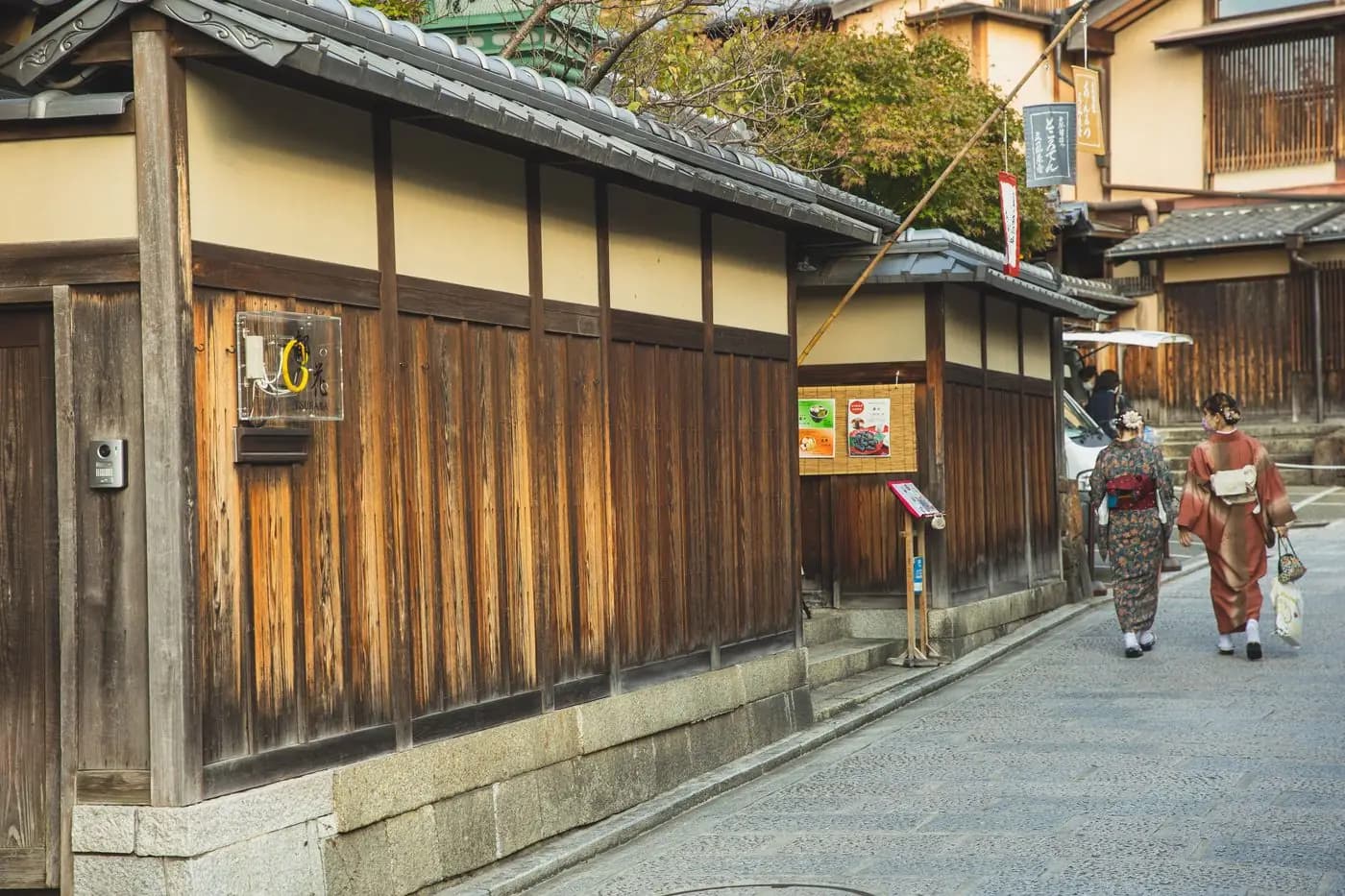
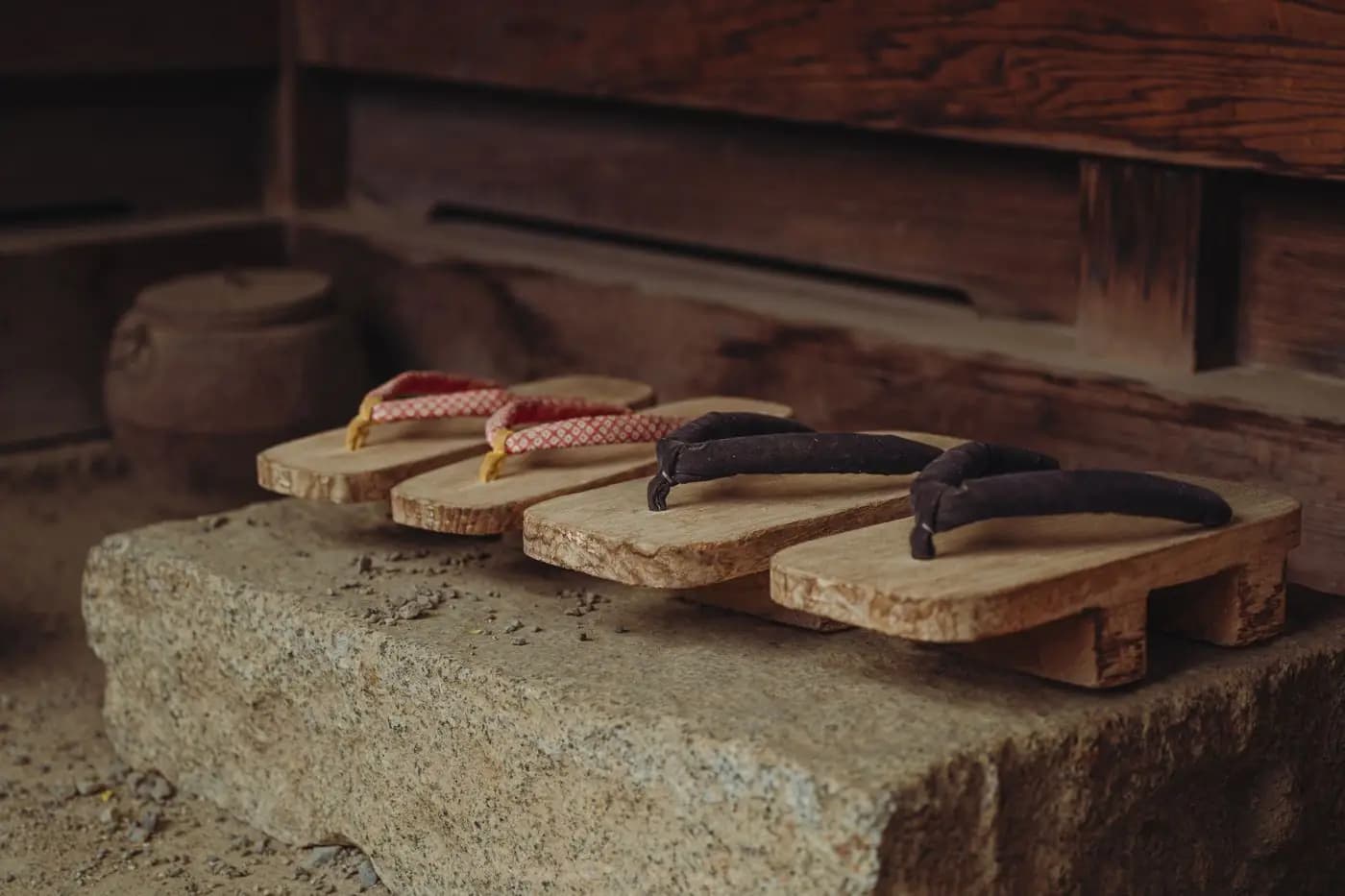
Most ryokan provide a yukata, sash, a haori jacket in winter and geta. Day visitors can rent an outfit from several shops on the main street (allow a few thousand yen, check with each shop). A practical tip: geta are noisy and slippery on wet paving stones. Slow down on the stone bridges, and bring tabi socks if the straps rub.
What to do between baths:
- Along the Otani-gawa: willows, bridges and lanterns, Kinosaki's postcard view. Best at dusk.
- The Kinosaki ropeway climbs Mt Daishi and stops at Onsen-ji temple, traditionally founded by the same monk Dochi. Fine views over the valley and, on clear days, the sea. Note that part of the Mt Daishi hiking trail has been closed since a landslide in late 2025.
- Old-style shooting and ball games (shateki, smart-ball) in retro parlours open in the evening.
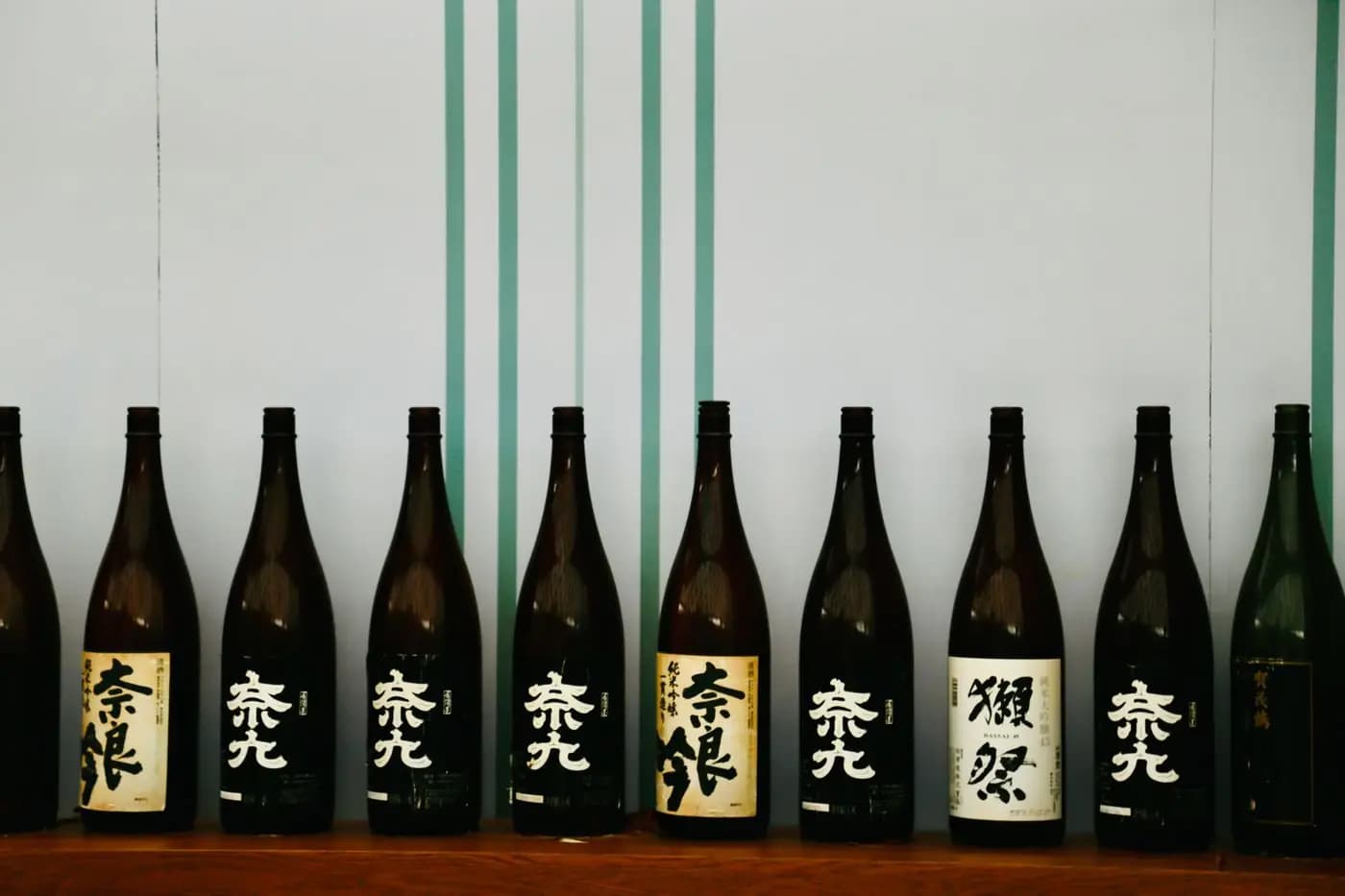
- Souvenir shops: woven straw craft (mugiwara-zaiku, a local craft), sweets, sake and local beer.
- The "Yukata and Crab Kingdom" passport (¥300, valid one year), sold at the tourist centre: small discounts and gifts at participating shops.
The literature museum (Kinosaki Bungeikan), which tells the town's story with writers, has been temporarily closed since September 14, 2026, along with the neighbouring foot bath; no reopening date has been announced.
For the literary connection, the town itself remains. Shiga Naoya, one of the great Japanese prose writers of the 20th century, came here in 1913 to recover after being hit by a train in Tokyo. He stayed about three weeks at the Mikiya ryokan and drew from it the short story "At Kinosaki" (Kinosaki nite, 1917), a brief text on death and convalescence still studied in Japanese high schools. English translations exist; reading it on the train there is the best possible introduction.
A note for mid-October: Kinosaki's big autumn shrine festival brings traffic restrictions on the main street. A fine spectacle, but a logistical headache for a coach.
Matsuba crab and Kinosaki food: when to come?
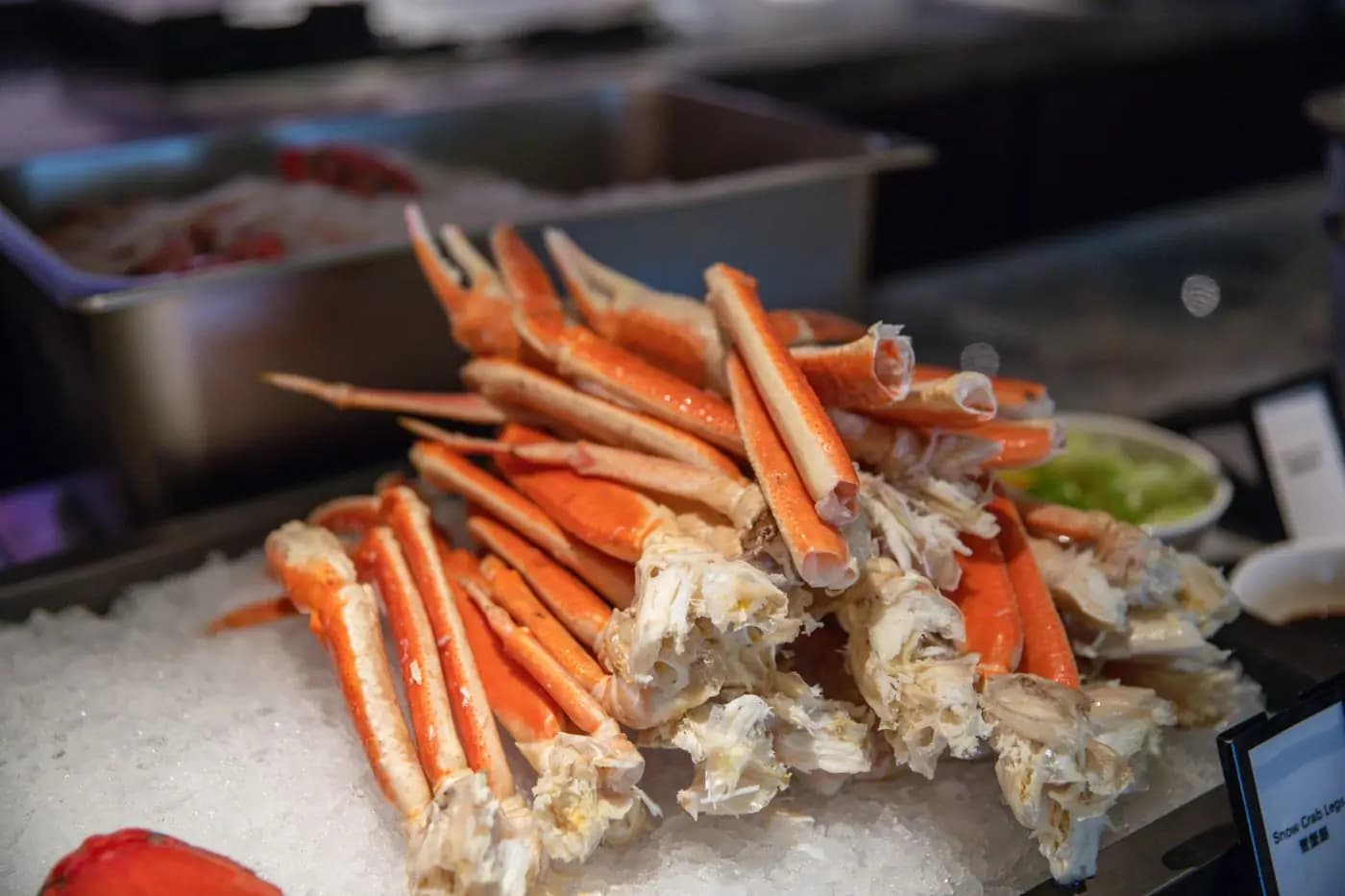
Kinosaki owes much of its winter trade to Matsuba crab, the local name for the male snow crab (zuwaigani) of the Sea of Japan. Fishing opens on November 6 and closes on March 20. Females, smaller and called seko-gani, are fished for only part of the season (in practice until the end of December) and are eaten with their eggs. Hyogo is one of the leading prefectures for this crab, and each port in the north has its own brand: crab from Tsuiyama, the port next to Kinosaki, carries a blue tag, crab from Shibayama a tag from its own port.
In season, ryokan serve "all-crab" menus: raw crab sashimi, whole boiled crab, charcoal-grilled legs, hot pot (kani-suki), then a zosui (rice cooked in the broth) to finish. It is generous and long, two hours at least. On price, half-board rates rise sharply from November to March, especially at weekends: the same ryokan may charge one and a half to two times its summer rate for a crab menu, and branded, tagged crabs cost more. For lunch, several restaurants on the main street serve crab set menus.
The rest of the year is not dead either:
- Spring: cherry blossoms along the Otani-gawa, gentler prices.
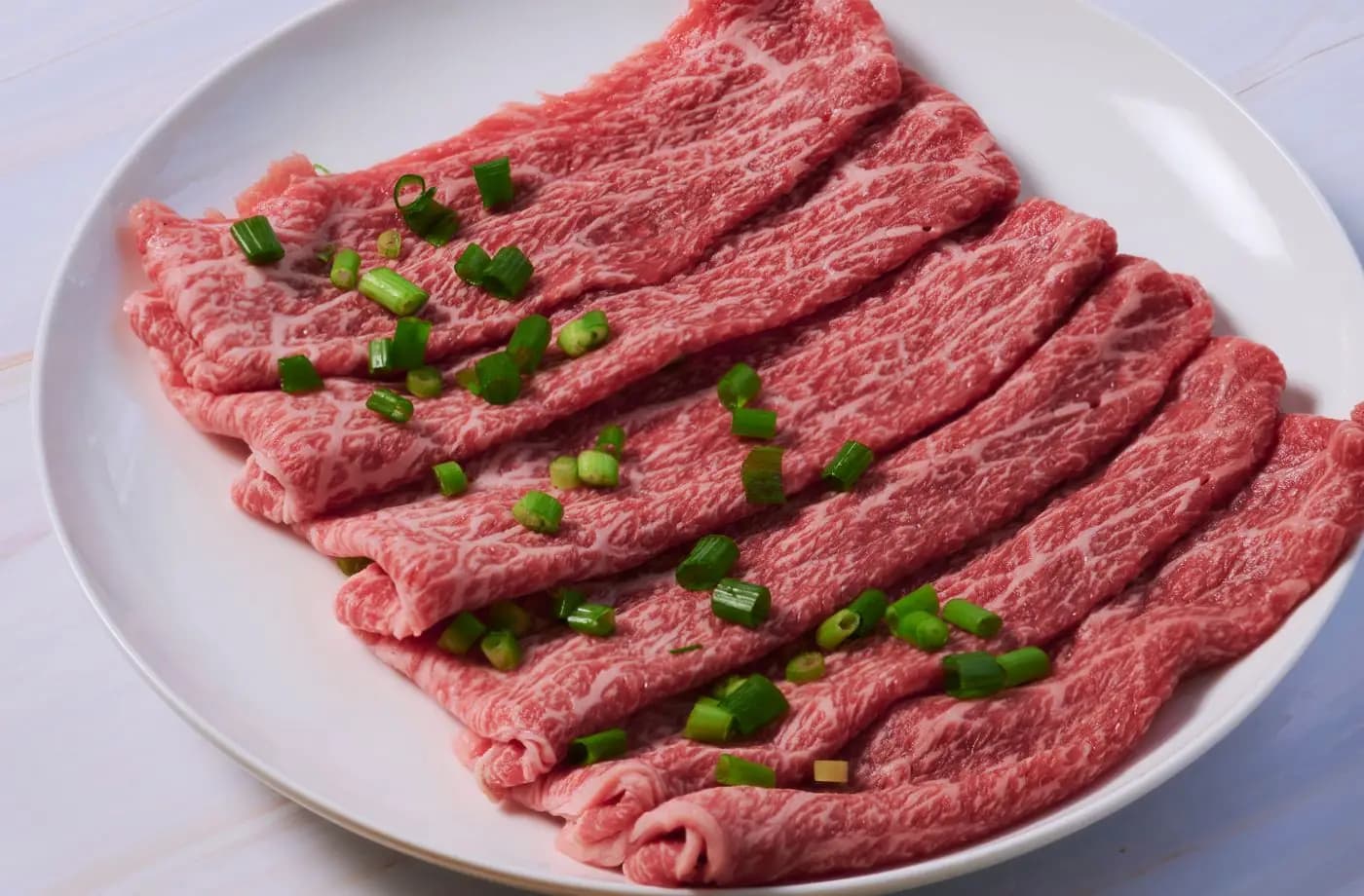
- Summer: fish from the port, Tajima beef (the original lineage of Kobe beef, raised in the nearby mountains), festivals and fireworks; the town holds a summer festival in late July.
- Autumn: shrine festival in mid-October, autumn leaves, then the crab opening.
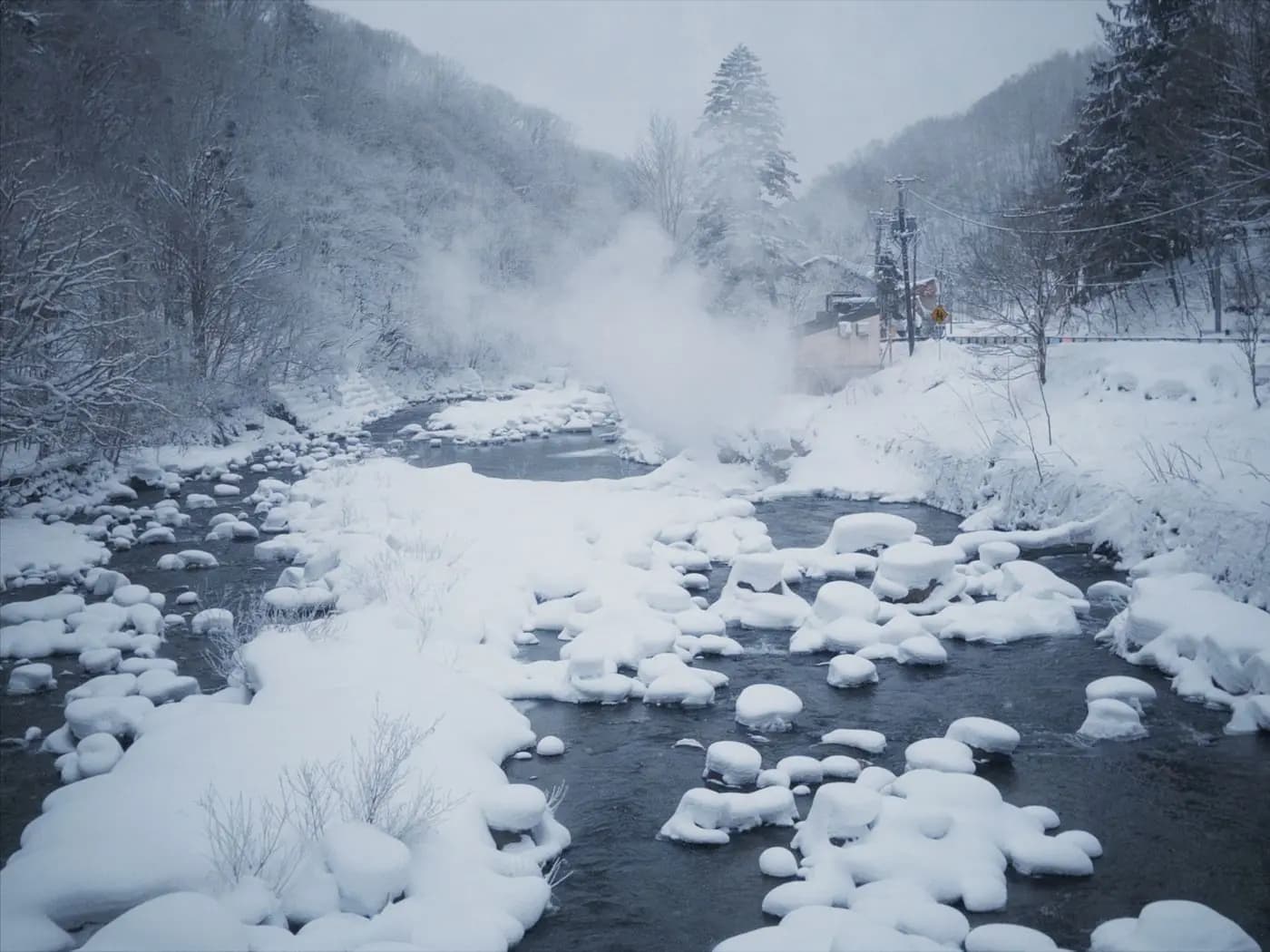
- Winter: snow on some days in January and February, the most photogenic setting, but trains are sometimes delayed.
For a first stay without budget constraints, aim for early December (crab, a little calm before the holidays) or a weekday in February. For a cost-conscious group, May-June or September-October offer the same baths and ryokan that are easier to book.
Staying in a ryokan in Kinosaki: how to choose
Kinosaki has about 80 places to stay, almost all ryokan, and most are small: ten to thirty rooms, often run by the same family for several generations. A few historic houses, built of wood on two or three storeys by the river, are listed or known for their architecture; a handful of larger properties on the edge of town have banquet halls and several dozen rooms.
What to look at before booking:
- Half board is compulsory in most ryokan: dinner is part of the stay. Rates are per person per night and depend on the menu (standard, crab, Tajima beef).
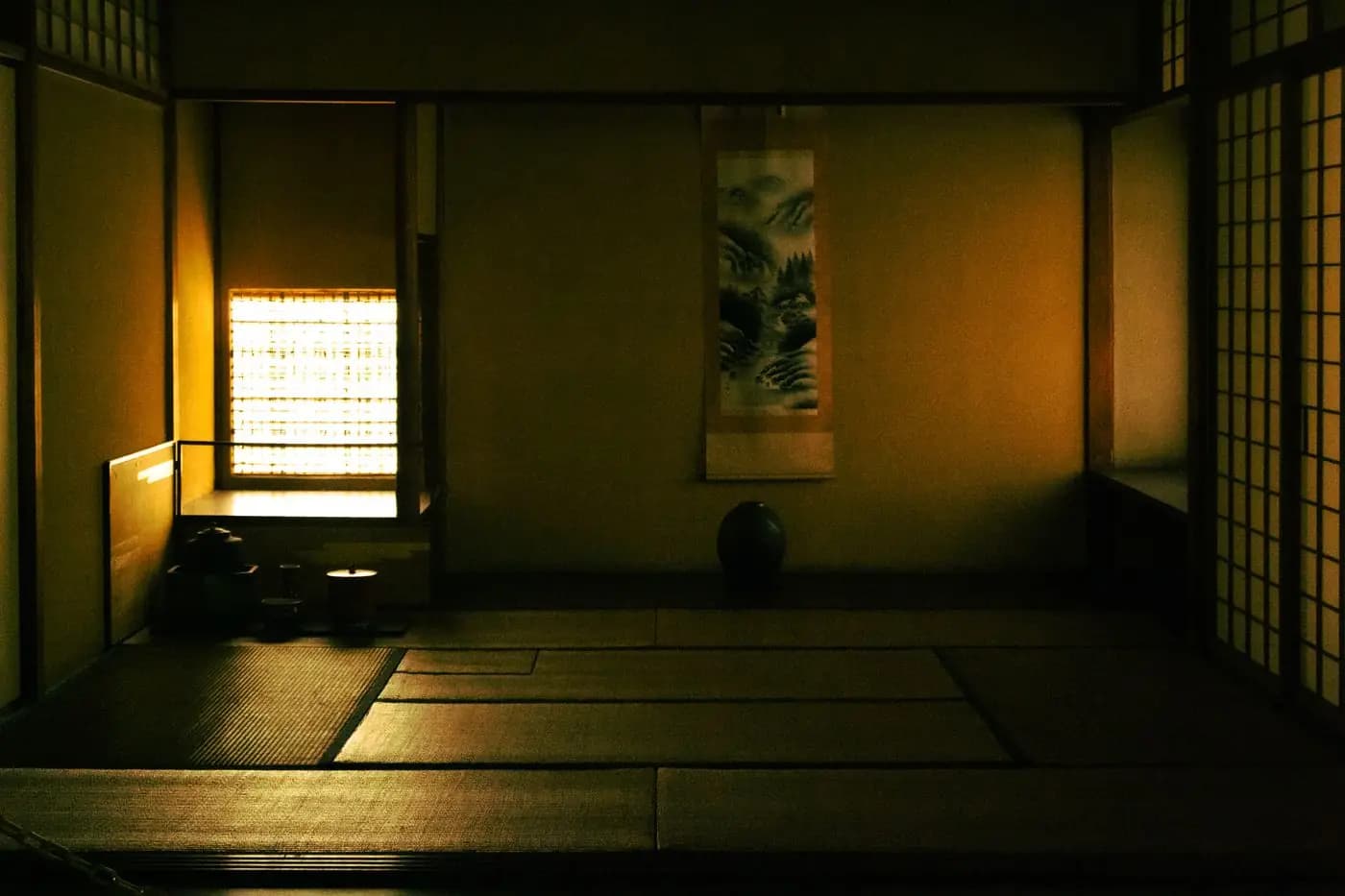
- Japanese or Western room: futons on tatami in most cases; a few rooms with beds, worth requesting for participants with back problems.
- Private bathroom: older ryokan do not always have one in each room (a toilet yes, a shower not necessarily), since you bathe outside.
- Private bath (kashikiri): useful for families, tattooed guests if the ryokan restricts its shared bath, or those who do not want to bathe naked in front of others.
- Dinner in the room or in a dining room: in the room it is more intimate but service takes longer; in a private dining room it is simpler for a group.
The typical sequence: check-in from 3pm, bath, dinner around 6 or 6:30pm, out in yukata, futons laid while you are away, Japanese breakfast around 7:30-8am, check-out at 10am. Our general advice on how a ryokan works (etiquette, timings, tipping) applies here too.
A common trap: free shuttles link the station to the ryokan, but everything is within walking distance (5 to 15 minutes). With a hard-shell suitcase on paving stones, it is better to leave luggage at the ryokan on arrival, or send it the day before by luggage delivery.
How to get to Kinosaki Onsen from Osaka, Kyoto or Kobe
Kinosaki Onsen has its own JR station on the San'in line, 5 minutes' walk from the start of the bath street. Three direct limited expresses serve it:
- From Osaka: the Kounotori limited express from Osaka (Umeda) or Shin-Osaka, about 2h40.
- From Kyoto: the Kinosaki limited express, about 2h20.
- From Kobe: the Hamakaze limited express from Sannomiya, about 2h30.
- From Tokyo: shinkansen to Kyoto then the Kinosaki express, about 4h40 in total.
These expresses run only a few times a day (about every two hours depending on the line): reserve seats ahead, especially on Fridays and during crab season, when trains sell out. The national JR Pass and some JR West regional passes cover these journeys; check for your pass.
Other options:
- Express bus from Osaka-Umeda (about 3h10), Kobe-Sannomiya or Kyoto: cheaper, useful when trains are full.
- Plane: Osaka-Itami → Tajima (Kounotori Tajima) airport in 35 minutes, then a 40-minute bus. Rarely worthwhile for a group.
- Private coach: about 2h30 from Osaka by expressway, 3h from Kyoto. The simplest option for a group with luggage, provided you plan where the coach parks and do the last stretch on foot or by ryokan shuttle.
What to combine it with? Kinosaki fits well into a loop through northern Kansai: Amanohashidate and Ine Bay (about 1h30 by road), the Tajima cattle farms and museum to the west, the castle town of Izushi (soba and an old clock tower) 30 minutes south. Towards Osaka, Himeji Castle fits on the way back on the Hamakaze express.
Kinosaki Onsen with a group: what changes
Kinosaki works very well for groups of 15 to 40 people, as long as you accept its main constraint: no hotel can house 100 people in a single style. Beyond about forty participants, you split the group between two or three nearby ryokan, aligning menus and timings, or choose one of the large properties on the edge of town, at the expense of charm.
What works well:
- Banquet dinner in a private room at the ryokan, crab or Tajima beef menu, with local sake. Plan an alternative for shellfish allergies (common) and vegetarians, to be stated at booking.
- A guided bath round: a 10-minute etiquette briefing before going out, a map of the baths open that day, and a return time. Participants who do not want to bathe naked use the ryokan's private bath or take a walk.
- Workshops: small straw-craft or glass-bead workshops, to book ahead for groups of 10 to 20.
- Combining with a visit: Tajima cattle farms and museum, the San'in coast (geopark), Izushi castle town.
The traps: booking too late (crab-season ryokan fill up from the summer), arriving on a day when the main bath is closed, forgetting about luggage, or scheduling a coach on the main street during the autumn festival. For a seminar, meeting rooms exist only in the largest ryokan; the better idea is to have the team work in Osaka or Kyoto and keep Kinosaki for the evening.
SHINOGI DMC can book the ryokan, build the bath schedule around closing days, arrange reserved trains or a coach, and accompany the group with a bilingual guide.
Frequently asked questions
How much do the Kinosaki Onsen baths cost?
¥800 per adult per bath (¥400 for a child). The Yumepa day pass costs ¥1,500 (¥750 for children) and covers all open baths; ryokan guests usually receive a free pass for their stay.
Are all seven Kinosaki baths open in 2026?
No. Satono-yu is closed for rebuilding, with reopening planned for fiscal 2027, and Kou-no-yu is under repair until October 30, 2026 (planned date). The other five operate with one weekly closing day each.
Can you use the Kinosaki baths with tattoos?
Yes, Kinosaki's public baths accept tattoos of any size with no need to cover them. Ryokan indoor baths have their own rules: check before booking.
When is crab season in Kinosaki?
Matsuba crab (male snow crab) fishing runs from November 6 to March 20. Females (seko-gani) are fished only early in the season, in practice until the end of December.
Is Kinosaki Onsen doable as a day trip from Osaka?
Yes, with about 5h20 of train travel round trip (Kounotori express): enough time for three baths, a crab lunch in season and a stroll. But the evening yukata atmosphere the town is known for requires an overnight stay.
Can you organise a group stay in Kinosaki?
Yes, ideally for 15 to 40 people in a single ryokan; beyond that, the group is split between several nearby ryokan. Book several months ahead in crab season and plan shellfish-free menus and luggage logistics.
Rédaction SHINOGI DMC · Updated
Sources
- Kinosaki Onsen Tourism Association — Les bains publics (sotoyu) : horaires, jours de fermeture, tarifs, Yumepa
- Kinosaki Onsen Tourism Association — Fermeture prolongée de Kou-no-yu (mai-octobre 2026)
- Kinosaki Onsen Tourism Association — Fermeture temporaire du Kinosaki Bungeikan (septembre 2026)
- Kinosaki Onsen Tourism Association — Fermeture partielle du sentier du mont Daishi
- Kinosaki Onsen Tourism Association — Accès (trains, bus, avion, voiture)
- Kinosaki Onsen Tourism Association — Passeport « Yukata et royaume du crabe »
- Ville de Toyooka — Projet de reconstruction de Satono-yu (calendrier)
- Visit Kinosaki — Tattoo friendly onsen of Kinosaki
- MLIT (base multilingue) — Kinosaki Onsen: The Soto-Yu