Japan study tour: what are we talking about?
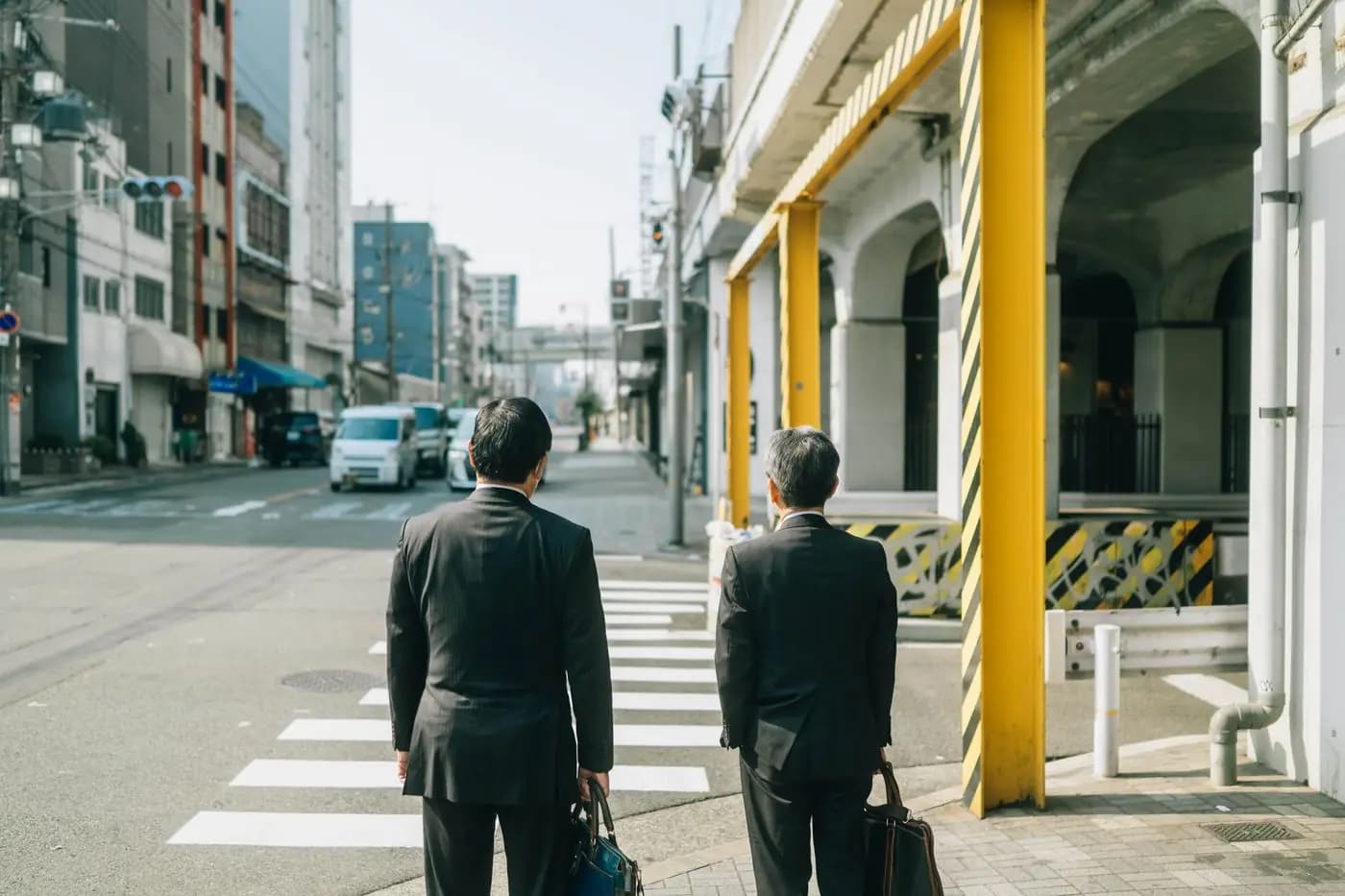
A study tour to Japan (also called a learning expedition or business study trip) is a 4 to 7-day trip during which a group of 15 to 40 managers, engineers, retailers or entrepreneurs observes Japanese companies, sites and practices to draw lessons they can apply at home. It combines visits, meetings with local speakers, time for free observation and debrief workshops.
It is neither an incentive trip nor a sightseeing tour with a factory visit thrown in. The difference lies in preparation: research questions set before departure, visits chosen to answer them, and time to synthesise every day.
The themes that come up most often for international companies:
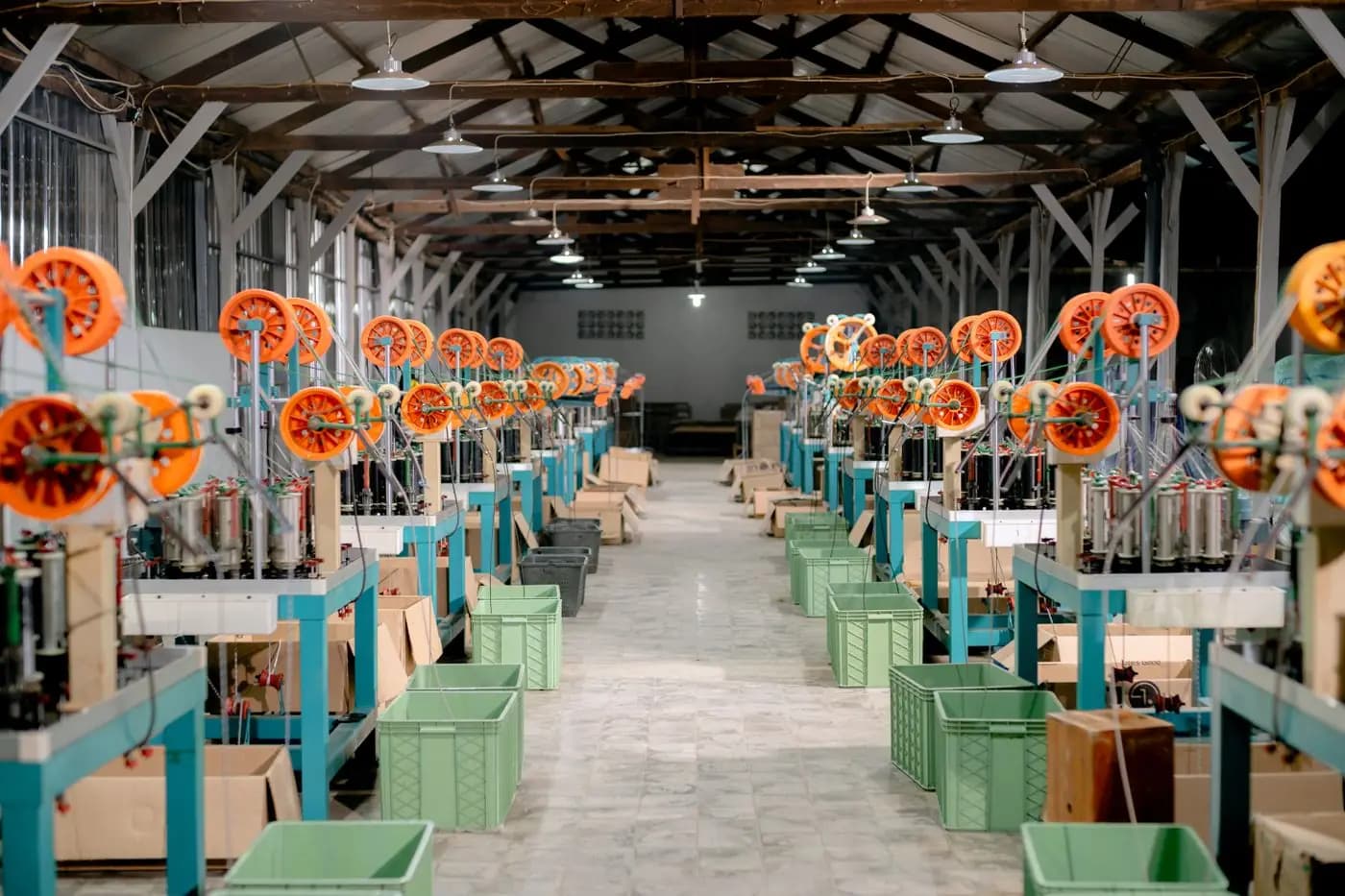
- Lean and monozukuri: the Toyota Production System, kaizen, quality, maintenance.
- Robotics, automation and mobility: plants, innovation centres, living-lab cities.
- Retail and customer experience: convenience stores, department stores, last-mile logistics, service.
- Startups and open innovation: the Tokyo and Fukuoka ecosystems, links between large groups and young companies.
- Ageing, health and disaster prevention: areas where Japan is ahead of the curve.
One point needs making straight away: many visits that look great on paper are not accessible to an organised foreign group. Building a study tour in Japan starts with separating the possible from the impossible, then filling the gaps with the group's own business contacts.
Lean and monozukuri: Nagoya, Toyota and what you can actually visit
A lean benchmarking trip to Japan almost always starts in Nagoya, 1 h 35 from Tokyo by Nozomi Shinkansen. The Toyota group was born there, and the region concentrates Japan's automotive and aerospace industries.
What you need to know in 2026:
- Tours of Toyota's head-office plants (Motomachi, Takaoka, Tsutsumi) have been suspended since 12 July 2021, with no restart date. Toyota Kaikan, the free showroom, remains open Monday to Saturday.
- The Toyota Commemorative Museum of Industry and Technology, in the original red-brick plant, is the best teaching tool: automatic looms, the birth of jidoka, the evolution of assembly lines. ¥1,000 per adult, ¥800 for groups of 30 or more, closed on Mondays, English guided tours on Sundays.
- Honda receives groups at Suzuka and Kumamoto, in Japanese, by lottery two to three months ahead, but refuses travel-company tours and paid seminars. Mazda (Hiroshima) shows a working line, free of charge, by online booking, with no commercial visits.
In practice, a solid lean programme rests on three pillars: museums for history and principles, company visits obtained through your networks (Japanese suppliers, subsidiaries, customers, chambers of commerce), and a speaker who has practised the system in-house and can answer questions candidly. Our article on factory tours details each manufacturer's conditions.
Avoid promises of a "guaranteed Toyota line visit". In 2026, they have no basis.
Robotics, mobility and future cities: where to go in 2026–2027
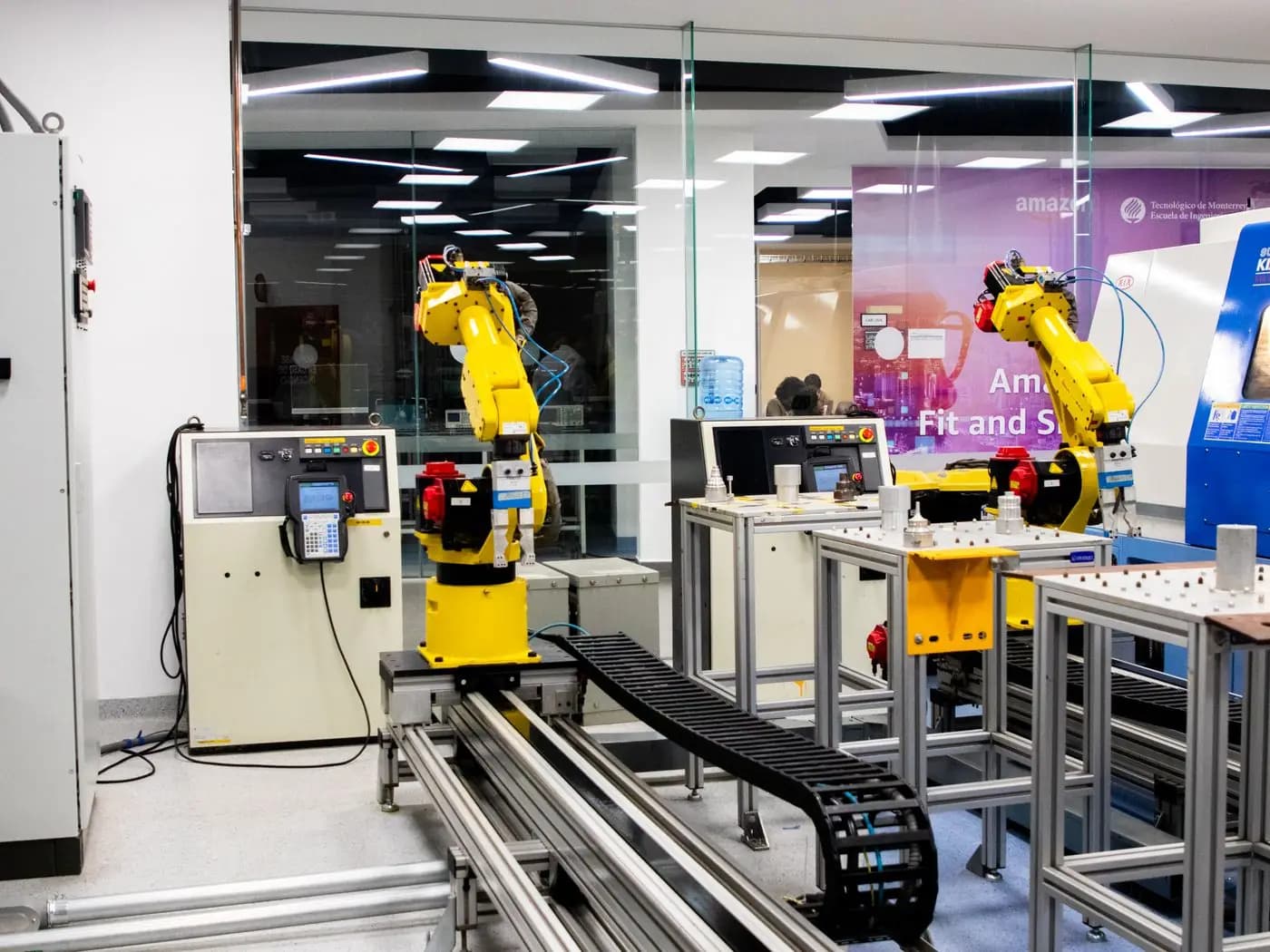
Robotics and mobility are the most requested themes after lean, and also the ones where the gap between wish and access is widest. R&D centres only open to partners, and large groups' innovation showrooms receive visitors case by case.
Useful pointers:
- Toyota Woven City (Susono, Shizuoka, at the foot of Mount Fuji): Toyota's "living laboratory" city, launched in September 2025, has offered one-day visits since September 2026, as "One Day Weavers" who test mobility prototypes and give feedback. For now, only people residing in Japan can book, with photo ID. A foreign group cannot schedule it yet; one to watch for 2027.
- Showrooms and innovation centres in Tokyo (Toranomon, Marunouchi, Odaiba): accessible on request, subject to availability, often with a presentation and a discussion with a manager. Confirmations come late, 4 to 6 weeks ahead.
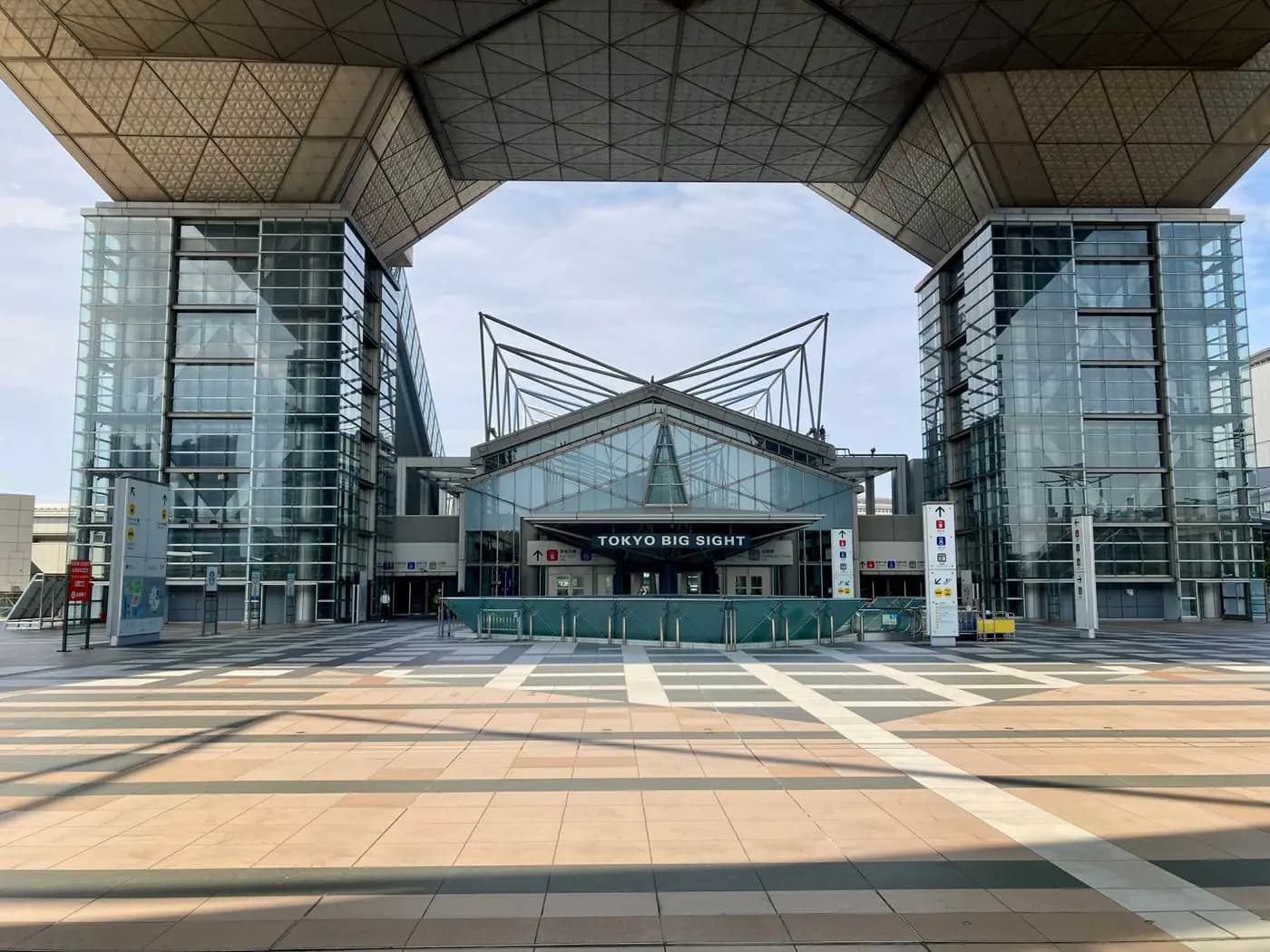
- Trade shows: a specialist show lets you see dozens of manufacturers in one day. In 2027, for example, NEPCON Japan (electronics) runs from 17 to 19 February at Tokyo Big Sight and Smart Energy Week from 24 to 26 March. Our 2027 Japan trade show calendar lists the dates.
- Instruments and industrial design: Yamaha Innovation Road in Hamamatsu, free by reservation, 50 people per 2-hour slot.
A design tip: pair every technical visit with a human encounter. A Japanese engineer explaining why their team chose not to automate a step teaches the group more than a robot demo.
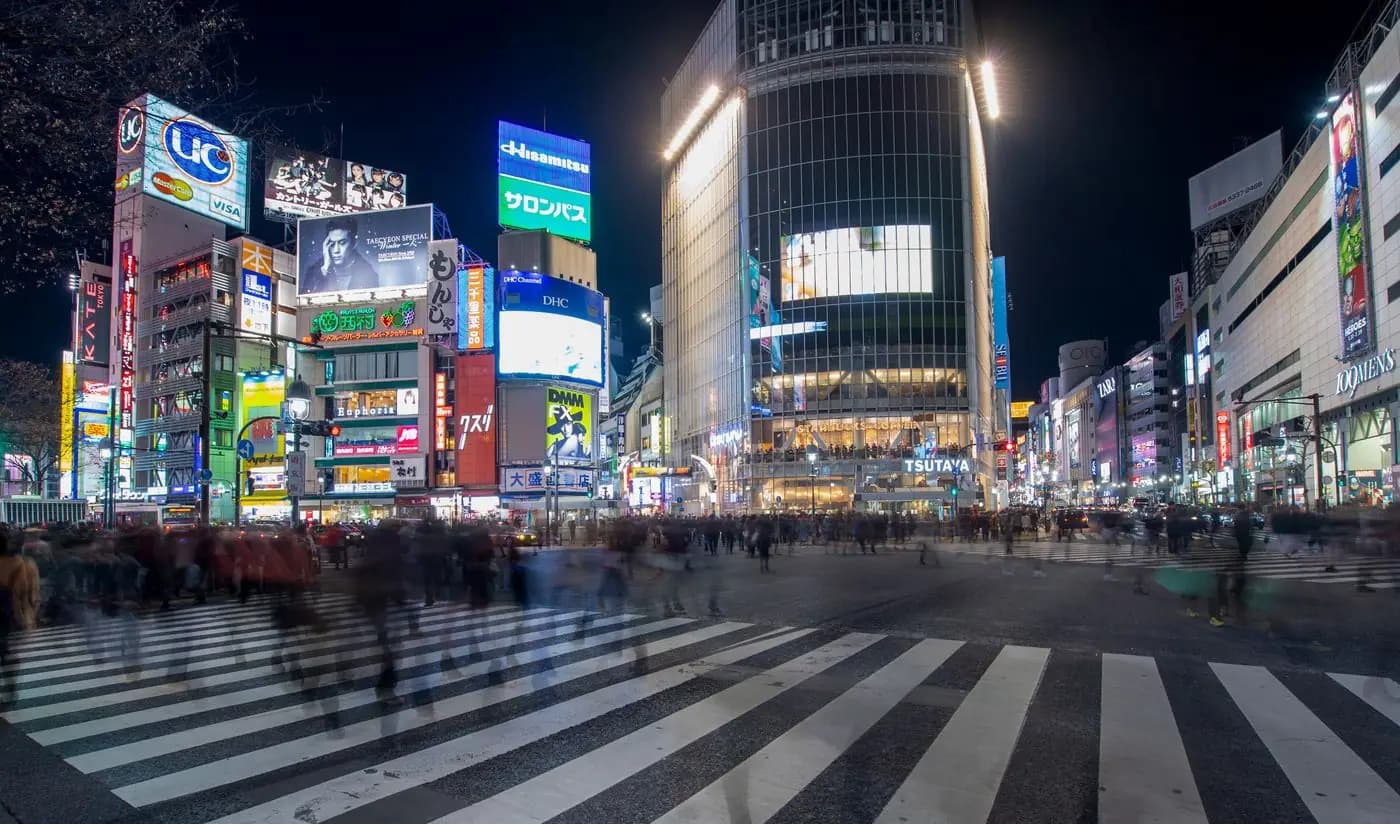
Retail and customer service: learning on the street in Tokyo
For retailers, mass merchandisers and service brands, Tokyo is an open-air laboratory, and much of the learning requires no booking at all. That is retail's advantage over manufacturing: you can observe without permission, provided you follow a few rules.
What works well in sub-groups of 6 to 8 people with an observation grid:
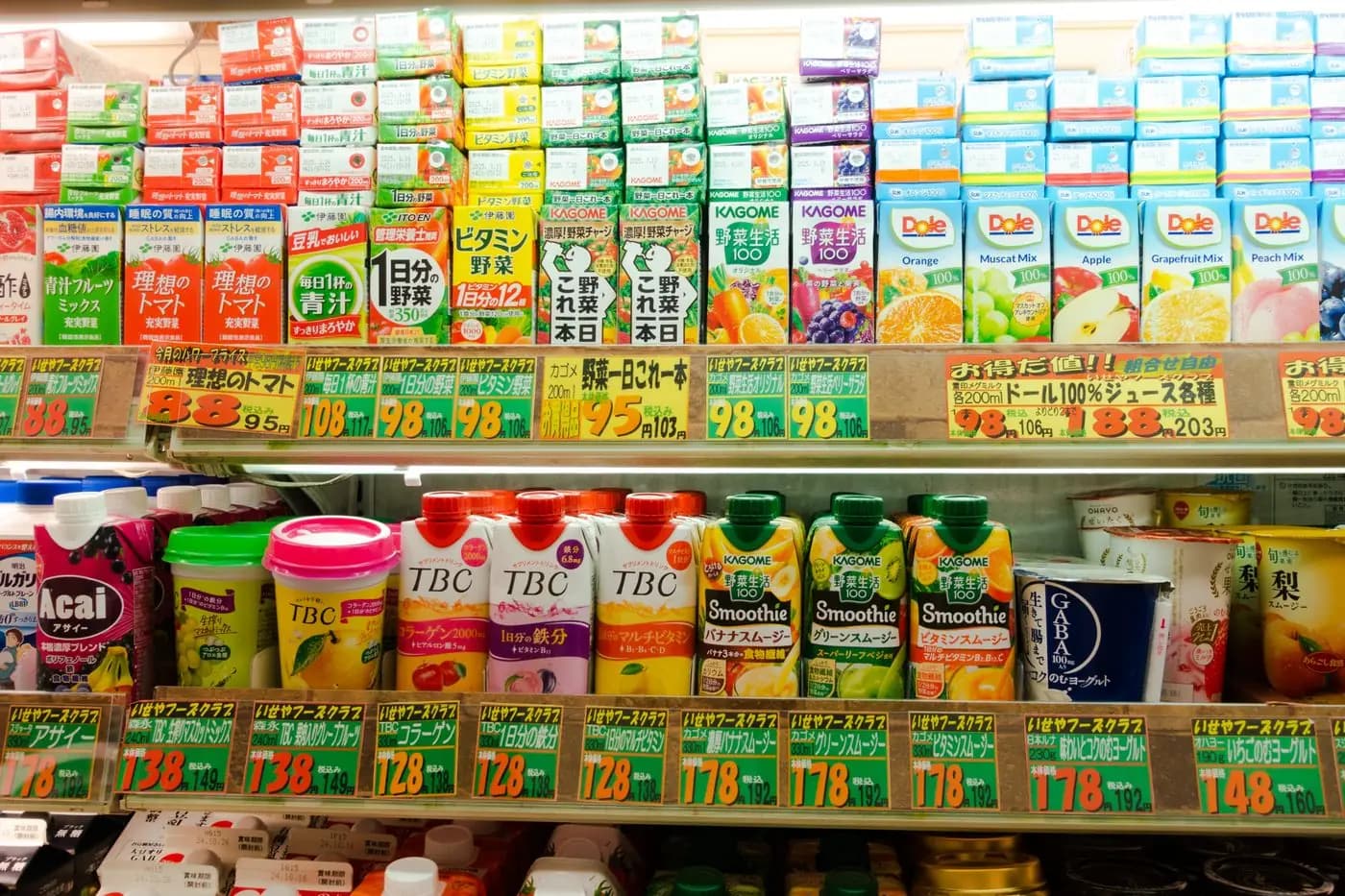
- Konbini (24-hour convenience stores): the density of the range in 100 m², ready meals restocked several times a day, services (parcels, bill payment, printing).
- Depachika, the food basements of department stores in Ginza or Nihonbashi: product staging, gift wrapping, queue management.
- Discount stores and DIY chains: shelf management and signage.
- Last-mile logistics: luggage and parcel delivery services (takkyubin) deliver next day to most of the country.
Rules to give the group: no photos in the aisles without permission (many chains forbid it), no group of 30 in a 100 m² store, no improvised interviews of staff on duty.
To go further, two 2027 trade shows act as a shop window for the sector: the Supermarket Trade Show, from 17 to 19 February 2027 at Makuhari Messe, and Nikkei Messe, the store and urban design show, from 2 to 5 March 2027 at Tokyo Big Sight. A meeting with a Japanese retail executive, arranged through a business partner, then gives the group the keys to read what it has observed.
Startups and open innovation: Tokyo and Fukuoka
Two cities account for most visits to innovative companies in Japan.
Tokyo concentrates the headquarters of large groups, investment funds and most startups. Innovation spaces in Shibuya, Toranomon or Marunouchi host foreign delegations subject to availability, often for a presentation followed by pitches from two or three young companies. The appeal is density: you can see a large group in the morning and founders in the afternoon without leaving the centre.
Fukuoka plays a different card, more compact and more accessible:
- the city declared itself a "Startup City" in 2012 and became a National Strategic Special Zone in 2014, with a startup visa;
- Fukuoka Growth Next occupies the former Daimyo elementary school (a 1929 building), right in the centre;
- Engineer Cafe, opened by the city in 2019 for the tech community, is housed in the Akarenga Cultural Center, a 1909 brick building;
- the airport is 11 minutes by subway from Tenjin, which cuts dead time.
For an executive committee that wants to understand the Japanese ecosystem in three days, Fukuoka offers a ratio of time spent to useful meetings that is hard to match. Our article on Fukuoka as an alternative to Tokyo for business events explores this further.
A tip for startup meetings: ask founders for a short format (15 minutes of presentation, 15 of questions) and prepare possible areas of collaboration with them. Japanese entrepreneurs appreciate an exchange that leads to something concrete, however modest.
Building the programme: objectives, pacing and debriefs
The quality of a study tour is decided before departure. A proven method:
- Three to five research questions set by the sponsor ("how do our Japanese counterparts reduce changeover times?"). Every visit should answer at least one.
- Two visits a day at most, one in the morning, one in the afternoon. Journeys across town take 30 to 60 minutes and a company visit rarely lasts less than 90 minutes with interpreting.
- A daily debrief of 45 to 60 minutes at the end of the day, facilitated: each sub-group shares three observations and one open question.
- A final workshop of 2 hours to turn observations into three to five concrete actions, each with an owner.
- Free time: half the lessons come from what you see between visits, on the subway, at a restaurant, in a shop.
On etiquette, a little preparation avoids missteps: business cards in Japanese (at least 50 per person), a small corporate gift for each company visited, business attire and absolute punctuality. Send questions in advance when the company accepts it: the answers will be better and the interpreting smoother.
Plan one consecutive interpreter per sub-group of 20 to 25 people; beyond that, the exchange turns into a lecture. For a plenary session, simultaneous interpreting with headsets is better, but more expensive and less personal.
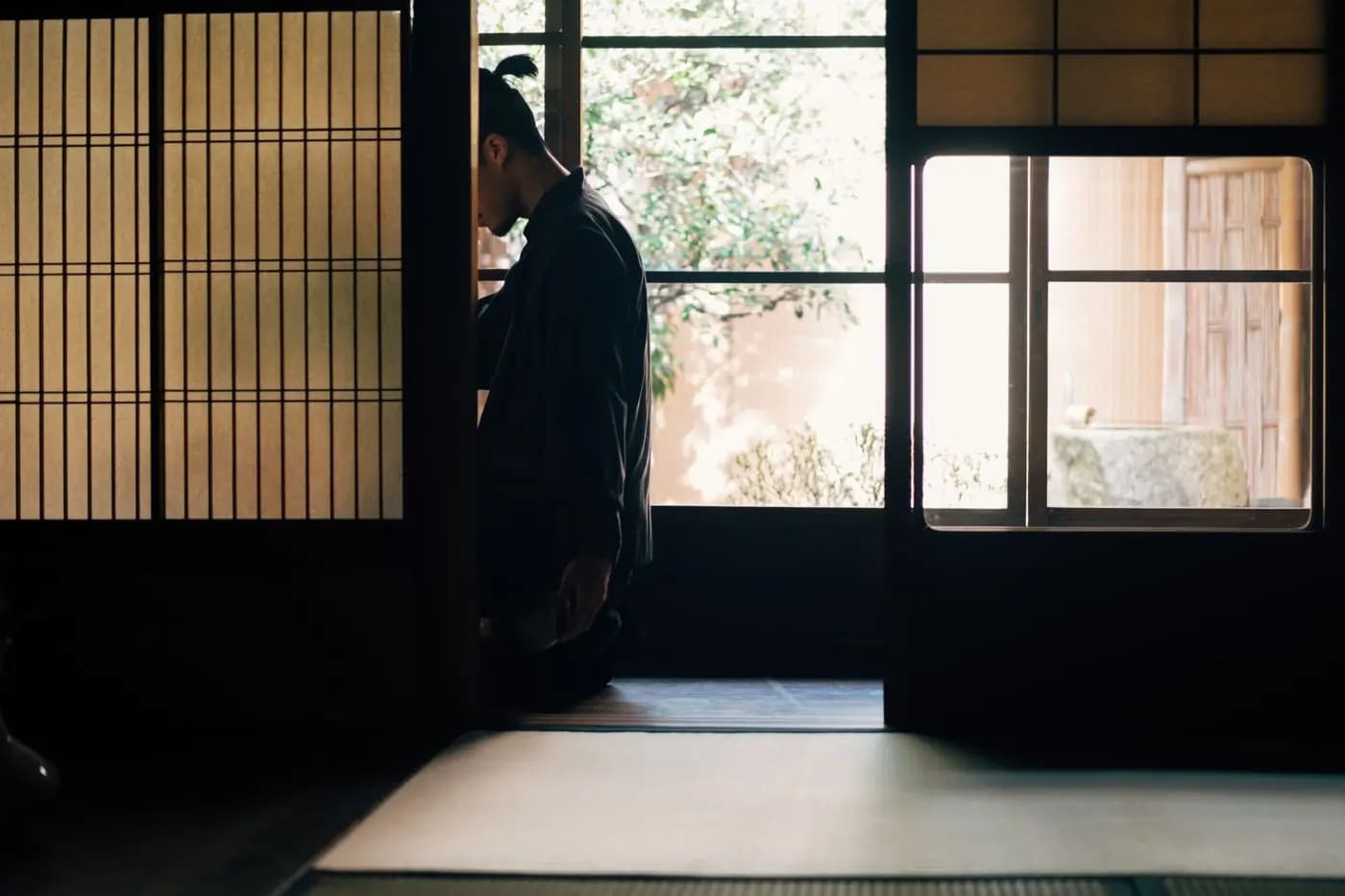
Finally, do not overlook cultural moments: a well-introduced zazen session or tea ceremony sheds light on the Japanese relationship with gesture, repetition and detail, which lies at the heart of kaizen.
Logistics, visas, season and budget for a Japan study tour
Visas: nationals of the EU, the UK, Switzerland, Canada, the US and many other countries enter Japan visa-free for a business stay of up to 90 days, provided they receive no remuneration locally. Company visits, meetings and trade shows fall within that scope. For participants of other nationalities (international groups), check case by case, several weeks ahead.
Taxes: since 1 July 2026, the international departure tax has been ¥3,000 per traveller, usually included in the air ticket. Accommodation tax varies by city and hotel category.
Season: avoid Golden Week (late April to early May), Obon (mid-August) and the year-end holidays, when companies slow down and hotels are full. The best windows for company visits are mid-January to March, June to July and October to November, on weekdays.
Transport: Shinkansen for Tokyo–Nagoya (1 h 35) or Tokyo–Fukuoka (about 5 hours; flying is often more practical), private coach for industrial sites far from stations, luggage forwarded hotel to hotel the day before.
Lead time: 4 to 6 months for a programme with company visits. Museums book faster, but private companies confirm late, sometimes 4 to 6 weeks ahead.
Budget: it depends mainly on season, hotel category, number of cities, interpreters (one per sub-group per day) and speakers. Our article on seminar budgets in Japan gives ranges by item.
SHINOGI DMC offers two ready-to-adapt frameworks, an industrial study tour in Nagoya and a startup learning expedition in Fukuoka, in which company visits are confirmed case by case.
Frequently asked questions
How long is a study tour to Japan?
Usually 4 to 7 days on the ground, excluding flights. Three days are enough for one city and one theme (for example startups in Fukuoka); a week lets you combine Tokyo with Nagoya or Fukuoka.
Do you need a visa for a study tour to Japan?
Not for EU, UK, Swiss, Canadian or US nationals, among others, if the stay is under 90 days and involves no paid activity locally. Other nationalities should check with the Japanese embassy.
Can you visit Japanese companies with a group?
Yes, but rarely from a catalogue: company visits are obtained through business contacts (suppliers, customers, subsidiaries, chambers of commerce). Public factory tours are in Japanese, often by lottery, and some refuse commercial groups.
What group size works for a Japan study tour?
15 to 40 participants, split into sub-groups of 20 to 25 with one interpreter each. Many sites cap slots at 20 or 25 people.
When is the best time for a study tour to Japan?
Mid-January to March, June to July and October to November, on weekdays. Avoid Golden Week, Obon (mid-August) and the year-end, when companies slow down.
Do you need an interpreter for a study tour in Japan?
Yes, for almost all company and factory visits, which are conducted in Japanese. Plan one consecutive interpreter per sub-group of 20 to 25 people, and simultaneous interpreting for a plenary session.
Rédaction SHINOGI DMC · Updated
Sources
- Nagoya Convention & Visitors Bureau — トヨタ会館 (visites d'usine suspendues depuis le 12/07/2021)
- Toyota Commemorative Museum of Industry and Technology — Admission
- Honda — 鈴鹿製作所 工場見学 (conditions)
- Mazda — Mazda Museum (visiting information)
- Toyota Woven City — One Day Weavers (Visitors)
- Yamaha Corporation — Innovation Road, réservation
- Tokyo Big Sight — Calendrier des salons (NEPCON, Nikkei Messe, Smart Energy Week 2027)
- Préfecture de Gifu — Supermarket Trade Show 2027 (17-19 février 2027, Makuhari Messe)
- Fukuoka City — 10 ans de la déclaration « Startup City Fukuoka » (2012) et zone stratégique spéciale (2014)
- Fukuoka Growth Next
- Ministry of Foreign Affairs of Japan — Visa exemption arrangements
- JNTO — Japan's International Tourist Tax is increasing