Why consider Fukuoka for a seminar
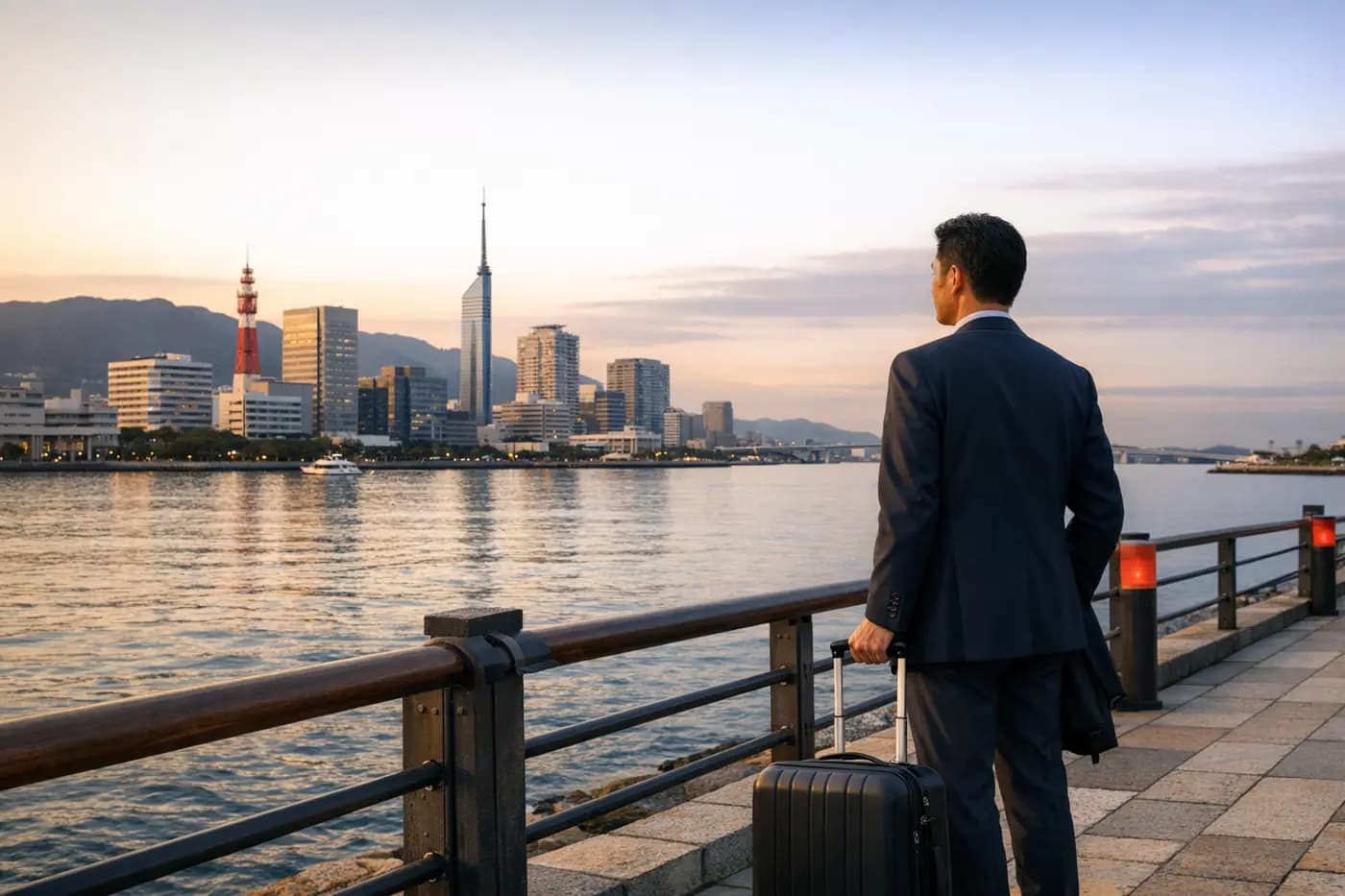
When a European company thinks of a seminar in Japan, Tokyo and Osaka come to mind first. Fukuoka, the main city on the island of Kyushu, nonetheless deserves a place in the discussion. Human-scale, dynamic and open to Asia, it offers a very smooth experience for groups, with short distances and a strong culinary identity.
A Fukuoka business seminar works particularly well in three situations:
- You have already held an event in Tokyo and want to surprise participants who know the capital.
- You are looking for better budget balance without giving up international-standard conference hotels.
- Your business looks toward Asia: Seoul and Shanghai are less than two hours away by air, which makes regional events easier.
Fukuoka is not meant to replace Tokyo for a large international convention, but it is an excellent base for most corporate seminars and incentives.
Access: an airport minutes from downtown
This is Fukuoka’s most tangible advantage. The airport is linked to downtown by the Kuko subway line: about 5 minutes to Hakata Station and around ten minutes to Tenjin. According to Japan Meetings & Events (JNTO), the international terminal is less than 15 minutes from downtown and the convention zone. For groups, a private coach transfer remains short and predictable.
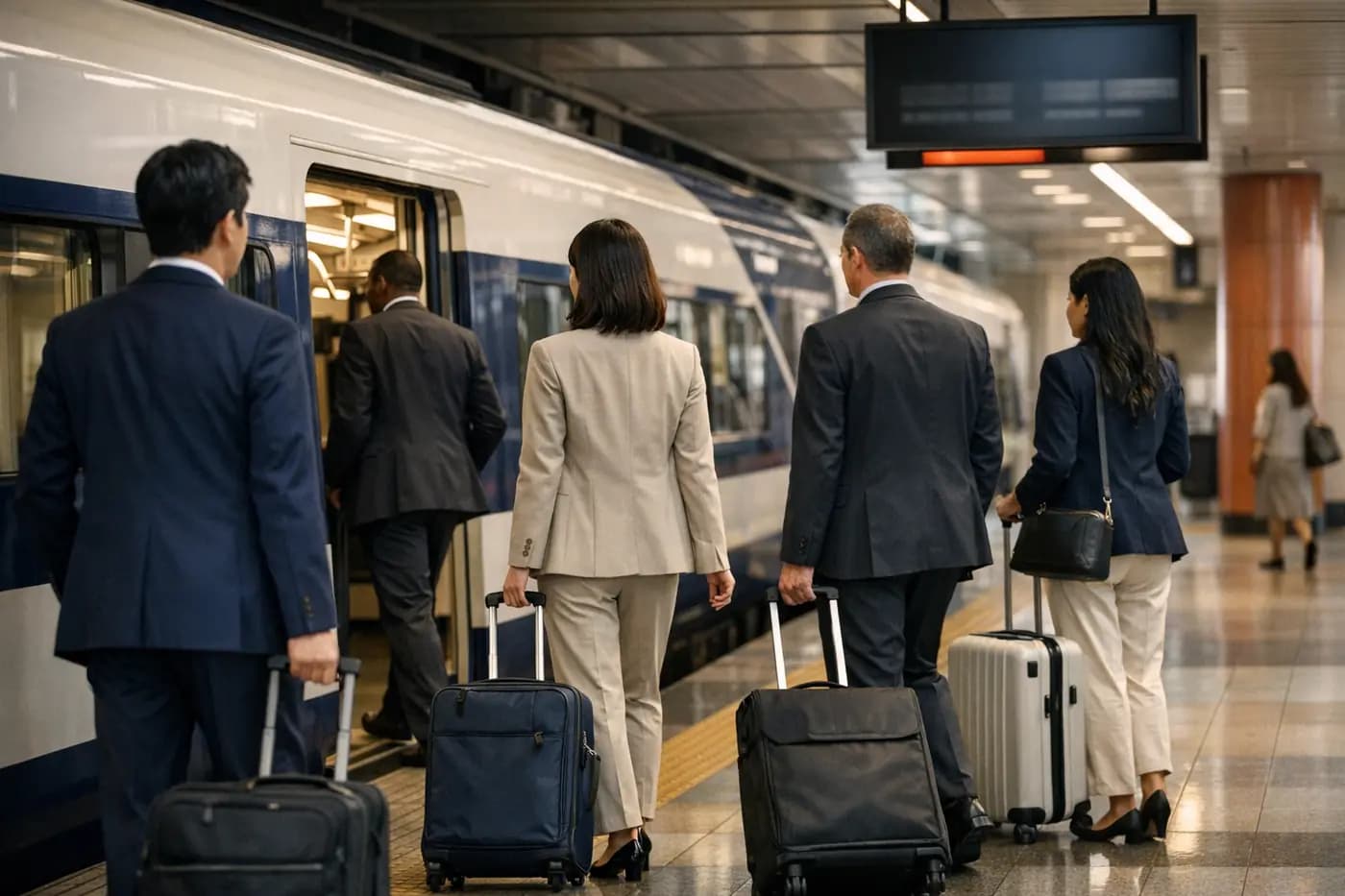
From Europe, Fukuoka is reached with a connection, usually via Tokyo, Seoul or other Asian hubs. From Tokyo, the flight takes about two hours. From Osaka, the Shinkansen links Shin-Osaka to Hakata in about 2 hours 30 minutes, making it easy to combine Fukuoka with the Kansai region.
One point to note: because the airport is so close to the city, its operating hours are limited to 7 a.m.–10 p.m. We take this into account when choosing arrival and departure flights.
For delegations from Asia, the advantage is even clearer: direct flights to Seoul, Busan, Taipei, Shanghai and Hong Kong make it possible to bring European and Asian teams together in one place with balanced travel times. It is one of the reasons several companies hold their regional meetings there.
Hotels and convention venues
Fukuoka offers a wide choice of hotels for a city of its size: according to JNTO, 312 hotels with 58,726 rooms, plus ryokan. The supply is spread across three hubs:
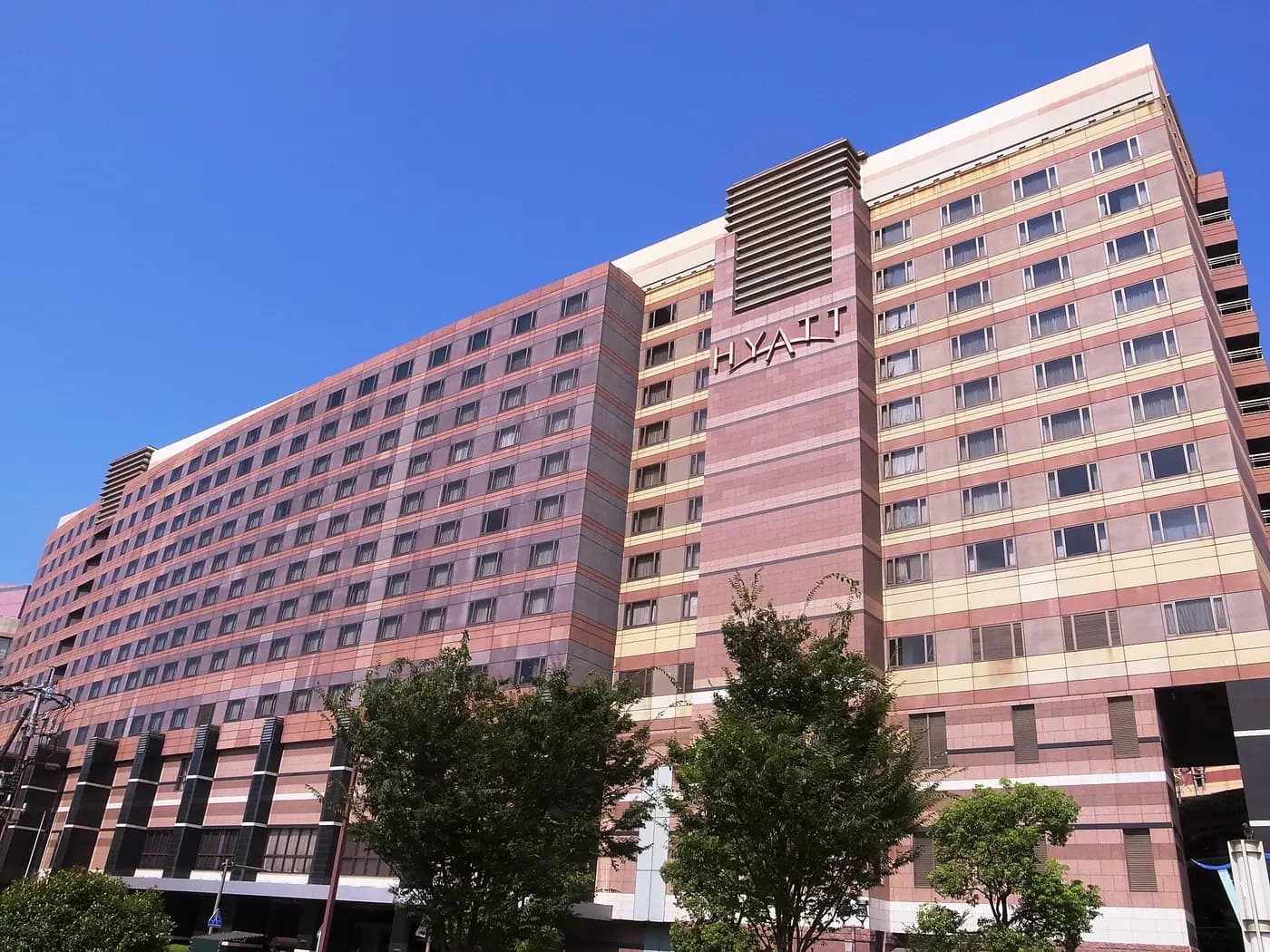
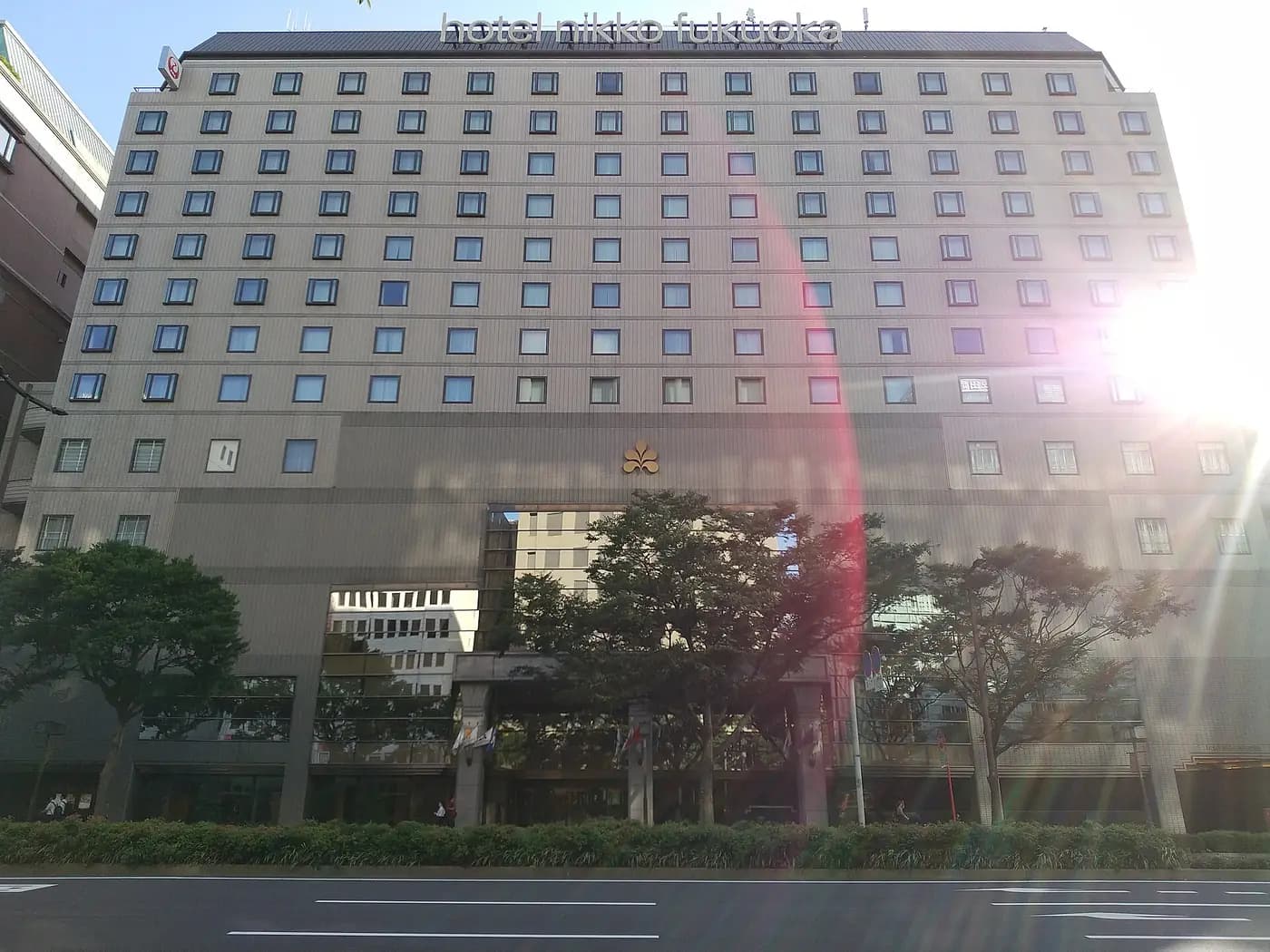
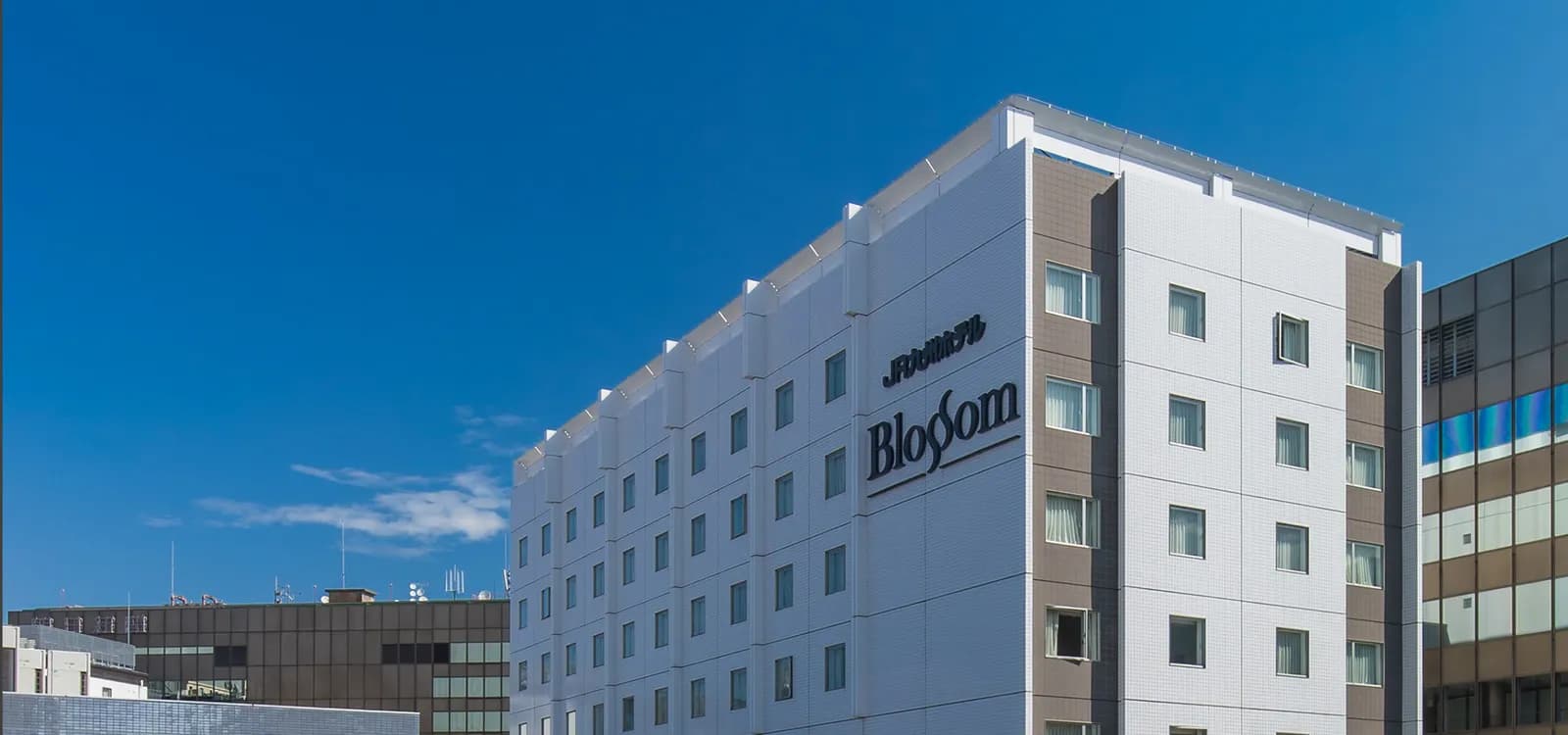
- Hakata, around the Shinkansen station: practical business hotels such as JR Kyushu Hotel Blossom Hakata Central or Tokyu Stay Hakata, Hotel Nikko Fukuoka, and Grand Hyatt Fukuoka, part of the Canal City Hakata complex.
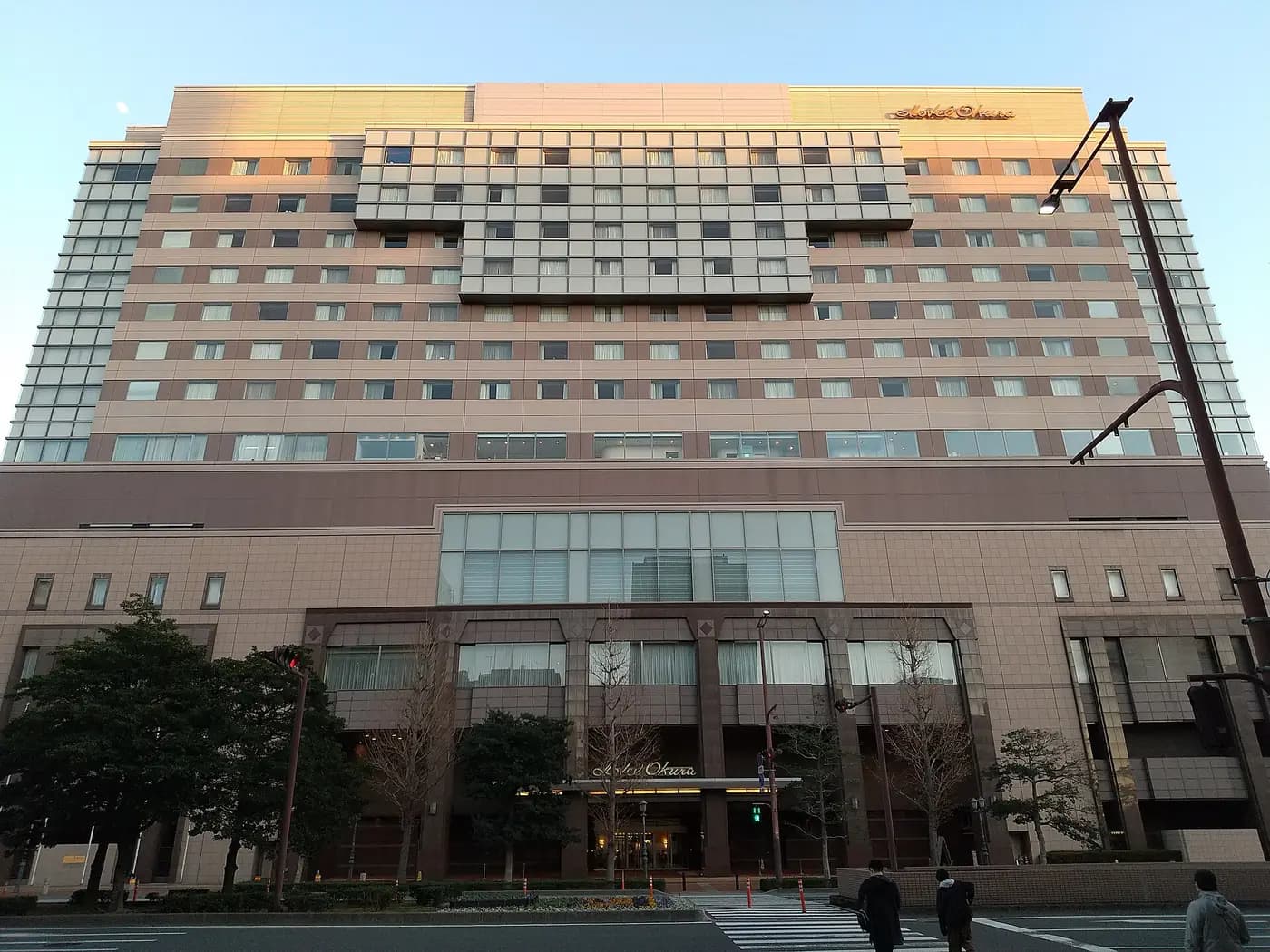
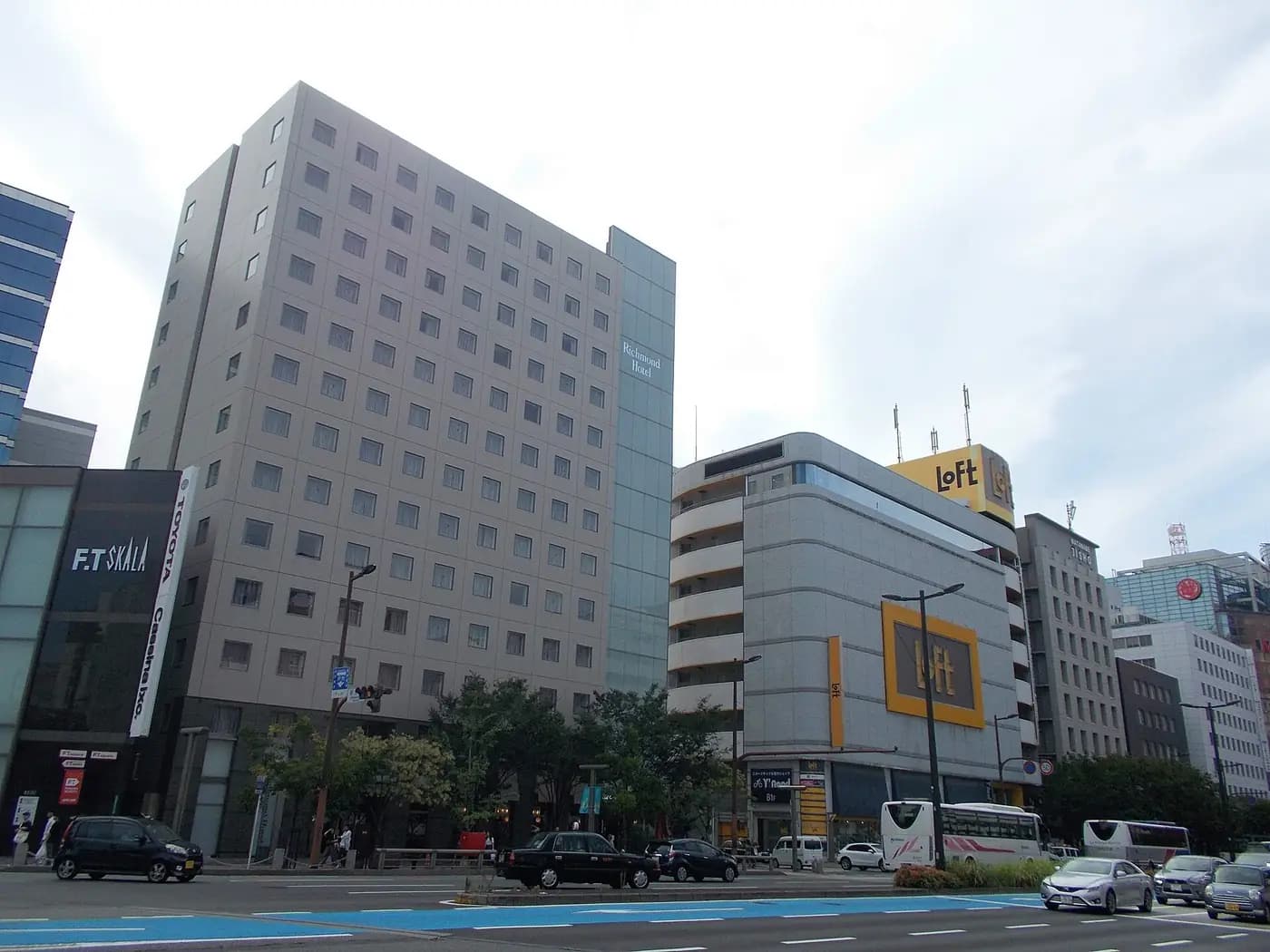
- Tenjin, the commercial and administrative center, reshaped by a major urban renewal program: Richmond Hotel Premier Tenjin, Mitsui Garden Hotel Fukuoka Gion halfway to Hakata, and the riverside Hotel Okura Fukuoka.
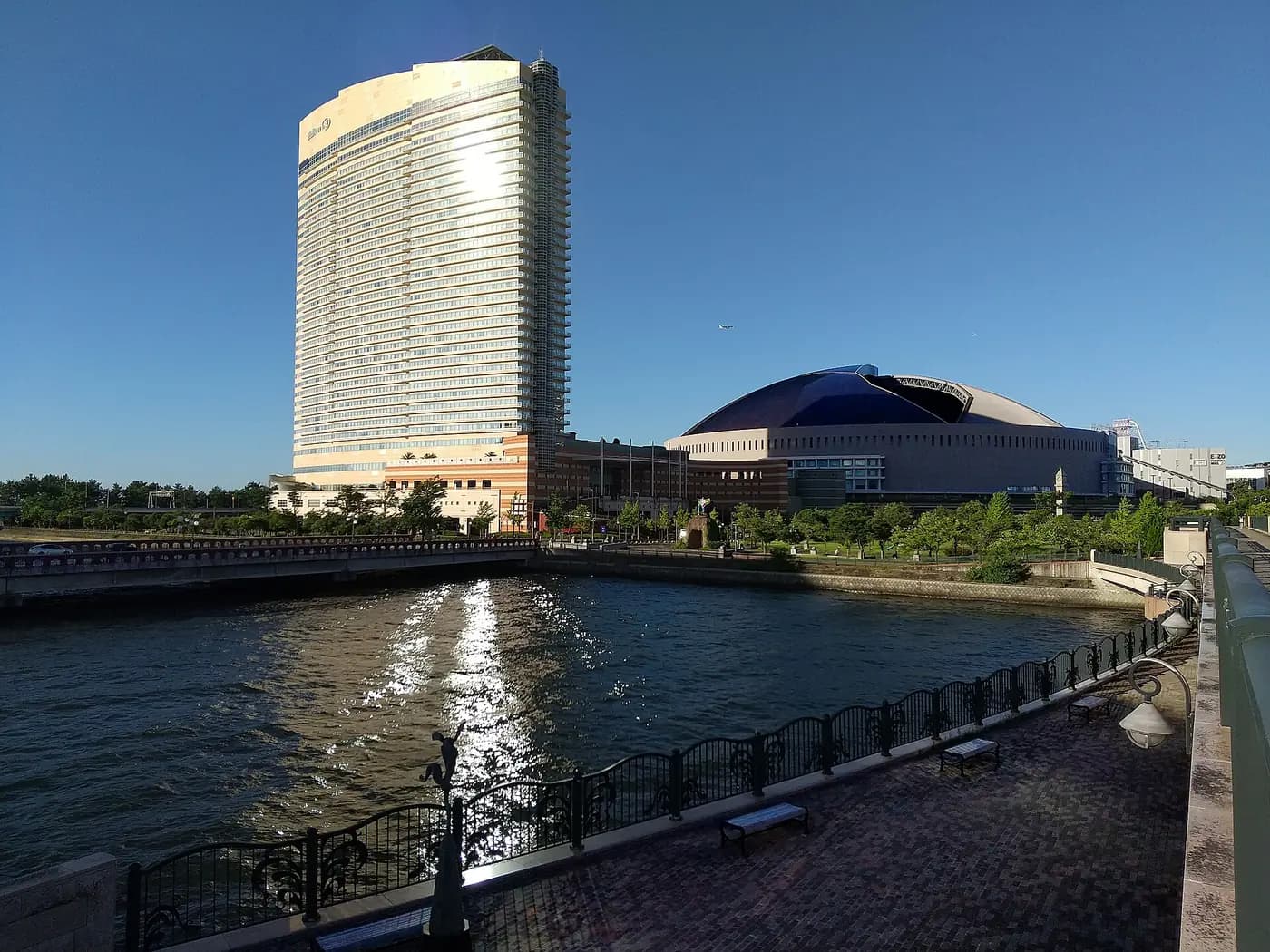
- The waterfront, with the Momochi district and Hilton Fukuoka Sea Hawk, a large conference hotel facing the bay.
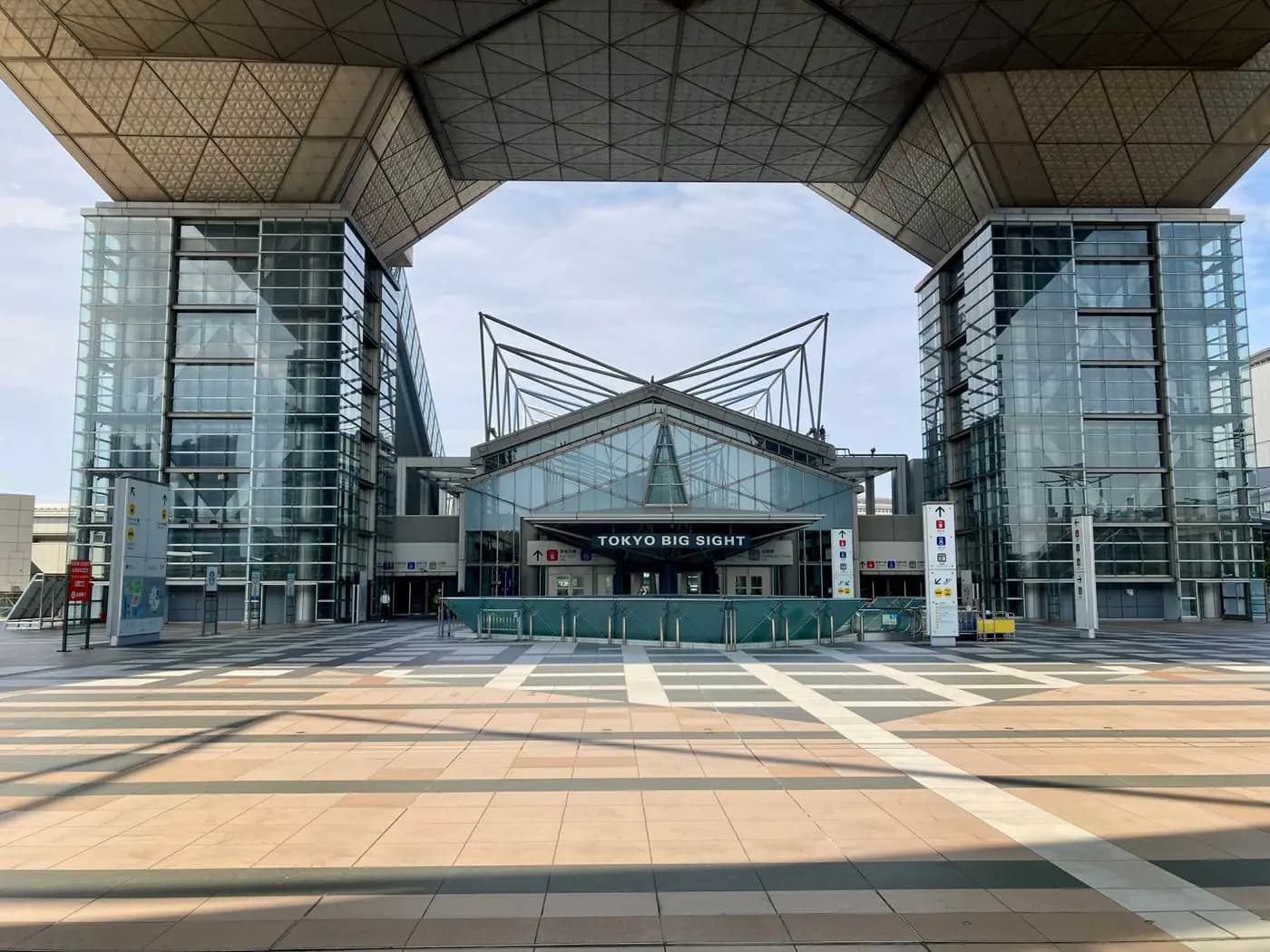
For larger events, the Hakata Bay convention cluster brings together Fukuoka International Congress Center, Marine Messe Fukuoka and Fukuoka Convention Center. The Fukuoka Convention & Visitors Bureau also offers support schemes, including for the use of unique venues.
A compact city that simplifies logistics
In Tokyo, a transfer between two districts can take 45 minutes. In Fukuoka, Hakata, Tenjin and the waterfront are usually 15 to 25 minutes apart by coach outside rush hour. This compactness changes how a program is built:
- More productive time. Participants spend less time in transit and more in meetings, visits or activities.
- Varied evenings without constraints. Dinner in Nakasu, a drink in Tenjin and the return to the hotel remain easy to organize.
- A controlled transfer budget. Fewer kilometers and fewer hours of coach hire.
Fukuoka is also a start-up city. It was designated a National Strategic Special Zone for business creation, and the Fukuoka Growth Next incubator, housed in a former school in Daimyo, regularly hosts visits. For an innovation-themed seminar, it is valued content.
This human scale also shows in supplier relationships. Hotels, restaurants and service providers in Fukuoka handle fewer international groups than those in Tokyo or Kyoto, and are often very willing to build a tailored program. For a seminar of 30 to 100 people, it is common to be able to book an entire restaurant or a distinctive venue that would be hard to secure in the capital.
Finally, the city lends itself to walking programs. Between Tenjin, Daimyo and Nakasu, many evening movements take just a few minutes on foot, which adds to the conviviality and reduces reliance on coaches. We still plan a return shuttle for late evenings or in case of rain.
Food, yatai and Kyushu: the incentive angle
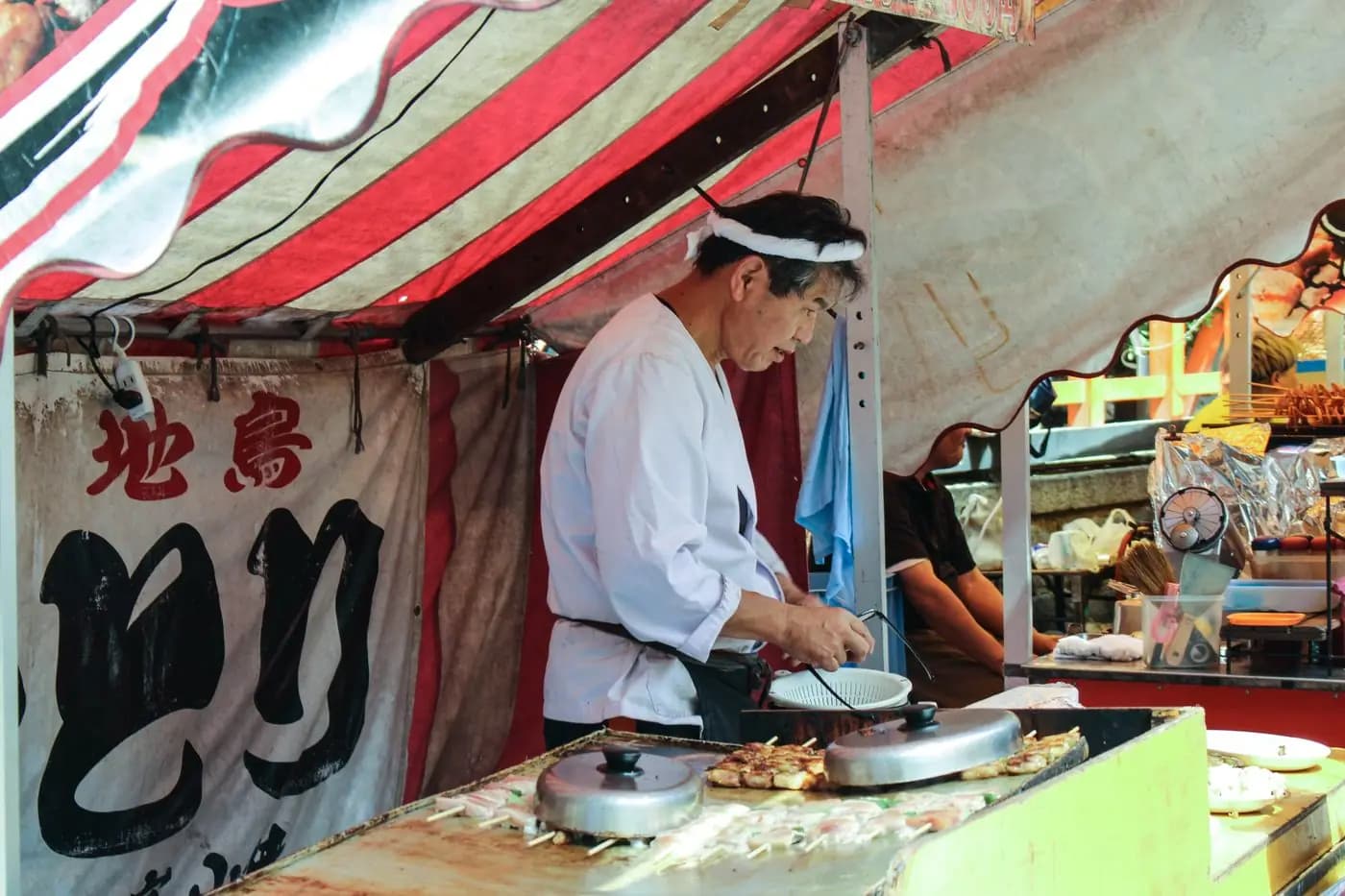
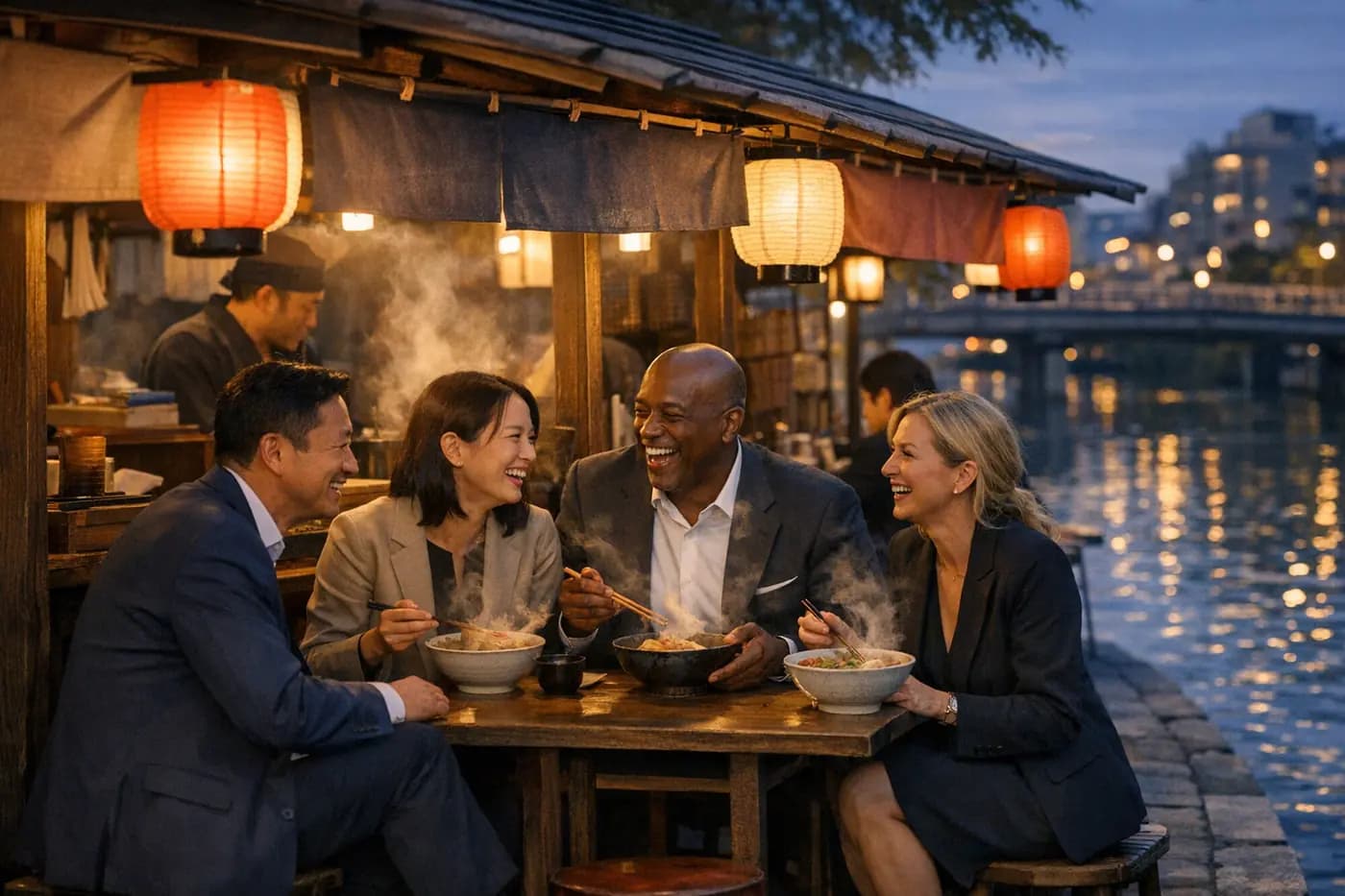
Fukuoka is known throughout Japan for its food: Hakata tonkotsu ramen, motsunabe, mentaiko, and fish from the Genkai Sea. The yatai, street food stalls set up each evening in Nakasu and Tenjin, are a signature of the city. They have very few seats, so for a group we organize a route in small teams, run as a challenge, rather than a single booking.
Beyond the city, Kyushu offers many options for a half day or an extension:
- Dazaifu, with its Tenmangu shrine and the Kyushu National Museum, reachable by train or coach from downtown.
- Itoshima, for coastline, artisan workshops and a relaxed atmosphere.
- The hot spring towns of Yufuin or Beppu for a two-day extension.
Depending on the season, the Hakata Gion Yamakasa festival every July or the winter illuminations can give the program a special character, provided the strong hotel demand is anticipated.
Fukuoka, Tokyo or Osaka: how to choose
Our decision grid, built from recent programs:
- Choose Tokyo for a large international convention, a high-profile media event or meetings with headquarters and institutions.
- Choose Osaka to combine an event with Kyoto and Nara, or for the large convention centers of the Kansai region.
- Choose Fukuoka for a seminar of 30 to 300 people, a second edition after Tokyo, an Asia-focused program or an incentive centered on food and lifestyle.
A combination is also possible: three days of seminar in Fukuoka, then the Shinkansen to Osaka and Kyoto. As a starting point, we offer a three- to four-day Fukuoka business seminar program, adaptable to your format and season.
Our team is glad to run a two-day site inspection with you to validate hotels, meeting rooms and restaurants before any commitment.
Frequently asked questions
How do you get to Fukuoka from Europe?
Fukuoka is reached with one connection, most often via Tokyo, Seoul or another Asian hub. From Tokyo, the flight takes about two hours. From Osaka, the Shinkansen connects Shin-Osaka to Hakata in about 2 hours 30 minutes.
Can Fukuoka host a convention of several hundred people?
Yes. The Hakata Bay convention cluster, with Fukuoka International Congress Center and Marine Messe Fukuoka, as well as hotels such as Hilton Fukuoka Sea Hawk, can host events of several hundred participants. The city ranked third in Japan for international conferences in 2024.
Is a seminar in Fukuoka less expensive than in Tokyo?
Generally yes, for an equivalent category, particularly for accommodation and transfers thanks to short distances. The difference varies with the season and local events, such as the Hakata Gion Yamakasa festival in July. Our budgets are always indicative and built on your dates.
Which team building activities work in Fukuoka?
The small-team yatai challenge in Nakasu and Tenjin is Fukuoka’s signature. Other options include cooking workshops, a visit to Dazaifu, artisan workshops in Itoshima, or a visit to the Fukuoka Growth Next incubator for an innovation-focused seminar.
Rédaction SHINOGI DMC · Updated