Where to shop in Tokyo: Ginza, Shibuya, Akihabara, Asakusa
Each Tokyo district has its speciality. No need to do them all: choose according to what you are looking for.
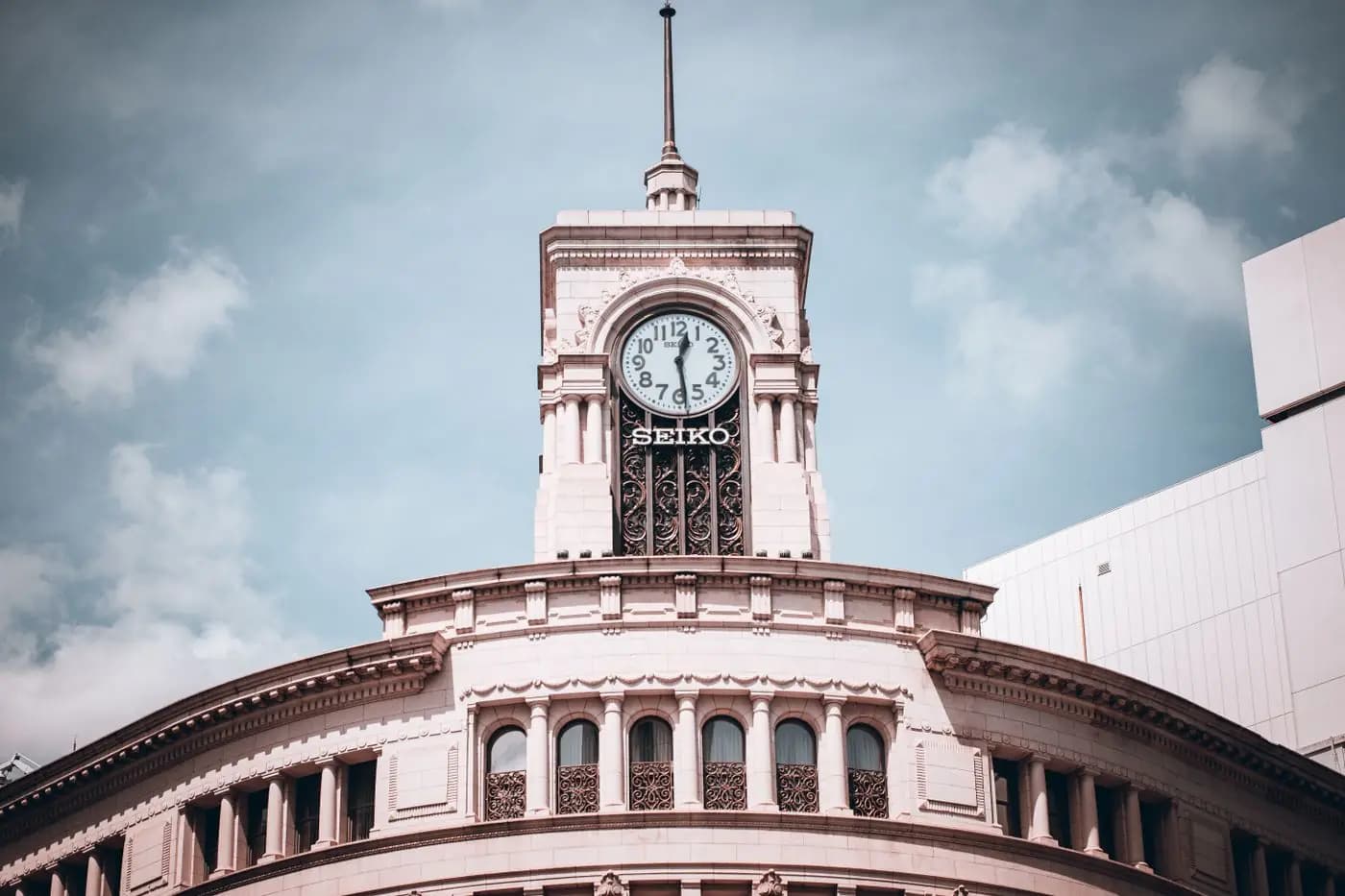
- Ginza: historic department stores (Mitsukoshi, Matsuya), the Ginza Six mall, luxury houses on Chuo-dori, and the multi-floor Itoya stationery store. The avenue becomes pedestrian on weekend and holiday afternoons, the best time to stroll. Japanese brands such as Uniqlo and Muji have flagship stores there.
- Shibuya and Harajuku: youth fashion, Japanese designers, Shibuya Parco (with floors devoted to gaming and anime), the Loft and Hands lifestyle stores. Takeshita-dori in Harajuku for the atmosphere, Omotesando next door for architecture and brands.
- Akihabara: electronics (the big Yodobashi and Bic Camera stores), but above all manga, figures, retro video games and collectibles, in narrow buildings where every floor is a shop.
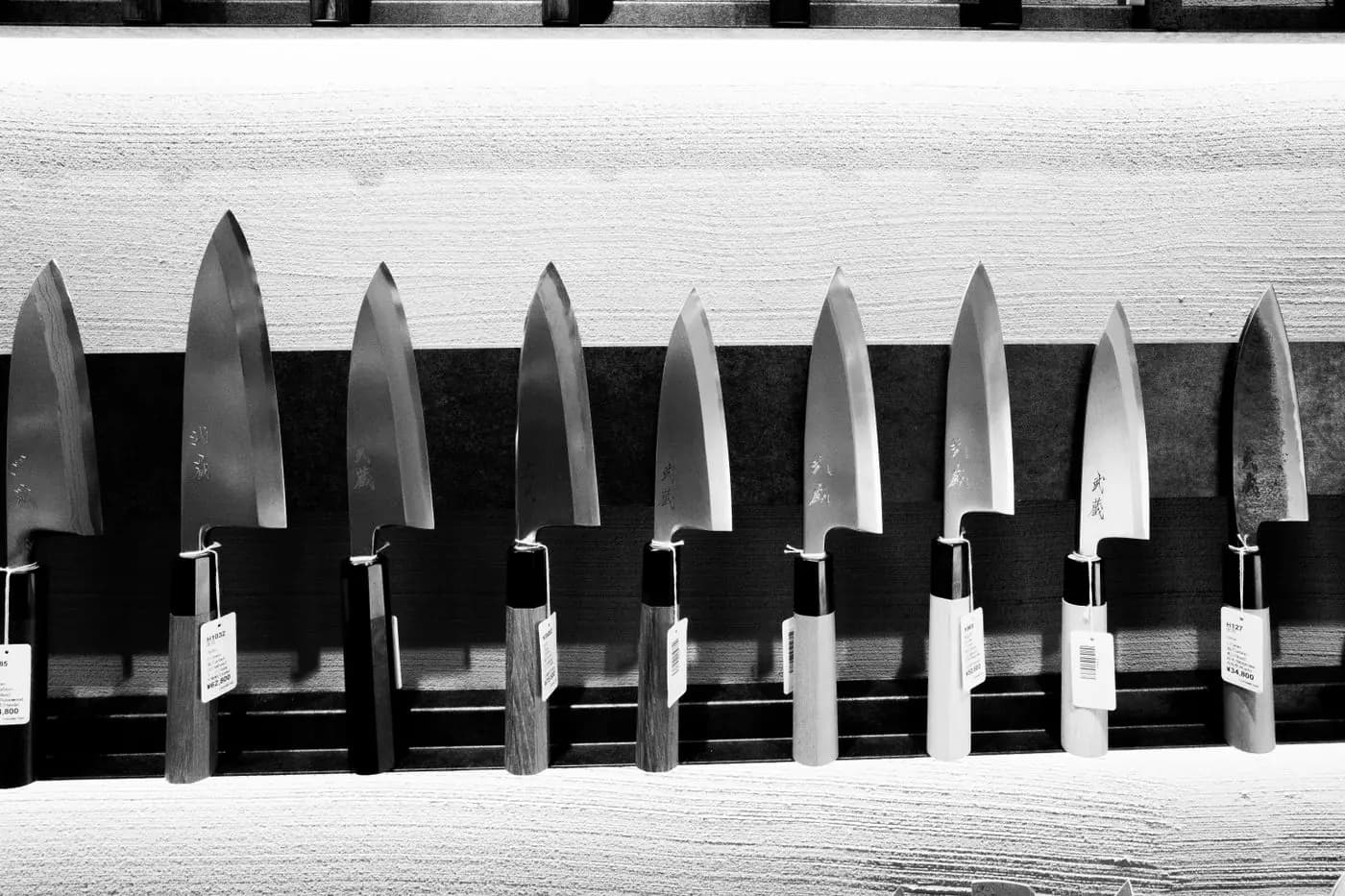
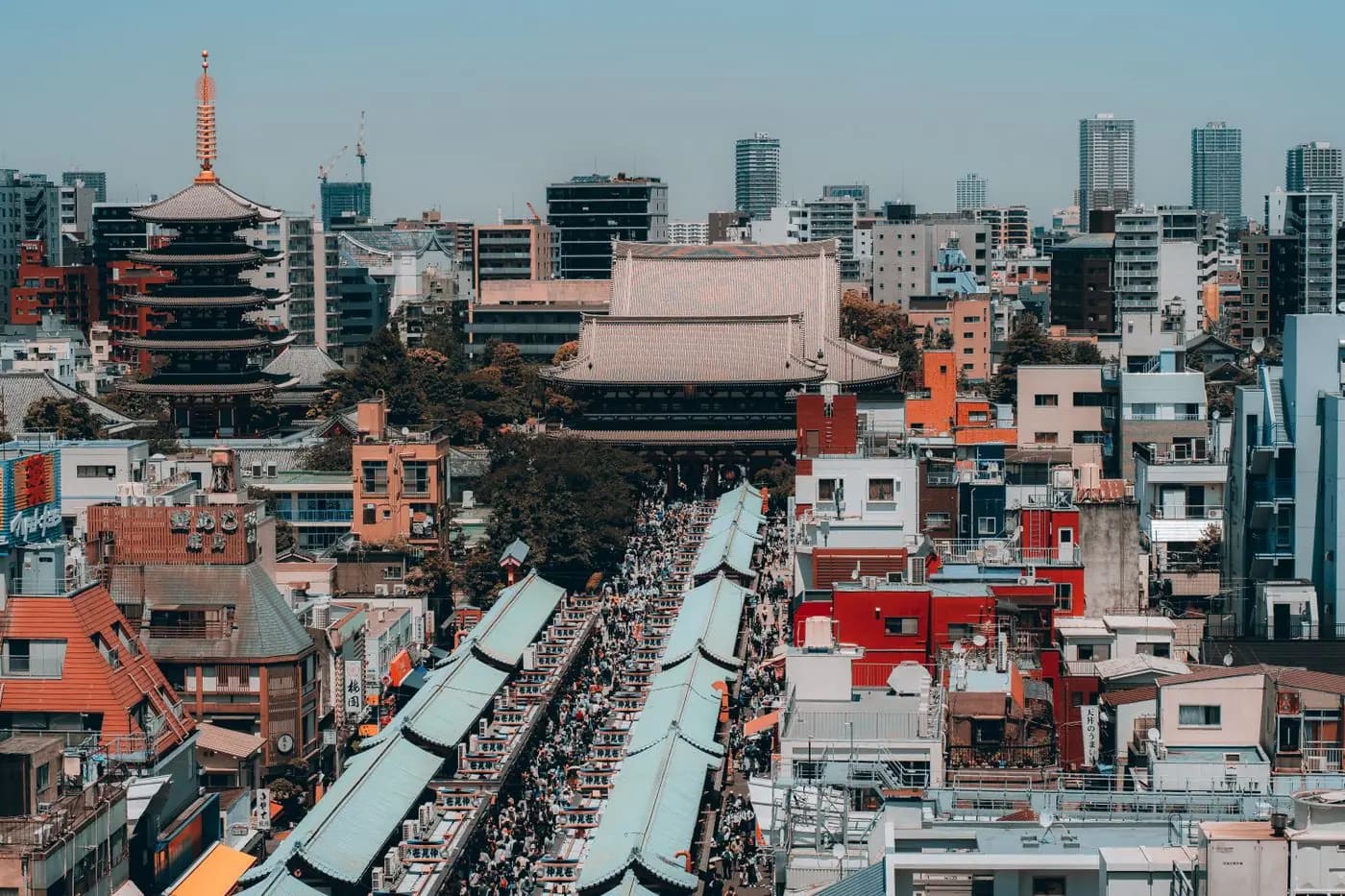
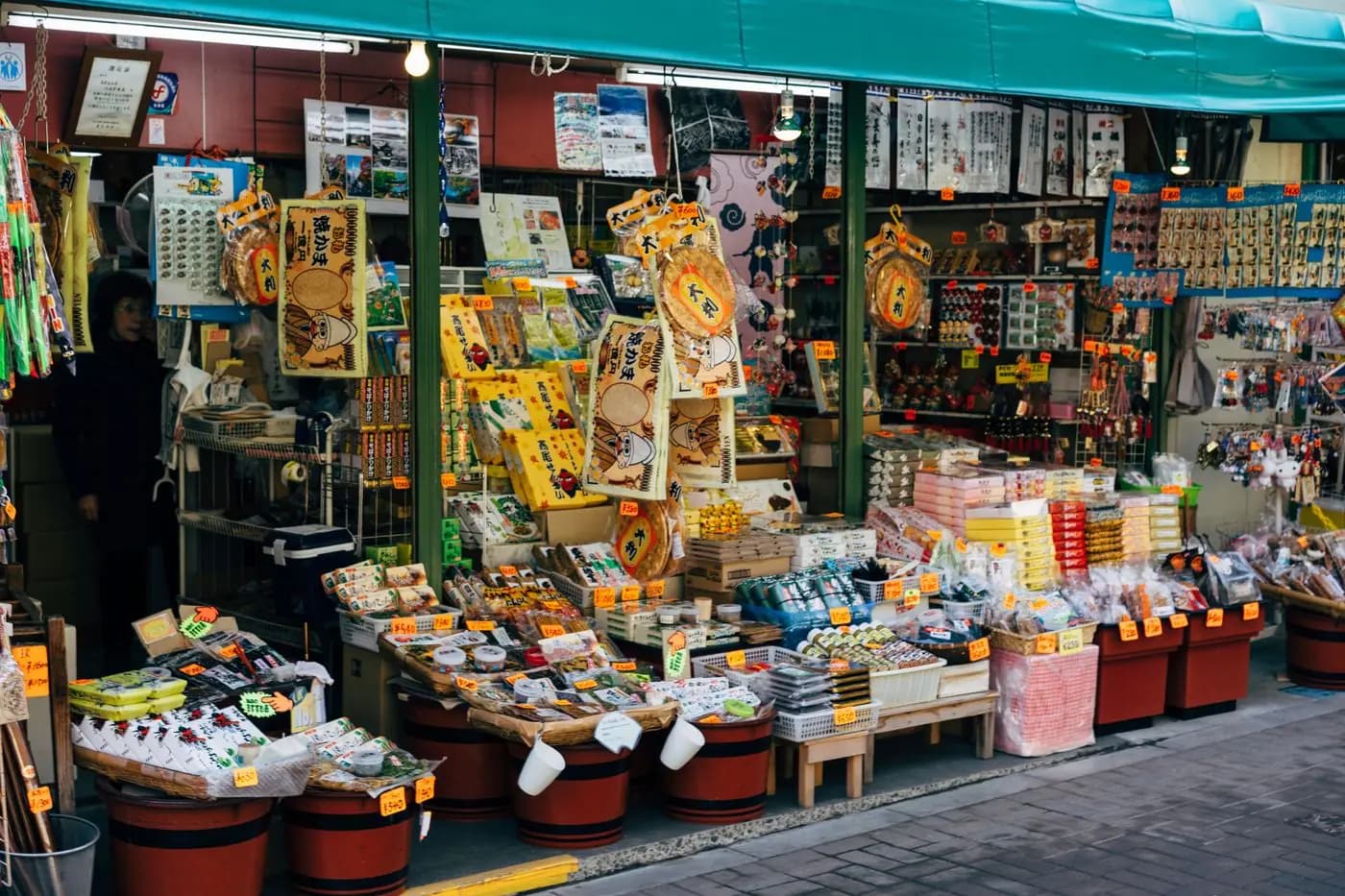
- Asakusa: Nakamise-dori, the shopping lane of about 250 metres leading to Senso-ji temple, with nearly 90 stalls selling rice crackers, fans, traditional toys and souvenirs. Ten minutes' walk away, Kappabashi, the restaurant-supply street, is the place for kitchen knives, bowls and resin food models.
- Shinjuku: the Isetan department store, known for fashion and its food hall, and electronics chains open late.
A practical tip: shops generally open around 10 or 11 a.m. and close around 8 or 9 p.m. Nakamise is more pleasant before 9:30 a.m. for photos, even though many stalls open later; Akihabara is better in the afternoon.
Shopping in Kyoto and Osaka: markets, covered arcades and artisans
In Kyoto, you mostly buy crafts and food. Nishiki Market, a covered street of about 400 metres with around a hundred stalls, sells pickles, tea, knives and utensils; it is more pleasant before 11 a.m. The covered arcades of Teramachi and Shinkyogoku, running perpendicular, mix souvenir shops, old stationers and fashion stores. On the slopes up to Kiyomizu-dera (Kiyomizu-zaka, Sannenzaka), potters and fan makers stand alongside tourist shops: look at signatures and prices, the difference in quality is clear. For tea, the town of Uji, 20 to 30 minutes south, produces some of the country's most renowned matcha.
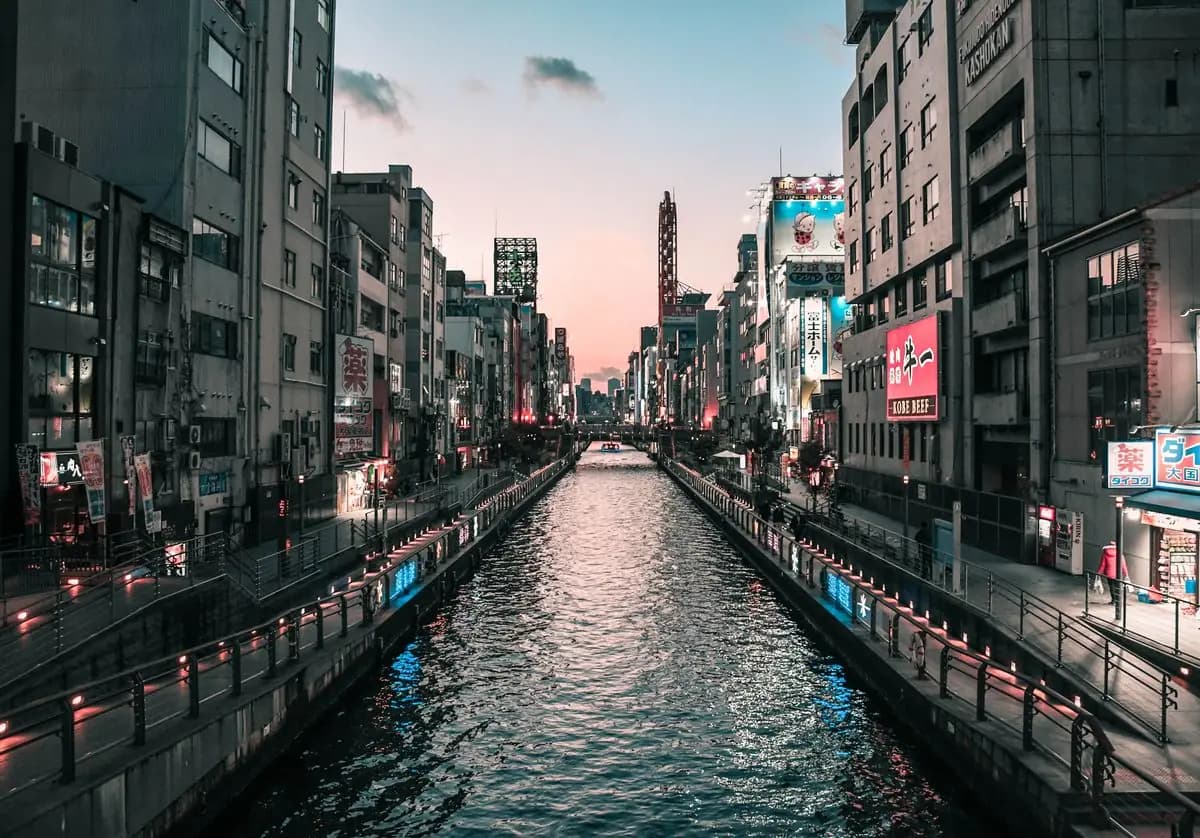
In Osaka, the mood is more popular and noisier. Shinsaibashi-suji, a covered arcade of nearly 600 metres, strings together fashion chains, drugstores and cosmetics shops down to the Dotonbori canal. Kuromon Market, nicknamed Osaka's kitchen, is best in the morning for grilled seafood and fruit. Den Den Town, south of Namba, is the local Akihabara. Around Osaka-Umeda station, the Hankyu and Daimaru department stores and malls linked by underground passages let you shop out of the rain or heat.
For knives, Sakai, south of Osaka, is one of Japan's great production centres: workshops sell directly and engrave the buyer's name on the blade.
Tax-free shopping in Japan: what changes on November 1, 2026
Japan's consumption tax is 10%, or 8% on food and non-alcoholic drinks to take away. Short-stay foreign visitors who entered Japan less than six months ago can be exempted in shops displaying the Japan Tax-Free Shop logo, from 5,000 yen before tax spent in the same shop on the same day, on showing their original passport (a photo is not enough).
Until October 31, 2026, the familiar system applies: the shop sells tax-free directly. Consumables (cosmetics, food, alcohol) go into a sealed bag not to be opened before departure and are capped at 500,000 yen.
From November 1, 2026, Japan moves to a refund system:
- you pay the tax-inclusive price at the till, showing your passport; the shop records the purchase in the national electronic system;
- on leaving Japan, before or after check-in depending on the airport, you go through a customs check that confirms the items are leaving the country and may ask to see them;
- once confirmation is sent, the shop refunds the tax using the method it has chosen (bank card, app, counter…);
- purchases must leave Japan within 90 days of purchase.
What goes: the distinction between consumables and general goods, the 500,000-yen cap and the sealed bag. What stays: consumables must not be consumed in Japan, and every item on a receipt must be presented at departure, or the whole purchase loses its refund.
Our advice: keep tax-free purchases in accessible luggage, arrive at the airport with 30 minutes' extra margin in the first months, and ask the shop how it refunds before paying. Some deduct a handling fee.
Department stores and depachika: the food paradise downstairs
Japanese department stores (depato) are an experience in themselves. At opening time, staff bow to the first customers at the door; some lifts still have attendants; gift wrapping is folded with origami precision. The big names: Mitsukoshi (the oldest, in Nihonbashi), Takashimaya, Isetan in Shinjuku, Daimaru and Hankyu in Osaka. Most have a tax-free counter and services for foreign visitors, sometimes with a discount on showing your passport or a coupon: ask at the information desk.
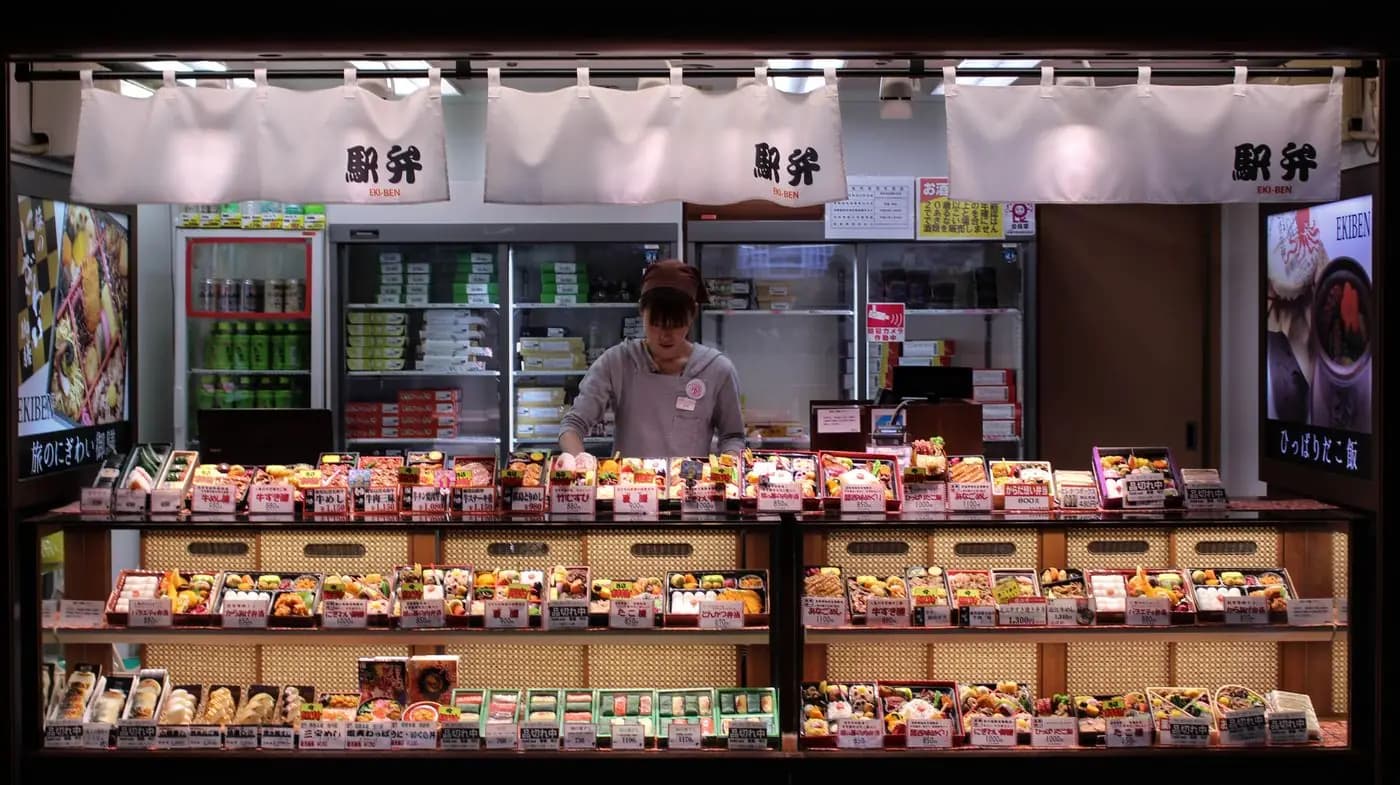
The real treasure is in the basement: the depachika, a contraction of depato and chika (basement). On one or two floors, dozens of counters sell Japanese and French pastries, bento, sushi, tempura, perfect fruit (a melon can cost more than 10,000 yen), sake and tea. Many stands offer tastings. It is the best place to:
- buy a quality takeaway lunch for a picnic or a Shinkansen journey;
- find beautifully wrapped food gifts to give the same day (many Japanese sweets keep only briefly);
- observe Japan's gift culture, with its boxes of biscuits and fruit.
A tip regulars know: in the last hour before closing, often around 8 p.m., ready-made dishes are marked down with discount stickers. Avoid Sunday afternoons, though, which are very busy.
For everyday items, two more places are worth a look: konbini (convenience stores open day and night) for snacks and practical items, and Don Quijote, the sprawling late-opening discounter, for cosmetics, regional-edition sweets and cheap souvenirs.
100-yen shops, souvenirs and crafts: what to bring back from Japan
100-yen shops (hyaku-en shops) are an institution: Daiso, Seria, Can Do. Most items cost 110 yen including tax, with some ranges at 300 or 500 yen. You find tableware, chopsticks, furoshiki, stationery, travel accessories and small Japanese kitchen items, often of surprising quality for the price. Perfect for gifts in bulk or to replace a forgotten adapter.
Souvenirs to bring back, by budget:
- Under 2,000 yen: tenugui (printed cotton towel), chopsticks, furoshiki (wrapping cloth), washi paper, regional KitKat flavours, tea bags, sweets and biscuits from the depachika.
- 2,000 to 15,000 yen: Uji matcha, a Kyoto fan, a ceramic bowl, Tokyo's Edo kiriko cut glass, Japanese sake or whisky, a whetstone.
- Above that: a handmade kitchen knife (Sakai, Seki, Sanjo), from about 15,000 to 20,000 yen for a fine blade; Wajima lacquerware; Nishijin textiles; an antique woodblock print from a reputable dealer.
Museum and temple shops are often better than tourist stalls: better-chosen items, fair prices. For crafts, the prefectural antenna shops in Tokyo, especially around Ginza and Nihonbashi, gather products from across the country under one roof.
Avoid bringing back a sword: even decorative ones require export formalities, and importing them is regulated in several countries.
Customs on the way home: allowances and banned products
Shopping well in Japan also means no nasty surprises on arrival home. Here are the rules for some common home countries (check before leaving, they change):
- European Union: an allowance of 430 euros per adult arriving by air, 150 euros for under-15s in some countries. Above that, duty and VAT on the whole item concerned. Tobacco: 200 cigarettes. Alcohol: 1 litre of spirits over 22% or 2 litres under 22%, plus 4 litres of wine and 16 litres of beer.
- Switzerland: an allowance of 300 francs per person for all goods; alcohol limited to 5 litres up to 18% and 1 litre above.
- Canada: allowances depend on time away (800 Canadian dollars after 48 hours).
- UK and US: check the current allowances on HMRC and CBP websites before you travel.
Products to leave in Japan: meat and dairy products (including vacuum-packed wagyu beef and some snacks containing them) are banned in the luggage of travellers entering the EU from a non-EU country. Plants, seeds and bulbs are regulated. Counterfeits are seized and can be fined.
For transport: knives go in checked baggage, well wrapped; so do sake and whisky, unless bought at a duty-free shop after security. Also mind your airline's weight limits: a 23 kg suitcase fills up fast with tableware.
Shopping with a group: free time and corporate gifts
On a group trip, shopping is often participants' top request, and the hardest to fit in. A few rules that work:
- A real slot, not scraps: two to three hours of free time in a shopping district are better than twenty minutes at every stop. Ginza or Shibuya in Tokyo, Shinsaibashi or Umeda in Osaka, Shijo-Kawaramachi in Kyoto work well: everything is walkable and well connected.
- A written meeting point and time, with a photo of the spot, and the hotel address in Japanese on a card for those who prefer to return by taxi.
- Tax-free rules explained at the briefing, especially from November 2026: keep receipts, don't open consumables, allow for the customs check at departure.
- Hotel delivery: department stores often deliver bulky purchases to the hotel; otherwise, takkyubin sends them to the last stop of the trip.
For corporate gifts, Japan offers fine options. The culture of omiyage, the small gift brought back from a trip for colleagues, runs deep. You can have made:
- furoshiki or tenugui printed with the company logo;
- chopsticks engraved with each participant's name;
- a bottle of sake with a custom label, from a brewery;
- a box of Uji tea or sweets from an old confectioner, placed in rooms on the last evening.
Allow 4 to 8 weeks and a minimum quantity (often 50 to 100 pieces) for customisation. Note that tax-free applies to visitors' personal purchases: an order placed by the company, or intended for resale, follows other rules. SHINOGI DMC organises these shopping slots and gift orders for its groups, working directly with artisans.
Frequently asked questions
How does tax-free shopping in Japan work from November 2026?
From November 1, 2026, you pay the tax-inclusive price while showing your passport; at departure, customs confirms the items are leaving Japan, then the shop refunds the tax. Purchases must be exported within 90 days.
What is the minimum spend for tax-free shopping in Japan?
5,000 yen before tax in the same shop on the same day. The new November 2026 system keeps this threshold.
Where should you shop in Tokyo?
Ginza for department stores and brands, Shibuya and Harajuku for fashion, Akihabara for electronics and manga, Asakusa (Nakamise) and Kappabashi for souvenirs and knives, Shinjuku for Isetan and late-opening stores.
What is a depachika?
It is the basement food floor of Japanese department stores: pastries, bento, sushi, luxury fruit, sake and tea, often with tastings. Ready-made dishes are discounted in the last hour before closing.
Can you bring wagyu beef back from Japan to Europe?
No. Travellers entering the EU from a non-EU country cannot bring meat or dairy products in their luggage, even vacuum-packed.
What souvenirs should you bring back from Japan?
On a small budget: tenugui, furoshiki, chopsticks, washi, regional KitKats, tea. Mid-range: Uji matcha, ceramics, Edo kiriko glass, sake. For a lasting buy: a handmade knife from Sakai, Seki or Sanjo, from about 15,000 to 20,000 yen.
Rédaction SHINOGI DMC · Updated
Sources
- National Tax Agency — 輸出物品販売場制度のリファンド方式への見直し (refund system from Nov. 2026)
- Japan Tourism Agency — 消費税免税店サイト (tax-free shop information)
- Senso-ji — Official website
- Nishiki Market — Official website
- Shinsaibashi-suji Shopping Street — Official website
- Your Europe (EU) — Alcohol, tobacco and cash allowances when entering the EU
- Your Europe (EU) — Meat, dairy, plants and animals in your luggage
- ch.ch (Swiss authorities) — Shopping tourism and duty-free allowances
- JNTO — Préparer son voyage au Japon (douanes)